Loading subject page…


225,811 views

Video Summary: Regulation of Expression Occurs at Explained
Every time you eat a meal, thousands of genes in your liver cells suddenly activate to produce digestive enzymes-but how do cells know exactly when and where to turn genes on or off? The regulation of expression occurs at multiple checkpoints throughout the gene-to-protein pathway, from DNA transcription in the nucleus to protein modification in the cytoplasm. For instance, insulin production in pancreatic beta cells requires precise regulation at transcription, RNA processing, translation, and post-translational levels to maintain blood sugar balance. Watch the full video on JoVE Coach to master this concept with expert-led visuals and step-by-step explanations.
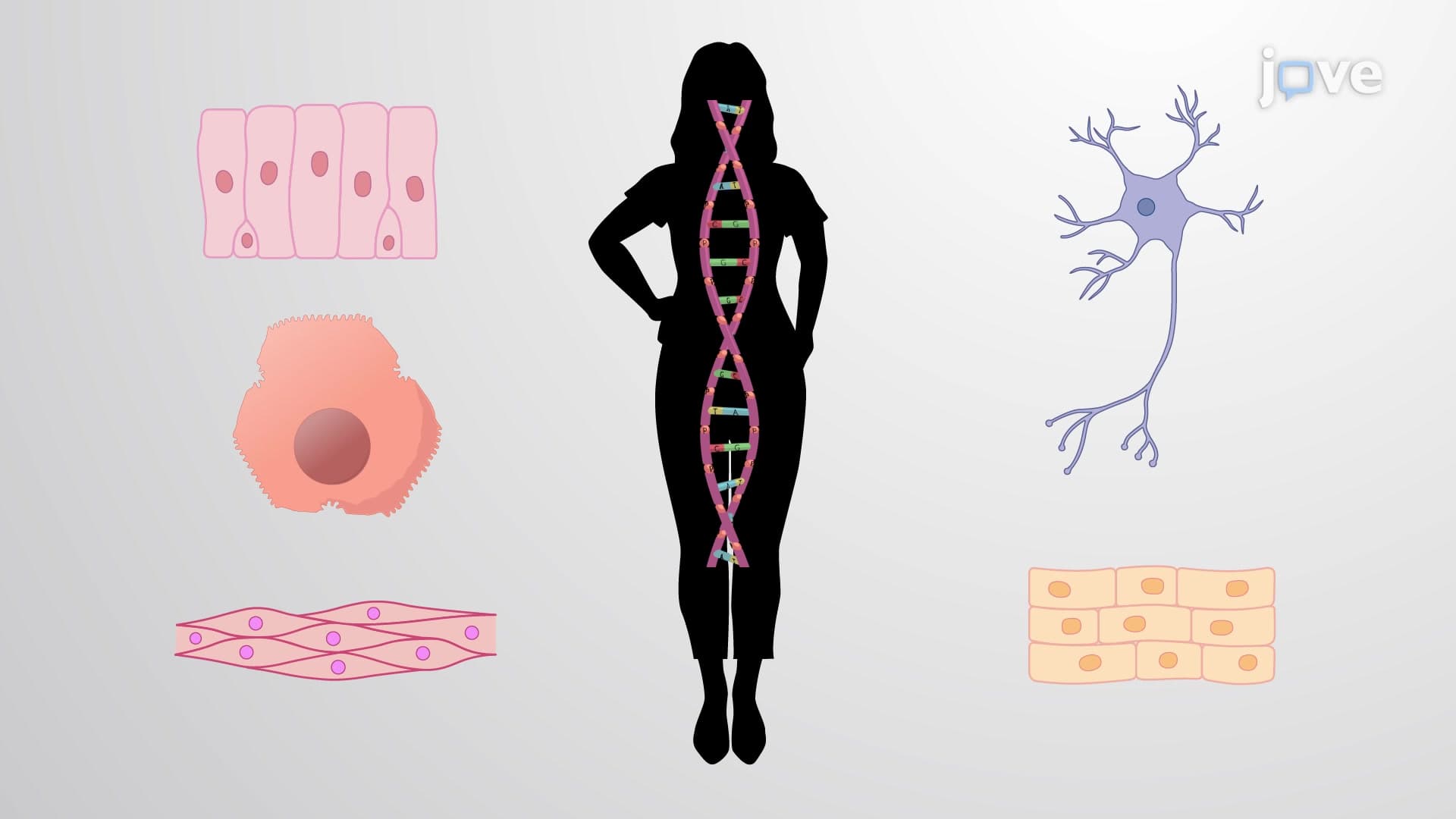
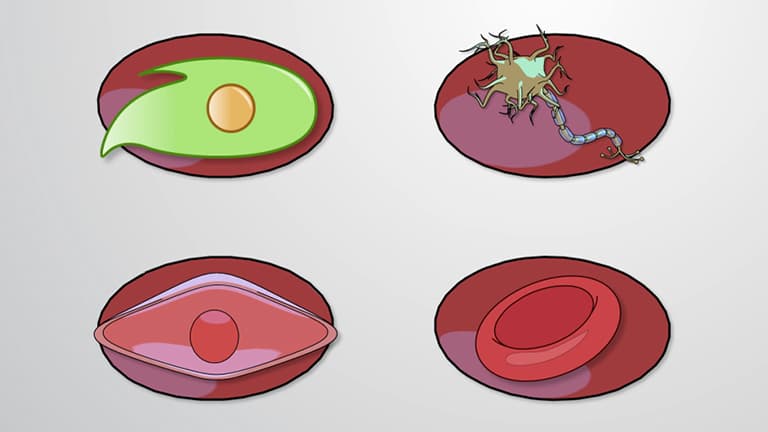
Gene regulation represents one of biology's most sophisticated control systems, allowing a single genome to create hundreds of different cell types. The regulation of expression occurs at explained checkpoints throughout the entire gene-to-protein pathway, ensuring cells produce the right proteins at the right time and place.
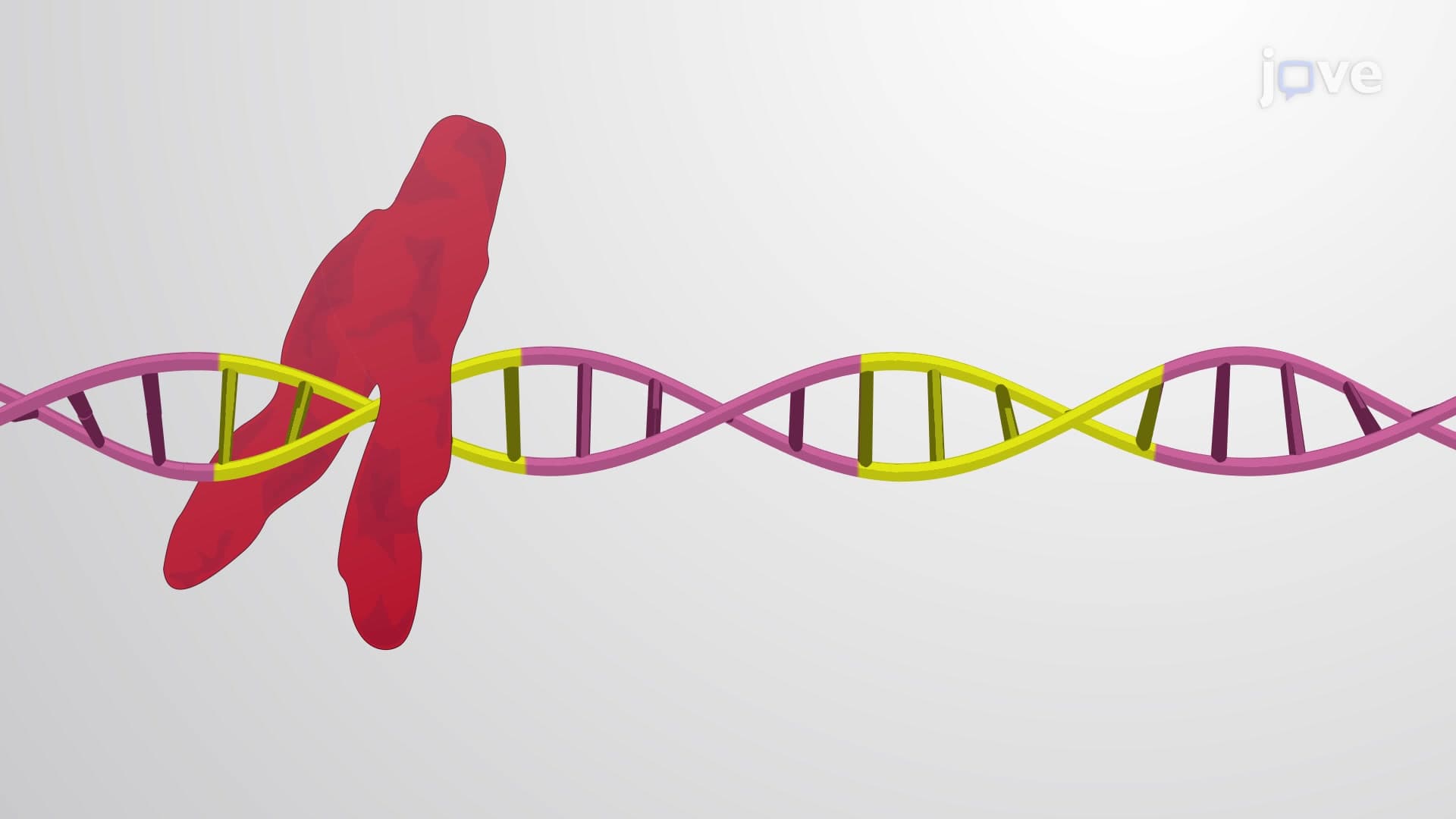
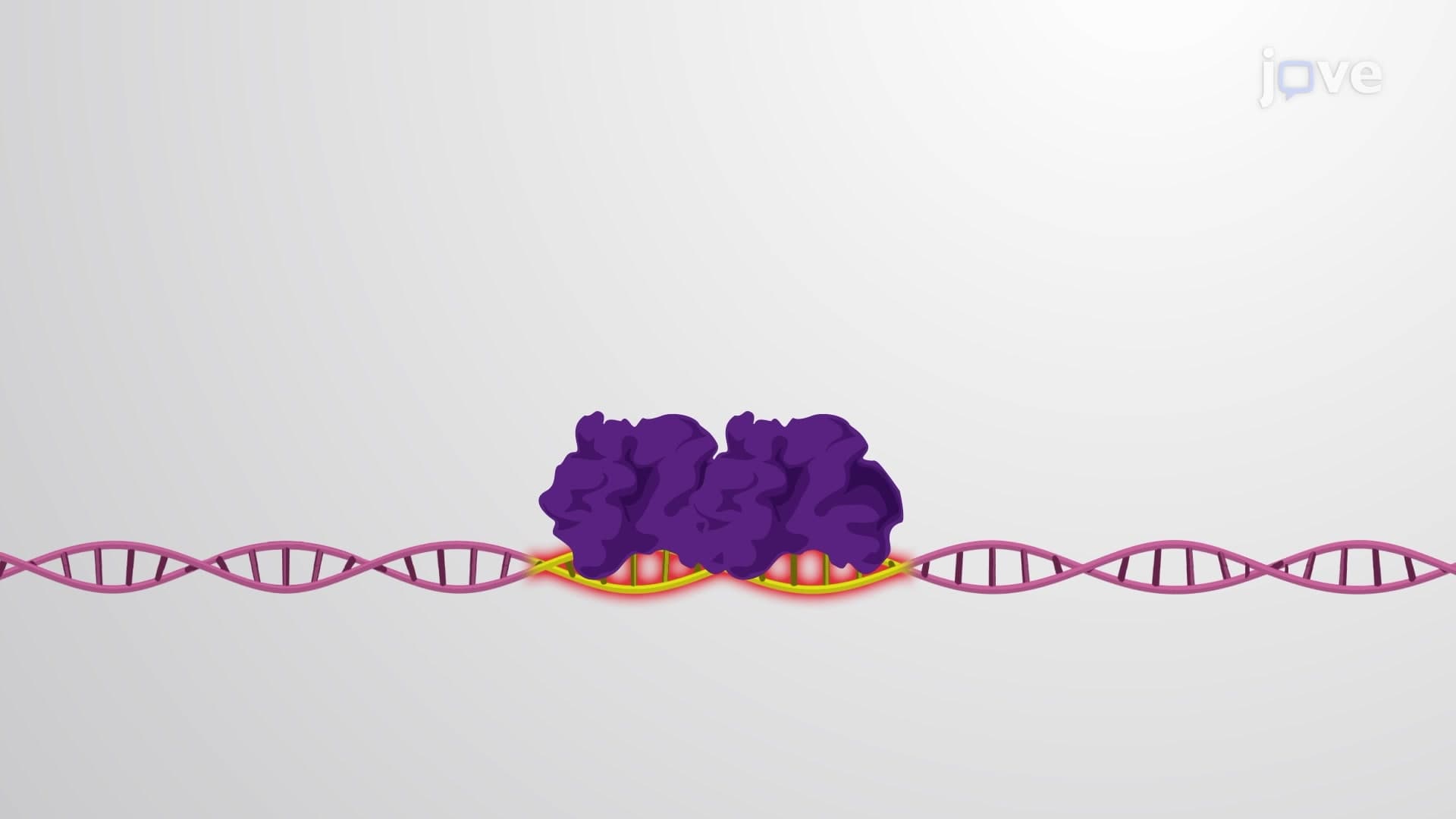
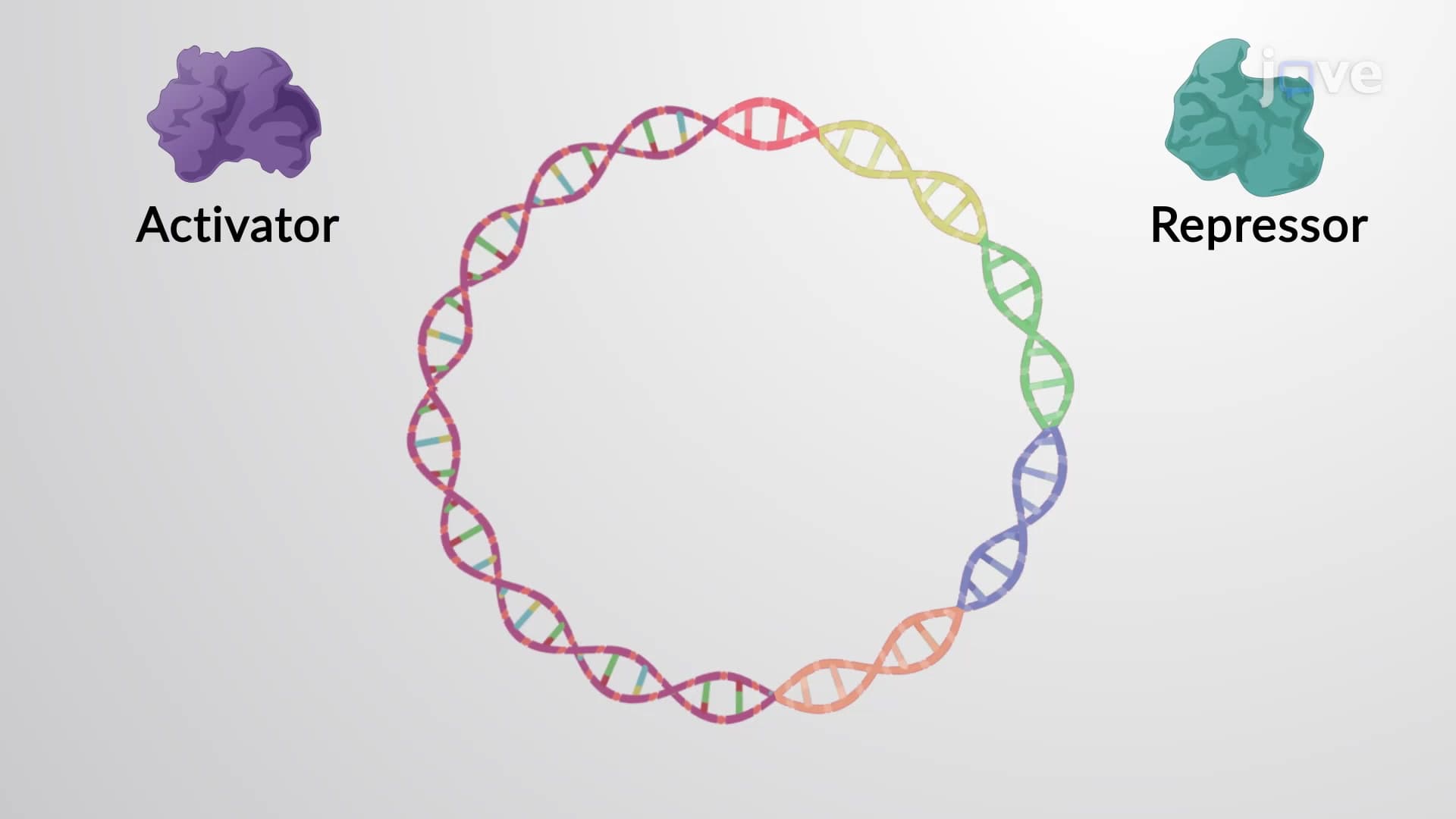
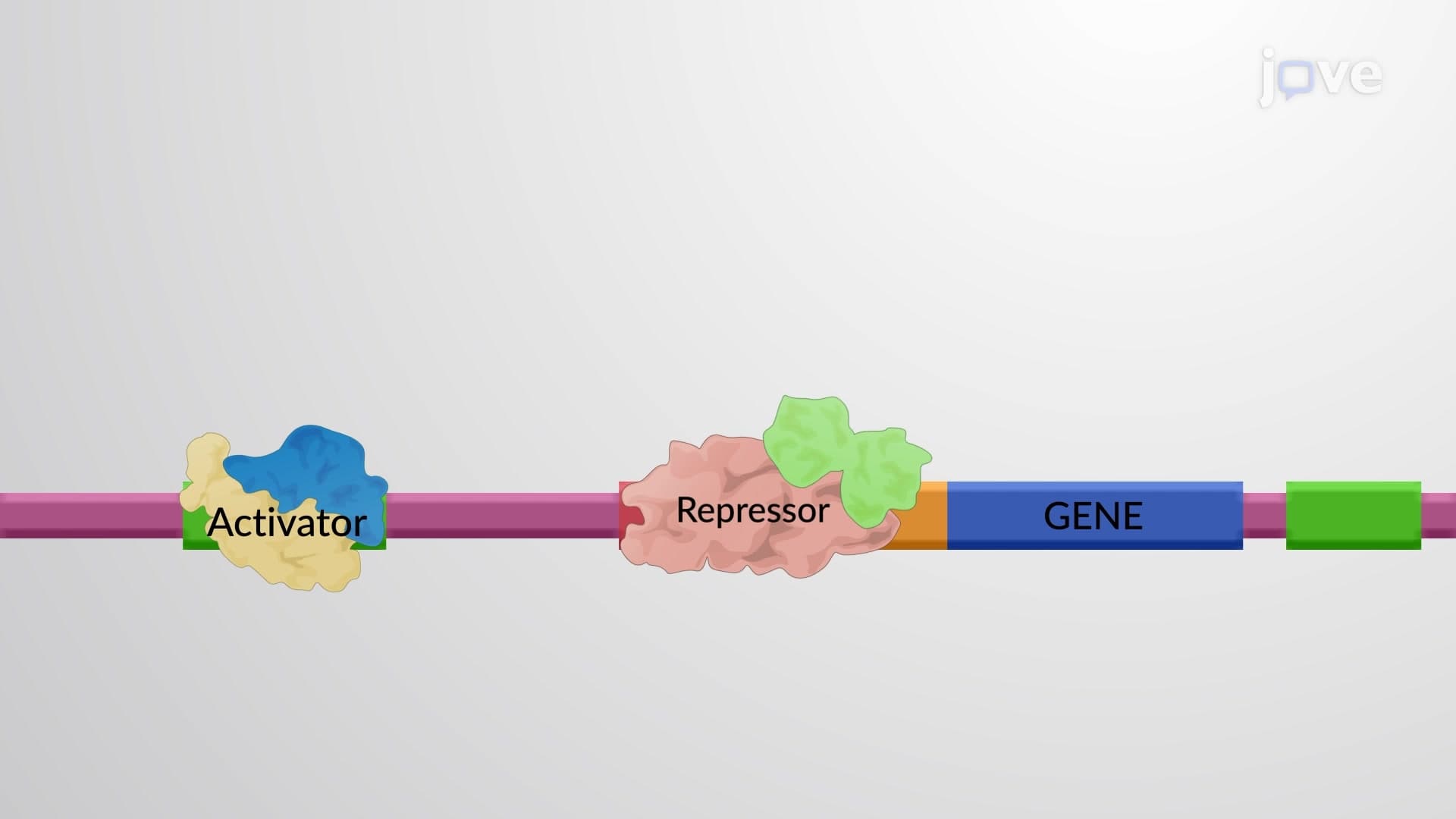
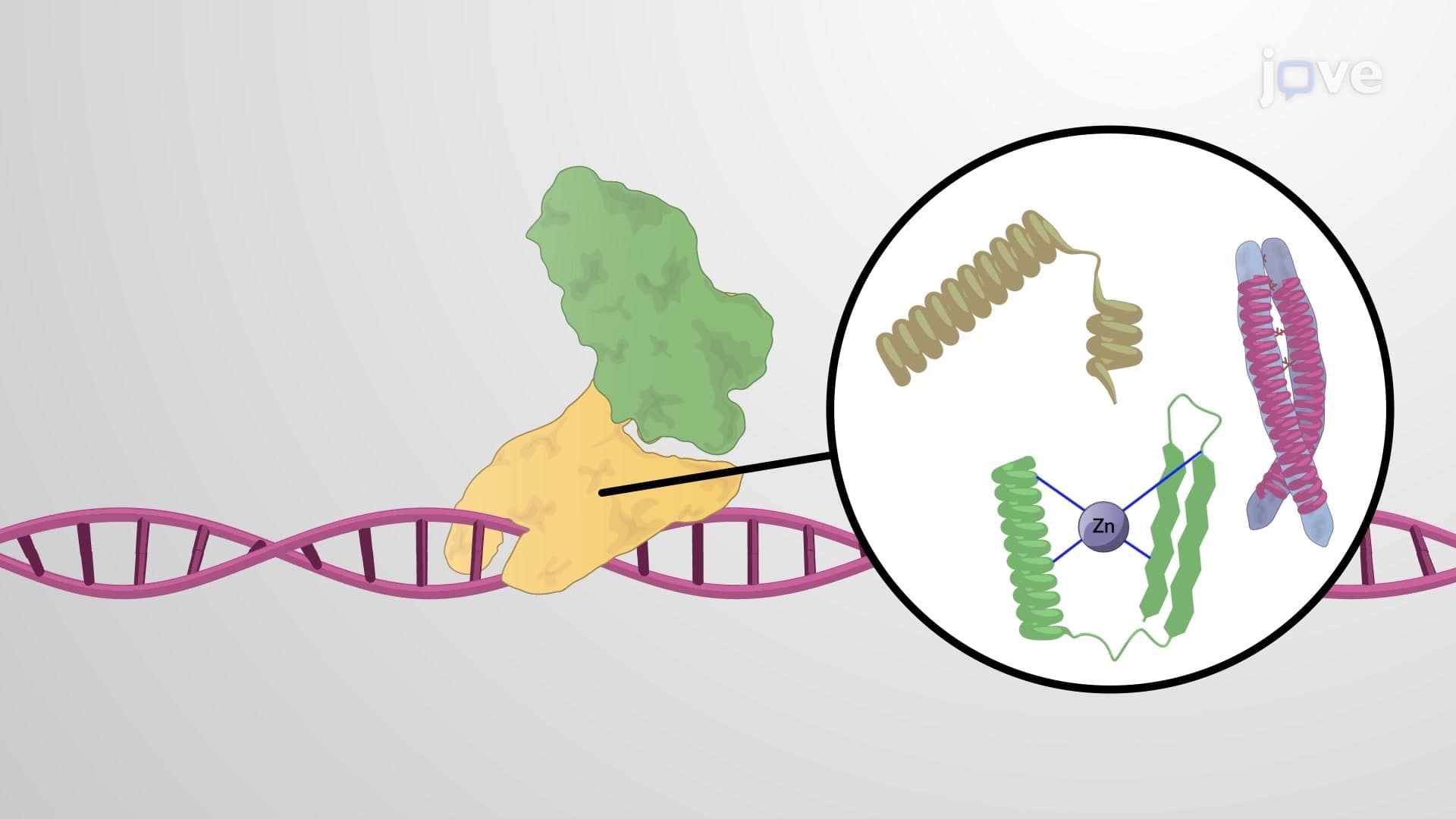
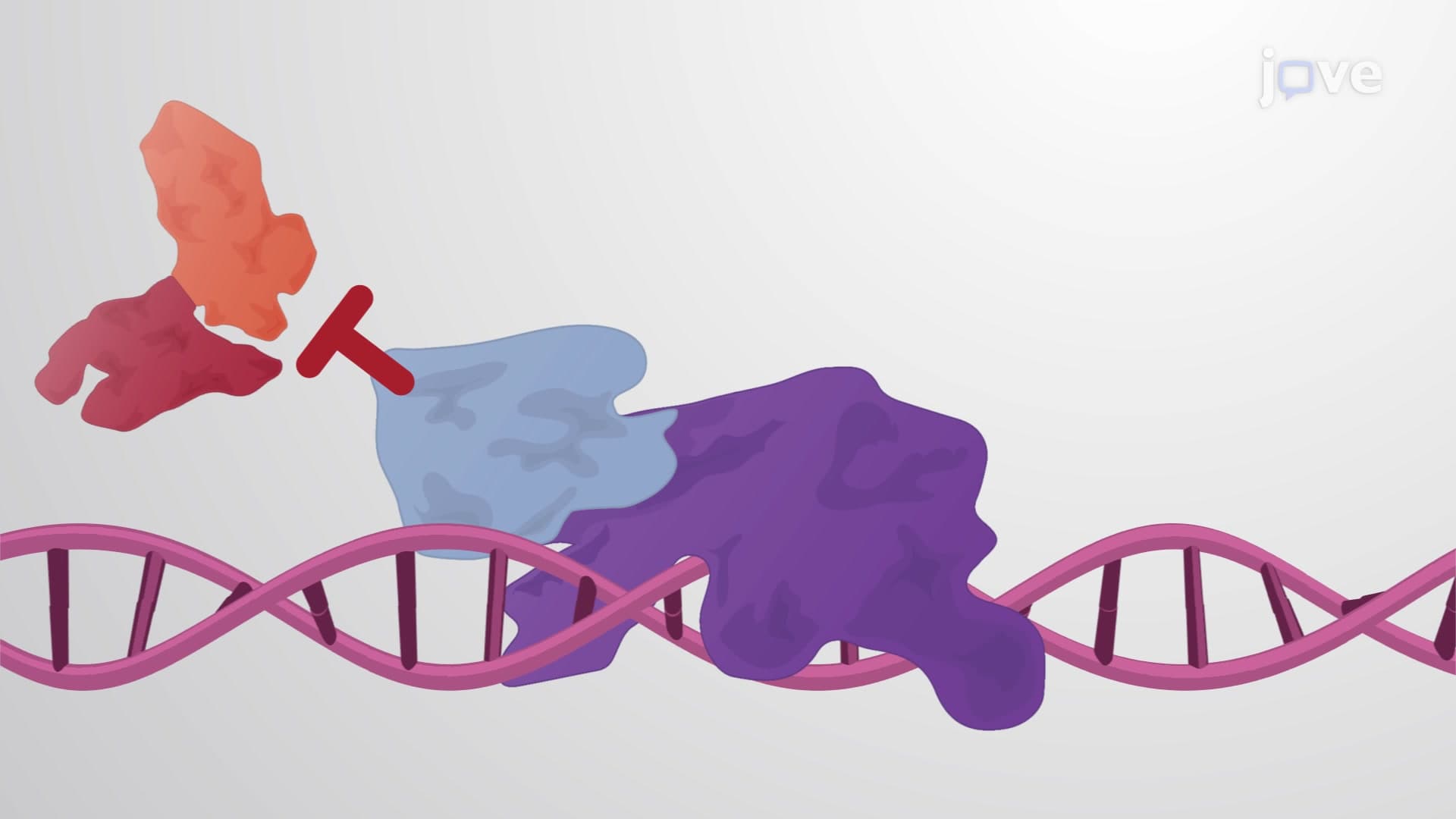
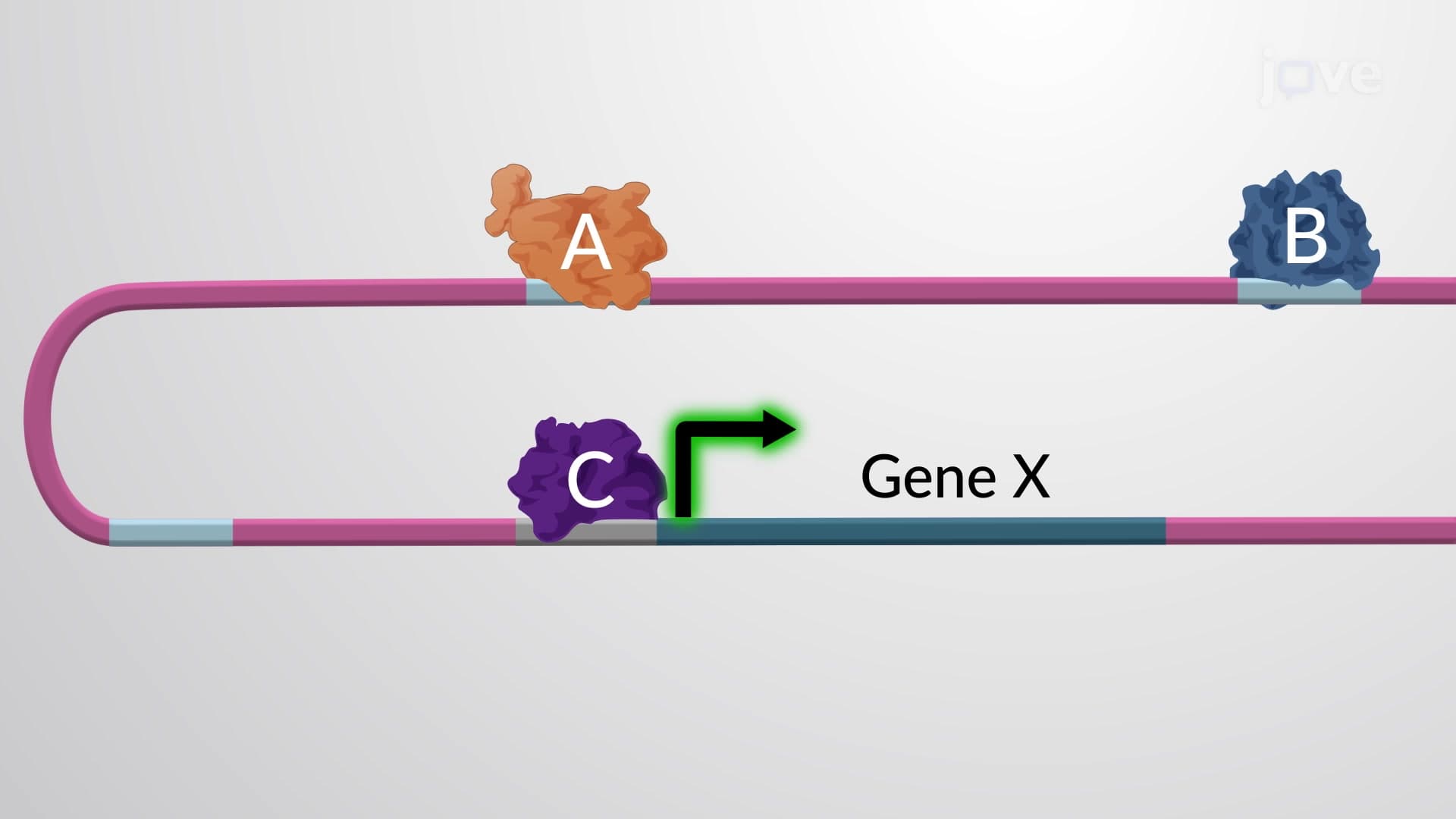
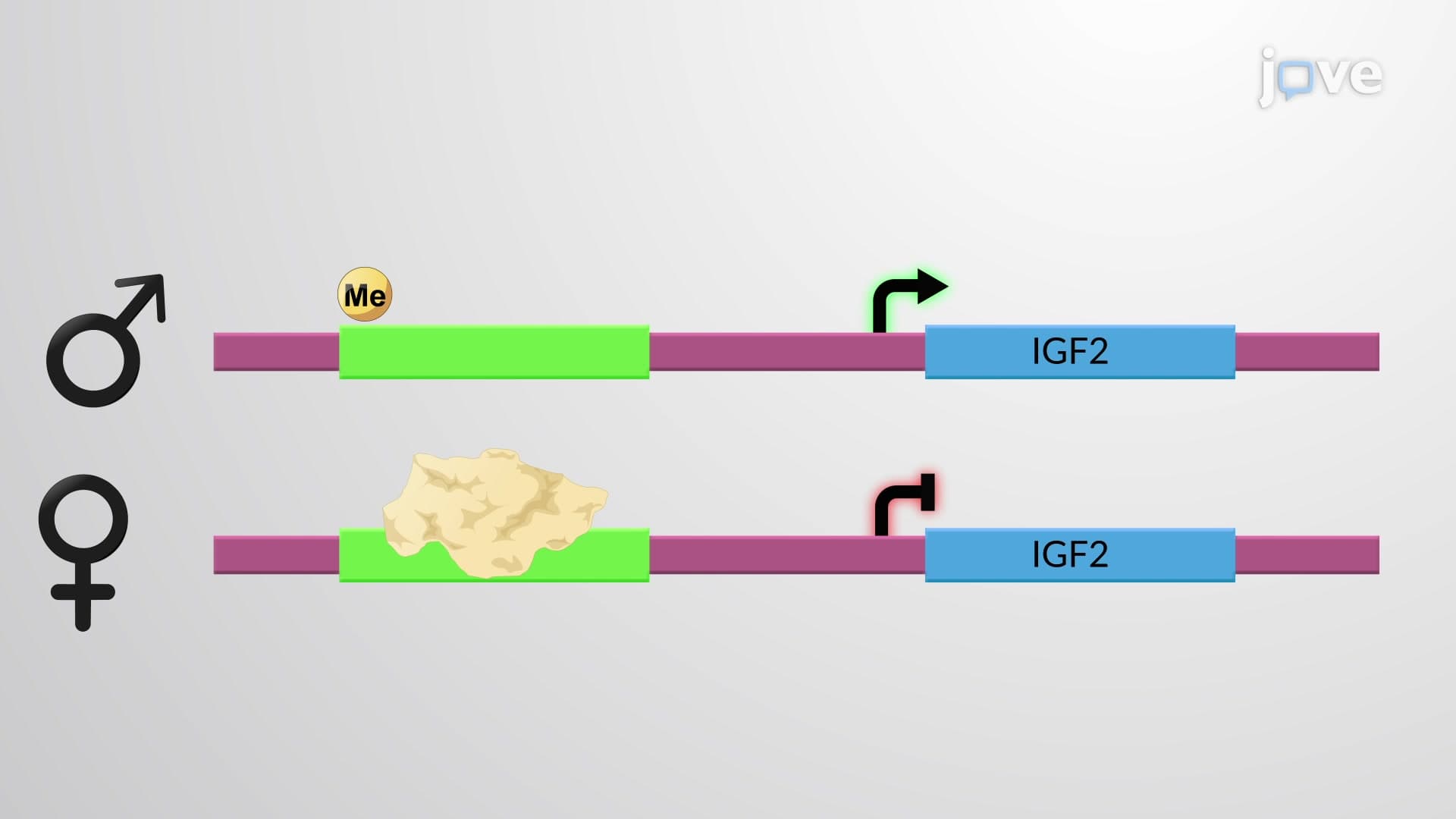
Transcriptional regulation serves as the primary gatekeeper for gene expression. Transcription factors-specialized proteins that bind to specific DNA sequences-can either activate or repress gene transcription. For example, the p53 protein acts as a "guardian of the genome" by binding to DNA damage-response genes when cells experience stress. This concept frequently appears on AP Biology exams, where students must explain how enhancers and silencers affect transcription rates.
In the United States healthcare system, understanding transcriptional control is crucial for cancer research. Many oncogenes and tumor suppressor genes are regulated at the transcriptional level, making this knowledge essential for MCAT preparation and medical school coursework.
After transcription, pre-mRNA undergoes extensive processing before becoming mature mRNA. RNA splicing removes introns and joins exons, but alternative splicing can create multiple protein variants from a single gene. The DSCAM gene in humans can theoretically produce over 38,000 different proteins through alternative splicing-demonstrating the incredible diversity possible through post-transcriptional regulation.
mRNA capping and polyadenylation also provide regulatory opportunities. The poly-A tail length directly correlates with mRNA stability and translation efficiency. This process is particularly important in developing embryos, where maternal mRNAs with different poly-A tail lengths are translated at specific developmental stages.
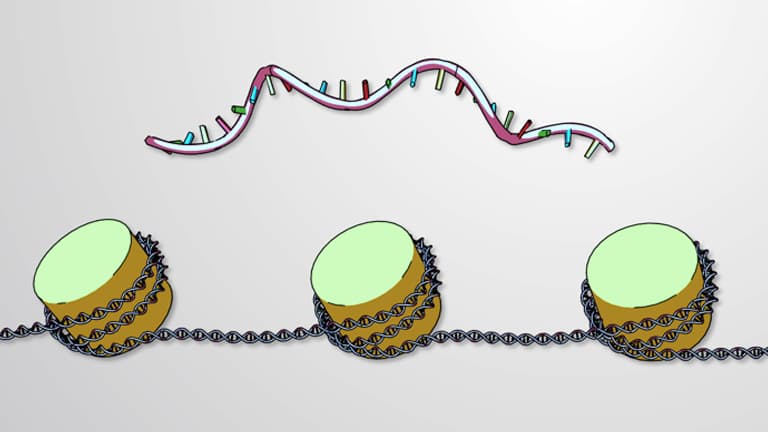
Translation regulation can be specific (targeting individual mRNAs) or general (affecting all protein synthesis). MicroRNAs exemplify specific regulation-these small RNA molecules bind to complementary sequences on target mRNAs, often leading to translation inhibition or mRNA degradation. The discovery of microRNA regulation earned the 2006 Nobel Prize and revolutionized our understanding of gene control.
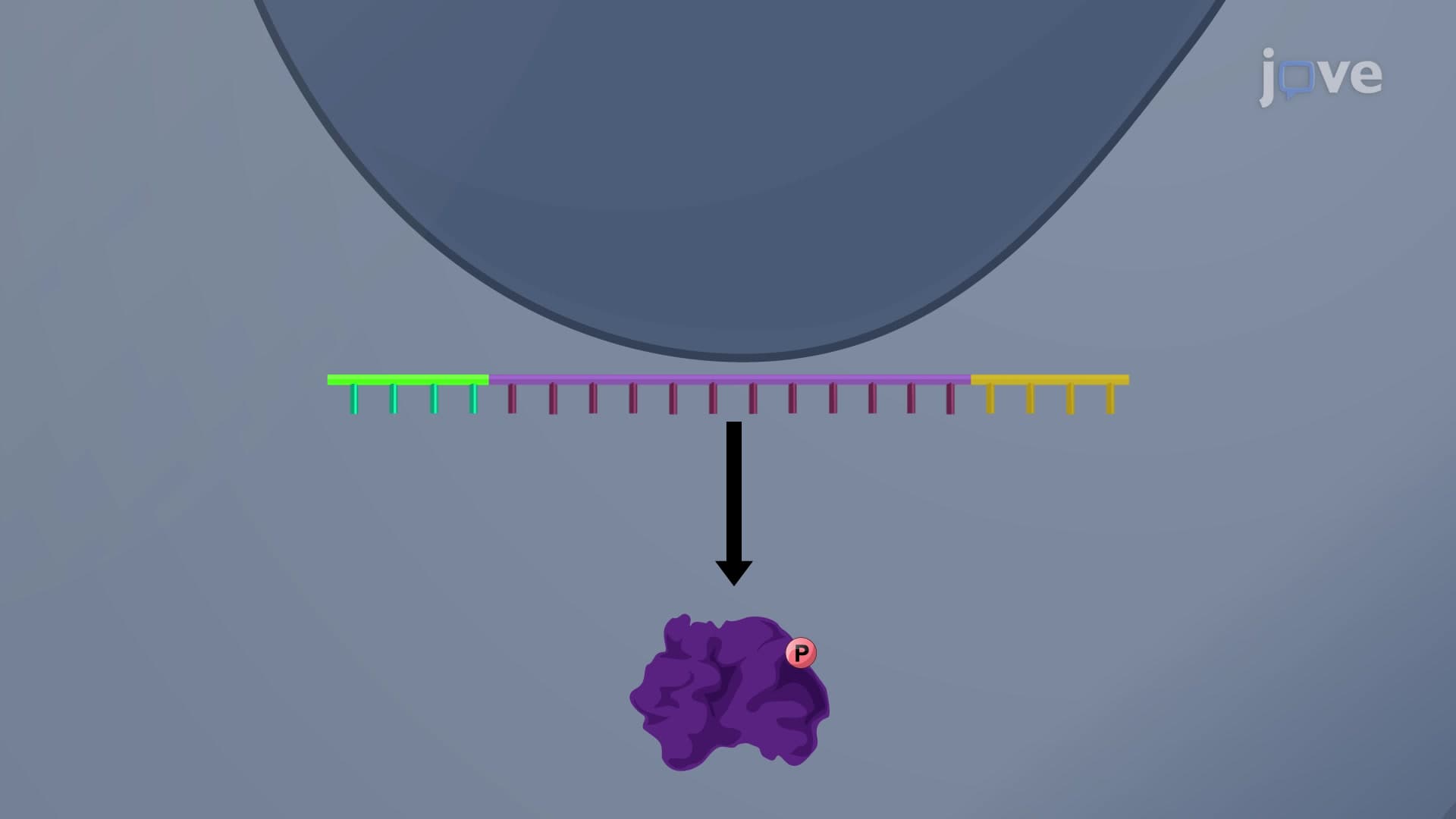
Post-translational modifications provide the final layer of regulation. Phosphorylation can rapidly activate or deactivate proteins, while ubiquitination typically marks proteins for degradation. For college students studying biochemistry, understanding these modifications is essential for comprehending cellular signaling pathways and metabolic control.
Related Micro-courses