Loading video…


 15 Concepts
 225.8K views

Video Summary: What Is the Eukaryotic Promoter Region
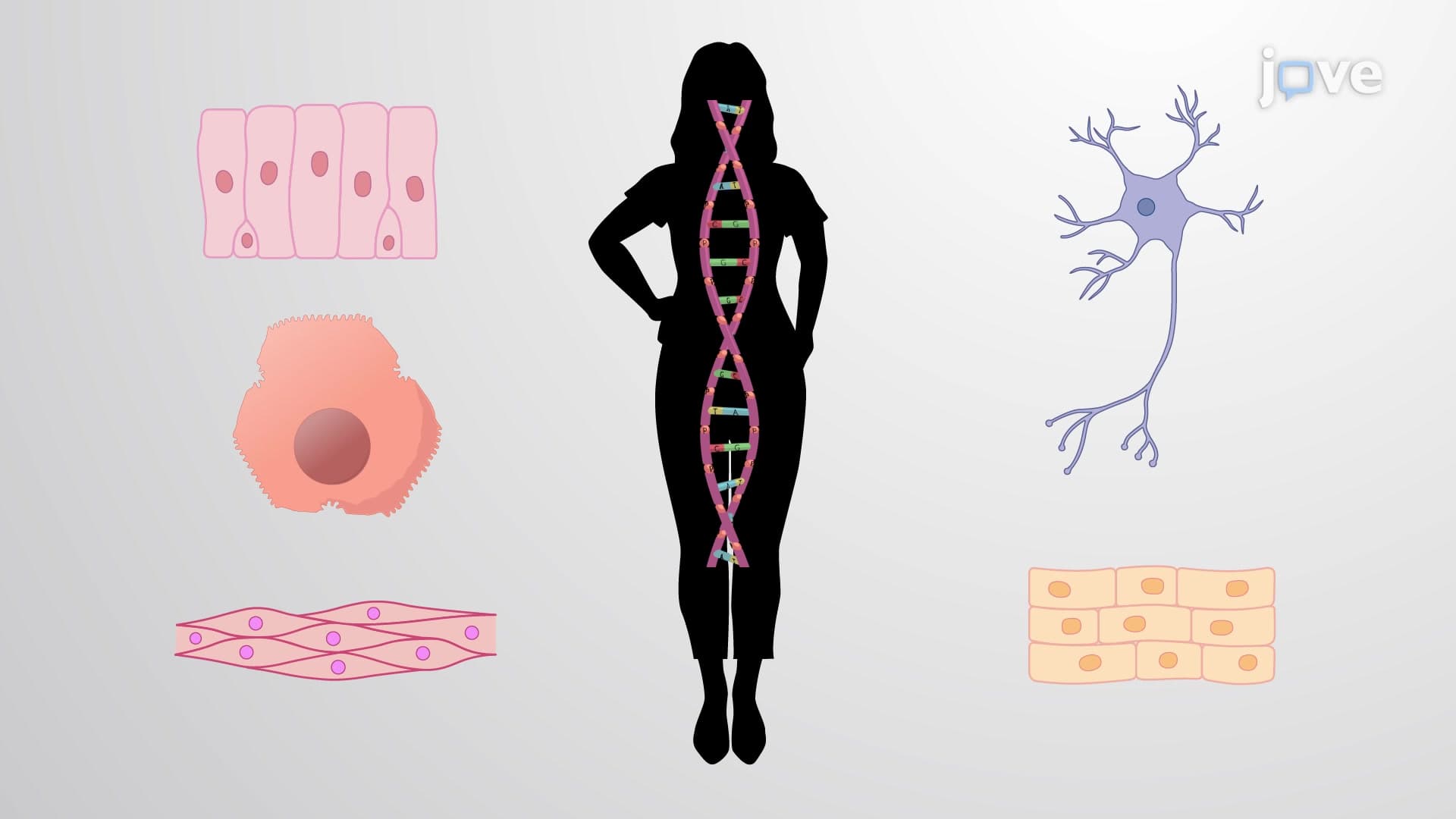
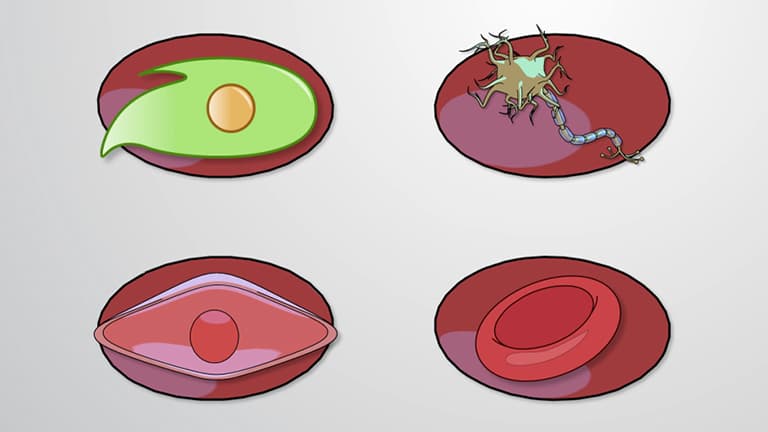
Ever wondered how your liver cells "know" to produce different proteins than your brain cells, despite having identical DNA? The eukaryotic promoter region acts like a molecular switch that controls which genes get turned on or off in different cell types. For example, the insulin gene promoter in pancreatic beta cells contains specific sequences that ensure insulin is only produced when blood sugar rises. Unlike the simpler bacterial systems, eukaryotic promoters contain multiple regulatory elements including TATA boxes, initiator elements, and CpG islands that work together to fine-tune gene expression. Watch the full video on JoVE Coach to master this concept with expert-led visuals and step-by-step explanations.
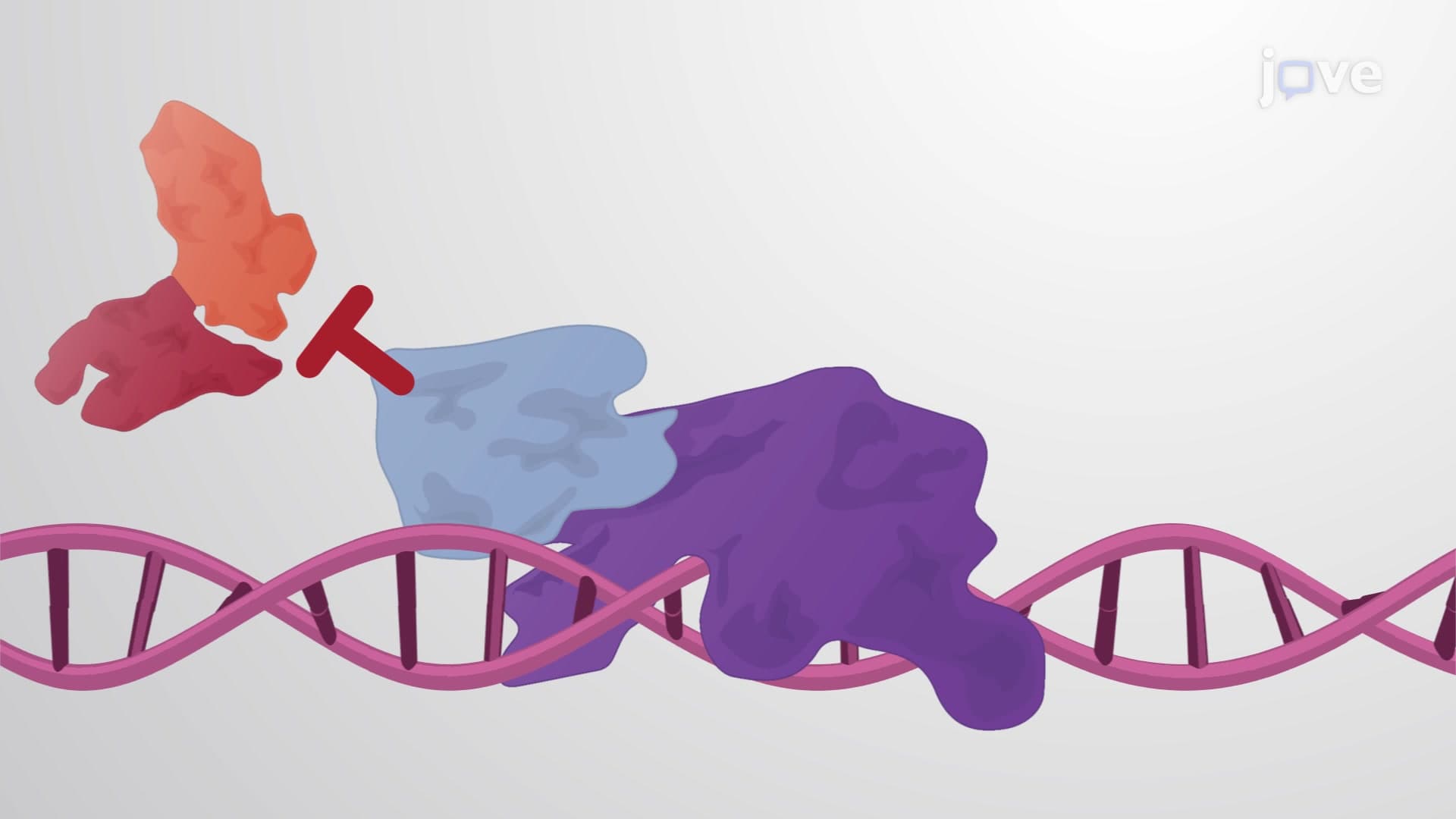
The eukaryotic promoter region represents one of the most sophisticated regulatory systems in molecular biology, orchestrating the precise control of gene expression across diverse cell types. Unlike the relatively simple promoter systems found in bacteria, eukaryotic promoters integrate multiple layers of regulatory information to determine when, where, and how much of a particular gene product should be made.
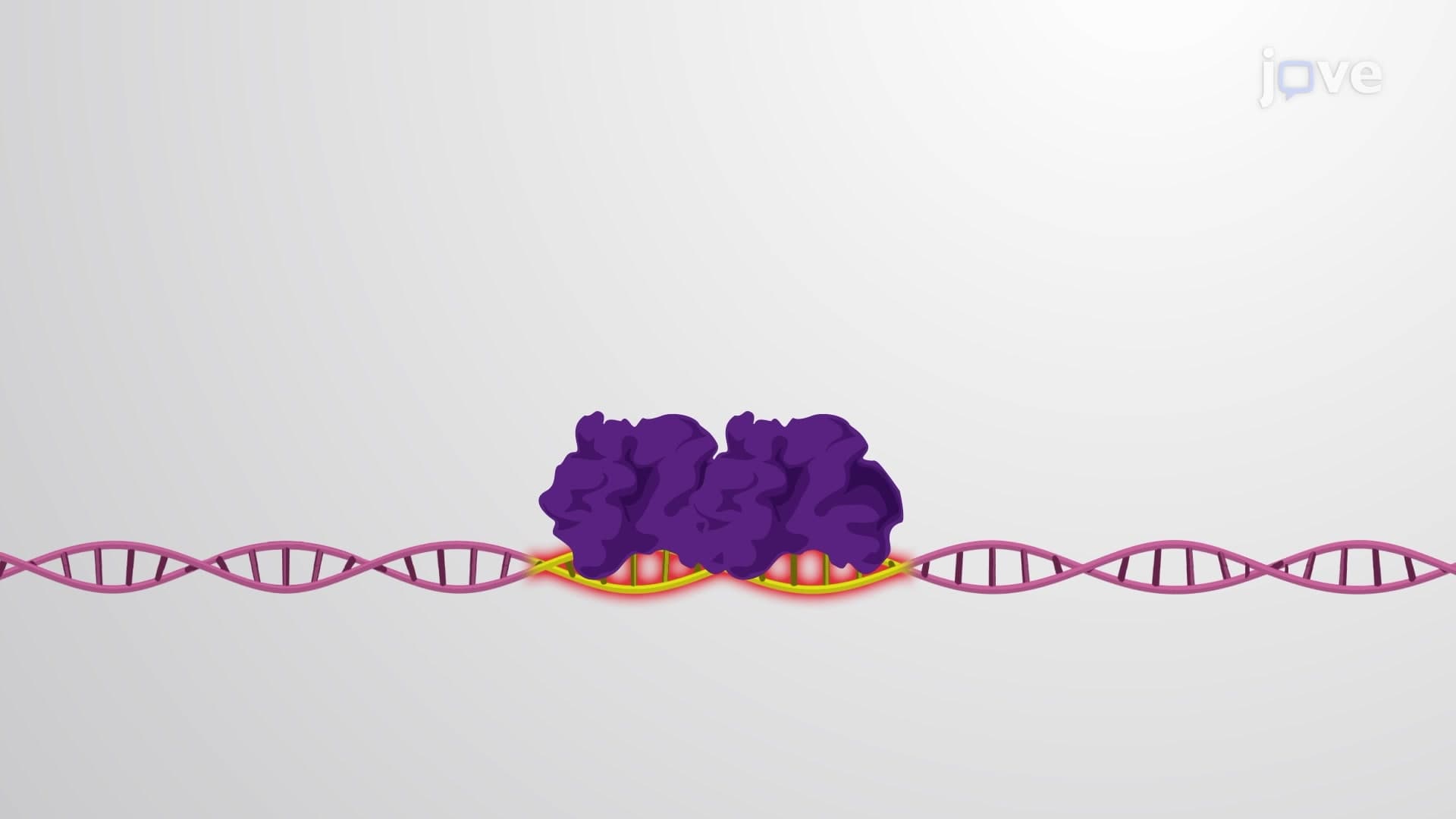
The foundation of eukaryotic gene regulation lies in the core promoter elements. The TATA box, positioned approximately 25-30 base pairs upstream of the transcription start site, serves as the primary recognition sequence for the general transcription machinery. This AT-rich sequence creates a region of reduced thermodynamic stability, facilitating DNA unwinding during transcription initiation. Students preparing for the MCAT or AP Biology exams should note that TATA boxes are particularly prevalent in tissue-specific genes, such as the muscle-specific myosin heavy chain gene or the liver-specific albumin gene.
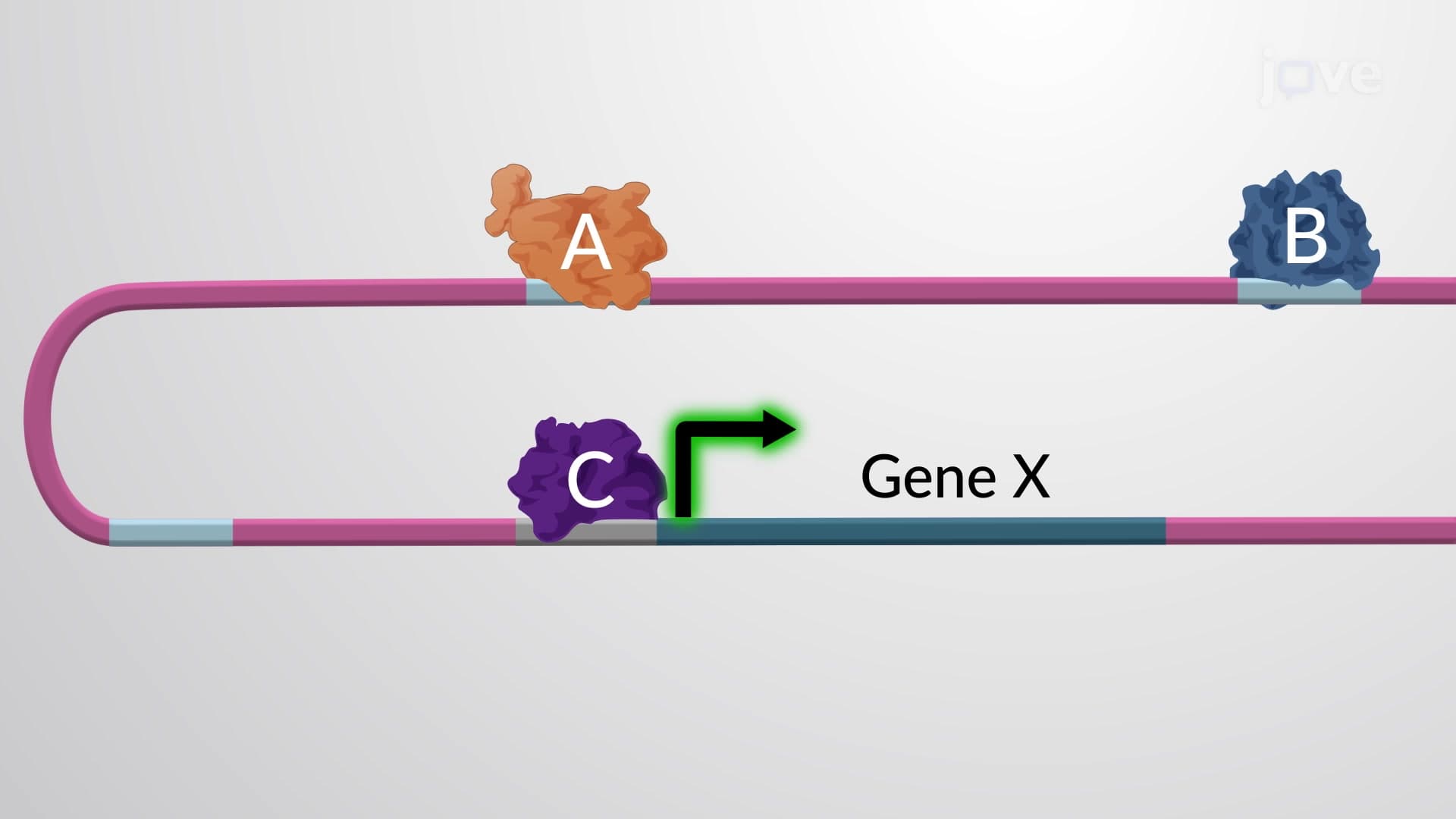
The initiator element (Inr) represents the most common promoter motif, often working synergistically with TATA boxes or functioning independently in TATA-less promoters. The downstream promoter element (DPE), located 28-32 nucleotides downstream of the transcription start site, collaborates with initiator elements to enhance transcription factor binding. These elements demonstrate the modular nature of eukaryotic gene regulation, where different combinations create unique regulatory landscapes for each gene.
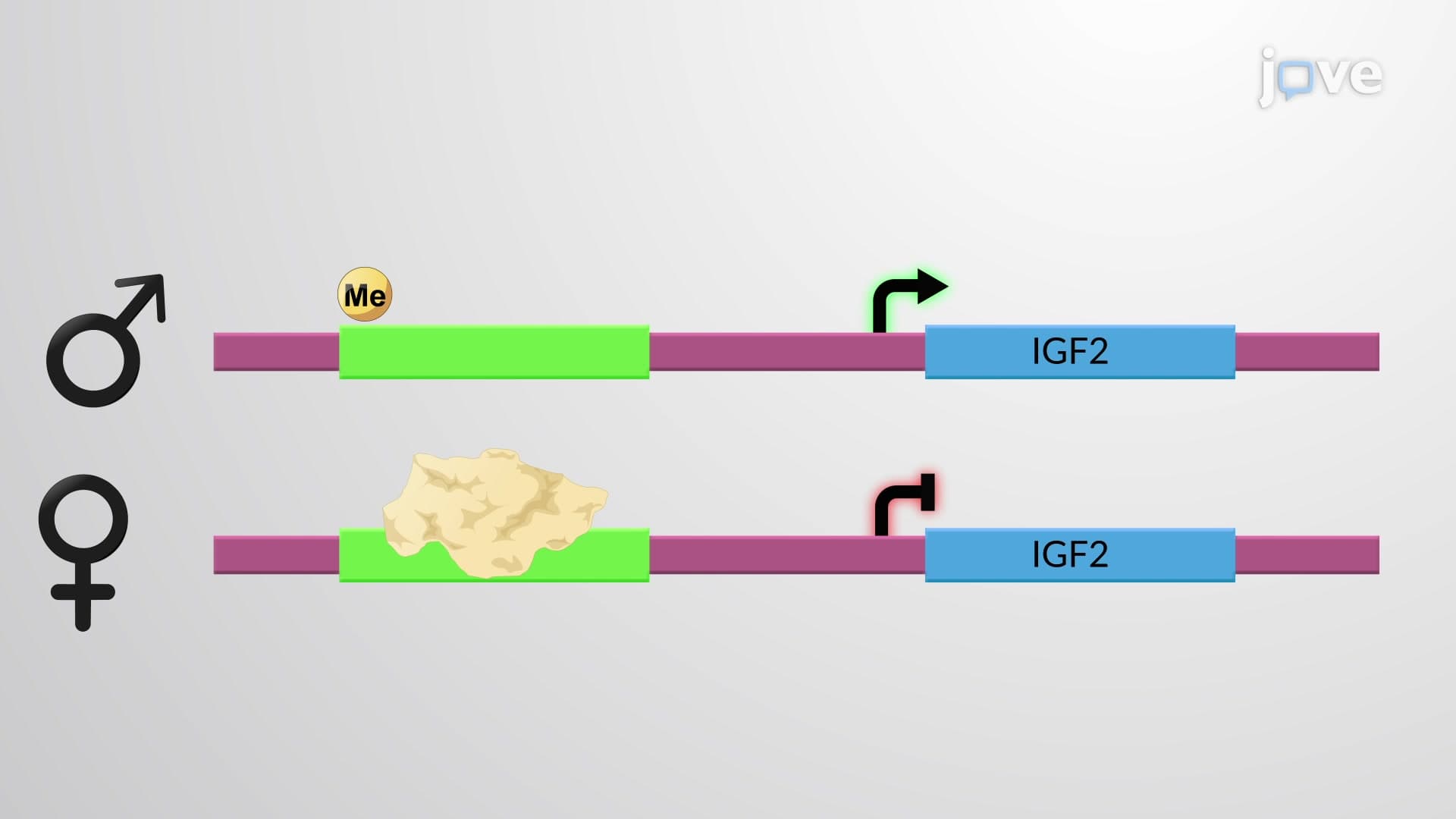
CpG islands deserve special attention for their role in regulating housekeeping genes-those essential for basic cellular functions like glycolysis enzymes or ribosomal proteins. These cytosine-guanine rich regions remain unmethylated in normal cells, maintaining genes in an active or readily activatable state. However, abnormal methylation of CpG islands in tumor suppressor gene promoters, such as the BRCA1 gene in breast cancer, demonstrates the clinical significance of understanding promoter regulation for students pursuing healthcare careers.
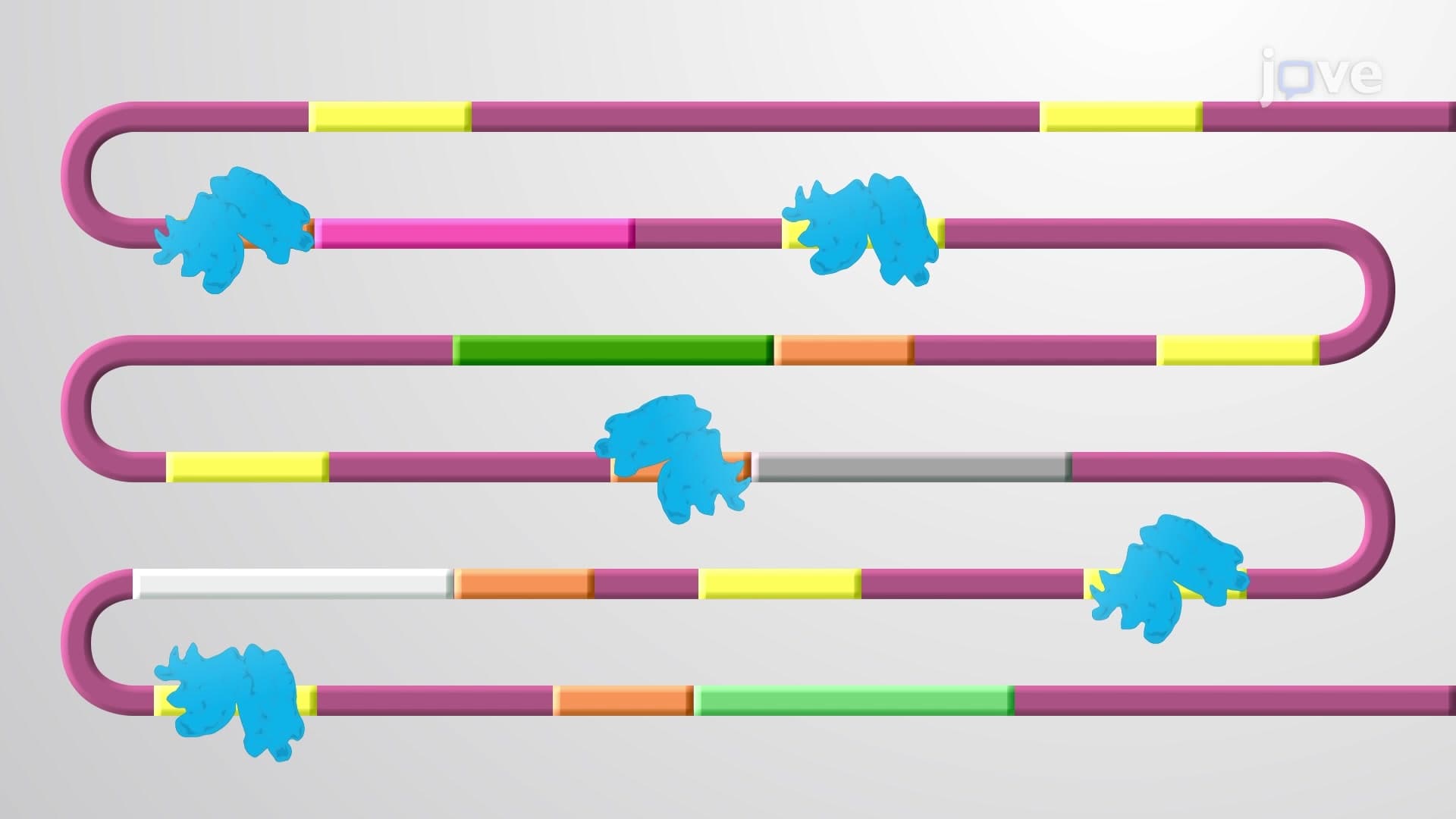
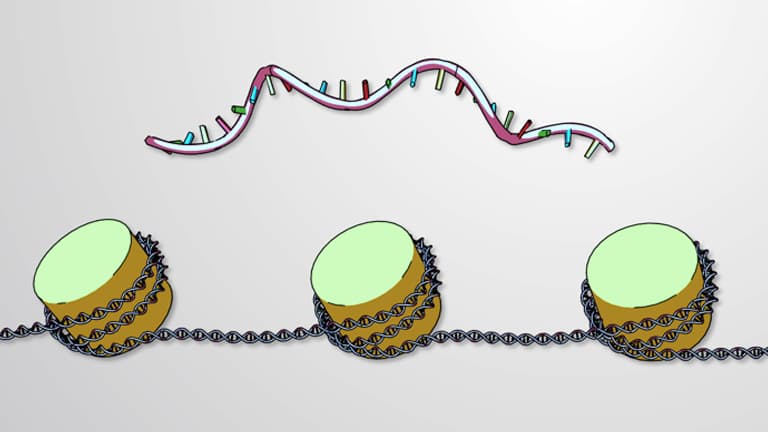
The complexity of eukaryotic promoters extends beyond individual elements to encompass chromatin context and epigenetic modifications. Students should understand that promoter function depends not only on DNA sequence but also on histone modifications, DNA methylation patterns, and three-dimensional chromatin organization. This knowledge proves essential for college-level molecular biology courses and advanced placement examinations, where questions increasingly focus on the integration of multiple regulatory mechanisms rather than isolated pathway memorization.
Related Micro-courses