Loading video…


 15 Concepts
 225.8K views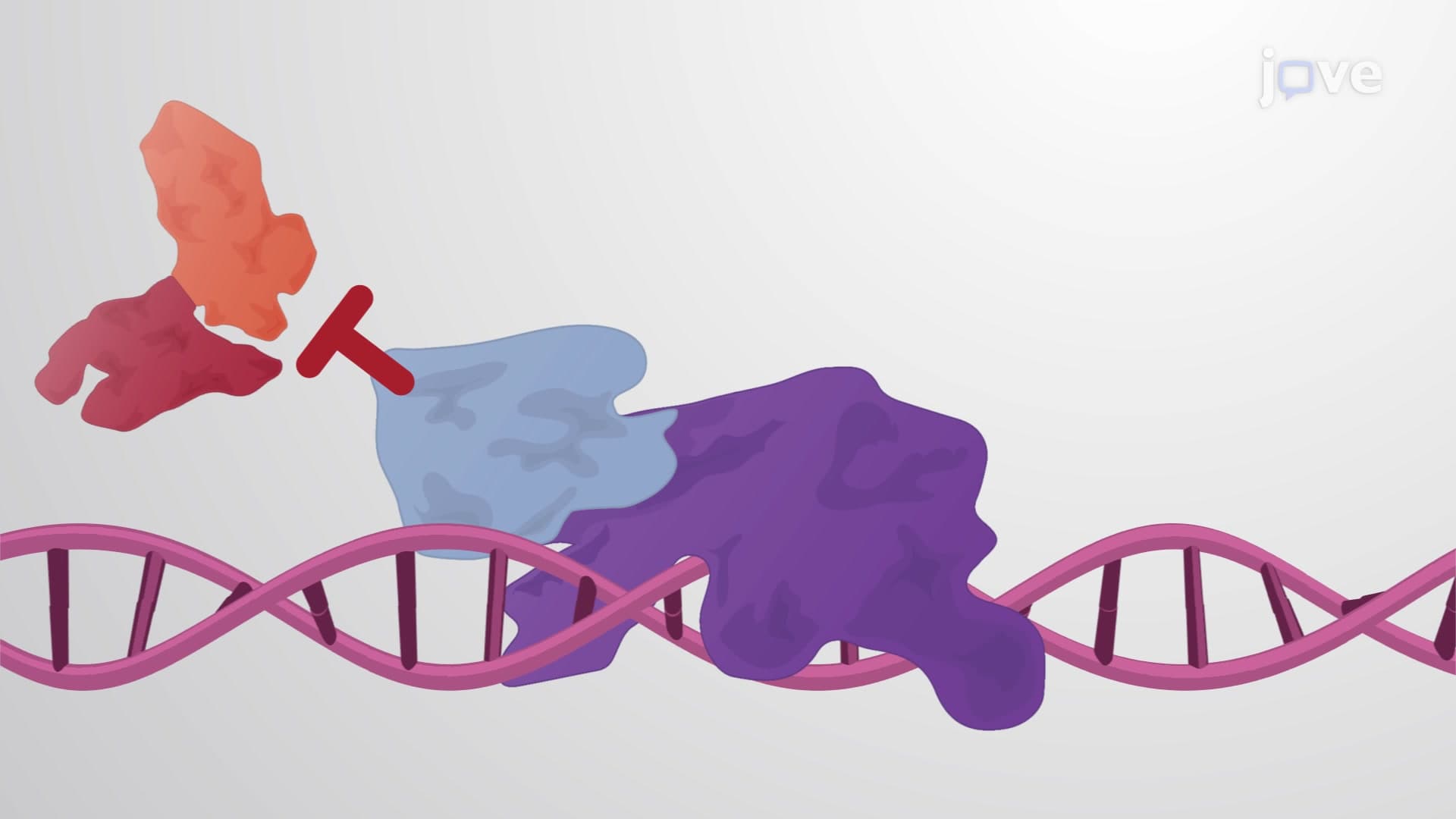

Video Summary: What are Eukaryotic Transcription Inhibitors
Ever wonder how your cells "turn off" genes when they're not needed? Eukaryotic transcription inhibitors are molecular switches that prevent unwanted gene expression, working like cellular traffic controllers to block RNA polymerase and transcription factors from accessing DNA. For instance, tumor suppressor proteins in human cancer research often function as transcription inhibitors to prevent oncogene activation. These regulatory proteins use sophisticated mechanisms including competitive binding, co-repressor recruitment, and chromatin modification to maintain cellular control. Watch the full video on JoVE Coach to master this concept with expert-led visuals and step-by-step explanations.
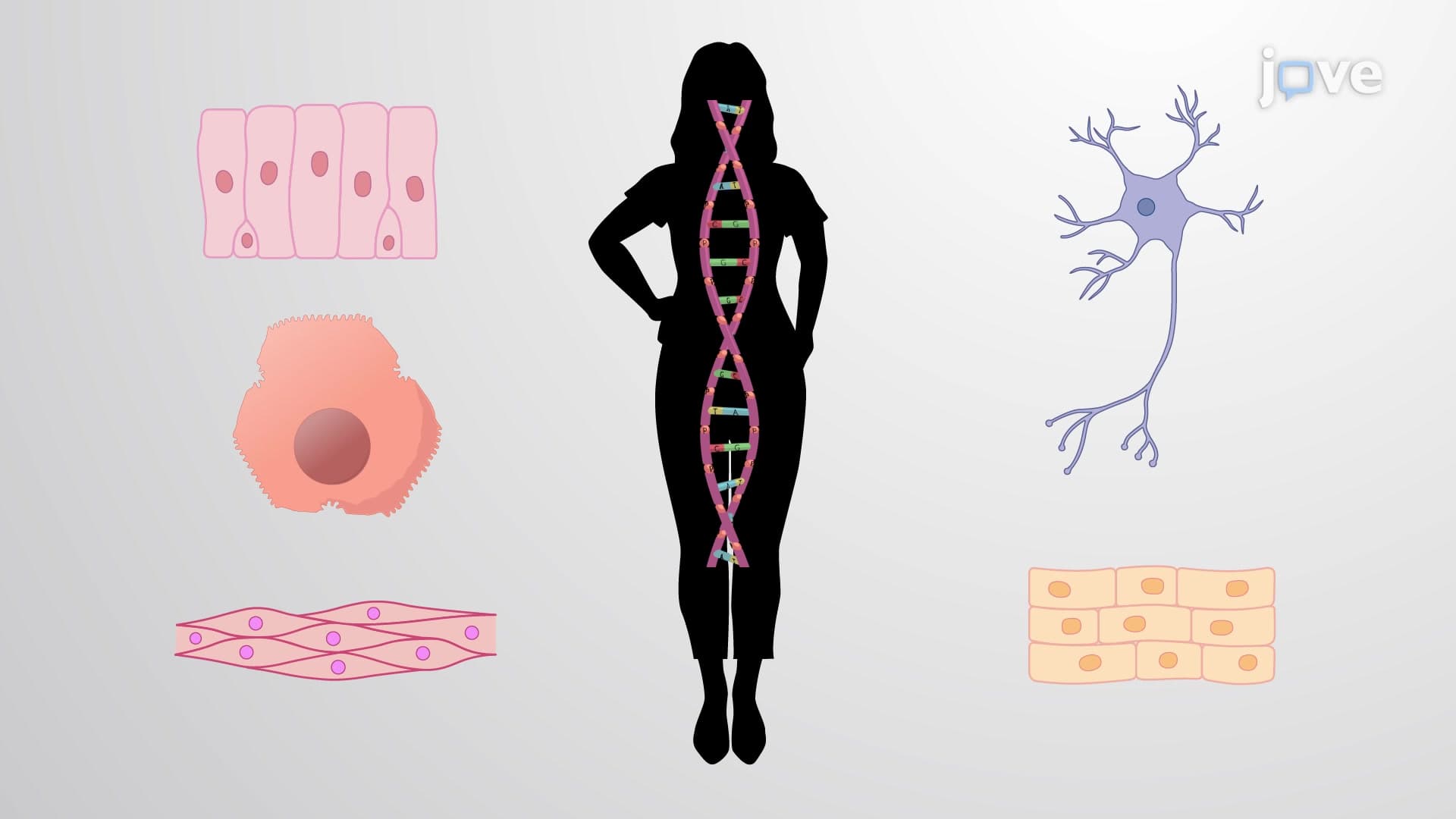
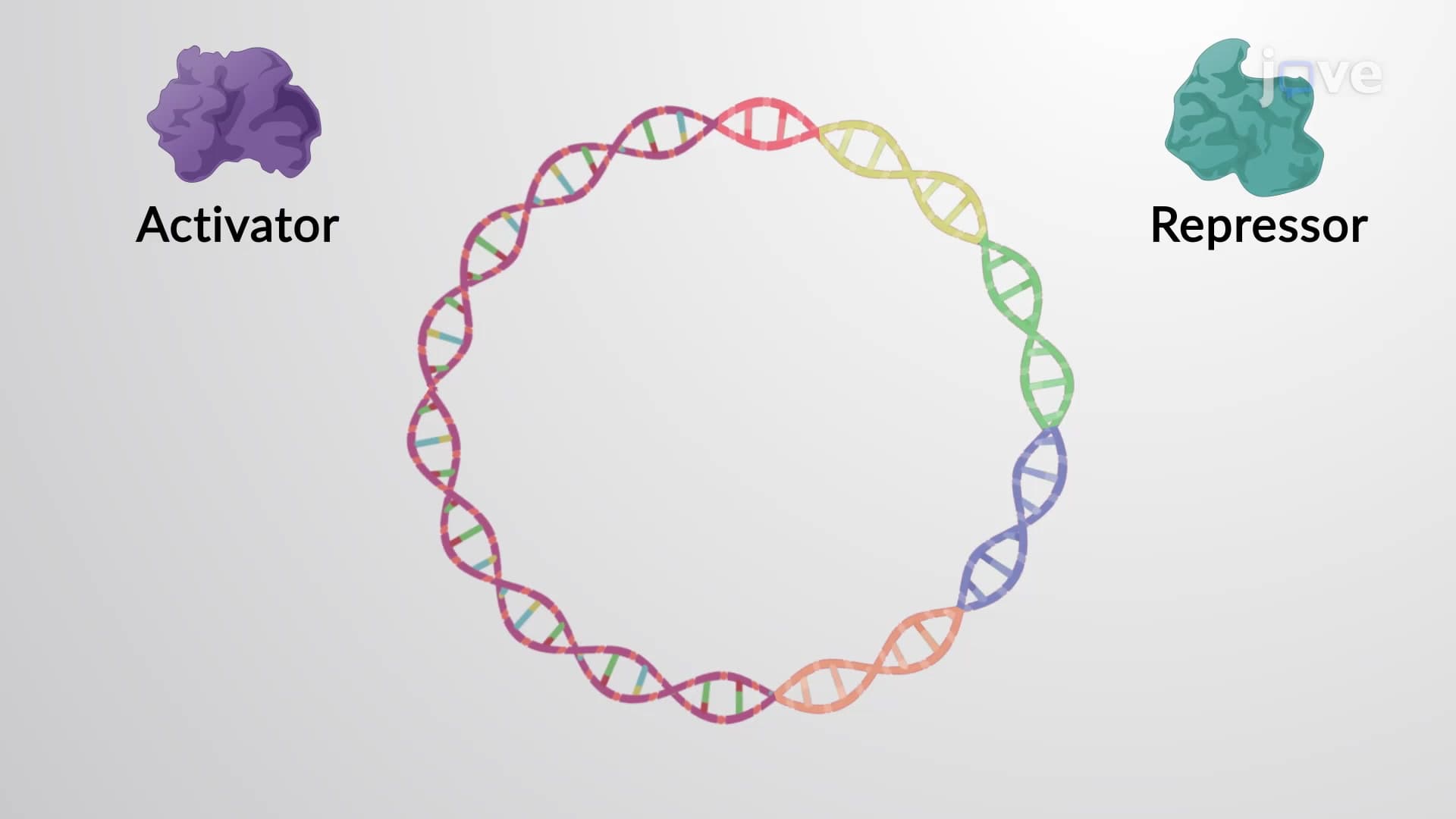
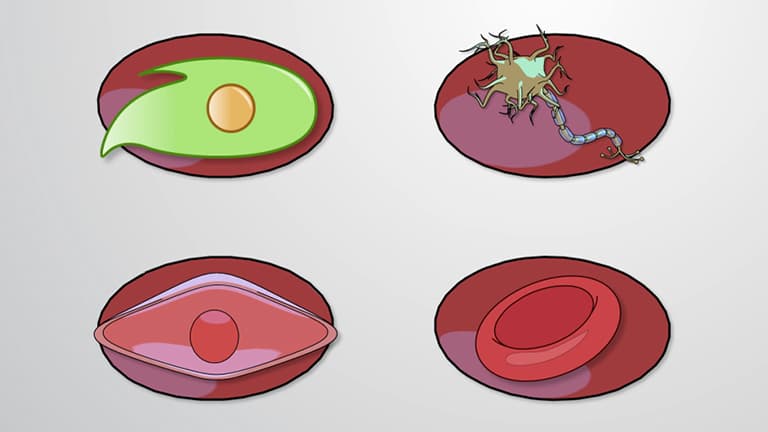
Eukaryotic transcription inhibitors represent a sophisticated class of regulatory proteins essential for controlling gene expression in complex organisms. Unlike prokaryotic systems, eukaryotic cells require intricate mechanisms to manage thousands of genes across different cell types and developmental stages. These inhibitors serve as molecular gatekeepers, ensuring genes are expressed only when and where needed.
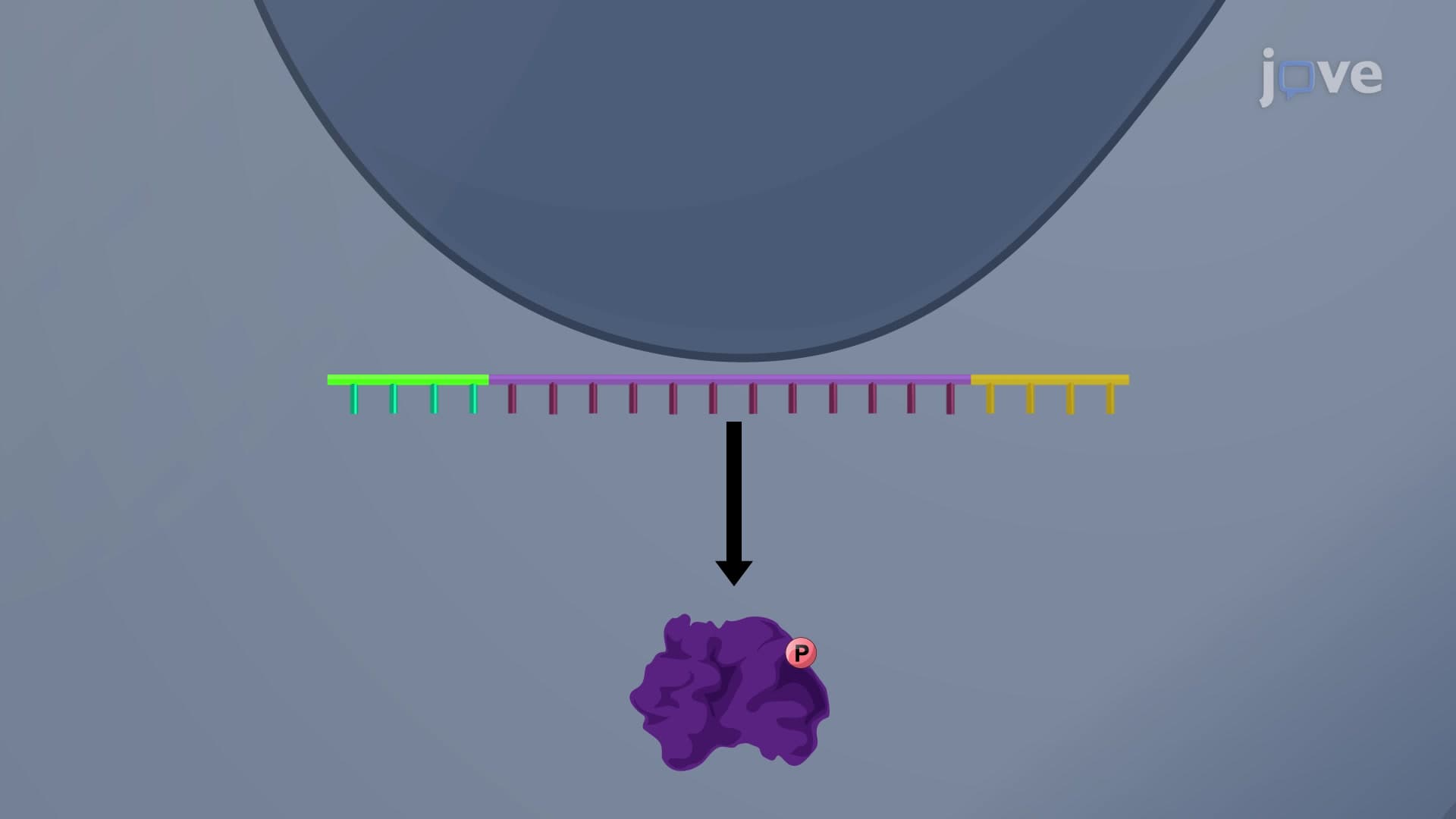
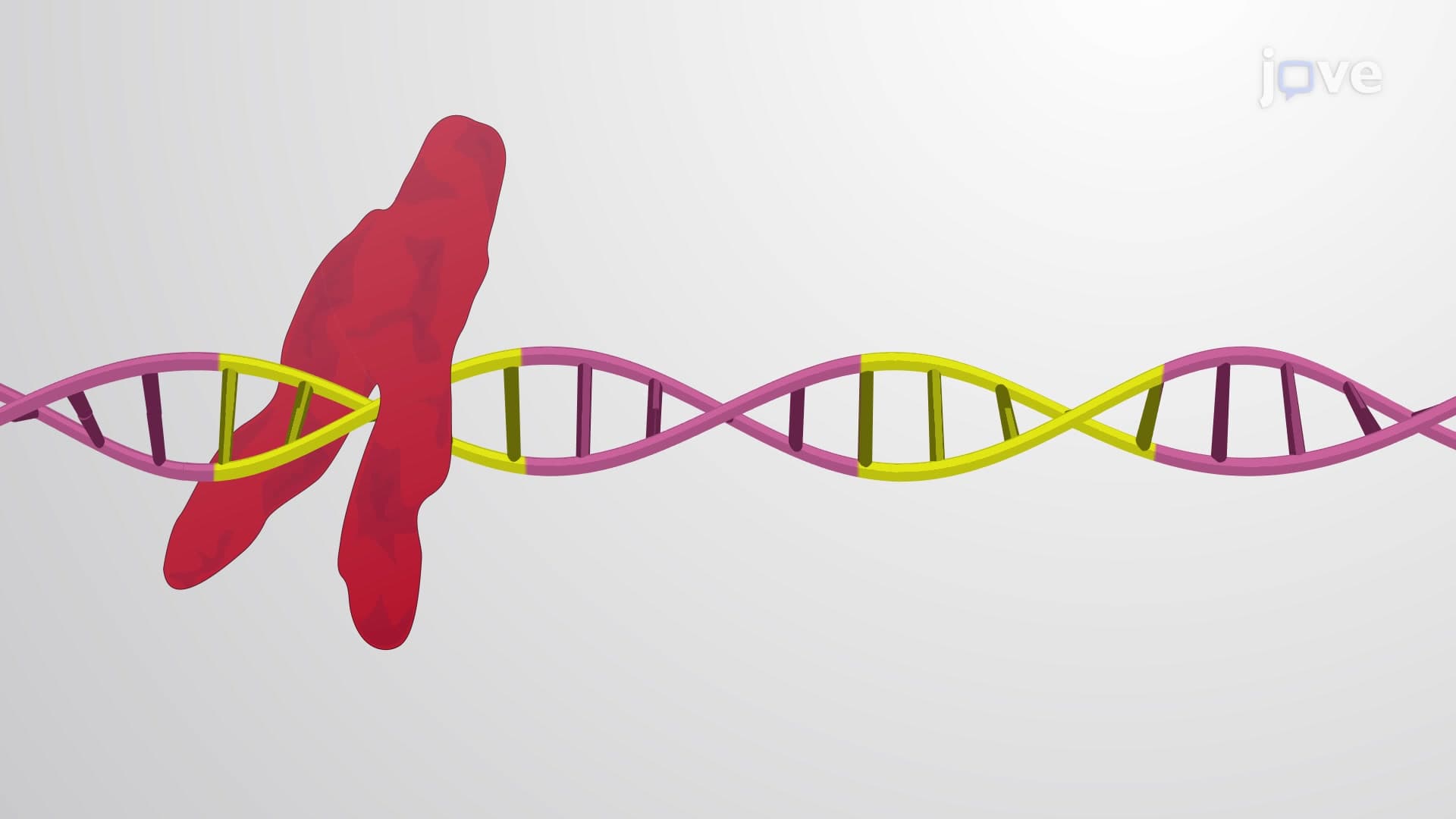
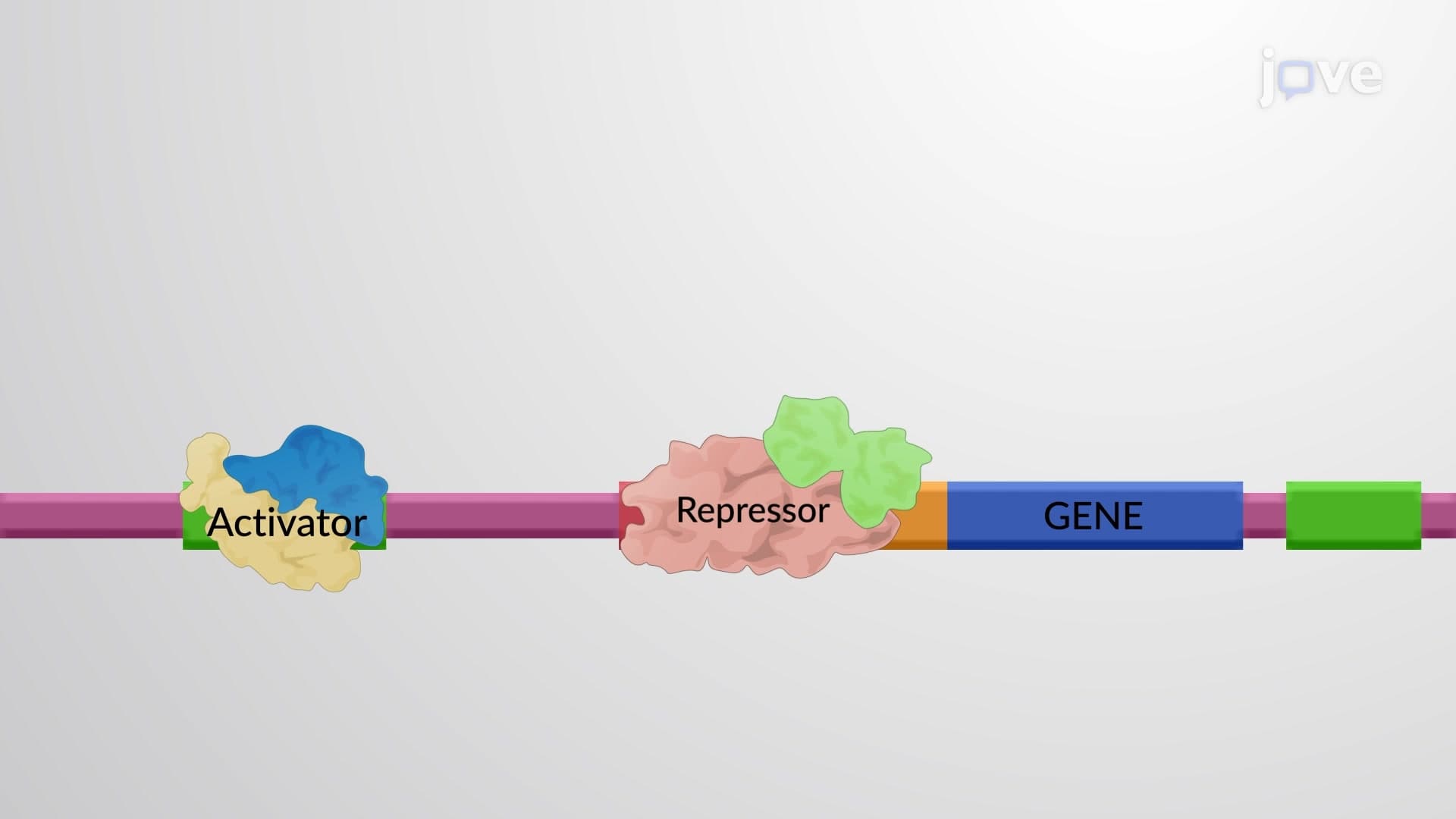
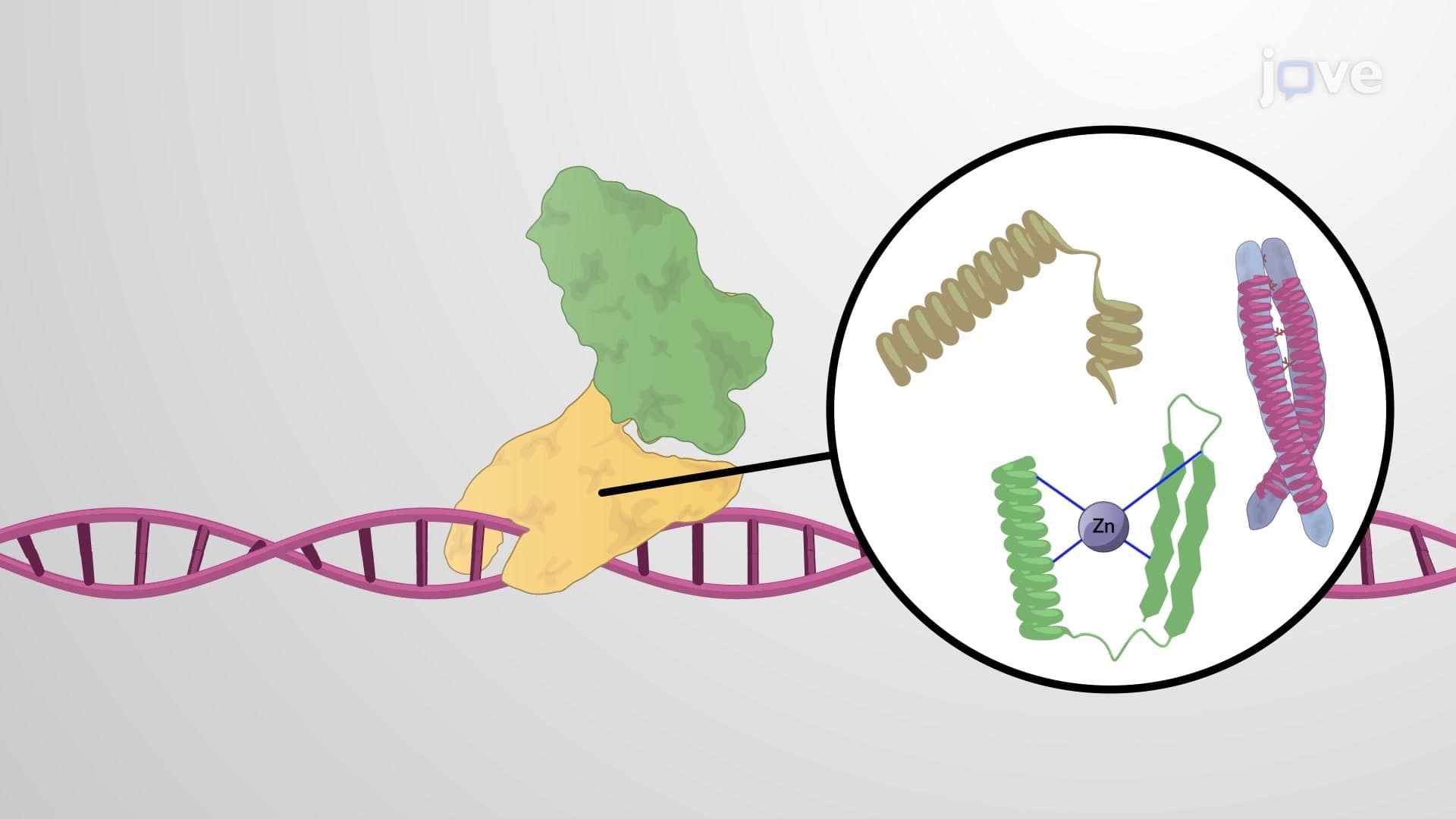
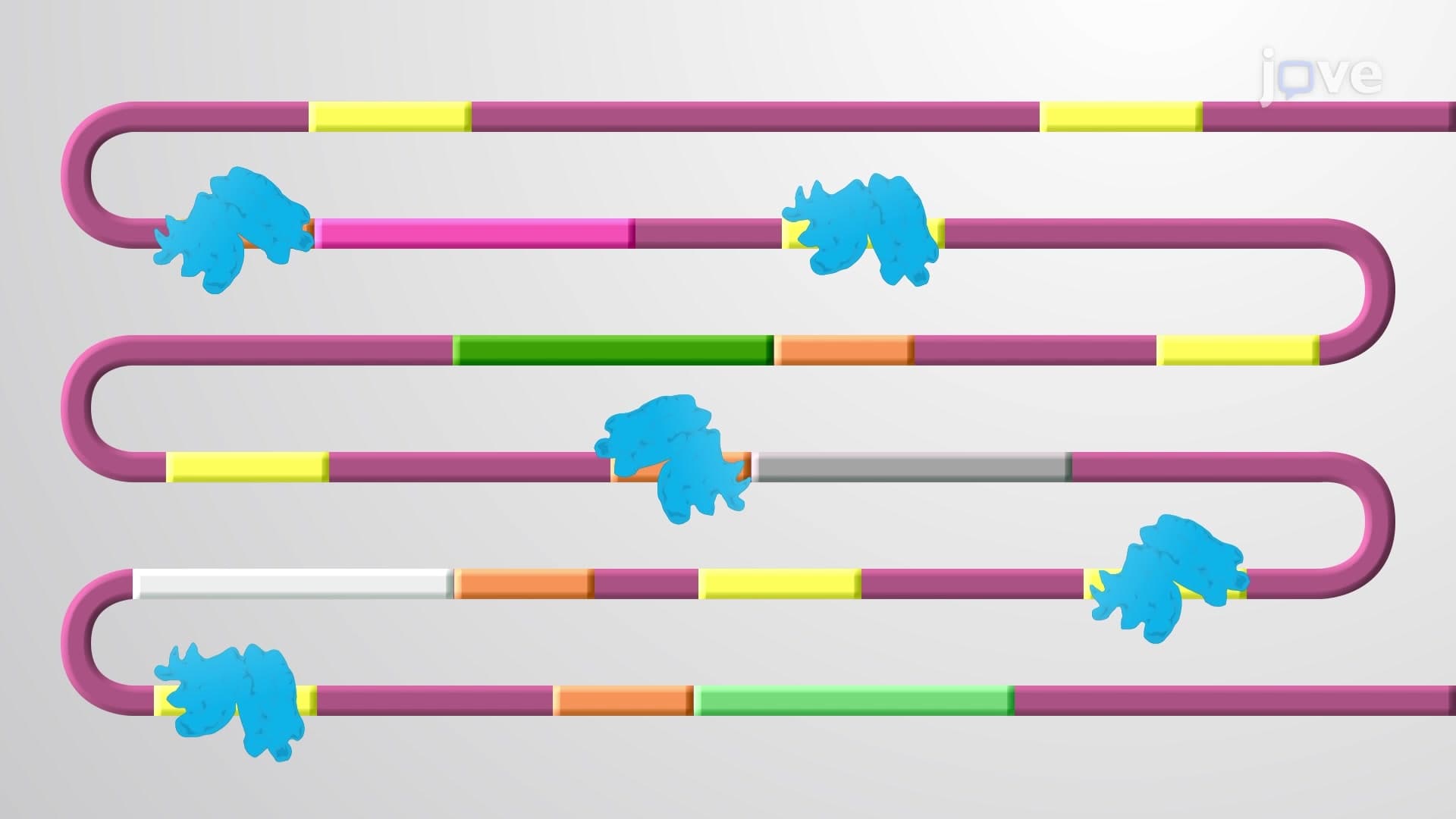
Transcription inhibitors possess a modular architecture featuring two critical domains. The DNA-binding domain recognizes specific regulatory sequences called cis-elements, while the repressor domain actively suppresses transcription through various mechanisms. This dual-domain structure allows precise targeting and effective inhibition, making these proteins highly versatile regulatory tools.
In AP Biology and college molecular biology courses, students often examine p53, a famous tumor suppressor that exemplifies transcription inhibition. When DNA damage occurs, p53 binds to promoter regions of cell cycle genes and recruits co-repressors to halt cell division until repairs are complete.
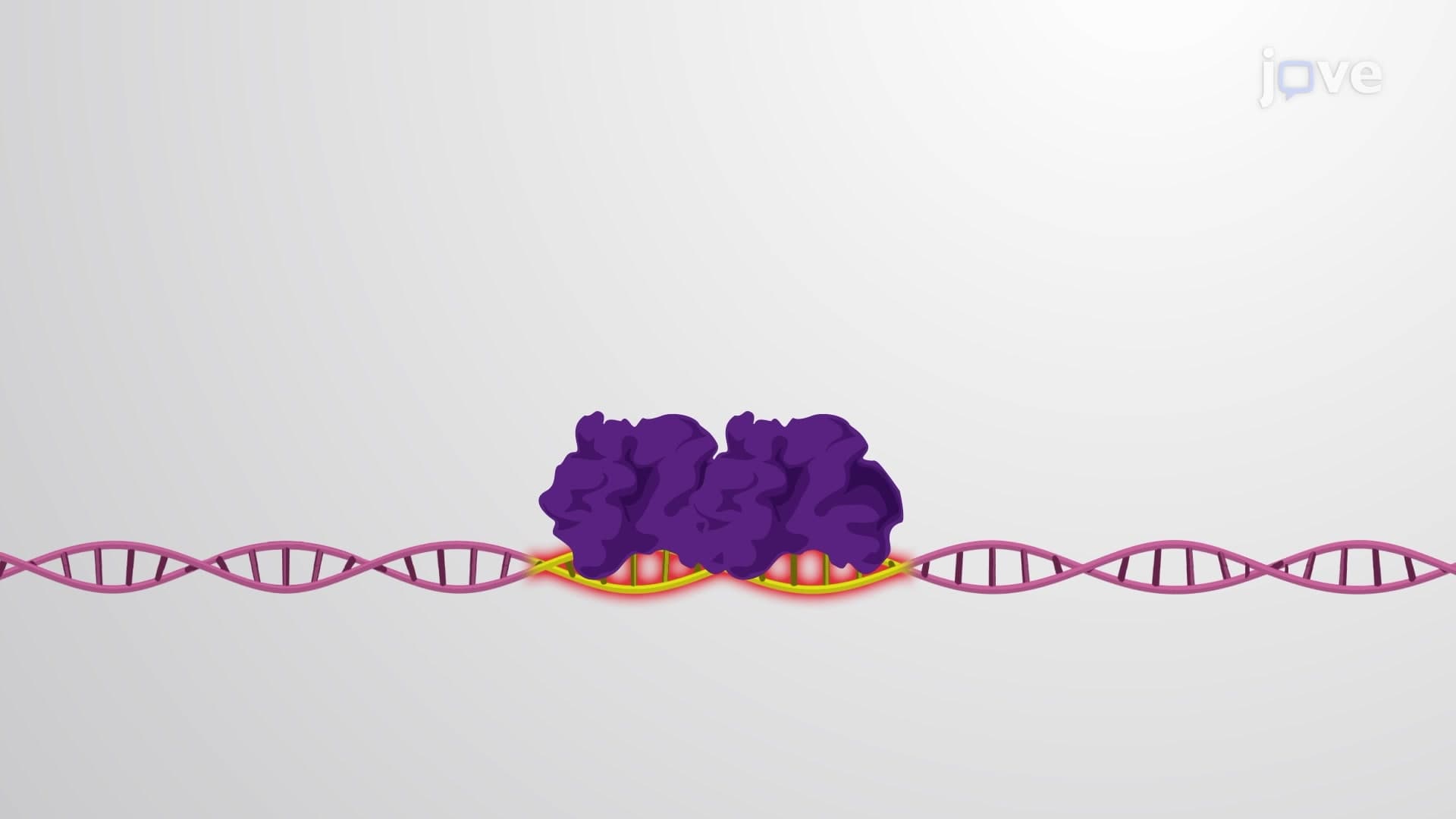
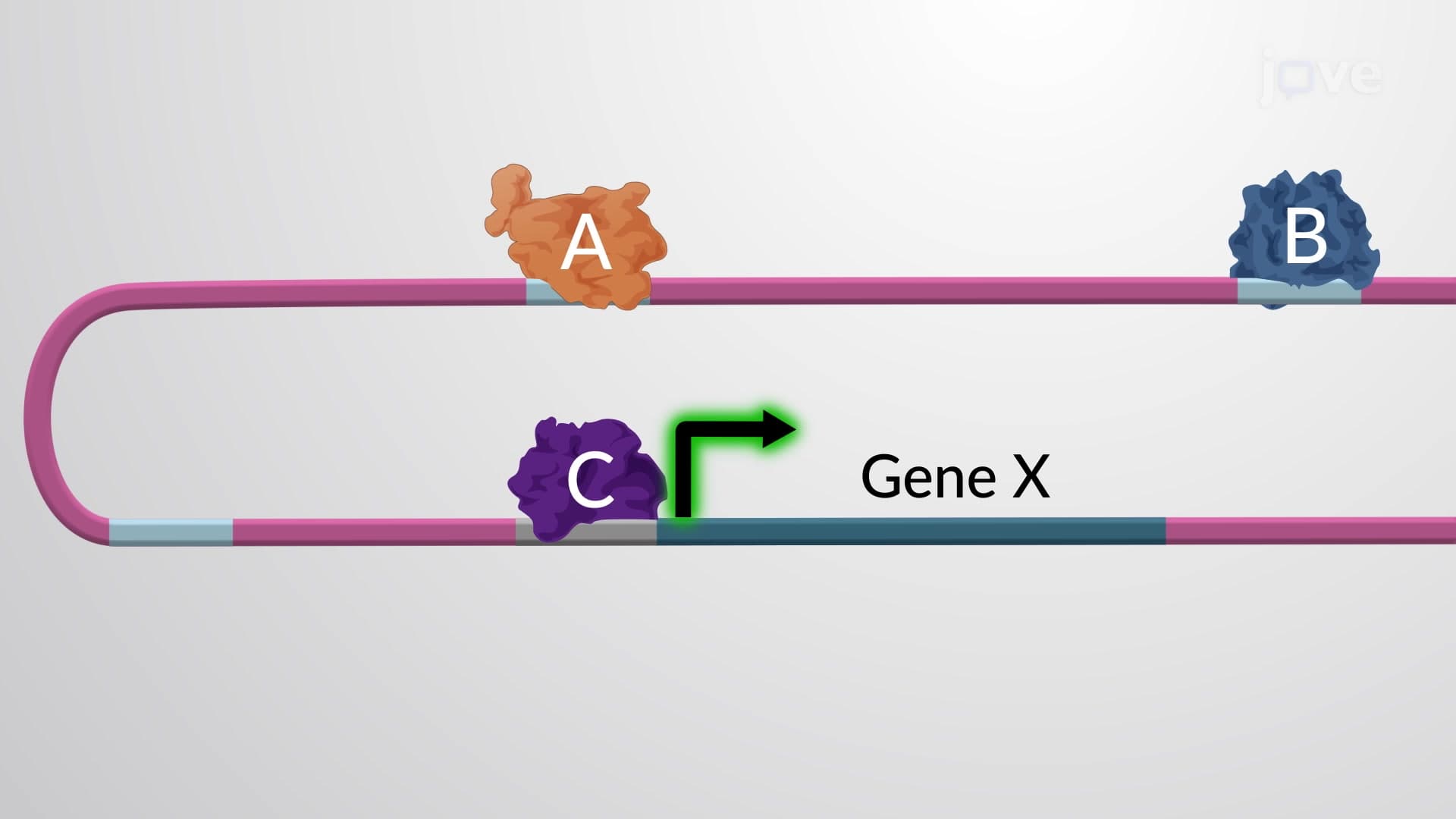
Competitive inhibition represents the most straightforward mechanism, where inhibitors directly compete with activators for binding sites on DNA regulatory sequences. This process resembles competitive enzyme inhibition studied in biochemistry courses, making it a familiar concept for students preparing for the MCAT.
More sophisticated mechanisms involve protein-protein interactions. Some inhibitors bind near activator sites and use their repressor domains to physically interact with activators, preventing them from functioning properly. This allosteric inhibition demonstrates the complexity of eukaryotic gene regulation.
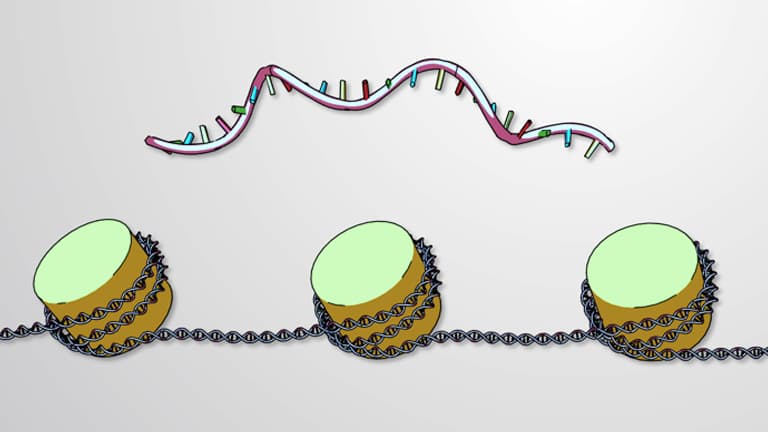
The most powerful transcription inhibitors recruit co-repressor proteins with enzymatic activities. Histone deacetylases (HDACs) remove acetyl groups from histone tails, promoting chromatin condensation. Histone methyltransferases add repressive methyl marks, creating heterochromatin that physically blocks transcription factor access.
These chromatin modifications are particularly relevant for students studying epigenetics in advanced placement courses. Understanding how transcription inhibitors orchestrate these changes provides insight into diseases like Huntington's disease, where aberrant transcriptional repression contributes to neurodegeneration.
Clinical applications include HDAC inhibitors used in cancer therapy at major US medical centers like MD Anderson and Johns Hopkins, highlighting the therapeutic potential of targeting transcription inhibition pathways.
Related Micro-courses