Loading video…


 15 Concepts
 225.8K views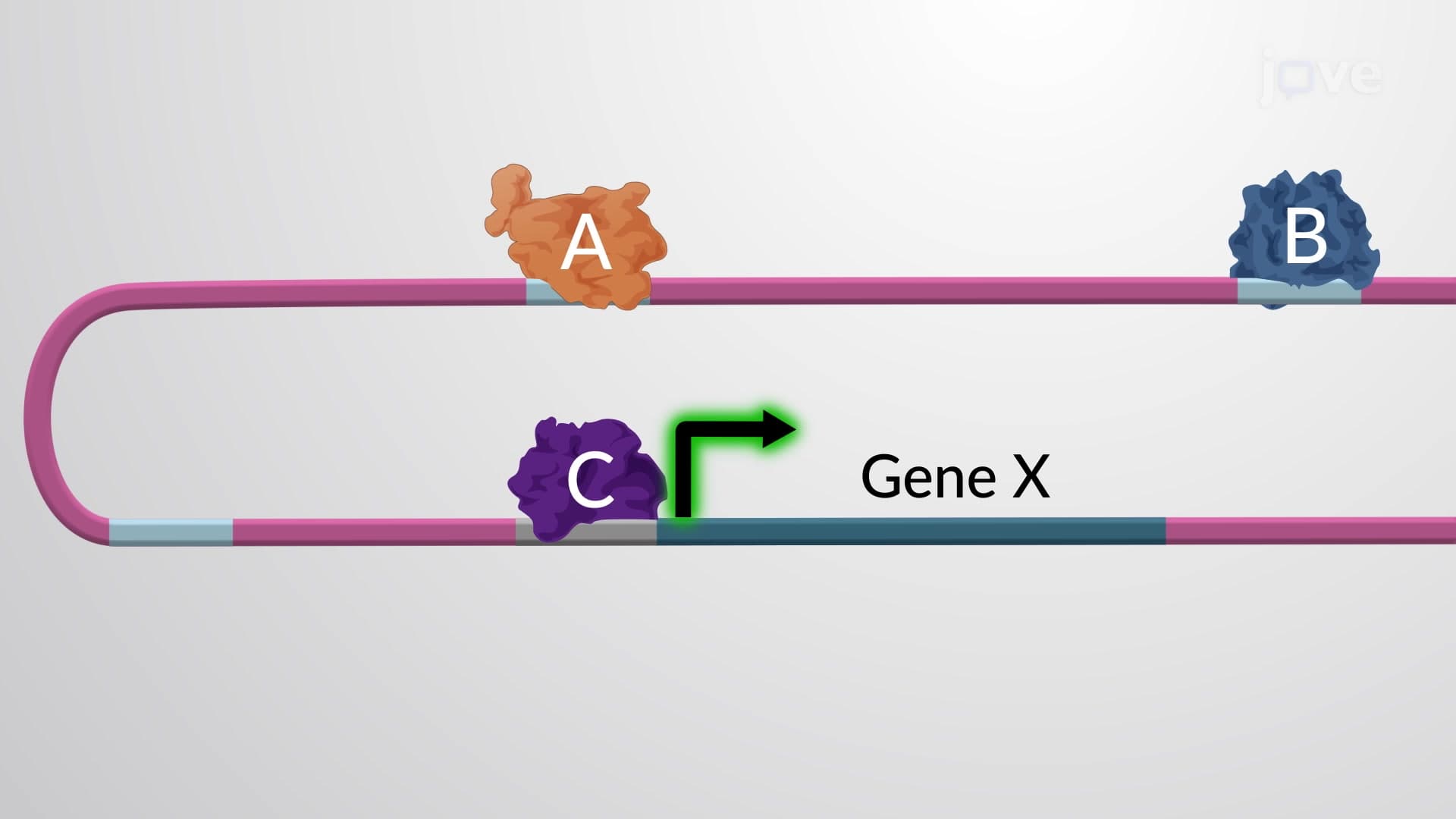

Video Summary: What Is Combinatorial Gene Control
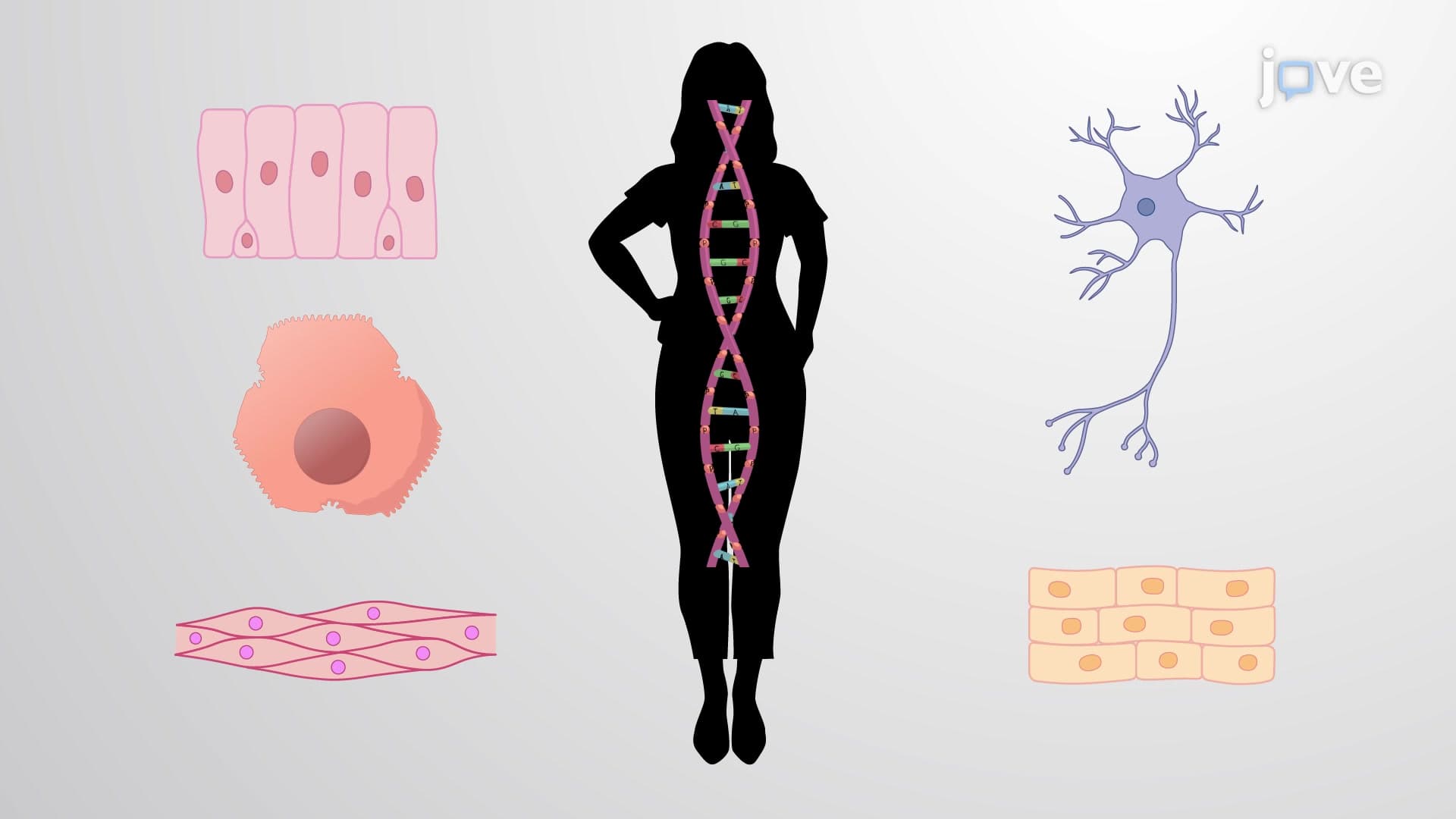
Did you know that your skin cells and brain cells contain identical DNA, yet function completely differently? Combinatorial gene control explains this biological marvel by showing how multiple transcription factors work together to precisely regulate gene expression. Consider how the FDA-approved stem cell therapy for treating spinal cord injuries relies on understanding what is combinatorial gene control - scientists must coordinate specific combinations of proteins to reprogram adult cells into therapeutic stem cells. This sophisticated regulatory mechanism allows a limited number of transcription factors to control thousands of genes with remarkable specificity. Watch the full video on JoVE Coach to master this concept with expert-led visuals and step-by-step explanations.
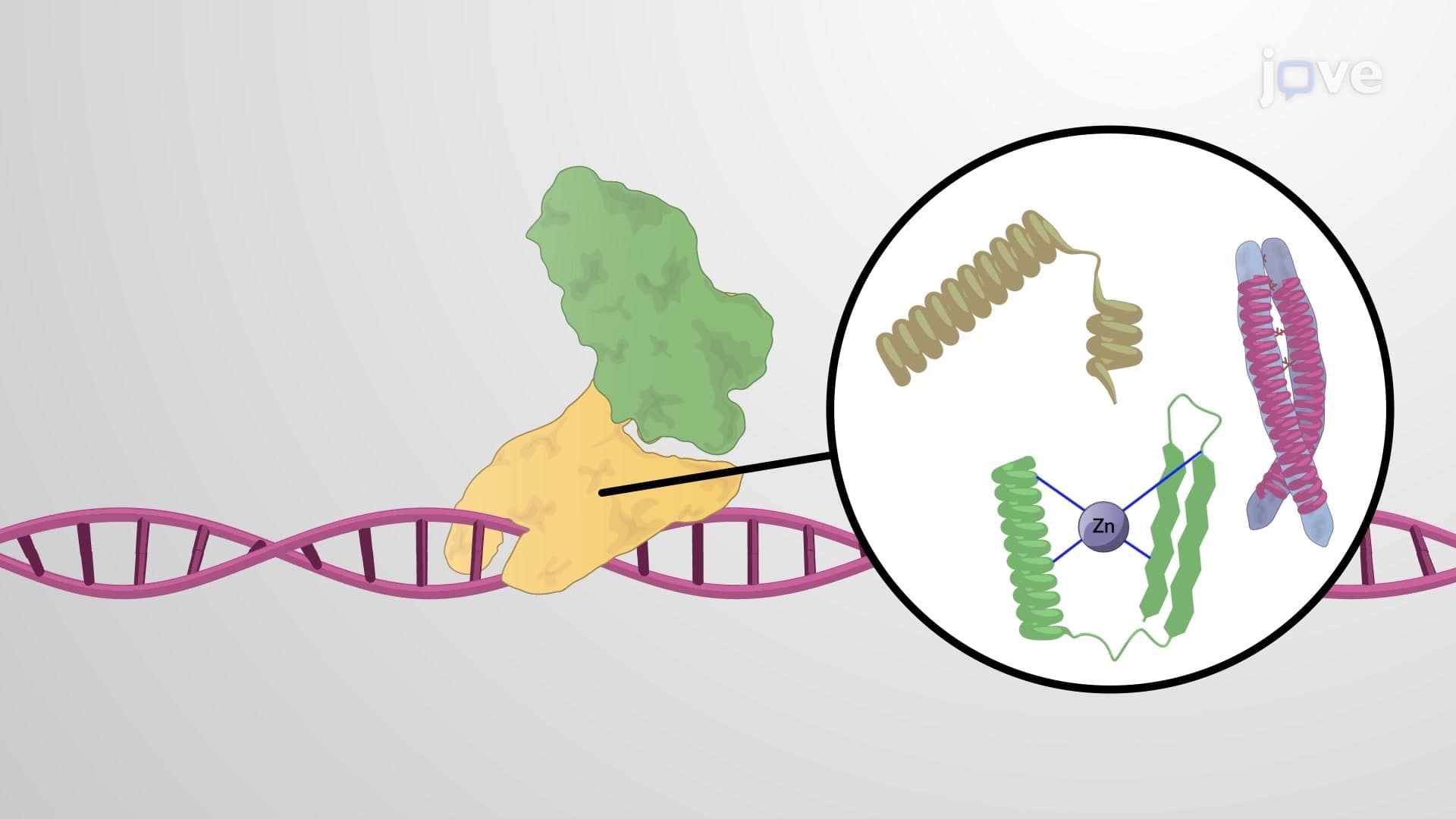
Combinatorial gene control represents one of biology's most elegant regulatory mechanisms, allowing cells to achieve extraordinary diversity in gene expression using a relatively small toolkit of transcription factors. Unlike simple on/off switches, this system operates through sophisticated combinations of regulatory proteins that work together to fine-tune when, where, and how much of each gene gets transcribed.
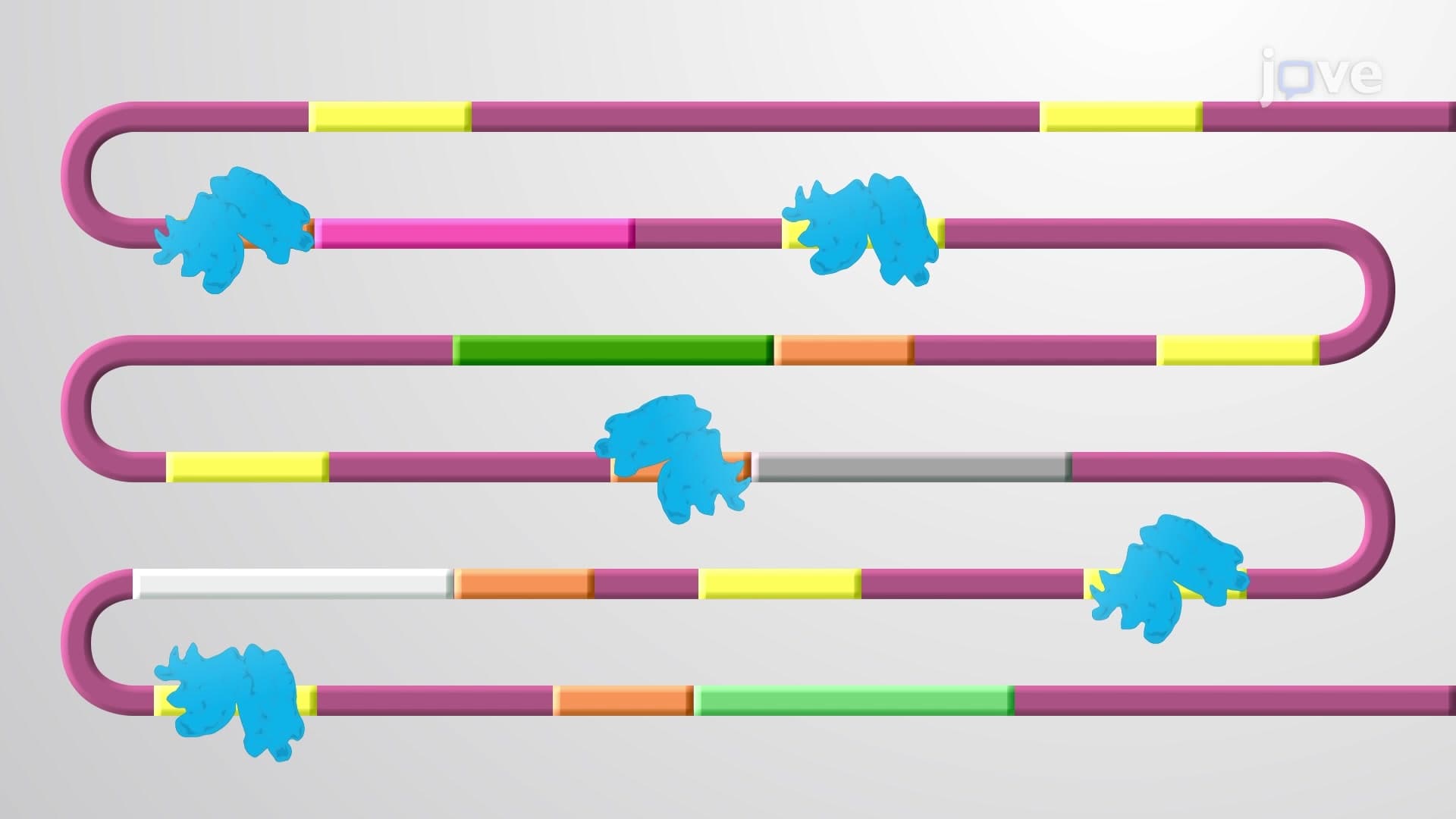
The power of this system becomes evident when considering that humans have approximately 20,000 genes but only about 1,600 transcription factors. Through combinatorial interactions, these factors can theoretically create millions of different regulatory combinations, explaining how complex organisms achieve such remarkable cellular diversity.
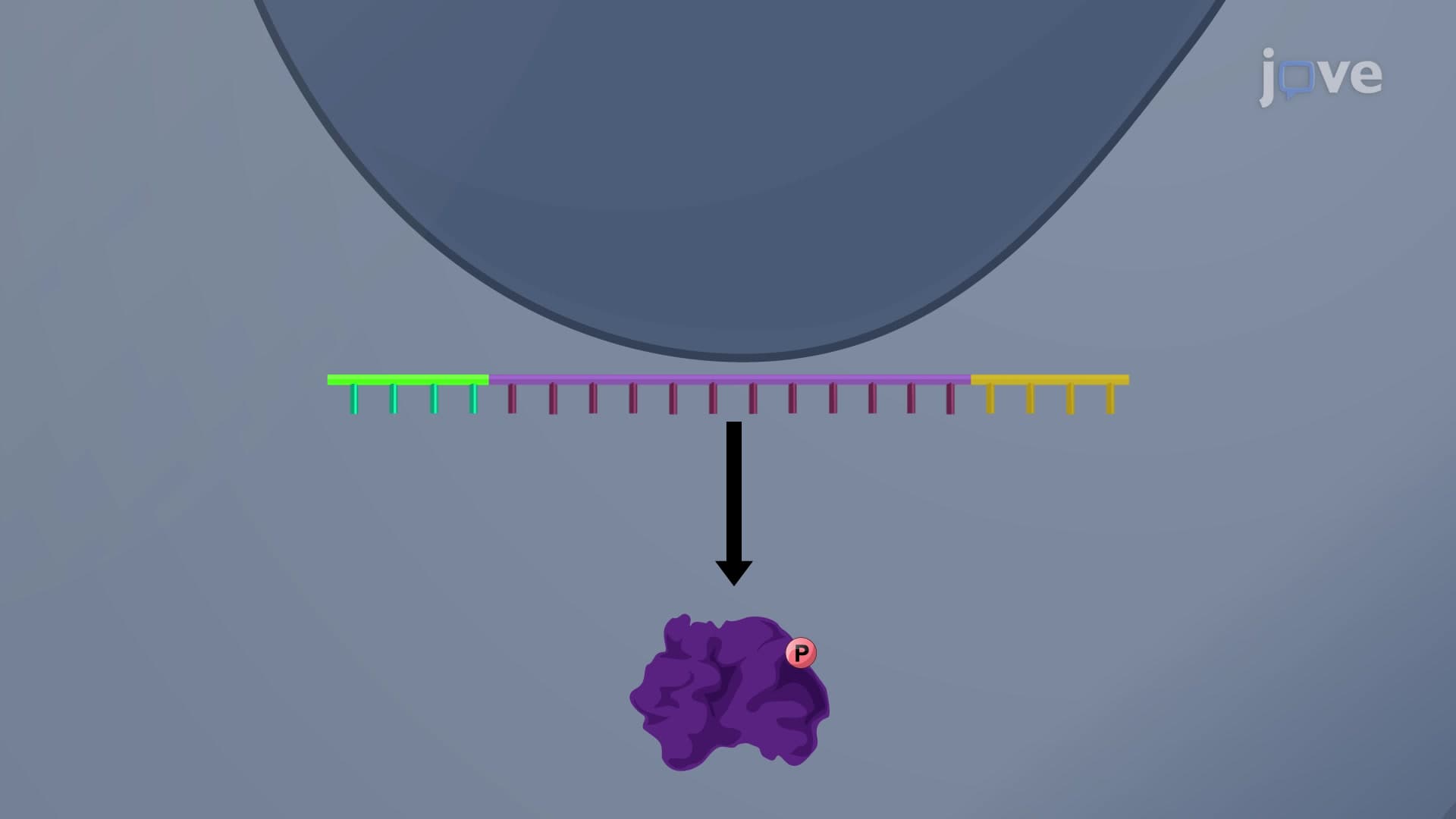
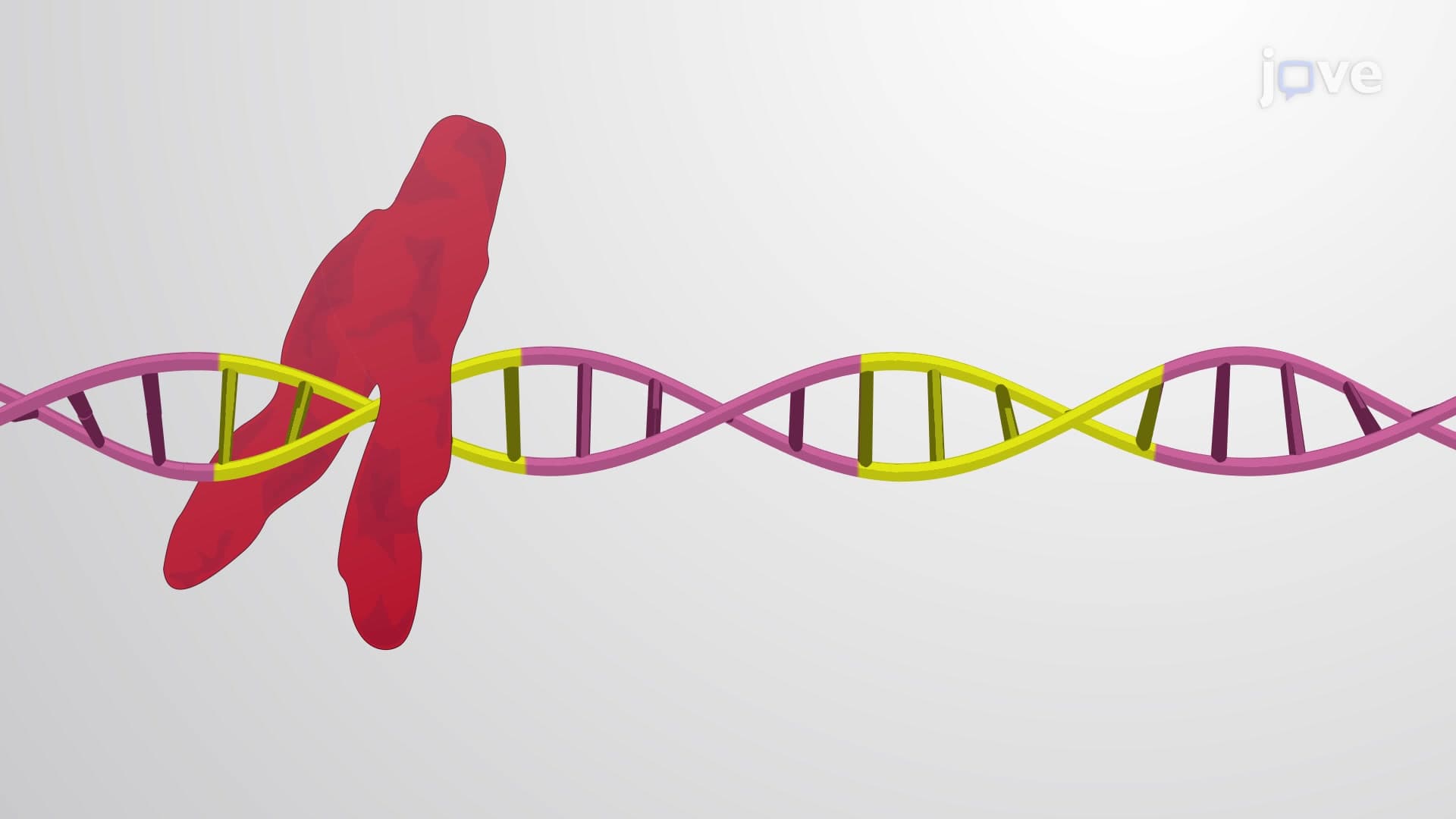
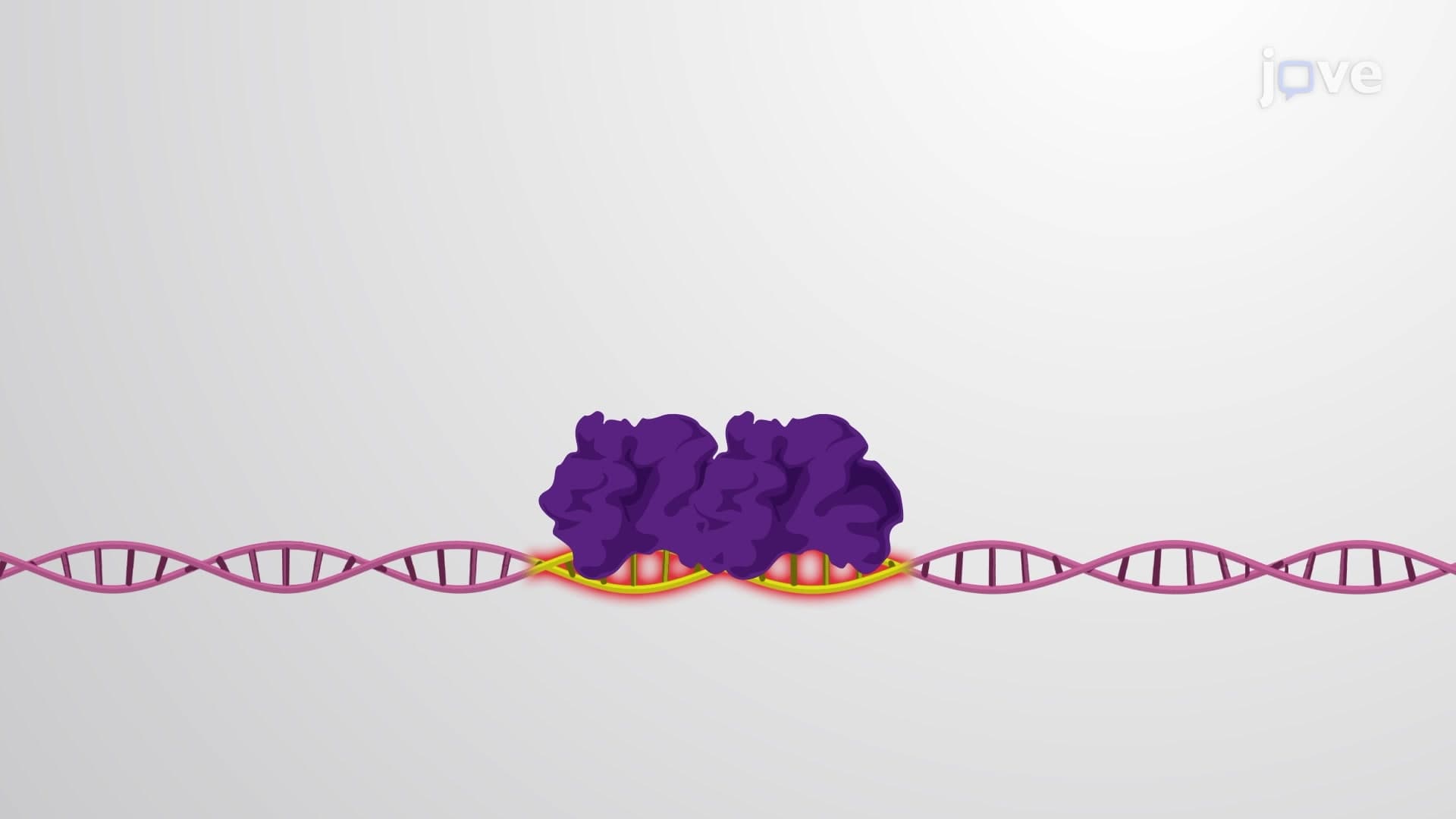
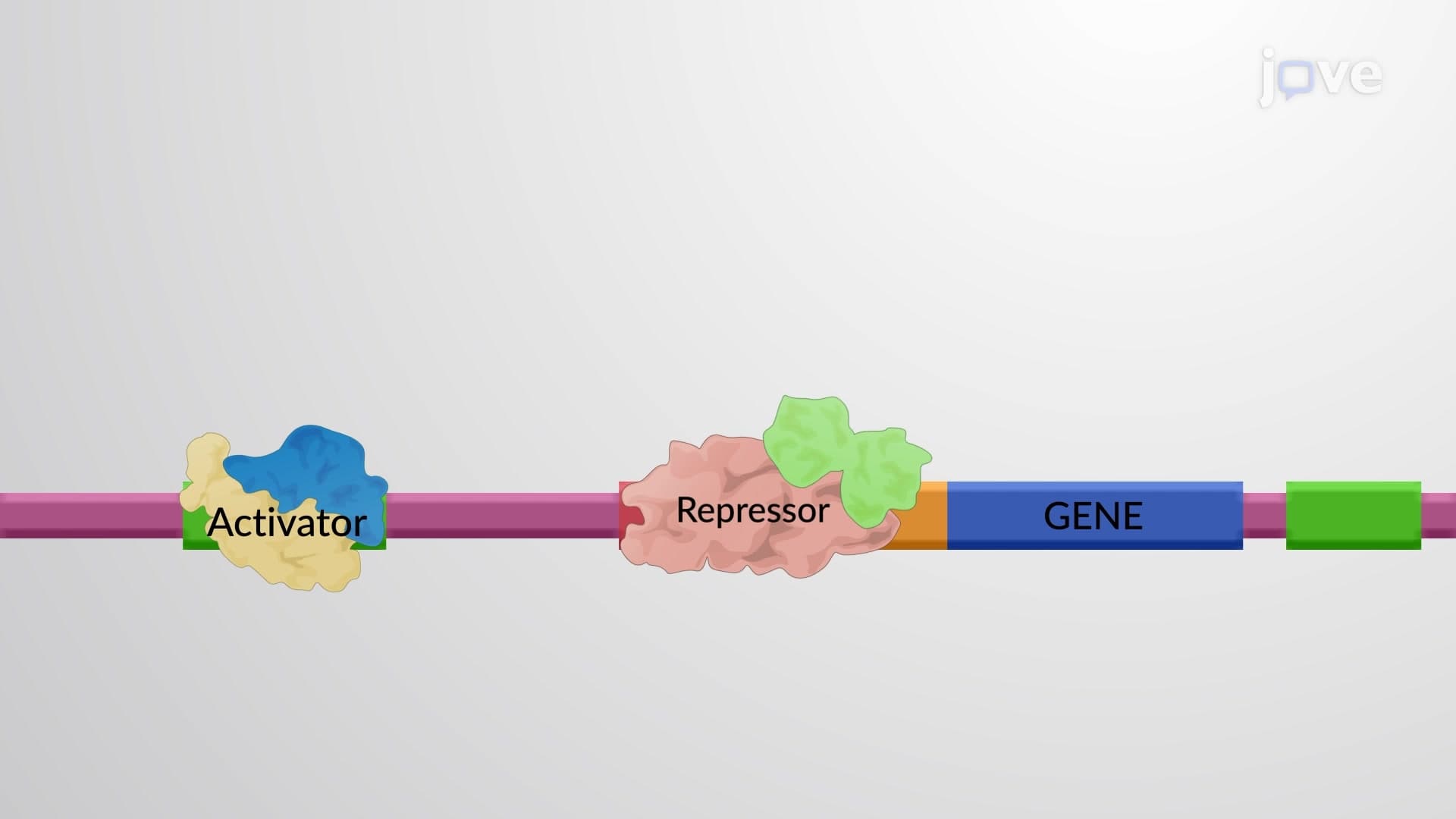
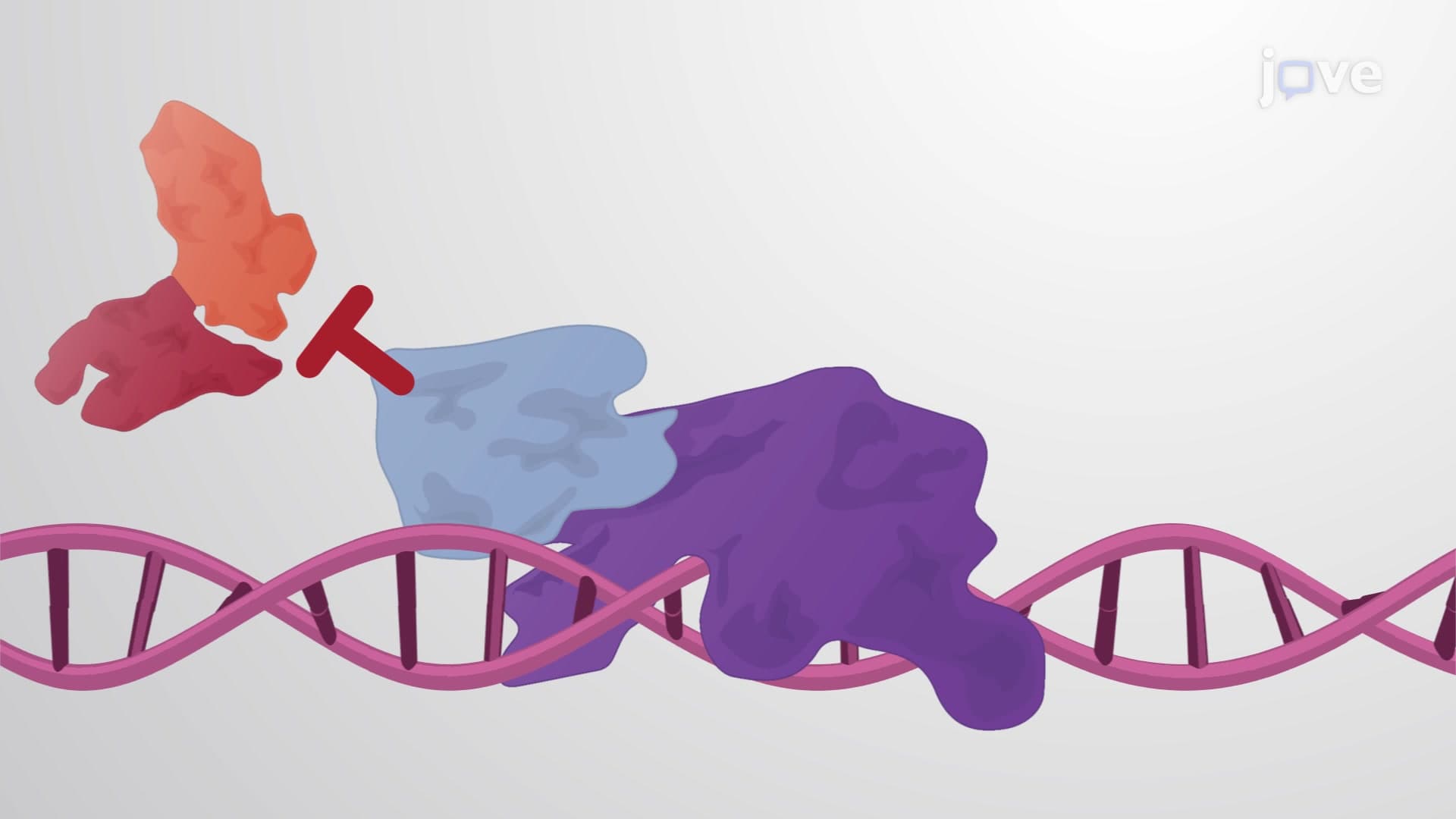
The combinatorial gene control definition encompasses several key principles. First, multiple transcription factors must often bind simultaneously to regulatory sequences for effective gene activation. This requirement creates specificity - only cells expressing the right combination of factors will activate particular genes.
Consider the classic example of muscle cell differentiation studied extensively at institutions like Harvard Medical School. The master regulator MyoD works with other factors including MEF2, SRF, and NFAT to activate muscle-specific genes. Remove any single factor, and muscle differentiation fails, demonstrating the absolute requirement for proper factor combinations.
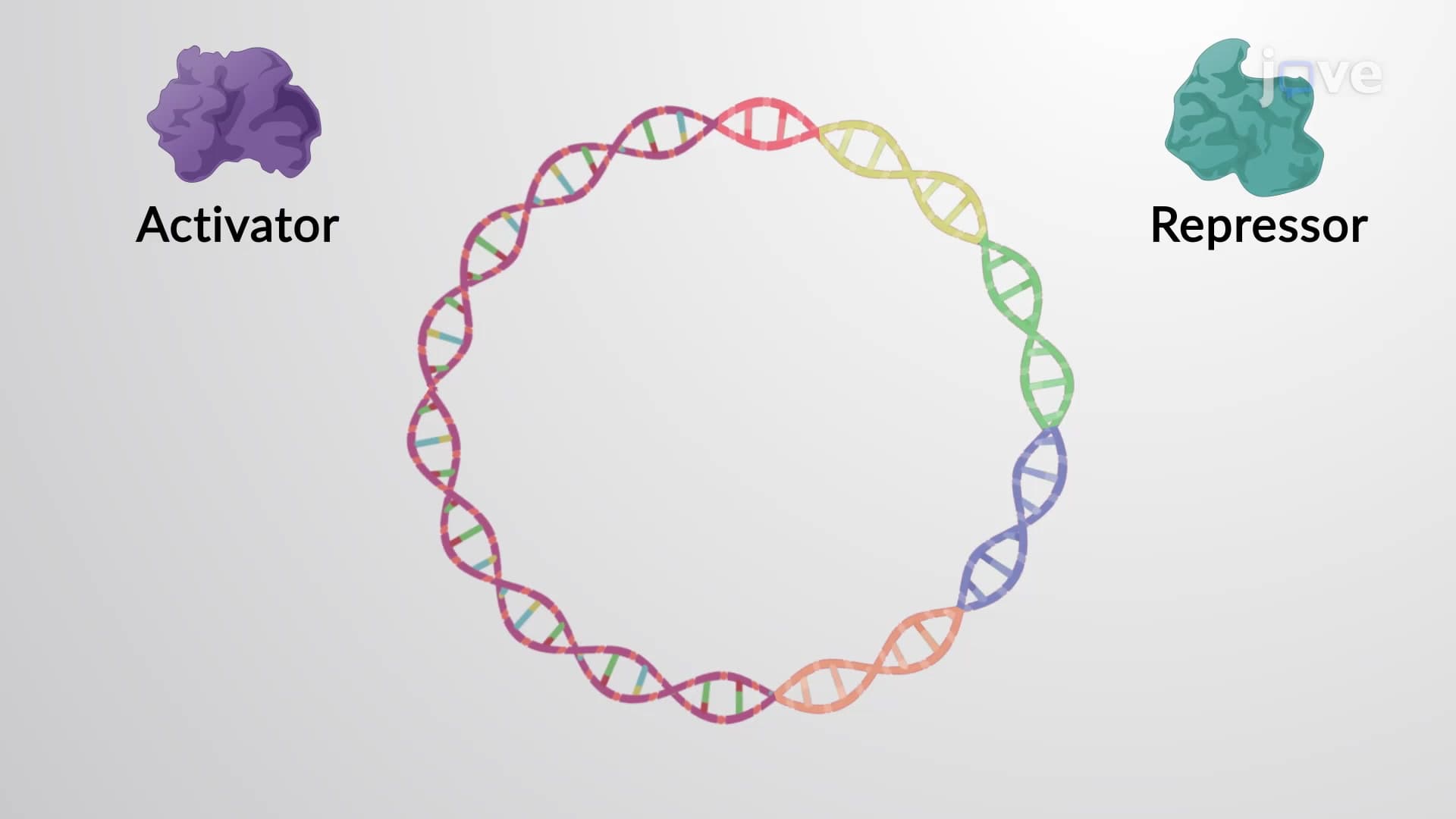
Second, transcription factors can function as either activators or repressors depending on their partners. The same protein might activate genes in one cellular context while repressing them in another, based on its combinatorial partners.
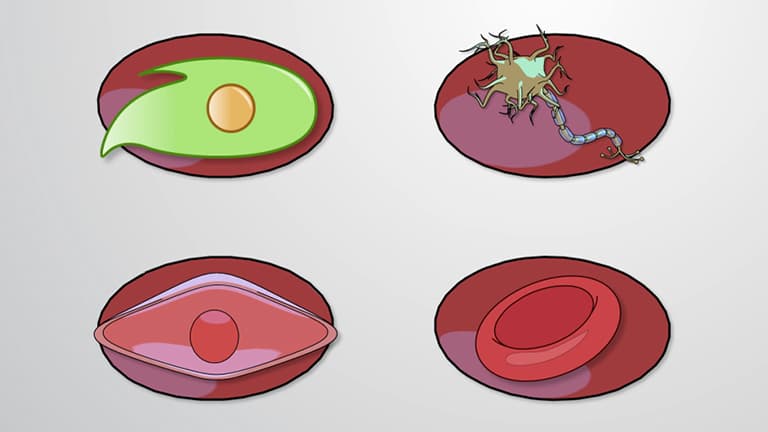
Understanding what is combinatorial gene control in detail has revolutionized regenerative medicine. The Nobel Prize-winning work on induced pluripotent stem cells (iPSCs) exemplifies this principle. Researchers at Stanford University demonstrated that just four transcription factors - Oct-4, Sox-2, Klf-4, and c-Myc - can reprogram adult skin cells into stem cells capable of becoming any cell type.
This breakthrough has led to FDA-approved clinical trials for treating conditions like macular degeneration and Parkinson's disease. Companies like Geron Corporation and Advanced Cell Technology have invested billions in developing iPSC-based therapies, all built on combinatorial gene control principles.
For AP Biology students, combinatorial gene control frequently appears in free-response questions about gene regulation and cellular differentiation. The College Board often tests understanding of how transcription factor combinations create cell-type-specific expression patterns. MCAT test-takers encounter this concept in passages about developmental biology and biotechnology applications.
The concept also connects to broader themes in genetics, cell biology, and biotechnology, making it a cornerstone topic for understanding modern molecular biology and its medical applications.
Related Micro-courses