Loading video…


 15 Concepts
 225.8K views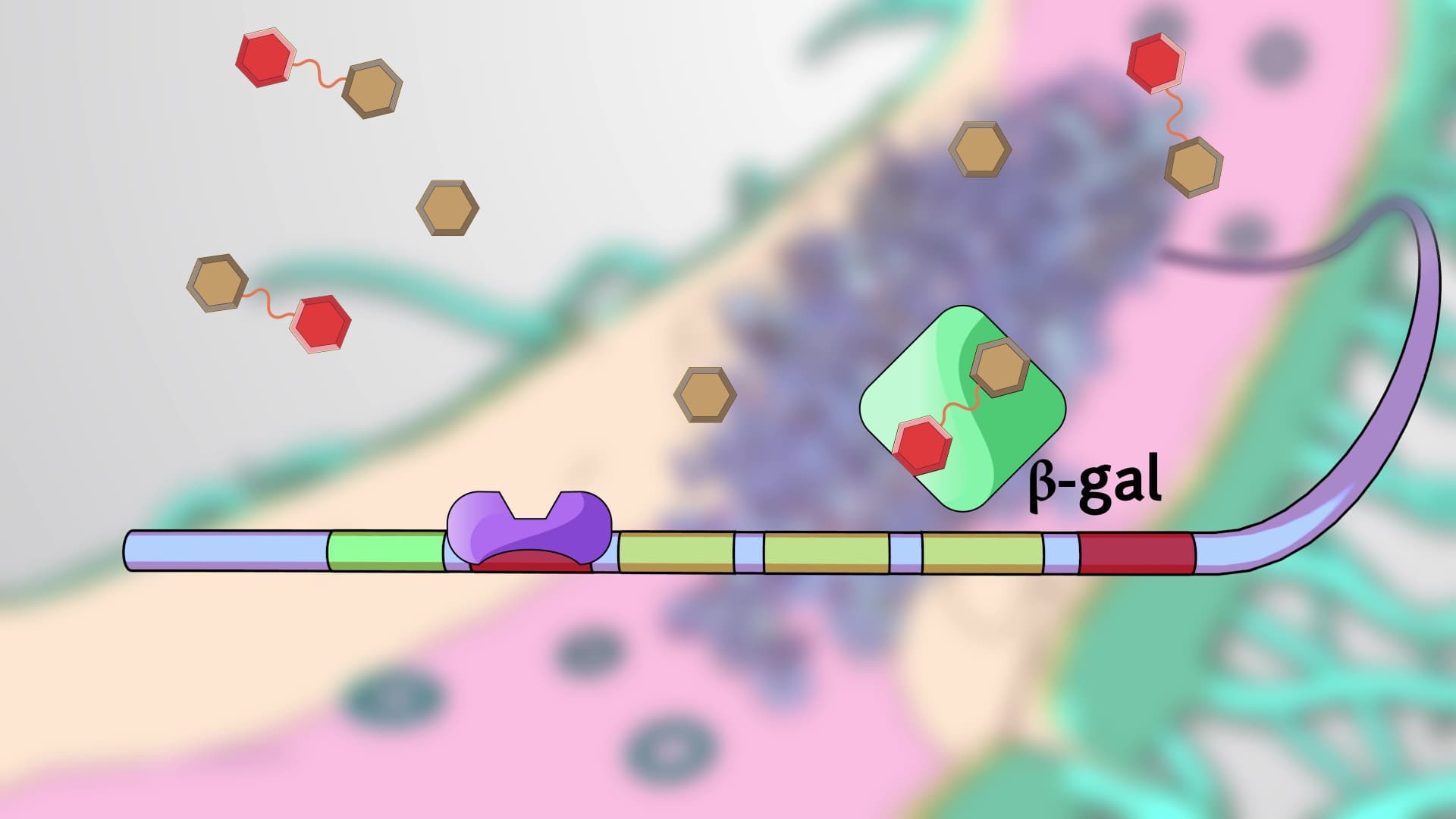

Video Summary: What Is Operons
Ever wondered how bacteria like E. coli in your gut instantly switch on genes to digest lactose from milk? Operons are the prokaryotic genetic switches that make this possible, clustering related genes under one control system for maximum efficiency. The famous lac operon discovered in E. coli bacteria demonstrates how cells conserve energy by only producing proteins when needed. Watch the full video on JoVE Coach to master this concept with expert-led visuals and step-by-step explanations.
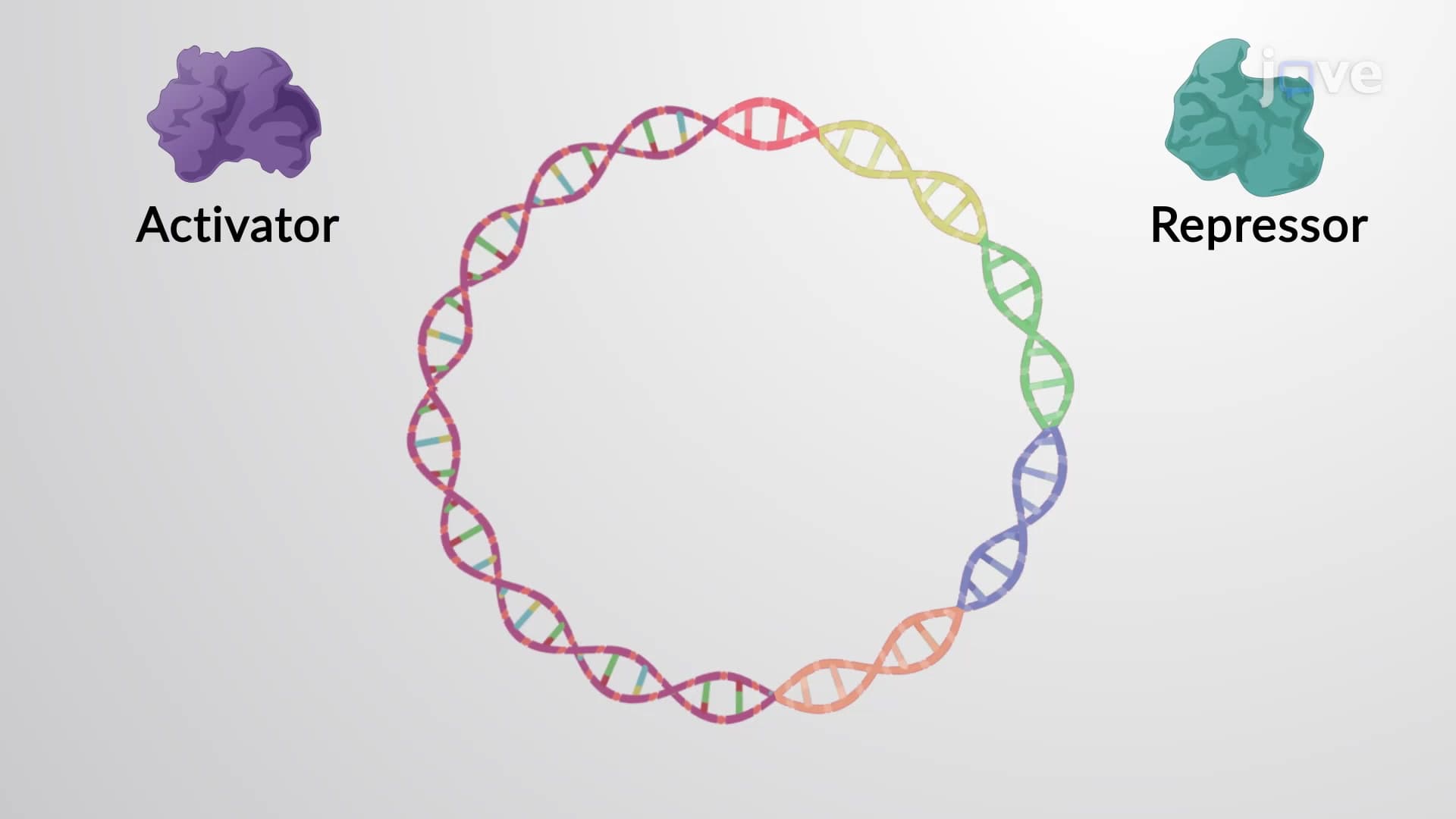
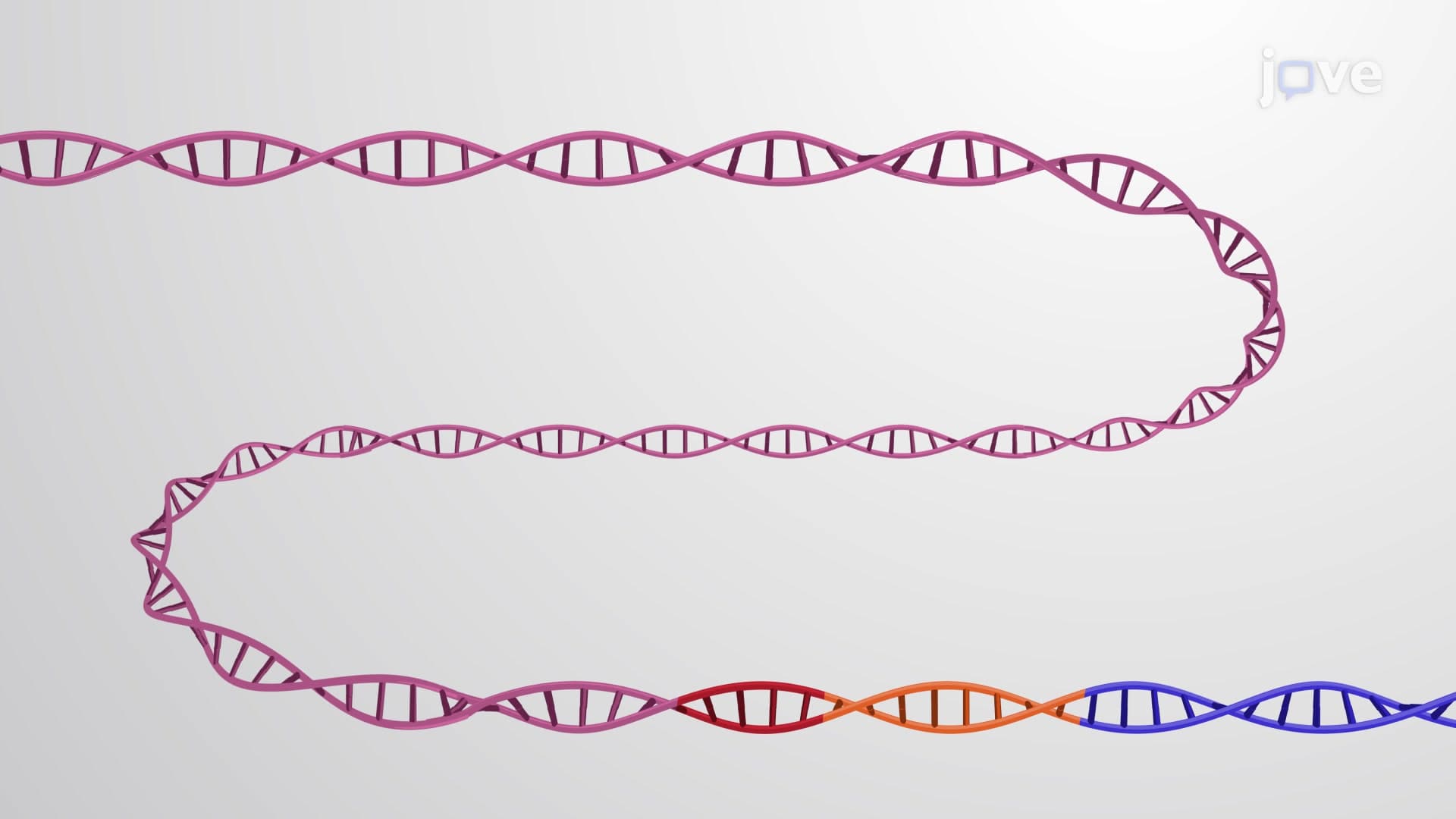
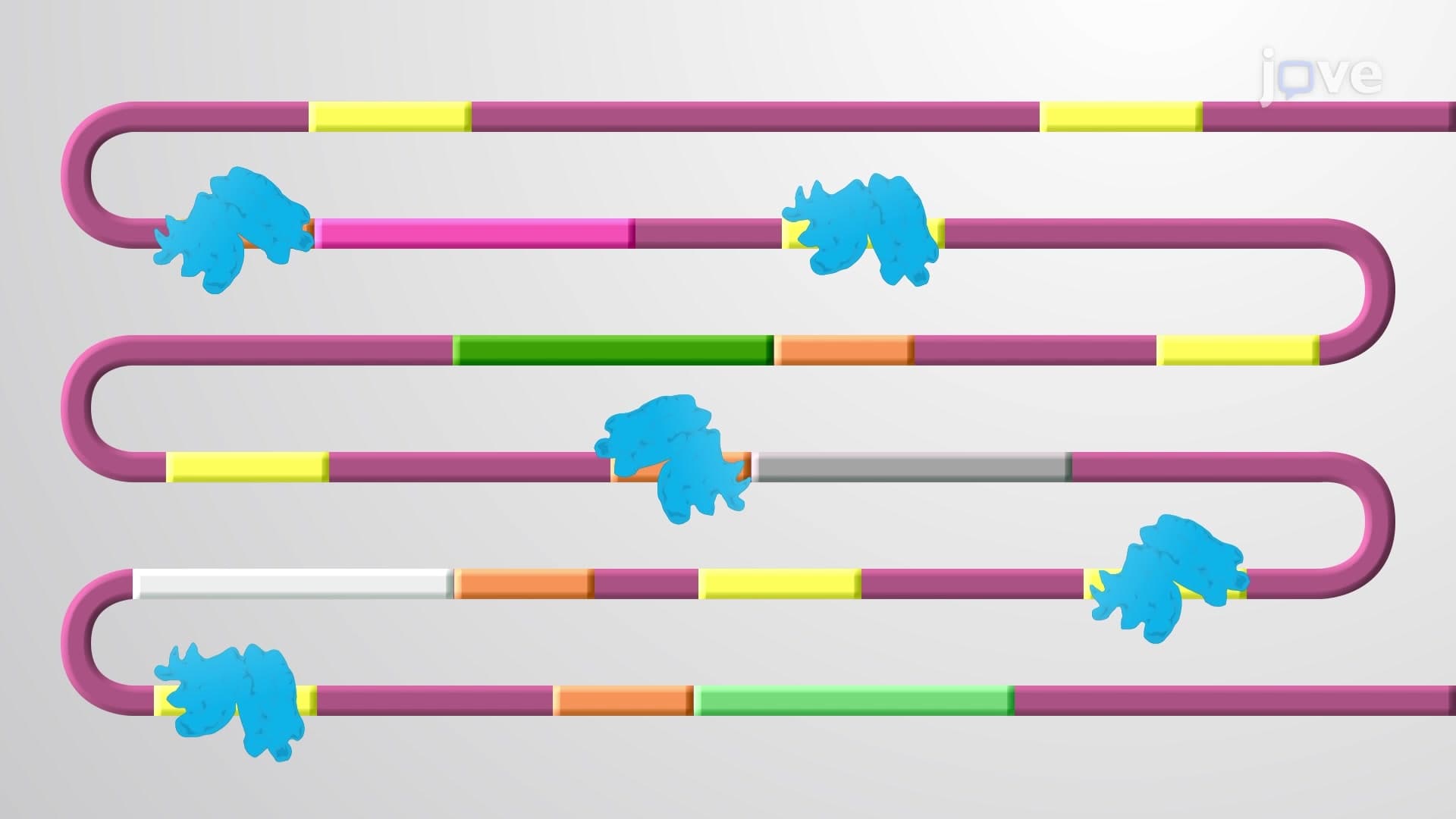
Operons represent one of biology's most elegant solutions to gene regulation, functioning as molecular switches that coordinate multiple genes simultaneously. Unlike eukaryotic cells that regulate genes individually, prokaryotes like bacteria use operons to control clusters of functionally related genes as single units. This system allows bacteria to respond rapidly to environmental changes while conserving cellular resources.
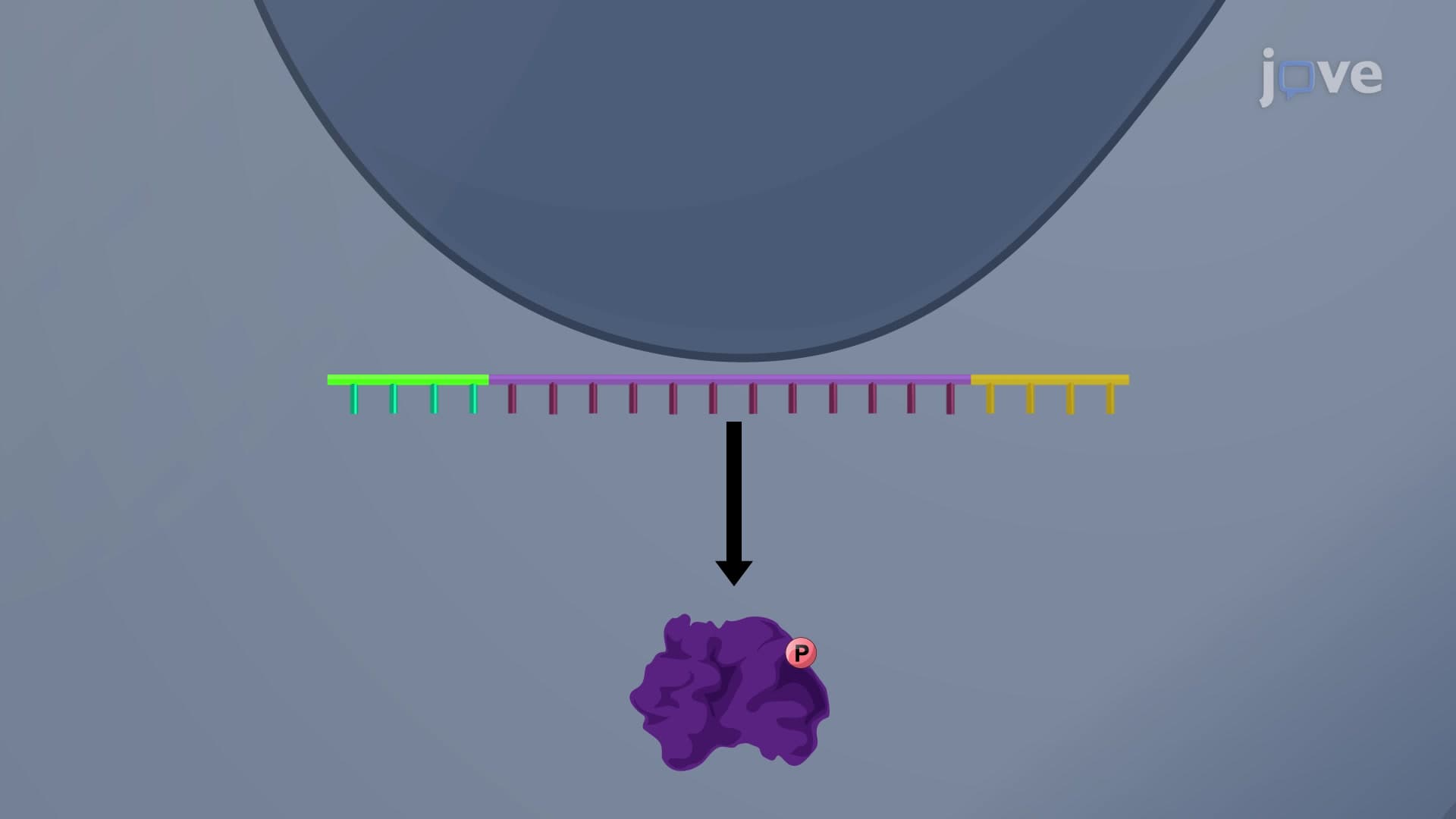
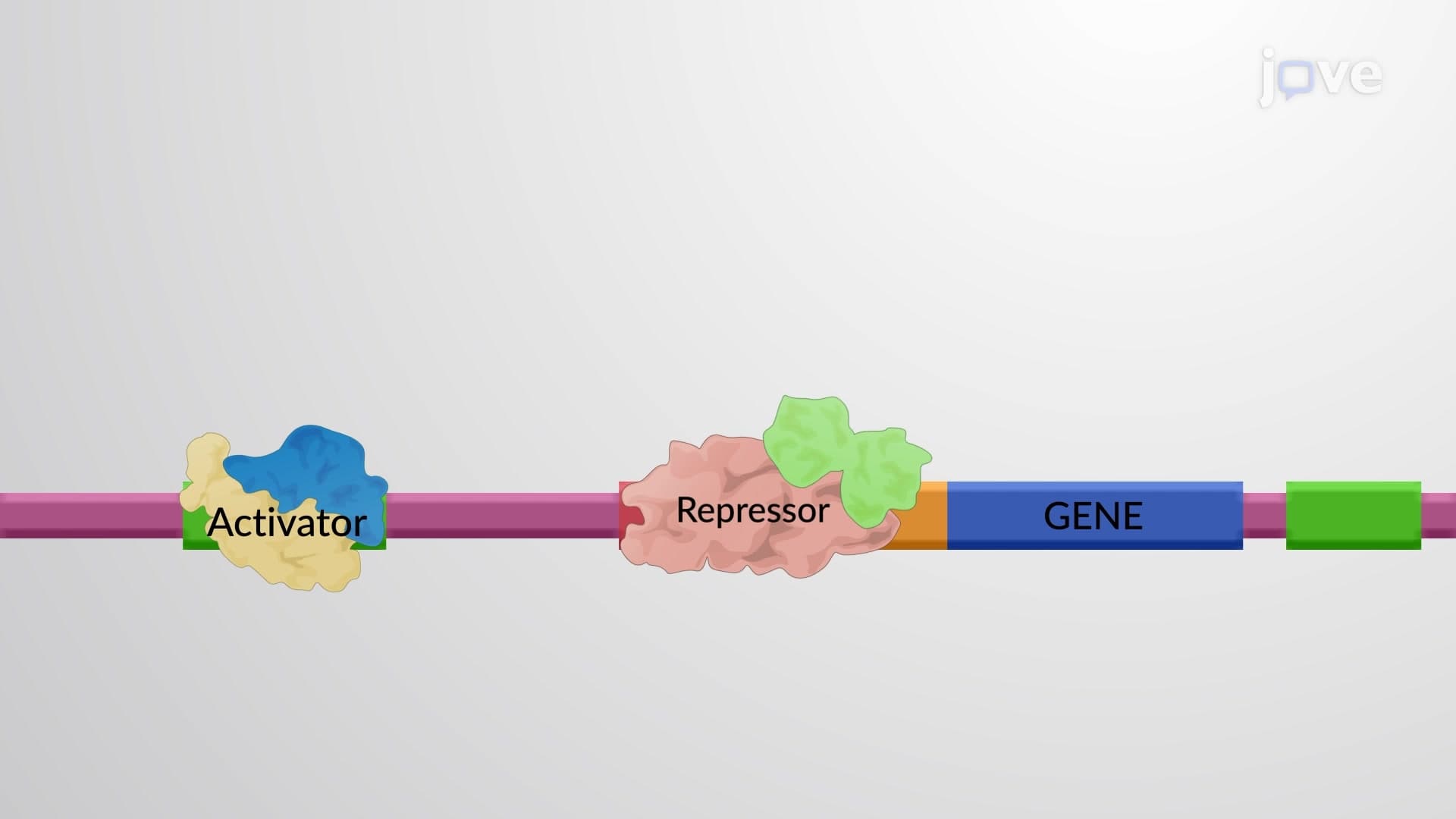
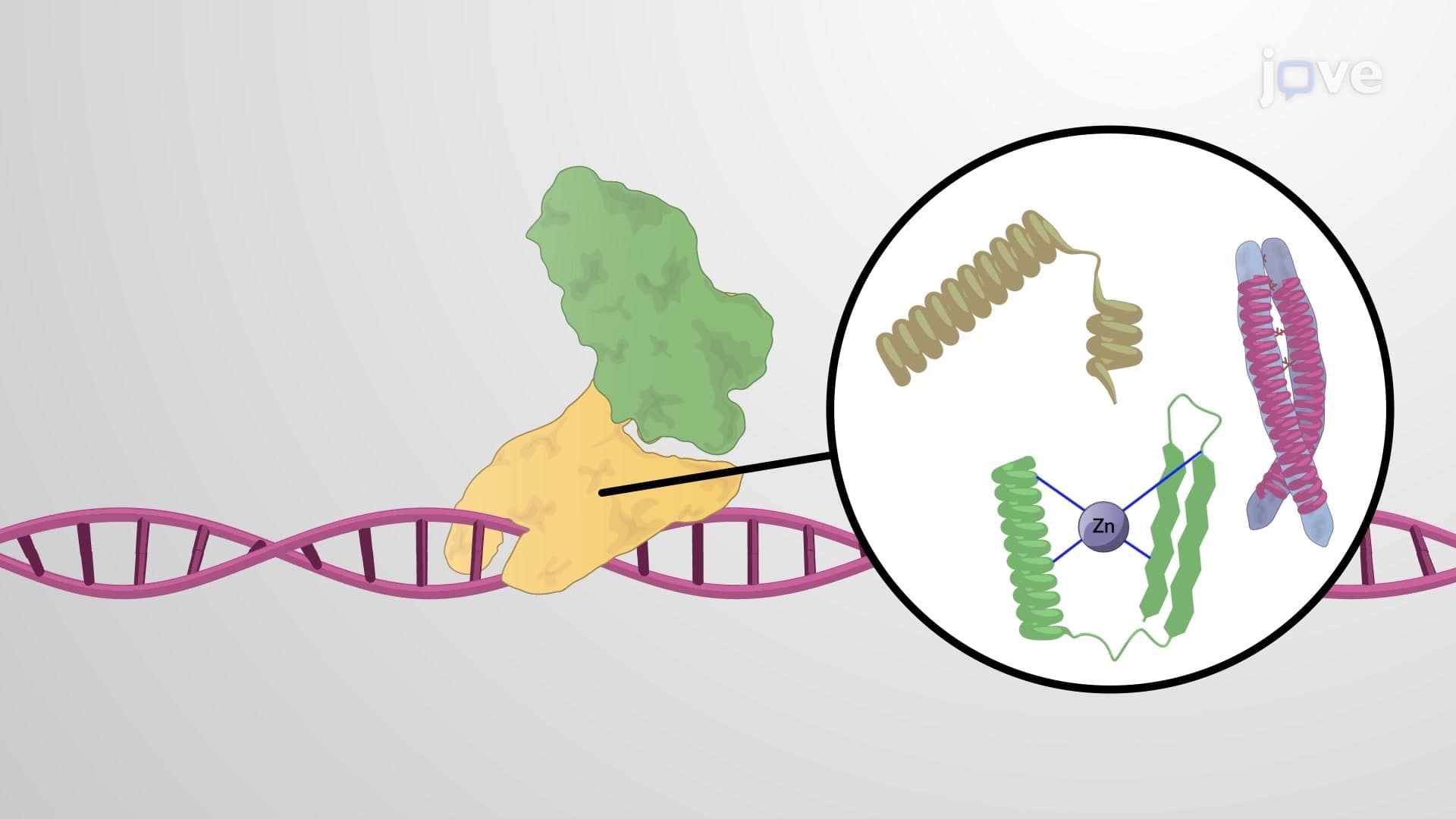
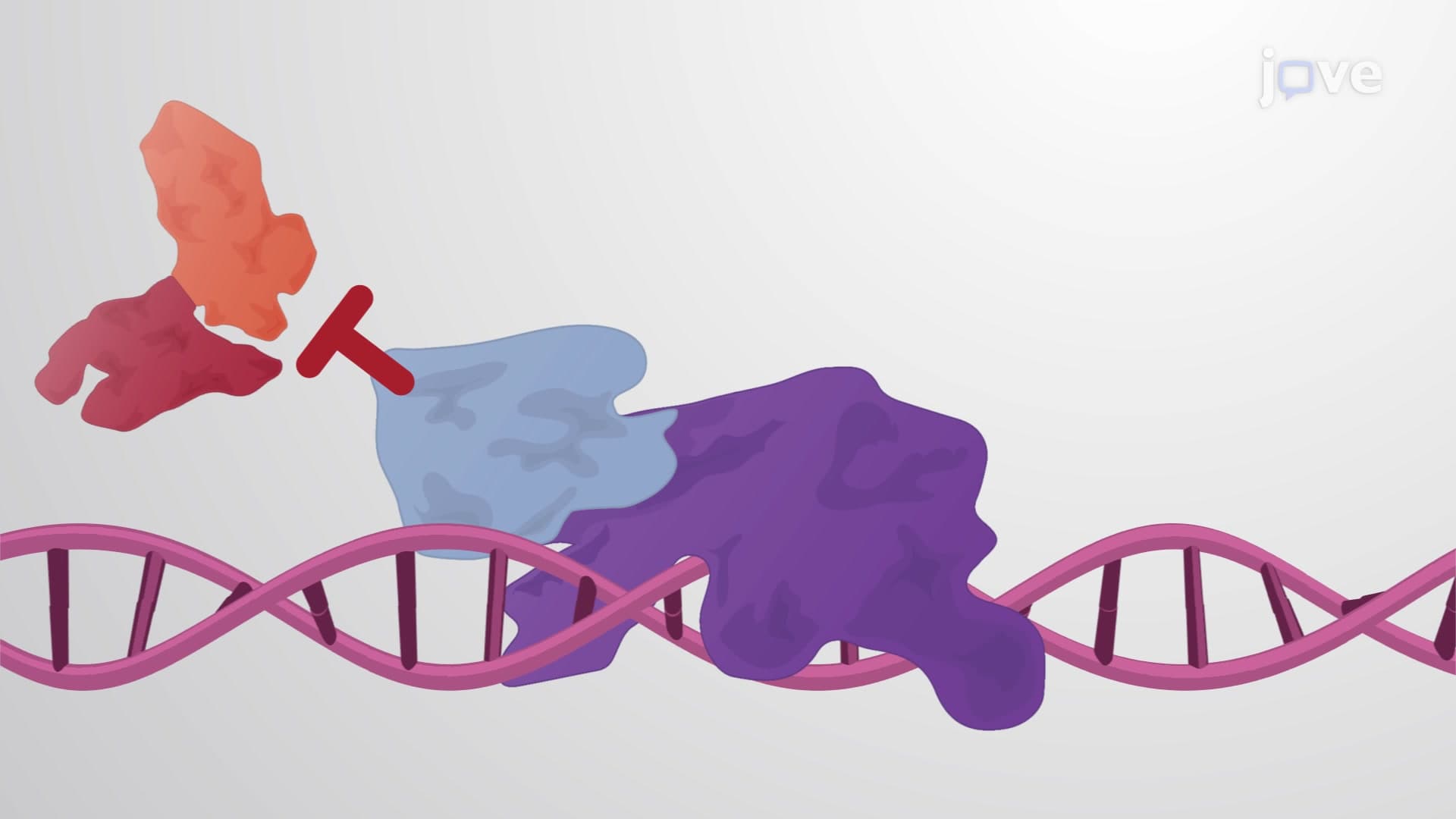
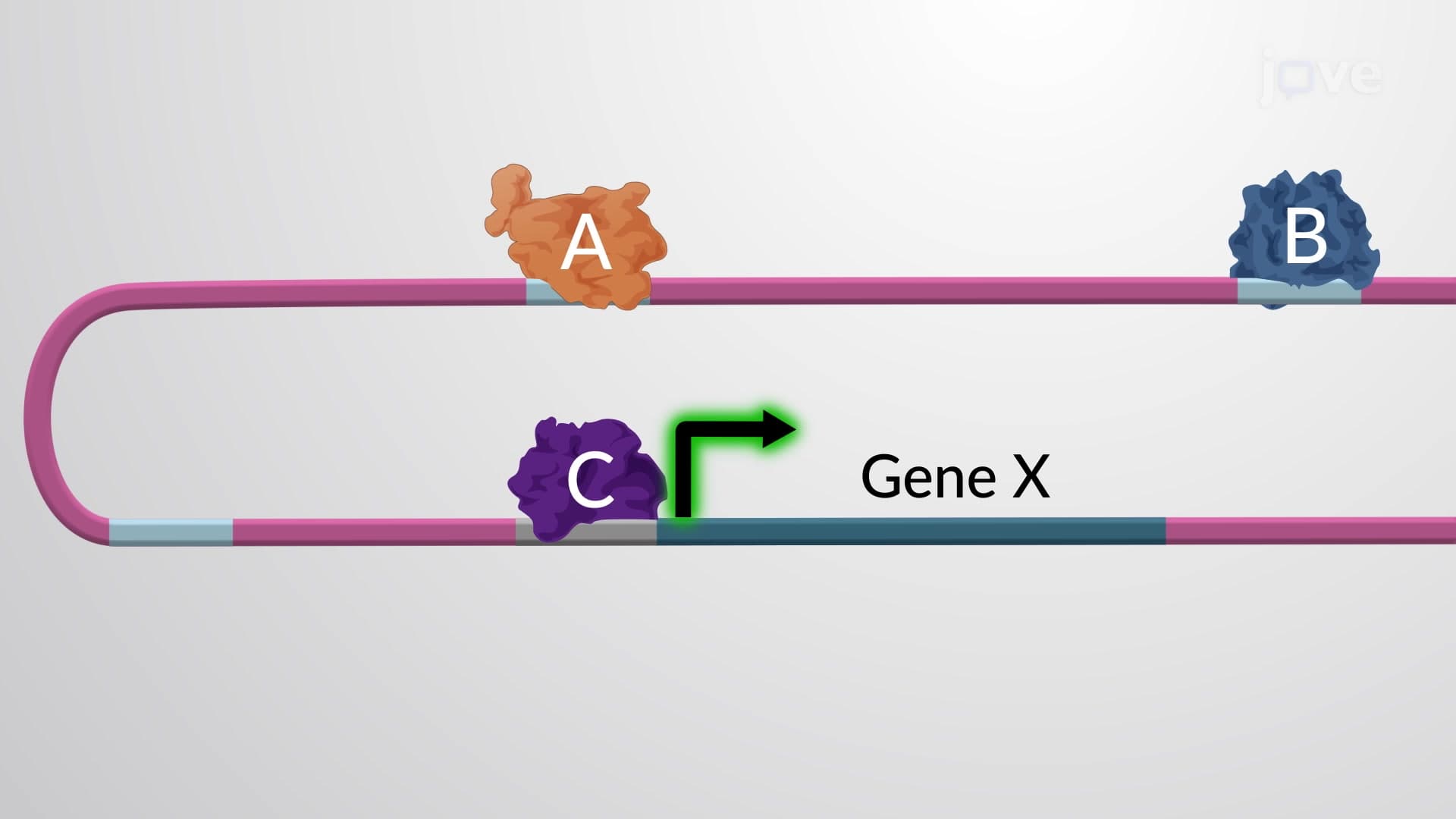
Every operon contains four essential elements that work together like a well-orchestrated team. The promoter serves as the starting point where RNA polymerase binds to begin transcription. Adjacent to this lies the operator, a DNA sequence that acts as a molecular gate where regulatory proteins can bind to control gene access. The structural genes contain the actual protein-coding sequences, while regulatory genes produce the control proteins that determine when the operon turns on or off.
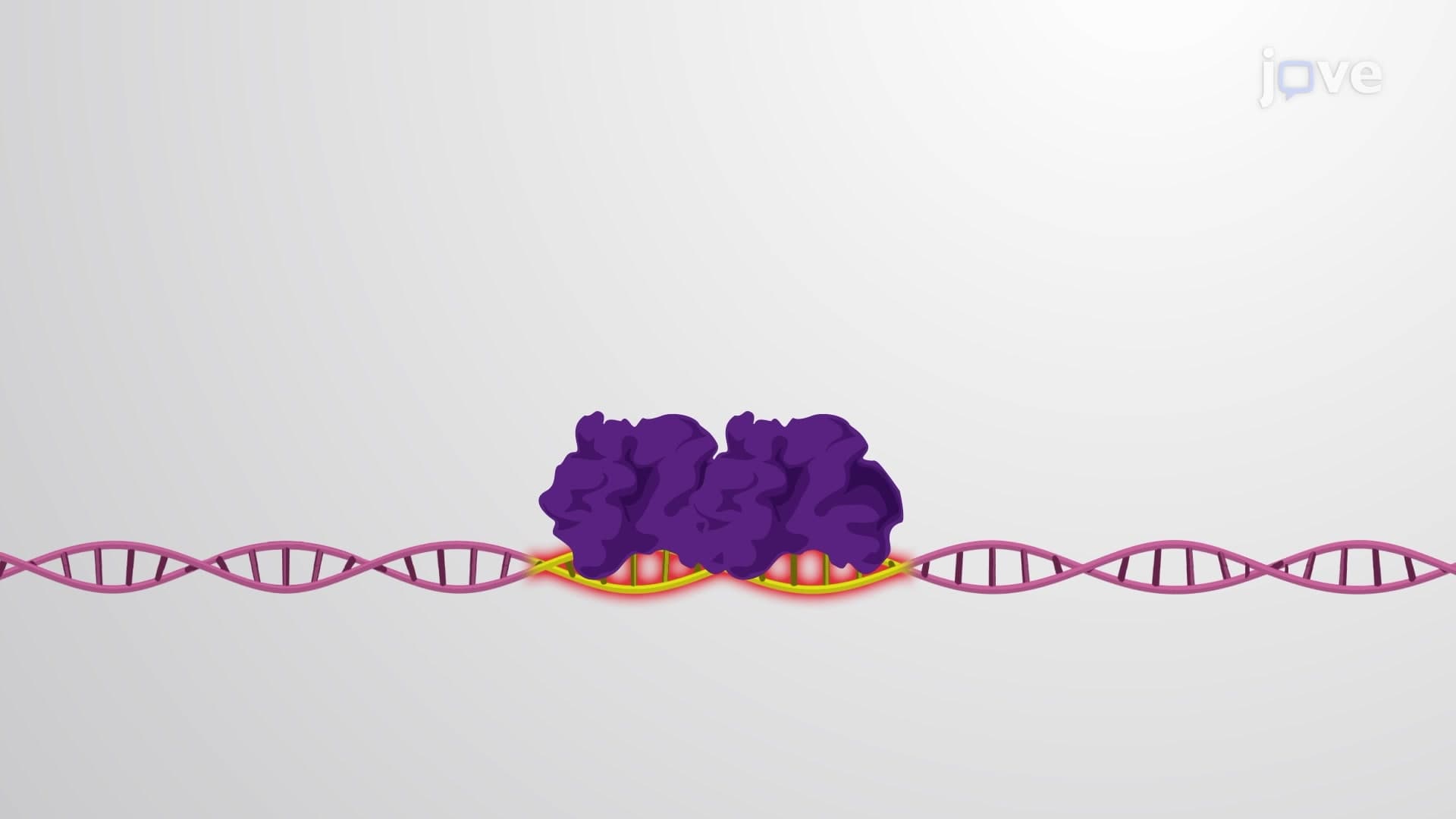
The lac operon in *Escherichia coli* perfectly illustrates operon function in real-world scenarios. When lactose is absent, a repressor protein blocks the operator, preventing unnecessary enzyme production. However, when lactose appears (like when you drink milk), it inactivates the repressor, allowing the cell to produce lactose-digesting enzymes. This system appears frequently on AP Biology exams and college genetics courses, making it essential for academic success.
Operons fall into two main categories based on their default states. Inducible operons like lac remain "off" until activated by their substrate, perfect for enzymes needed only occasionally. Repressible operons like the tryptophan (trp) operon stay "on" until turned off by their end product, ideal for essential biosynthetic pathways. Understanding this distinction helps students excel on MCAT questions about gene regulation.
Today's biotechnology industry extensively uses operon principles in engineering bacterial systems for pharmaceutical production. Companies like Genentech utilize modified operons to produce human insulin in bacteria, while synthetic biologists design custom operons for environmental cleanup applications. Medical students preparing for the USMLE encounter operons when studying antibiotic resistance mechanisms in pathogenic bacteria.
Related Micro-courses