Loading video…


 15 Concepts
 225.8K views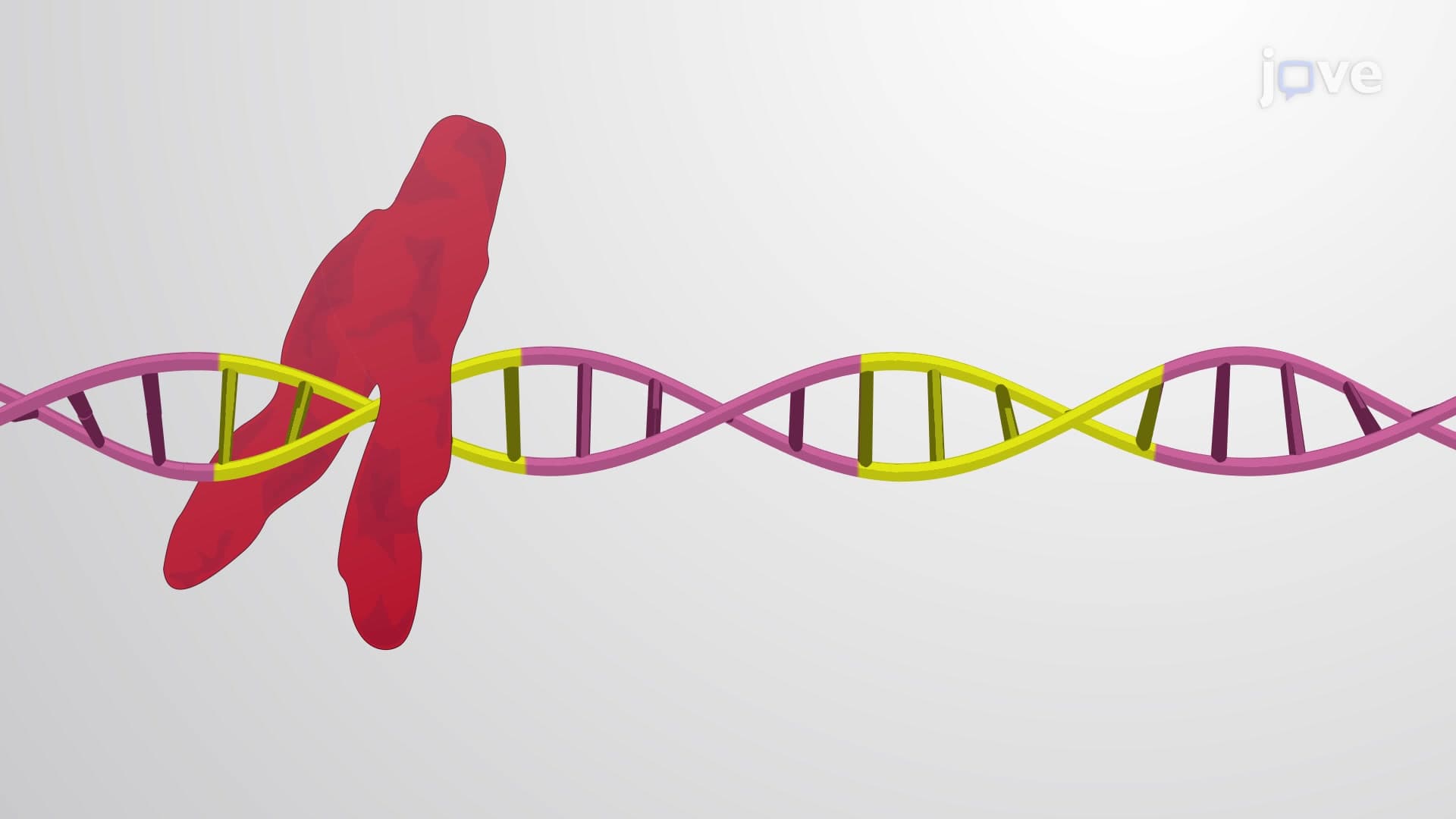

Video Summary: What are Cis Regulatory Sequences
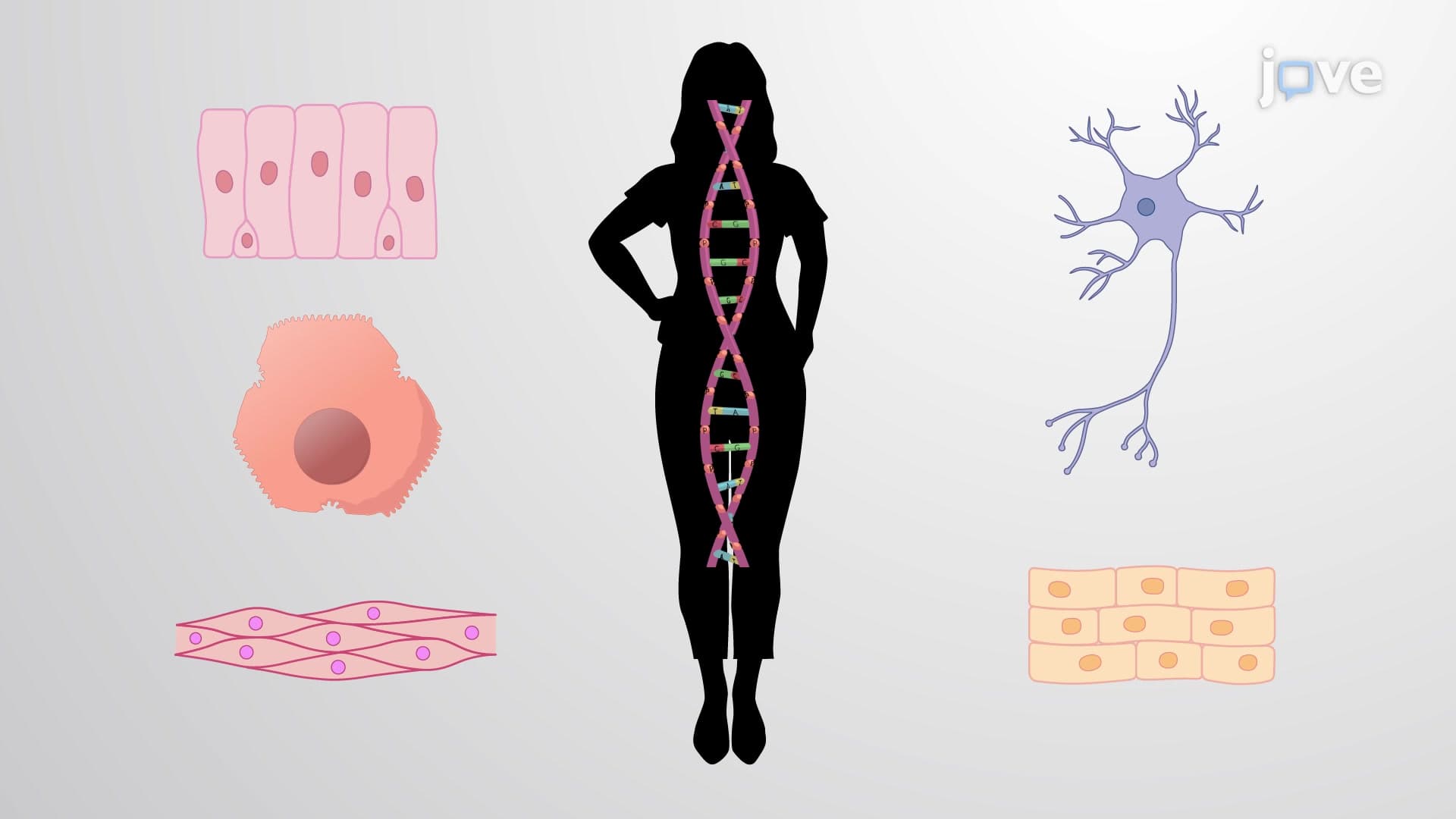
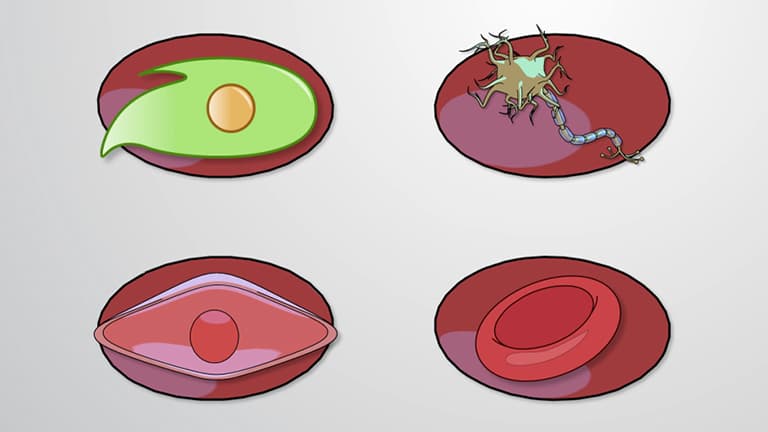
Ever wonder how your cells know exactly when to produce insulin or growth hormones? Cis regulatory sequences act like molecular switches that control gene expression with remarkable precision. These DNA sequences determine whether genes like the insulin gene in pancreatic cells get turned on or off at exactly the right moment. Understanding what are cis regulatory sequences reveals the fundamental mechanism behind cellular decision-making and genetic control. Watch the full video on JoVE Coach to master this concept with expert-led visuals and step-by-step explanations.
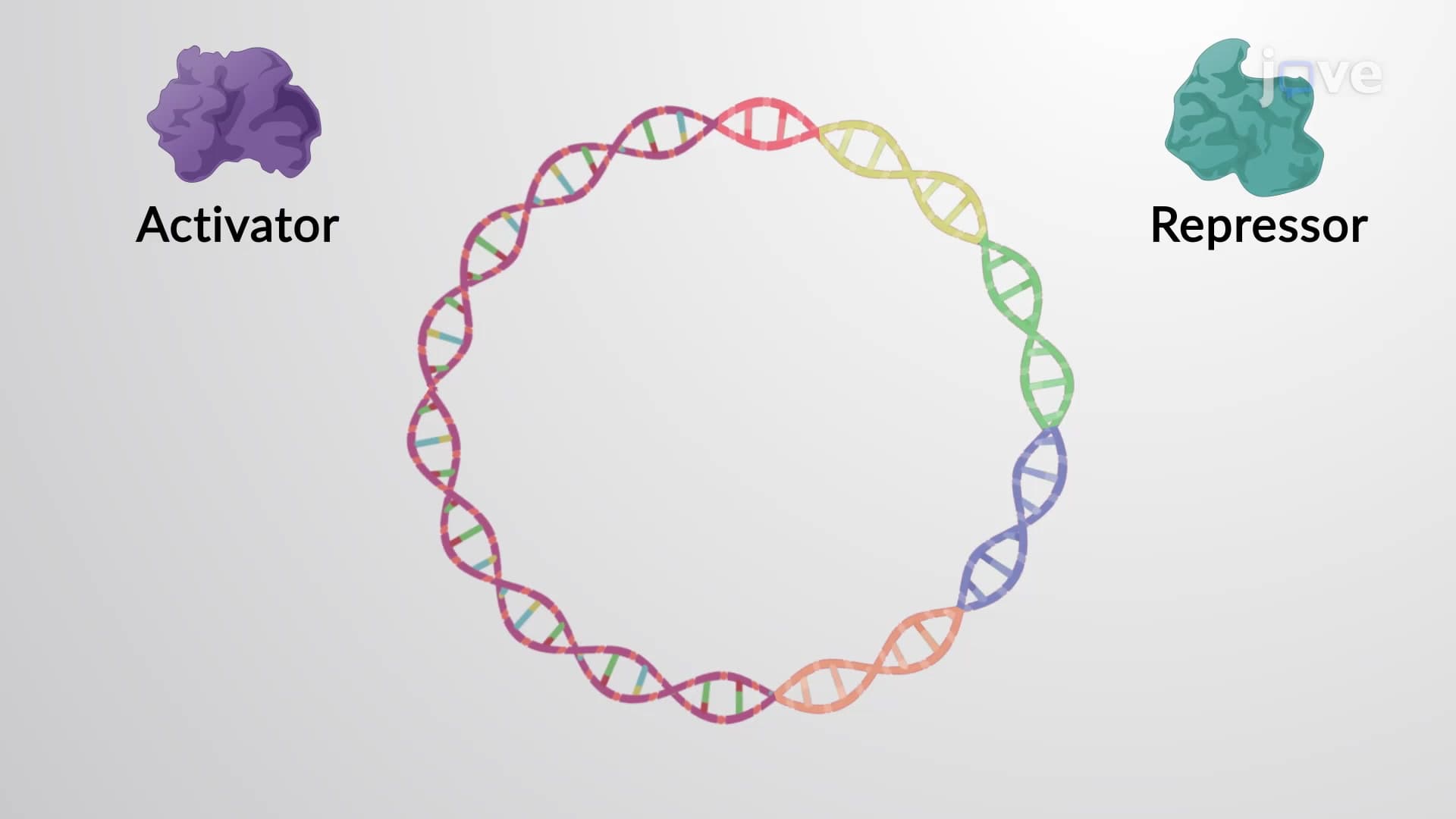
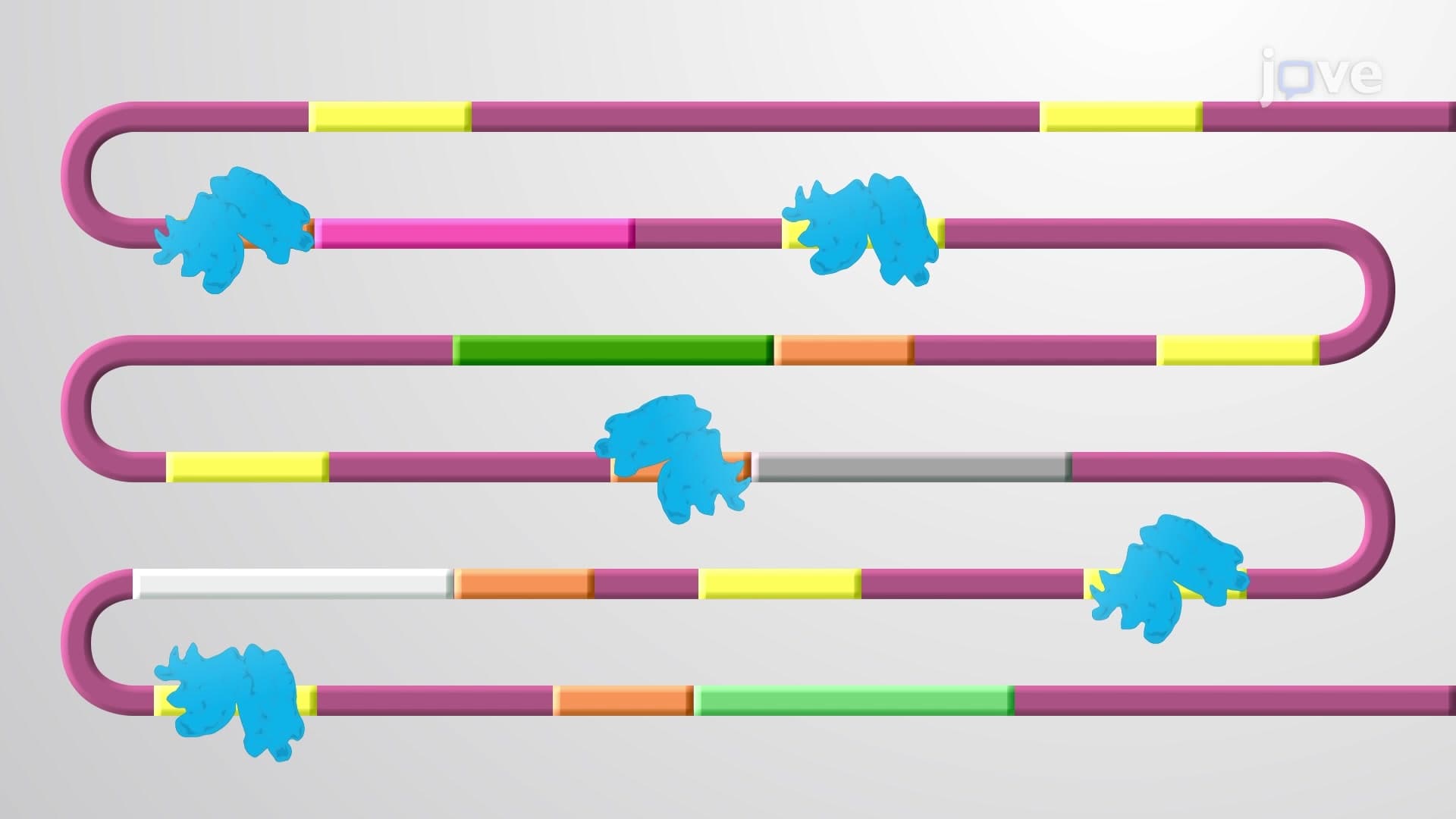
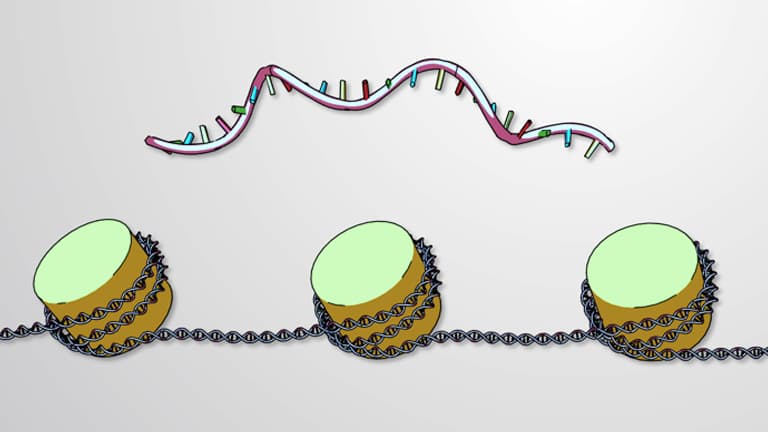
Cis regulatory sequences represent one of biology's most elegant control systems-short stretches of non-coding DNA that serve as binding platforms for transcriptional regulator proteins. Unlike the coding regions of genes that specify protein sequences, these regulatory elements function as molecular addresses, telling cellular machinery exactly when, where, and how much of a particular gene should be expressed.
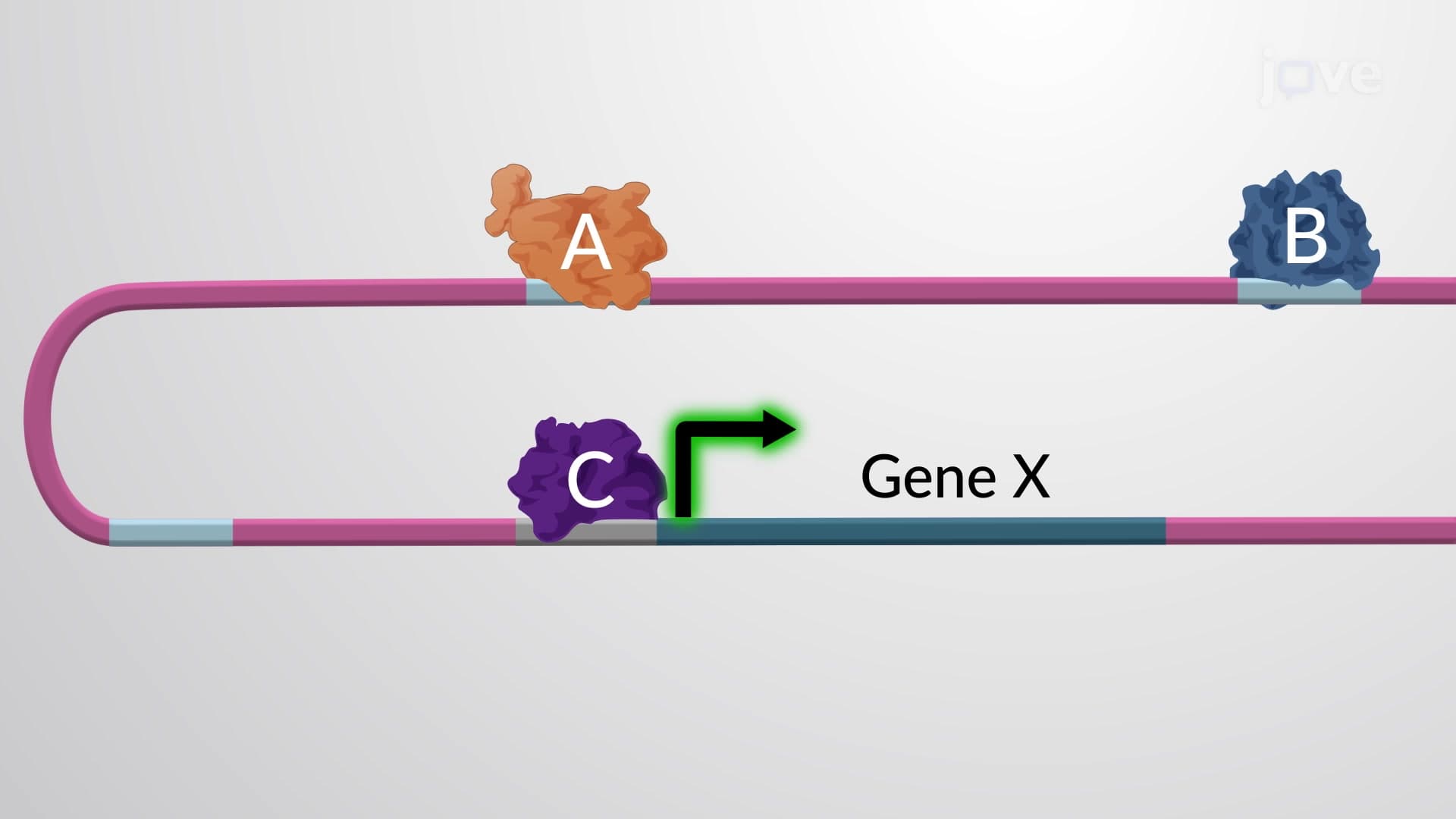
The term "cis" indicates that these sequences regulate genes located on the same DNA molecule, distinguishing them from "trans" factors like proteins that can diffuse through the cell to act on distant targets. This positional relationship is crucial for understanding gene regulation networks that control everything from embryonic development to daily circadian rhythms.
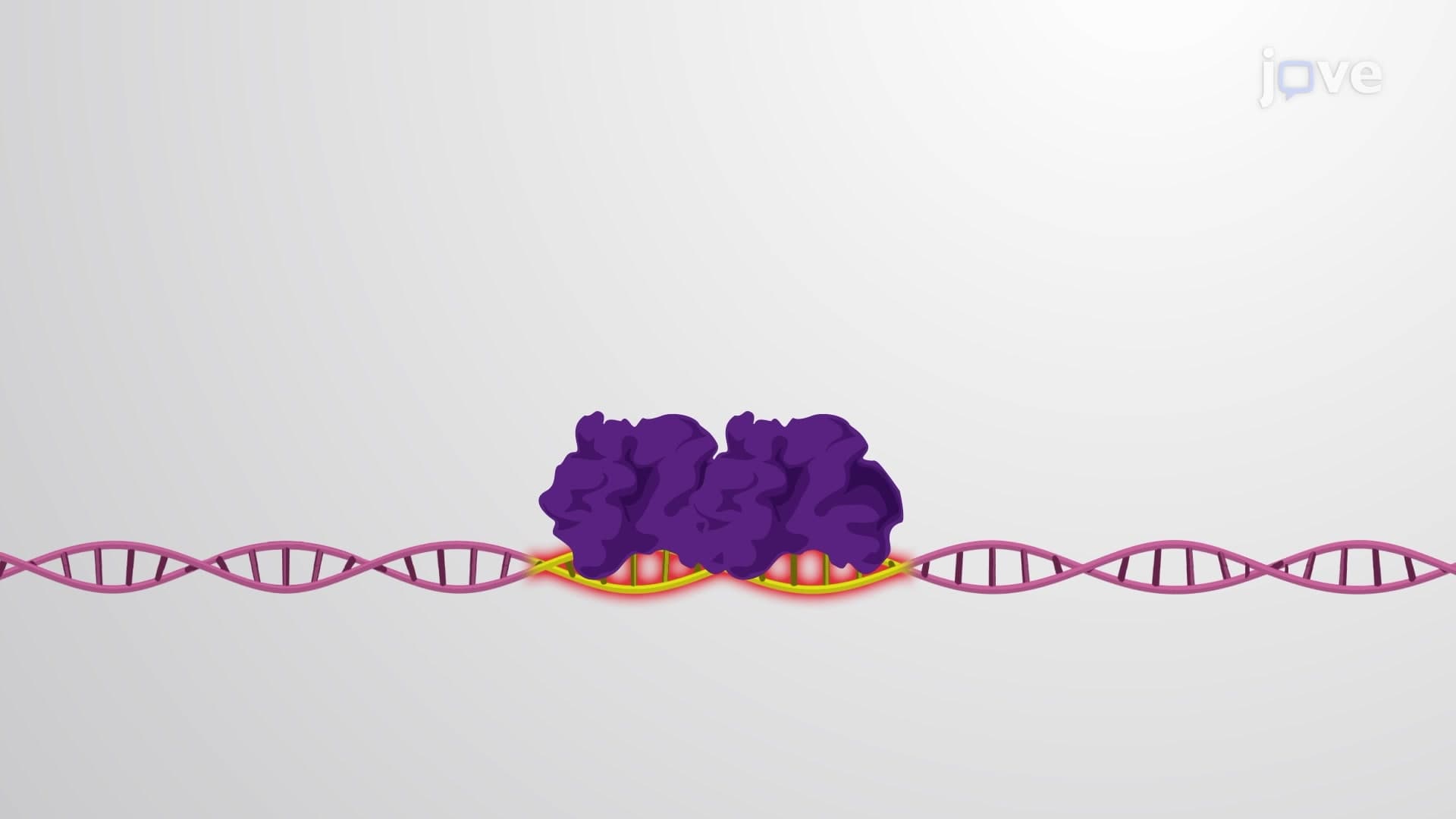
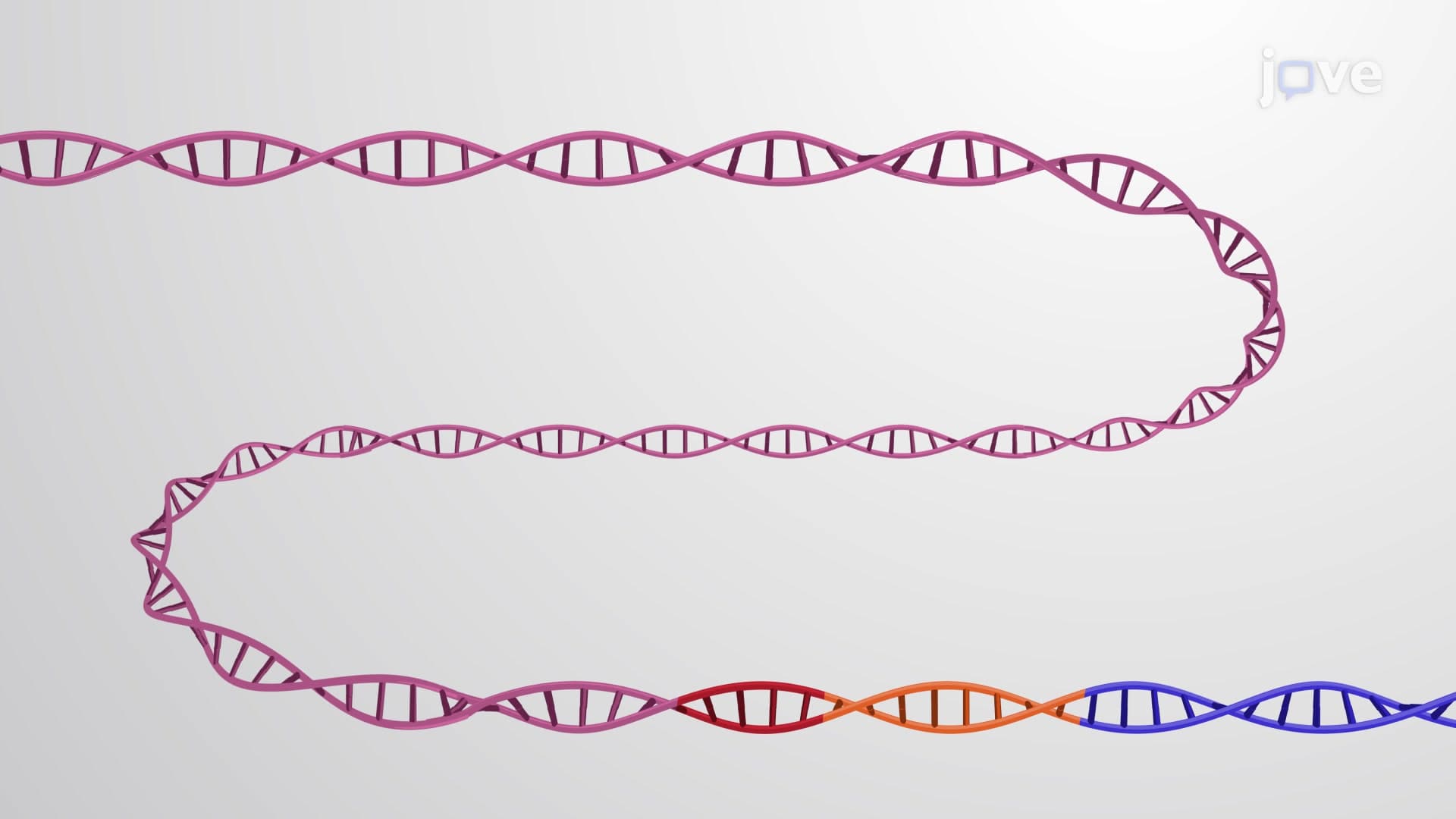
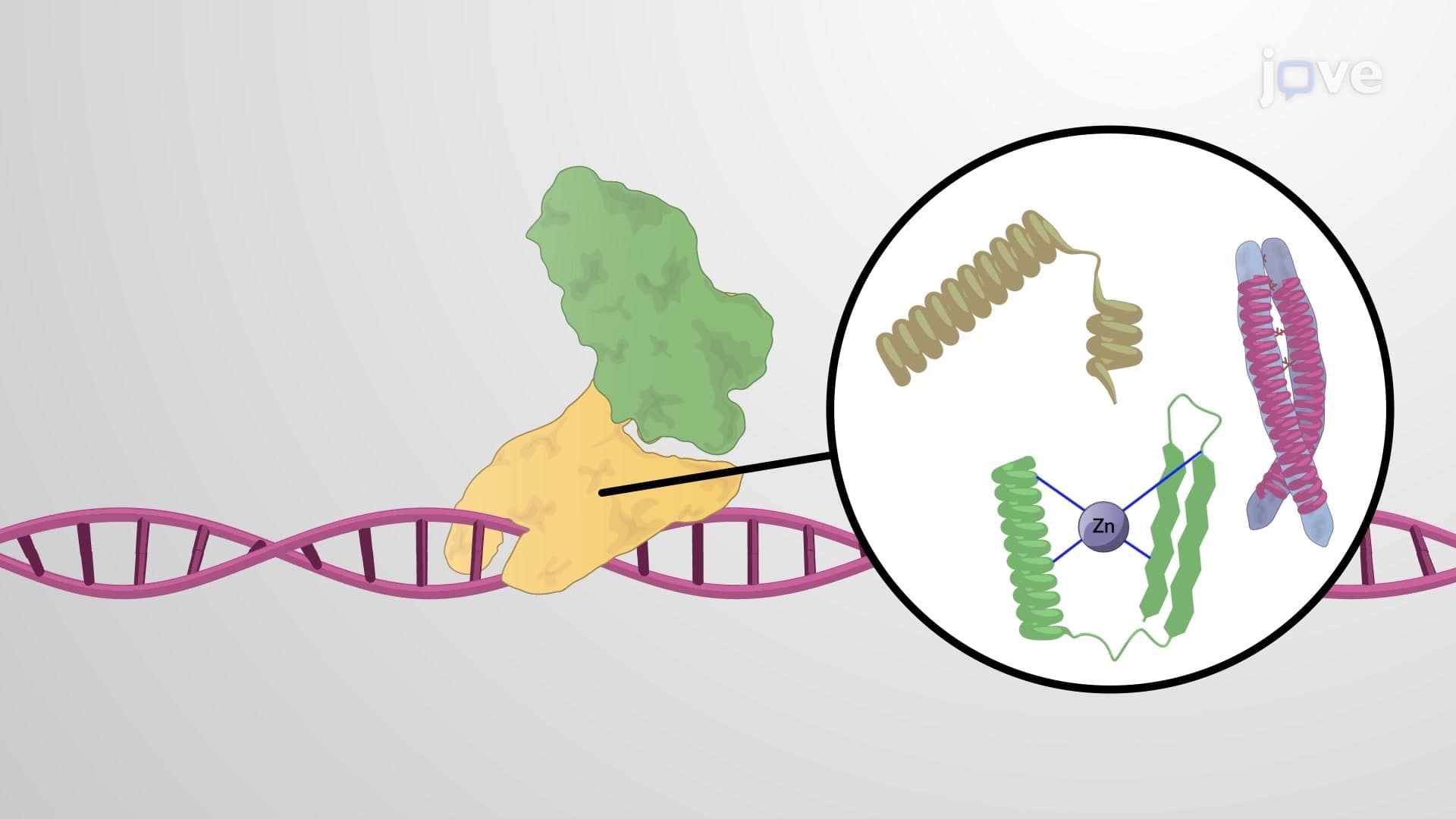
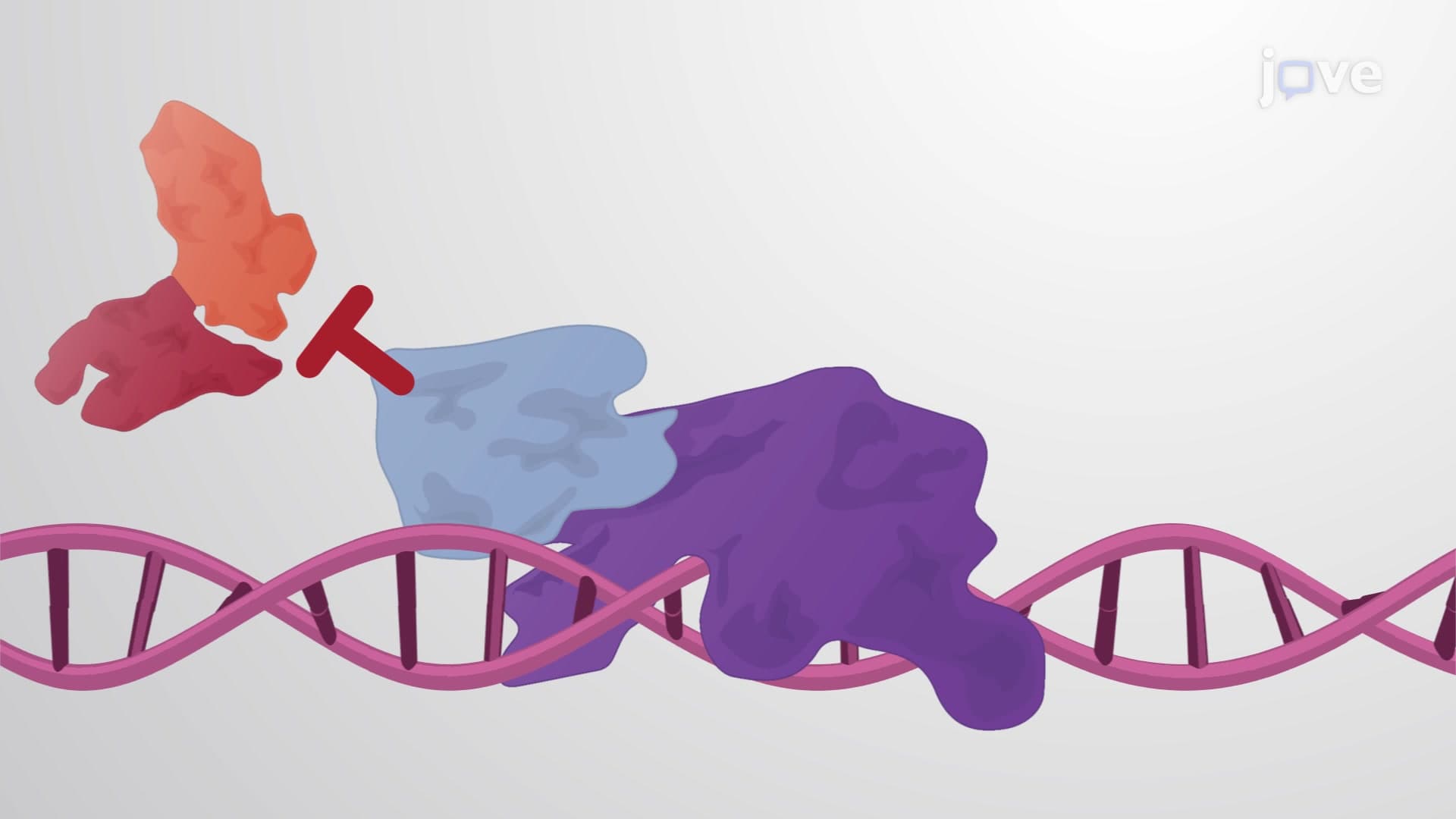
The precision of cis regulatory sequence function relies on the three-dimensional structure of DNA's double helix. The major groove of DNA exposes specific chemical groups from the nitrogenous bases, creating unique binding surfaces that transcriptional regulators can recognize. This is similar to how a key fits into a lock-the protein "key" must match the DNA "lock" with extraordinary specificity.
When transcriptional regulators bind to their target sequences, they form multiple hydrogen bonds and van der Waals interactions with the exposed bases. This creates remarkably stable protein-DNA complexes despite the non-covalent nature of the interactions. The specificity isn't absolute, however-closely related sequences can also be recognized, allowing for evolutionary flexibility while maintaining regulatory control.
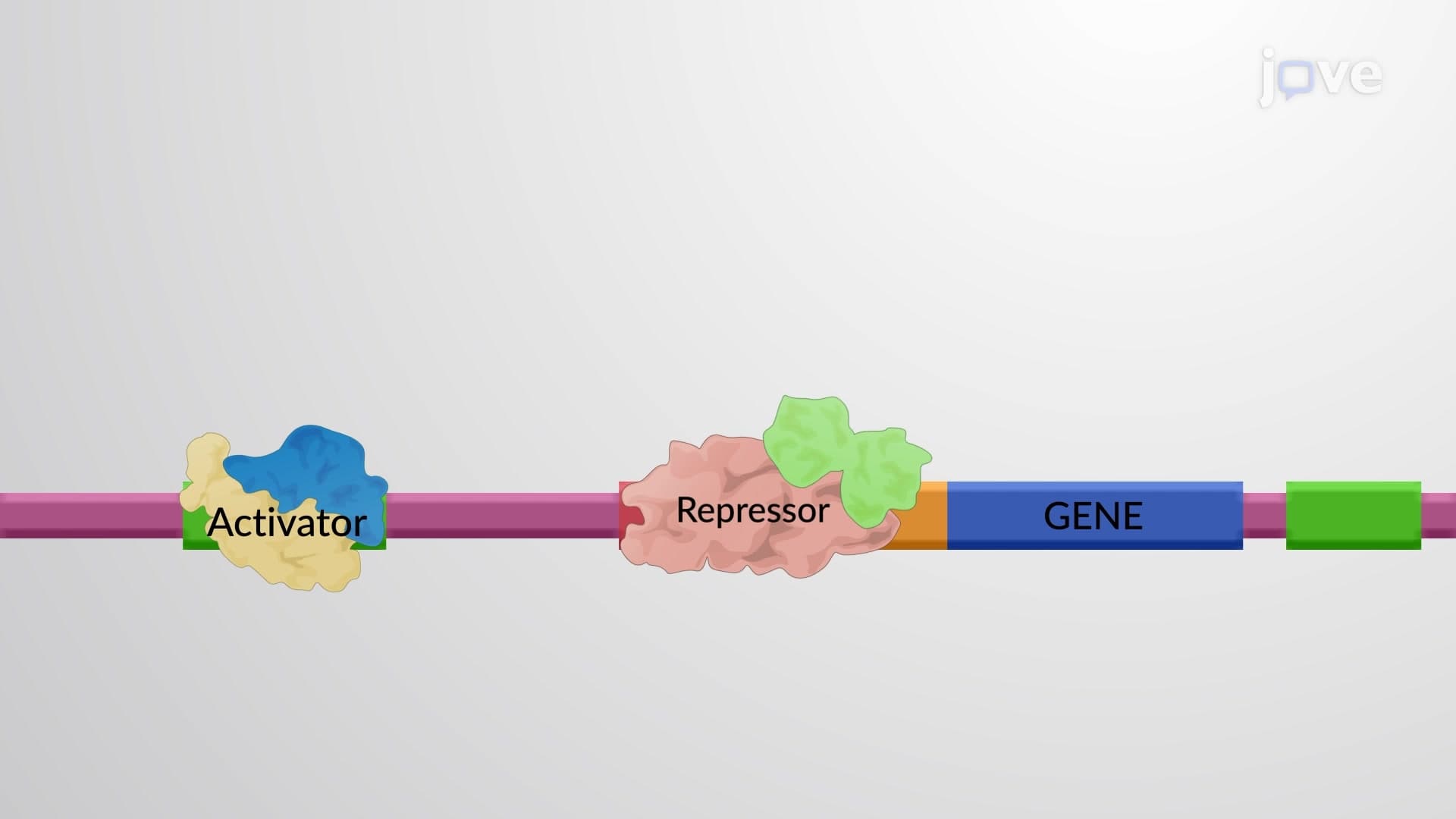
Cis regulatory sequences fall into two main categories based on their genomic location. Proximal elements include promoter sequences located immediately upstream of genes, typically containing the TATA box and other core elements recognized by RNA polymerase II. For example, the insulin gene promoter contains multiple regulatory elements that respond to blood glucose levels, ensuring insulin production matches metabolic needs.
Distal elements can be located thousands of base pairs away from their target genes, functioning as enhancers or silencers. A classic example is the locus control region (LCR) that regulates beta-globin gene expression-this enhancer complex is located over 50,000 base pairs upstream yet is essential for proper hemoglobin production in red blood cells.
Understanding cis regulatory sequences is fundamental for success in advanced biology courses and standardized exams. AP Biology students encounter these concepts when studying gene regulation and biotechnology applications. For pre-med students taking the MCAT, questions often focus on how regulatory mutations can cause genetic diseases-for instance, beta-thalassemia can result from mutations in globin gene regulatory sequences rather than the coding regions themselves.
In medical genetics, many inherited diseases stem from defects in cis regulatory sequences rather than protein-coding mutations. This knowledge becomes crucial for understanding personalized medicine approaches and gene therapy strategies currently being developed at institutions like the National Institutes of Health.
Related Micro-courses