Loading video…


 15 Concepts
 225.8K views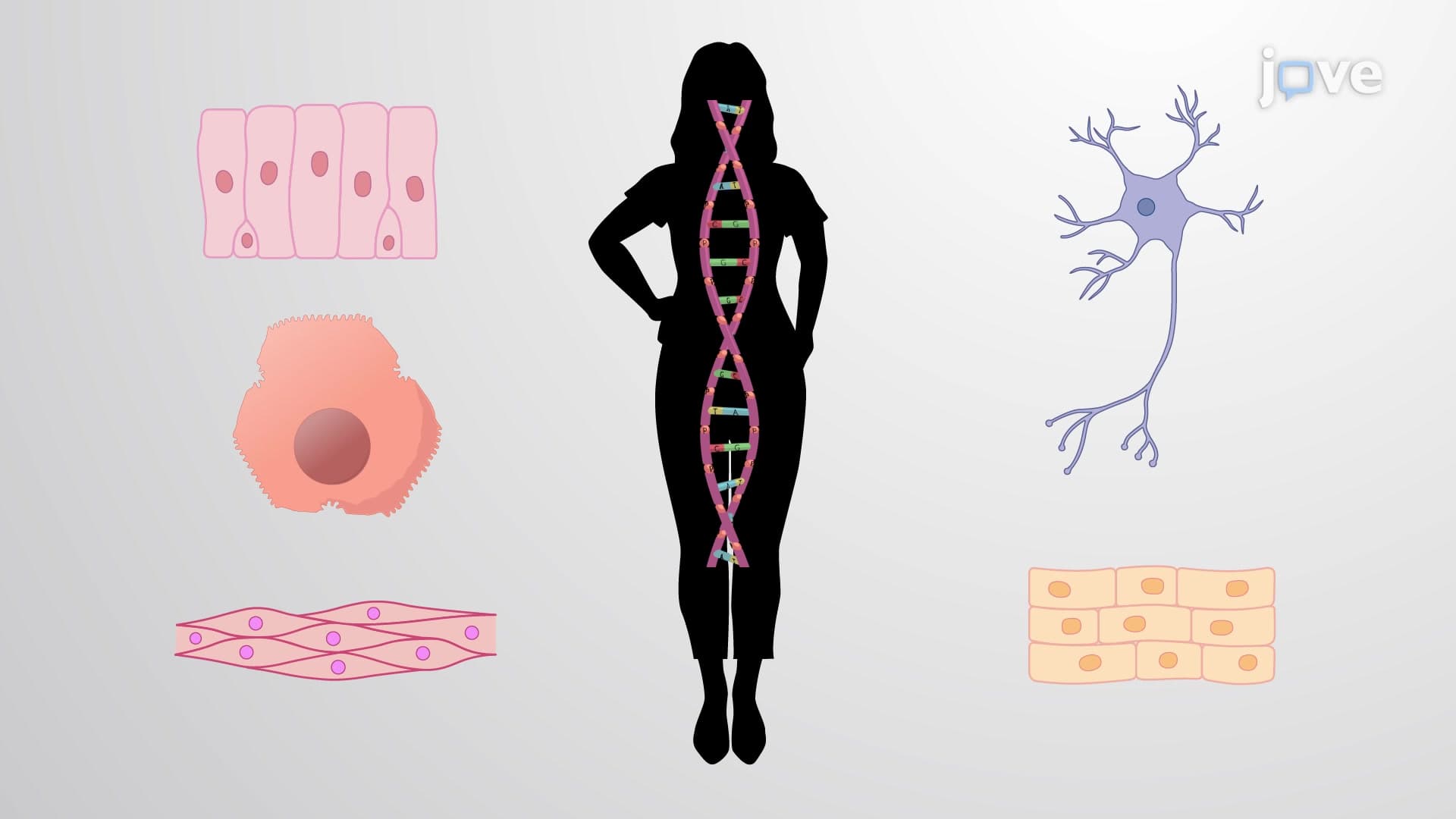

Video Summary: What Is Cell Specific Gene Expression
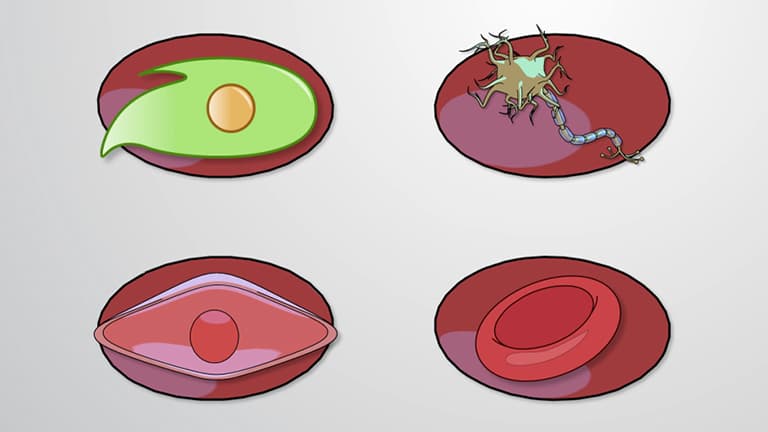
Why do liver cells detoxify alcohol while brain cells transmit electrical signals, despite sharing identical DNA? Cell specific gene expression explains how genetically identical cells develop distinct functions by activating different gene sets. For example, pancreatic cells produce insulin when blood sugar rises, while muscle cells manufacture contractile proteins for movement. This selective gene activation allows specialized cells to perform their unique roles in maintaining human health. Watch the full video on JoVE Coach to master this concept with expert-led visuals and step-by-step explanations.
Cell specific gene expression represents one of biology's most elegant solutions to cellular specialization. While every human cell contains approximately 20,000-25,000 genes, each cell type expresses only 30-60% of these genes at any given time. This selective activation creates the remarkable diversity we observe-from heart muscle cells that contract rhythmically to pancreatic beta cells that sense glucose levels and secrete insulin accordingly.
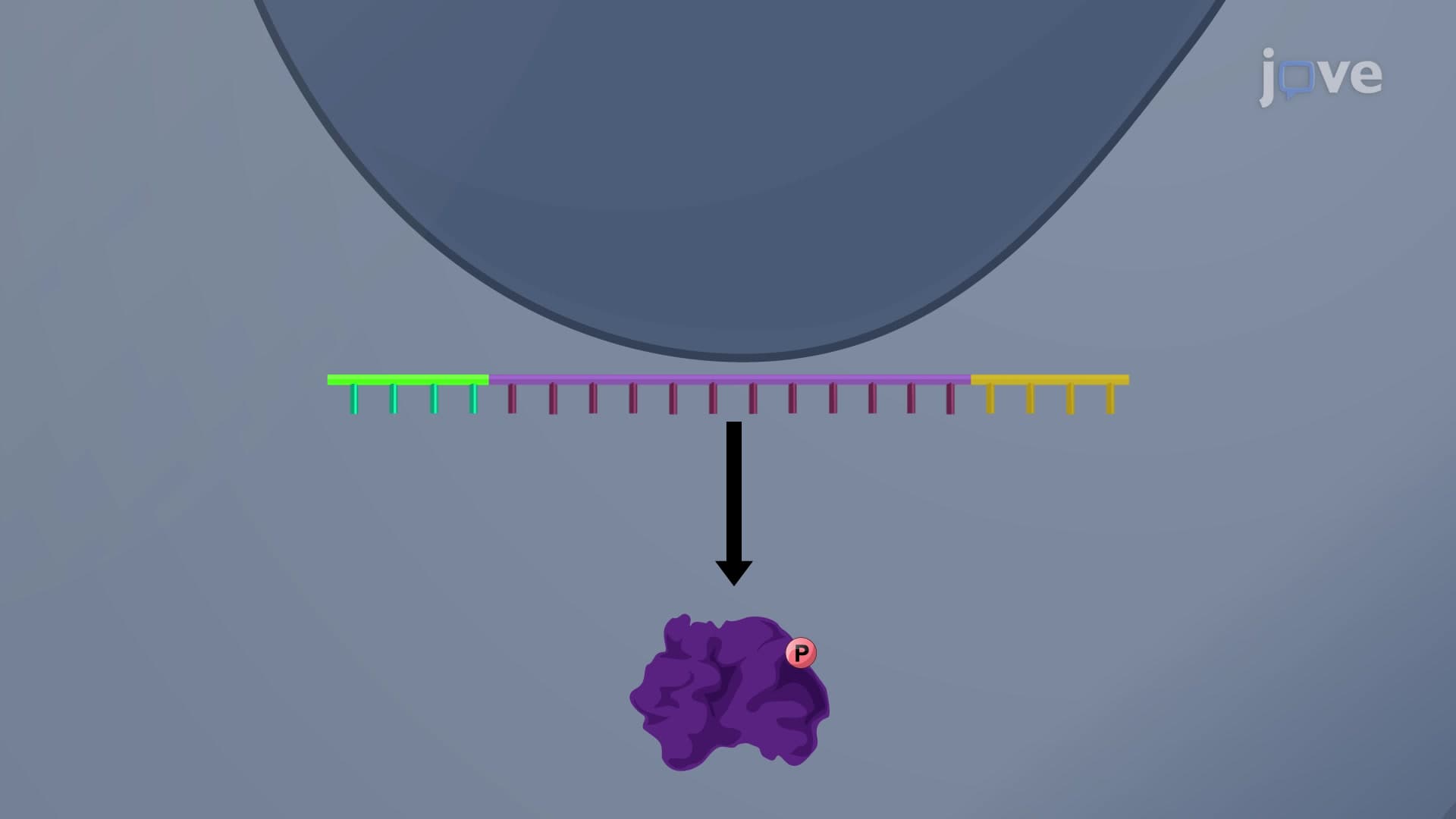
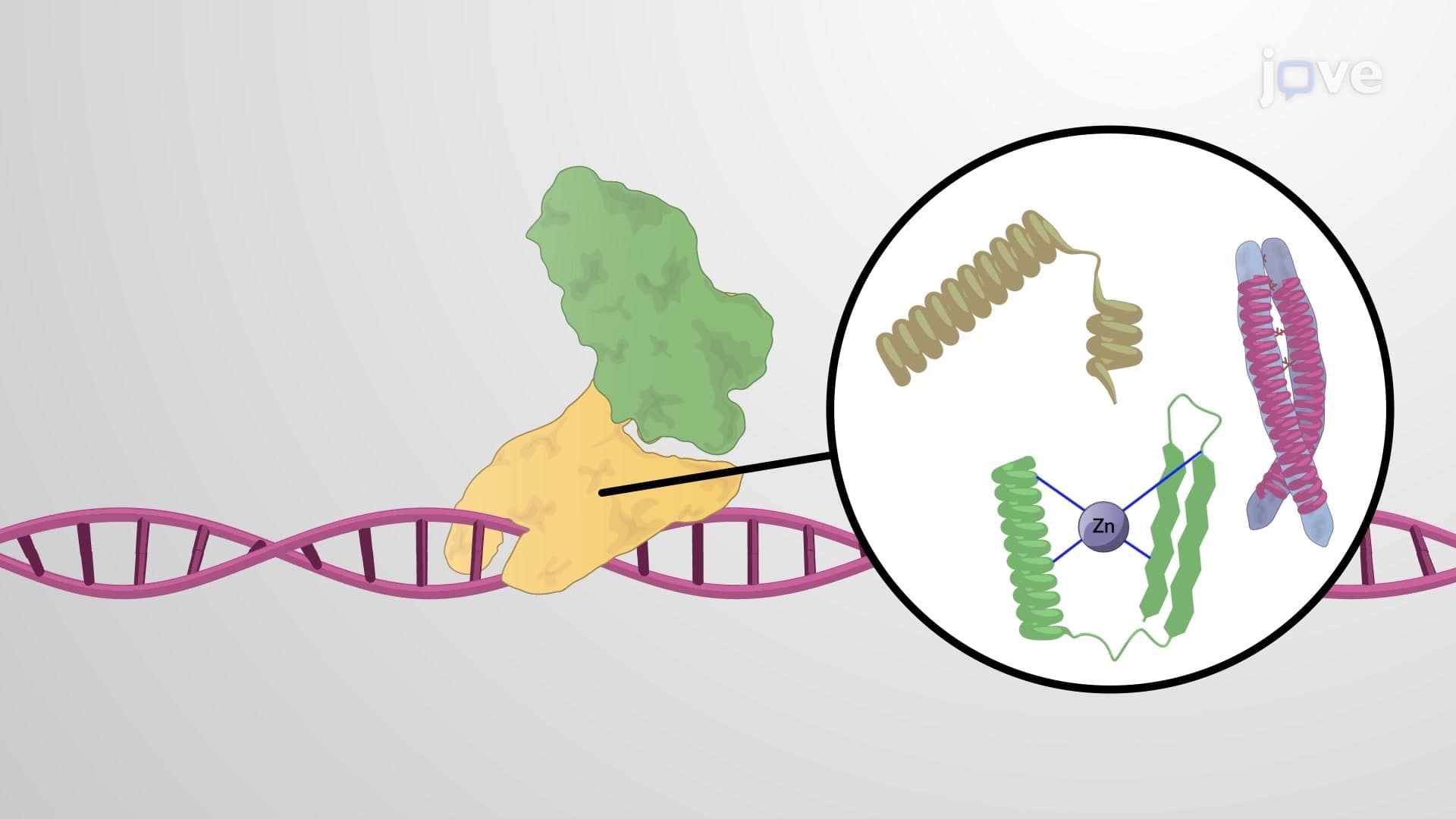
The process begins during embryonic development when stem cells receive molecular signals that activate specific transcription factors. These proteins bind to DNA regulatory sequences, initiating cascades that permanently alter which genes remain accessible for transcription. This explains why a skin cell cannot suddenly become a nerve cell-their gene expression programs have been locked into distinct patterns.
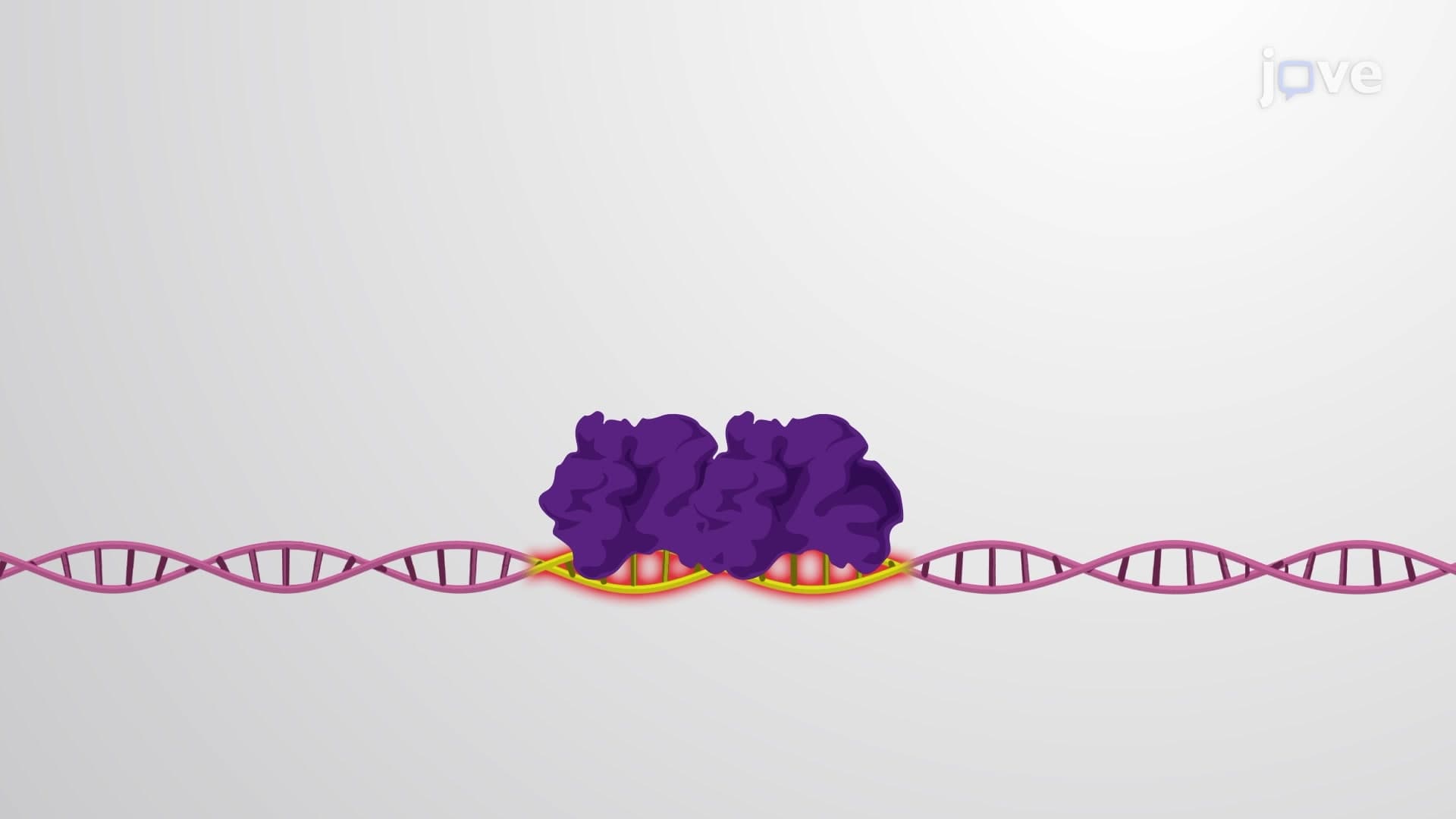
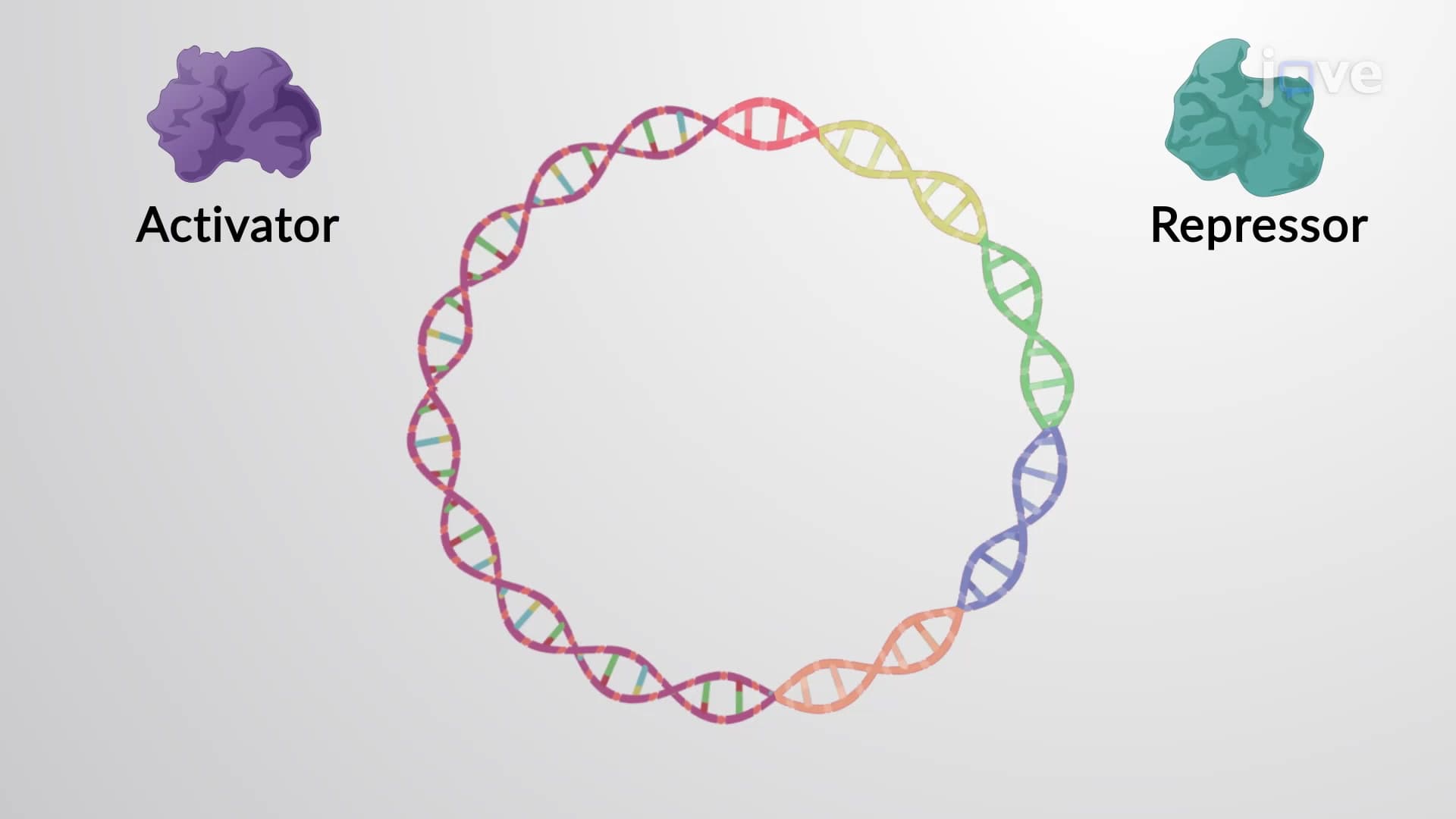
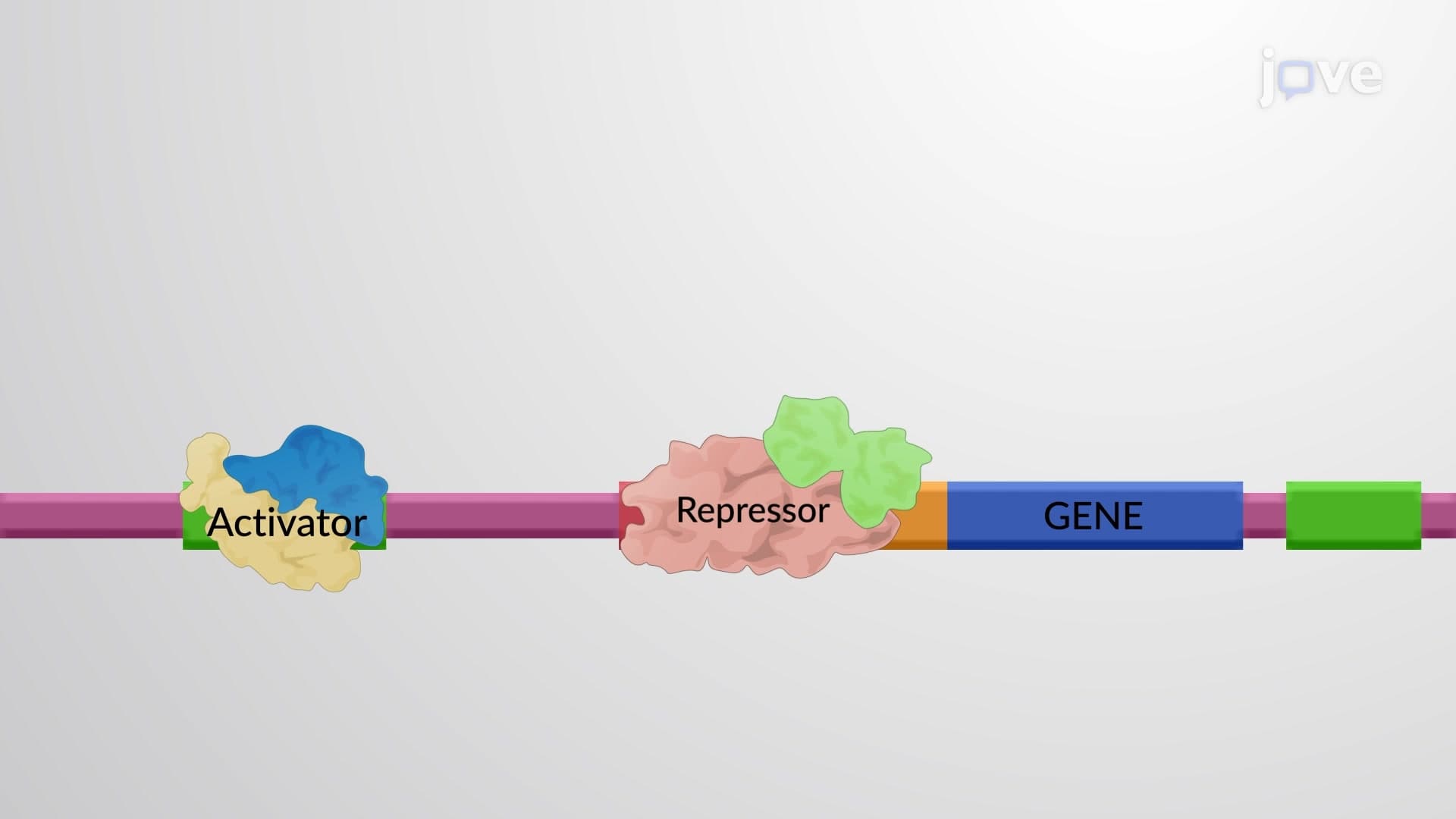
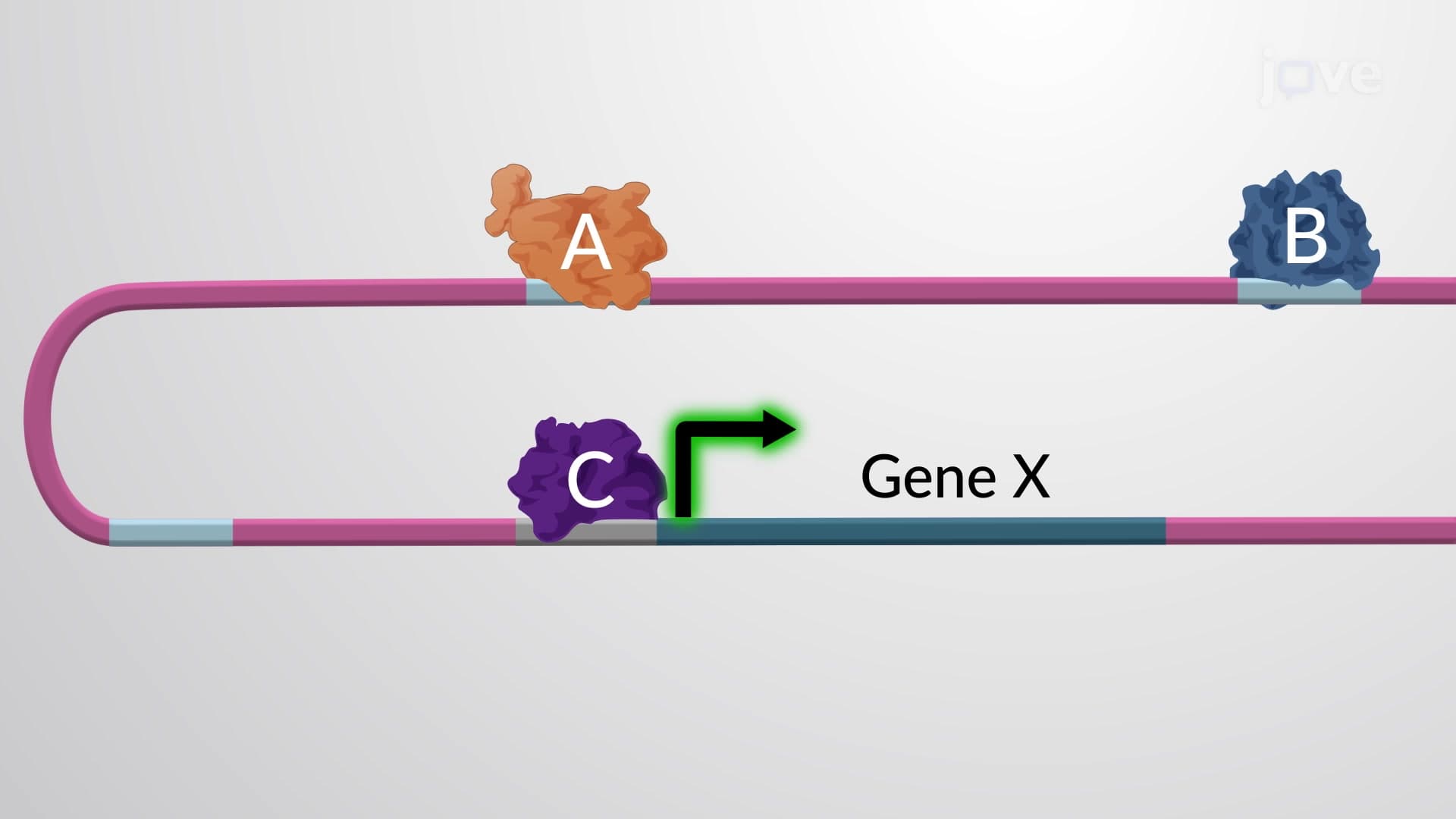
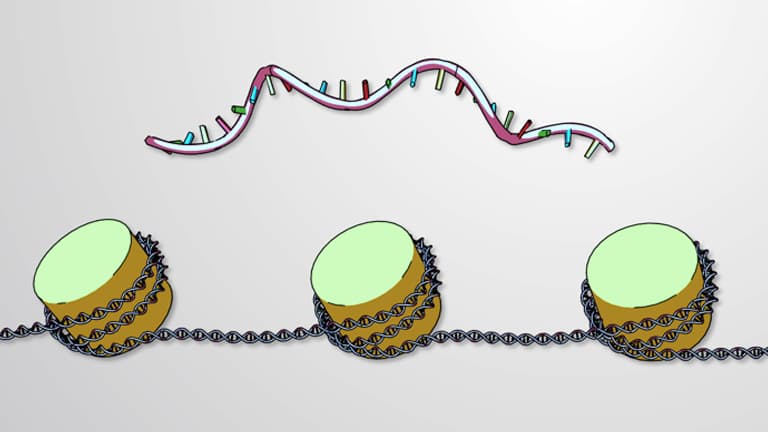
Transcriptional regulation serves as the primary control point for cell specific gene expression. Transcription factors work like molecular switches, binding to promoter and enhancer regions to either activate or silence gene transcription. In liver development, the coordinated action of C/EBPα (CCAAT/enhancer-binding protein alpha), C/EBPβ, and Hepatocyte Nuclear Factor-1 creates a regulatory network that activates hundreds of liver-specific genes simultaneously.
Beyond transcription, cells employ additional regulatory layers including microRNA-mediated silencing, alternative splicing patterns, and post-translational modifications. These mechanisms allow fine-tuning of protein production, enabling cells to respond dynamically to changing conditions while maintaining their core identity.
Cell specific gene expression has profound implications for human health and medical treatment. Cancer often results from disrupted gene expression patterns-when cells begin expressing genes inappropriate for their type or developmental stage. Understanding these patterns enables targeted therapies: drugs like tamoxifen work by blocking estrogen-responsive gene expression specifically in breast tissue.
In regenerative medicine, researchers manipulate gene expression to reprogram adult cells into pluripotent stem cells, potentially creating patient-specific treatments for conditions like Parkinson's disease or diabetes. The 2012 Nobel Prize recognized this breakthrough in cellular reprogramming.
Cells continuously adjust their gene expression in response to environmental cues. When you exercise, muscle cells upregulate genes encoding glucose transporters and mitochondrial proteins. During fasting, liver cells increase expression of gluconeogenesis enzymes like phosphoenolpyruvate carboxykinase (PEPCK) in response to glucagon signaling.
This responsiveness appears frequently on standardized exams like the MCAT and AP Biology, where students must predict cellular responses to hormonal signals or metabolic changes. Understanding the glucose-glucagon-PEPCK pathway, for instance, helps explain how the body maintains blood sugar during periods without food intake.
Related Micro-courses