Loading subject page…


225,811 views


Video Summary: What Is Genomic Imprinting and Inheritance
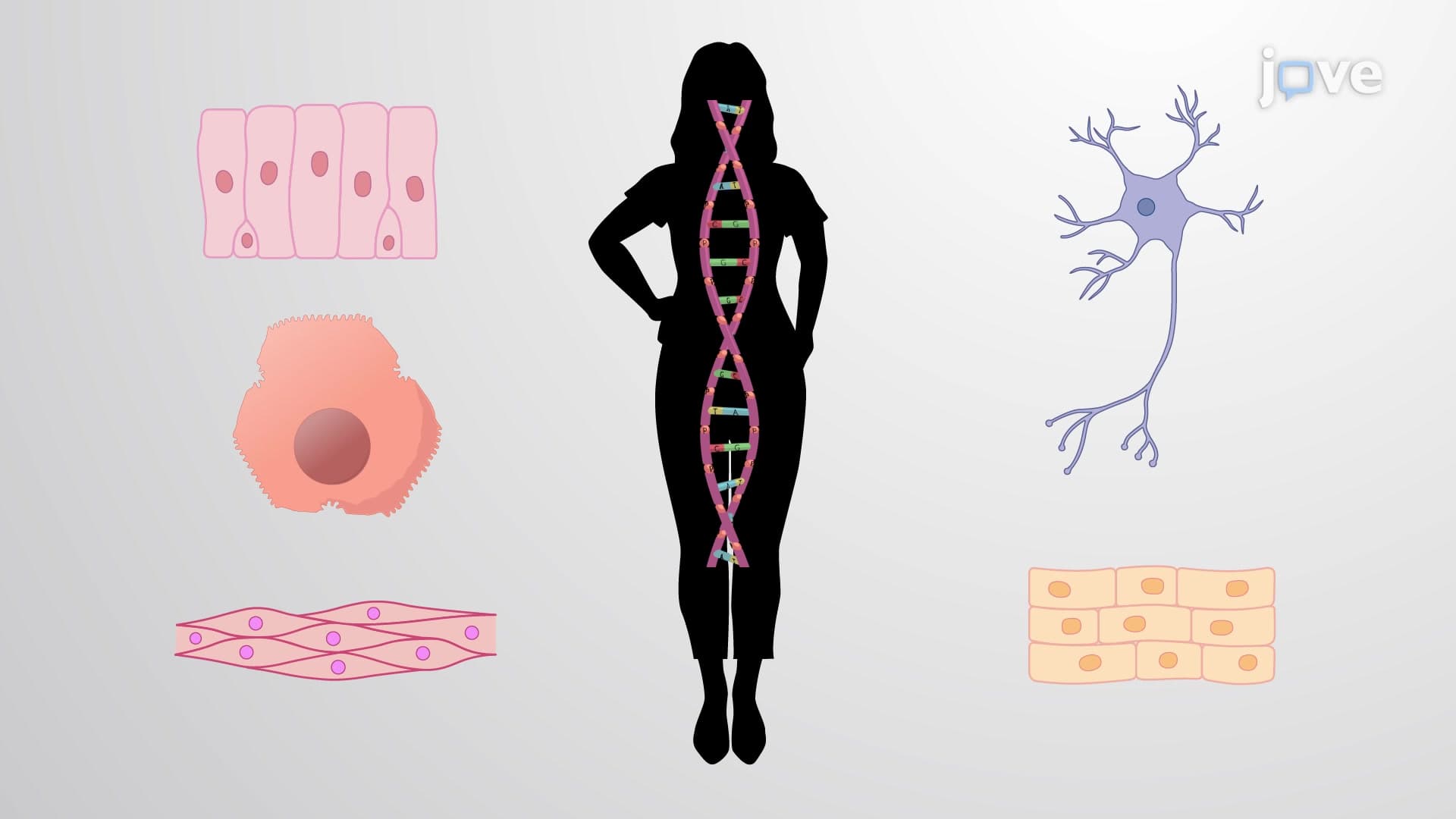
Did you know that some genes in your body "remember" whether they came from your mom or dad? Genomic imprinting and inheritance is a fascinating genetic phenomenon where gene expression depends entirely on parental origin, defying traditional inheritance patterns. Unlike typical genes where both parental copies are active, imprinted genes have only one working copy. For instance, children with Beckwith-Wiedemann syndrome at Cincinnati Children's Hospital show how disrupted maternal gene expression affects growth regulation. Watch the full video on JoVE Coach to master this concept with expert-led visuals and step-by-explanations.
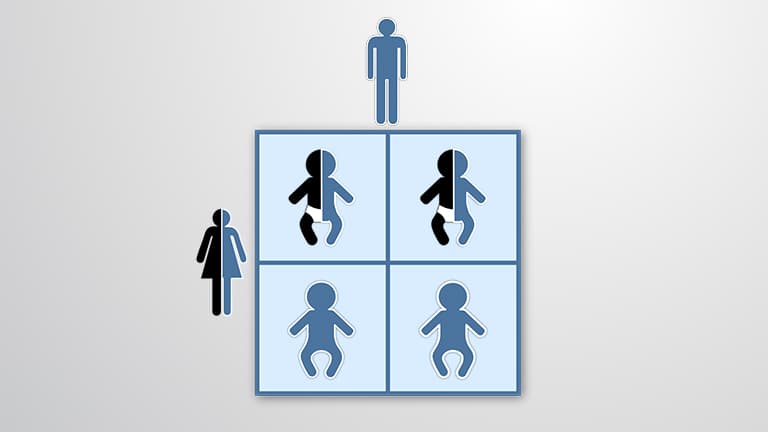
Genomic imprinting and inheritance represents one of the most intriguing exceptions to classical genetics. While most genes follow predictable inheritance patterns where both maternal and paternal alleles contribute equally, imprinted genes break this rule entirely. These genes carry molecular "tags" that determine whether the maternal or paternal copy gets expressed, creating a parent-of-origin effect that can persist across generations.
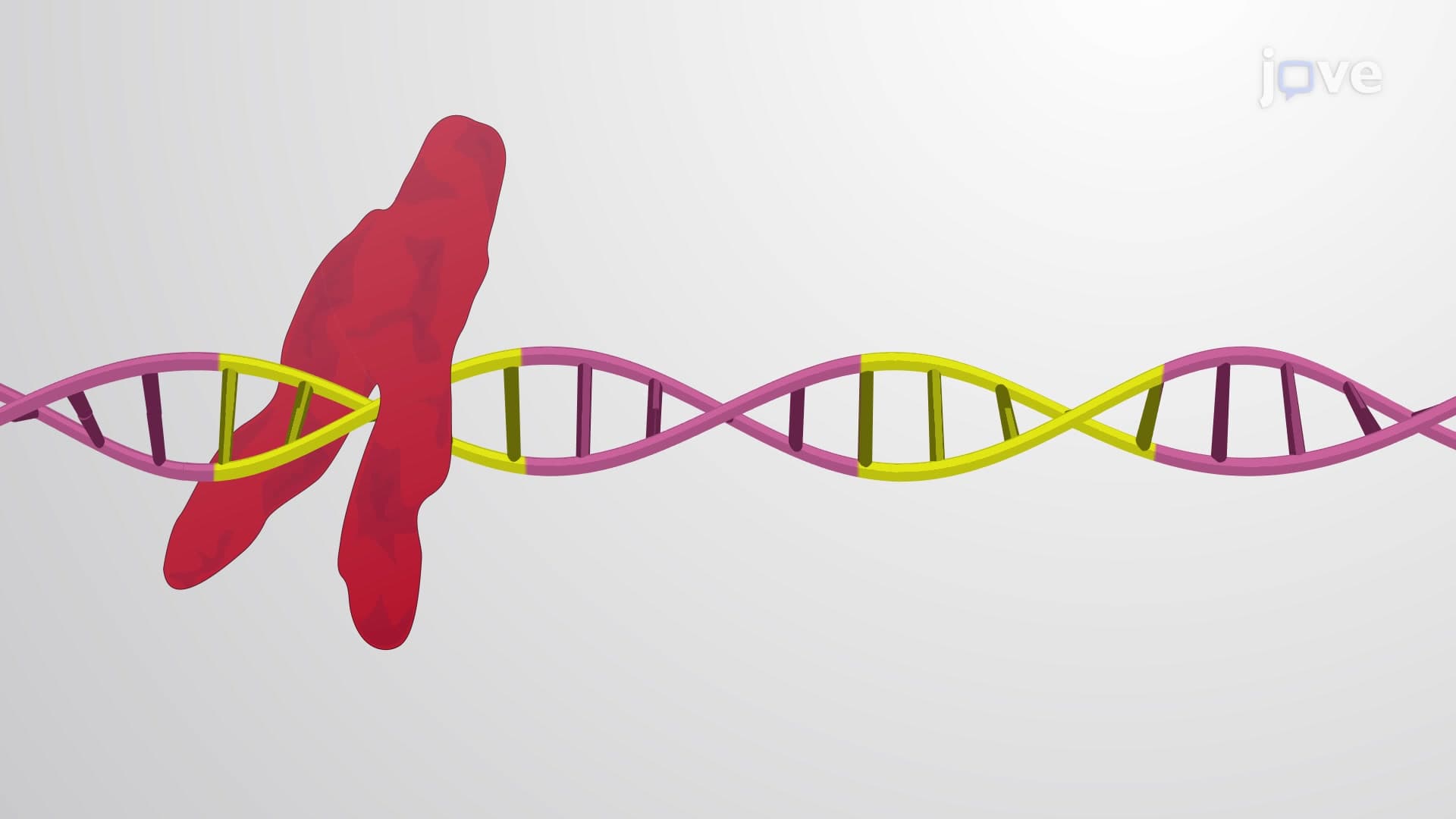
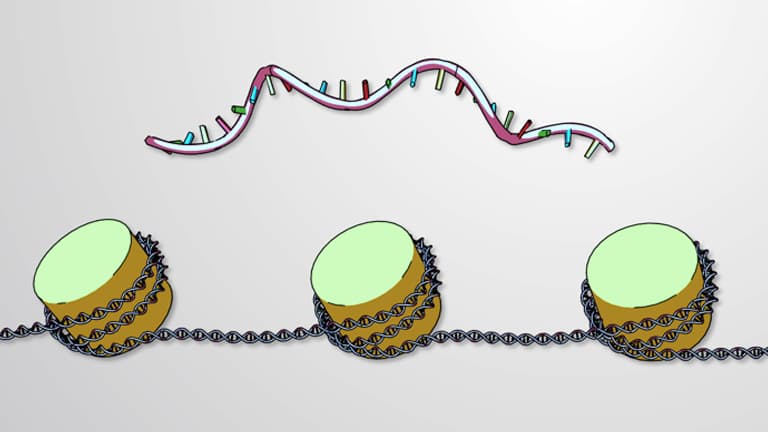
The key player in genomic imprinting is DNA methylation, a chemical modification that acts like a genetic switch. During gamete formation in parents, specific genes receive methylation patterns that survive the typical "reset" process occurring after fertilization. This methylation can either silence a gene completely or activate it, depending on the specific genomic region involved.
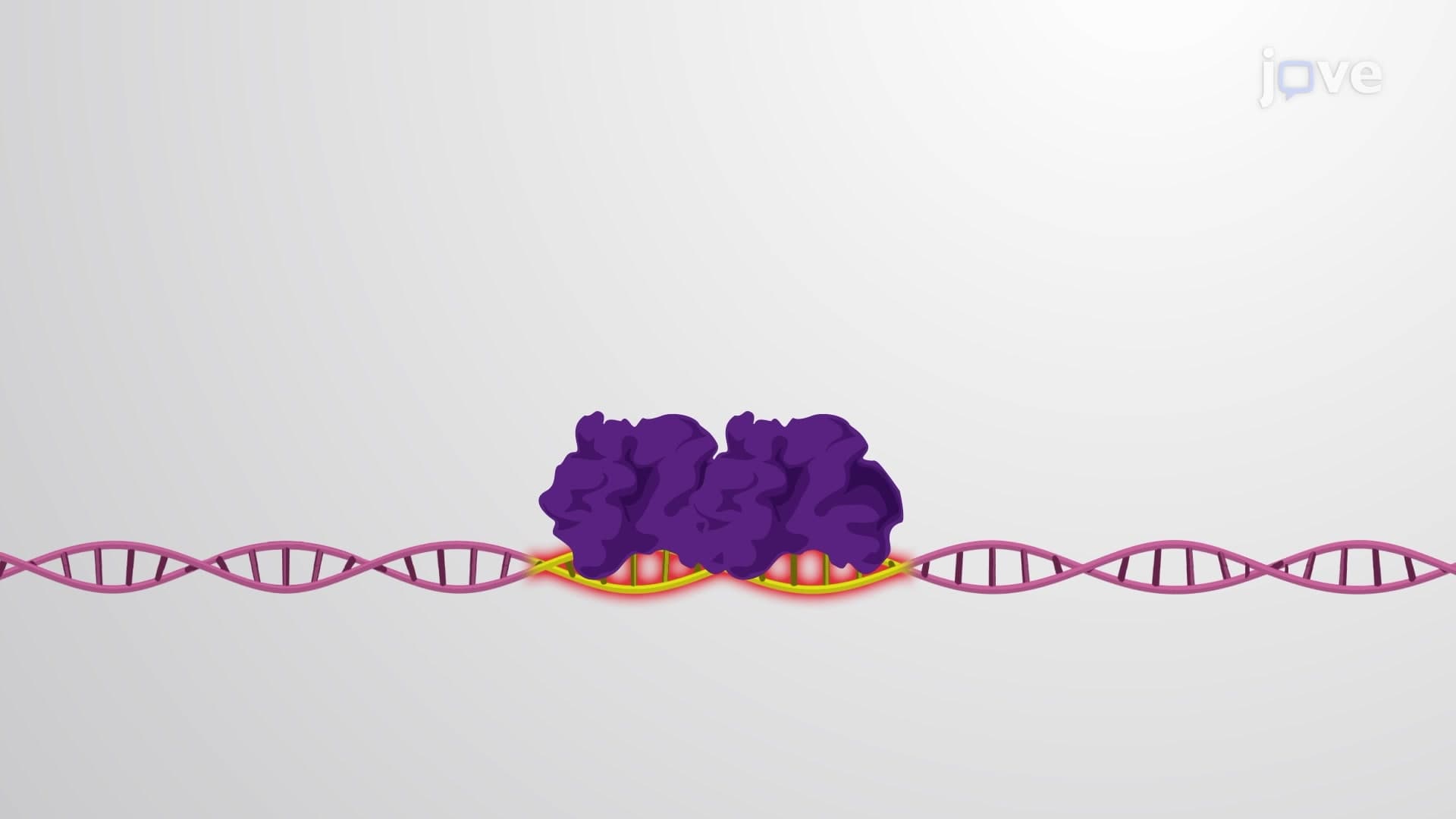
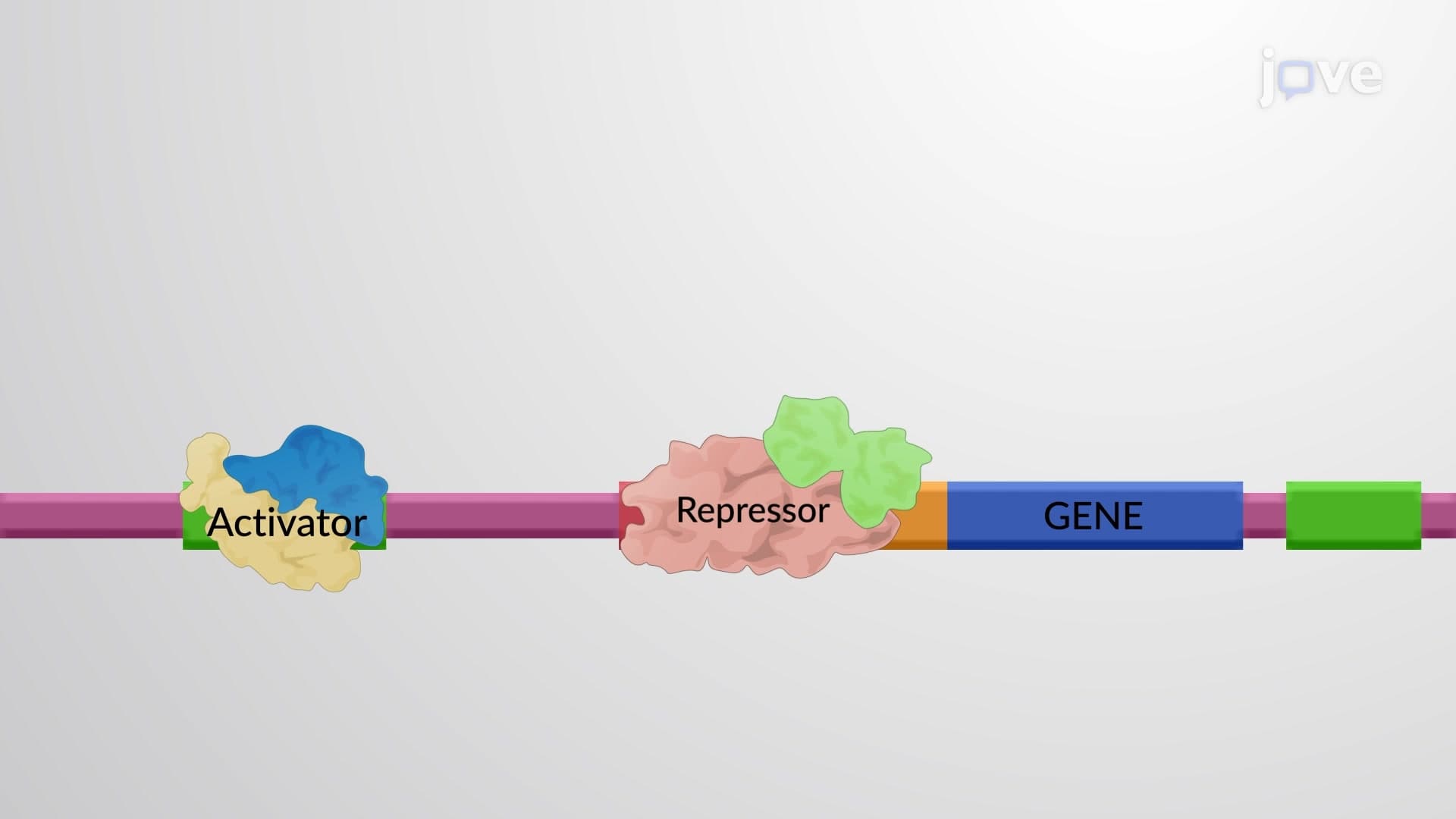
Take the insulin-like growth factor 2 (IGF2) gene studied extensively at Harvard Medical School. In this system, the paternal copy drives fetal growth while the maternal copy remains silent due to methylation differences. When regulatory proteins called insulators bind to unmethylated maternal DNA, they block IGF2 expression. However, methylation on the paternal chromosome prevents insulator binding, allowing robust gene expression.
Genomic imprinting disorders significantly impact pediatric medicine across American hospitals. Beckwith-Wiedemann syndrome, treated at institutions like Boston Children's Hospital, exemplifies how imprinting defects cause serious health problems. When the maternal CDKN1C gene (a cell cycle regulator) fails to function properly, children develop characteristic symptoms including macroglossia (enlarged tongue), organomegaly (enlarged organs), and increased cancer risk.
Students preparing for the MCAT or AP Biology exams should understand that imprinted genes create unique inheritance vulnerabilities. Unlike typical recessive disorders requiring two mutated copies, imprinting disorders can manifest from just one defective allele when it happens to be the only expressed copy.
The genomic imprinting and inheritance concept appears in approximately 1% of mammalian genes, suggesting important evolutionary functions. Current research at institutions like Stanford University explores the "parental conflict hypothesis," proposing that maternal and paternal genes have competing interests in offspring development. This knowledge proves essential for genetic counselors working in US medical centers, who must consider parent-of-origin effects when assessing familial disease risks.
Related Micro-courses