Loading subject page…

- Molecular Biology
- Gene Expression
- Induced Pluripotent Stem Cells
Micro-course: Gene Expression
225,811 views
Learn key concepts and earn your certificate.
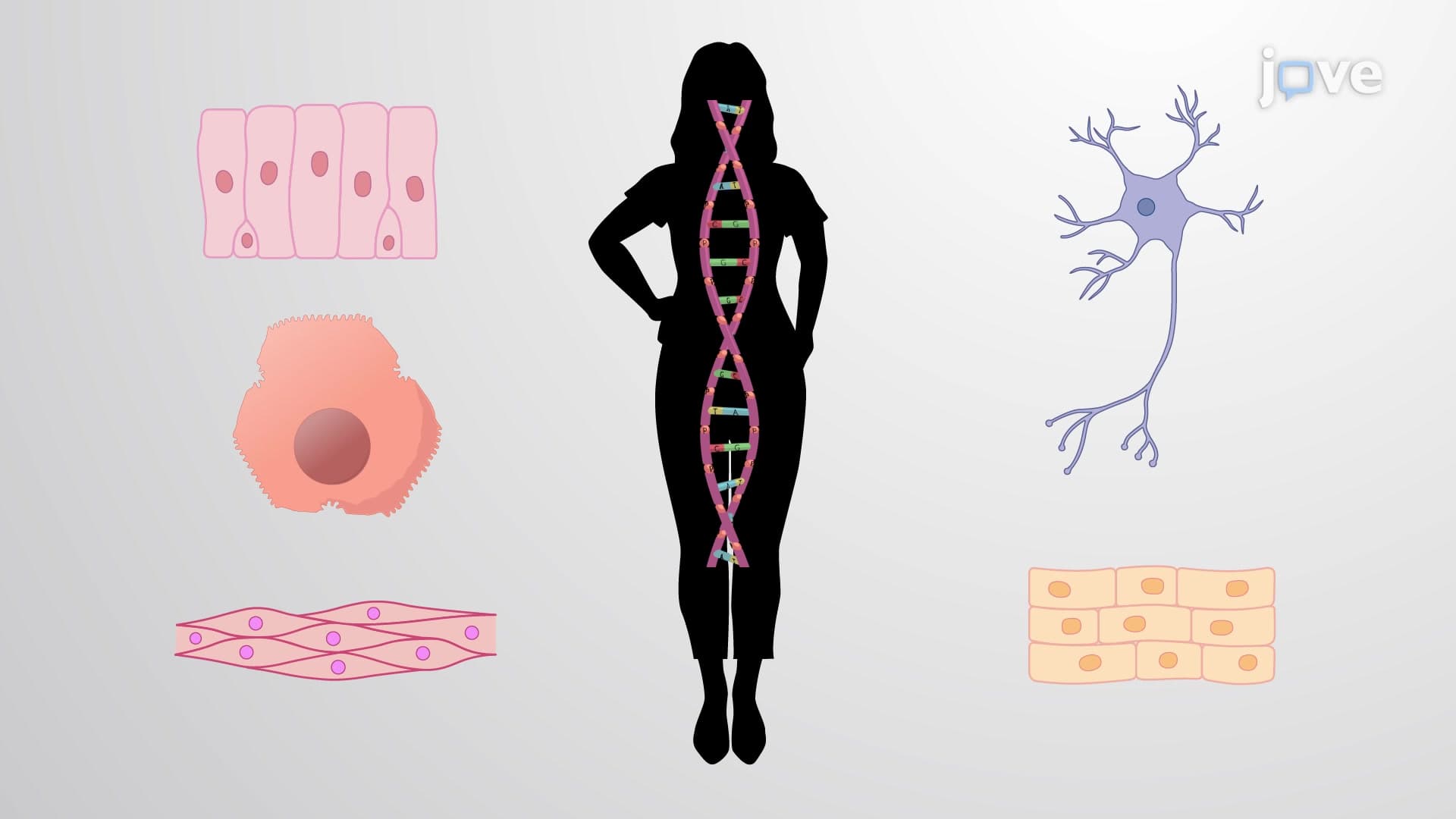

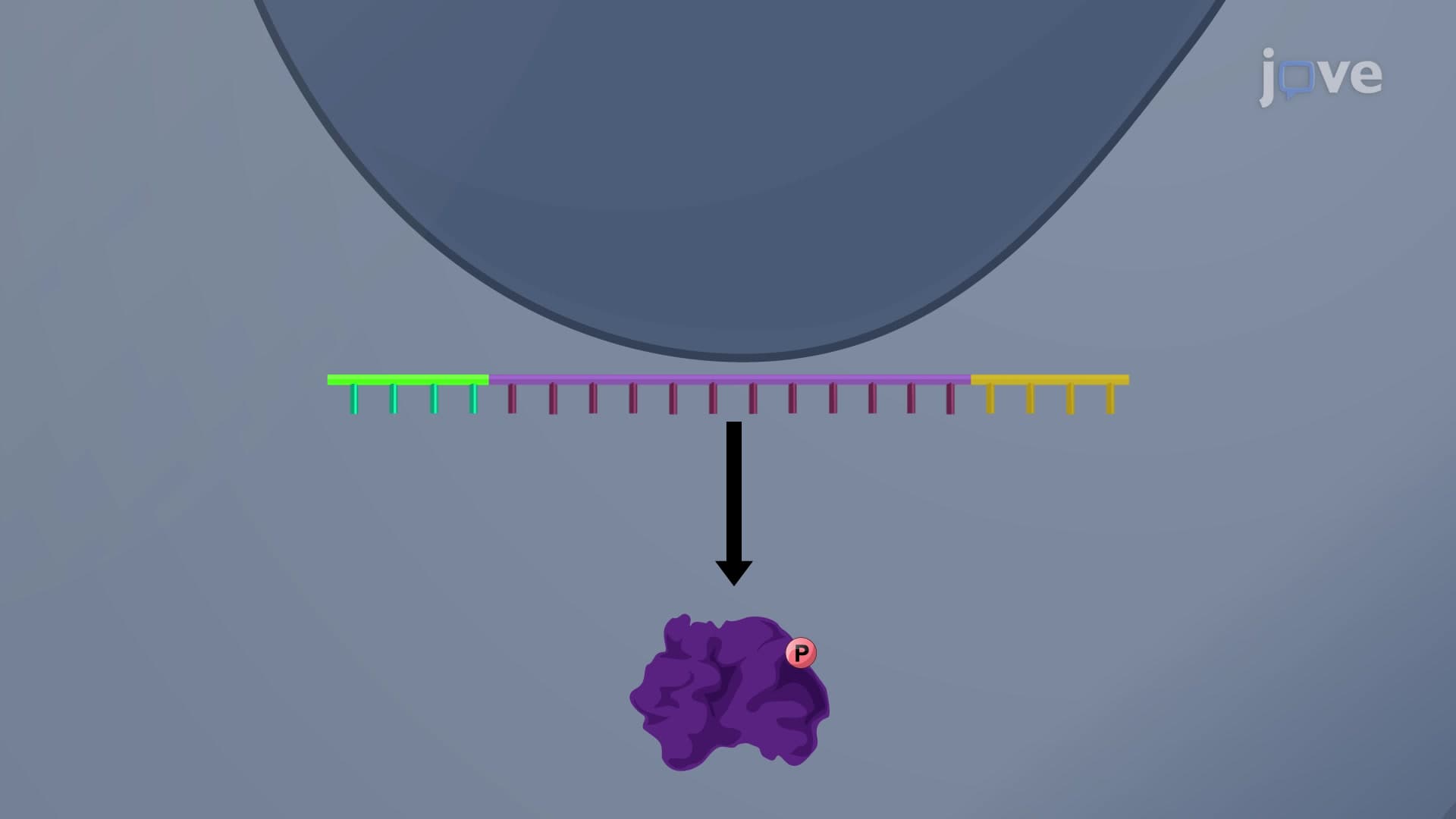
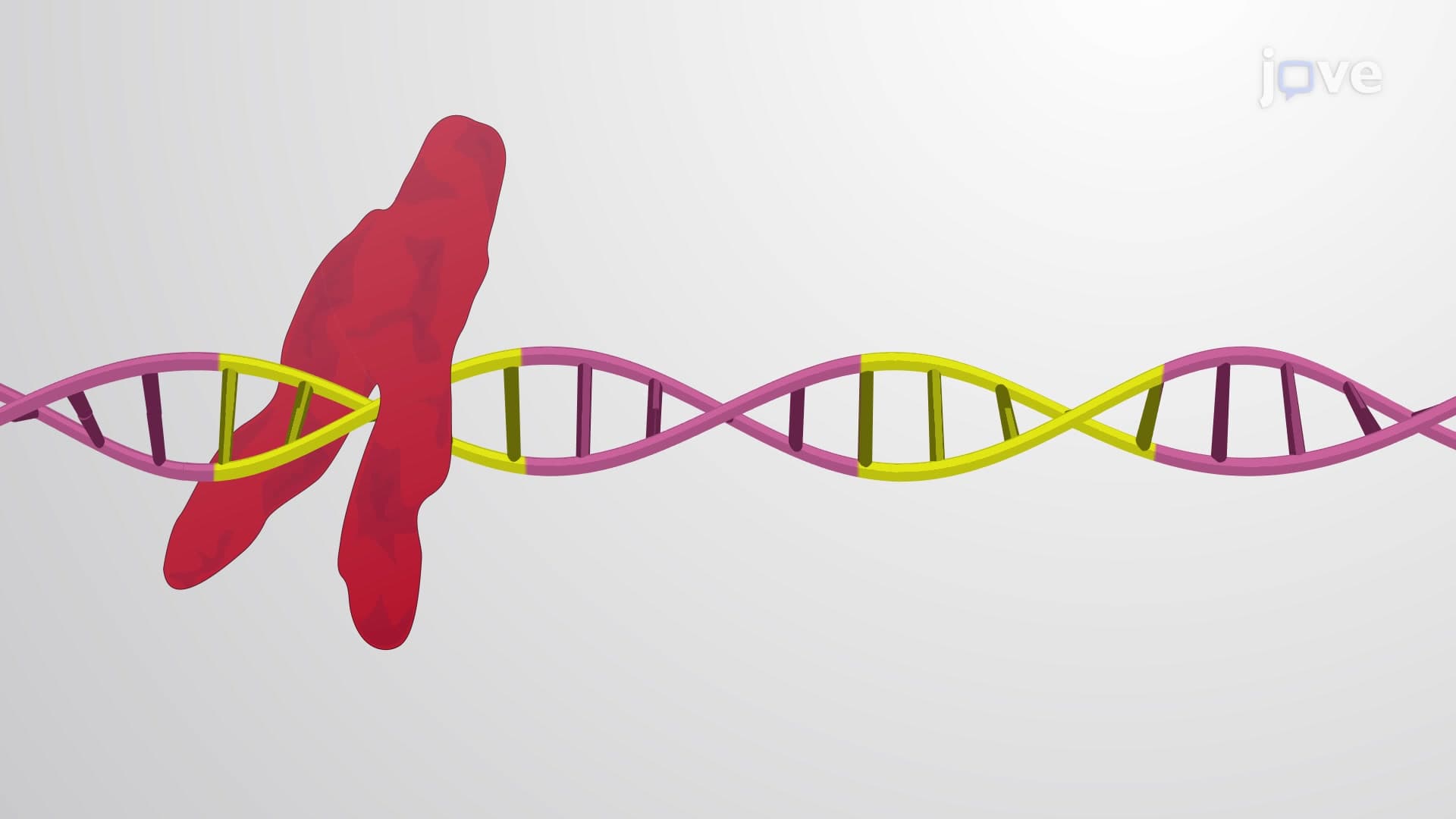
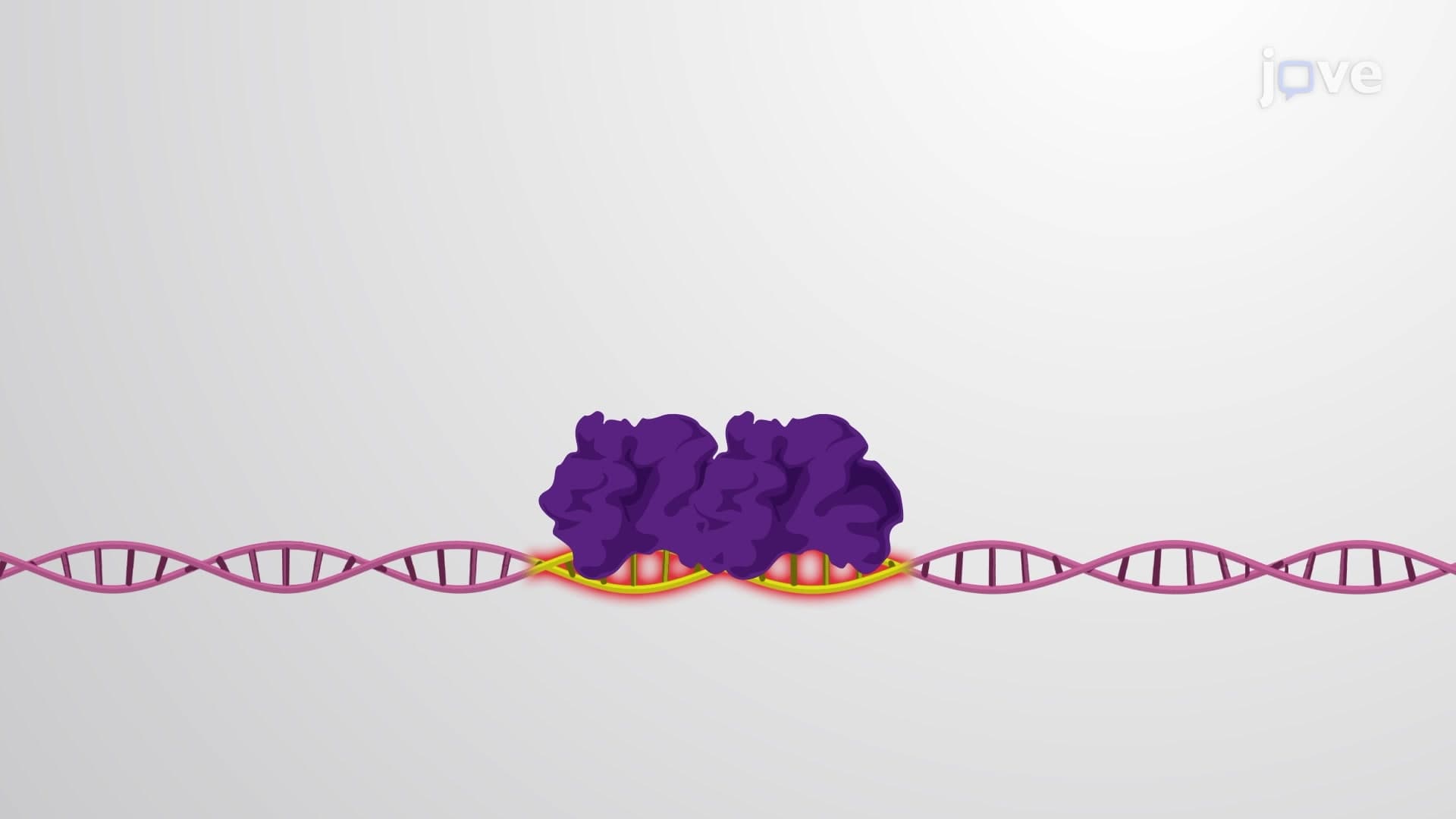
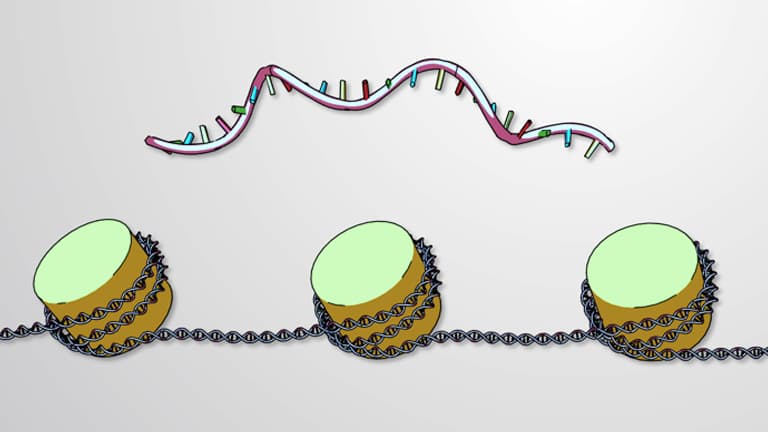
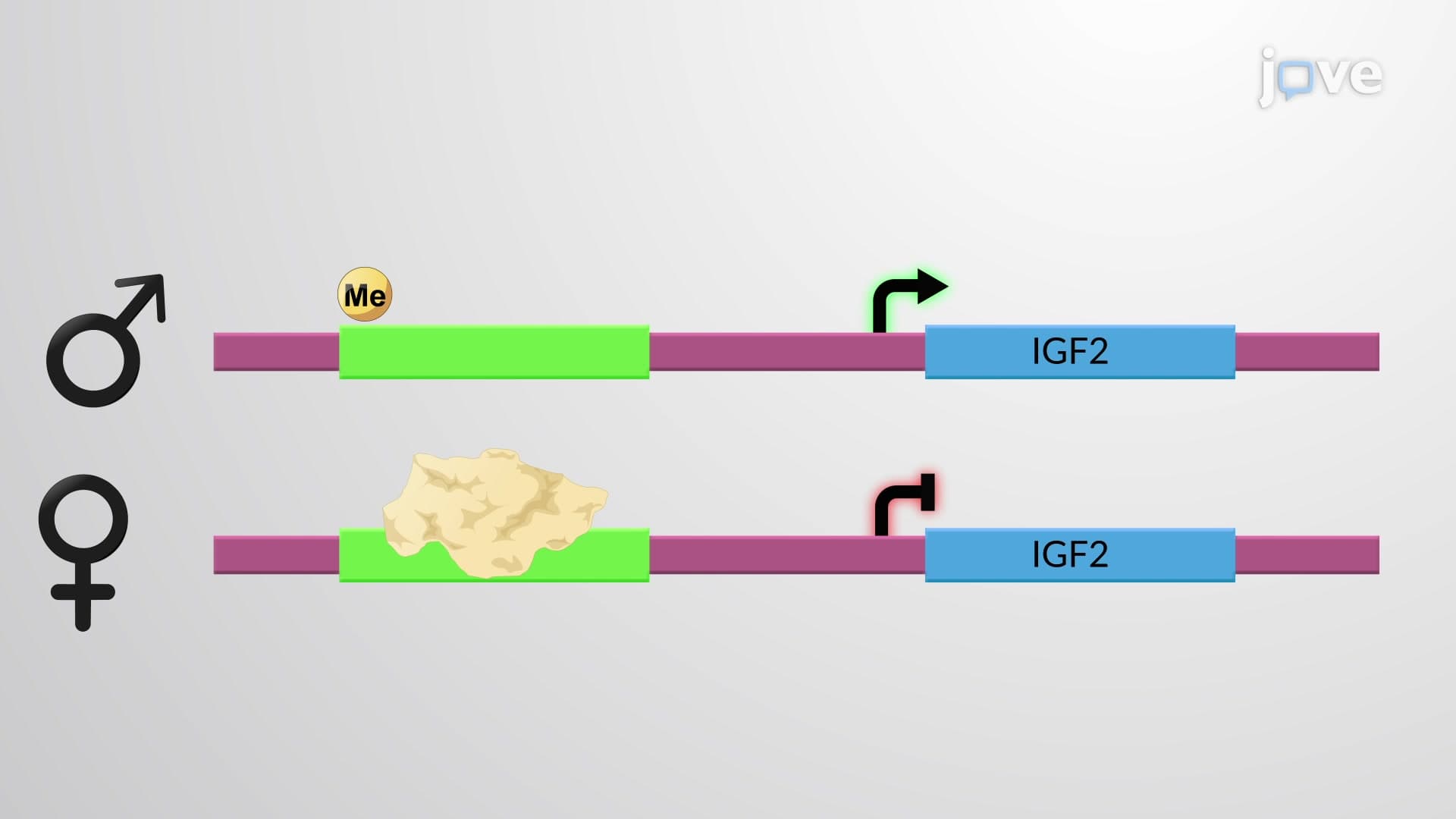
Induced Pluripotent Stem Cells
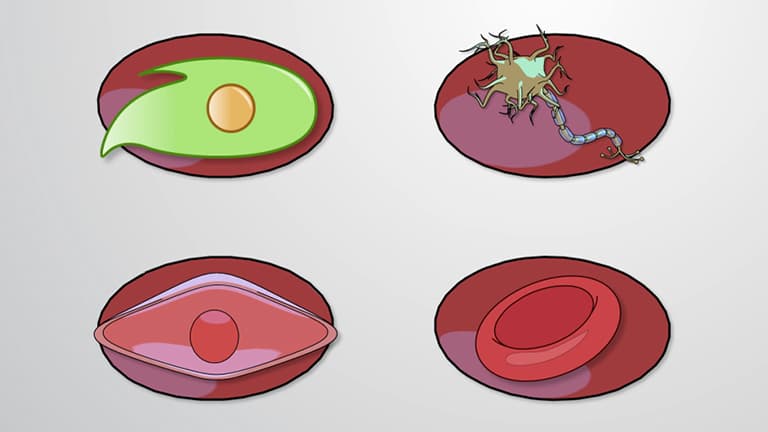

00:00
01:13
Video Summary: What are Induced Pluripotent Stem Cells
Could a simple skin cell from your arm be transformed into a brain cell or heart muscle? Induced pluripotent stem cells make this scientific marvel possible by reprogramming adult cells back to their embryonic-like state. These revolutionary cells, discovered by Nobel laureate Shinya Yamanaka, are currently being used at Stanford University to develop treatments for Parkinson's disease. What are induced pluripotent stem cells and how do they work? Watch the full video on JoVE Coach to master this concept with expert-led visuals and step-by-step explanations.
- Understand what are induced pluripotent stem cells and how they differ from embryonic stem cells and adult stem cells in terms of origin, ethical considerations, and therapeutic potential
- Identify the four Yamanaka factors (Oct3/4, Sox2, Klf4, and c-Myc) and analyze their specific roles in cellular reprogramming and pluripotency maintenance
- Analyze the molecular mechanisms underlying iPSC generation, including epigenetic remodeling, chromatin restructuring, and transcriptional network activation
- Compare advantages and limitations of iPSCs versus other stem cell types for disease modeling, drug discovery, and regenerative medicine applications
- Evaluate real-world applications of iPSCs in treating neurodegenerative diseases, cardiovascular conditions, and genetic disorders through personalized medicine approaches
- Apply knowledge of iPSC differentiation protocols to understand how pluripotent cells can be directed toward specific cell lineages for therapeutic purposes
- Recognize the clinical significance of autologous iPSC transplantation in reducing immune rejection and improving patient outcomes
- Explore current research frontiers in iPSC technology, including improved reprogramming efficiency, safety concerns, and FDA-approved clinical trials
Understanding Induced Pluripotent Stem Cells: The Cellular Time Machine
Induced pluripotent stem cells represent one of the most significant breakthroughs in modern biology, essentially allowing scientists to turn back the cellular clock. Unlike embryonic stem cells, which require the destruction of embryos, iPSCs can be generated from readily available adult tissues like skin fibroblasts or blood cells. This technology addresses both ethical concerns and practical limitations that have long constrained stem cell research.
The Yamanaka Revolution: Four Factors That Changed Everything
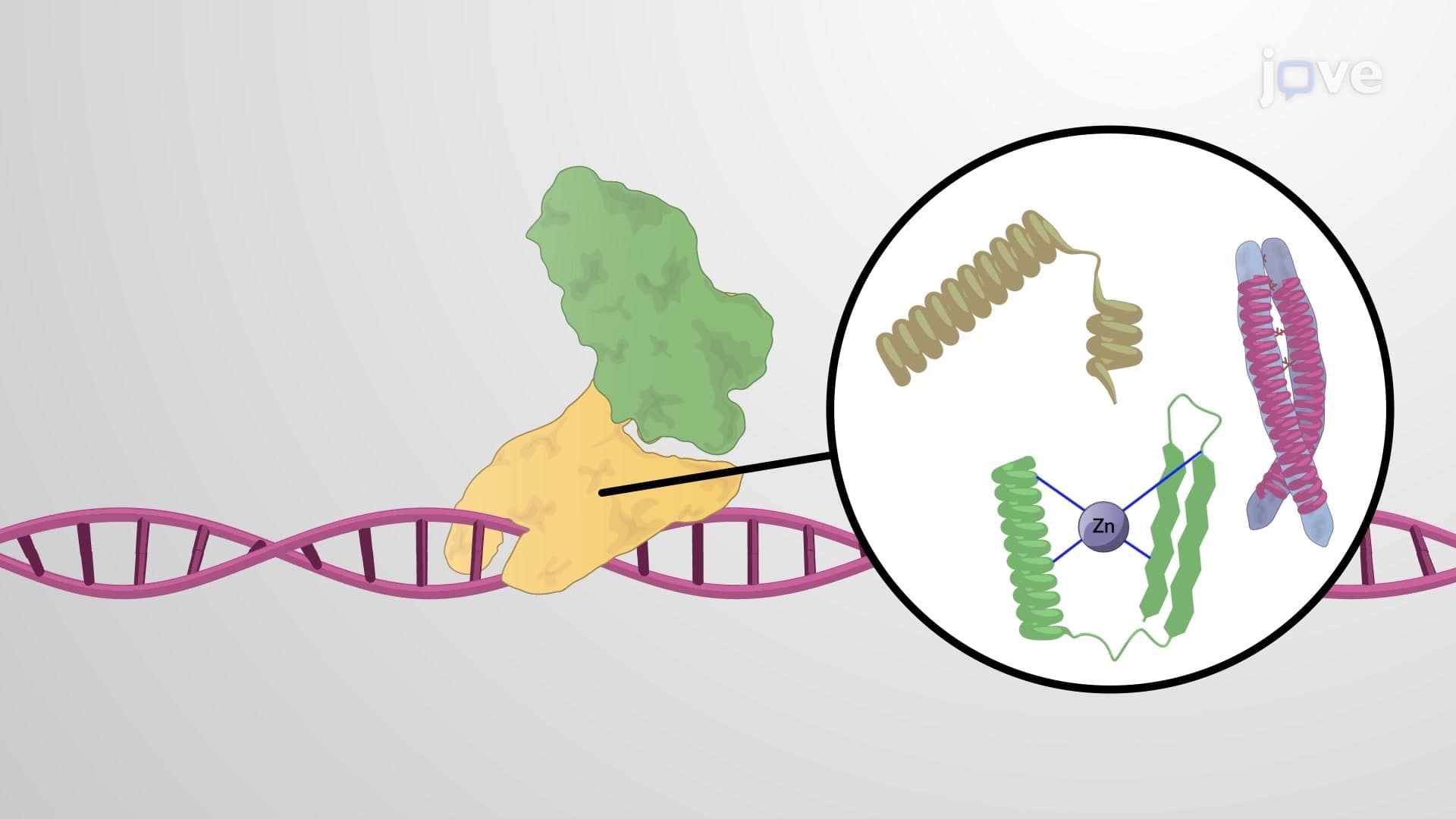
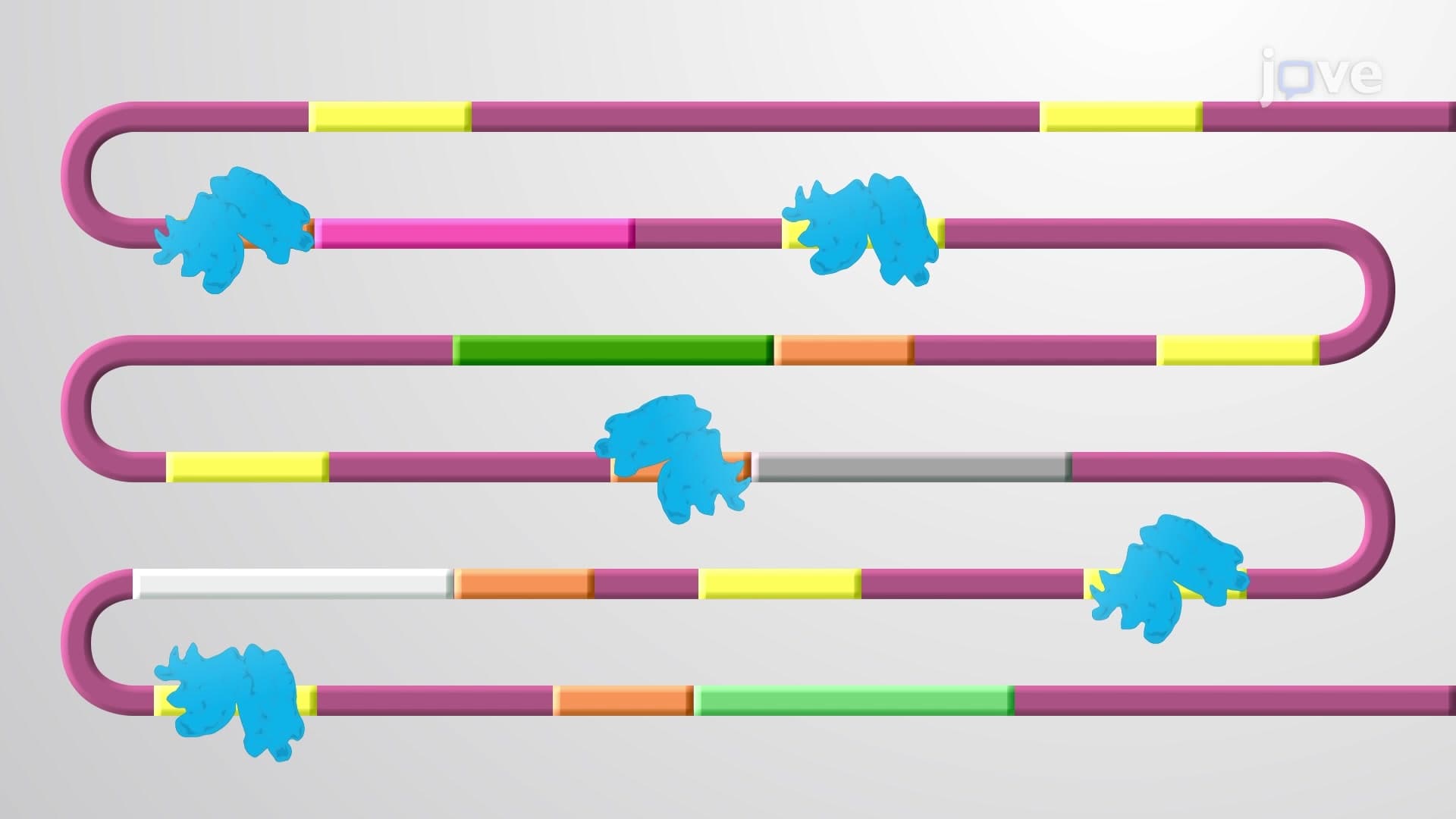
In 2006, Shinya Yamanaka's laboratory at Kyoto University identified four transcription factors-now known as the Yamanaka factors-that could reprogram adult mouse fibroblasts into pluripotent stem cells. These factors (Oct3/4, Sox2, Klf4, and c-Myc) work by resetting the cell's epigenetic landscape, effectively erasing the molecular "memory" that keeps a skin cell functioning as a skin cell. This discovery earned Yamanaka the 2012 Nobel Prize in Physiology or Medicine and opened unprecedented possibilities for regenerative medicine.
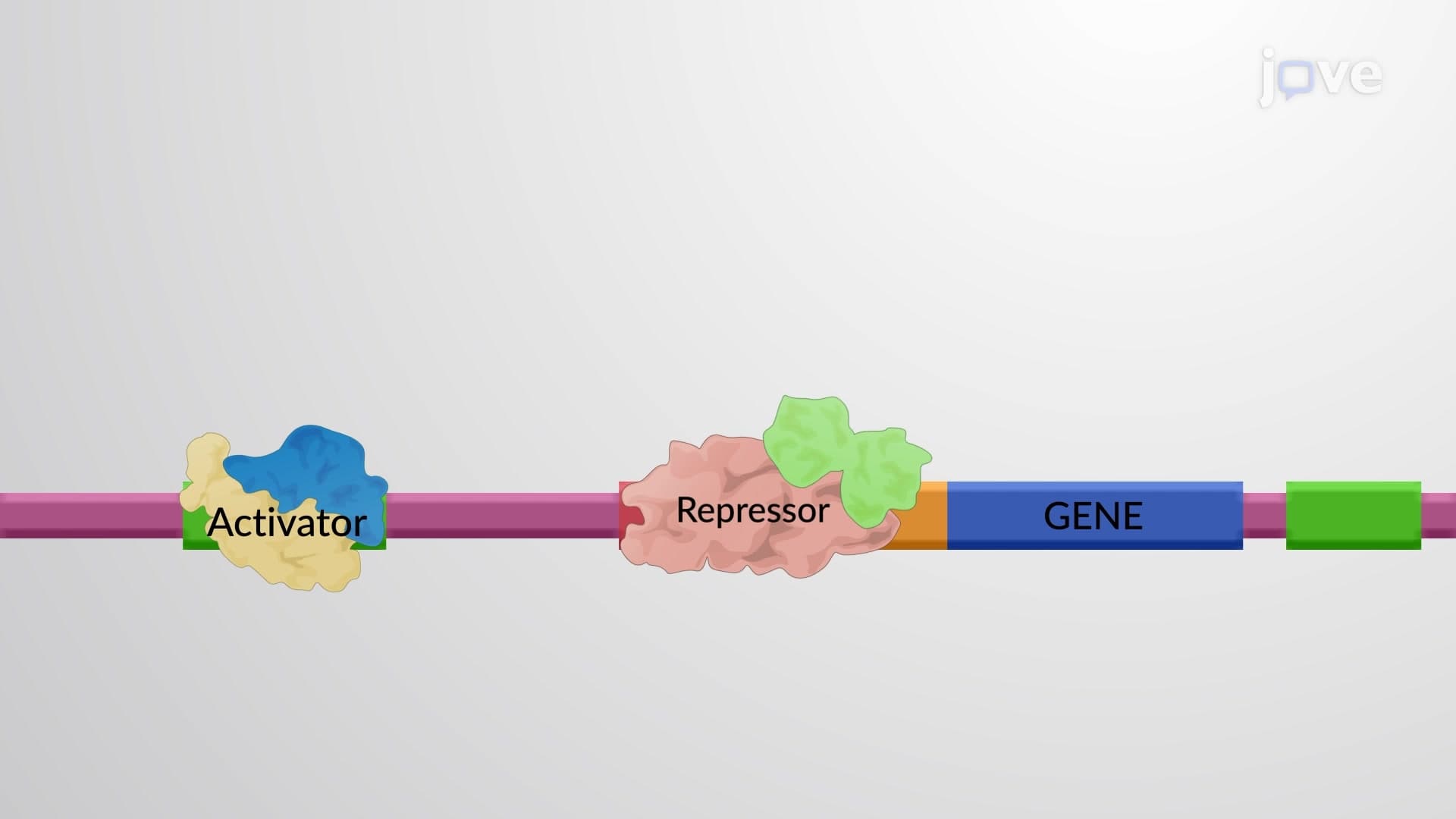
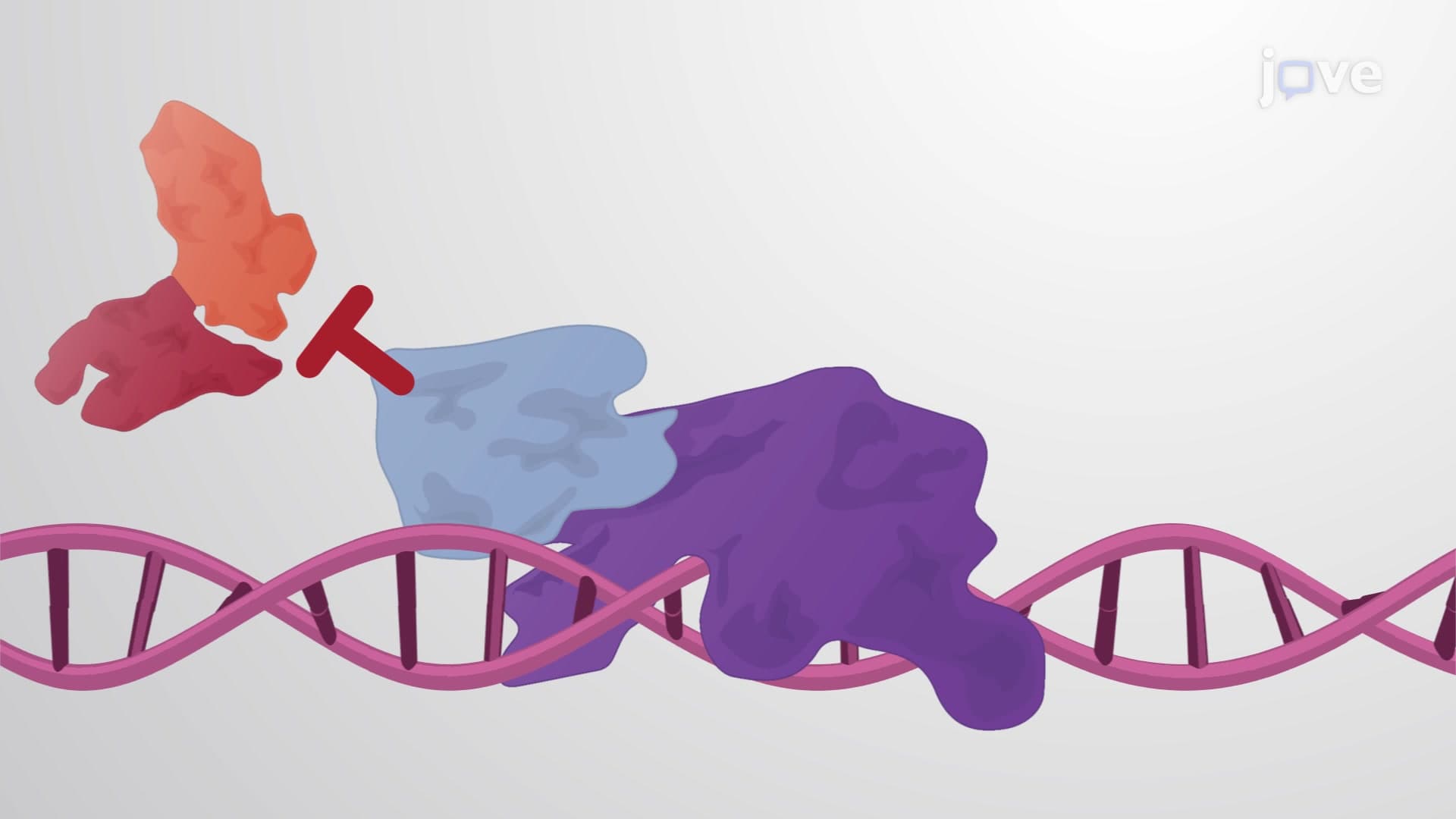
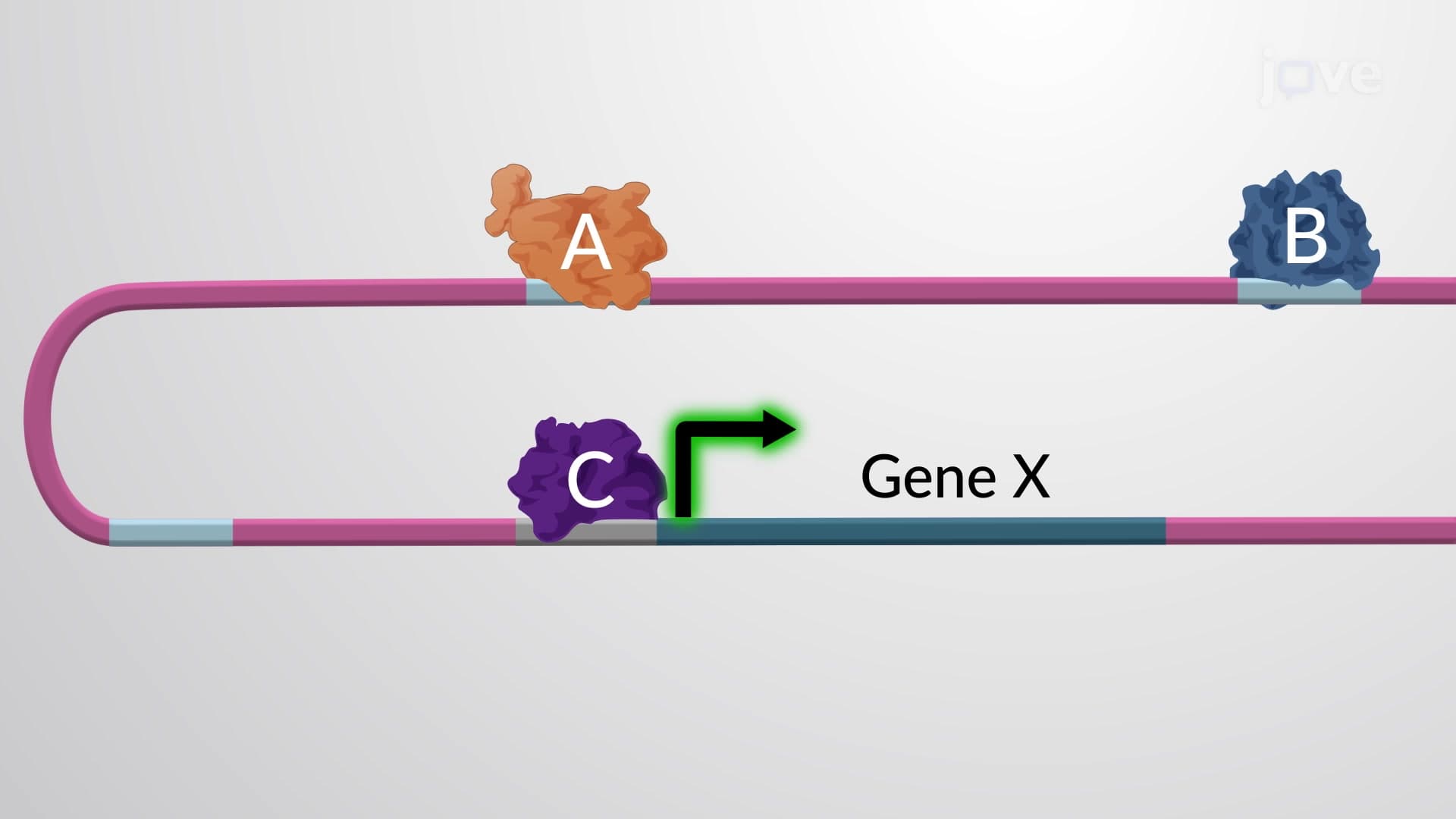
The reprogramming process involves introducing these factors via viral vectors, which then activate dormant pluripotency networks while suppressing differentiation-associated genes. For AP Biology students, this concept illustrates key principles of gene regulation and cellular differentiation that frequently appear on exams.
Clinical Applications and Therapeutic Potential
iPSCs have already shown remarkable promise in treating previously incurable conditions. At the University of California, San Francisco, researchers are using patient-derived iPSCs to model amyotrophic lateral sclerosis (ALS), providing insights into disease mechanisms that were impossible to study before. Similarly, the New York Stem Cell Foundation is developing iPSC-based treatments for Type 1 diabetes by generating insulin-producing beta cells.
The concept of "disease in a dish" has revolutionized drug discovery, allowing pharmaceutical companies to test thousands of compounds on human cells without requiring human subjects. This approach has accelerated research into treatments for Huntington's disease, muscular dystrophy, and various cardiac conditions.
Challenges and Future Directions
Despite their promise, iPSCs face several hurdles before widespread clinical implementation. Safety concerns include potential tumor formation, incomplete reprogramming, and genetic instability. Current research focuses on improving reprogramming efficiency while maintaining genomic integrity. For MCAT preparation, understanding these limitations demonstrates critical thinking about emerging biotechnologies and their clinical implications.
Frequently Asked Questions
Induced pluripotent stem cells are adult somatic cells that have been genetically reprogrammed to behave like embryonic stem cells, capable of differentiating into any cell type in the body. Unlike embryonic stem cells, iPSCs don't require embryo destruction, and unlike adult stem cells, they maintain unlimited self-renewal capacity and can form all three germ layers.
AP Biology exams often focus on iPSCs in the context of gene regulation, cellular differentiation, and biotechnology applications. Students should understand the Yamanaka factors, reprogramming mechanisms, and ethical advantages over embryonic stem cells. Free response questions may ask you to compare different stem cell types or analyze experimental data from reprogramming studies.
MCAT questions typically integrate iPSCs with molecular biology concepts, testing your understanding of transcriptional regulation, epigenetic modifications, and therapeutic applications. You might encounter passage-based questions analyzing reprogramming efficiency data or comparing iPSC-based therapies to traditional treatments. The exam emphasizes clinical reasoning and experimental design related to regenerative medicine.
iPSCs are extensively covered in upper-level courses like Cell Biology, Developmental Biology, Molecular Biology, and Biomedical Engineering. They're also featured in specialized courses on Regenerative Medicine and Stem Cell Biology. Many universities incorporate iPSC research into laboratory courses, allowing students hands-on experience with reprogramming techniques.
Several FDA-approved clinical trials are currently testing iPSC-based therapies across the United States. The Mayo Clinic is investigating iPSC-derived cardiac patches for heart failure patients, while Mass General Brigham is developing iPSC treatments for macular degeneration. These trials represent the first wave of personalized regenerative medicine reaching actual patients.
Basic understanding of molecular biology concepts like DNA transcription, protein synthesis, and cellular differentiation provides sufficient background for grasping iPSC fundamentals. While advanced biochemistry helps with deeper mechanistic understanding, high school biology and introductory college-level courses provide adequate preparation for learning about iPSCs and their applications.
Focus on creating concept maps connecting the Yamanaka factors to specific outcomes, practice drawing the reprogramming process step-by-step, and memorize key clinical applications with specific disease examples. Use active recall by explaining iPSC advantages over other stem cell types without looking at notes, and practice analyzing experimental data from reprogramming studies.
Consider studying CRISPR gene editing techniques used to correct genetic defects in iPSCs, tissue engineering applications that combine iPSCs with biomaterial scaffolds, and organoid technology that uses iPSCs to create miniature organ models. These emerging fields build directly on iPSC knowledge and represent cutting-edge research opportunities.
Related Micro-courses