Loading subject page…


225,811 views
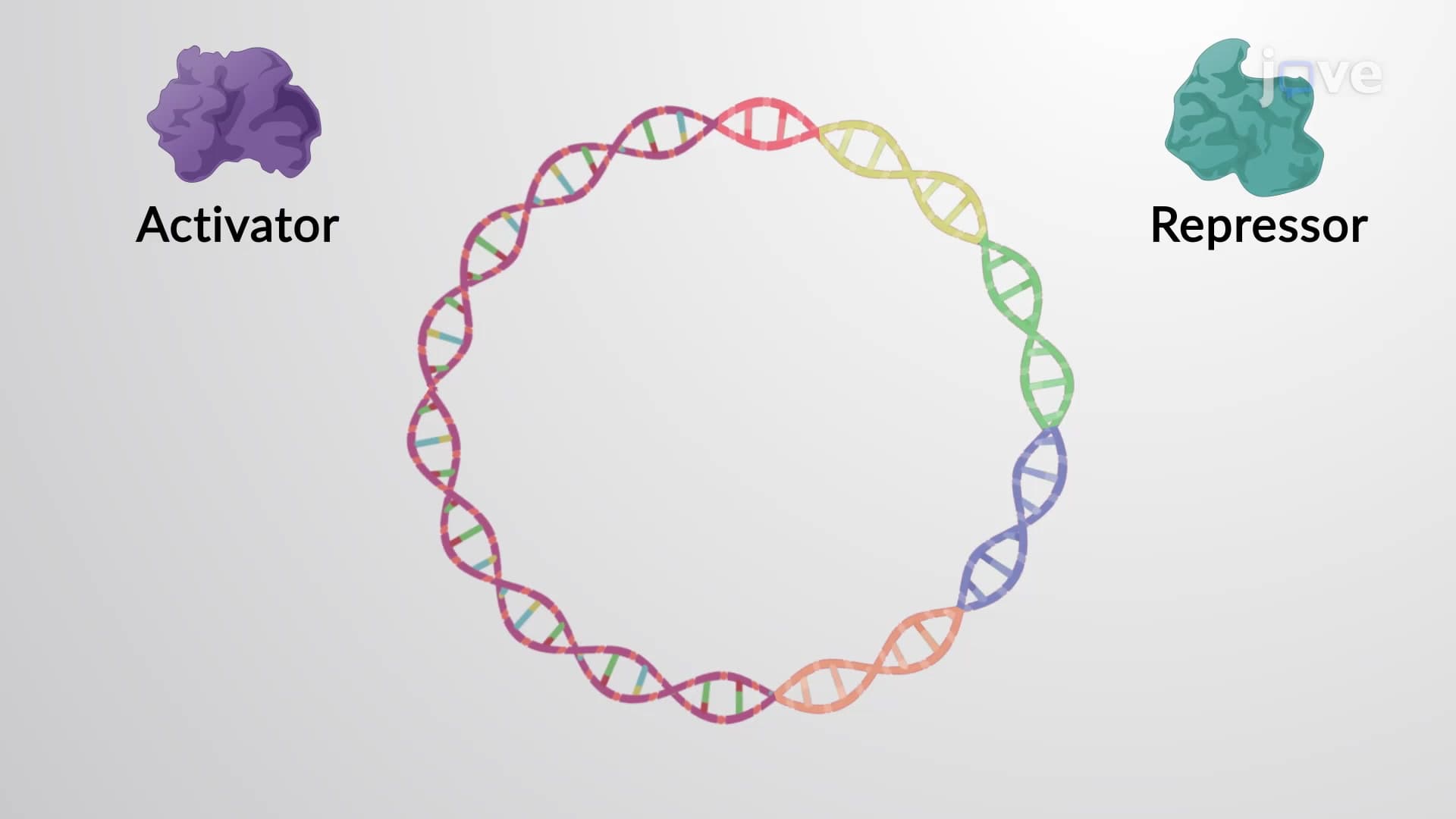

Video Summary: Prokaryotic Transcriptional Activators and Repressors Explained
Did you know that E. coli bacteria can switch between sugar preferences faster than you can change TV channels? Prokaryotic transcriptional activators repressors are molecular switches that control which genes get turned on or off in bacterial cells. When glucose runs low in your gut microbiome, E. coli activates backup systems to digest alternative sugars like lactose. Understanding prokaryotic transcriptional activators and repressors explained reveals how bacteria survive by precisely controlling gene expression through activator and repressor proteins. Watch the full video on JoVE Coach to master this concept with expert-led visuals and step-by-step explanations.
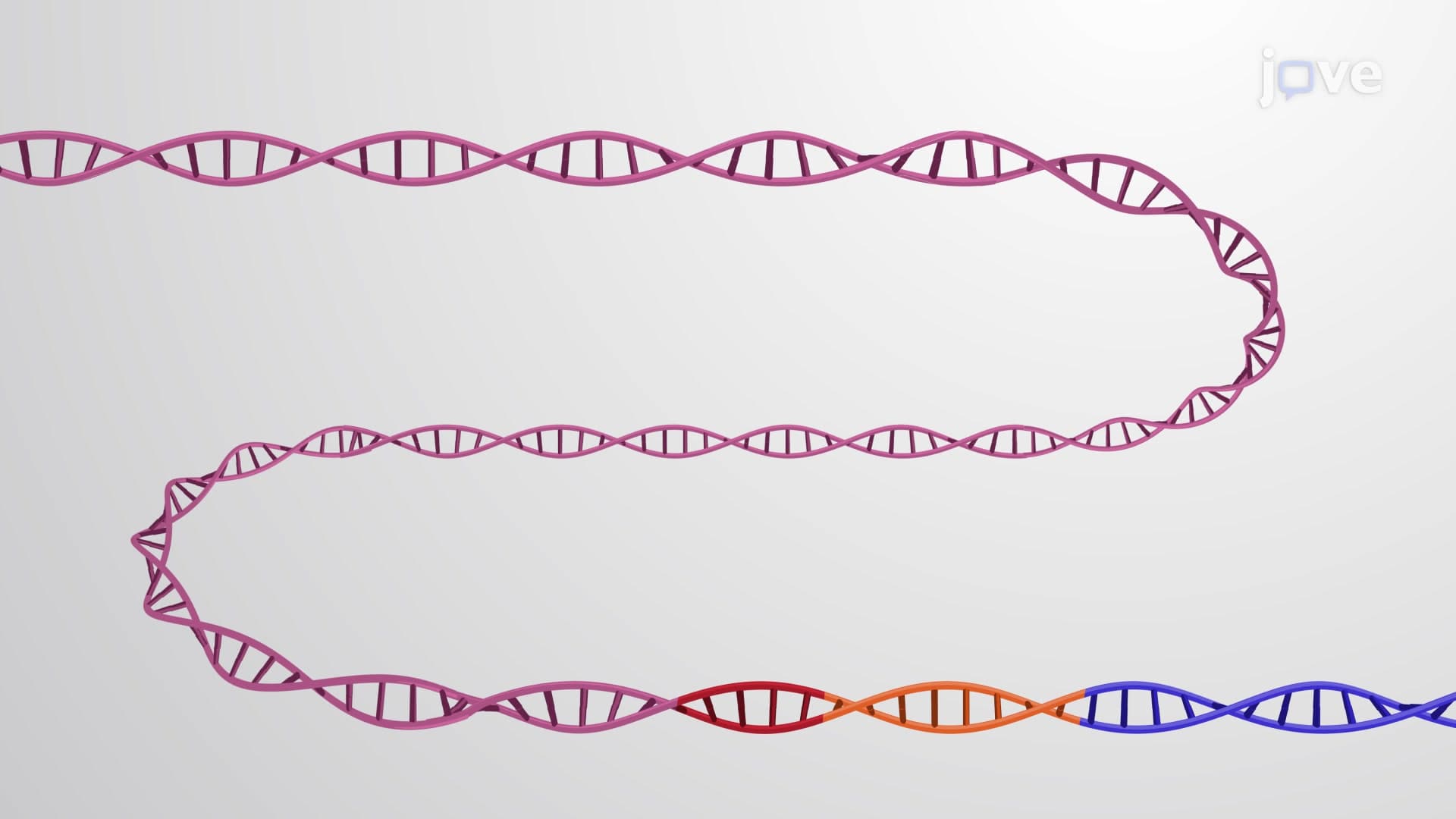
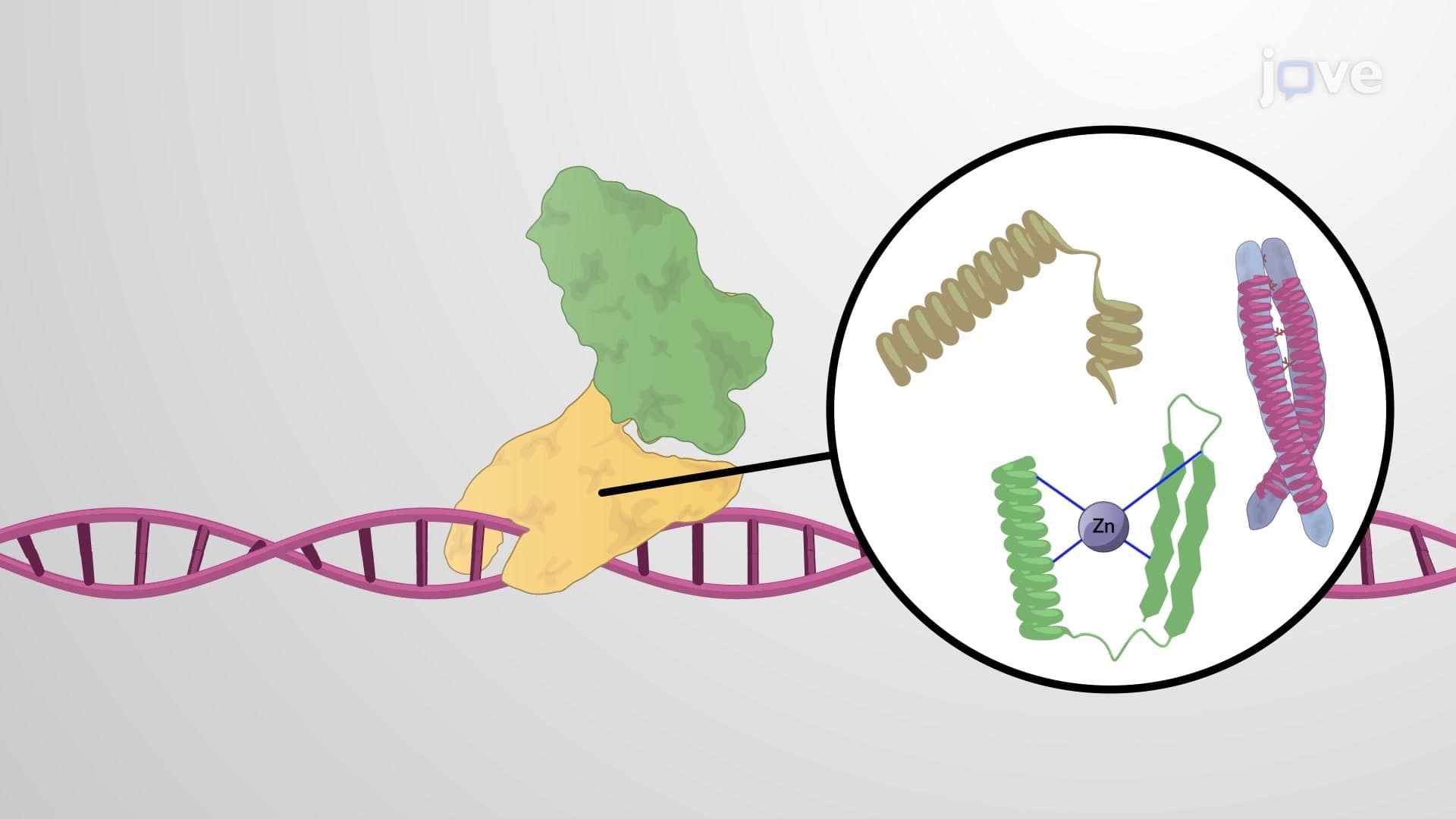
Prokaryotic transcriptional activators repressors represent two fundamental classes of regulatory proteins that control gene expression in bacteria. Unlike eukaryotes with complex chromatin structures, prokaryotes use these direct DNA-binding proteins to rapidly respond to environmental changes. This regulatory system allows bacteria like E. coli in the human intestine to adjust their metabolism within minutes when nutrient conditions shift.
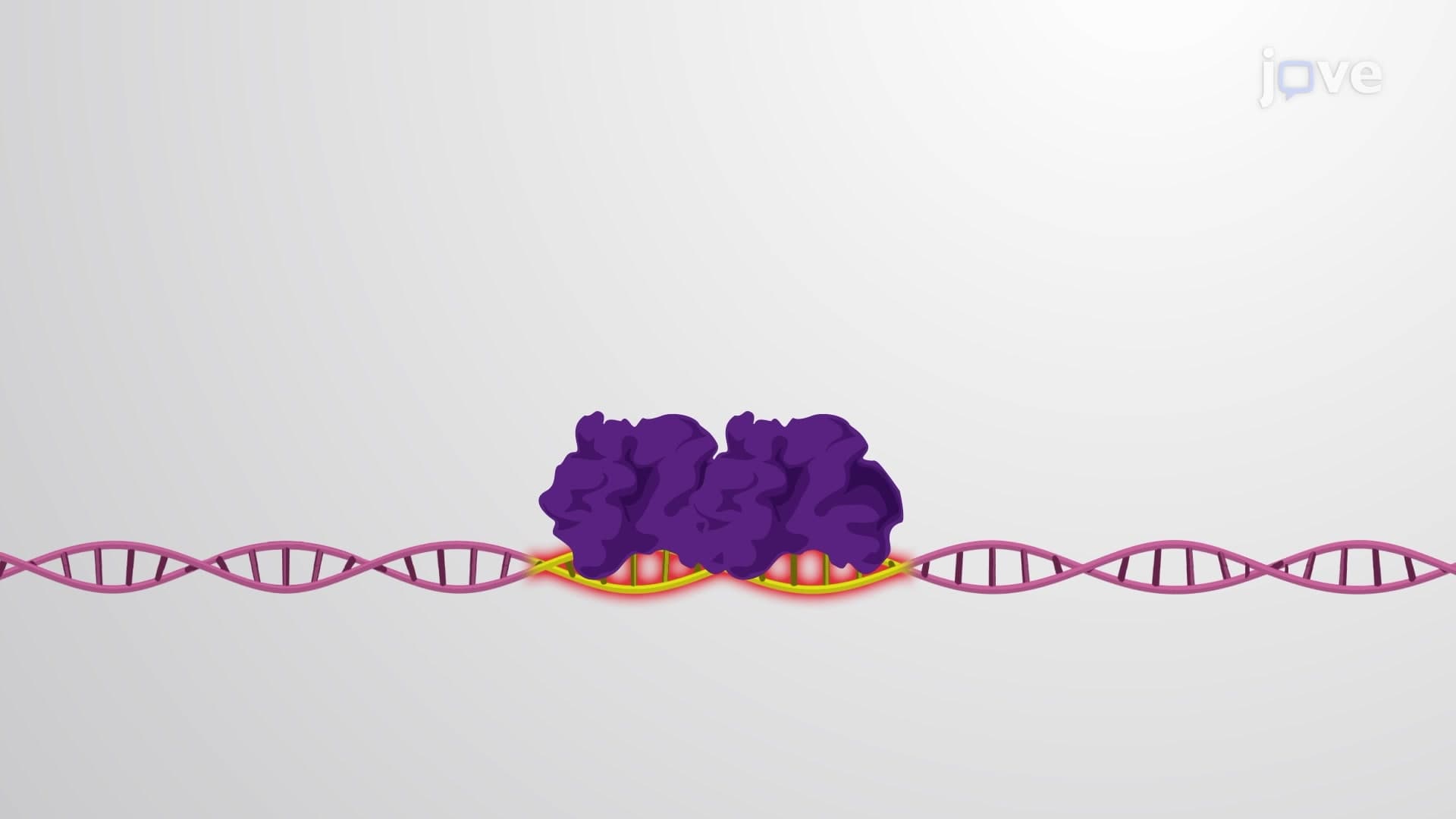
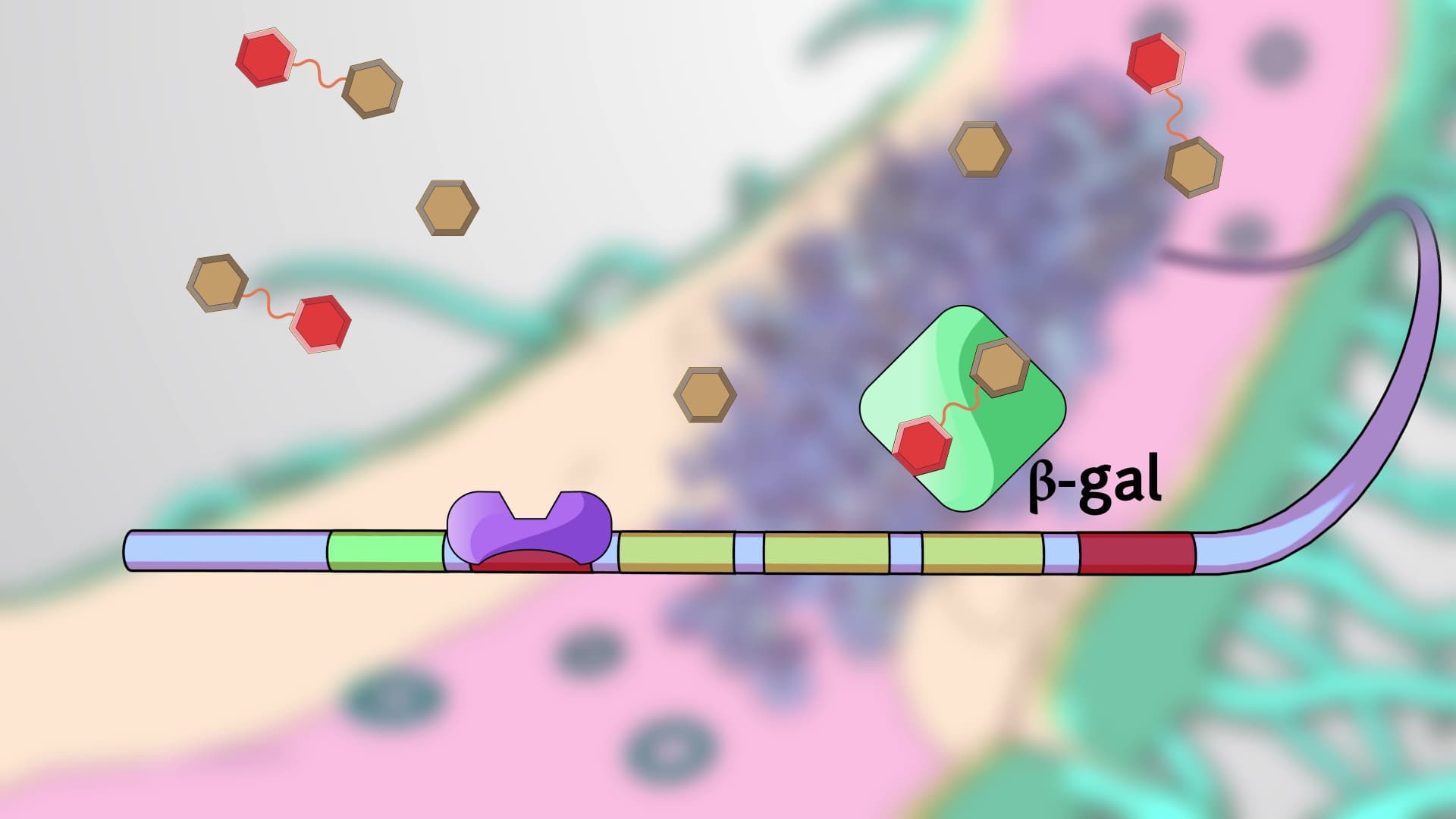
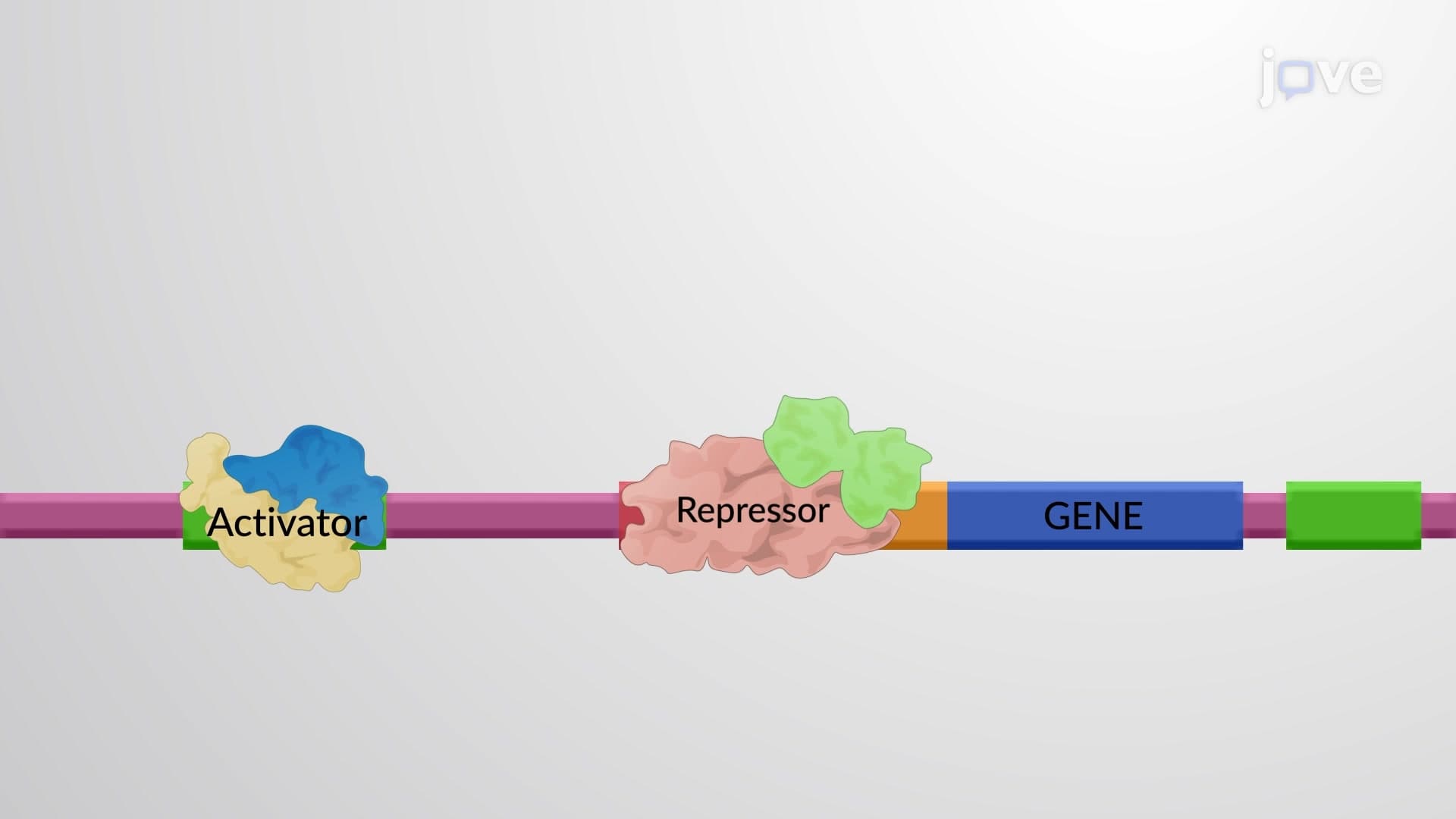
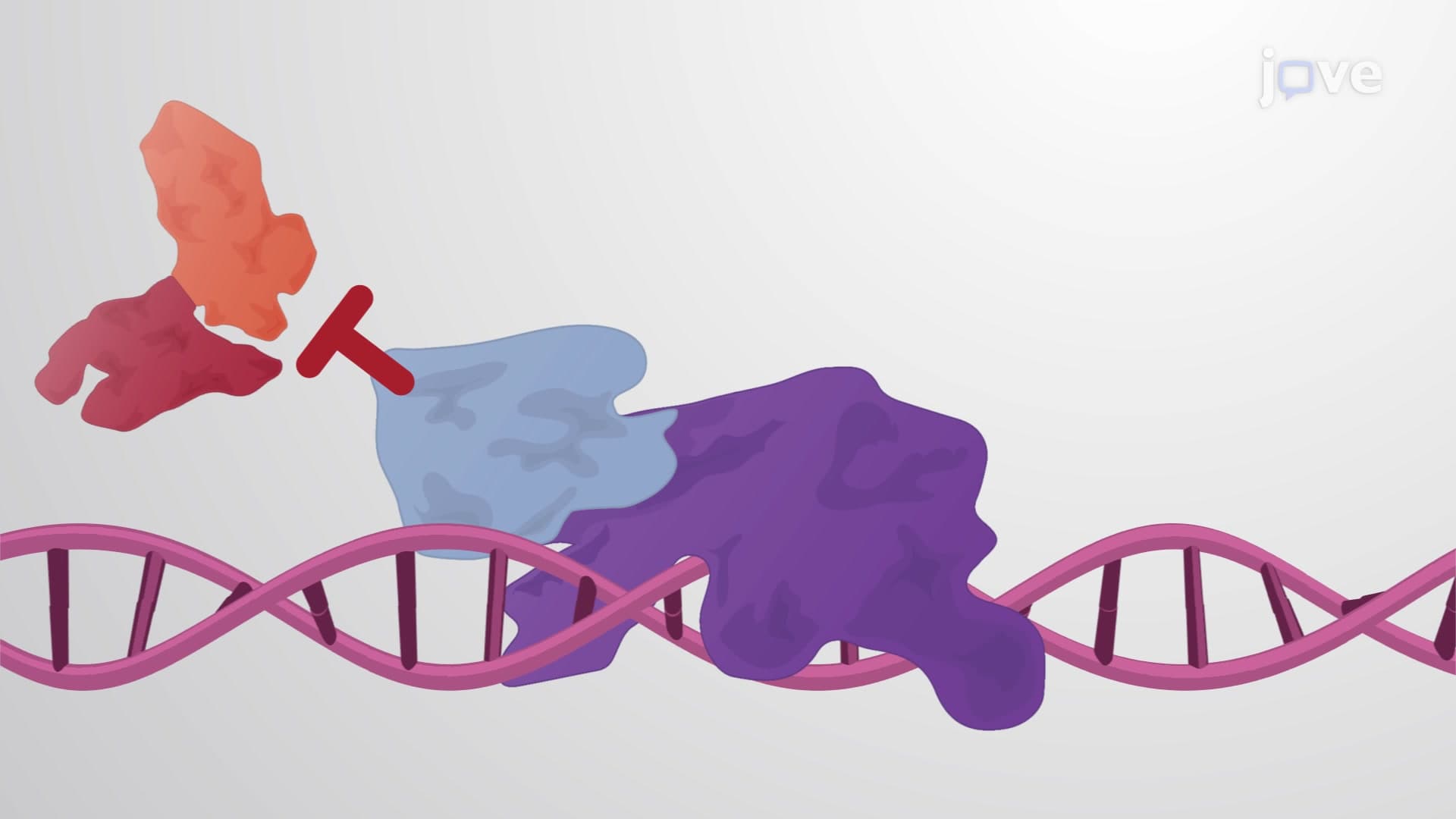
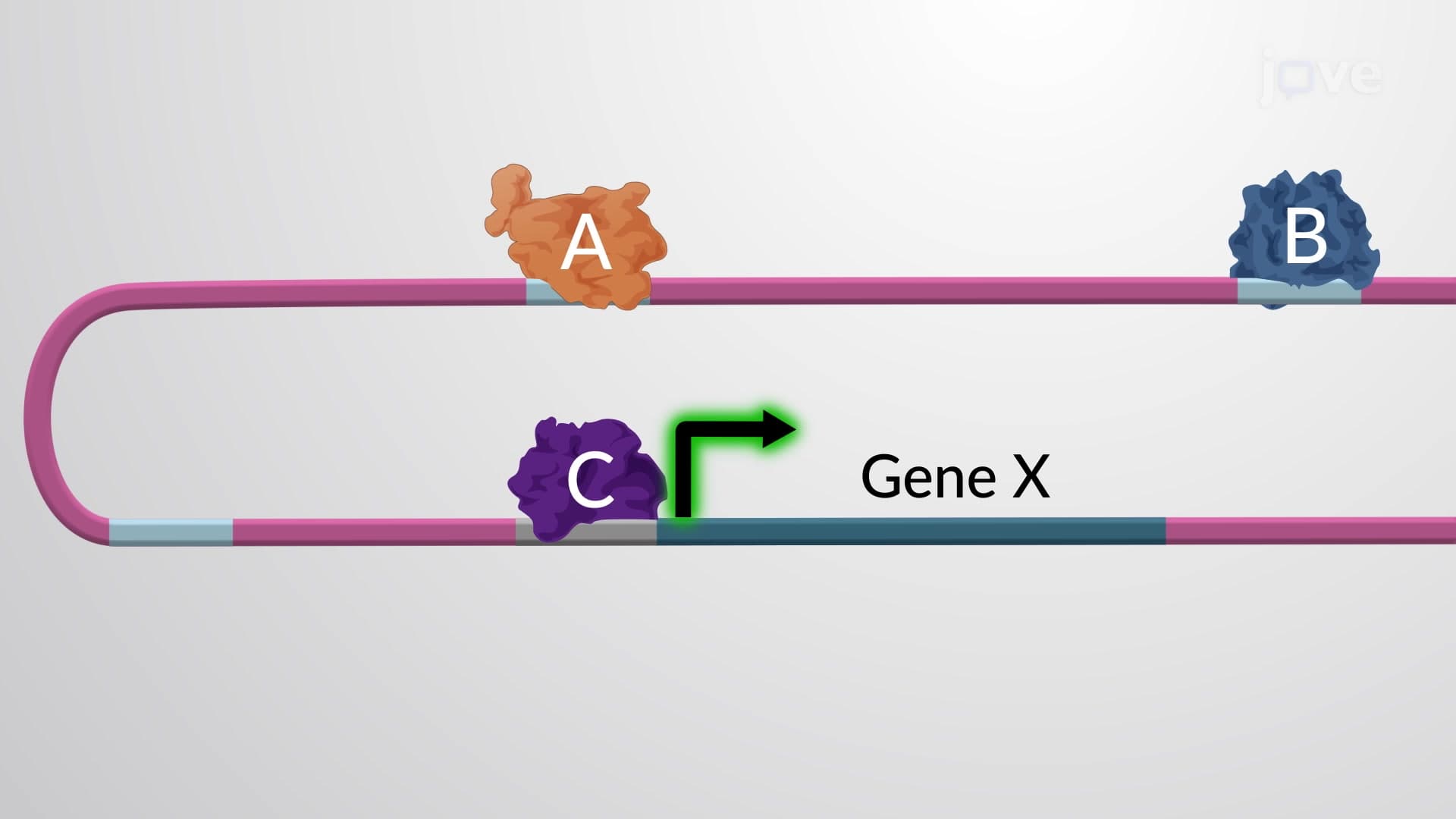
Transcriptional activators function as molecular accelerators, increasing the likelihood of RNA polymerase binding to promoter sequences. The catabolite activator protein (CAP), also called cyclic AMP receptor protein (CRP), exemplifies this mechanism. When glucose levels drop in bacterial cultures used for insulin production, rising cyclic AMP concentrations activate CAP. The CAP-cAMP complex then binds upstream of the lac promoter, creating favorable conditions for RNA polymerase recruitment and enhanced transcription of lactose-metabolizing genes.
Transcriptional repressors work as molecular brakes, preventing RNA polymerase access to promoter regions. The lac repressor (LacI) demonstrates classic negative regulation by binding to operator sequences near the lac promoter. In pharmaceutical manufacturing, understanding repressor mechanisms helps scientists control bacterial protein production by manipulating operator-repressor interactions through chemical inducers like IPTG (isopropyl β-D-1-thiogalactopyranoside).
This regulatory knowledge proves essential for MCAT preparation, where students encounter questions about bacterial adaptation mechanisms. In AP Biology courses, students learn how antibiotic resistance often involves activators enhancing resistance gene expression. The trp operon, controlled by the tryptophan repressor, illustrates feedback inhibition principles crucial for understanding metabolic disorders in medical school curricula. Biotechnology companies like Genentech rely on these regulatory principles when engineering bacteria to produce therapeutic proteins, making this knowledge valuable for pre-med students considering pharmaceutical careers.
Related Micro-courses