Loading subject page…

- Molecular Biology
- Gene Expression
- Co-activators and Co-repressors
Micro-course: Gene Expression
225,811 views
Learn key concepts and earn your certificate.
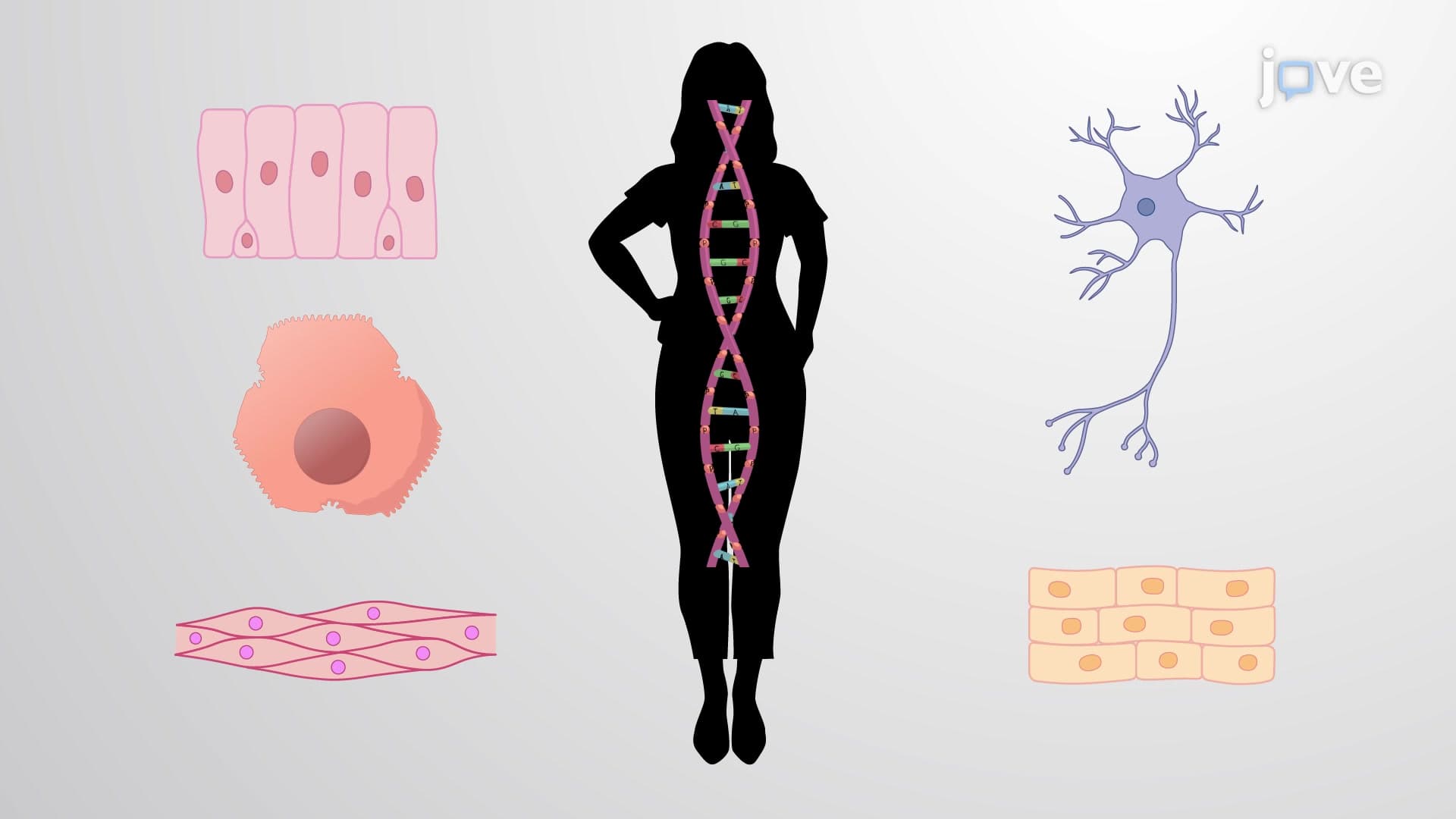

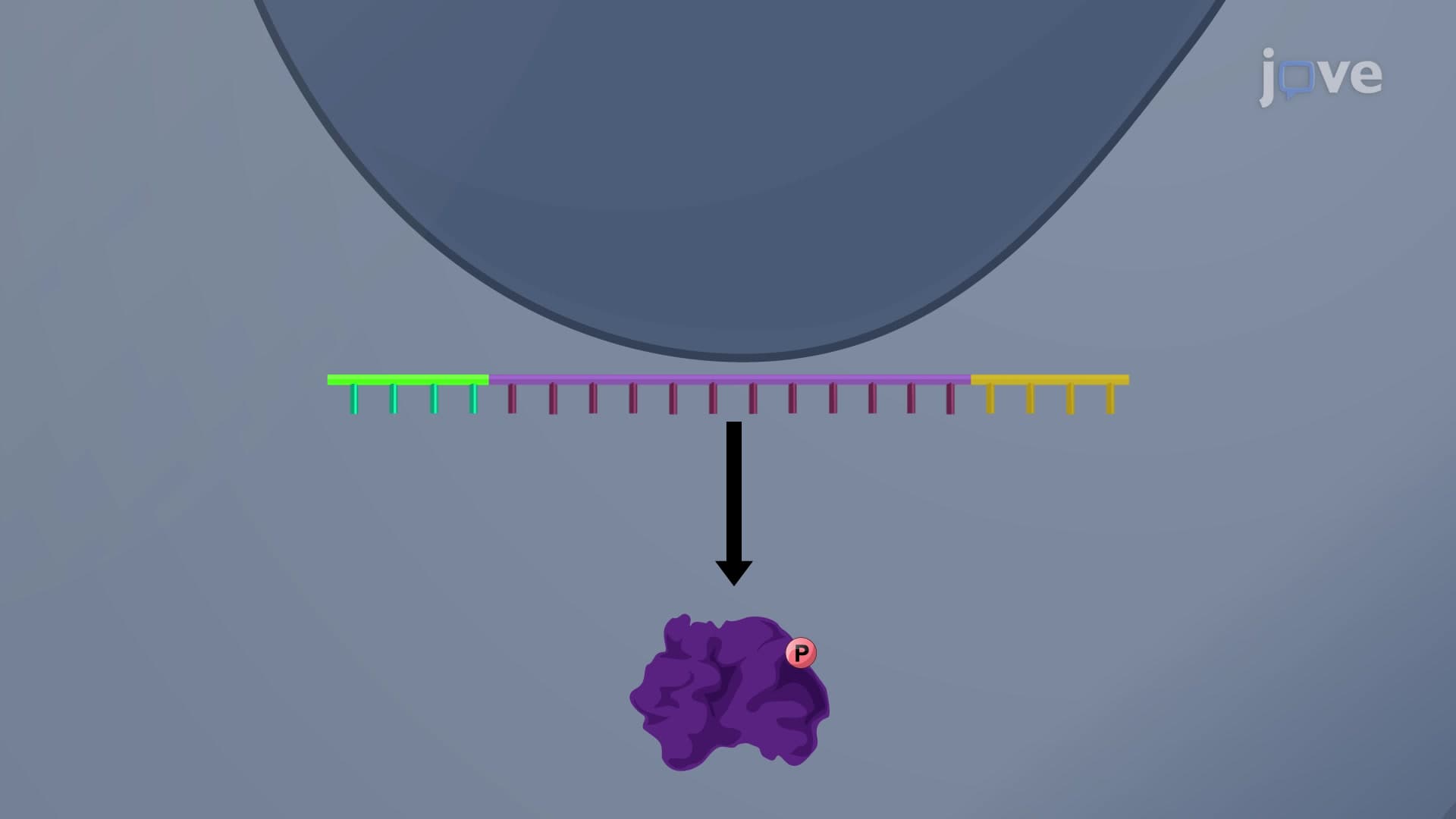
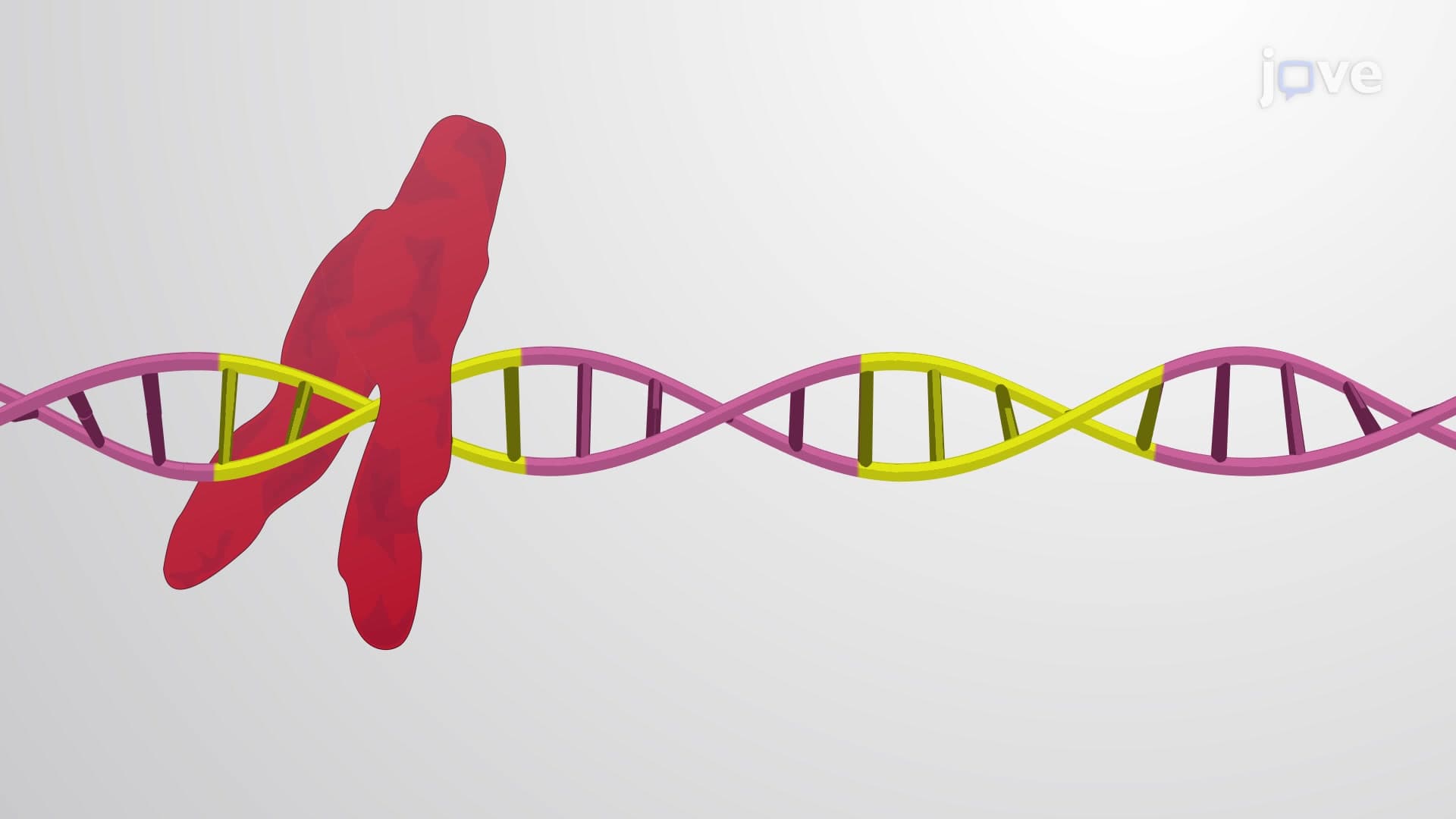
Co-activators and Co-repressors

00:00
02:04
Video Summary: Co Activators and Co Repressors Explained
Did you know that turning genes "on" or "off" requires molecular teamwork between multiple proteins? Co activators co repressors work together as essential partners in gene regulation, much like how the FDA requires multiple approvals before a new medication reaches patients. These specialized proteins cannot bind directly to DNA but instead attach to other regulatory proteins to either enhance or suppress gene expression. Understanding Co Activators And Co Repressors Explained reveals the intricate mechanisms controlling everything from hormone responses to cellular development. Watch the full video on JoVE Coach to master this concept with expert-led visuals and step-by-step explanations.
- Understand the fundamental roles of Co Activators And Co Repressors Explained in eukaryotic gene regulation and transcriptional control
- Identify the key difference between co-regulators and direct DNA-binding transcription factors in gene expression mechanisms
- Analyze how histone acetyltransferases and deacetylases function as co-activators and co-repressors respectively in chromatin modification
- Compare the structural and functional relationships between transcriptional regulators and their co-regulator binding partners
- Evaluate real-world examples of co-regulator switching, such as SMRT's dual role with thyroid hormone receptors
- Apply knowledge of co-regulator mechanisms to predict gene expression outcomes in different cellular conditions
- Recognize the clinical significance of co-regulator dysfunction in human diseases and therapeutic interventions
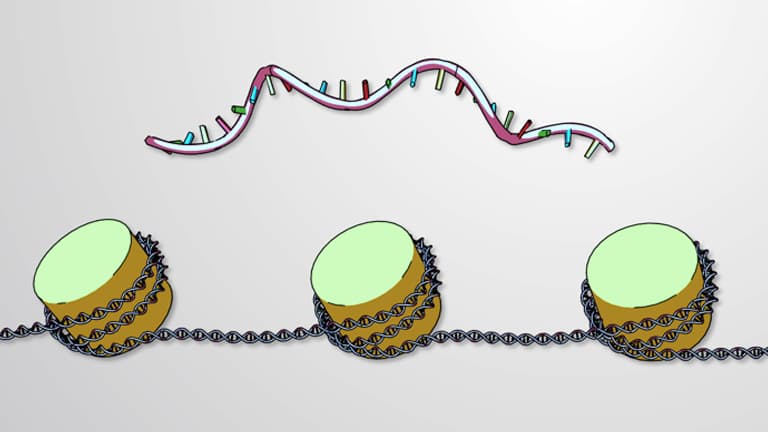
- Explore the molecular basis for how RNA scaffolds can facilitate co-regulator complex assembly and stability
Understanding Co Activators And Co Repressors in Gene Regulation
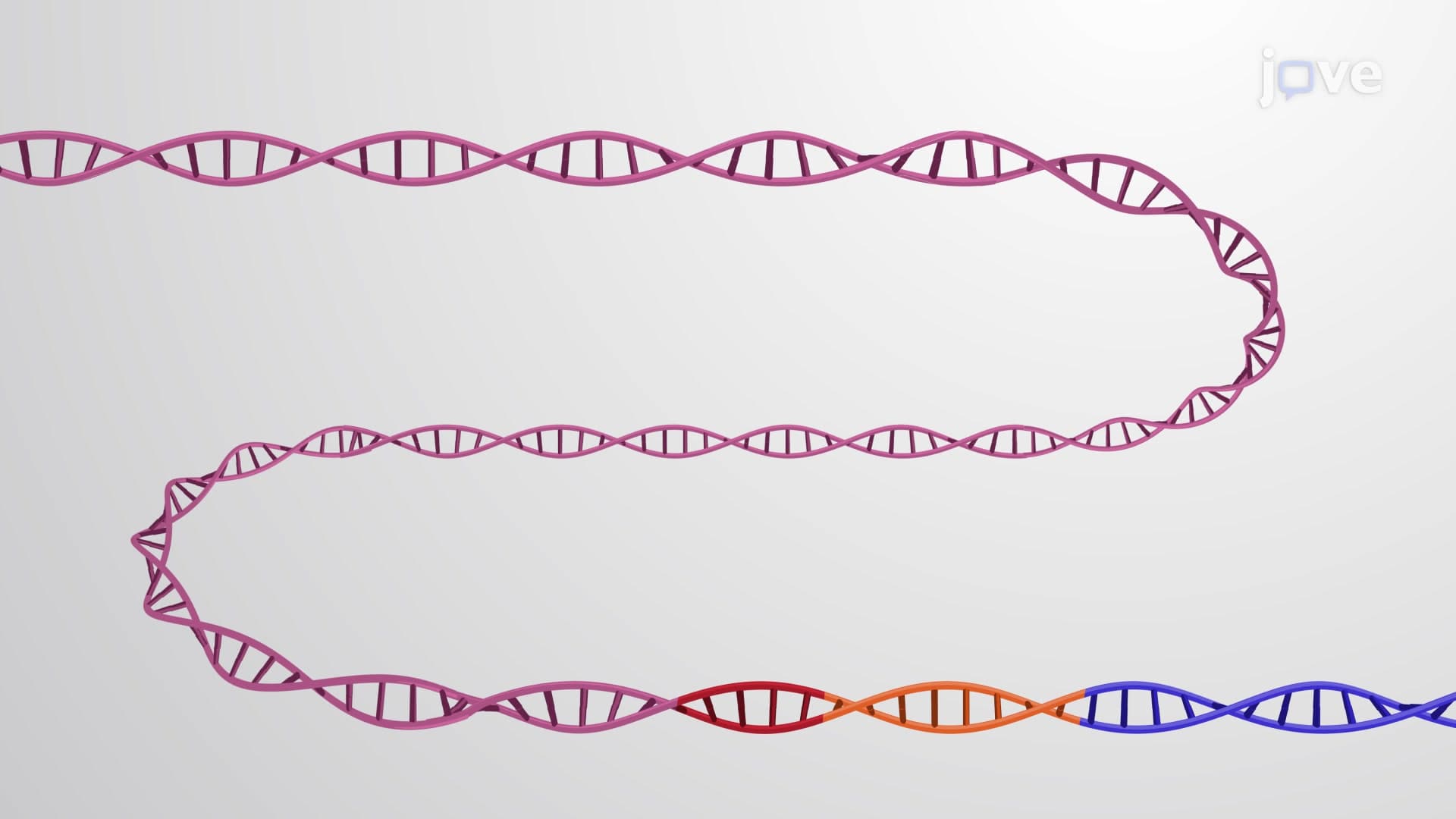
Gene expression in eukaryotic cells involves a sophisticated network of regulatory proteins that work in concert to control when and how genes are transcribed. While basic transcription factors can initiate RNA synthesis, the fine-tuning of gene expression requires additional regulatory mechanisms involving co activators co repressors that act as molecular switches.
The Molecular Architecture of Co-Regulator Function
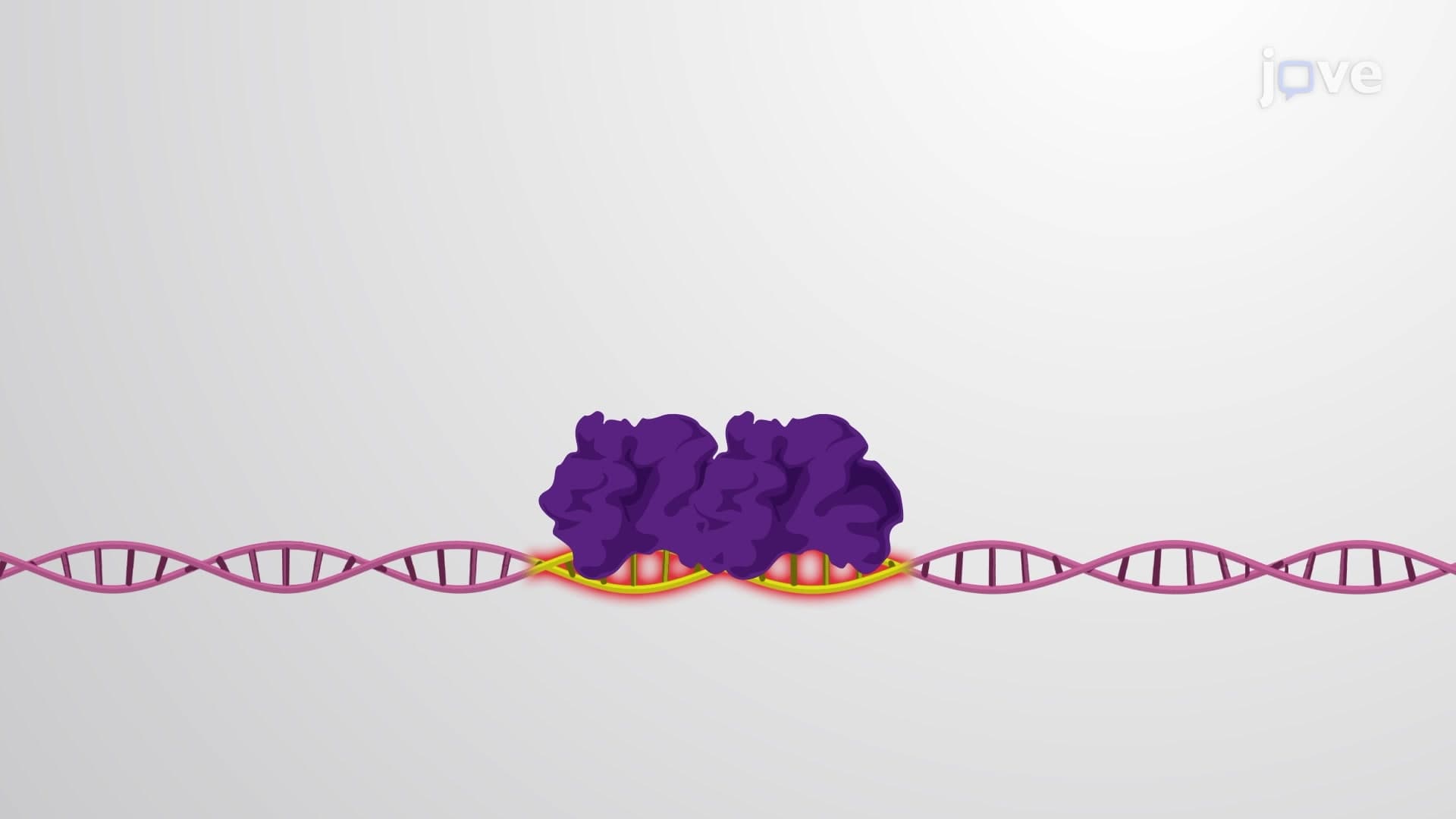
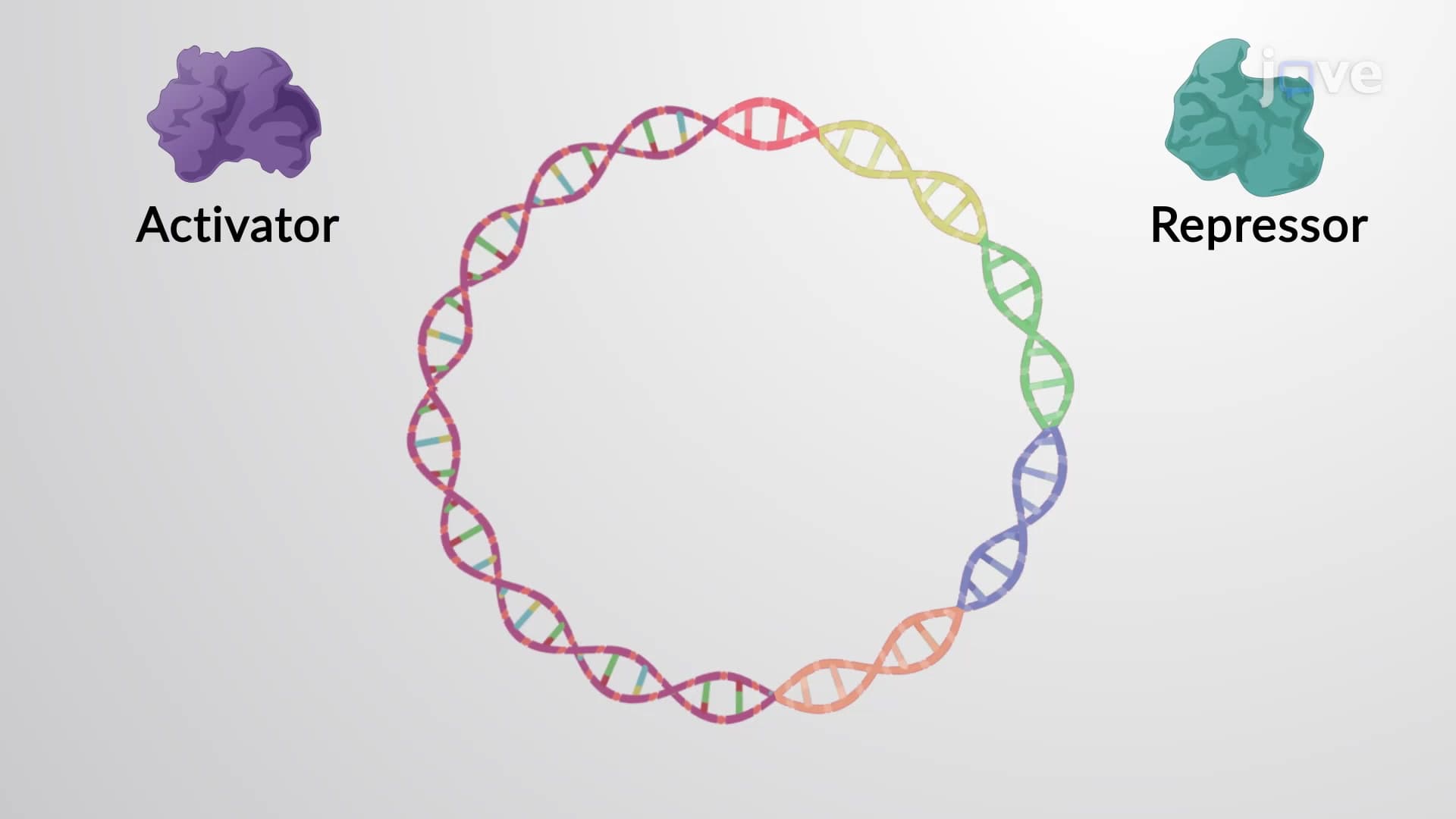
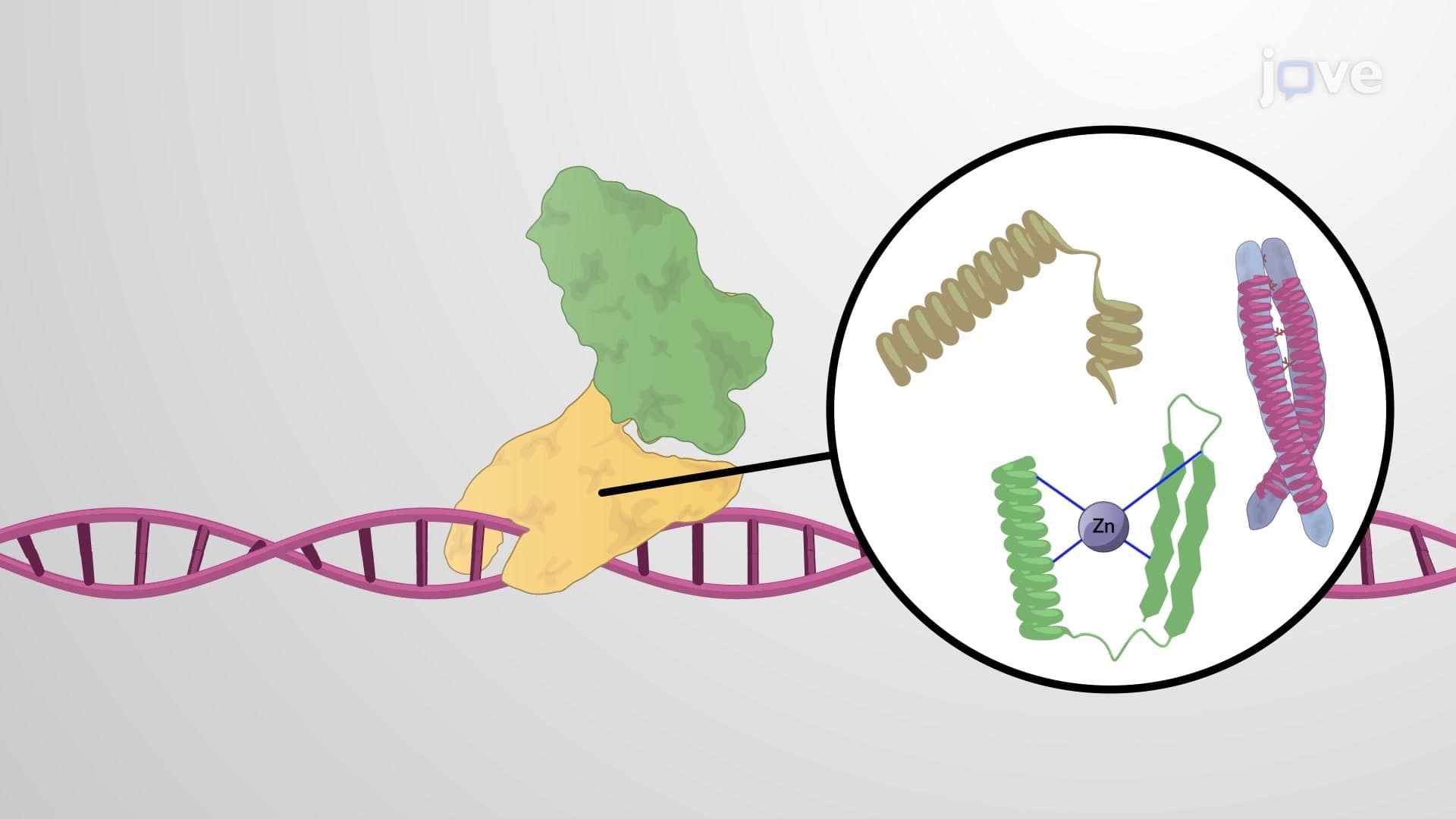
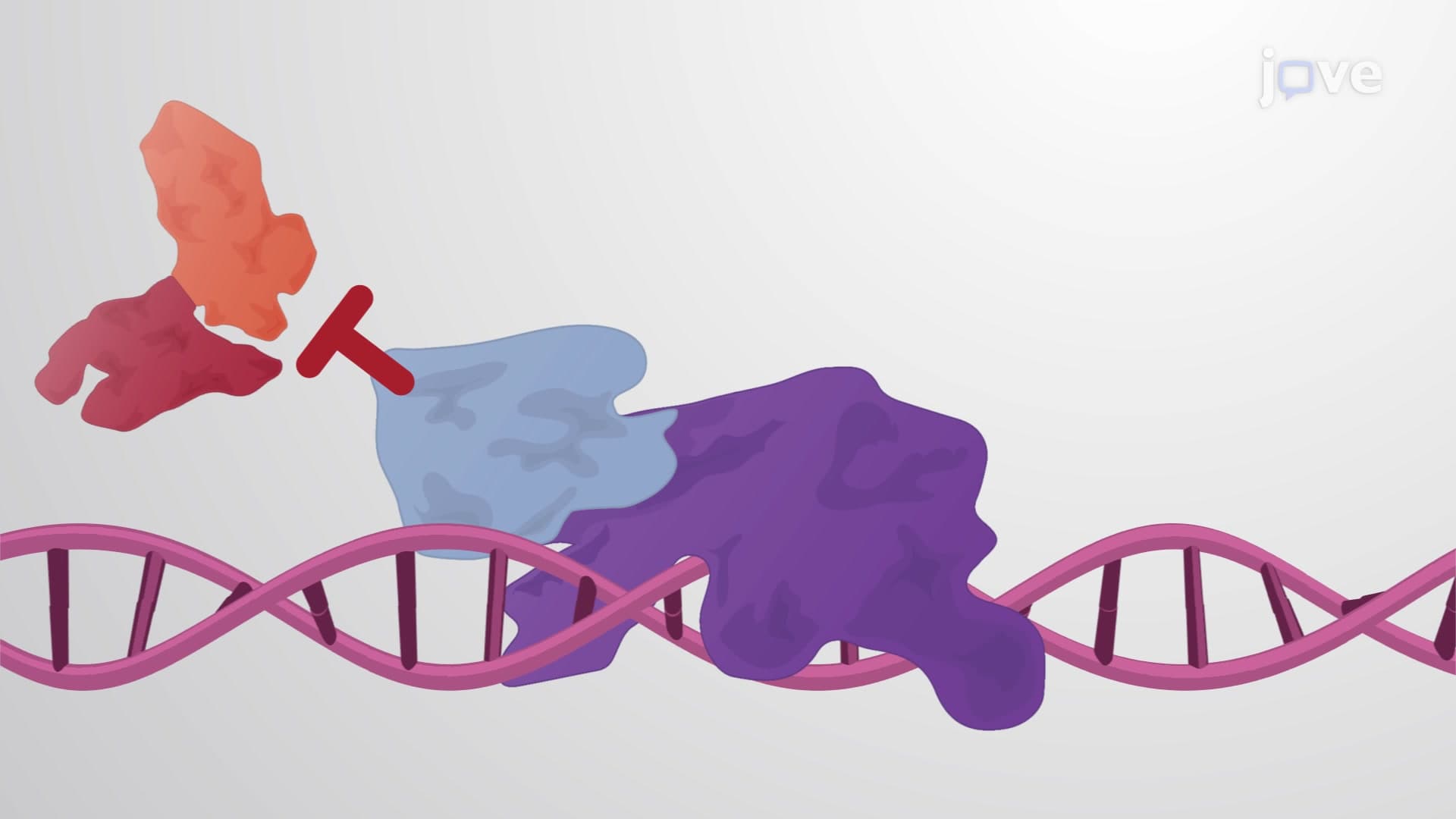
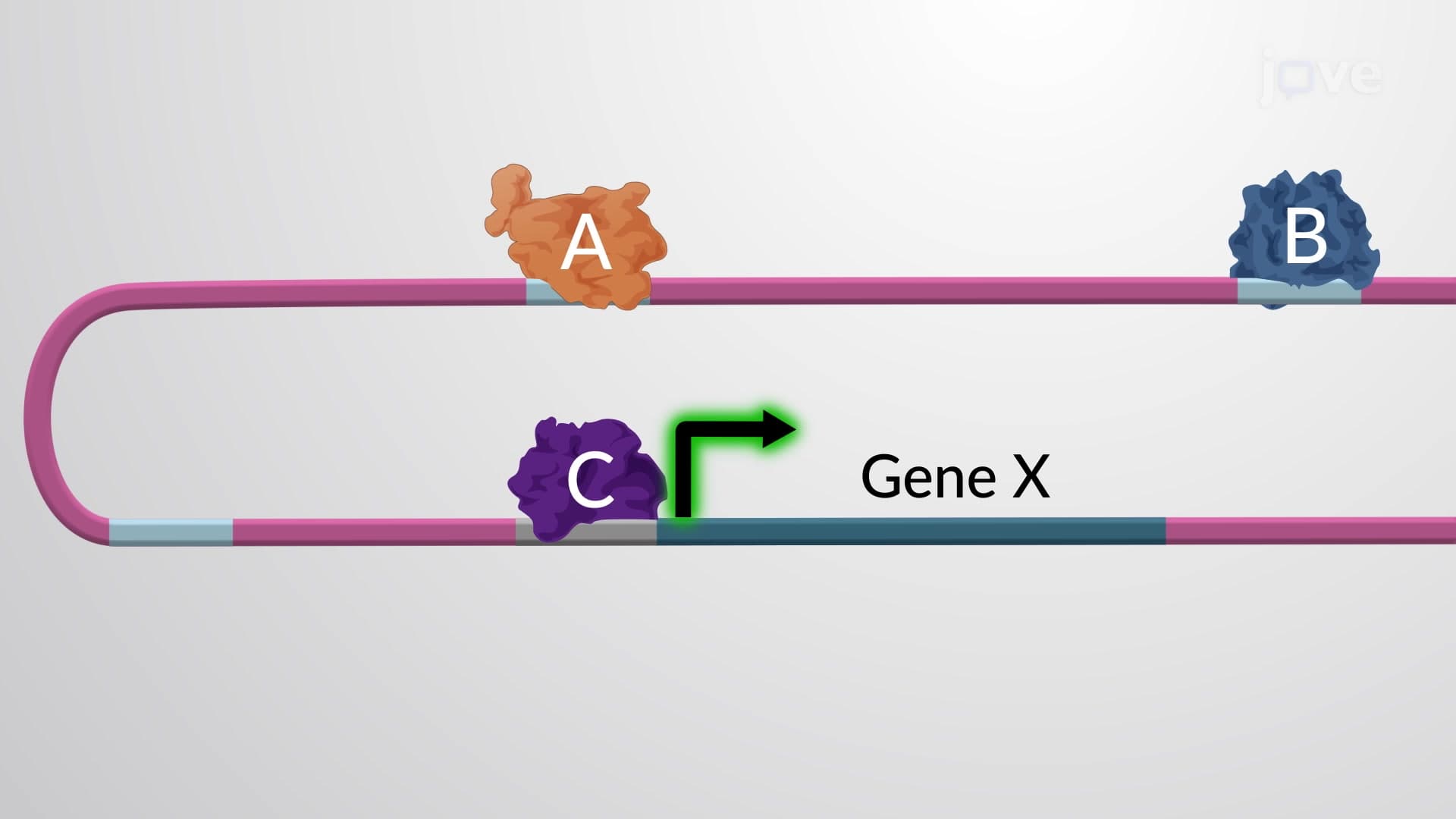
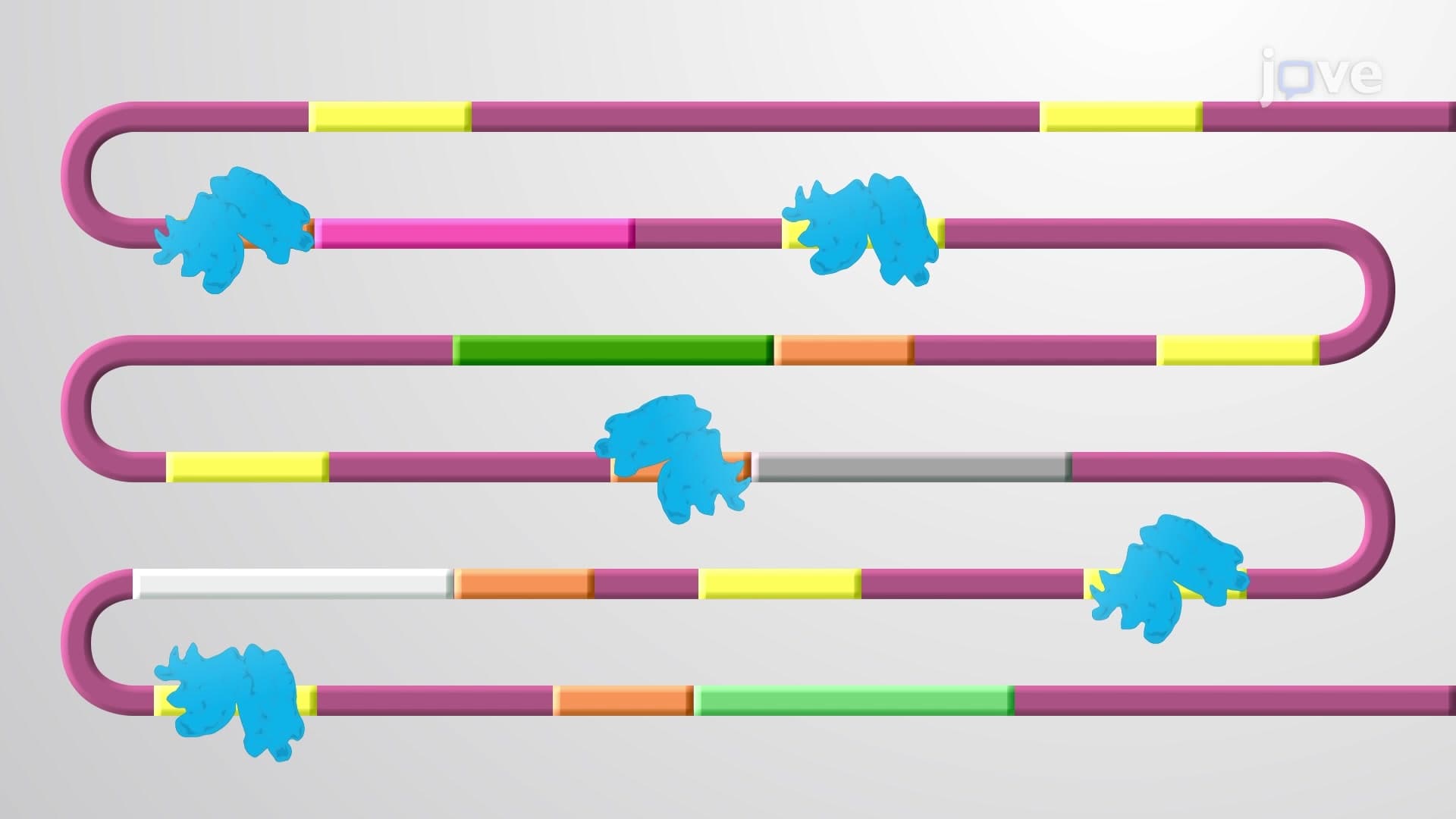
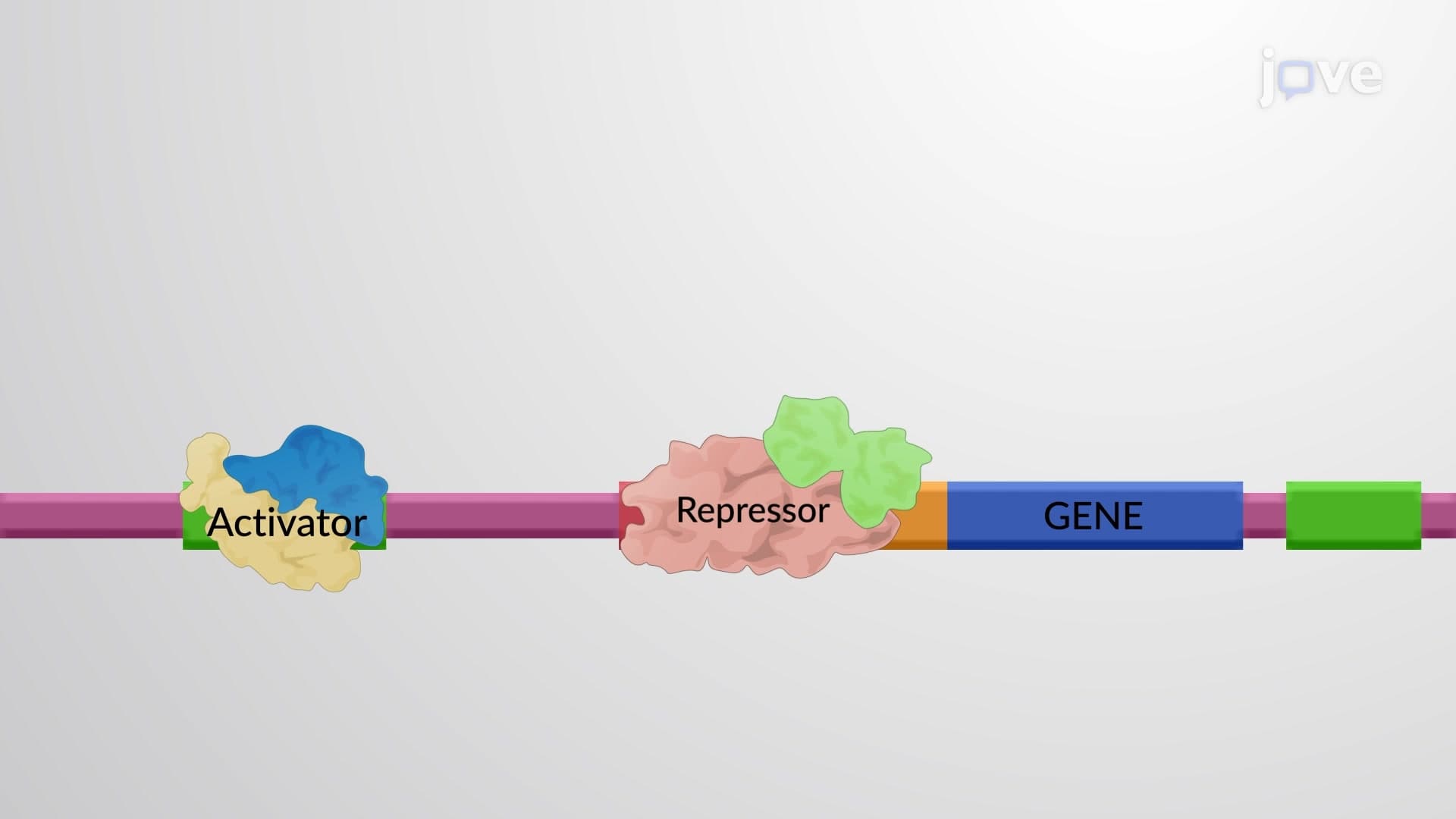
Co-regulators represent a distinct class of proteins that cannot directly bind DNA sequences but instead associate with sequence-specific transcription factors. This indirect mechanism allows for remarkable flexibility in gene regulation. When a transcriptional activator binds to its specific DNA sequence (cis-regulatory element), it creates a platform for co-activator recruitment. These co-activators then modify the local chromatin environment or facilitate RNA polymerase function, ultimately enhancing transcription rates.
Conversely, co-repressors work through similar indirect mechanisms but produce opposite effects. They associate with DNA-bound repressor proteins and create conditions unfavorable for transcription initiation. This dual system provides cells with precise control over gene expression levels, essential for processes ranging from embryonic development to hormone responses.
Histone Modification: The Chromatin Connection
Perhaps the most clinically relevant co-regulators are the histone-modifying enzymes. Histone acetyltransferases (HATs) function as co-activators by adding acetyl groups to histone proteins, particularly histones H3 and H4. This acetylation reduces the positive charge of histones, weakening their interaction with negatively charged DNA and creating a more open chromatin structure conducive to transcription.
In contrast, histone deacetylases (HDACs) serve as co-repressors by removing these acetyl modifications. The resulting compact chromatin structure effectively silences gene expression. This mechanism is so fundamental that HDAC inhibitors have become important cancer therapeutics, with drugs like vorinostat approved by the FDA for treating certain lymphomas.
Clinical Applications and Exam Relevance
Understanding co-regulator function is crucial for students preparing for advanced examinations like the MCAT or AP Biology. These concepts frequently appear in questions about gene regulation, cancer biology, and endocrinology. For instance, the thyroid hormone receptor system described in the transcript represents a classic example tested on medical school entrance exams.
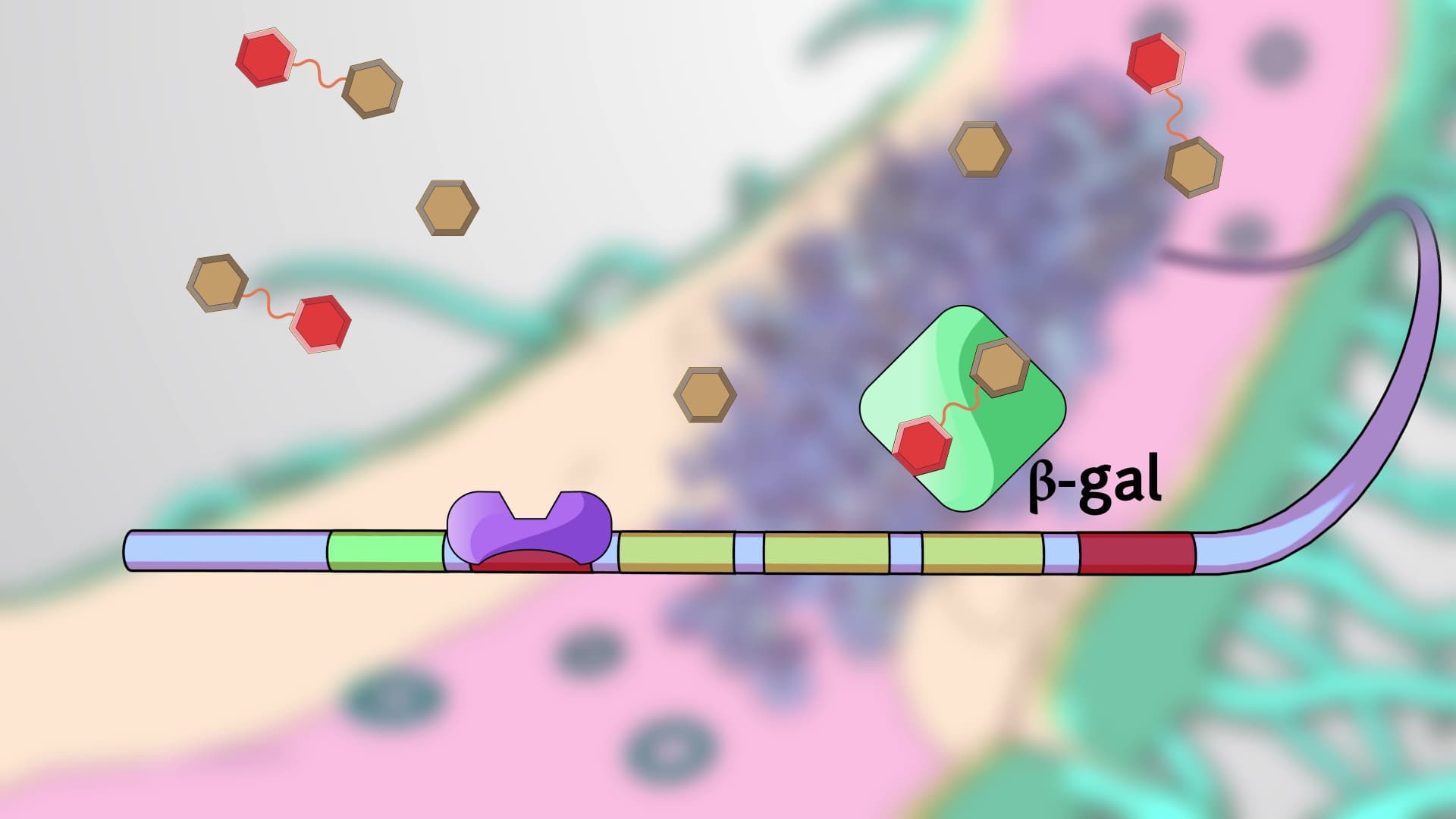
The SMRT (Silencing Mediator of Retinoid and Thyroid hormone receptors) co-regulator demonstrates the dynamic nature of gene regulation. In the absence of thyroid hormone, SMRT acts as a co-repressor, maintaining low basal transcription. However, hormone binding triggers SMRT dissociation and co-activator recruitment, rapidly increasing gene expression. This mechanism explains how hormone therapies can have such rapid and profound effects on cellular metabolism.
Frequently Asked Questions
Co-activators enhance gene transcription by modifying chromatin structure or facilitating RNA polymerase function, while co-repressors inhibit transcription through opposite mechanisms. Both work indirectly by associating with DNA-bound transcription factors rather than binding DNA directly. This partnership system allows cells to fine-tune gene expression with remarkable precision.
These concepts frequently appear in questions about gene regulation mechanisms, particularly in passages involving hormone signaling or cancer biology. Students should focus on understanding the indirect nature of co-regulator function and their role in chromatin modification. Practice identifying examples where the same protein can act as both co-activator and co-repressor depending on cellular context.
Histone acetyltransferases add acetyl groups to histone proteins, reducing their positive charge and loosening DNA packaging around nucleosomes. This creates an open chromatin structure that promotes transcription factor access and RNA polymerase activity. Their dysfunction is implicated in various cancers, making them important therapeutic targets.
While the molecular details are complex, the basic concept is quite accessible with proper foundation in DNA structure and protein function. Students should first master basic transcription before tackling co-regulator mechanisms. Most high school AP Biology courses introduce these concepts as extensions of gene regulation principles.
Focus on drawing molecular diagrams showing the step-by-step assembly of transcriptional complexes, including DNA-bound factors and their associated co-regulators. Create comparison charts highlighting the opposing functions of co-activators versus co-repressors. Practice with real examples like the thyroid hormone receptor system to solidify understanding.
Many FDA-approved cancer drugs work by inhibiting histone deacetylases (HDAC inhibitors) or other co-repressor functions to reactivate tumor suppressor genes. Companies like Merck and Bristol Myers Squibb have developed drugs targeting these pathways. Understanding co-regulator mechanisms helps explain how these precision medicines work at the molecular level.
Yes, recent research has revealed that certain long non-coding RNAs serve as organizing platforms for assembling large co-regulator complexes. These RNA scaffolds help coordinate the recruitment of multiple co-activators or co-repressors to specific genomic locations. This represents an emerging area of gene regulation research with potential therapeutic applications.
Students should investigate epigenetic inheritance mechanisms, chromatin remodeling complexes, and the role of co-regulators in disease pathogenesis. Advanced topics include studying how co-regulator mutations contribute to developmental disorders and how personalized medicine approaches target specific co-regulator pathways in cancer treatment.
Related Micro-courses