Loading subject page…

- Molecular Biology
- Gene Expression
- Master Transcription Regulators
Micro-course: Gene Expression
225,811 views
Learn key concepts and earn your certificate.




Master Transcription Regulators


00:00
02:23
Video Summary: What are Master Transcription Regulators
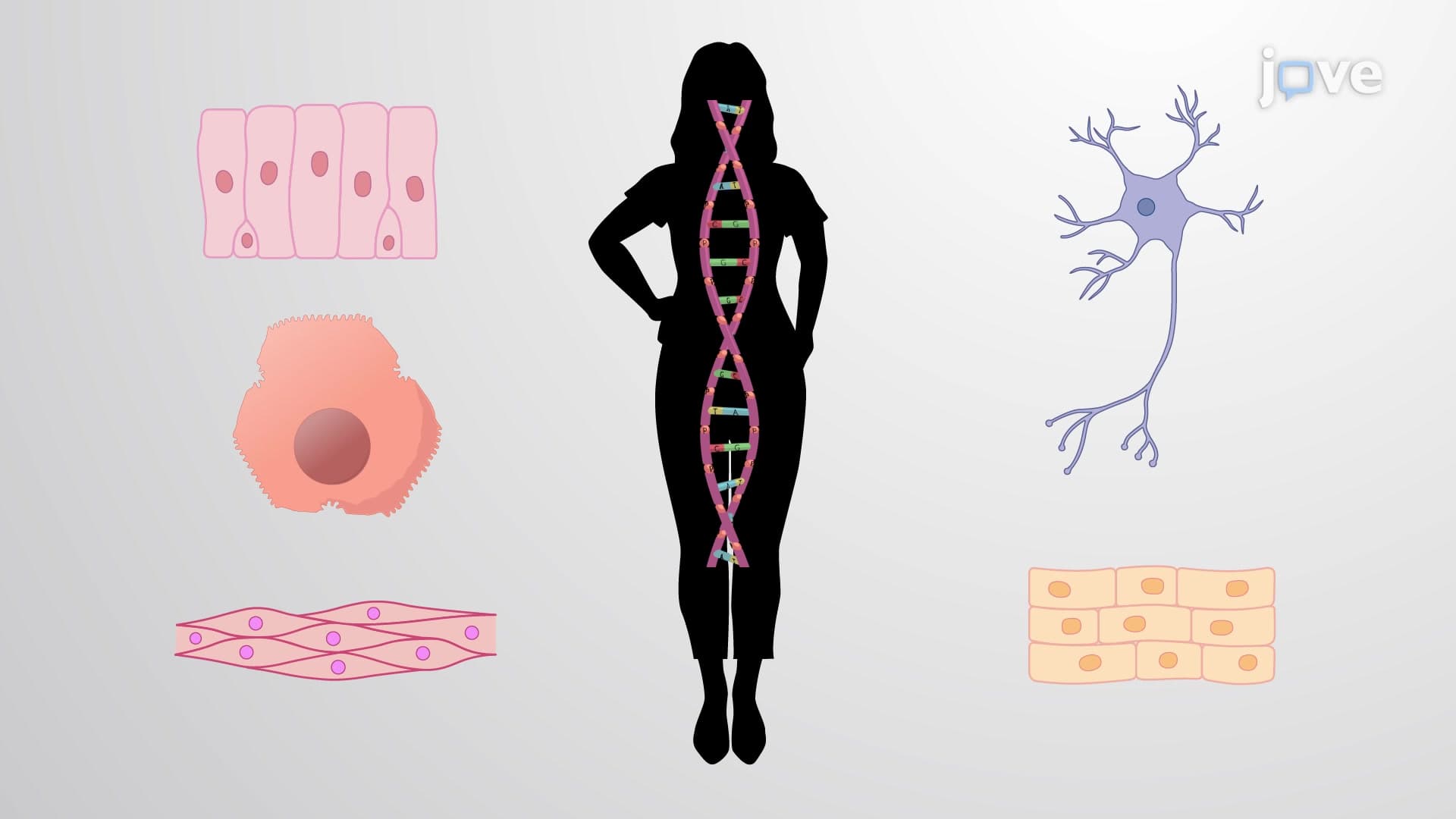
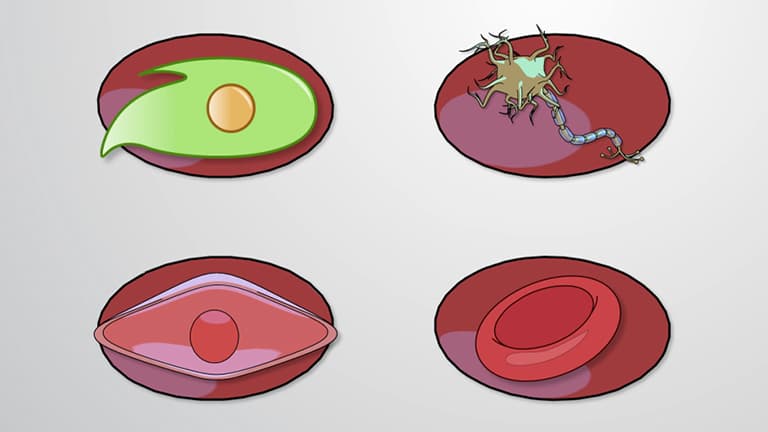
Did you know that just a handful of proteins control whether a stem cell becomes a muscle fiber or a fat cell? Master transcription regulators are these powerful molecular switches that orchestrate complex cellular transformations by controlling hundreds of genes simultaneously. For instance, the MyoD protein single-handedly triggers muscle cell development in mammals, including humans. These regulatory proteins work like conductors of a genetic orchestra, coordinating the precise expression patterns needed for specialized cell types. Watch the full video on JoVE Coach to master this concept with expert-led visuals and step-by-step explanations.
- Understand what master transcription regulators are and how they control cellular differentiation processes
- Identify the direct and indirect mechanisms by which these regulatory proteins influence gene expression
- Analyze specific examples like MyoD in muscle development and PPAR/C/EBP in fat cell formation
- Compare how master regulators work individually versus in coordinated networks
- Evaluate the role of positive feedback loops in transcriptional regulation
- Apply knowledge of cis-regulatory sequences to predict transcription factor binding sites
- Recognize the clinical significance of master regulators in developmental disorders
- Explore how transcriptional networks maintain cell identity and respond to environmental signals
Understanding Master Transcription Regulators: The Cellular Command Centers
Master transcription regulators represent one of biology's most elegant control systems. Unlike ordinary transcription factors that might regulate just a few genes, these molecular powerhouses coordinate the expression of entire gene networks, often numbering in the hundreds. They serve as the primary decision-makers in cellular fate determination, essentially answering the fundamental question: "What type of cell should I become?"
Direct Regulatory Mechanisms: Binding to Target Genes
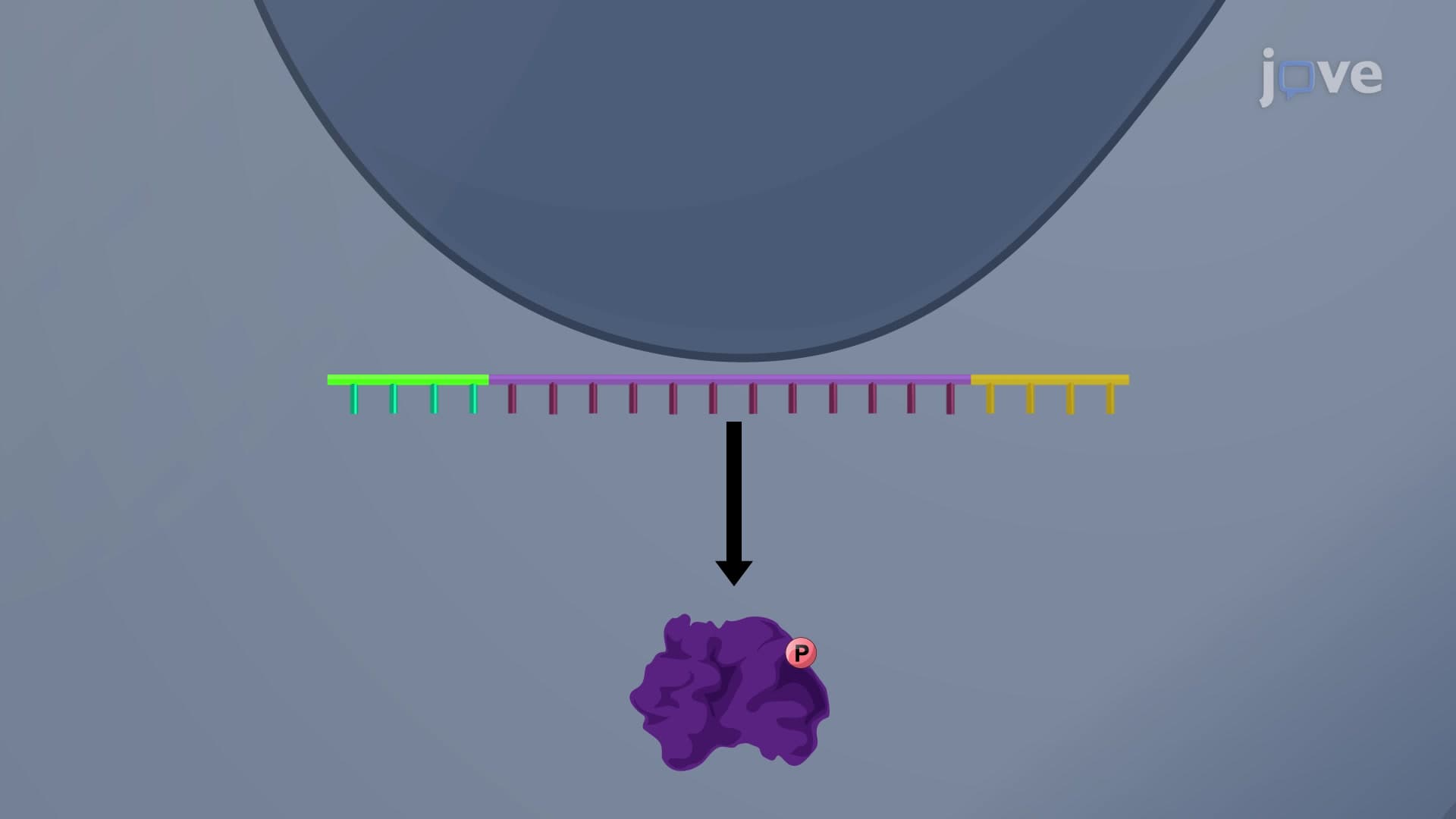
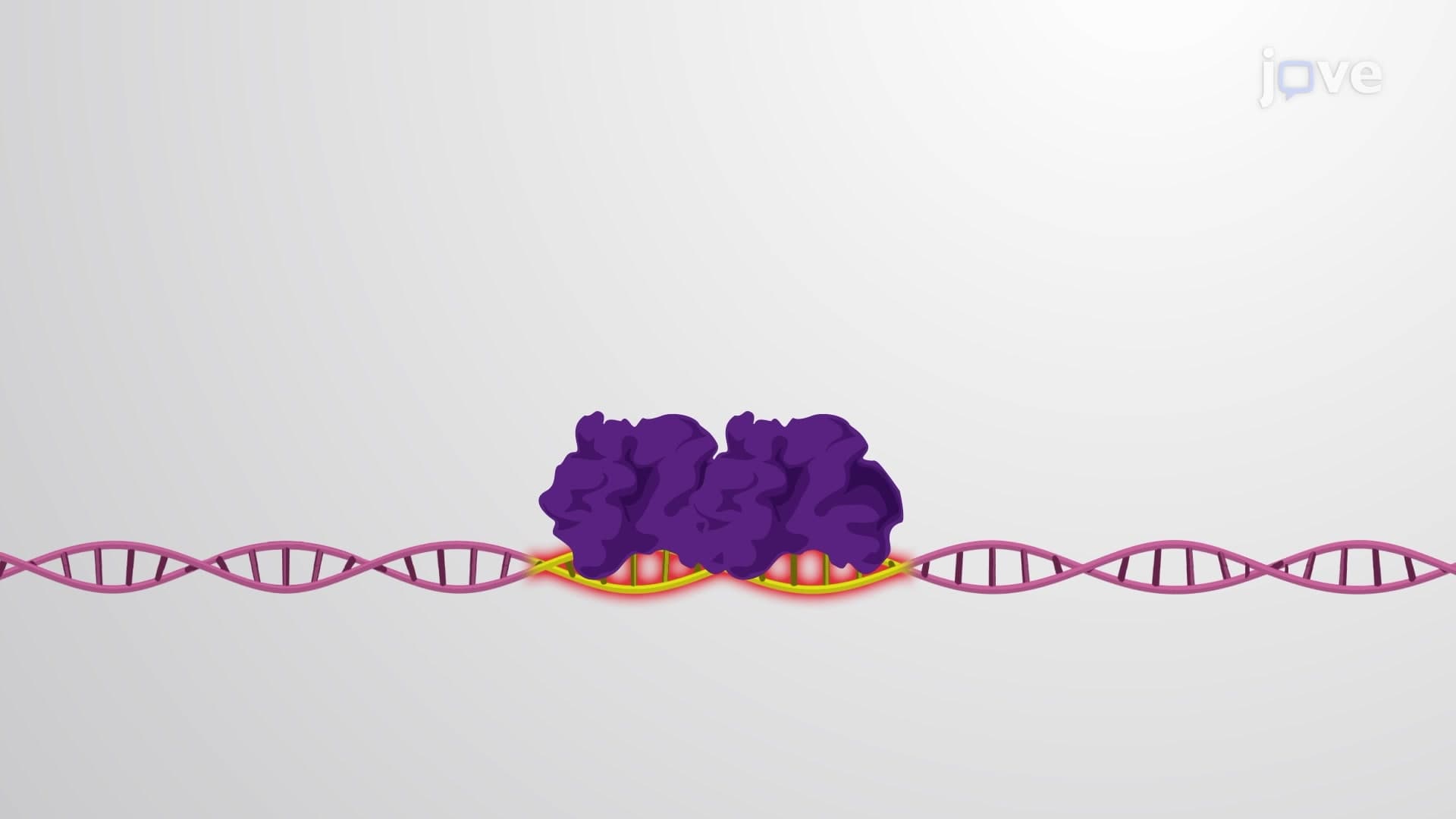
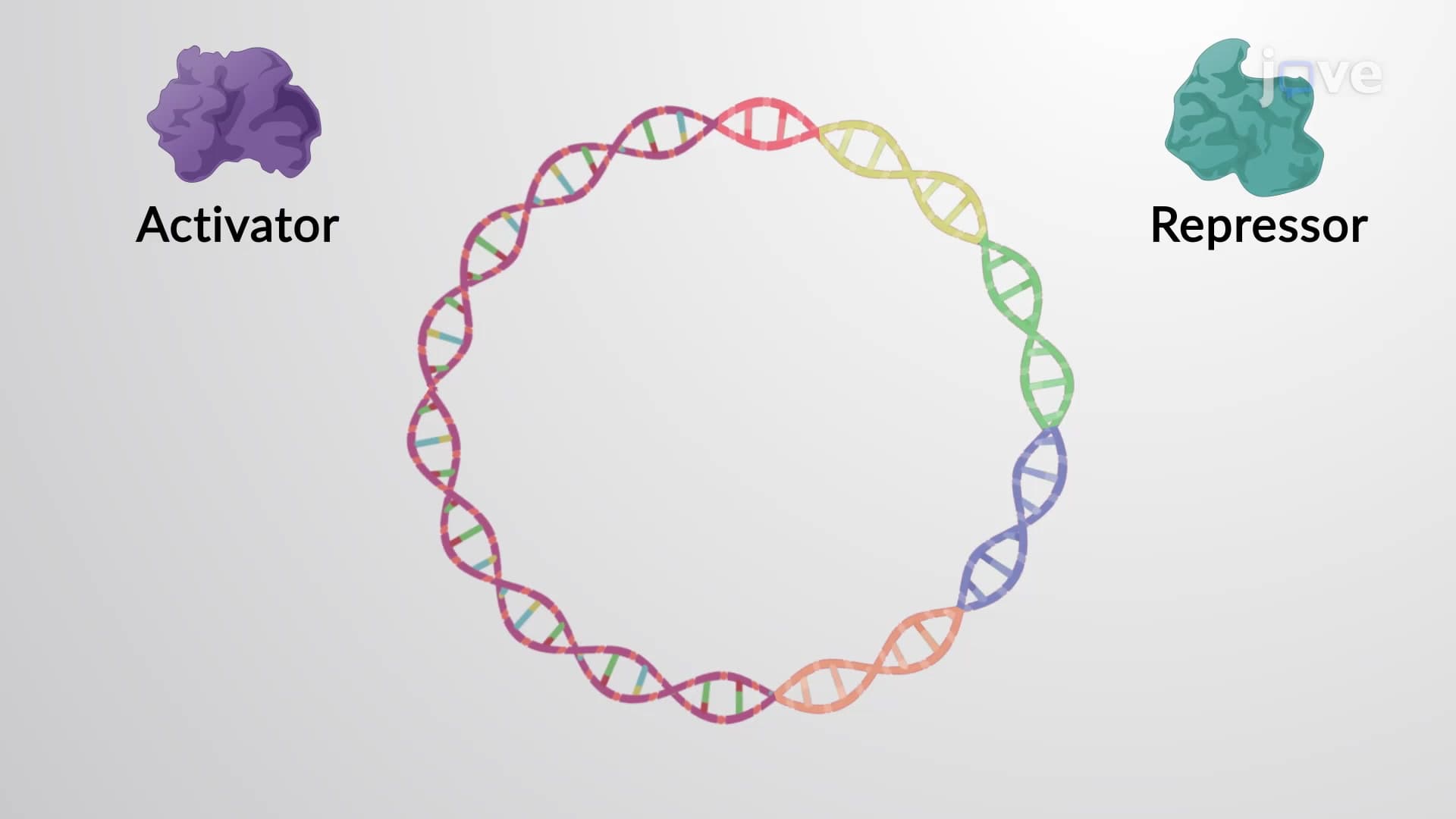
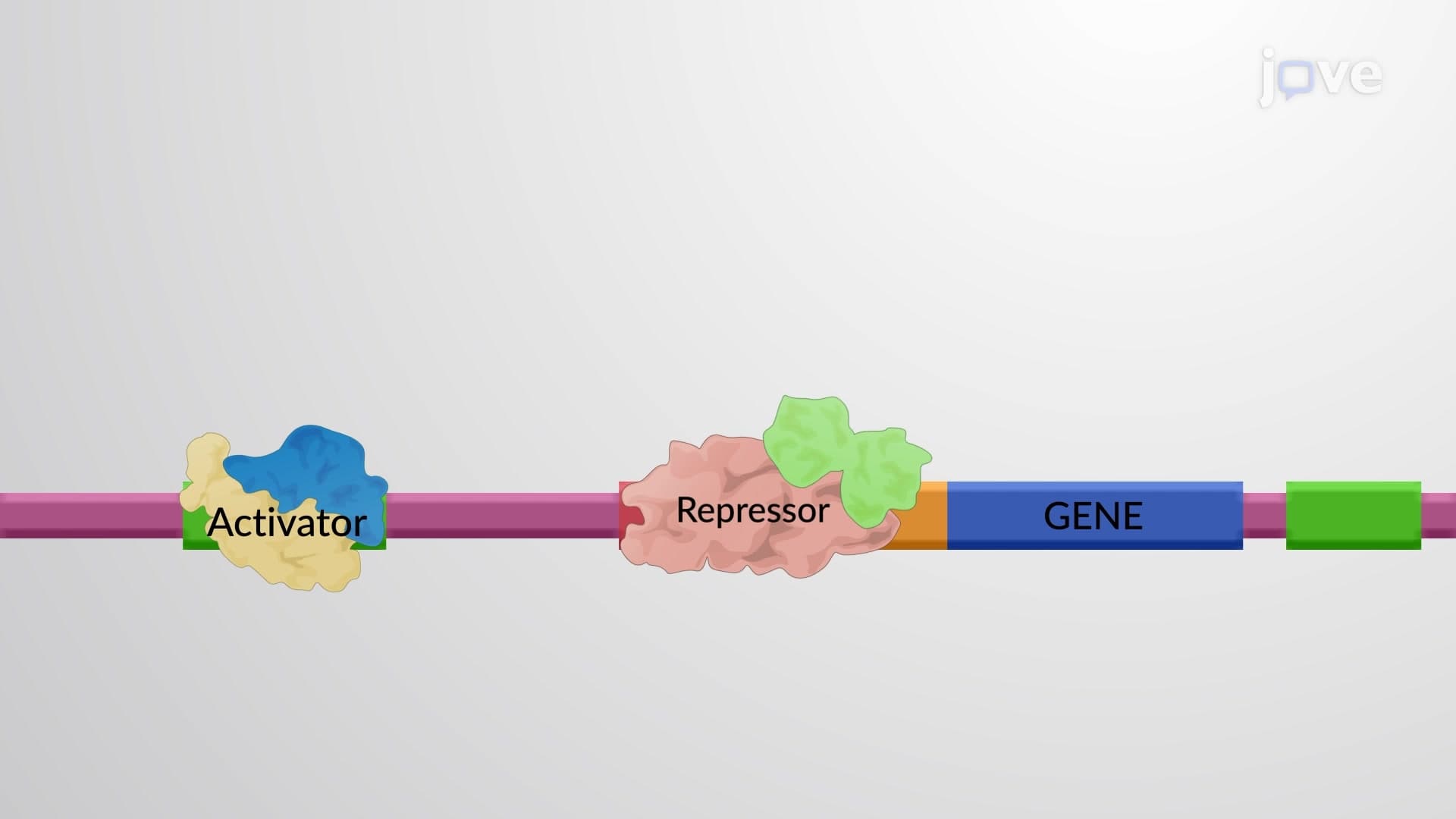
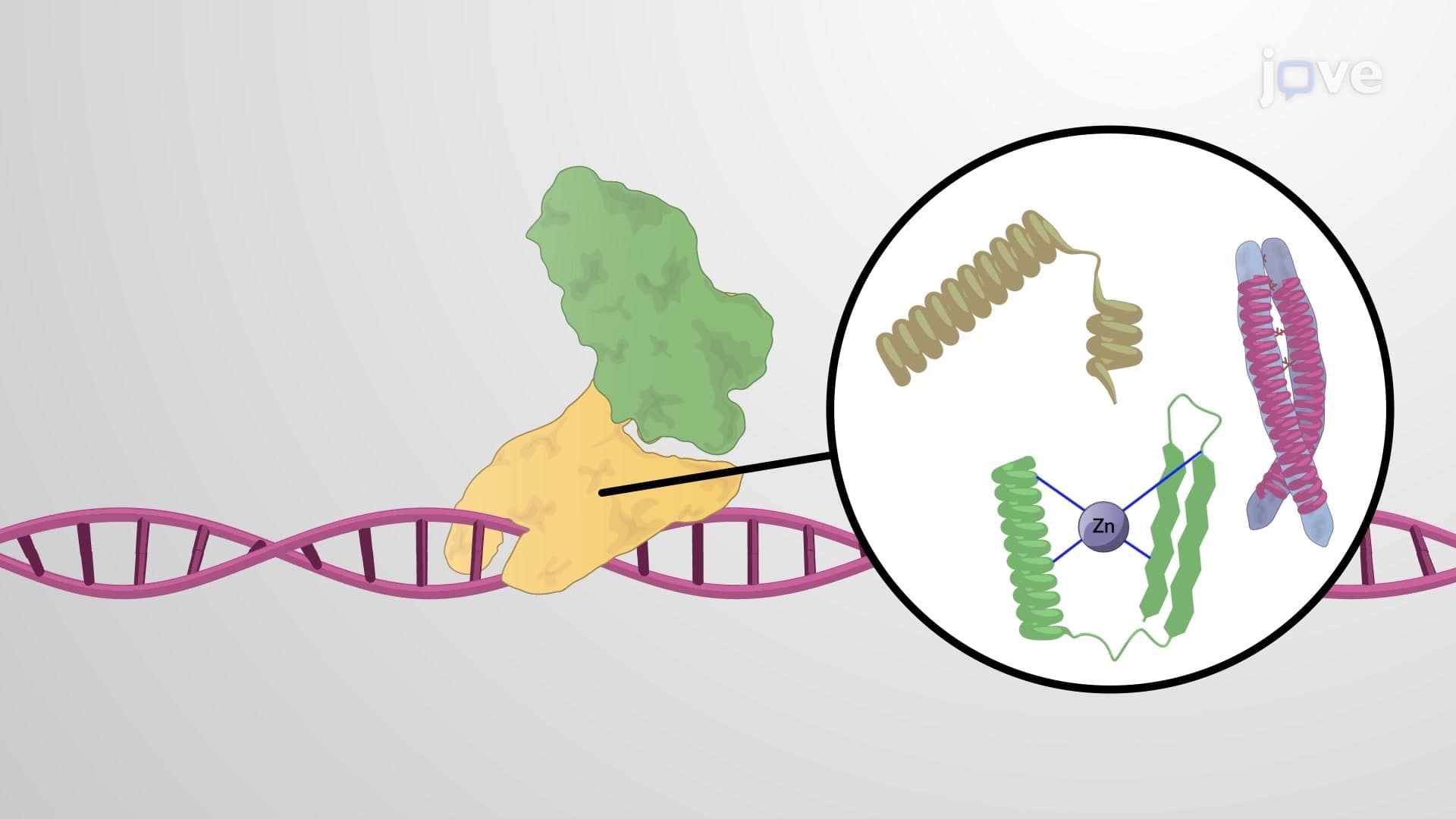
The most straightforward way master transcription regulators exert control is through direct DNA binding. These proteins recognize specific cis-regulatory sequences-short DNA motifs located near their target genes. MyoD exemplifies this direct approach beautifully. This master regulator binds to E-box sequences (typically CANNTG motifs) found in the regulatory regions of muscle-specific genes like myosin heavy chain and desmin. When MyoD attaches to these sequences, it recruits additional cofactors that either enhance or silence transcription, depending on the cellular context.
This direct binding mechanism is particularly relevant for students preparing for the MCAT or AP Biology exams, where understanding protein-DNA interactions is crucial. The specificity of these interactions ensures that muscle genes aren't accidentally activated in brain cells, maintaining proper cellular identity throughout an organism's development.
Indirect Control: Orchestrating Transcriptional Cascades
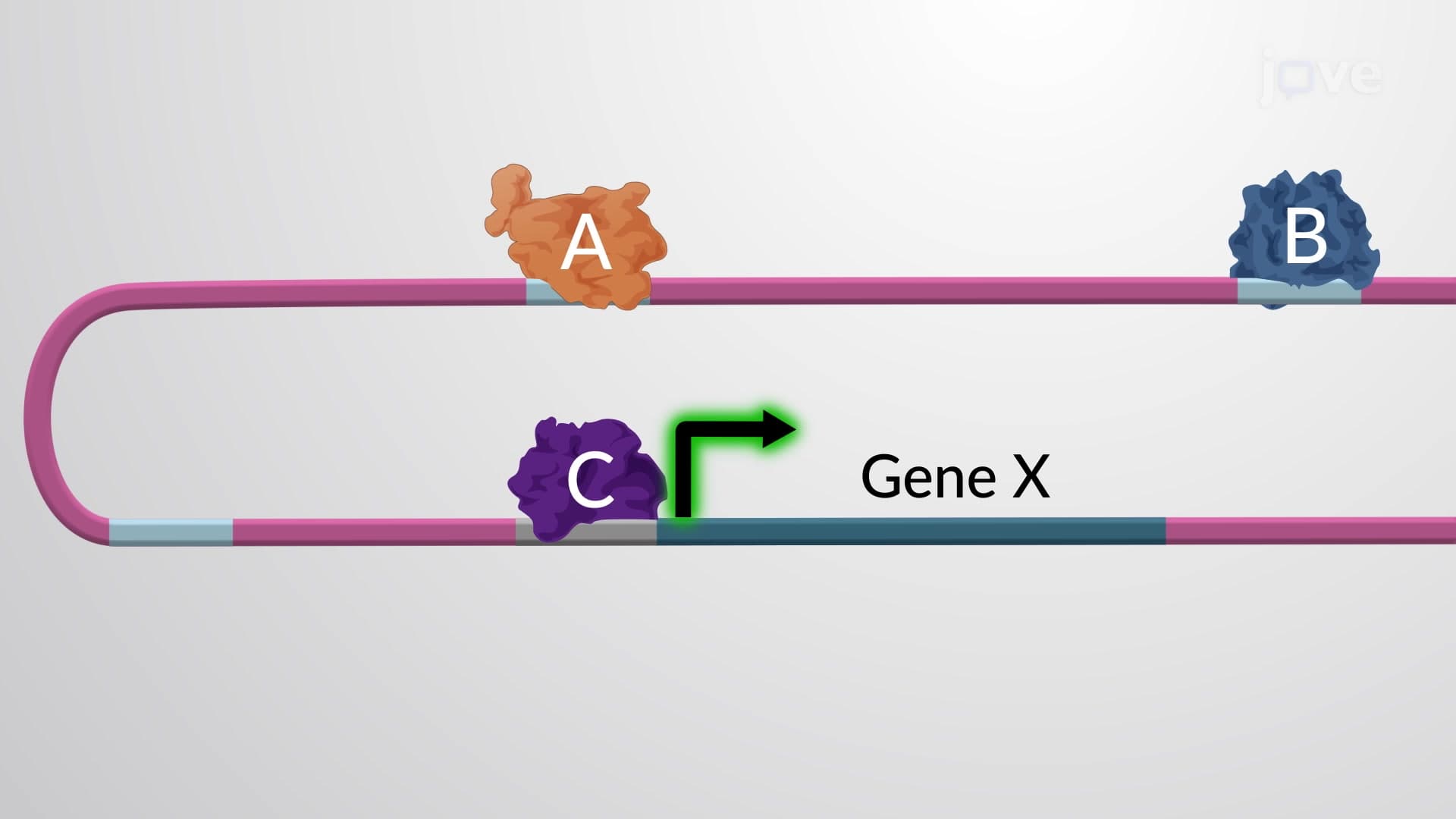
Perhaps even more fascinating is how master regulators work indirectly by controlling other transcription factors. MyoD doesn't just activate structural muscle proteins-it also induces the expression of secondary regulators like MEF2 (myocyte enhancer factor 2). This creates a transcriptional cascade where one master regulator triggers a network of downstream factors, each responsible for different aspects of muscle development and maintenance.
This hierarchical organization is critical for understanding developmental biology concepts that frequently appear in college-level genetics courses. Students often encounter questions about transcriptional networks on exams, particularly regarding how disruption at the master regulator level can have widespread downstream effects.
Cooperative Networks and Feedback Loops
Master transcription regulators rarely work in isolation. The PPAR-γ and C/EBPα partnership in fat cell development demonstrates sophisticated cooperative control. These proteins not only work together to activate adipocyte-specific genes but also regulate each other's expression, creating a positive feedback loop that reinforces the fat cell developmental program. This self-reinforcing mechanism ensures that once differentiation begins, the cell commits fully to its new identity.
Understanding these cooperative networks helps explain clinical conditions like lipodystrophy, where mutations in master regulators lead to abnormal fat distribution patterns seen in American patients with genetic metabolic disorders.
Frequently Asked Questions
A master transcription regulator is a specialized protein that controls the expression of large networks of genes, often hundreds at once, typically involved in major cellular processes like differentiation. Unlike regular transcription factors that might control just a few related genes, master regulators coordinate entire developmental programs and can single-handedly determine cell fate. They serve as the primary switches that convert stem cells into specialized cell types like muscle fibers, neurons, or fat cells.
For MCAT success, focus on MyoD (muscle development), PPAR-γ/C/EBPα (fat cell formation), and the Oct4/Sox2/Nanog network (stem cell maintenance). These examples frequently appear in passages about development and gene regulation. Understanding how MyoD creates transcriptional cascades and how PPAR-γ/C/EBPα form positive feedback loops will help you tackle complex reasoning questions about cellular differentiation and regulatory networks.
AP Biology often tests master transcription regulators through free-response questions about gene regulation and development. Expect to analyze scenarios where students must predict the effects of master regulator mutations or explain how these proteins coordinate cellular differentiation. Focus on understanding both direct DNA binding mechanisms and indirect cascade effects, as these concepts frequently appear in experimental analysis questions.
Defective master regulators cause numerous American patients' conditions, including myopathies from MyoD pathway disruption and lipodystrophy syndromes from PPAR-γ mutations. Duchenne muscular dystrophy involves downstream targets of muscle master regulators, while certain diabetes cases stem from adipocyte master regulator dysfunction. Cancer research increasingly focuses on how oncogenes can hijack master regulatory networks, leading to abnormal cell proliferation patterns.
No advanced biochemistry background is required to grasp these concepts effectively. While protein structure knowledge helps, the key is understanding the logical flow: master regulators bind specific DNA sequences, recruit helper proteins, and either increase or decrease target gene expression. Focus on the cause-and-effect relationships rather than detailed molecular mechanisms. High school chemistry and basic protein concepts provide sufficient foundation for exam success.
Create association chains linking each master regulator to its function and key target genes. For MyoD, remember "Muscle Development" → myosin and desmin. For PPAR-γ, think "Pretty Plump Adipocytes" → fat cell genes. Use the feedback loop concept as a memory anchor-master regulators that regulate each other create stronger, more stable cell fates. Practice drawing simple diagrams showing these regulatory relationships rather than just memorizing names.
Master transcription regulators are central to both maintaining stem cell identity and triggering differentiation into specialized cell types. Oct4 and Sox2 keep embryonic stem cells in their undifferentiated state, while other master regulators like MyoD push cells toward specific fates. This knowledge is crucial for understanding regenerative medicine approaches being developed in American research institutions. The ability to manipulate these regulatory networks holds promise for treating conditions like Parkinson's disease and heart failure through controlled cell replacement therapies.
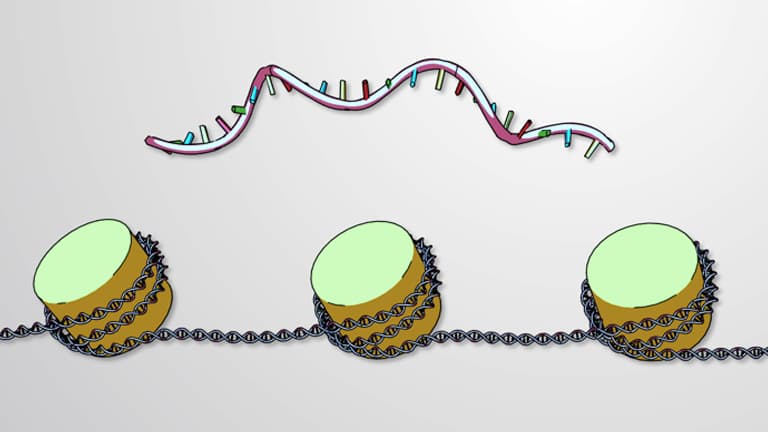
Progress to epigenetic regulation, chromatin remodeling complexes, and enhancer-promoter looping mechanisms that master regulators use to access their target genes. Study how post-translational modifications affect master regulator activity and explore the role of non-coding RNAs in fine-tuning these regulatory networks. Understanding these advanced mechanisms will prepare you for upper-level genetics courses and provide insight into cutting-edge research in developmental biology and cancer therapeutics.
Related Micro-courses