Loading subject page…

- Molecular Biology
- Gene Expression
- Eukaryotic Transcription Activators
Micro-course: Gene Expression
225,811 views
Learn key concepts and earn your certificate.

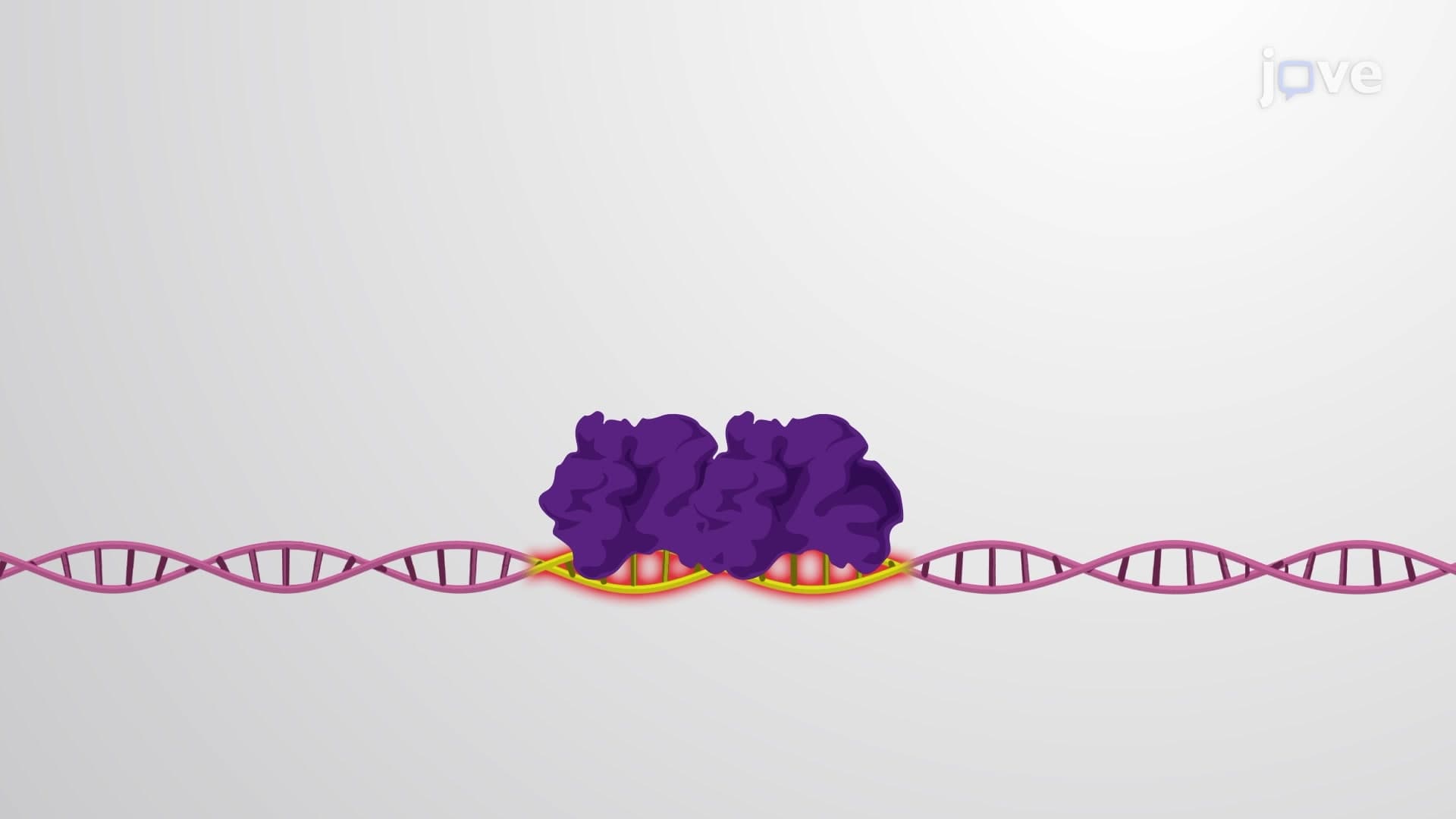
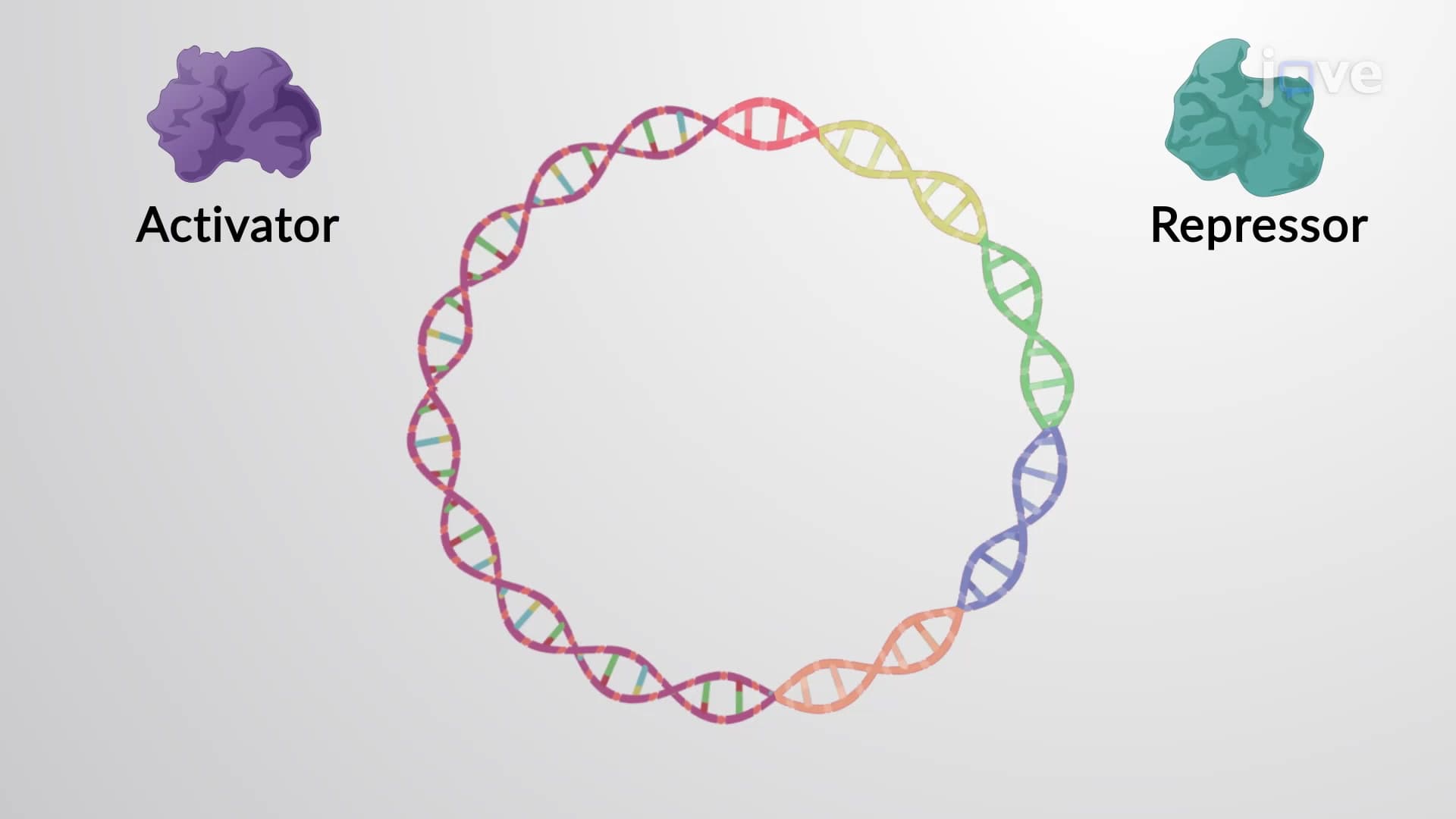
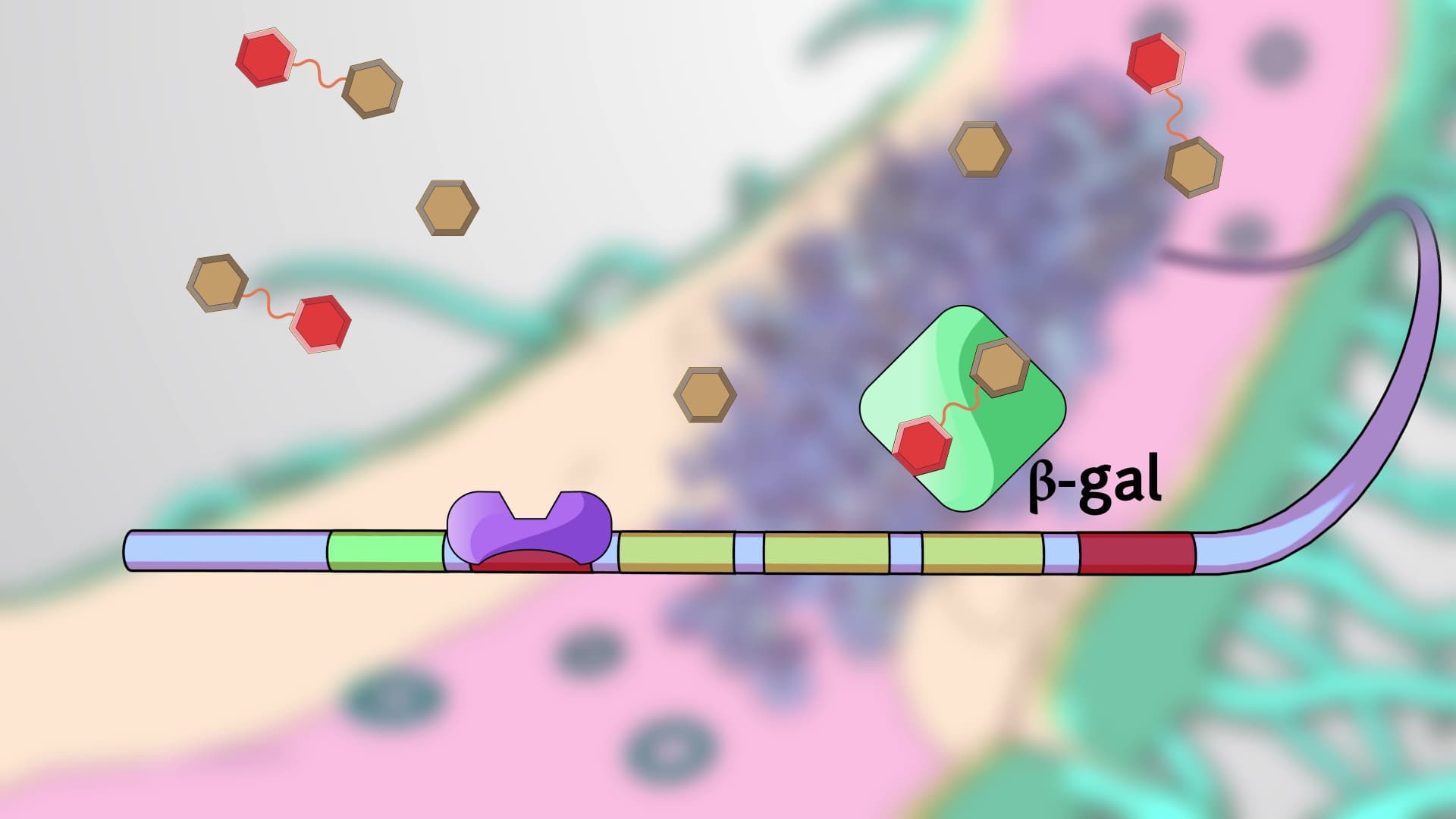
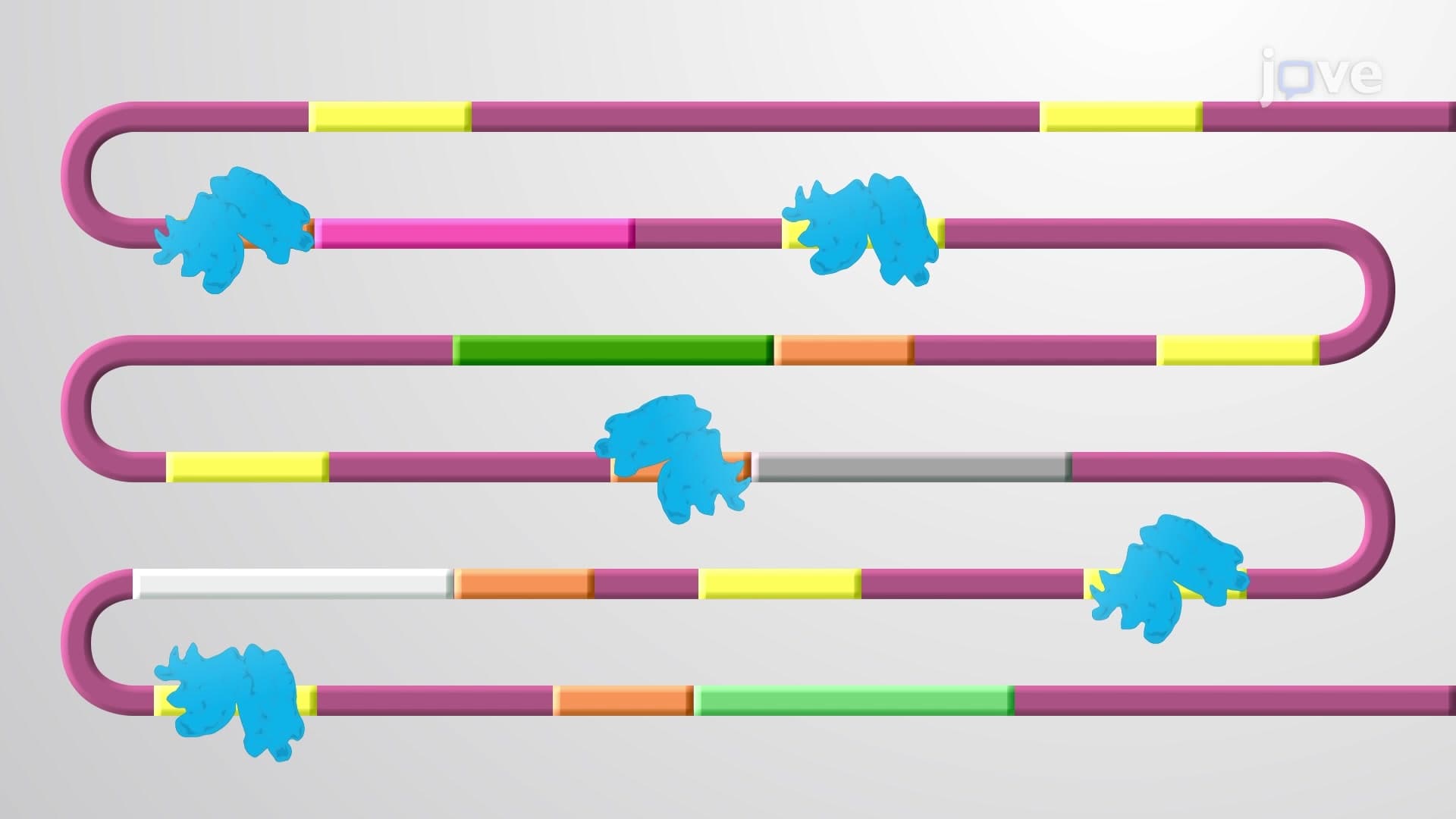
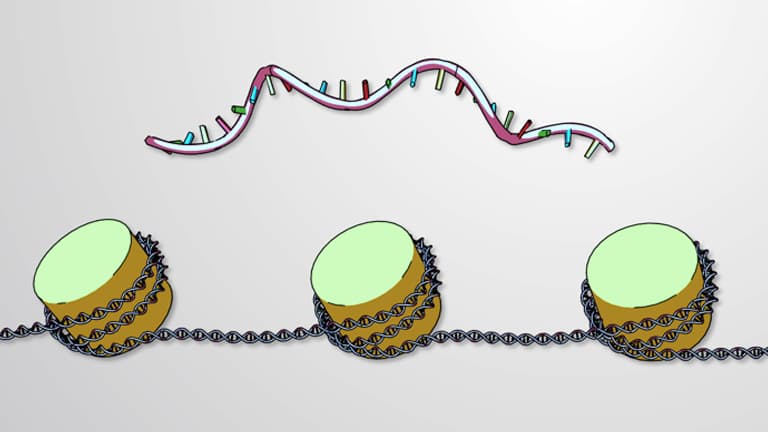
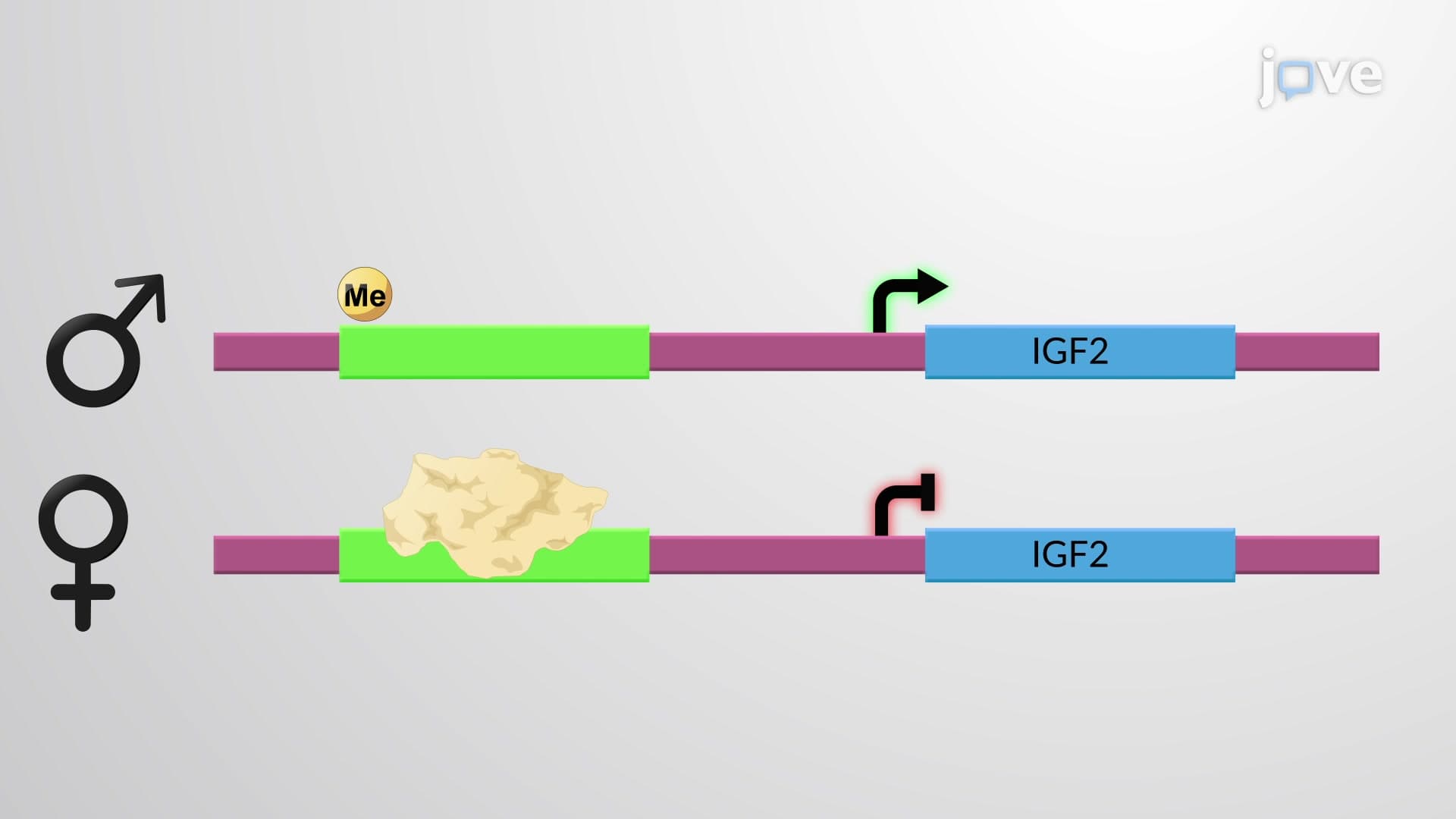
Eukaryotic Transcription Activators

00:00
02:42
Video Summary: What are Eukaryotic Transcription Activators
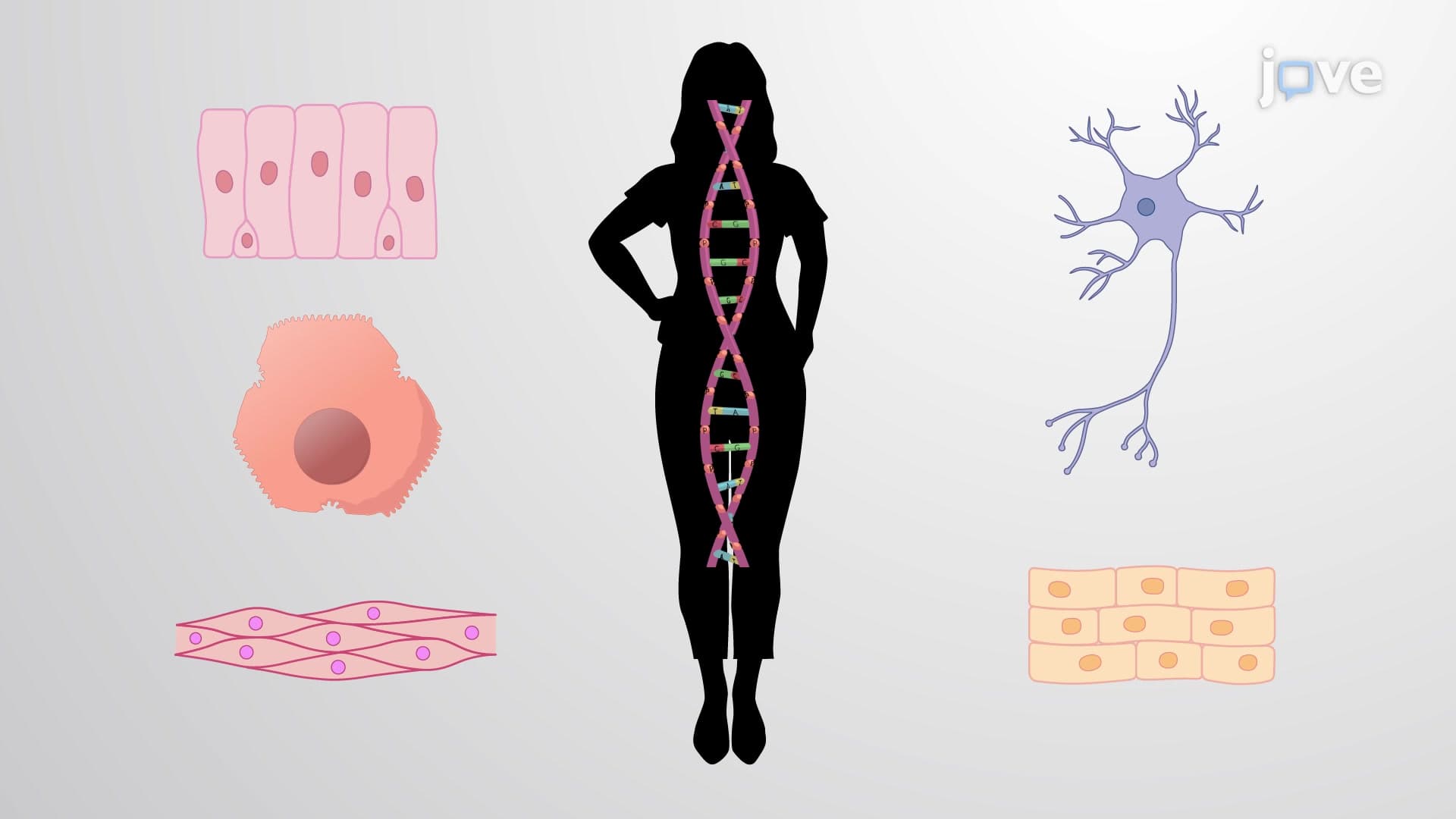
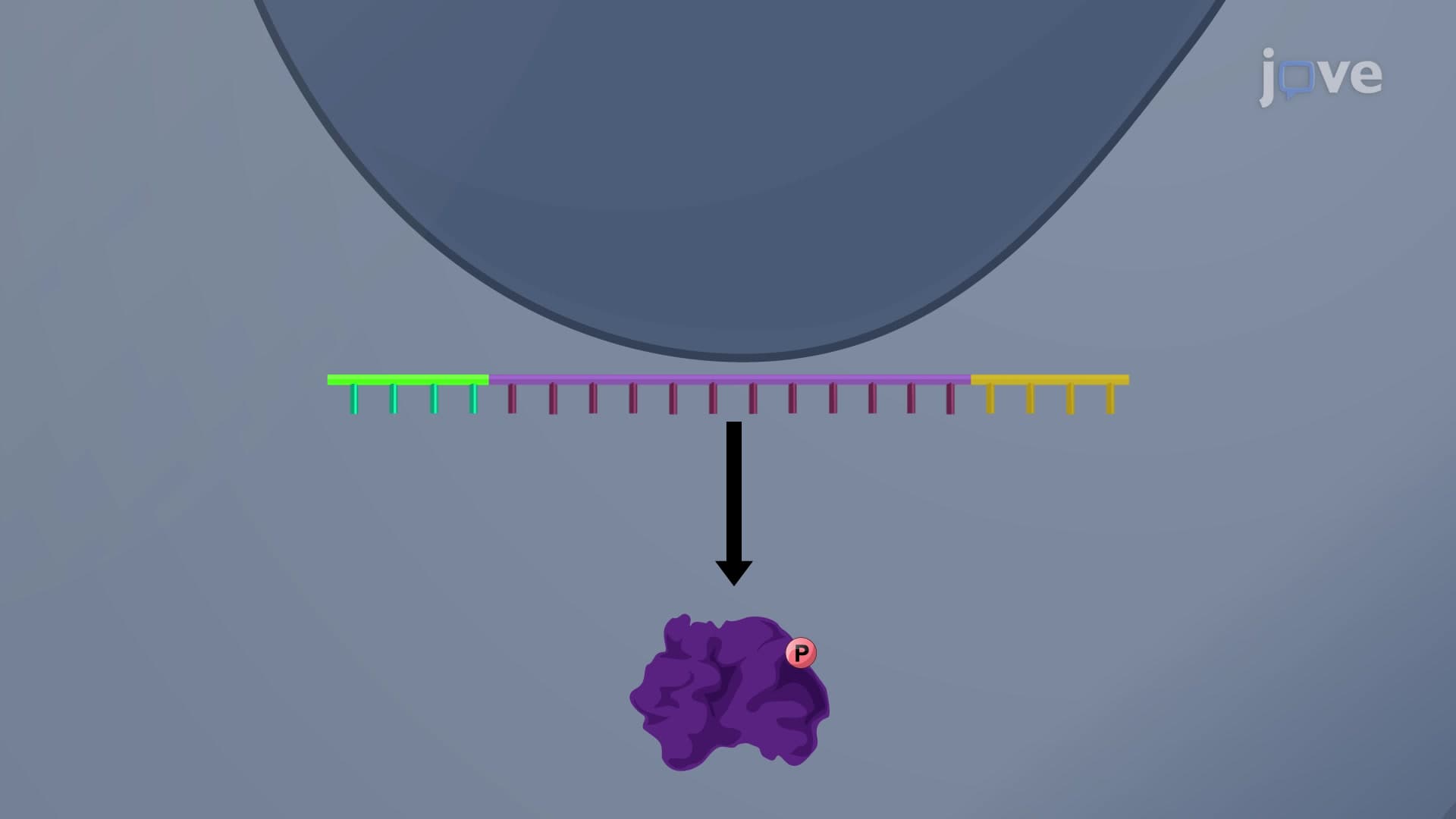
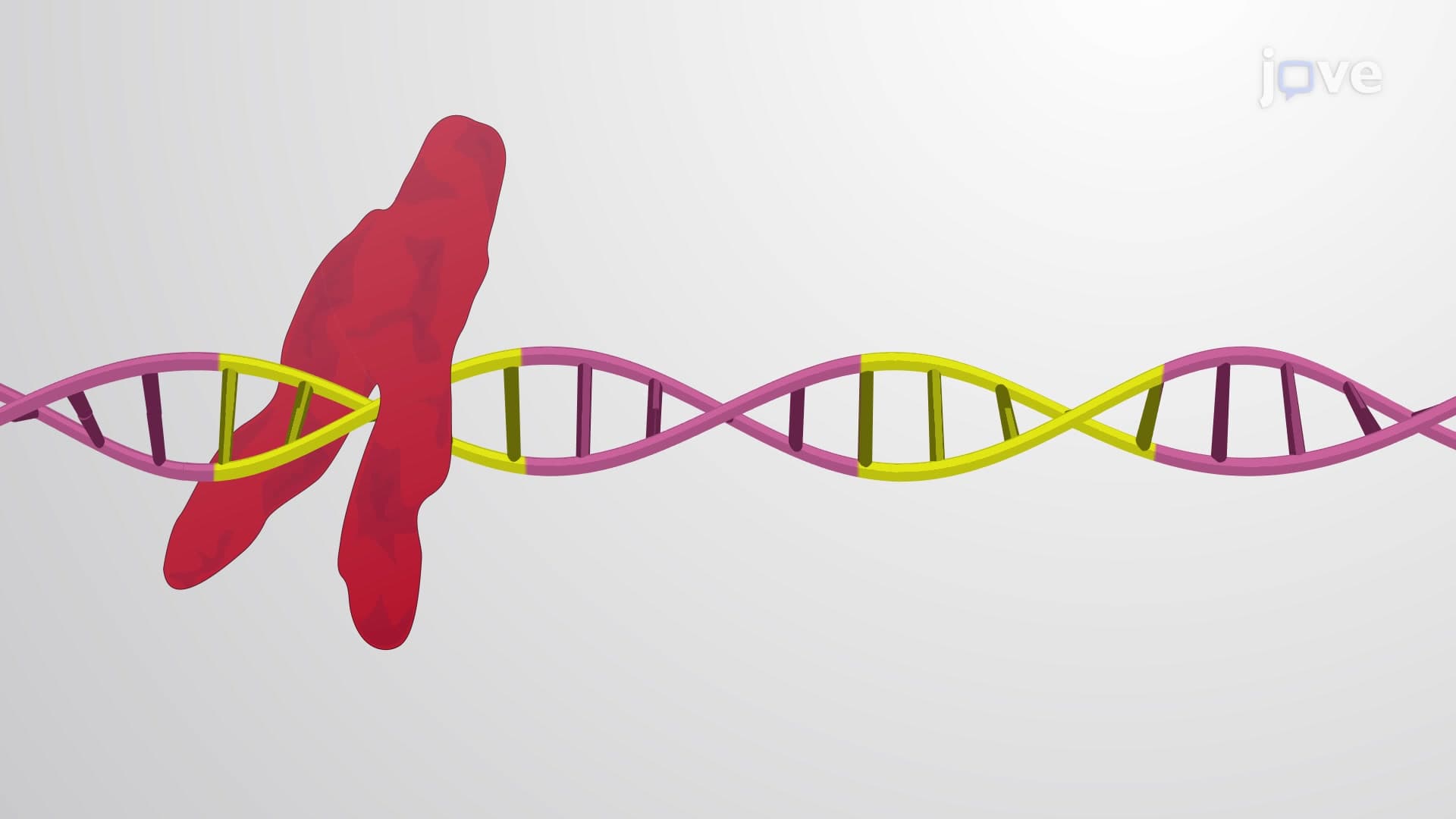
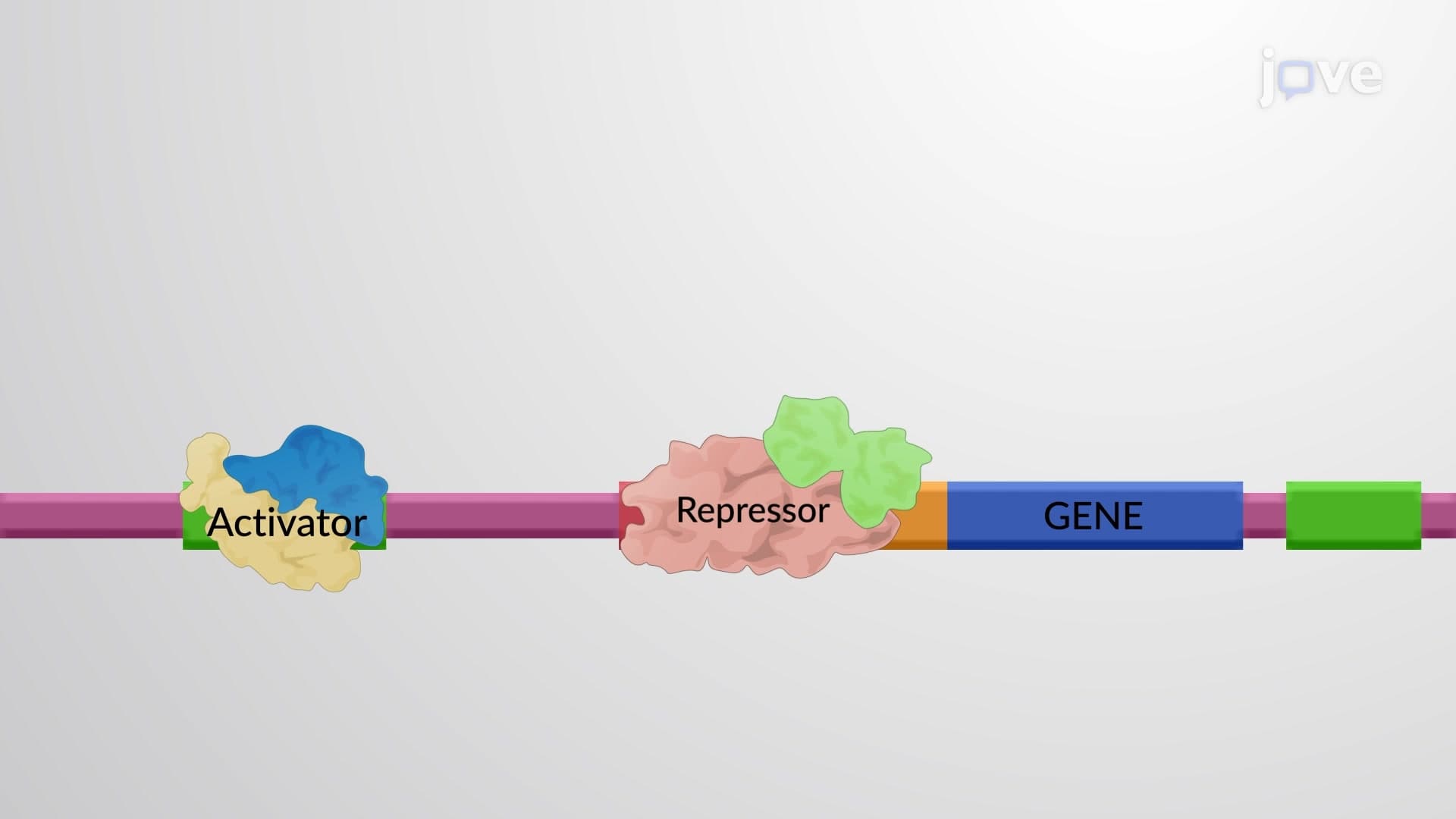
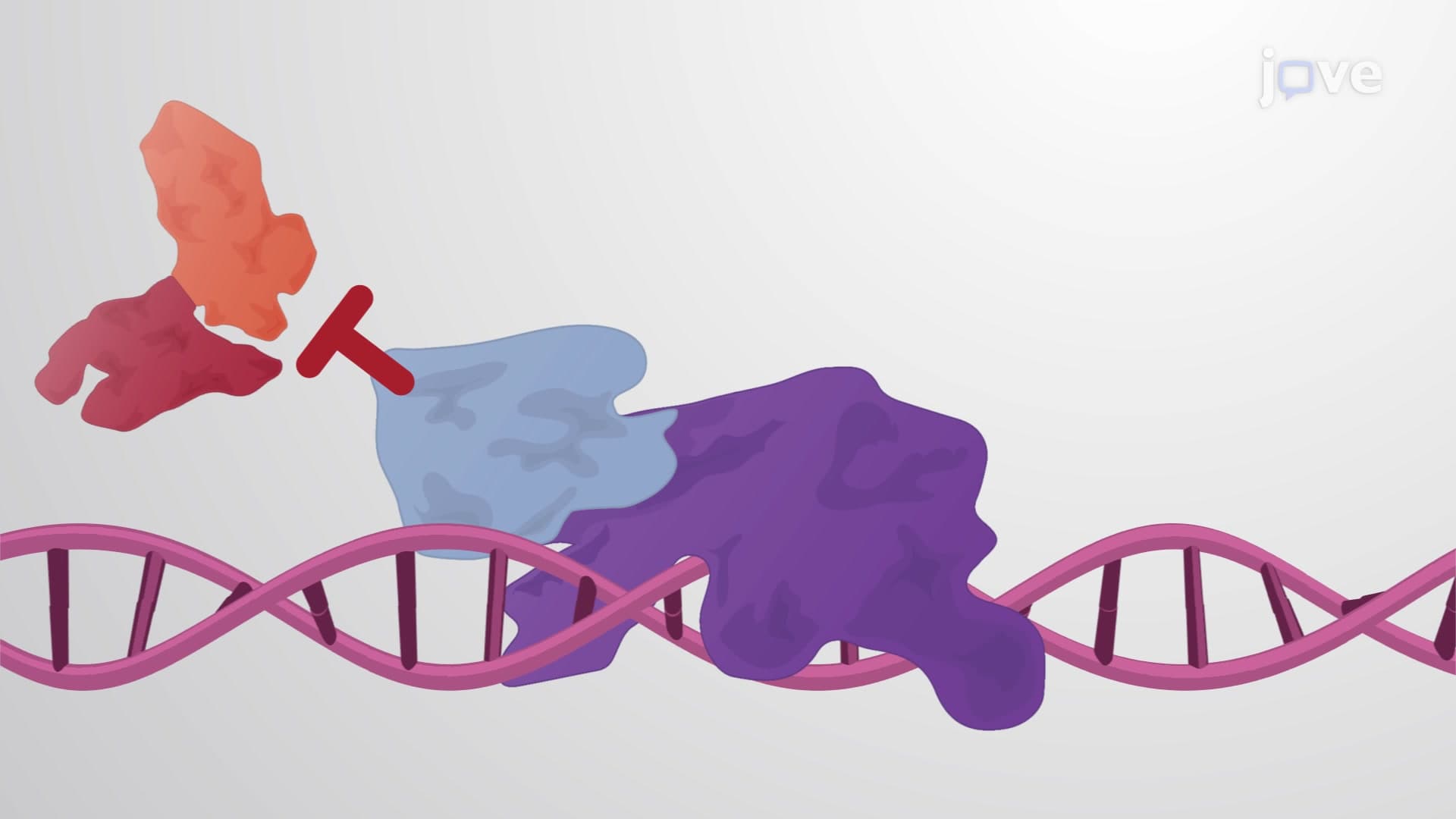
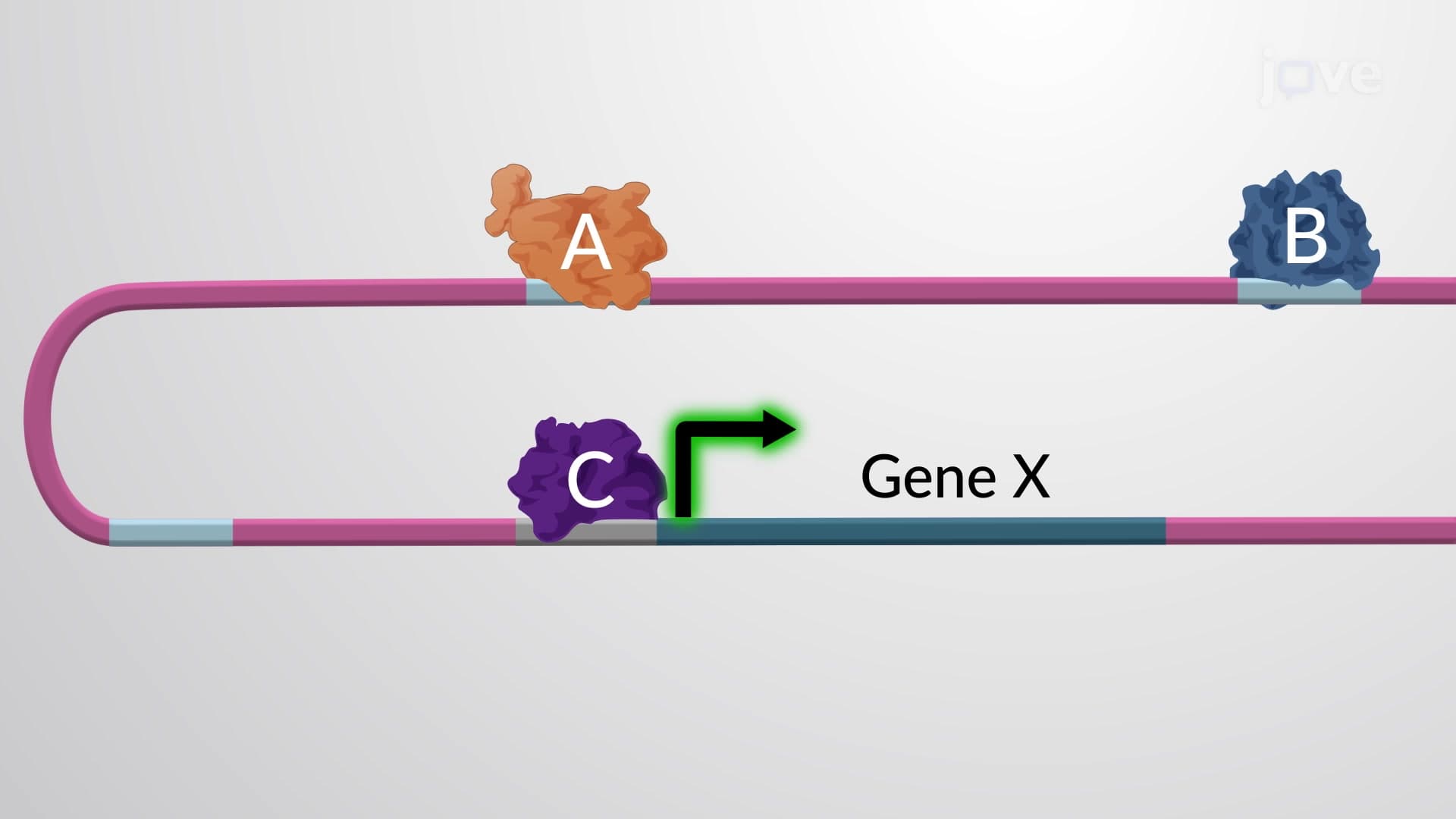
Did you know that a single human gene can be controlled by dozens of different protein switches? Eukaryotic transcription activators are specialized proteins that act like molecular switches, telling RNA polymerase when and where to start making RNA copies of genes. These proteins are crucial for processes like insulin production in pancreatic cells during diabetes treatment. What are eukaryotic transcription activators becomes clearer when you understand their two-part structure: DNA-binding domains and activation domains that work together to control gene expression. Watch the full video on JoVE Coach to master this concept with expert-led visuals and step-by-step explanations.
- Understand what are eukaryotic transcription activators and their essential role in controlling gene expression in complex organisms
- Identify the two main functional domains of transcription activators: DNA-binding domains and transcription-activating domains
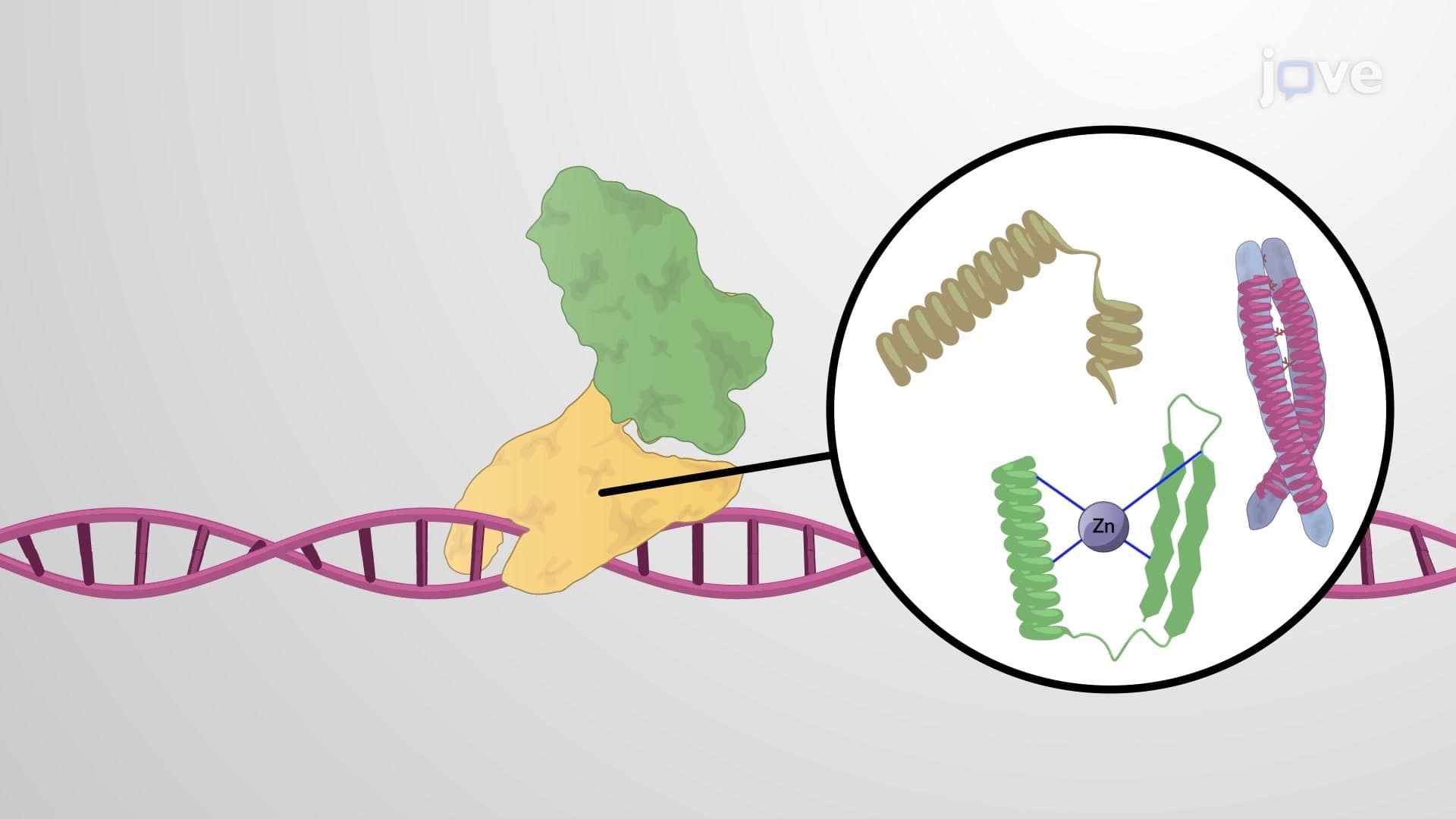
- Analyze the three major types of eukaryotic transcription activators based on their DNA-binding motifs: helix-turn-helix, zinc finger, and leucine zipper
- Compare structural features of different DNA-binding motifs and how they interact with the major groove of DNA
- Evaluate the role of co-activators in mediating communication between transcription activators and RNA polymerase
- Apply knowledge of activator mechanisms to explain how histone modification and polymerase activation promote gene transcription
- Recognize synergistic effects when multiple activators work together to dramatically increase transcription rates
- Explore real-world implications of transcription activator function in human health and disease
Understanding Eukaryotic Transcription Activators: The Master Controllers
Eukaryotic transcription activators represent one of the most sophisticated regulatory systems in biology, far more complex than their prokaryotic counterparts. Unlike bacteria, where transcription control is relatively straightforward, eukaryotic cells must coordinate the expression of thousands of genes across different tissues and developmental stages. This complexity is evident in human diseases like cancer, where mutations in transcription activators can lead to uncontrolled cell growth.
Types of Eukaryotic Transcription Activators: Structural Diversity
The types of eukaryotic transcription activators are primarily classified by their DNA-binding domains, each evolved for specific recognition tasks. The helix-turn-helix motif, commonly found in homeotic proteins like those controlling embryonic development, uses its recognition helix to read specific DNA sequences in the major groove. Students preparing for the MCAT will encounter this structure frequently in developmental biology questions.
Zinc finger proteins represent the largest family of transcription factors in humans, with over 700 different types. These activators are particularly important in hormone regulation-for example, steroid hormone receptors use zinc finger domains to activate genes in response to cortisol or estrogen. The leucine zipper structure creates Y-shaped dimers that are essential for stress response genes, such as those activated during cellular damage from UV radiation.
Mechanisms of Transcriptional Activation: Beyond DNA Binding
The transcription-activating domain works through sophisticated protein-protein interactions with co-activators and the transcriptional machinery. In AP Biology courses, students learn how these domains can modify chromatin structure through histone acetyltransferases, making DNA more accessible for transcription. This mechanism is crucial in understanding epigenetic regulation and its role in diseases like Alzheimer's, where chromatin modifications affect memory-related gene expression.
Clinical and Research Applications
Understanding eukaryotic transcription activators is essential for modern medicine and biotechnology. Many cancer treatments target specific transcription factors-for example, drugs that inhibit the MYC transcription factor are being developed for lymphomas. In gene therapy research at institutions like the NIH, scientists engineer synthetic transcription activators to treat genetic diseases by boosting expression of therapeutic genes.
Frequently Asked Questions
Eukaryotic transcription activators are complex proteins that control gene expression by binding to specific DNA sequences and recruiting RNA polymerase II. Unlike prokaryotic regulators, they work with chromatin-packaged DNA and require co-activators to communicate with the transcription machinery. They're essential for the sophisticated gene regulation needed in multicellular organisms like humans.
The three major types are classified by their DNA-binding motifs: helix-turn-helix (found in developmental regulators), zinc finger (the largest family, including hormone receptors), and leucine zipper (important for stress response). Each type recognizes different DNA sequences and has distinct regulatory functions that appear frequently on the MCAT and AP Biology exams.
MCAT questions often focus on activator structure-function relationships, especially zinc finger proteins in hormone signaling pathways. You'll encounter passages about cancer research involving transcription factor mutations, chromatin modification mechanisms, and gene therapy applications. Practice identifying DNA-binding motifs and understanding how co-activators bridge activators to RNA polymerase.
Cell Biology, Molecular Biology, and Biochemistry courses extensively cover these proteins, typically in junior-level coursework. Genetics courses examine their role in development and disease, while Immunology explores their function in immune cell activation. Advanced courses in Gene Regulation and Cancer Biology provide the most detailed coverage for pre-med and research-track students.
Cancer treatment represents the largest clinical application, with drugs targeting oncogenic transcription factors like MYC and p53. Gene therapy uses engineered activators to treat inherited diseases, while hormone replacement therapies work through nuclear receptor transcription factors. Understanding these applications is crucial for students pursuing medical or pharmaceutical careers.
Basic biochemistry is sufficient-you need to understand protein structure, DNA-protein interactions, and enzyme function. Most high school AP Chemistry or college-level General Chemistry provides adequate background. The key is understanding how protein domains fold and interact, not memorizing complex reaction mechanisms. Focus on the biological functions rather than detailed chemical structures.
Create comparison charts of the three major DNA-binding motifs, focusing on their structures and functions. Practice drawing the Y-shaped leucine zipper and zinc finger coordinating structures. Use active recall to explain how co-activators work, and connect these concepts to real diseases like cancer and diabetes for better retention and application.
Study epigenetic regulation, including DNA methylation and histone modifications that work alongside transcription activators. Explore enhancer sequences and long-range DNA interactions, then advance to topics like alternative splicing regulation and non-coding RNA interactions. These concepts become important in graduate-level molecular biology and medical school coursework.
Related Micro-courses