Loading subject page…

- Molecular Biology
- Cell Proliferation
- M-Cdk Drives Transition Into Mitosis
Micro-course: Cell Proliferation
72,601 views
Learn key concepts and earn your certificate.

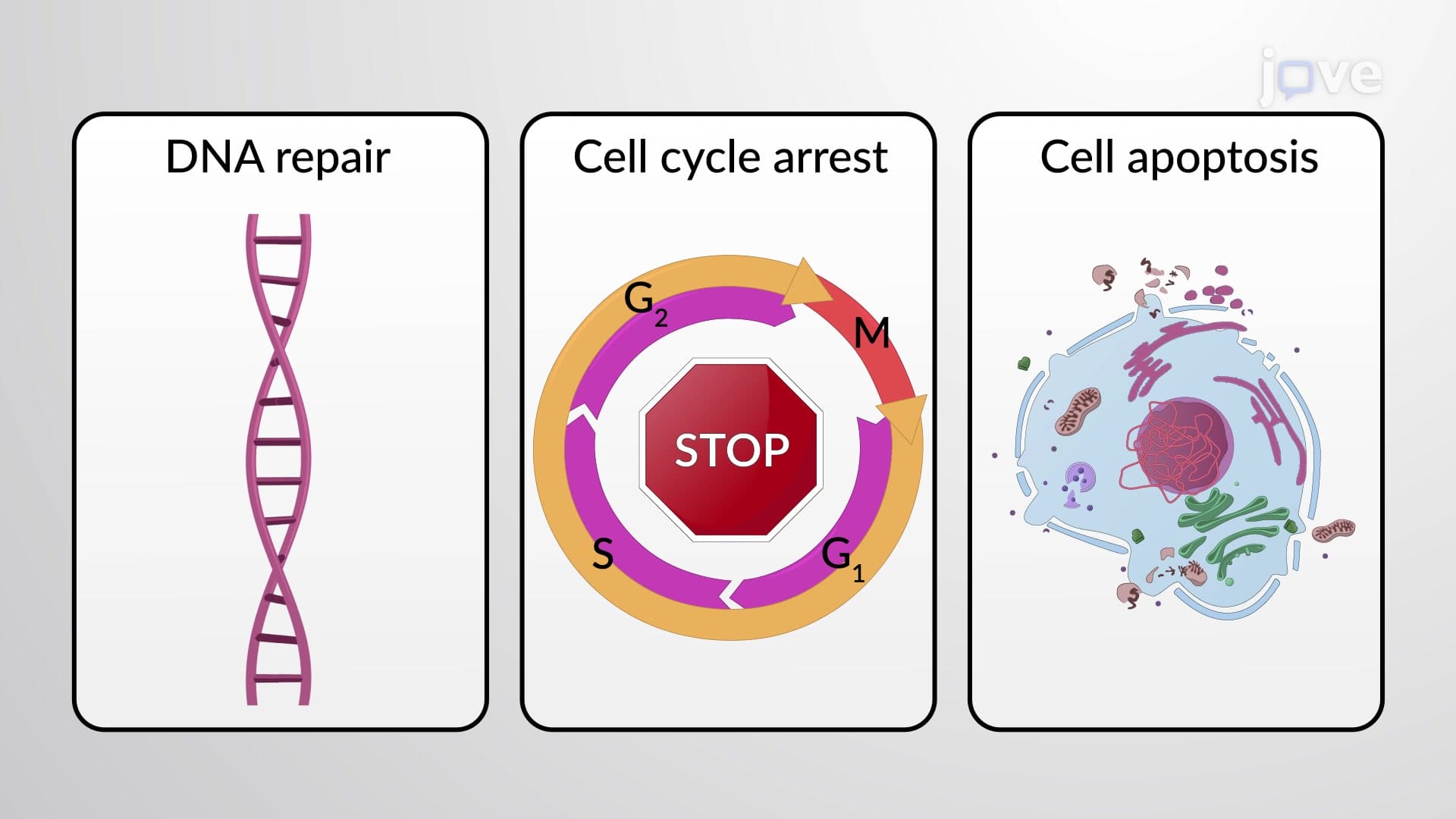
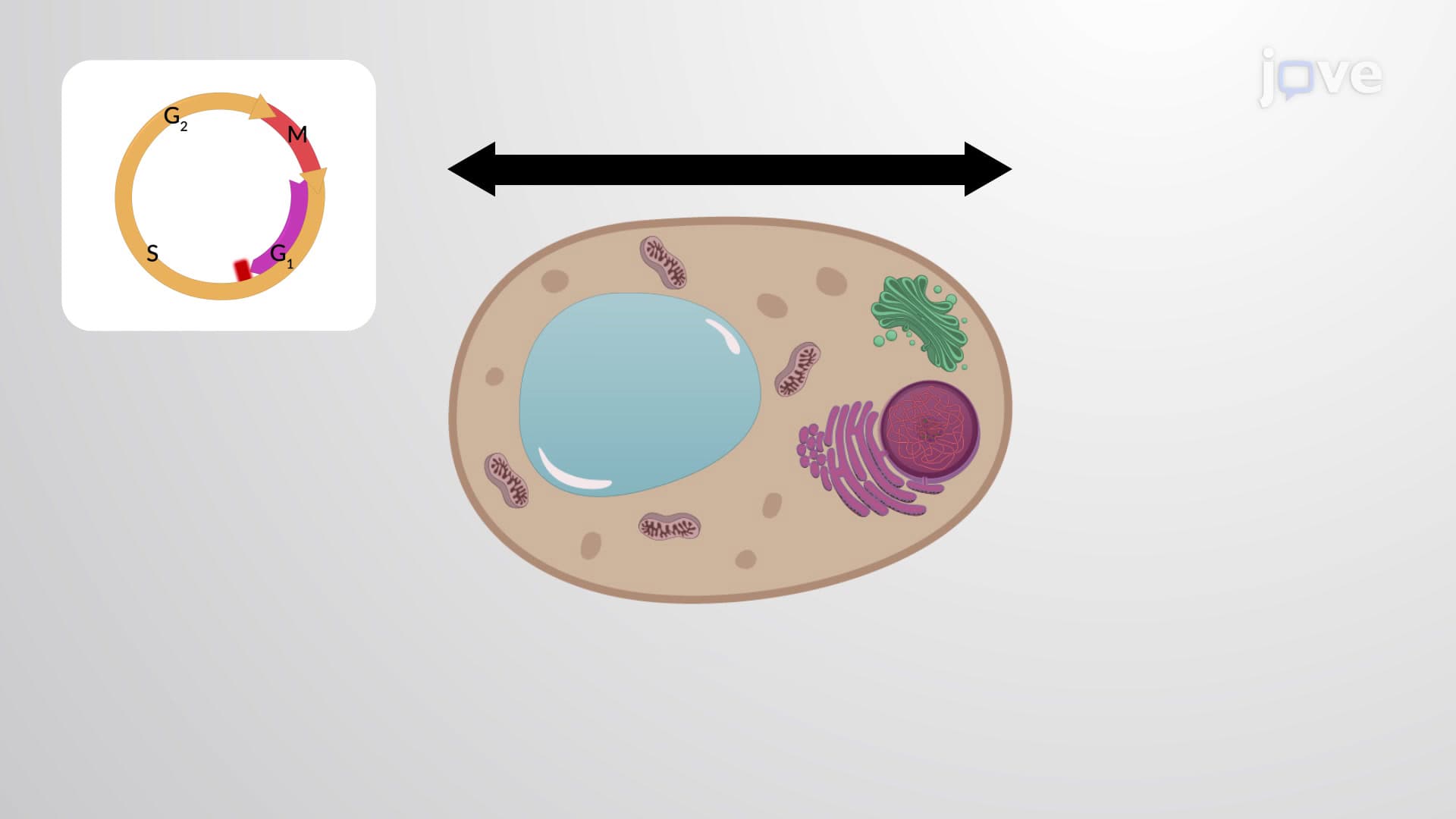
M-Cdk Drives Transition Into Mitosis

00:00
02:15
Video Summary: M Cdk Drives Transition Into Mitosis Explained
Did you know that cancer cells often have defective M-Cdk regulation, causing uncontrolled cell division? M Cdk drives transition into mitosis through a precisely timed activation cascade involving cyclin accumulation and phosphatase regulation. At prestigious research institutions like Johns Hopkins University, scientists study how this molecular switch determines when cells commit to division, impacting everything from wound healing to cancer treatment development. Watch the full video on JoVE Coach to master this concept with expert-led visuals and step-by-step explanations.
- Understand how M Cdk drives transition into mitosis through cyclin-dependent kinase activation and regulatory phosphorylation events
- Identify the key molecular players: Cdk1, M cyclin, Wee1 kinase, Cdc25 phosphatase, and CDK-activating kinase (CAK)
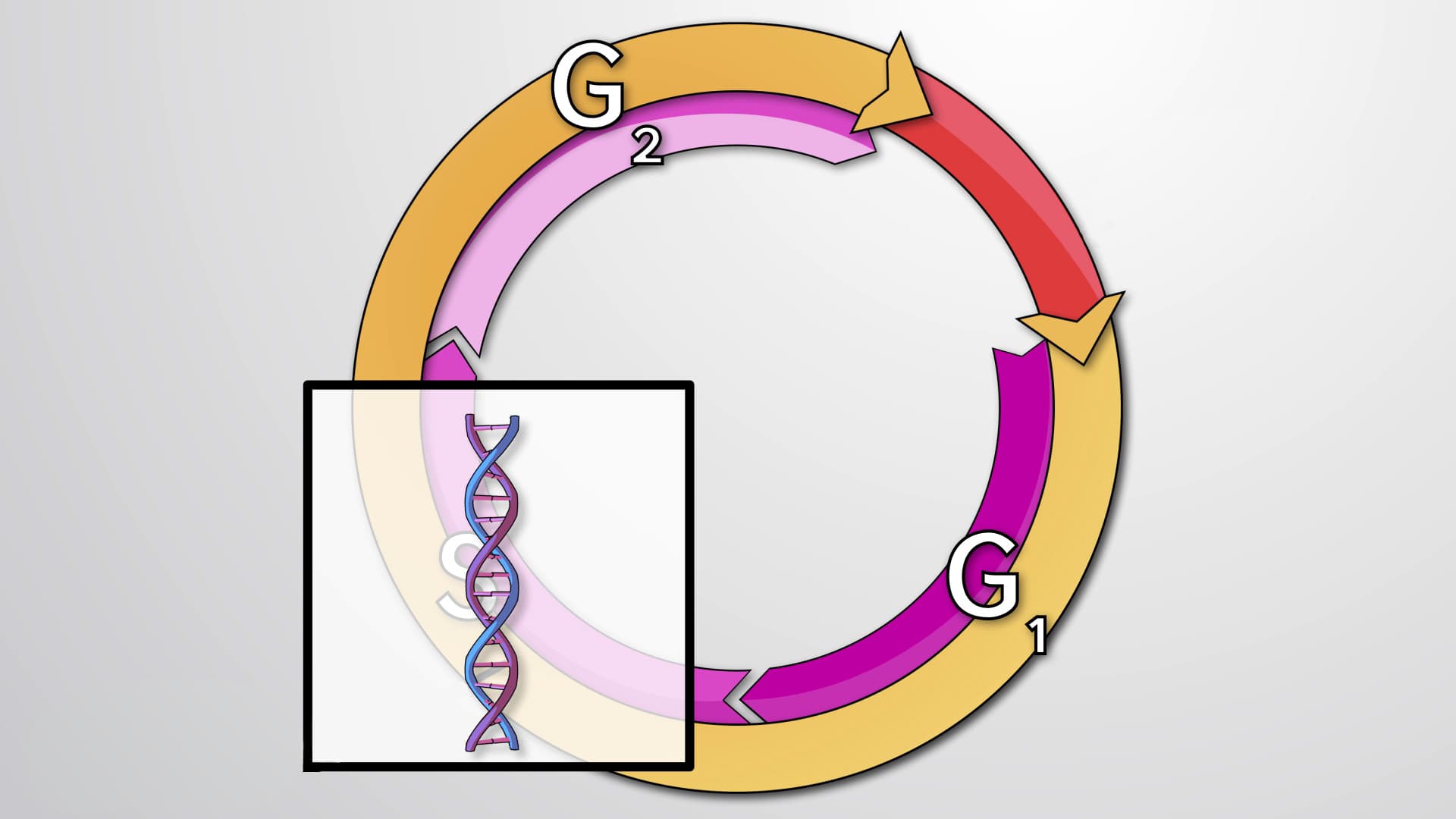
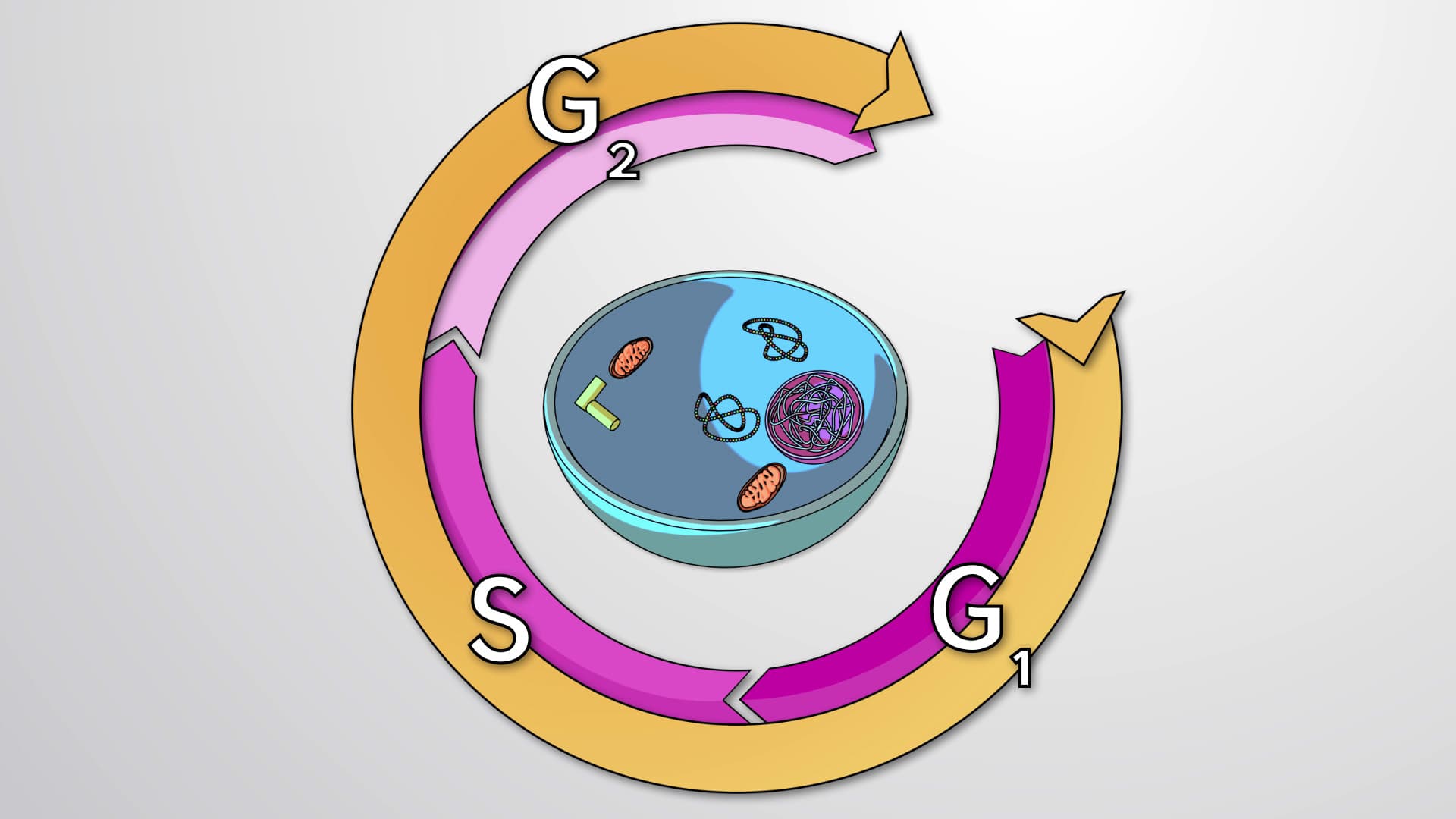
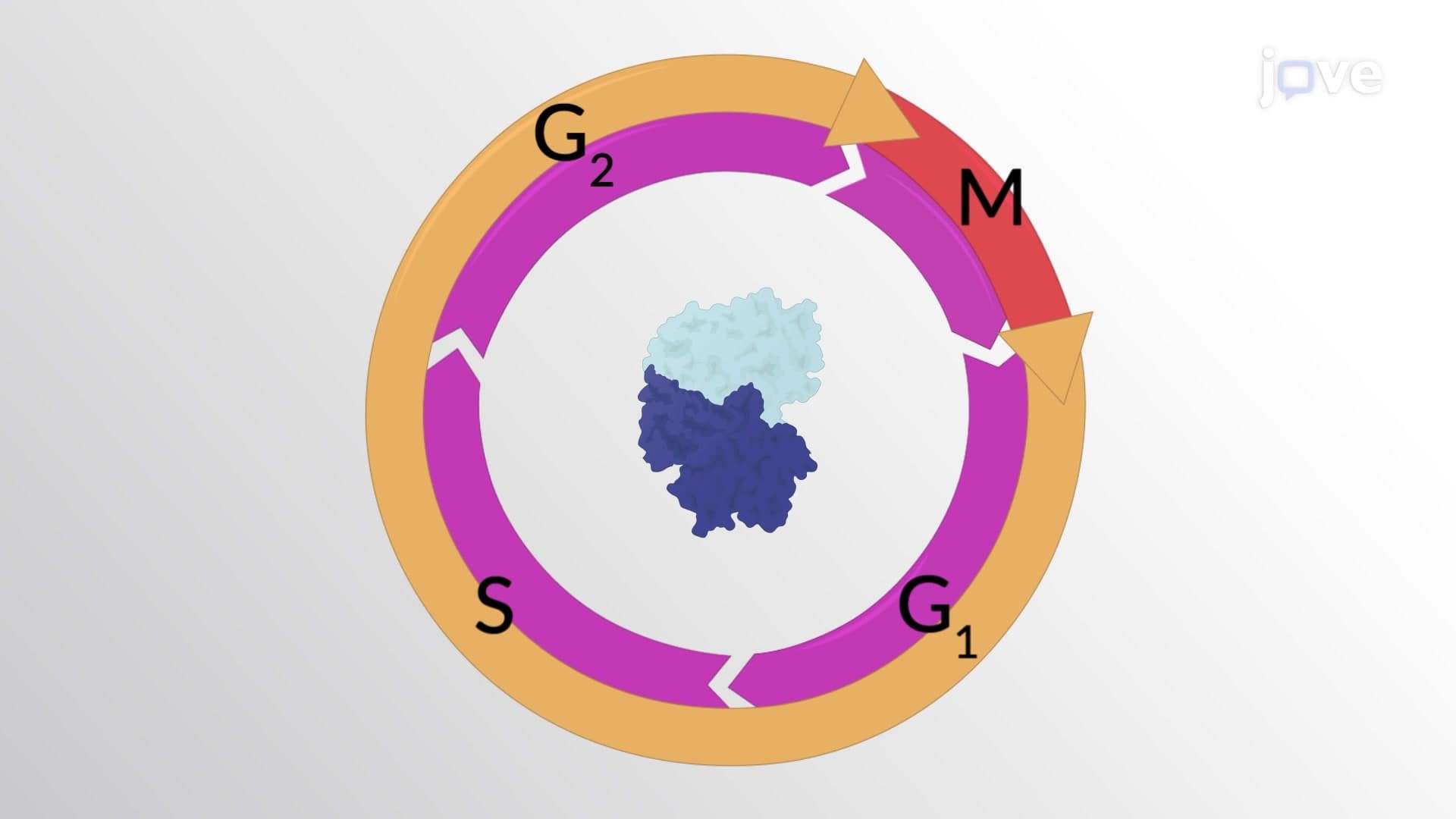
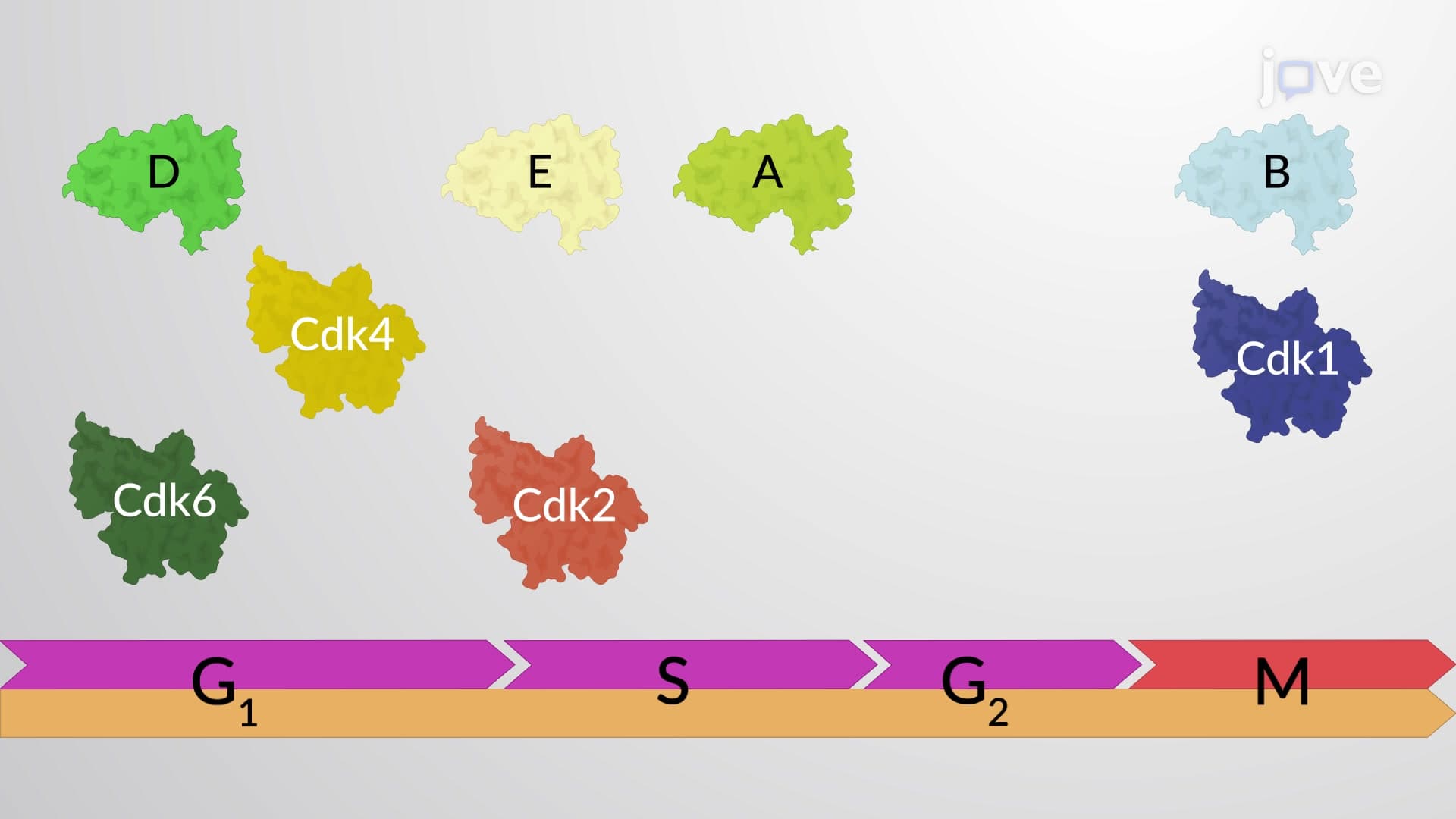
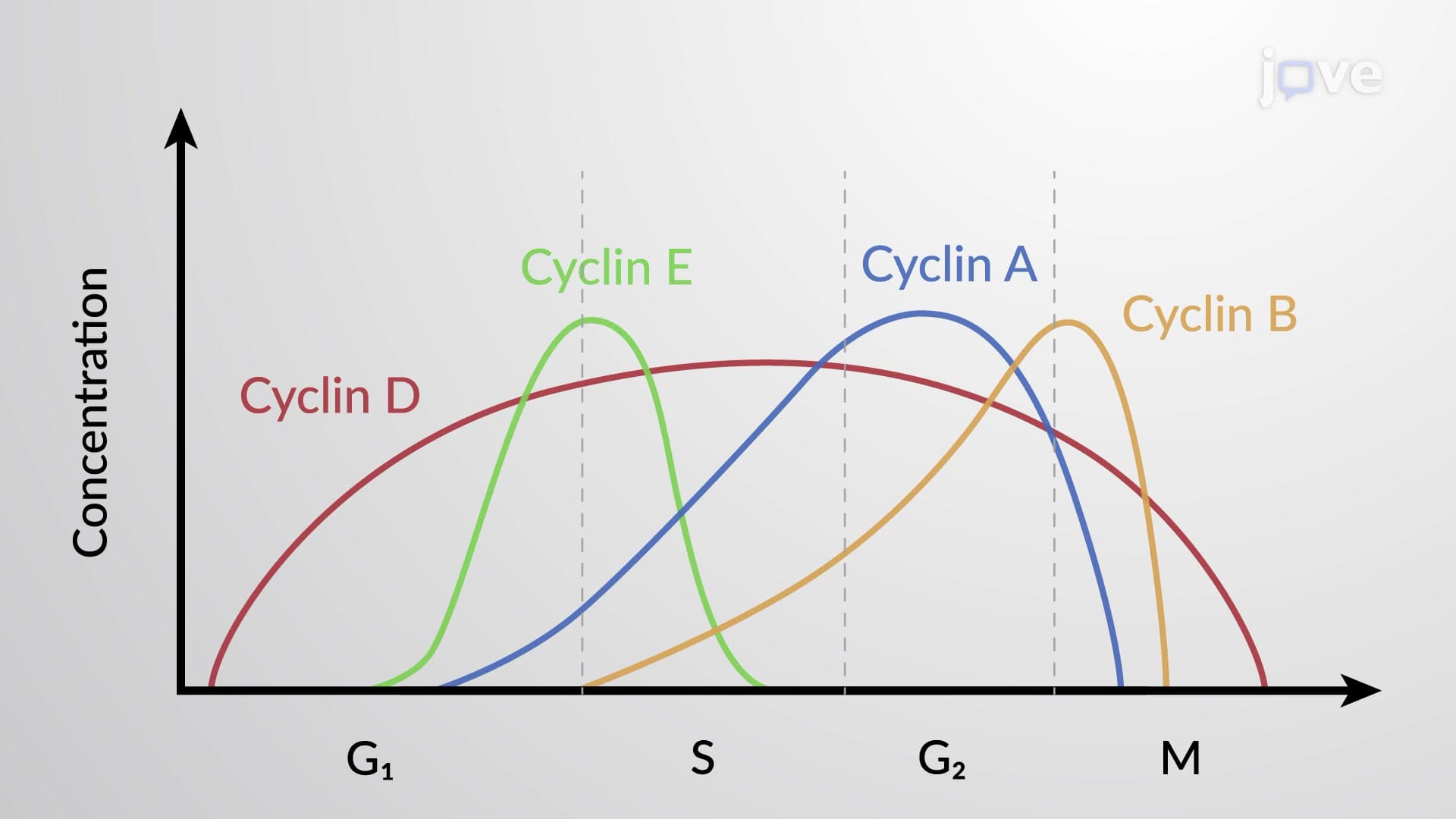
- Analyze the timing of M cyclin accumulation during G2 phase and its role in M-Cdk complex formation
- Compare active versus inactive states of M-Cdk complexes based on phosphorylation patterns at inhibitory and activating sites
- Evaluate the specific mitotic processes controlled by M-Cdk: chromosome condensation, spindle formation, and nuclear envelope breakdown
- Apply knowledge of M-Cdk regulation to explain how cells prevent premature mitotic entry and maintain genomic stability
- Recognize the connection between M-Cdk activity and cytoskeletal reorganization during cell division
- Explore how M-Cdk coordinates organelle redistribution, particularly Golgi apparatus reorganization, during mitosis
How M Cdk Drives Transition Into Mitosis: The Master Switch
The transition from G2 phase into mitosis represents one of biology's most critical checkpoints. M Cdk drives transition into mitosis by acting as a molecular master switch that coordinates dozens of cellular processes simultaneously. This system ensures that cell division occurs only when conditions are optimal-a principle that's fundamental to understanding both normal development and cancer biology.
M-Cdk Complex Assembly and Regulation
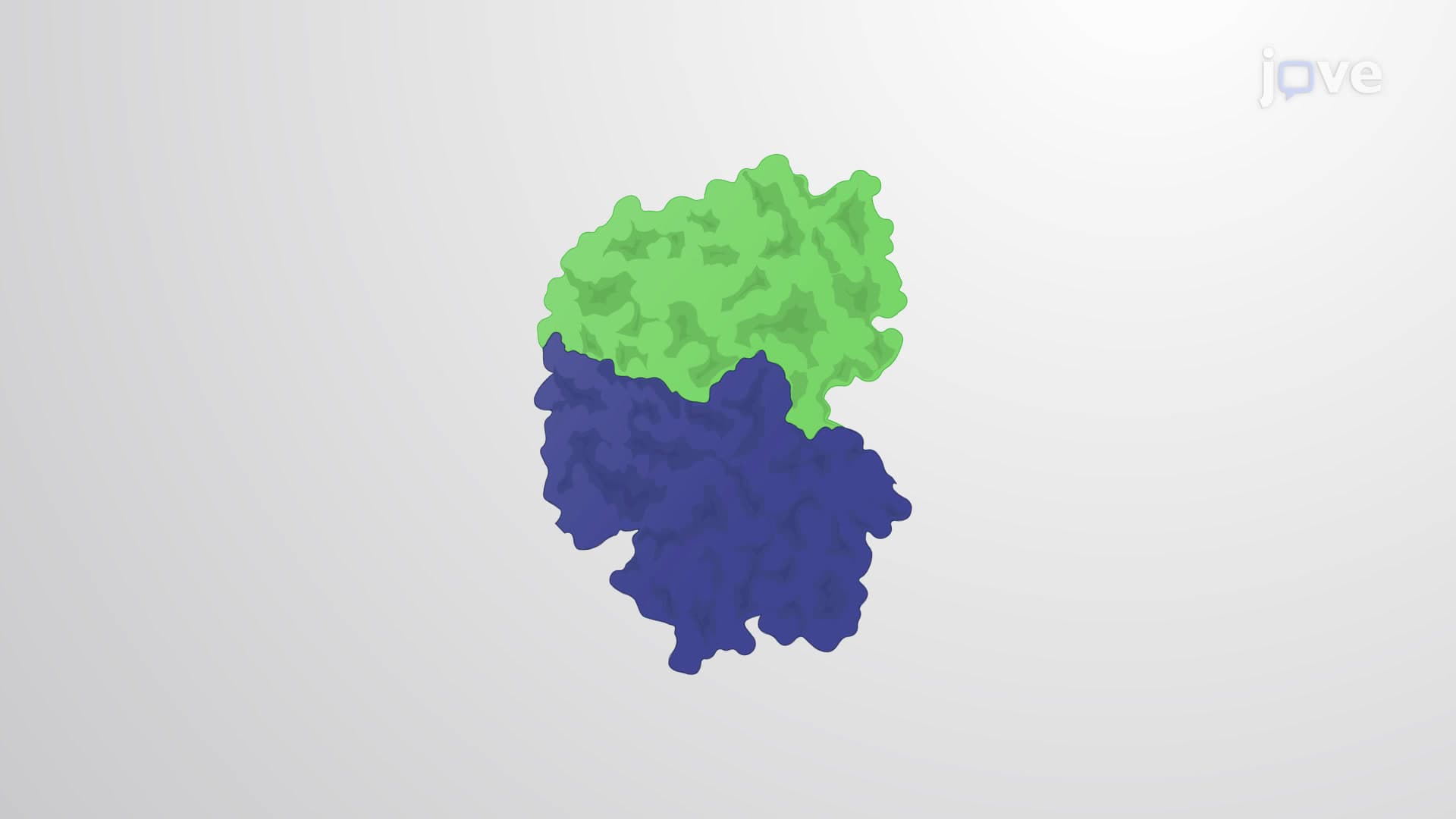
M-Cdk complexes form when M cyclins accumulate during late G2 phase and bind to Cdk1 (cyclin-dependent kinase 1). However, complex formation alone doesn't guarantee activation. The regulation involves a sophisticated phosphorylation network that students encounter on AP Biology exams and college cell biology courses. CAK (CDK-activating kinase) phosphorylates the complex at its activation site, but Wee1 kinase simultaneously adds inhibitory phosphates, keeping the complex dormant until the proper moment.
The breakthrough comes when Cdc25 phosphatase removes these inhibitory phosphates while simultaneously suppressing Wee1 activity. This creates a positive feedback loop-active M-Cdk promotes more Cdc25 activity, ensuring rapid and complete mitotic commitment. Medical students studying for the MCAT often see questions testing this regulatory cascade, as dysregulation contributes to oncogenesis.
Mitotic Functions Orchestrated by M-Cdk
Once activated, M-Cdk transforms the cell's architecture systematically. During prophase, it triggers chromosome condensation by phosphorylating condensin proteins, making chromosomes visible under light microscopy-a process students observe in introductory biology labs across US universities. Simultaneously, M-Cdk initiates centrosome maturation and spindle formation, ensuring accurate chromosome segregation.
The nuclear envelope breakdown during prometaphase in animal cells exemplifies M-Cdk's coordinating power. By phosphorylating nuclear lamins and pore complex proteins, M-Cdk dismantles this barrier in minutes. At institutions like MIT and Stanford, researchers study how this process differs between cell types, with implications for understanding cellular aging and disease.
Clinical and Research Applications
Understanding how M Cdk drives transition into mitosis works has revolutionized cancer research at leading US cancer centers. Many chemotherapy drugs target this pathway-taxanes stabilize spindles while CDK inhibitors block M-Cdk activation. Students preparing for the USMLE encounter questions about these therapeutic approaches, highlighting the clinical relevance of this fundamental process.
Frequently Asked Questions
M Cdk drives transition into mitosis by serving as the master regulatory switch that activates all processes needed for successful cell division. This cyclin-dependent kinase complex ensures chromosomes condense, spindles form, and the nuclear envelope breaks down in proper sequence. Without functional M-Cdk regulation, cells cannot divide properly, leading to developmental defects or cancer.
AP Biology exams frequently test M-Cdk through cell cycle regulation questions, often asking students to predict consequences of Wee1 or Cdc25 mutations. College midterms commonly include scenarios where students must explain how checkpoint failures lead to aneuploidy. MCAT questions often connect M-Cdk dysregulation to cancer development, requiring integration of molecular mechanisms with disease processes.
MCAT Biological and Biochemical Foundations sections regularly feature M-Cdk in cancer biology passages, testing understanding of oncogenes and tumor suppressors. Students encounter questions linking checkpoint failures to genomic instability. The phosphorylation cascades also appear in signal transduction questions, where test-takers must analyze kinase-phosphatase regulatory networks.
Major cancer centers like MD Anderson and Memorial Sloan Kettering use CDK4/6 inhibitors (palbociclib, ribociclib) to treat breast cancer by blocking cell cycle progression. Mitotic spindle inhibitors like paclitaxel disrupt M-Cdk-mediated spindle dynamics. These therapies exploit cancer cells' dependence on rapid division, selectively targeting malignant tissue while sparing normal cells with intact checkpoints.
Not at all-the basic concept builds naturally on fundamental biology principles students already know about enzymes and regulation. Focus first on the simple on/off switch concept: M cyclin accumulates, binds Cdk1, gets activated by phosphatases, then triggers mitosis. The molecular details become manageable once this framework is solid, and visual aids make the phosphorylation networks much clearer.
Create a timeline showing G2 through mitosis, marking when each regulatory event occurs. Practice drawing the phosphorylation states-active M-Cdk has CAK phosphorylation but no Wee1 phosphates. Use acronyms like "CAK Activates, Wee1 Waits" to remember regulatory directions. Focus on connecting each mitotic event (condensation, spindle formation, envelope breakdown) to M-Cdk activity.
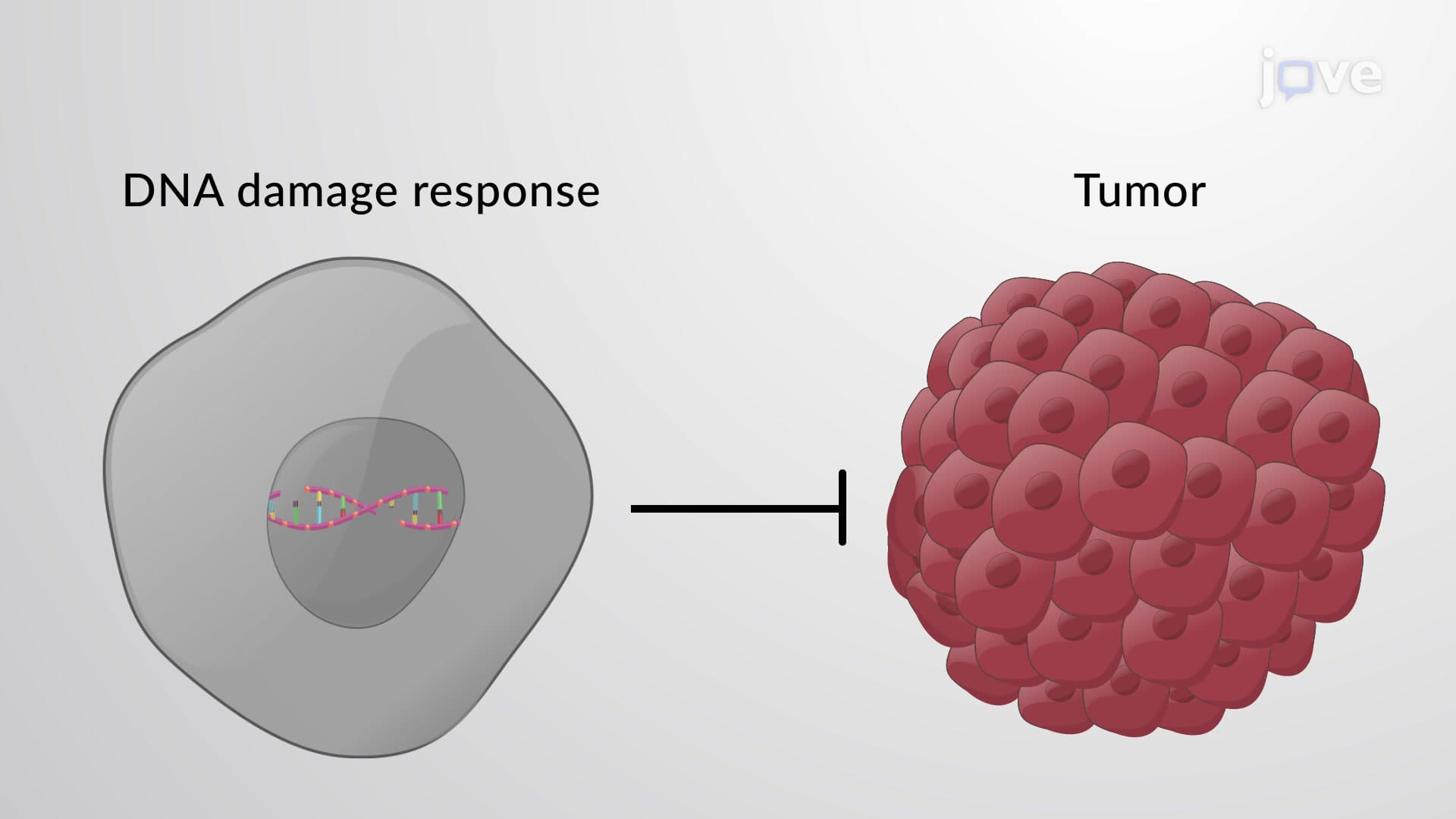
Explore other cell cycle checkpoints, particularly the spindle assembly checkpoint that monitors M-Cdk's work during metaphase. Study p53 pathway regulation and DNA damage responses that can prevent M-Cdk activation. Advanced students benefit from learning about tissue-specific cell cycle variations and how stem cells maintain different regulatory patterns than differentiated cells.
Advanced courses explore M-Cdk's role in development, showing how different tissues regulate mitotic timing during organogenesis. Students learn about checkpoint proteins like APC/C that eventually inactivate M-Cdk to exit mitosis. Graduate-level courses cover M-Cdk evolution across species and its connections to circadian rhythms in dividing tissues.
Related Micro-courses


