Loading subject page…

- Molecular Biology
- Cell Proliferation
- Abnormal Proliferation
Micro-course: Cell Proliferation
72,601 views
Learn key concepts and earn your certificate.


Abnormal Proliferation

00:00
02:23
Video Summary: What Is Abnormal Proliferation
Did you know that every day, millions of cells in your body could potentially become cancerous, yet most don't? Abnormal proliferation occurs when cells lose their natural growth controls and multiply uncontrollably, often leading to tumor formation. The p53 protein acts as your body's "guardian of the genome," but when this cellular brake system fails-as seen in over 50% of human cancers treated at major US cancer centers like MD Anderson-cells can proliferate without limits. What is abnormal proliferation becomes a critical question in understanding how normal cellular growth transforms into disease. Watch the full video on JoVE Coach to master this concept with expert-led visuals and step-by-step explanations.
- Understand what abnormal proliferation means and how it differs from normal cell division in healthy tissues
- Identify the key molecular players in cellular growth control, including p53, Mdm2, and Arf proteins
- Analyze how tumor suppressor genes normally prevent uncontrolled cell multiplication and maintain tissue homeostasis
- Recognize the molecular mechanisms that lead to the breakdown of cellular growth controls
- Evaluate how genetic and epigenetic changes can disrupt the p53 pathway and promote tumor formation
- Apply knowledge of the p53-Mdm2 regulatory circuit to explain cancer development in specific tissue types
- Compare normal cellular stress responses with pathological proliferation patterns seen in cancer
- Explore real-world examples of abnormal proliferation, such as liposarcomas with Mdm2 overexpression
Understanding What is Abnormal Proliferation
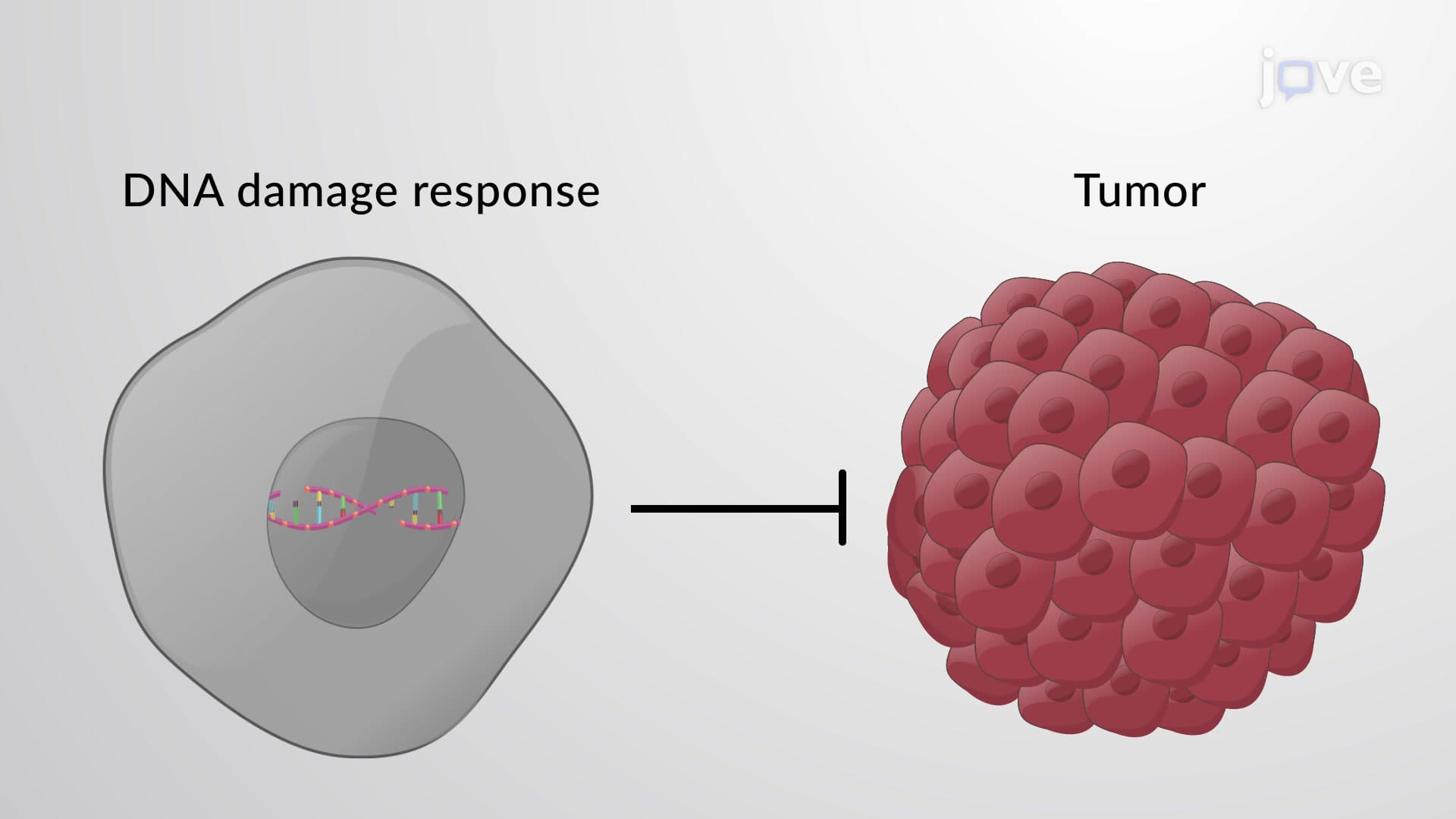
Abnormal proliferation represents one of the most fundamental concepts in cancer biology and cellular pathology. Unlike normal cell division, which follows strict regulatory controls to maintain tissue architecture and function, abnormal proliferation occurs when cells escape these growth constraints and multiply without appropriate signals or boundaries. This process underlies virtually all forms of cancer and many benign tumors that affect millions of Americans annually.
The Molecular Guardians of Normal Cell Growth
At the heart of proliferation control lies an intricate network of tumor suppressor genes, with p53 serving as the master regulator. Often called the "guardian of the genome," p53 operates as a molecular checkpoint that monitors cellular health and responds to stress signals. Under normal conditions, the Mdm2 protein keeps p53 levels low through a sophisticated degradation system involving ubiquitin tagging and proteasomal destruction.
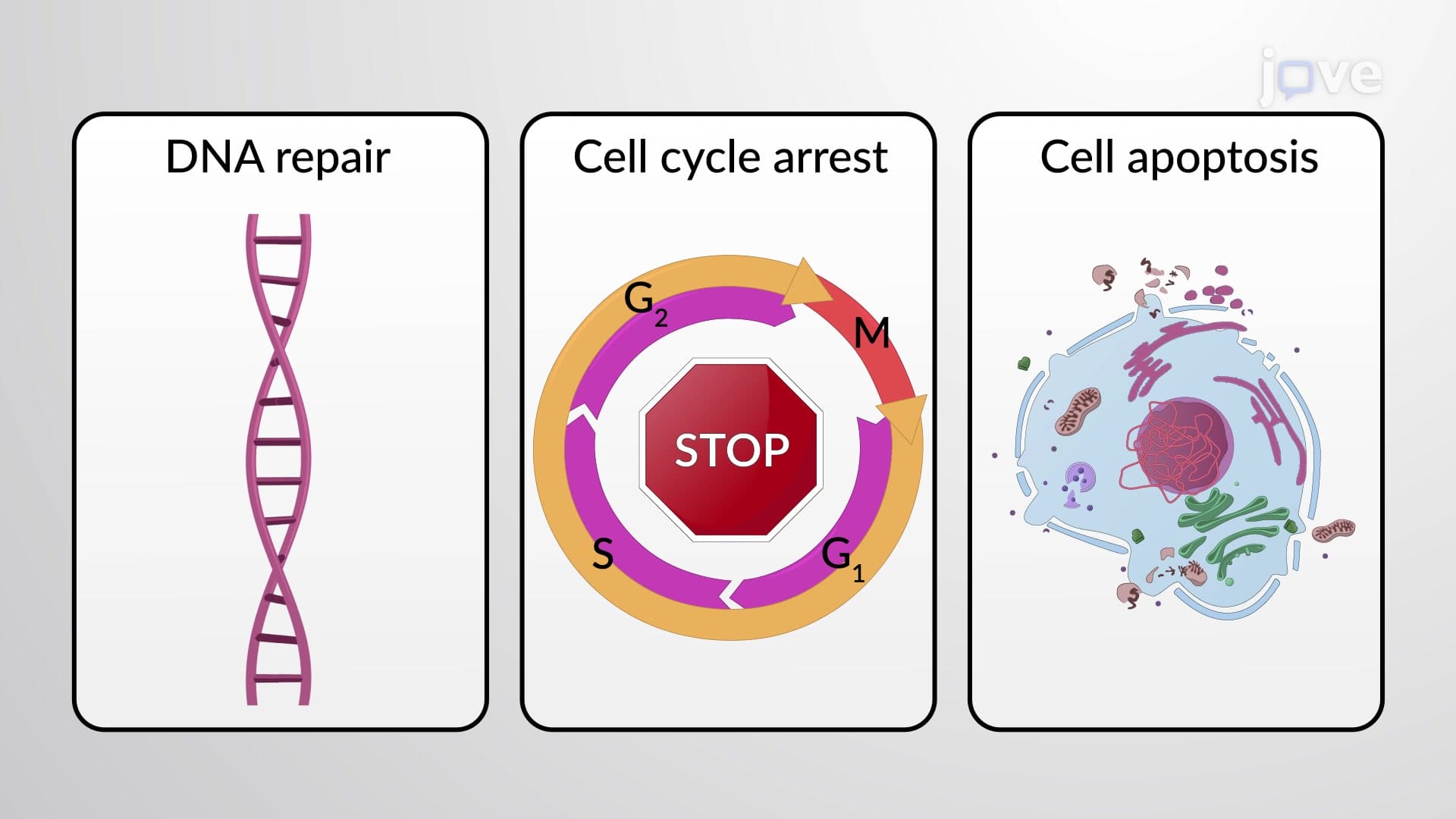
This regulatory relationship exemplifies negative feedback control-a concept frequently tested on the MCAT and AP Biology exams. When cells experience DNA damage or oncogenic stress (such as excessive growth signals), the Arf protein intervenes by binding to Mdm2, effectively releasing p53 from inhibition. Free p53 then activates genes responsible for DNA repair, cell cycle arrest, or programmed cell death (apoptosis).
When Cellular Controls Fail: The Path to Abnormal Proliferation
The abnormal proliferation definition becomes clear when examining what happens when these protective mechanisms fail. Genetic mutations can directly inactivate p53, while epigenetic changes can silence tumor suppressor genes without altering DNA sequence. Additionally, overexpression of negative regulators like Mdm2-commonly observed in liposarcomas treated at major US cancer centers-can functionally inactivate normal p53, even when the gene itself remains intact.
Students preparing for the USMLE Step 1 should understand that abnormal proliferation isn't simply "fast growth." Instead, it represents growth that occurs independently of normal regulatory signals, often accompanied by resistance to growth-inhibitory signals and evasion of cell death mechanisms.
Clinical Significance and Real-World Applications
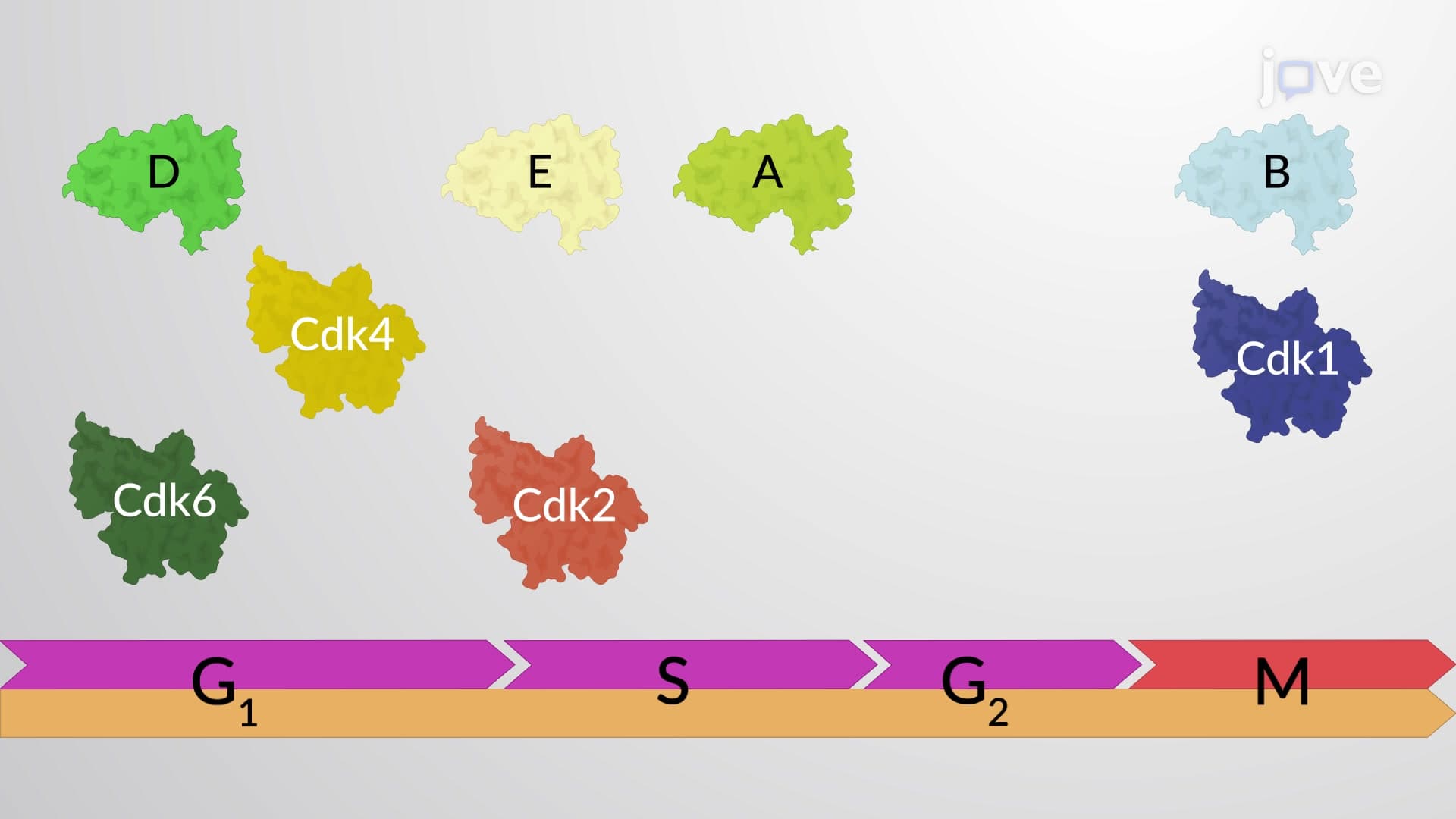
Understanding abnormal proliferation has direct implications for cancer diagnosis and treatment in US healthcare systems. Pathologists routinely assess proliferation markers like Ki-67 in tumor biopsies to grade cancers and predict patient outcomes. Additionally, many modern cancer therapies, including CDK4/6 inhibitors approved by the FDA, specifically target the molecular machinery controlling cell cycle progression.
For college students taking introductory biology or preparing for graduate school, recognizing the connection between basic cellular mechanisms and clinical medicine provides crucial context for understanding why these molecular details matter beyond the classroom.
Frequently Asked Questions
Abnormal proliferation is when cells multiply out of control, ignoring the normal "stop" signals that keep healthy tissues balanced. This uncontrolled growth can lead to tumor formation and is a hallmark of cancer. It occurs when cellular "brakes" like the p53 protein fail to function properly.
The MCAT frequently tests abnormal proliferation through passages about cancer biology, tumor suppressor genes, and cell cycle regulation. Expect questions about p53 function, the relationship between DNA damage and cell death, and how mutations lead to uncontrolled growth. Practice identifying cause-and-effect relationships in cellular control mechanisms.
Normal cell division responds to specific growth signals and stops when appropriate, maintaining tissue structure and function. Abnormal proliferation ignores these controls, continuing to multiply even without proper signals. Normal cells also undergo apoptosis when damaged, while abnormally proliferating cells often resist cell death.
Yes, AP Biology covers cell cycle regulation and cancer as part of Unit 5 (Heredity) and Unit 3 (Cellular Energetics). Focus on understanding how checkpoints work, what happens when they fail, and the role of tumor suppressor genes. Free response questions often ask students to explain how mutations lead to disease.
Over half of human cancers involve p53 mutations, making abnormal proliferation highly clinically relevant. For example, breast cancers with p53 mutations tend to be more aggressive, while intact p53 function often correlates with better treatment responses. Major US cancer centers routinely test for these markers to guide therapy decisions.
No advanced chemistry background is required. Focus on understanding the basic concepts of protein interactions, gene expression, and cellular signaling. If you're comfortable with introductory biology concepts like DNA, proteins, and cellular processes, you can master abnormal proliferation mechanisms.
Create concept maps connecting p53, Mdm2, and Arf proteins to show their relationships. Practice explaining what happens when each component fails. Use active recall by drawing the pathway from memory, then checking your accuracy. Focus on understanding the logic behind each step rather than memorizing isolated facts.
Build on this foundation by exploring oncogenes (genes that promote growth when activated), metastasis mechanisms, and therapeutic approaches targeting proliferation. Understanding how abnormal proliferation connects to angiogenesis (blood vessel formation) and tissue invasion will provide a comprehensive view of cancer biology.
Related Micro-courses


