Loading subject page…


101,001 views


Video Summary: What Is Separation of Sister Chromatids
Every cancer researcher at Johns Hopkins University knows that understanding separation of sister chromatids is crucial for developing new treatments that target rapidly dividing cells. This fundamental cellular process ensures that each daughter cell receives an identical copy of genetic material during cell division. When sister chromatid separation fails, it can lead to chromosomal disorders like Down syndrome or contribute to cancer development. Watch the full video on JoVE Coach to master this concept with expert-led visuals and step-by-step explanations.
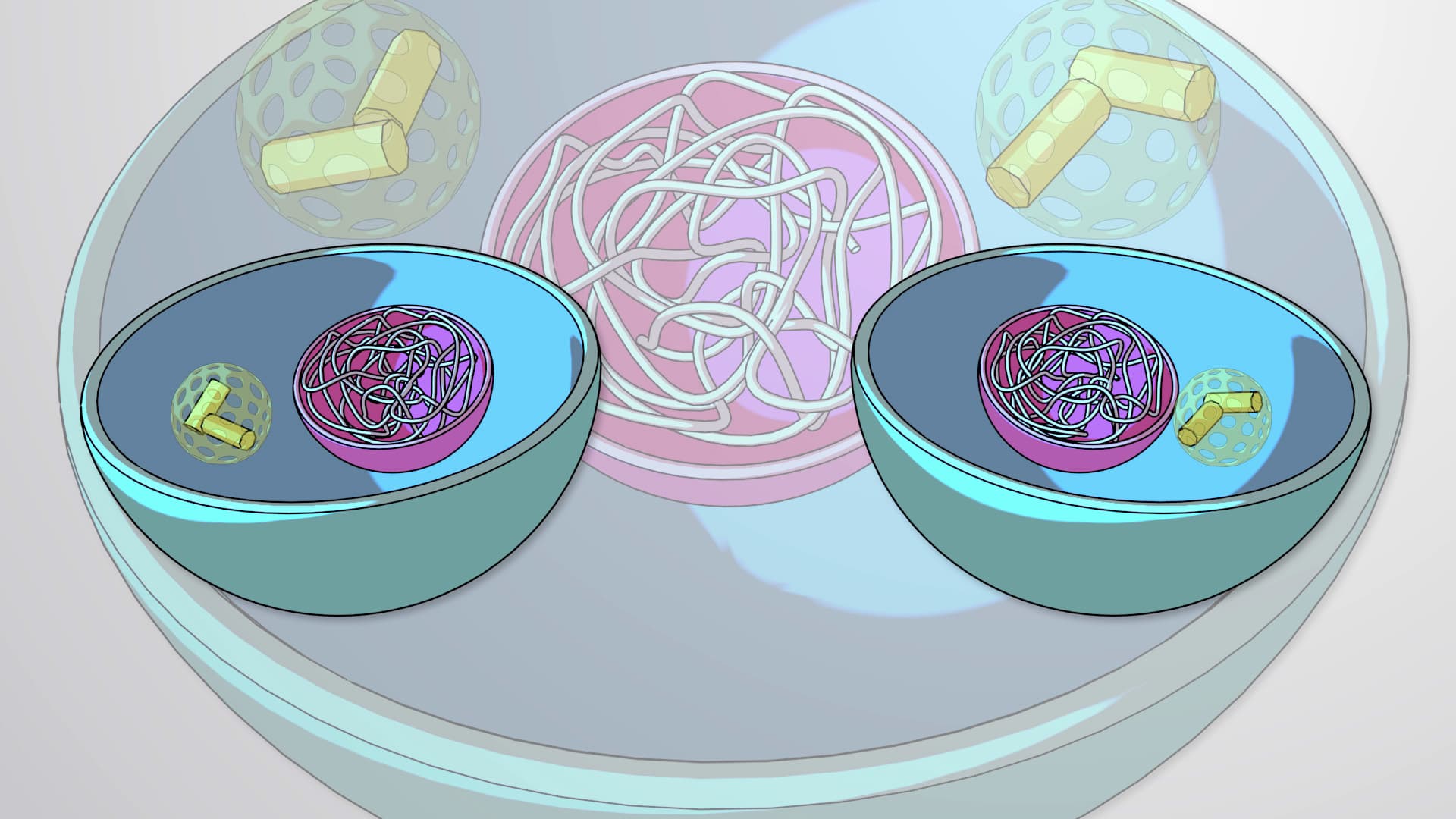
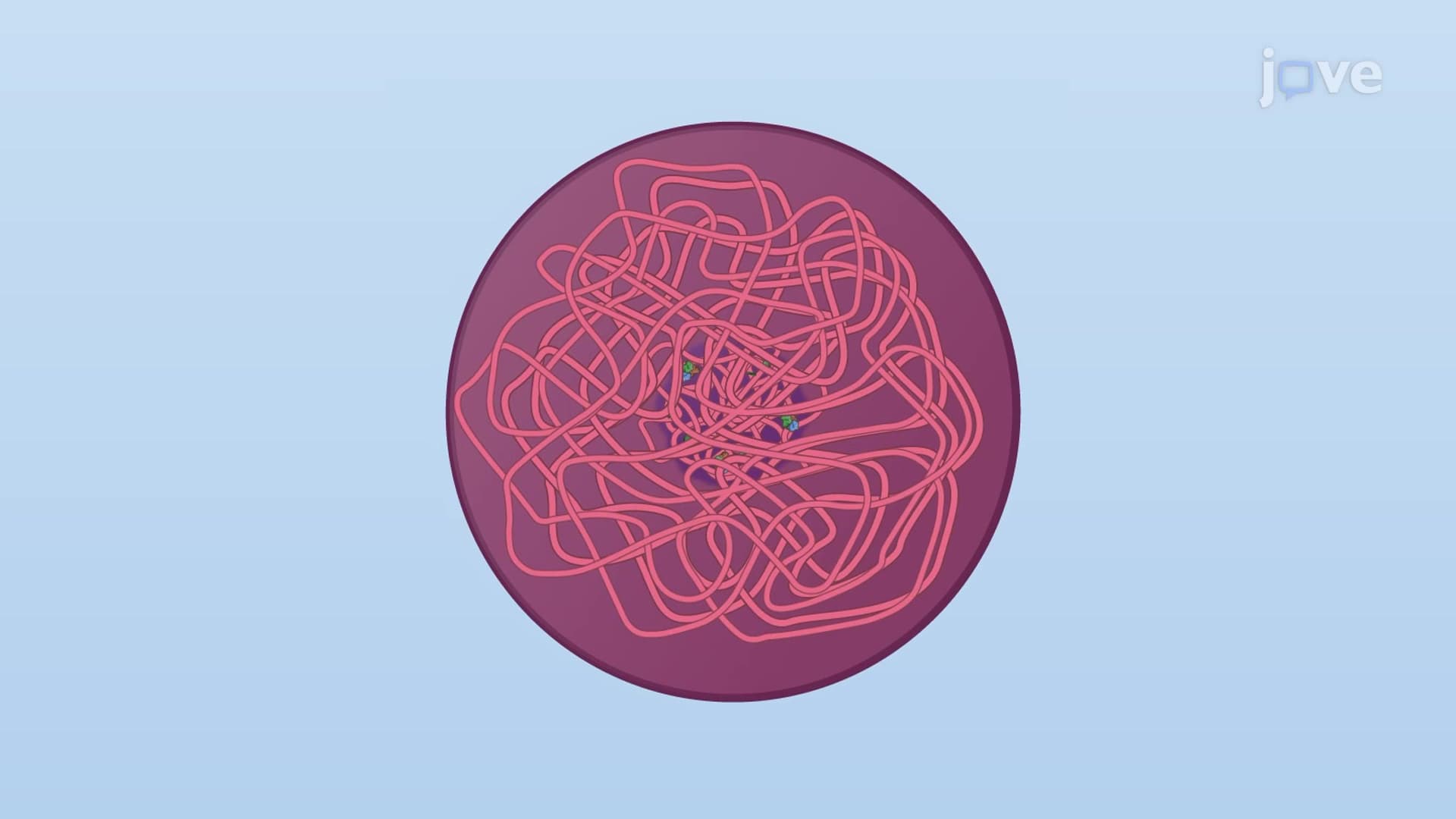
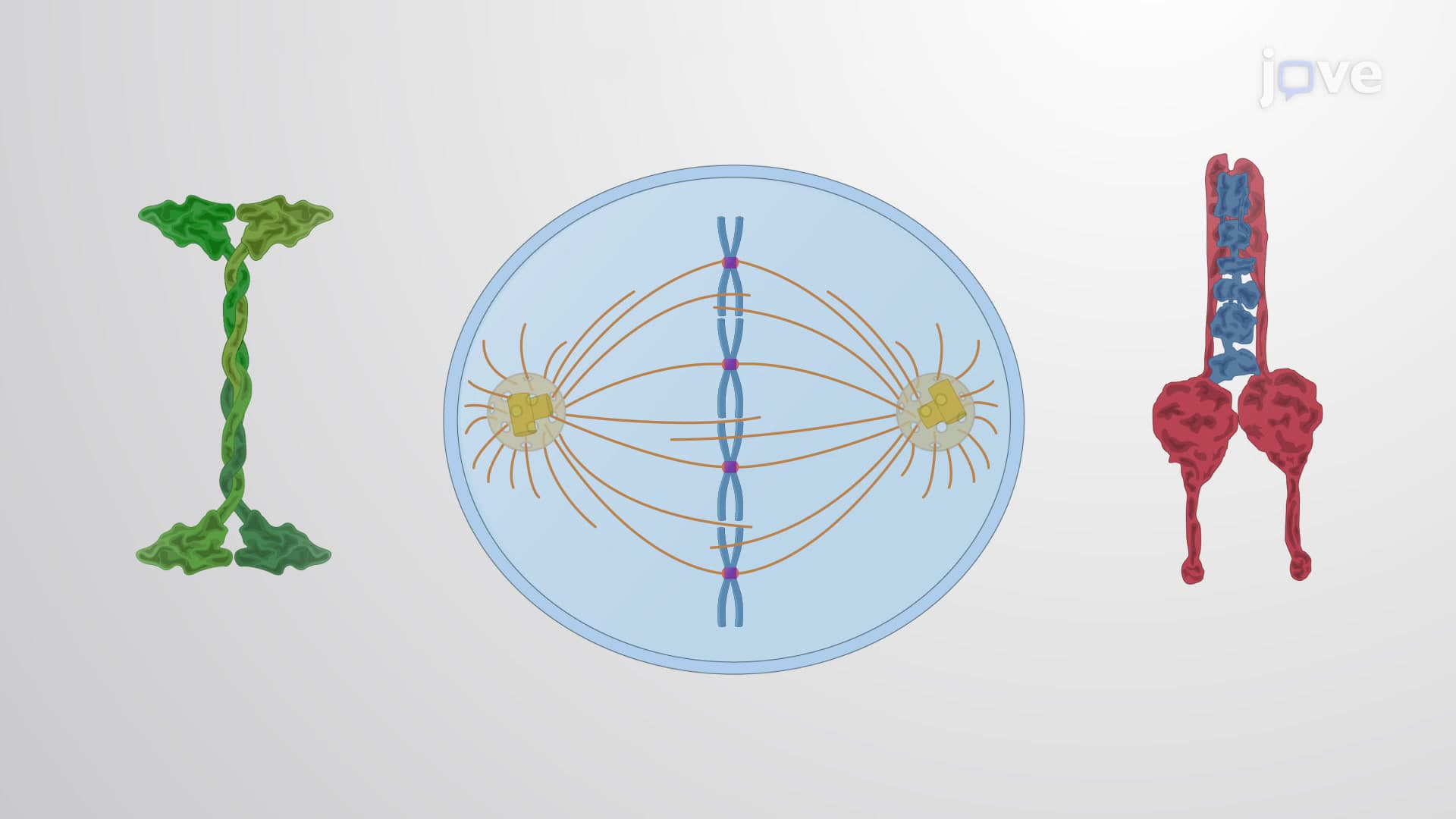
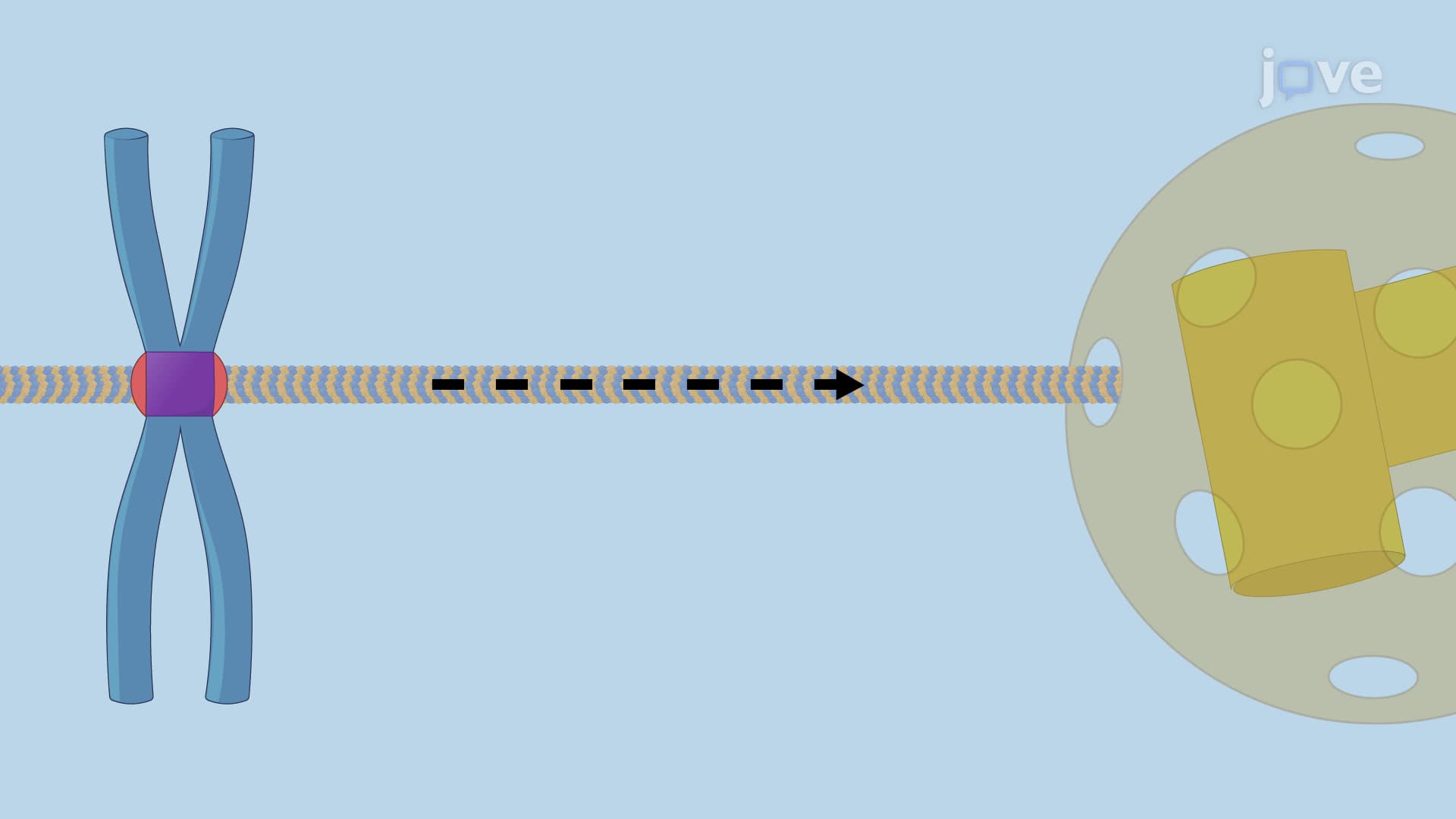
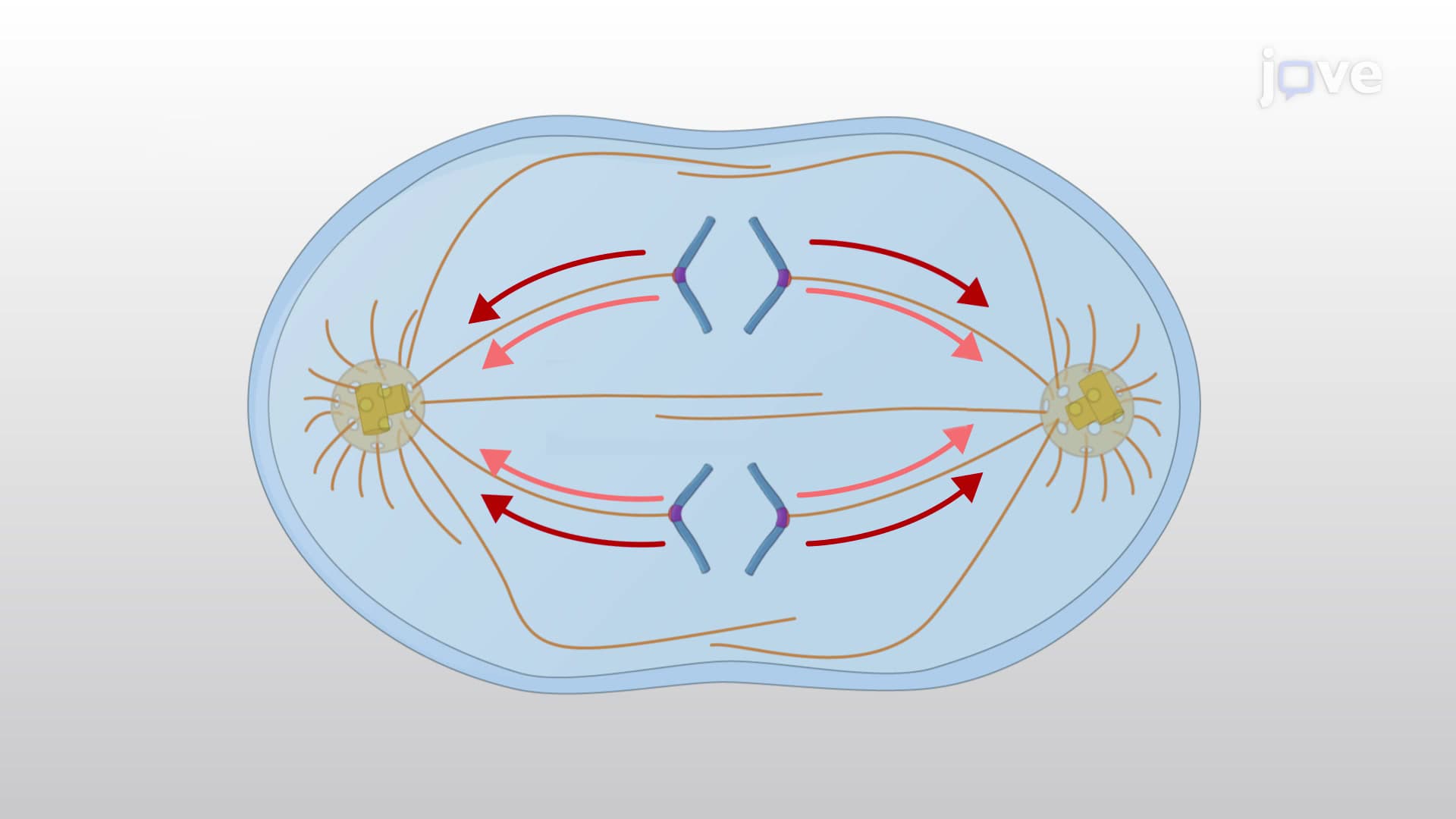
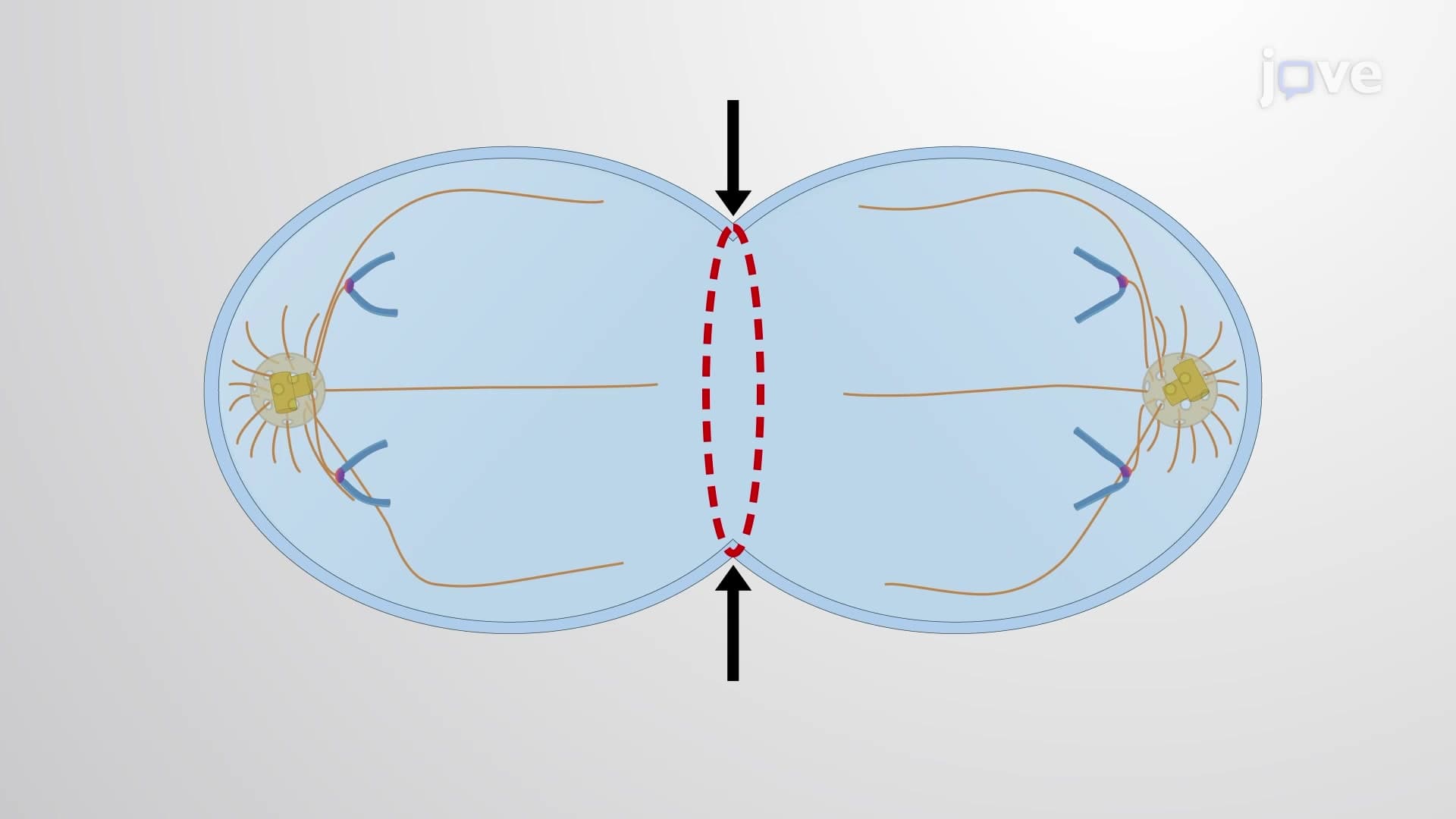
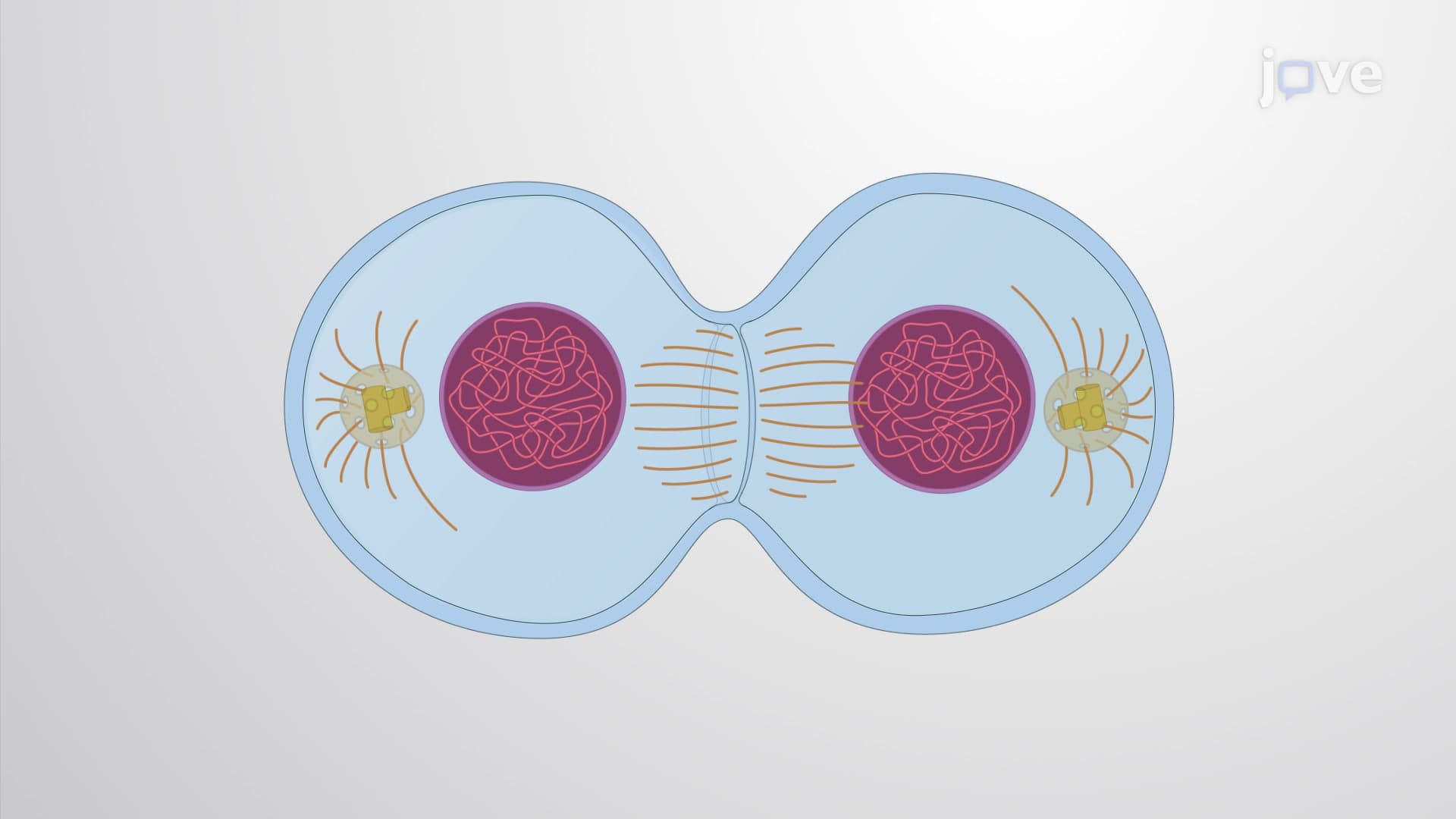
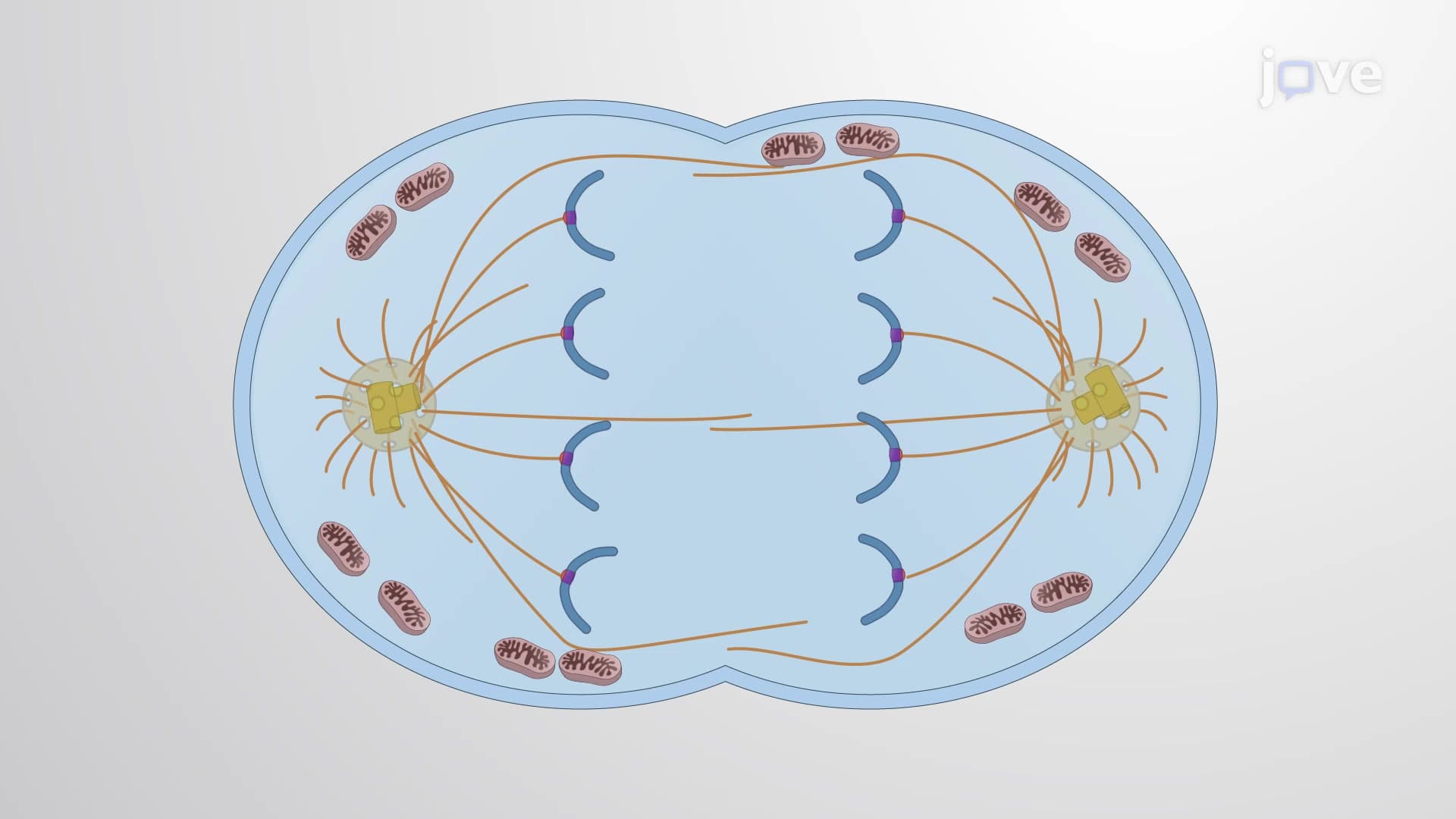
The separation of sister chromatids represents one of the most precisely regulated events in cell biology, marking the irreversible transition from metaphase to anaphase during mitosis. Sister chromatids are identical DNA copies joined at the centromere, created during S phase DNA replication. Their separation ensures each daughter cell inherits exactly one copy of every chromosome, maintaining genetic integrity across generations.
The separation process relies on sophisticated molecular machinery centered around the anaphase-promoting complex (APC/C). This multi-subunit ubiquitin ligase acts as the master regulator, becoming active when phosphorylated by cyclin-CDK complexes and bound to the cofactor Cdc20. The active APC/C targets securin-an inhibitory protein that normally keeps the protease separase inactive-for degradation through the ubiquitin-proteasome system.
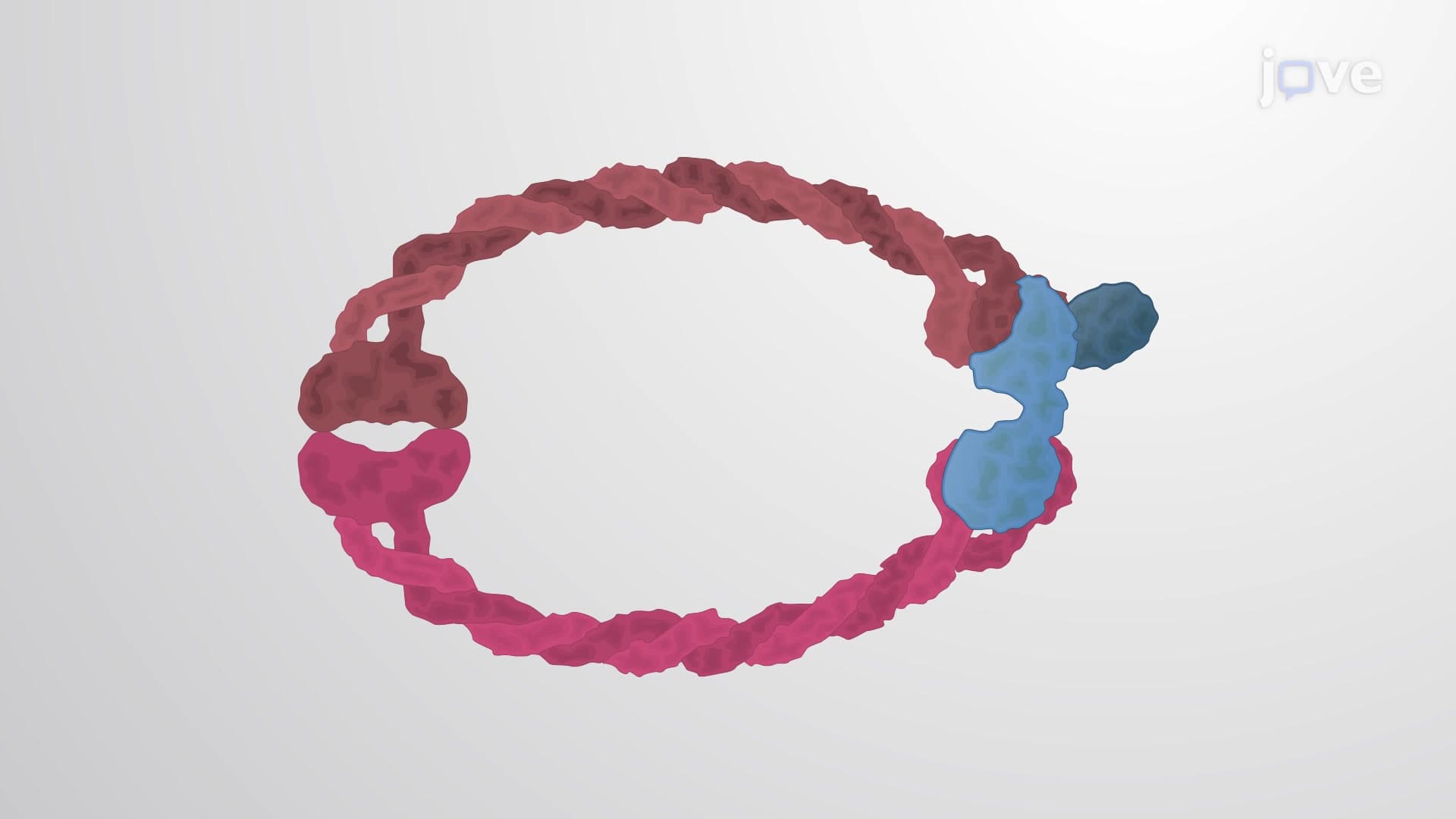
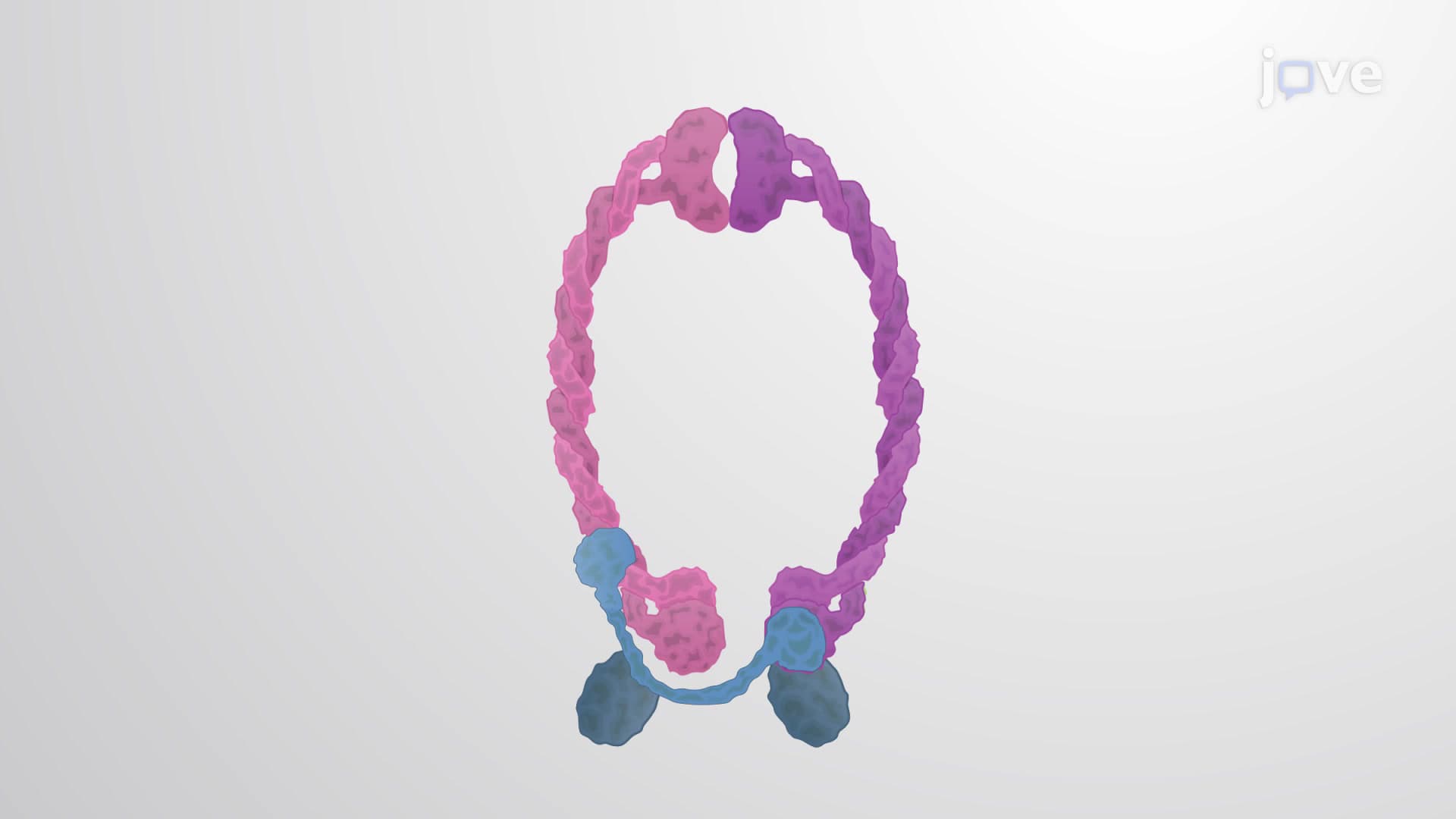
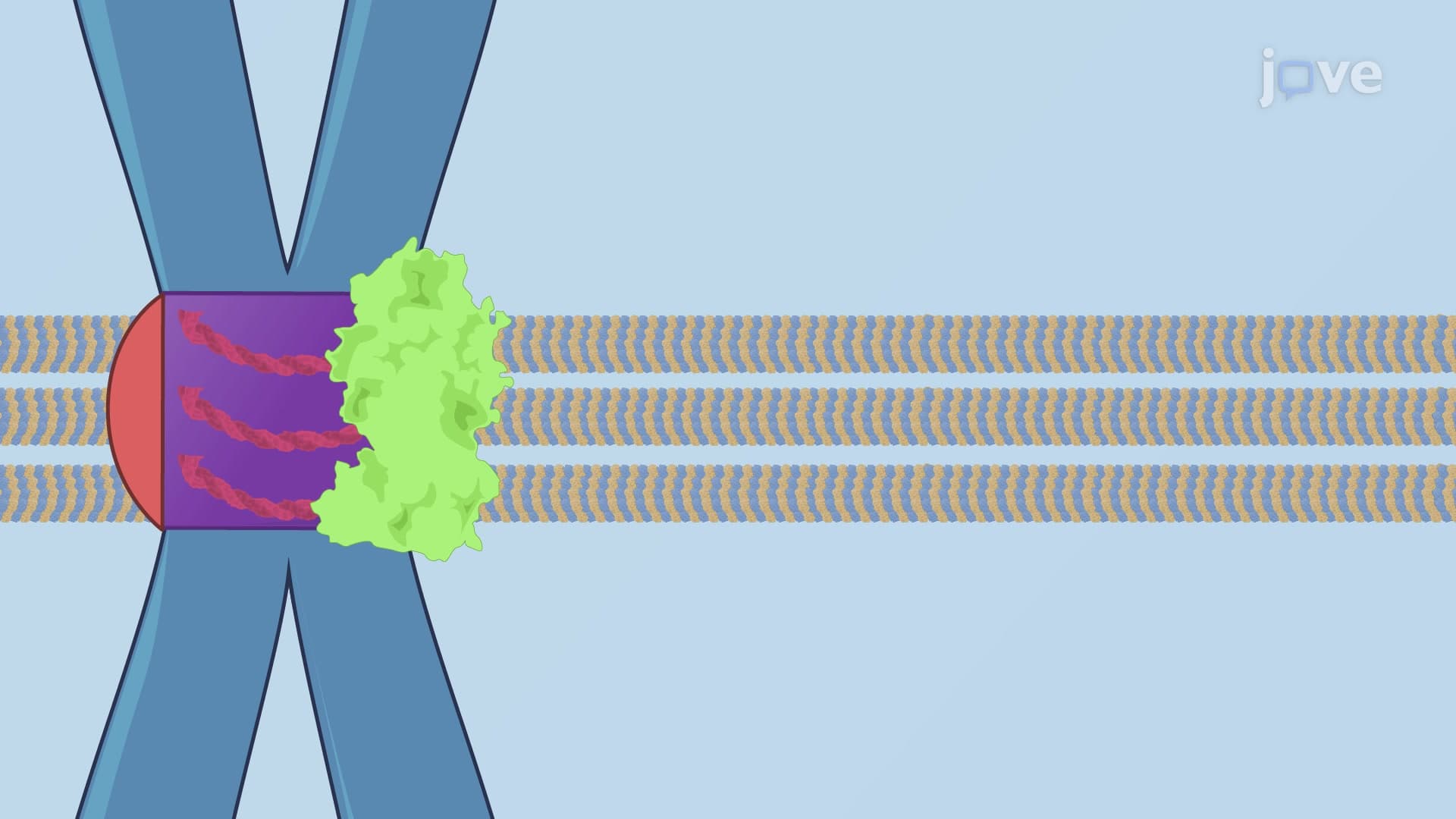
Once securin is destroyed, separase becomes enzymatically active and cleaves cohesin ring complexes that hold sister chromatids together. Cohesin proteins form ring-like structures that encircle both sister chromatids at the centromere, creating physical linkage that resists spindle forces. The precise timing of cohesin cleavage is critical-too early leads to premature separation and aneuploidy, while delayed cleavage can cause cell cycle arrest.
Understanding sister chromatid separation has profound implications for medical research and treatment. At institutions like MD Anderson Cancer Center, researchers study how separase mutations contribute to chromosomal instability in breast and ovarian cancers. Similarly, Stanford University geneticists investigate cohesin disorders like Cornelia de Lange syndrome, where mutations in cohesin complex components cause developmental abnormalities.
This concept frequently appears on standardized exams including the MCAT, AP Biology, and college cell biology courses. Students should focus on the sequential nature of regulation: APC/C activation → securin degradation → separase activation → cohesin cleavage → chromatid separation. Understanding this pathway helps explain why cancer cells often exhibit chromosomal instability and why certain chemotherapy drugs target cell division machinery.
The process also demonstrates fundamental biological principles like feedback control, protein modification cascades, and the relationship between structure and function. These connections make sister chromatid separation an excellent example for integrating molecular mechanisms with cellular outcomes and human health applications.
Related Micro-courses