Loading subject page…

- Molecular Biology
- Cell Division
- The Spindle Assembly Checkpoint
Micro-course: Cell Division
101,001 views
Learn key concepts and earn your certificate.

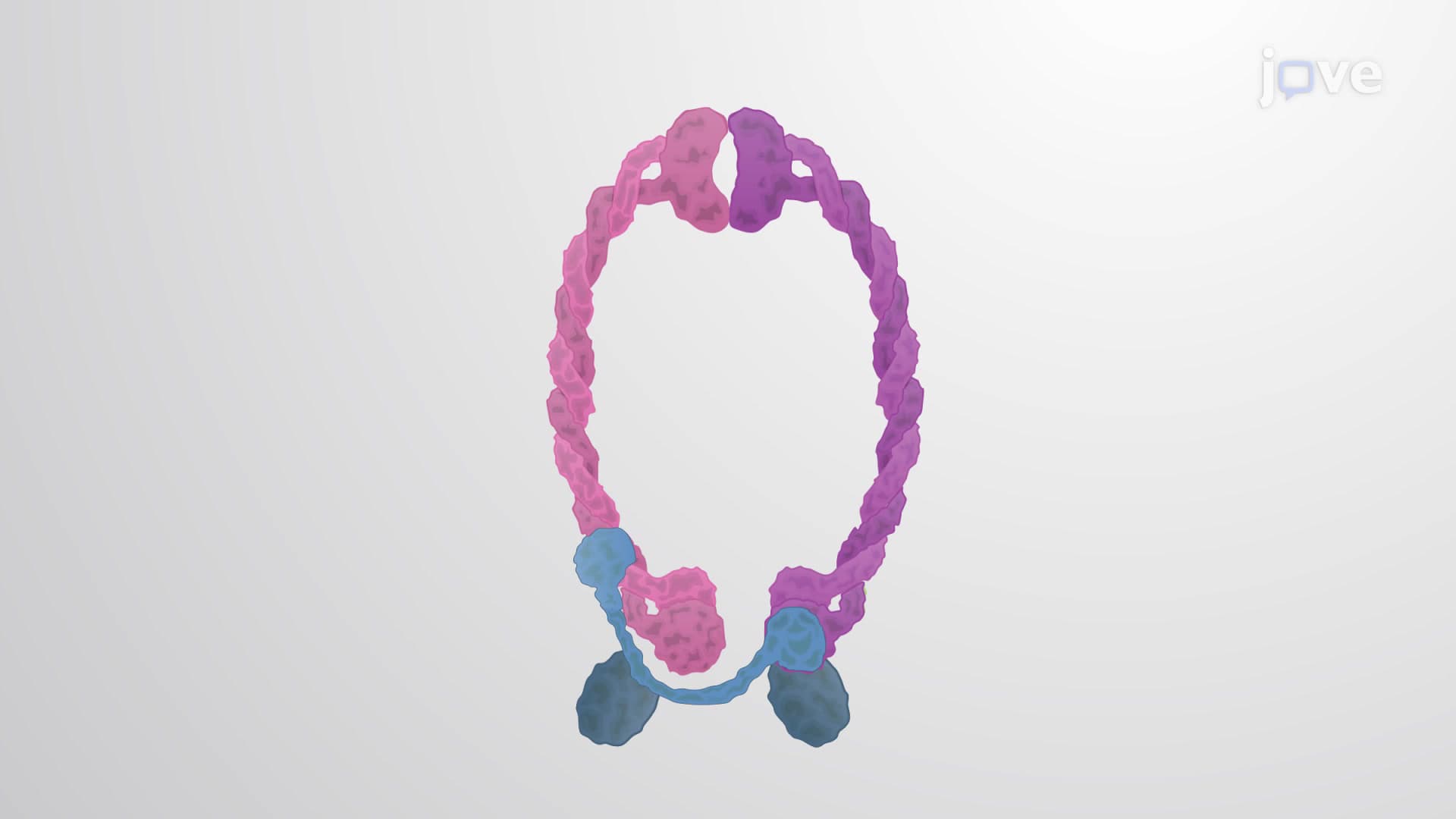
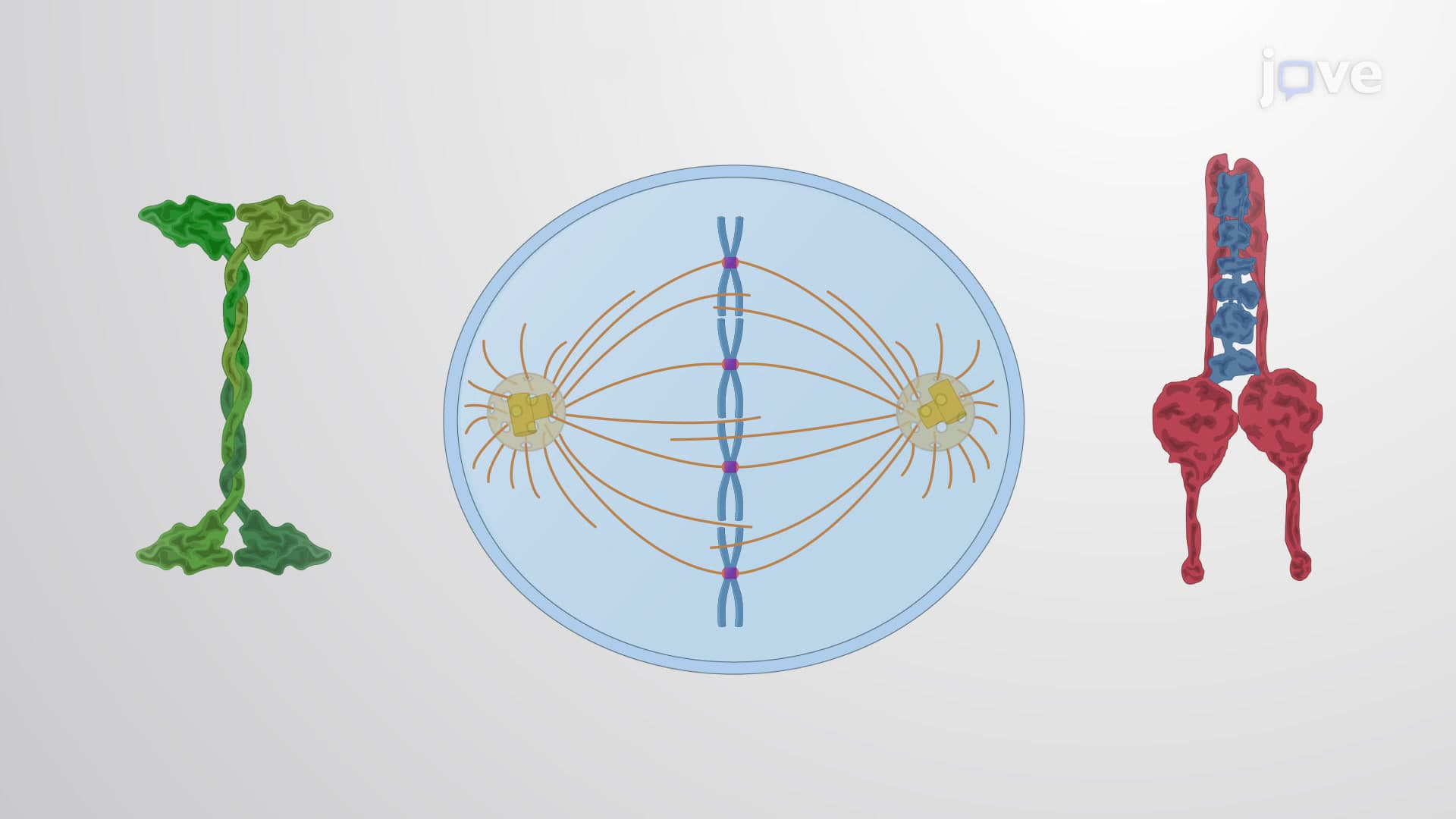
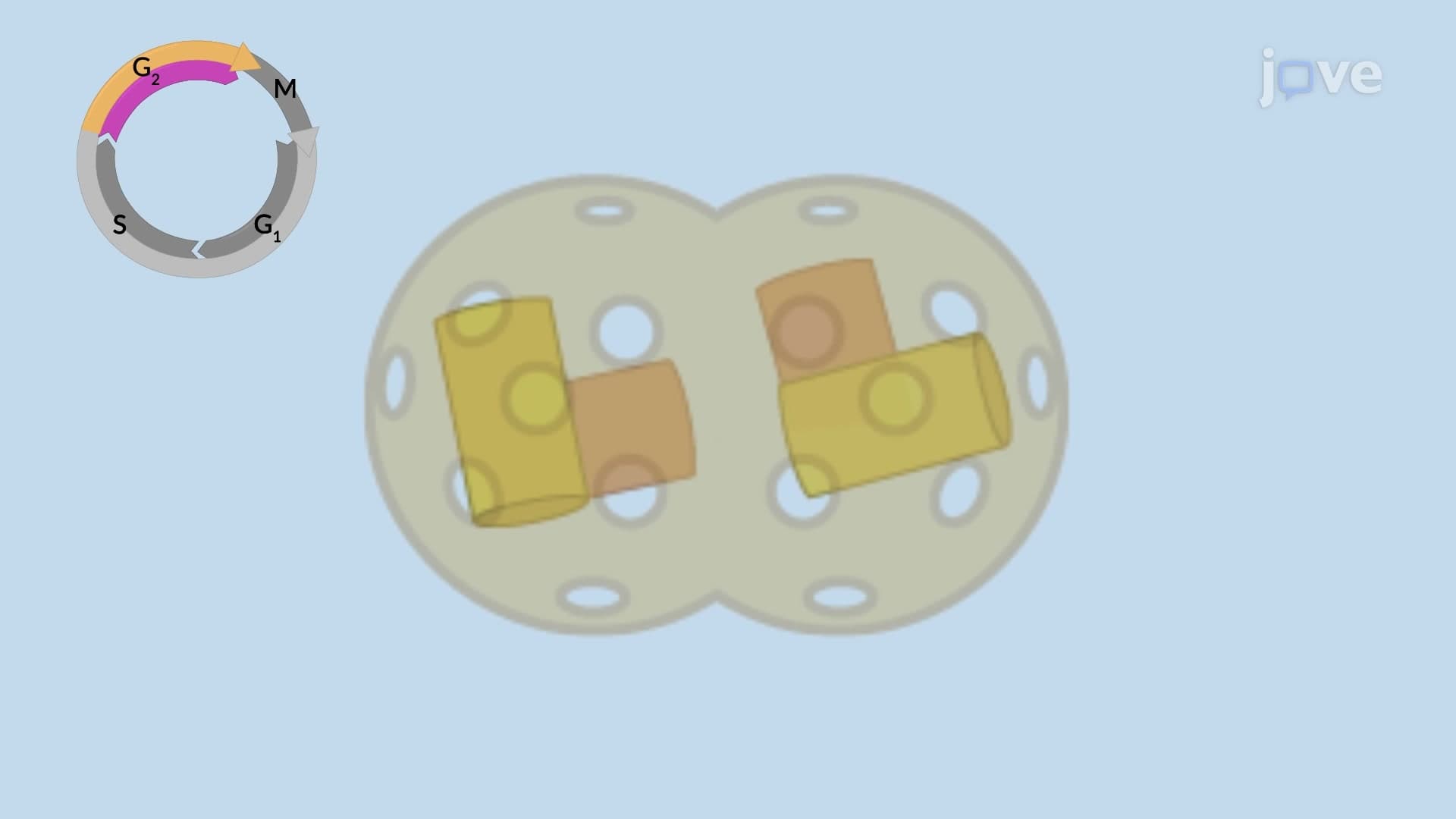
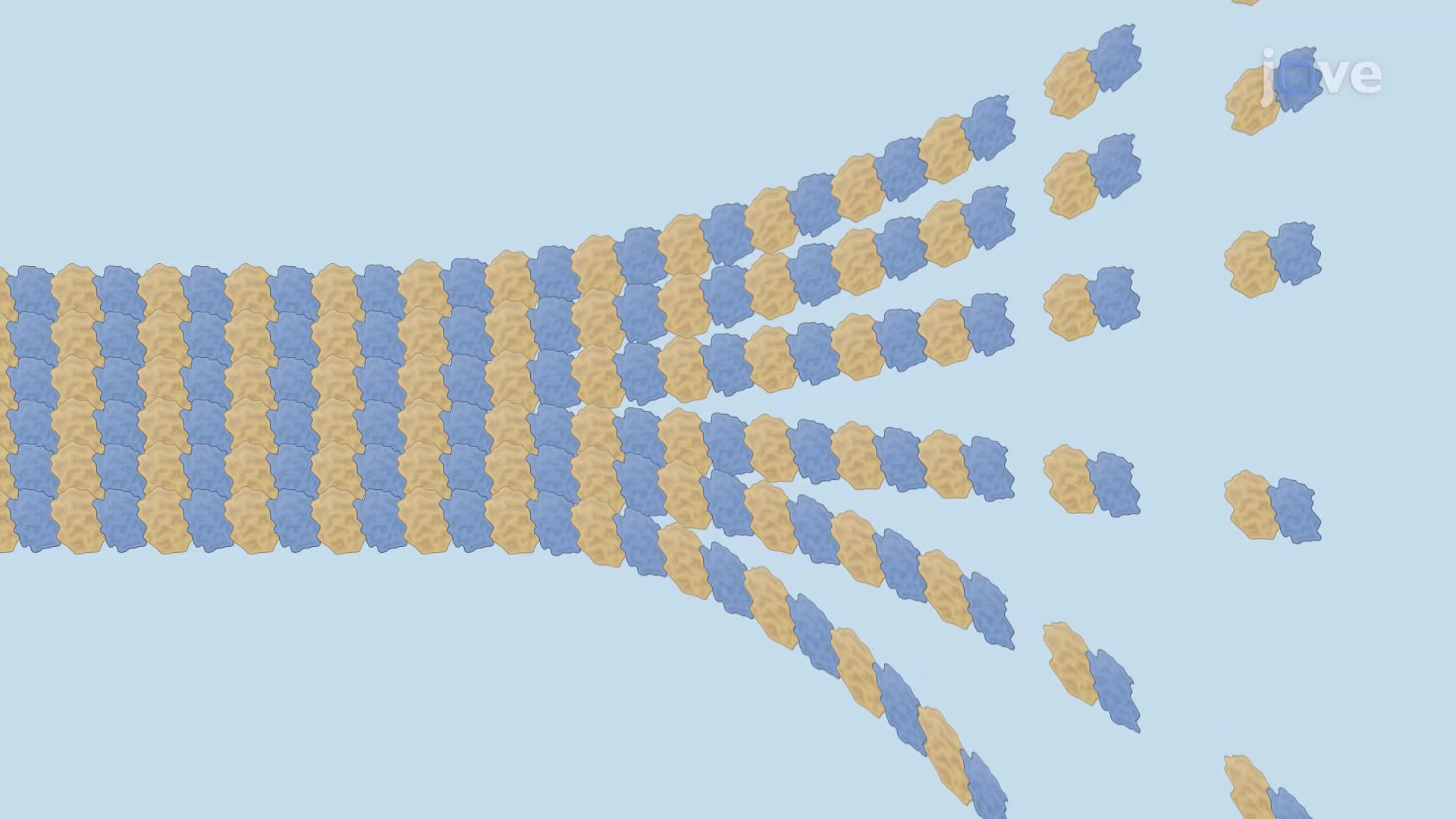

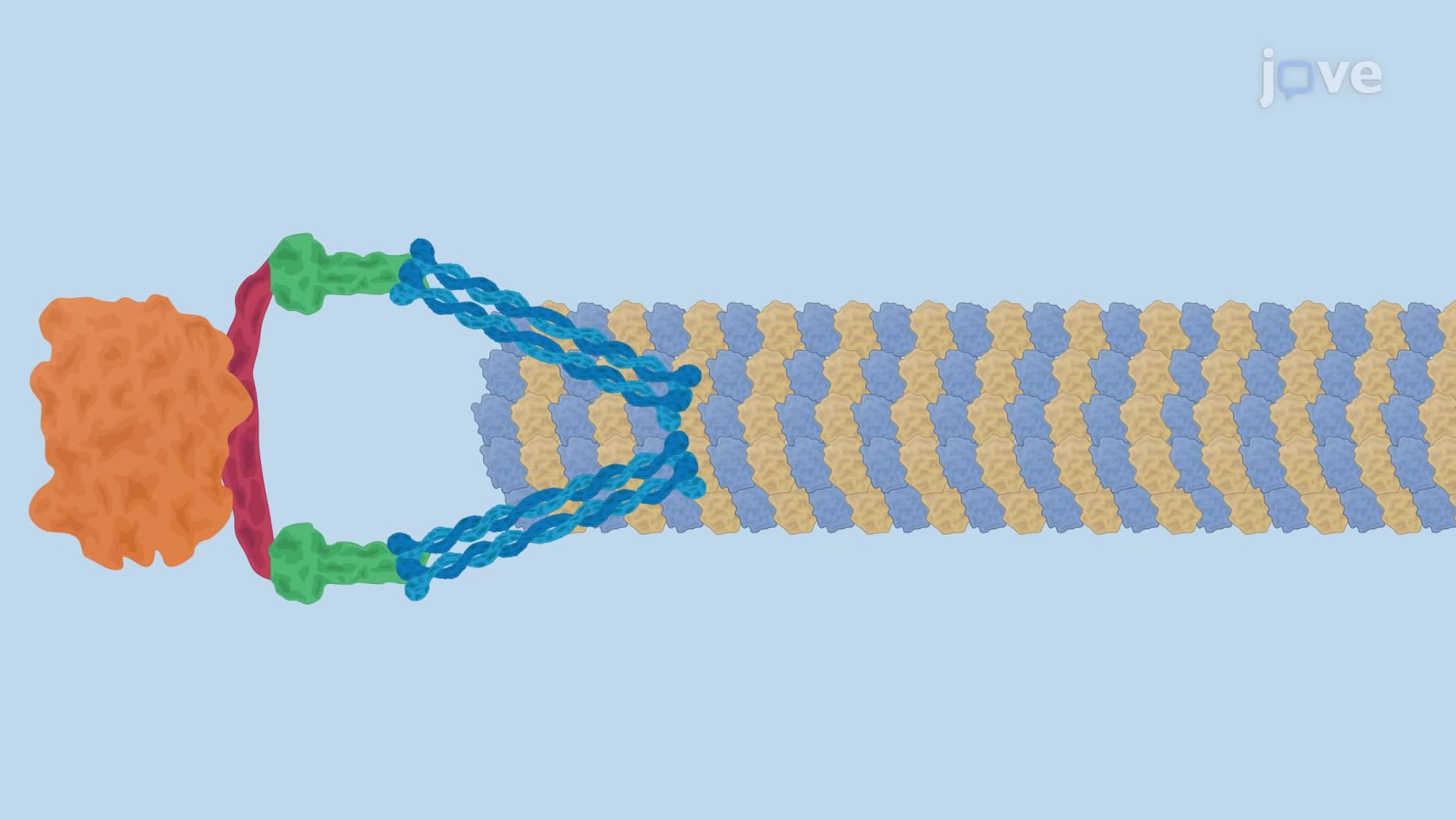
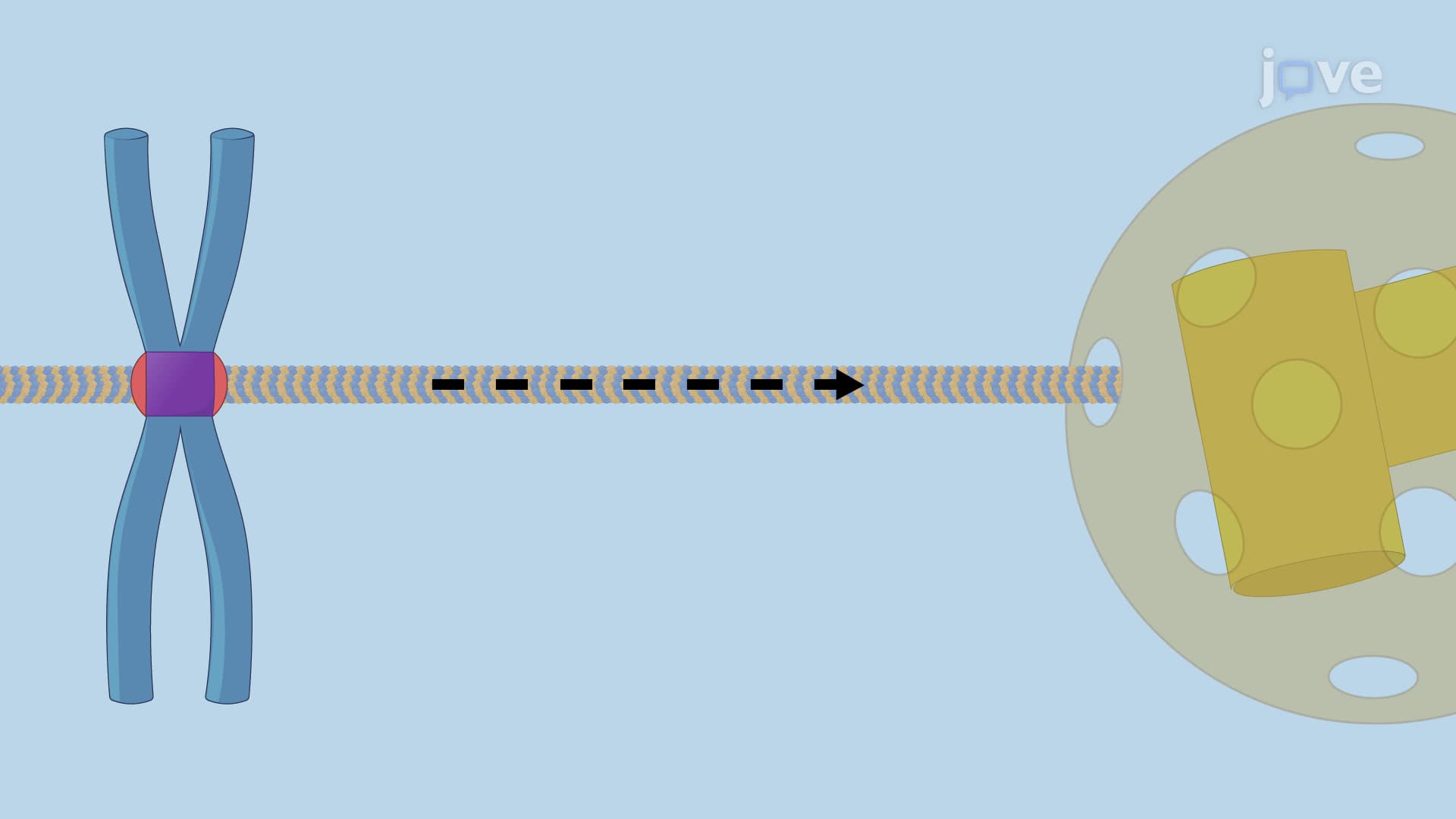

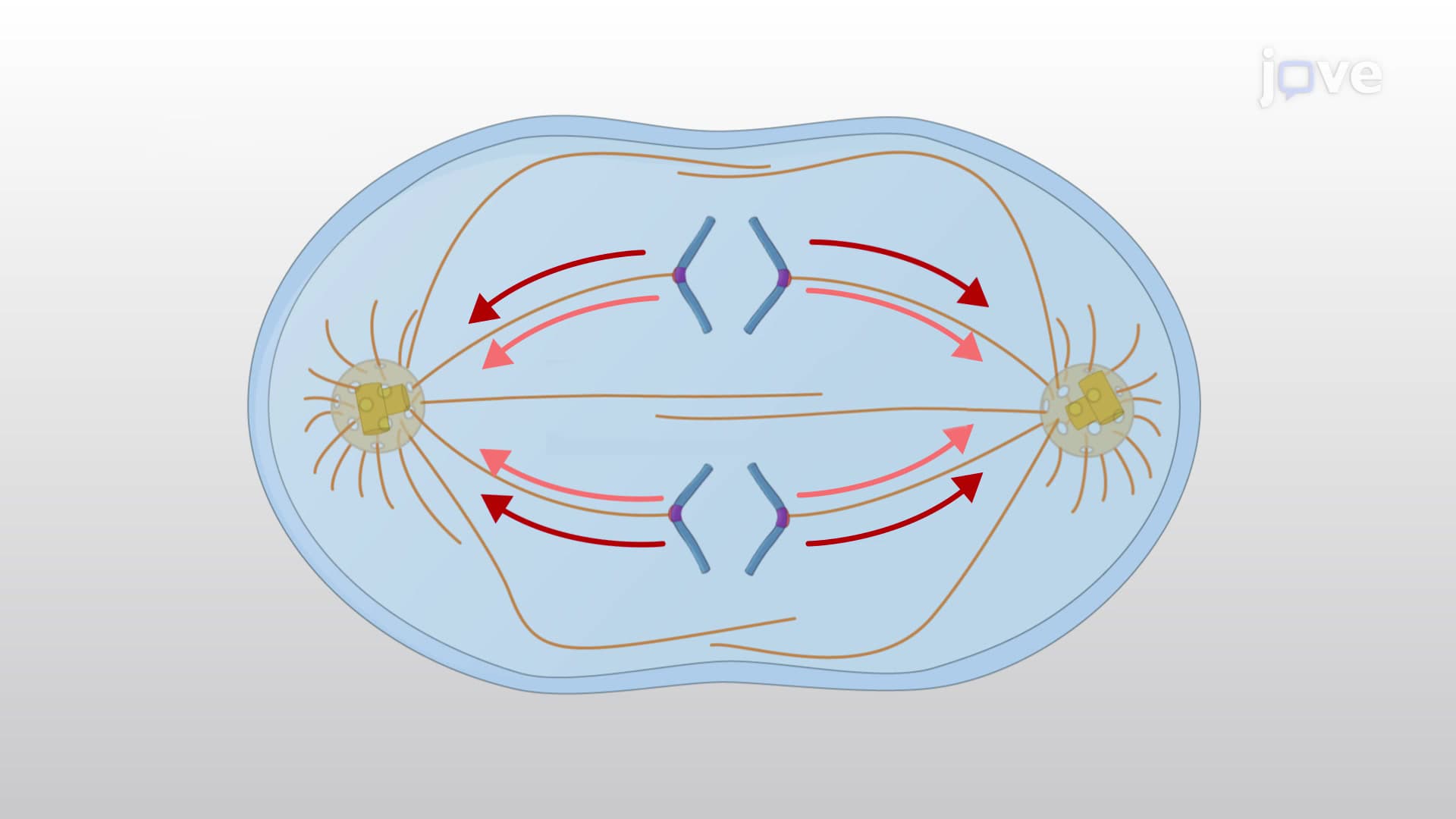
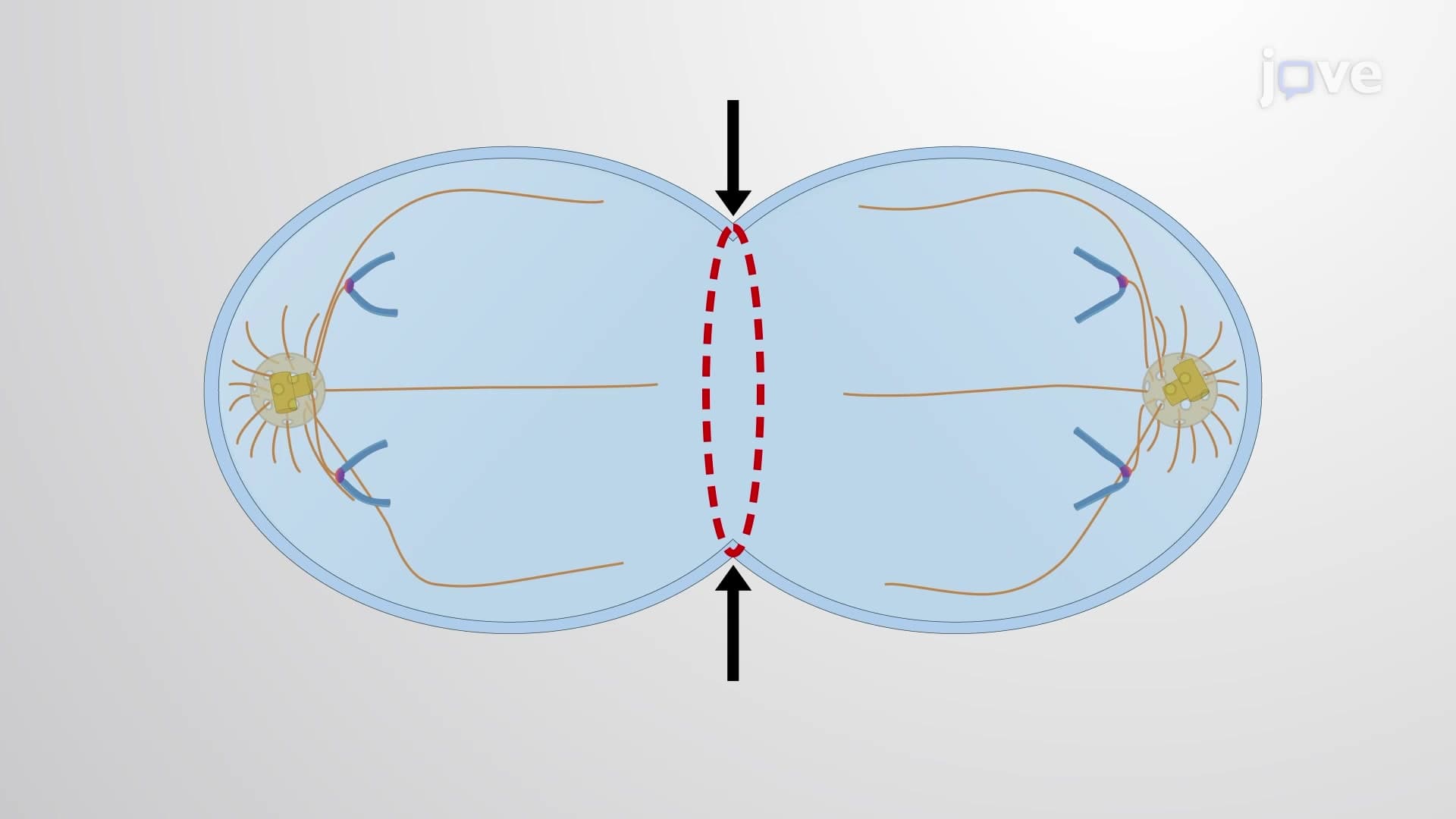
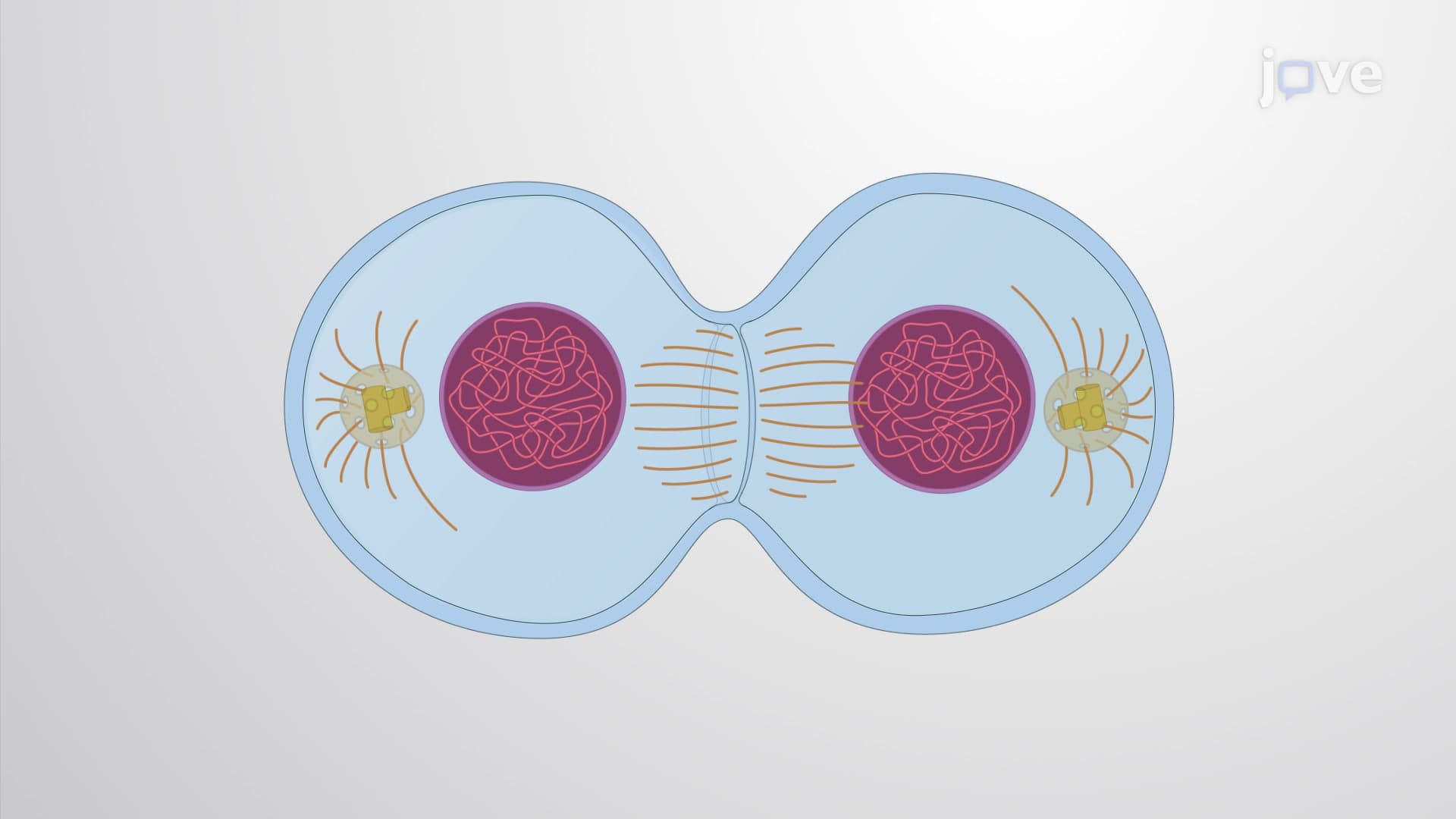
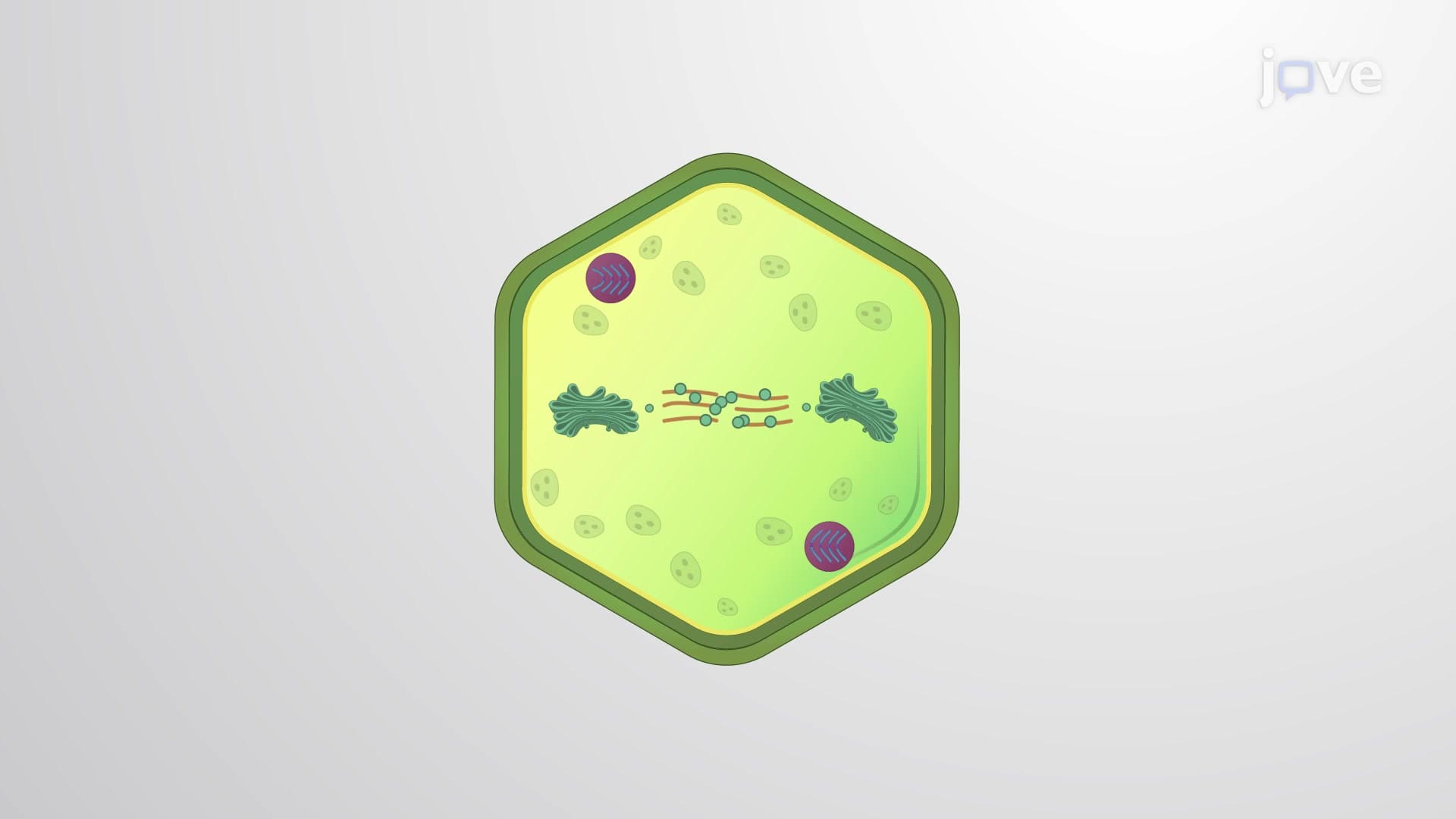
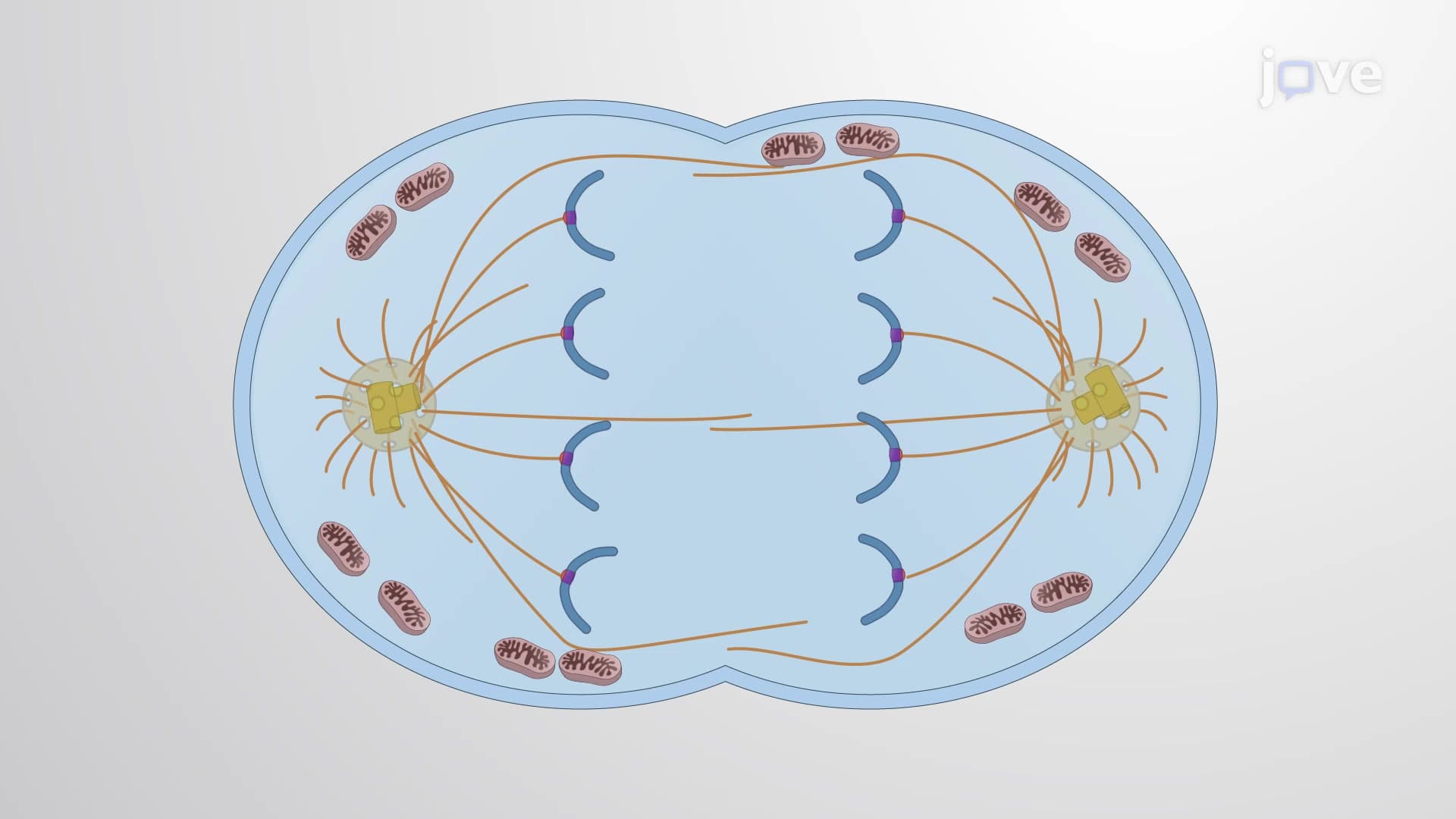

The Spindle Assembly Checkpoint

00:00
02:19
Video Summary: What Is the Spindle Assembly Checkpoint
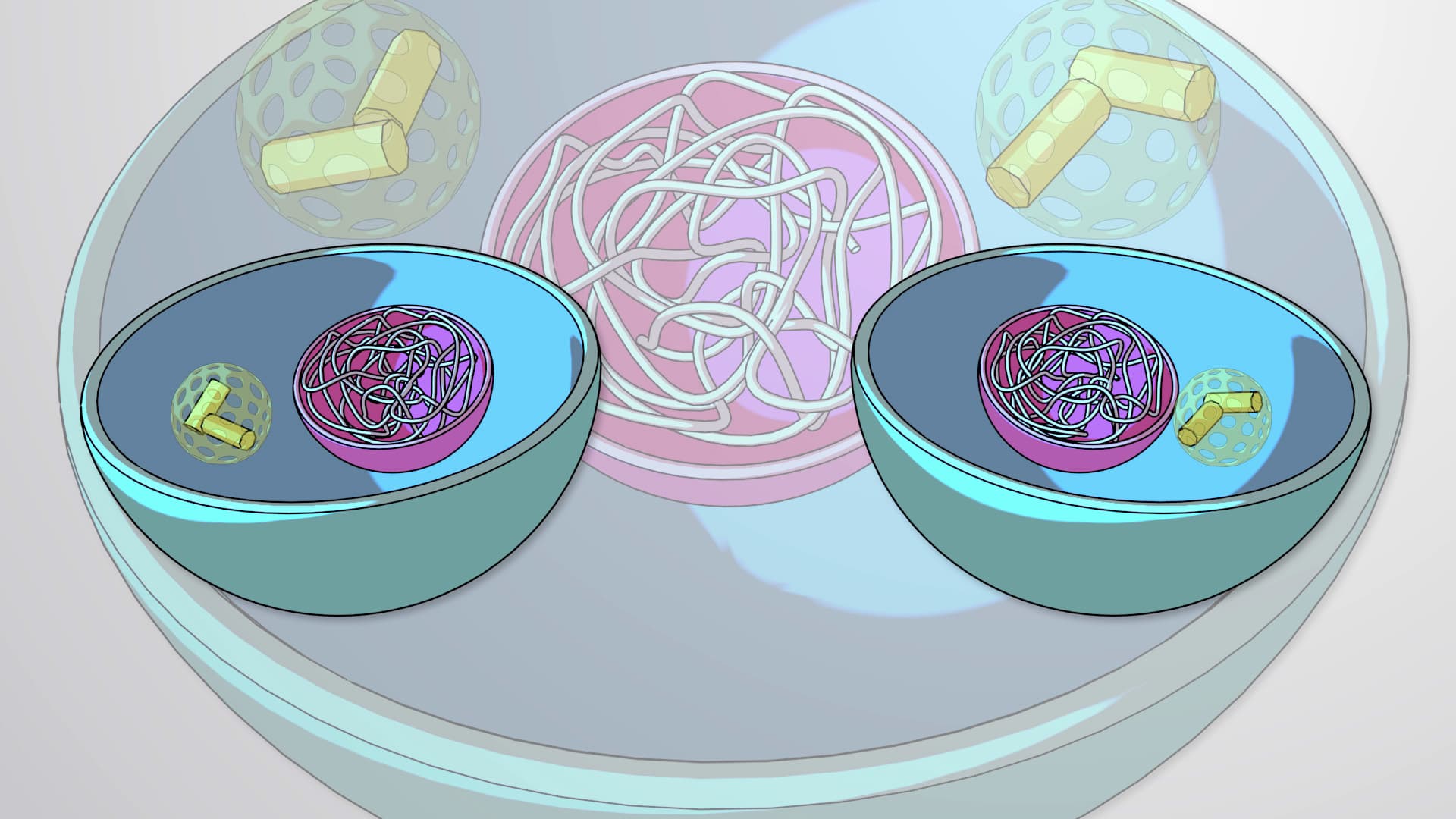
Every time your cells divide, they perform one of biology's most critical quality control processes-ensuring that each daughter cell receives exactly the right number of chromosomes. The spindle assembly checkpoint acts as a molecular guardian, preventing catastrophic cell division errors that could lead to conditions like Down syndrome or cancer. This sophisticated surveillance system monitors chromosome attachment during mitosis, much like how quality inspectors at Boeing factories verify that every aircraft component is properly secured before flight. The spindle assembly checkpoint halts cell division until all chromosomes are correctly positioned, safeguarding genetic fidelity. Watch the full video on JoVE Coach to master this concept with expert-led visuals and step-by-step explanations.
- Understand what is the spindle assembly checkpoint and its fundamental role in preventing chromosome segregation errors during mitosis
- Identify the key molecular components involved in checkpoint signaling, including Mad2, securin, separase, and the APC/C complex
- Analyze how tension at kinetochores serves as the critical signal that determines checkpoint activation or silencing
- Recognize the sequential molecular events from checkpoint activation through sister chromatid separation
- Evaluate the consequences of checkpoint failure and its relationship to genetic disorders and cancer development
- Apply knowledge of checkpoint mechanisms to predict outcomes when specific proteins are mutated or inhibited
- Compare the checkpoint's "wait signal" versus "go signal" states and the molecular switches that control this transition
- Explore how this quality control system integrates with broader cell cycle regulation mechanisms
Understanding the Spindle Assembly Checkpoint Mechanism
The spindle assembly checkpoint represents one of cell biology's most elegant quality control systems. This molecular surveillance network ensures that chromosome segregation during mitosis occurs with extraordinary precision-a process so critical that even single errors can trigger cancer or developmental disorders.
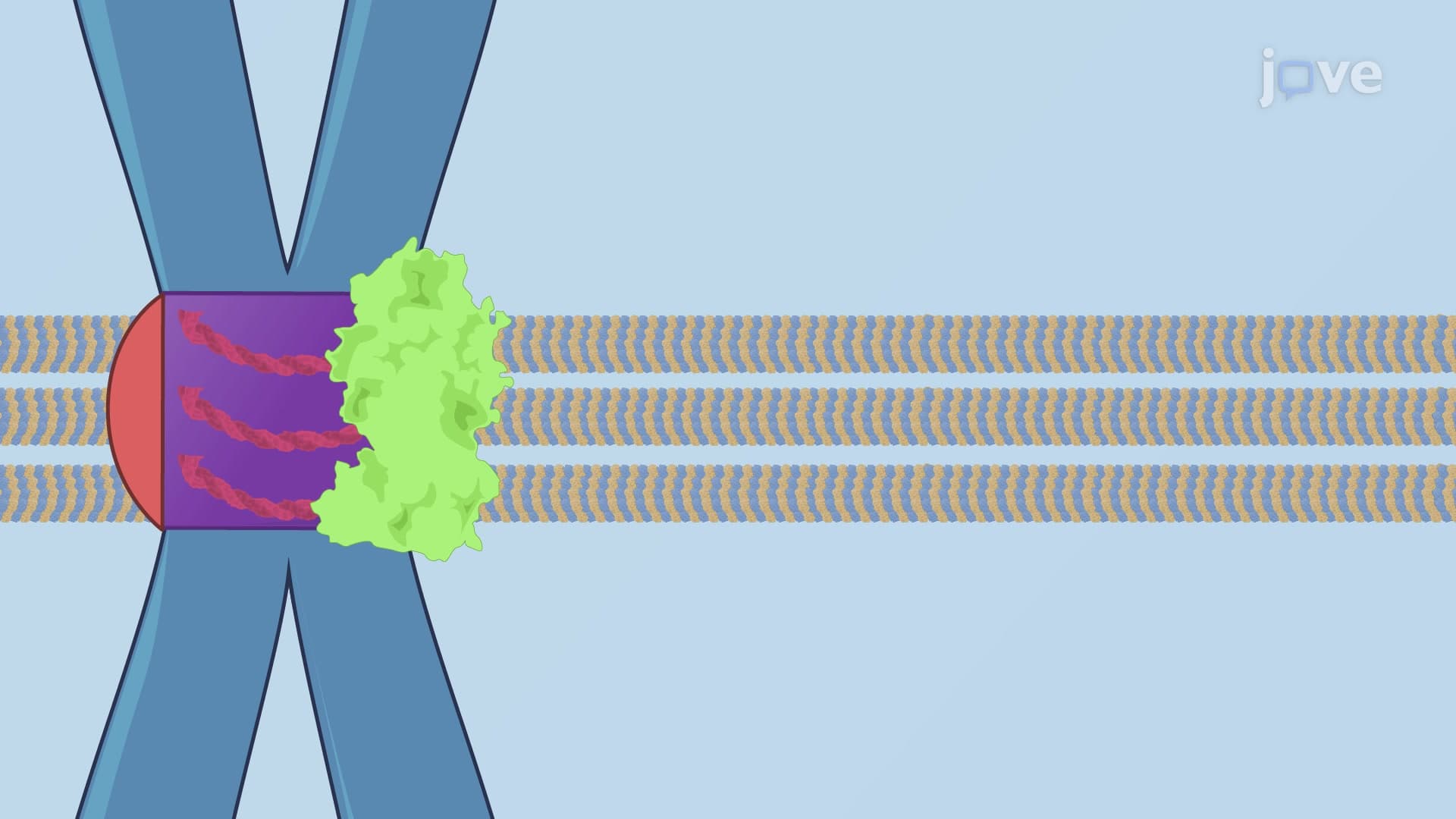
At its core, the checkpoint monitors a deceptively simple parameter: tension. When chromosomes attach properly to spindle fibers from opposite cell poles (bi-orientation), they generate mechanical tension at specialized protein complexes called kinetochores. This tension serves as a "green light" signal, indicating safe conditions for chromosome separation. However, when chromosomes remain unattached or improperly attached, insufficient tension triggers the checkpoint's "red light" response, halting cell division until corrections occur.
Molecular Players and Pathway Activation
The checkpoint's molecular machinery centers around several key proteins that function like components in a sophisticated alarm system. Mad2 protein acts as the primary sensor, undergoing conformational changes when recruited to unattached kinetochores. This activated Mad2 then orchestrates formation of the mitotic checkpoint complex (MCC), which functions as the system's central inhibitor.
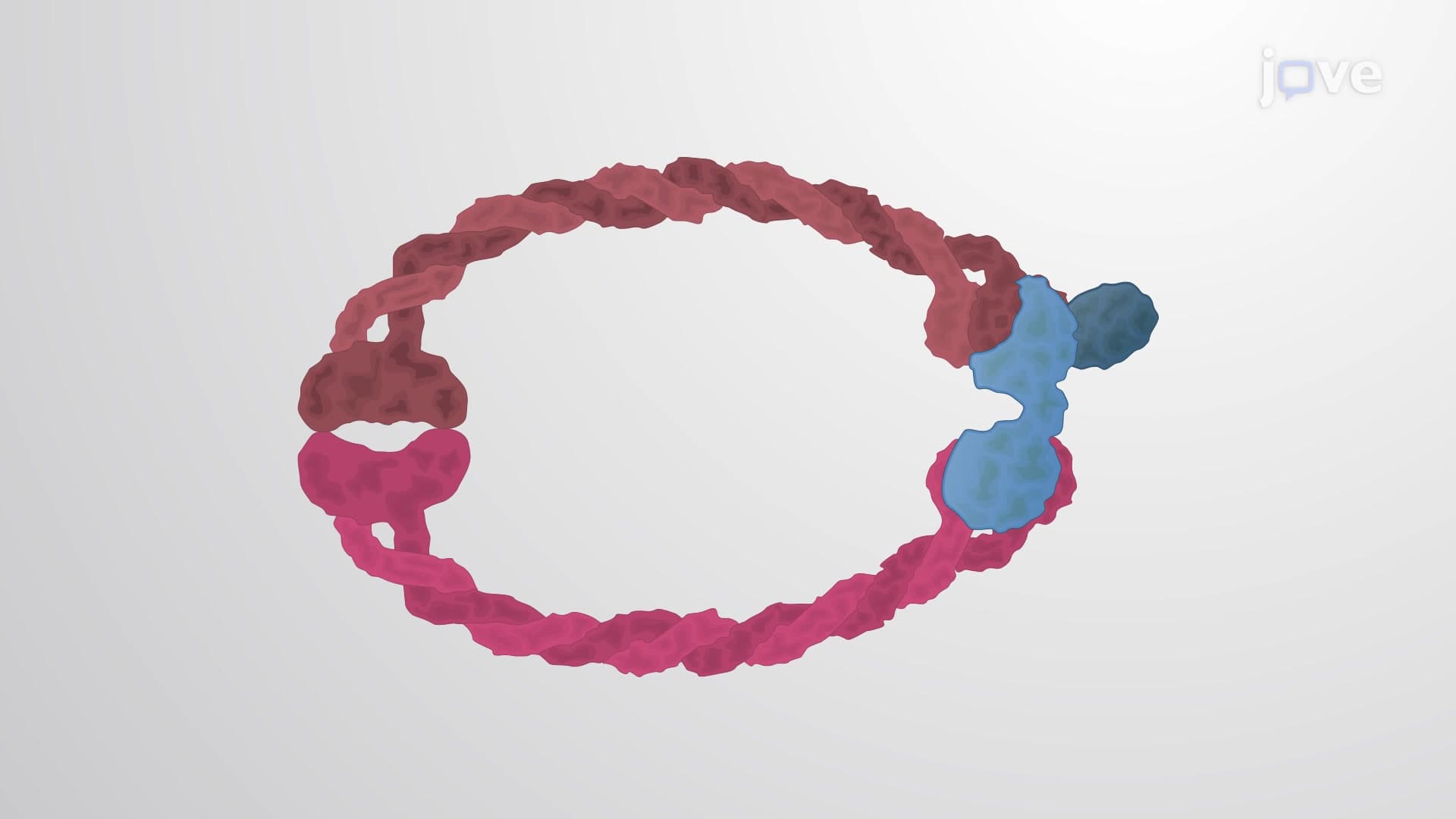
The MCC targets the APC/C-Cdc20 complex, essentially the cell's "destruction machine" responsible for degrading proteins that hold sister chromatids together. When the checkpoint is active, MCC binding prevents APC/C from functioning, maintaining high levels of securin protein. Securin acts like a safety lock on separase enzyme, preventing it from cleaving cohesin rings that physically hold sister chromatids together.
Clinical Relevance and Real-World Applications
Understanding the spindle assembly checkpoint proves essential for students pursuing healthcare careers. Medical schools like Harvard Medical School and Johns Hopkins emphasize this topic in cell biology courses because checkpoint defects directly contribute to human disease. For instance, mutations in checkpoint genes like BUB1 cause mosaic variegated aneuploidy syndrome, while weakened checkpoint function accelerates tumor development in colorectal cancer.
This knowledge appears frequently on standardized exams. The MCAT includes checkpoint questions in its biological foundations section, while AP Biology courses cover this mechanism when discussing cell cycle regulation. Students at institutions like MIT and Stanford often encounter detailed checkpoint problems in advanced cell biology courses, requiring integration of molecular mechanisms with physiological outcomes.
The checkpoint's therapeutic relevance continues expanding as researchers develop cancer treatments targeting this pathway. Understanding how checkpoint inhibition might selectively kill cancer cells while sparing normal cells represents a cutting-edge area connecting basic cell biology to clinical applications-knowledge increasingly valuable for students entering biomedical research or pharmaceutical careers.
Frequently Asked Questions
The spindle assembly checkpoint is a cellular quality control system that prevents chromosome separation during cell division until all chromosomes are properly attached to the cell's division machinery. Think of it as a safety mechanism that ensures each new cell receives exactly the right number of chromosomes, preventing genetic errors that could cause cancer or birth defects.
For AP Biology purposes, the spindle assembly checkpoint is defined as a cell cycle control mechanism that monitors kinetochore-spindle attachment during mitosis and delays anaphase onset until all chromosomes achieve proper bi-orientation. This checkpoint prevents aneuploidy by ensuring faithful chromosome segregation through tension-sensing mechanisms at kinetochores.
MCAT questions typically test checkpoint mechanism understanding through scenario-based problems involving protein function, drug effects, or mutation consequences. Students might analyze how checkpoint inhibition affects cancer cells versus normal cells, or predict outcomes when specific checkpoint proteins are defective, connecting molecular mechanisms to broader biological principles.
Absolutely-this topic appears frequently in college-level cell biology courses at institutions like UCLA, University of Michigan, and other major universities. Exam questions often require students to trace the pathway from checkpoint activation through sister chromatid separation, analyze experimental data, or predict effects of protein mutations on cell division fidelity.
Many cancer cells have weakened checkpoint function, making them more vulnerable to drugs that further disrupt chromosome segregation. Pharmaceutical companies are developing checkpoint inhibitors as targeted cancer therapies, exploiting the difference between normal cells (with intact checkpoints) and cancer cells (with defective checkpoints) to selectively kill tumors while sparing healthy tissue.
Not at all-while the molecular details involve multiple proteins, the core concept builds on basic cell biology principles you already know about mitosis and protein function. Start with understanding the checkpoint's purpose (preventing chromosome errors), then gradually learn the key players and their interactions, much like learning any biological pathway step-by-step.
Create a flowchart showing the pathway from unattached chromosomes through checkpoint activation to final sister chromatid separation. Practice drawing this mechanism from memory, then test yourself with "what if" scenarios-what happens if Mad2 is mutated, if tension is artificially applied, or if APC/C is inhibited? This active recall approach works better than passive reading.
Build on this foundation by studying other cell cycle checkpoints (G1/S and intra-S phase), exploring how checkpoint defects contribute to specific cancers, or investigating checkpoint protein structure-function relationships. Understanding DNA damage checkpoints provides excellent context for seeing how cells coordinate multiple quality control systems throughout the cell cycle.
Related Micro-courses