Loading subject page…


101,001 views

Video Summary: What Is Attachment of Sister Chromatids
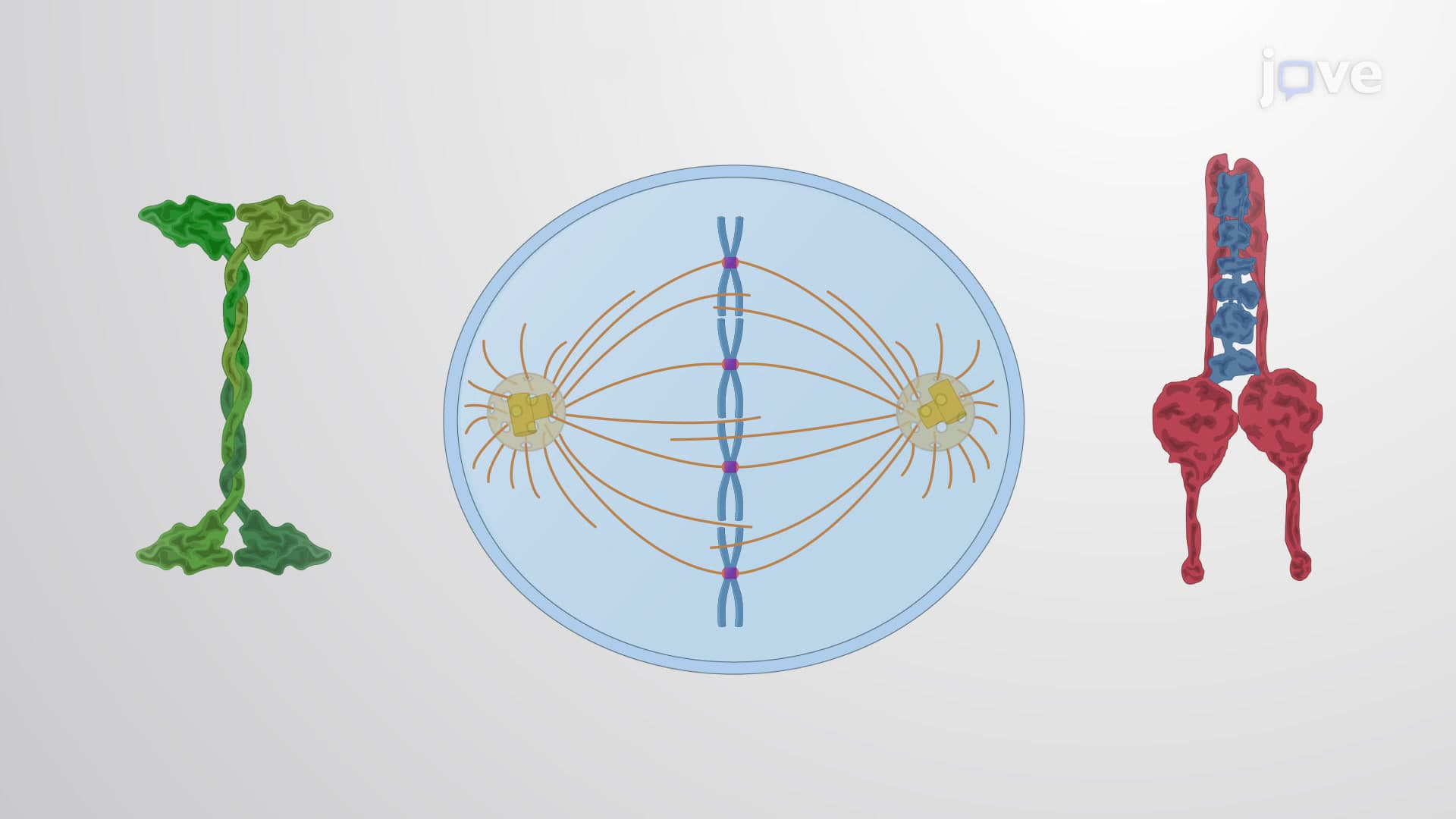
Every time your body heals a cut or grows taller, millions of cells must divide perfectly to avoid cancer-causing errors. The attachment of sister chromatids is the critical cellular mechanism that ensures accurate chromosome separation during mitosis, preventing genetic disorders that affect over 3,000 Americans daily according to the National Institutes of Health. This process involves specialized protein complexes called kinetochores that act like molecular anchors, connecting duplicated chromosomes to the cell's division machinery. Watch the full video on JoVE Coach to master this concept with expert-led visuals and step-by-step explanations.
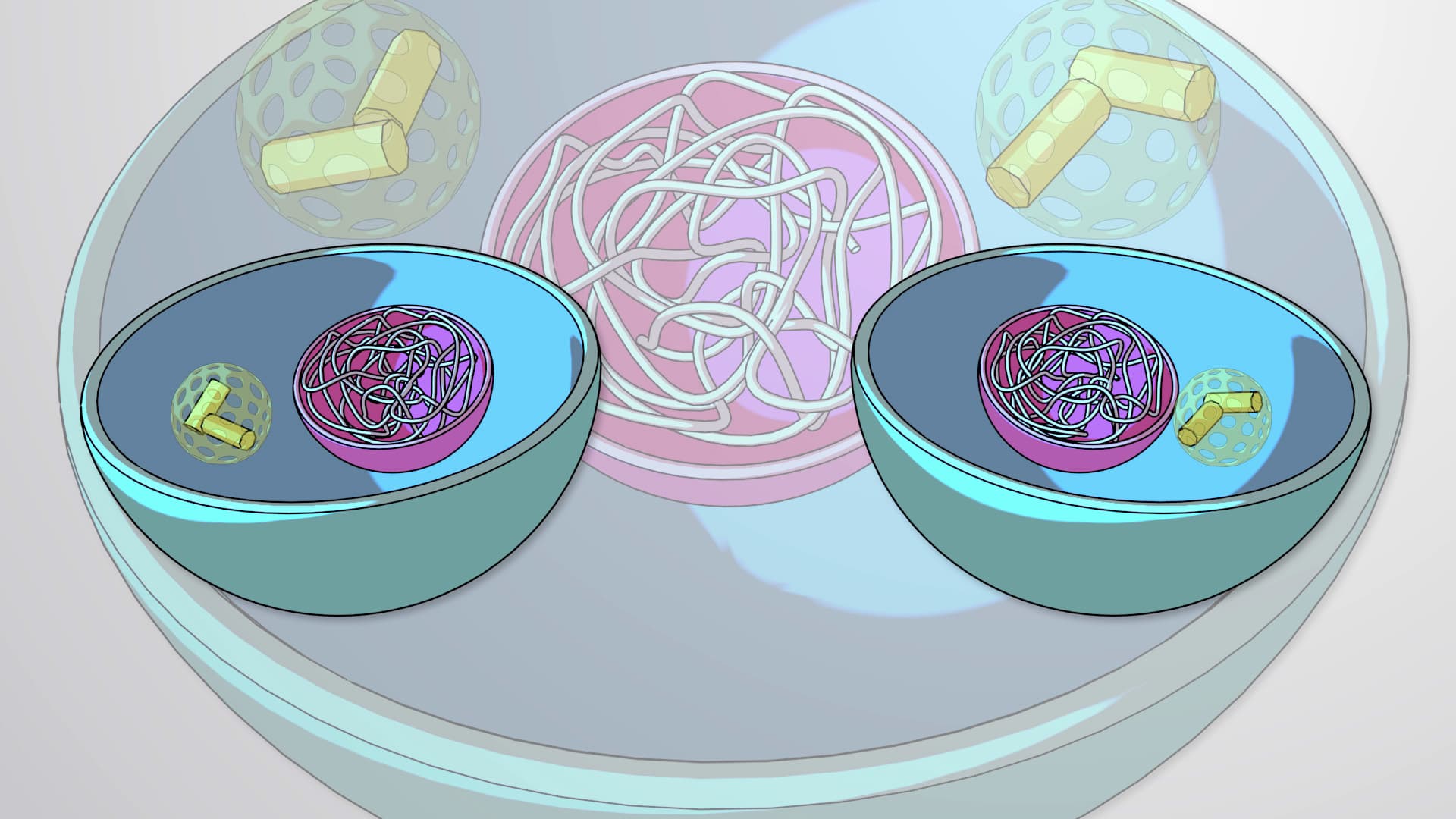
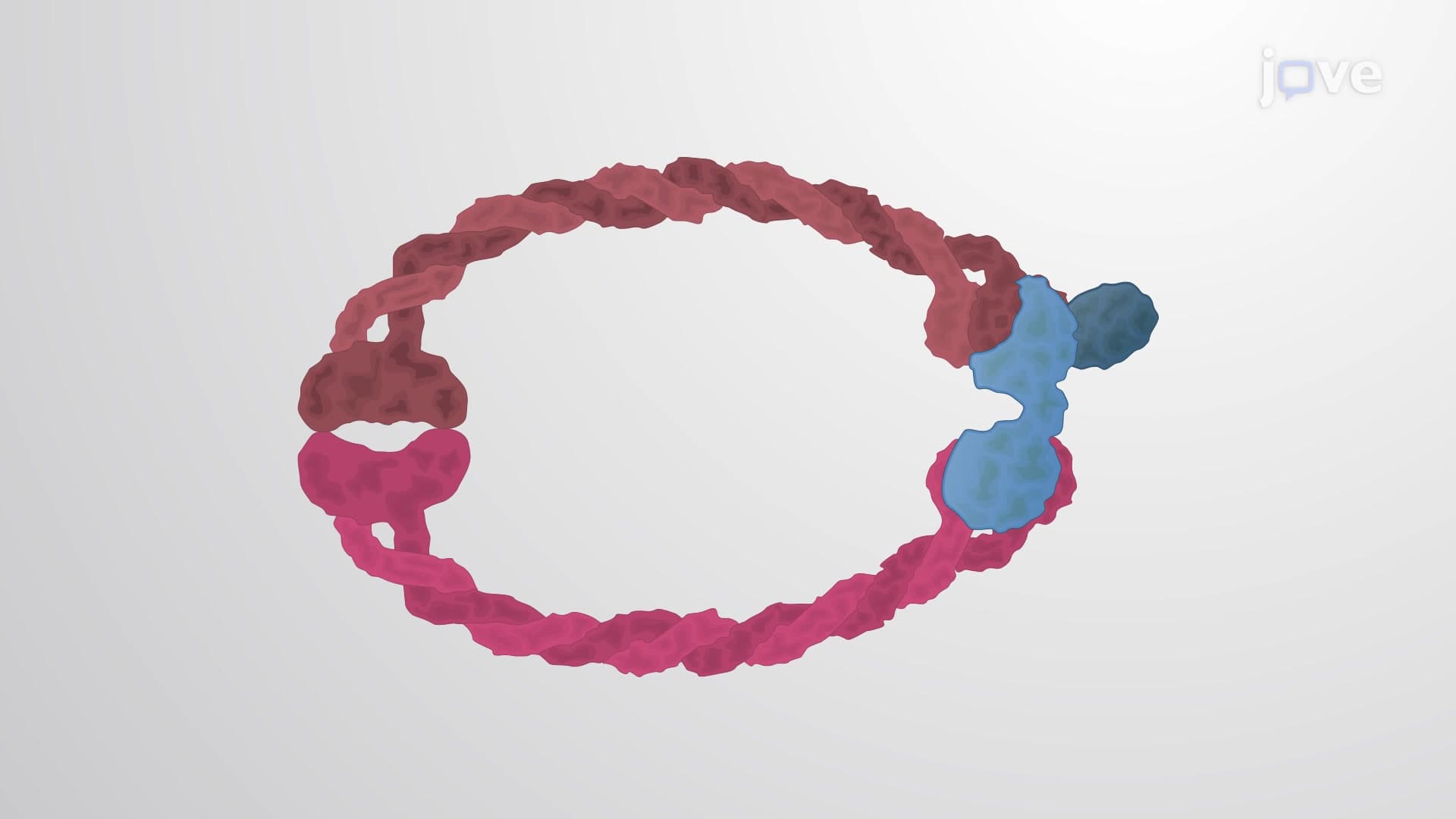
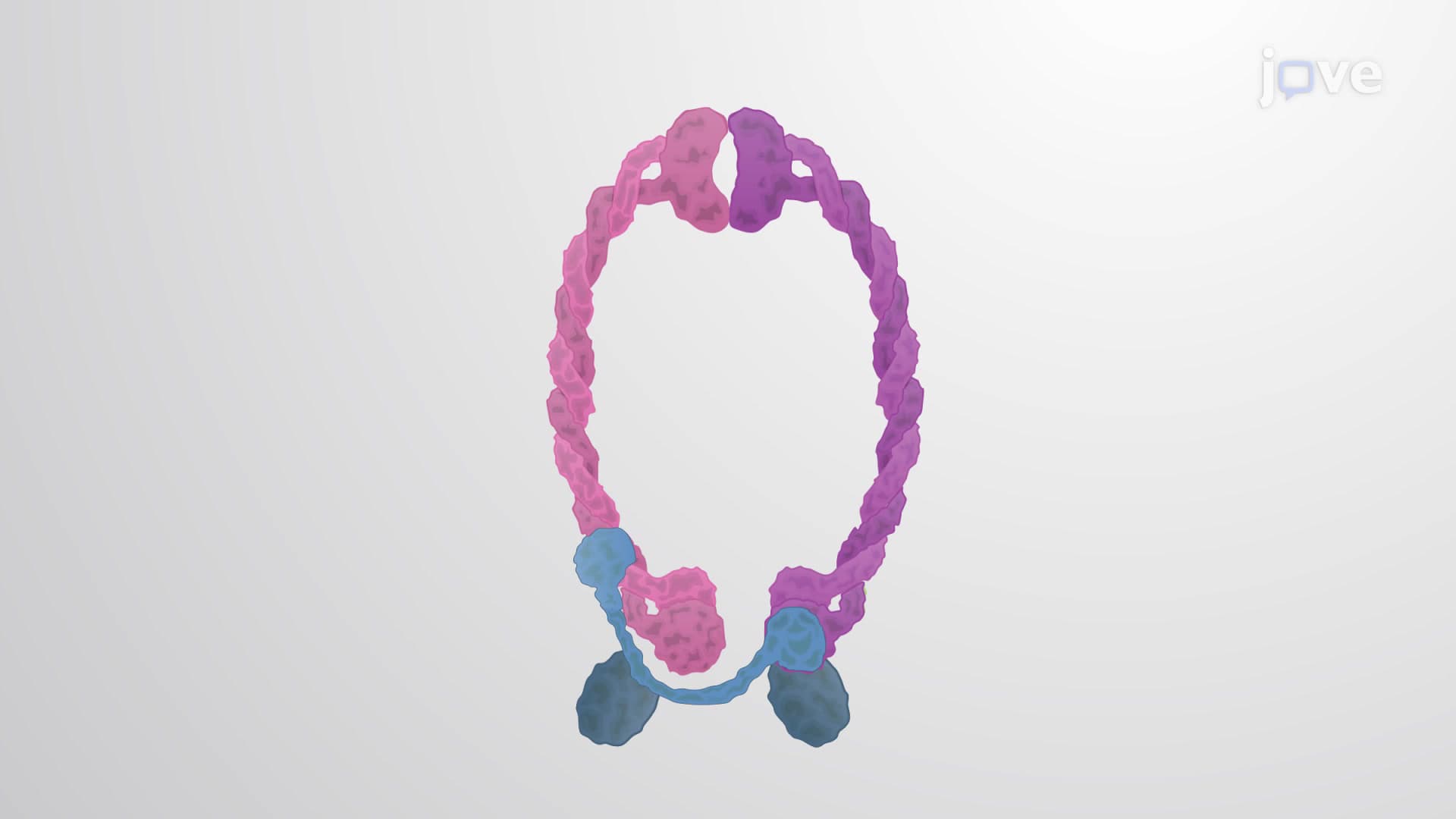
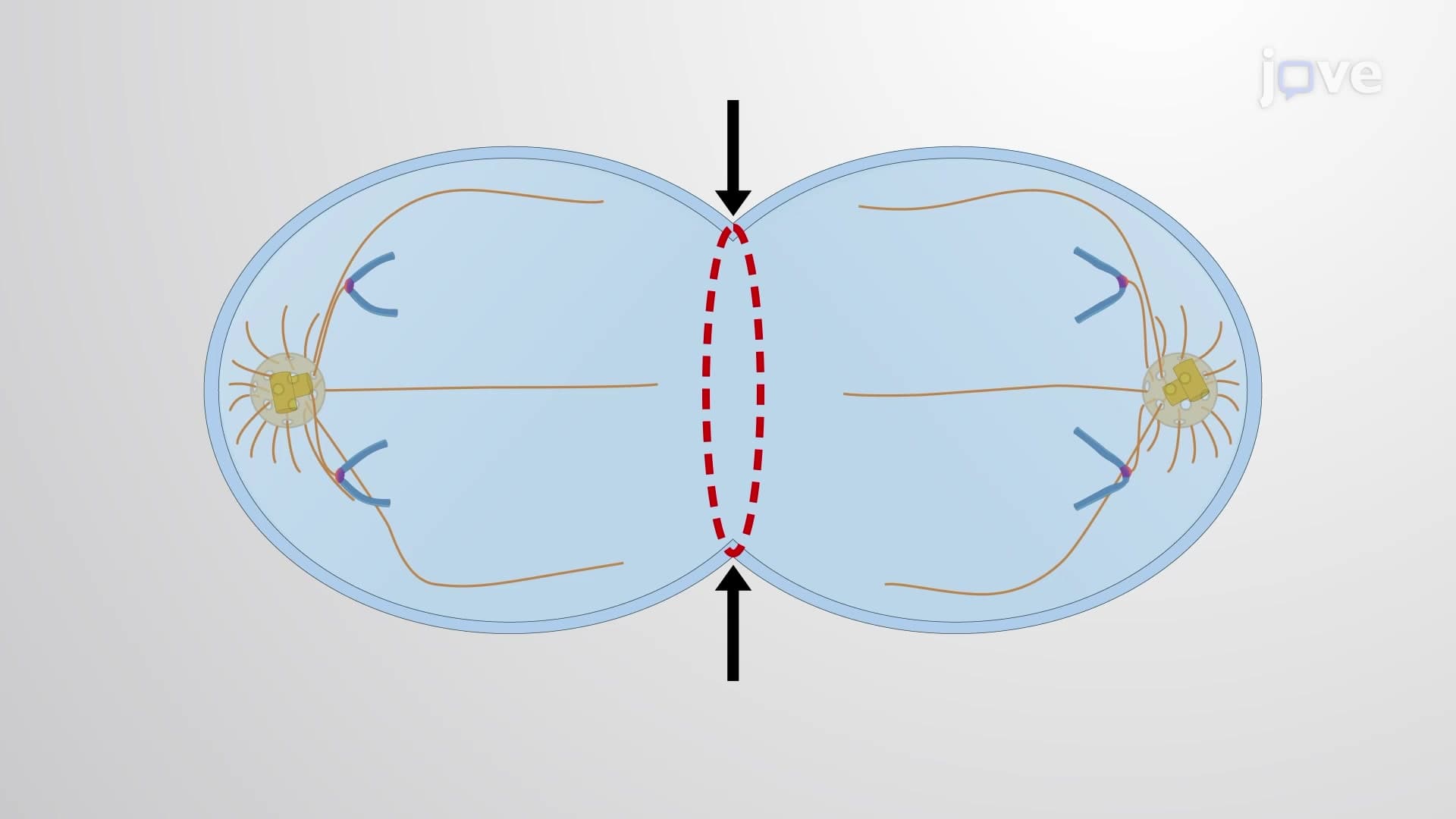
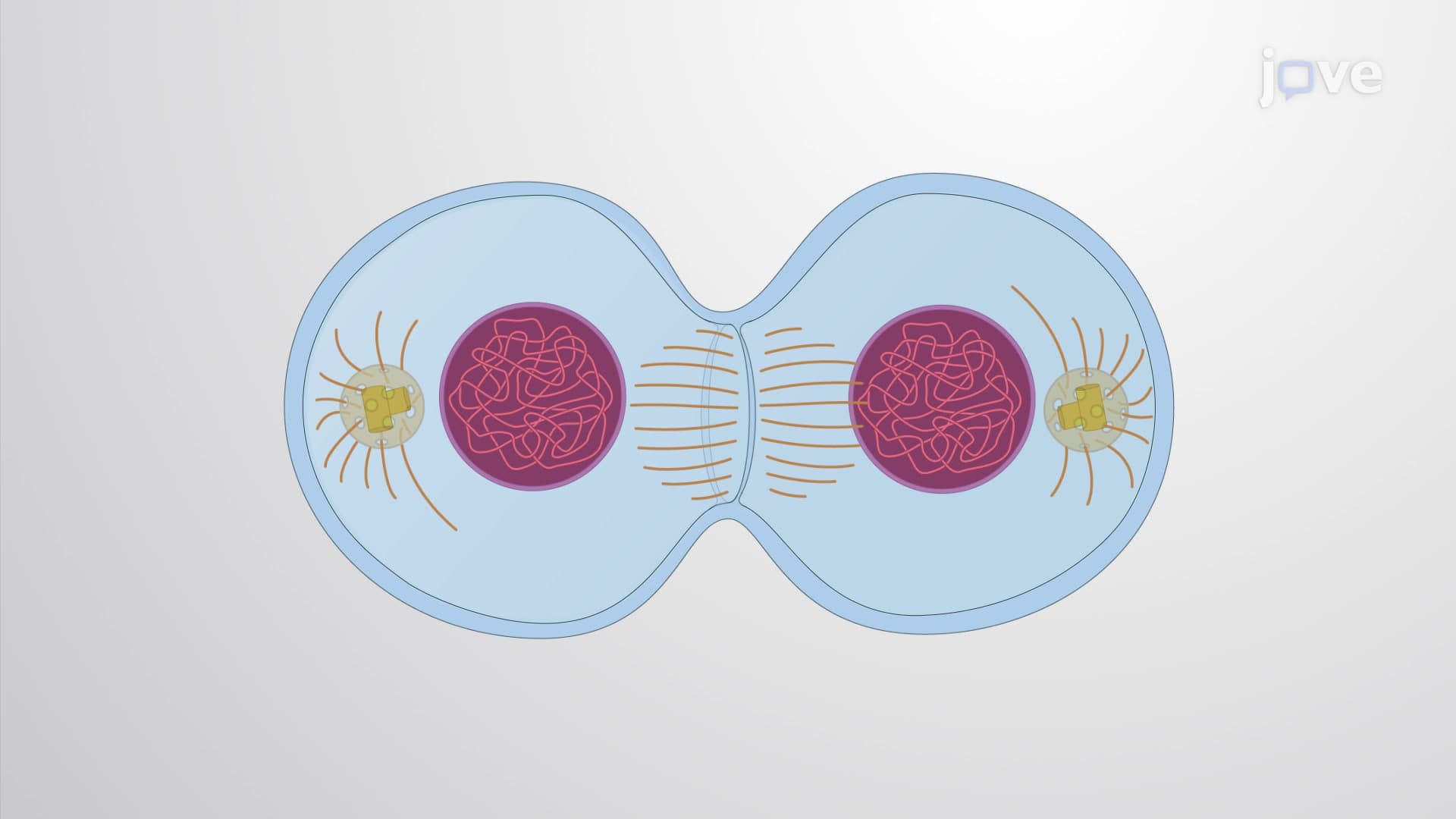
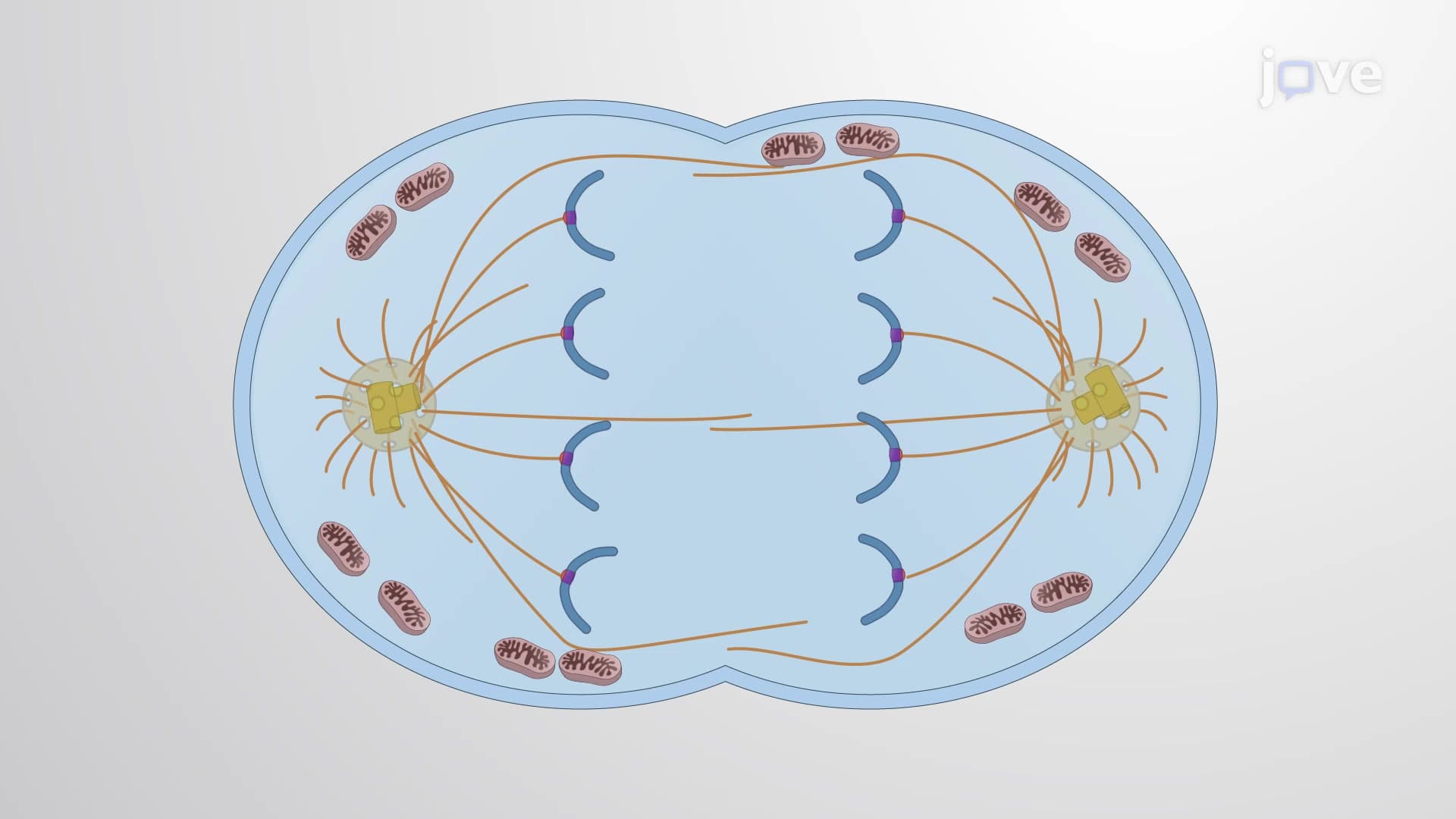
The attachment of sister chromatids represents one of biology's most precisely orchestrated molecular events, ensuring that each daughter cell receives an exact copy of genetic material. This process occurs during mitosis when replicated chromosomes, consisting of two identical sister chromatids joined at the centromere, must be properly distributed to newly forming cells. For students preparing for the AP Biology exam or college-level cell biology courses, mastering this concept is essential as it frequently appears in multiple-choice questions and free-response essays about cell division.
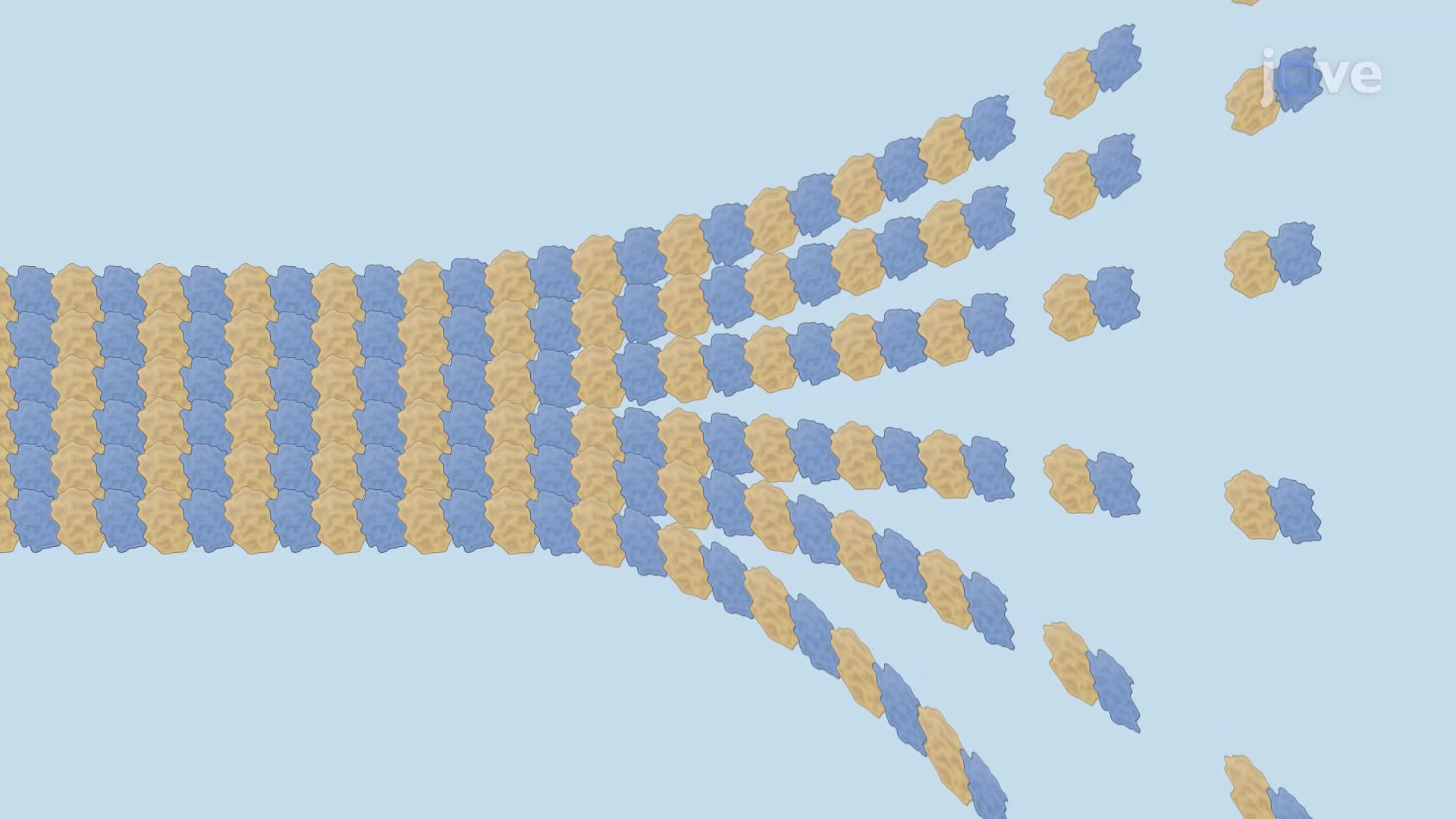
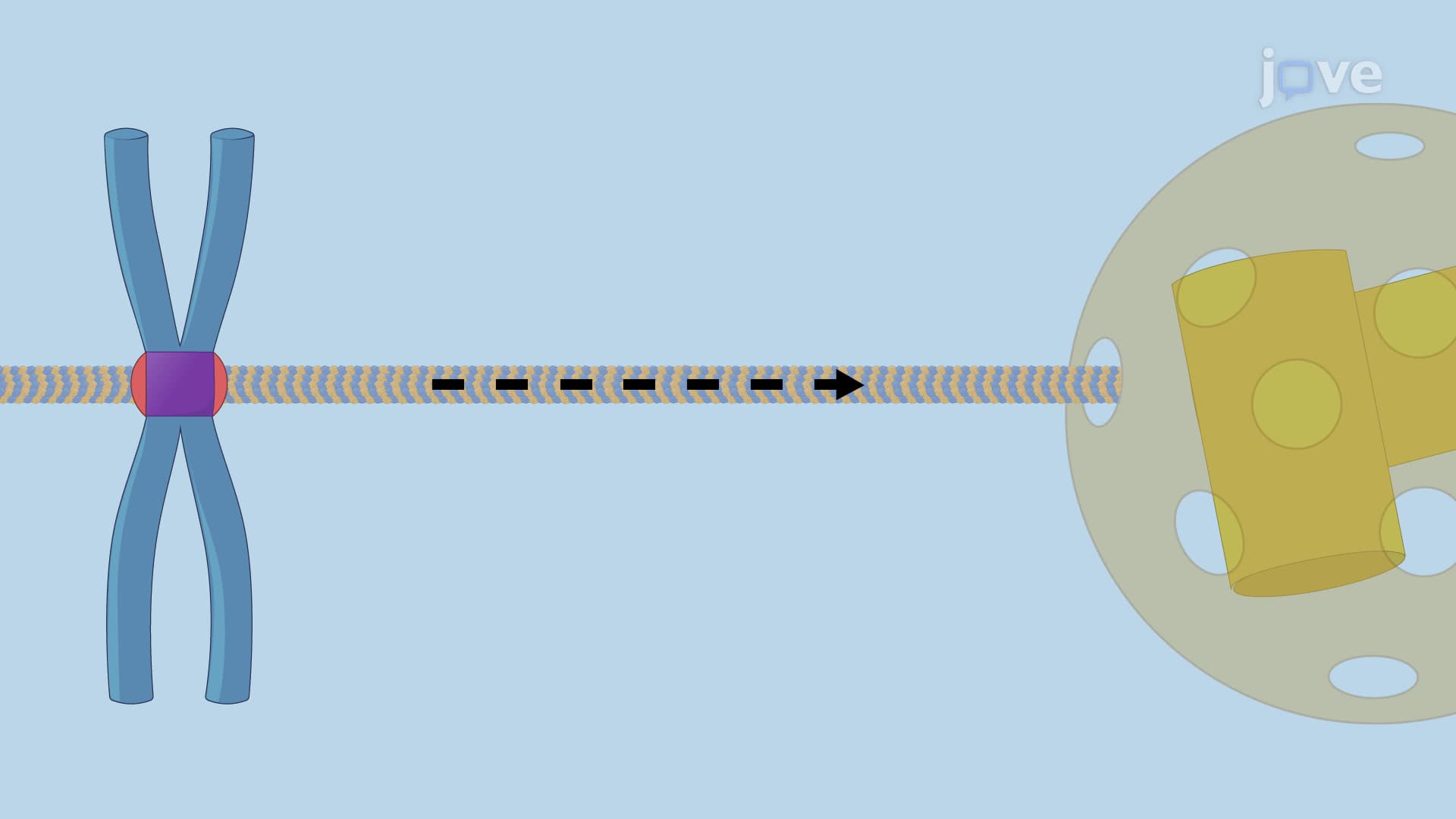
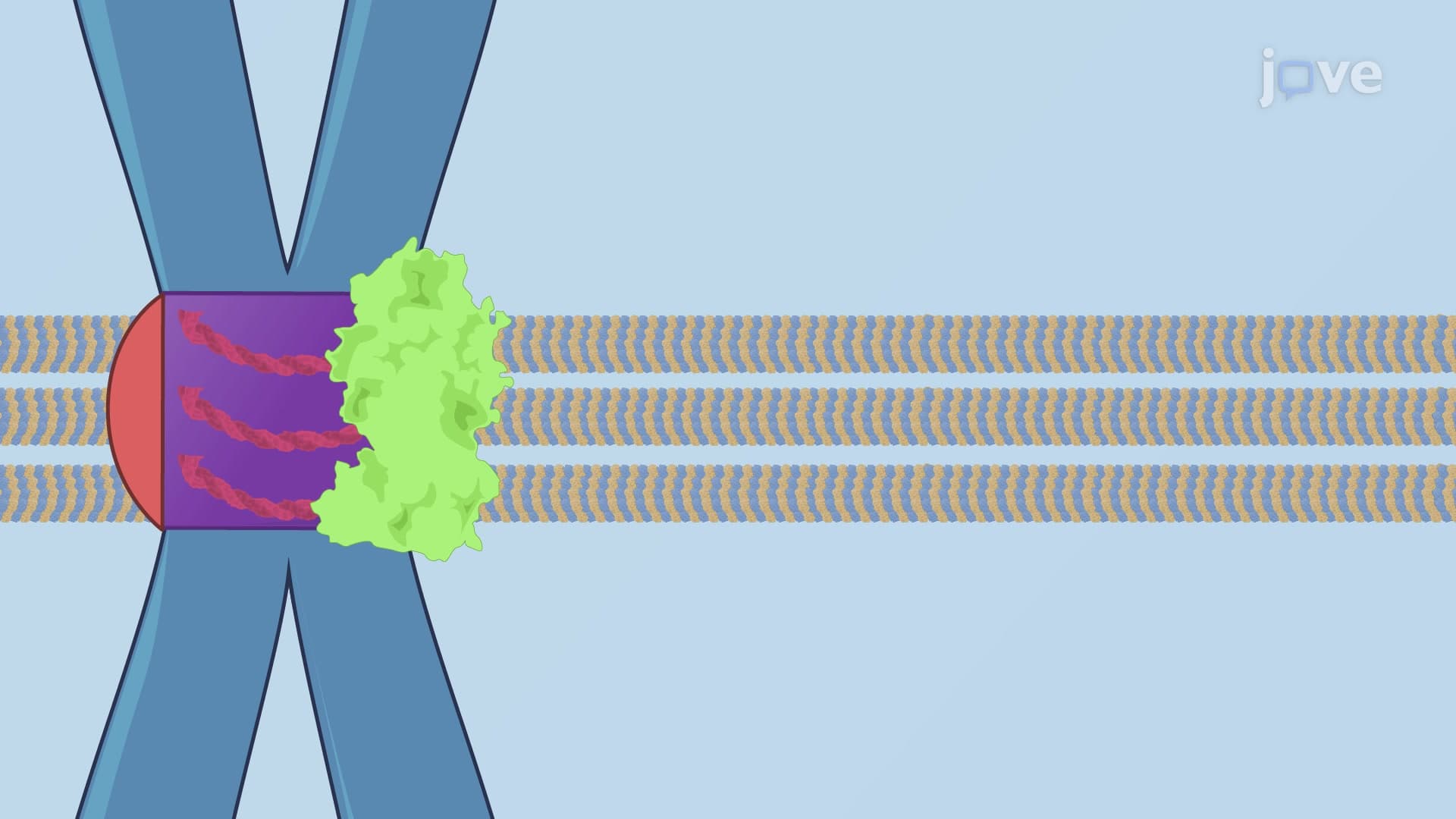
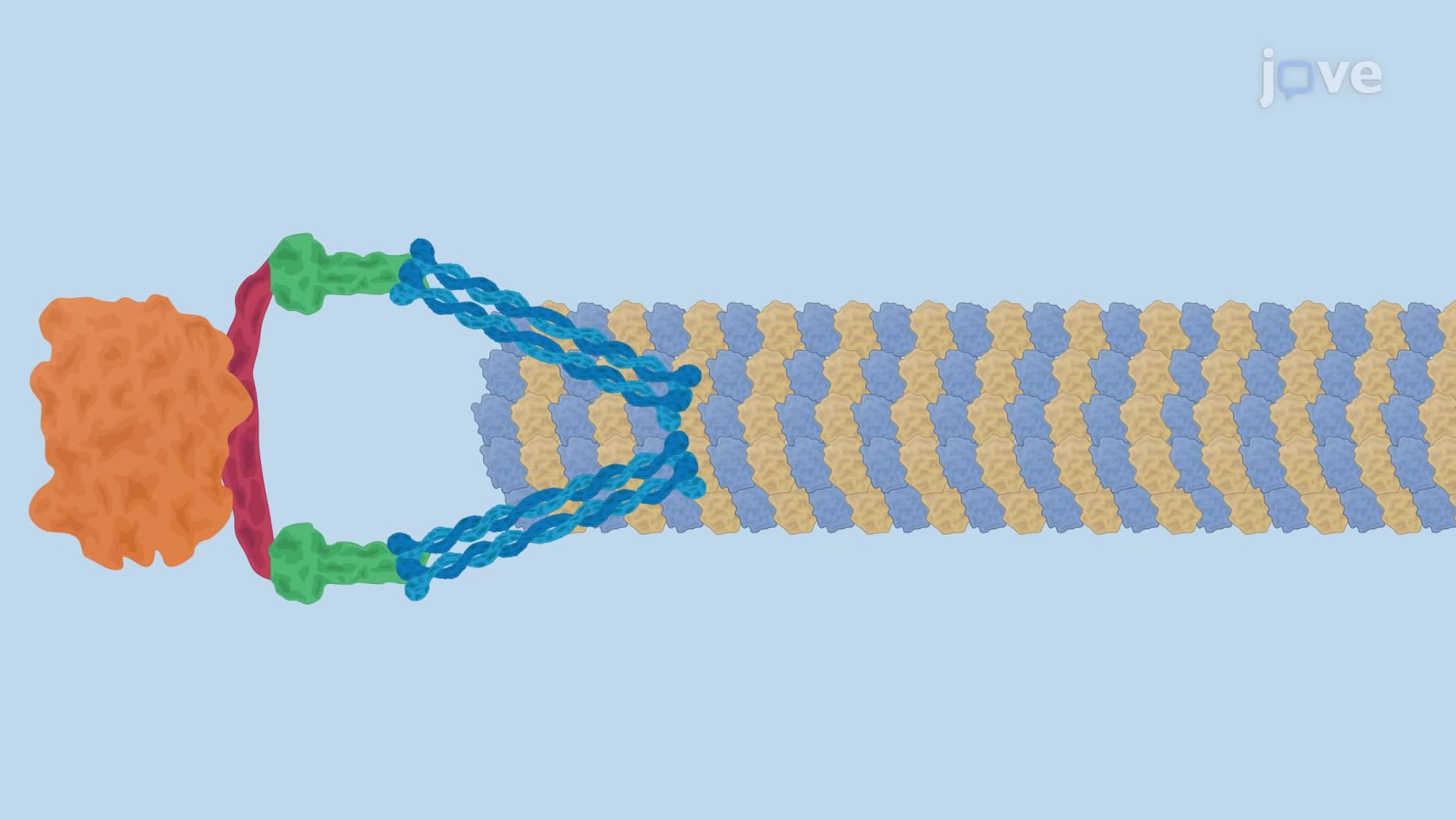
At the heart of sister chromatid attachment lies the kinetochore, a sophisticated multi-protein complex that serves as the connection point between chromosomes and the cellular machinery responsible for chromosome movement. The kinetochore's inner layer anchors securely to the centromere region of each sister chromatid, while the outer layer contains specialized Ndc80 protein complexes that directly bind to spindle microtubules. This two-layer architecture allows for both stable chromosome attachment and dynamic responses to cellular signals-a concept commonly tested in MCAT Cell and Molecular Biology sections.
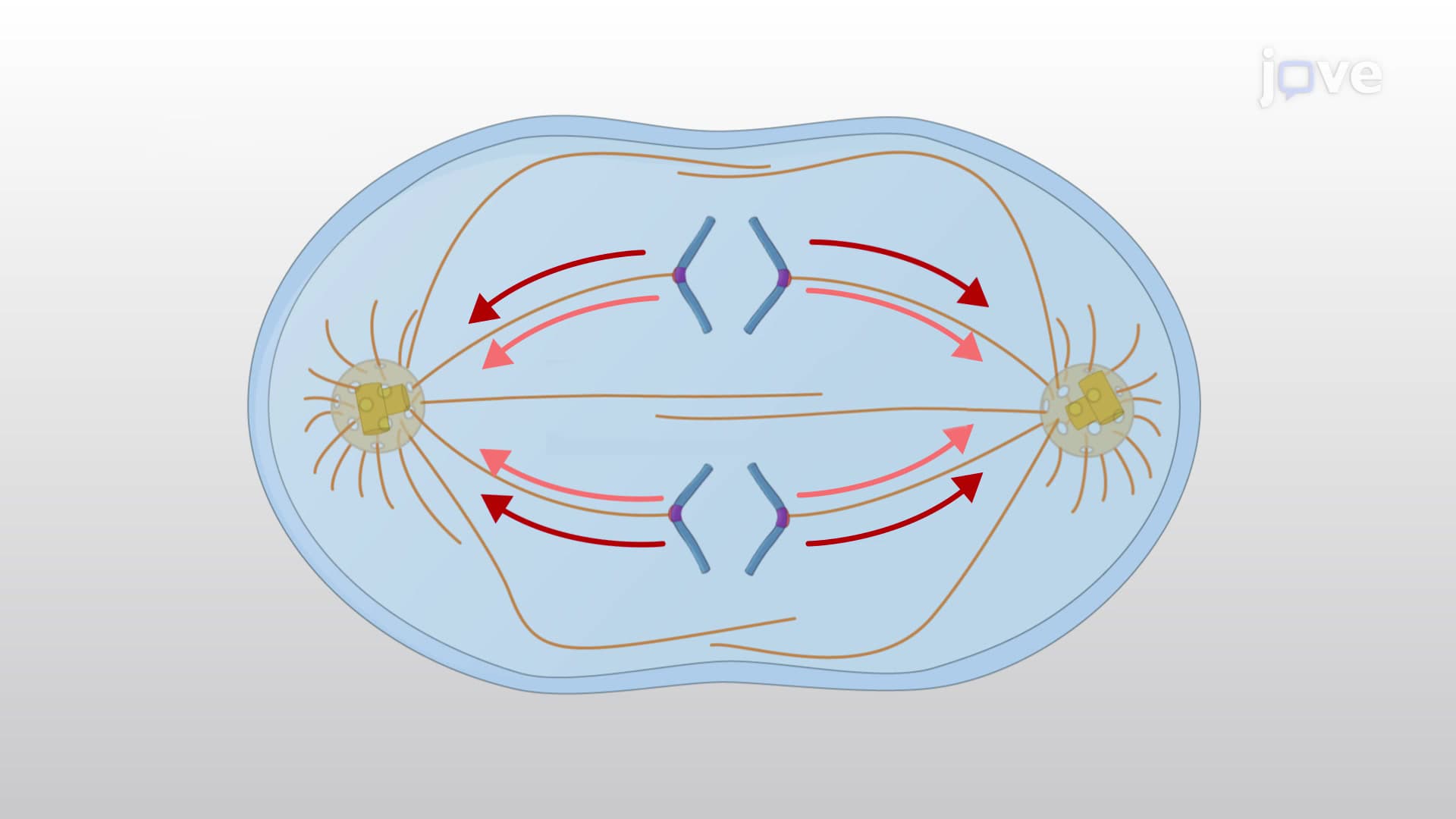
The most remarkable aspect of sister chromatid attachment involves achieving bi-orientation, where each sister chromatid connects to microtubules emanating from opposite poles of the mitotic spindle. This configuration creates significant tension within the kinetochore structure as opposing forces pull sister chromatids in different directions while cohesion proteins resist separation. Students studying for college biology midterms should understand that this tension serves as a critical checkpoint mechanism, ensuring chromosomes are properly attached before division proceeds.
The tension-sensing mechanism relies on Aurora B kinase, often called the "molecular guardian" of chromosome segregation. When sister chromatids lack proper bi-orientation, Aurora B remains close enough to phosphorylate Ndc80 complexes, weakening microtubule attachment and allowing correction of improper connections. Once proper bi-orientation generates sufficient tension, Aurora B moves away from Ndc80, stabilizing attachments and permitting cell division to continue. This sophisticated quality control system prevents aneuploidy-abnormal chromosome numbers linked to conditions like Down syndrome, affecting approximately 6,000 births annually in the United States according to the CDC.
Related Micro-courses