Loading subject page…

- Molecular Biology
- Analyzing Gene Expression and Function
- Genome-wide Association Studies-GWAS
Micro-course: Analyzing Gene Expression and Function
152,901 views
Learn key concepts and earn your certificate.










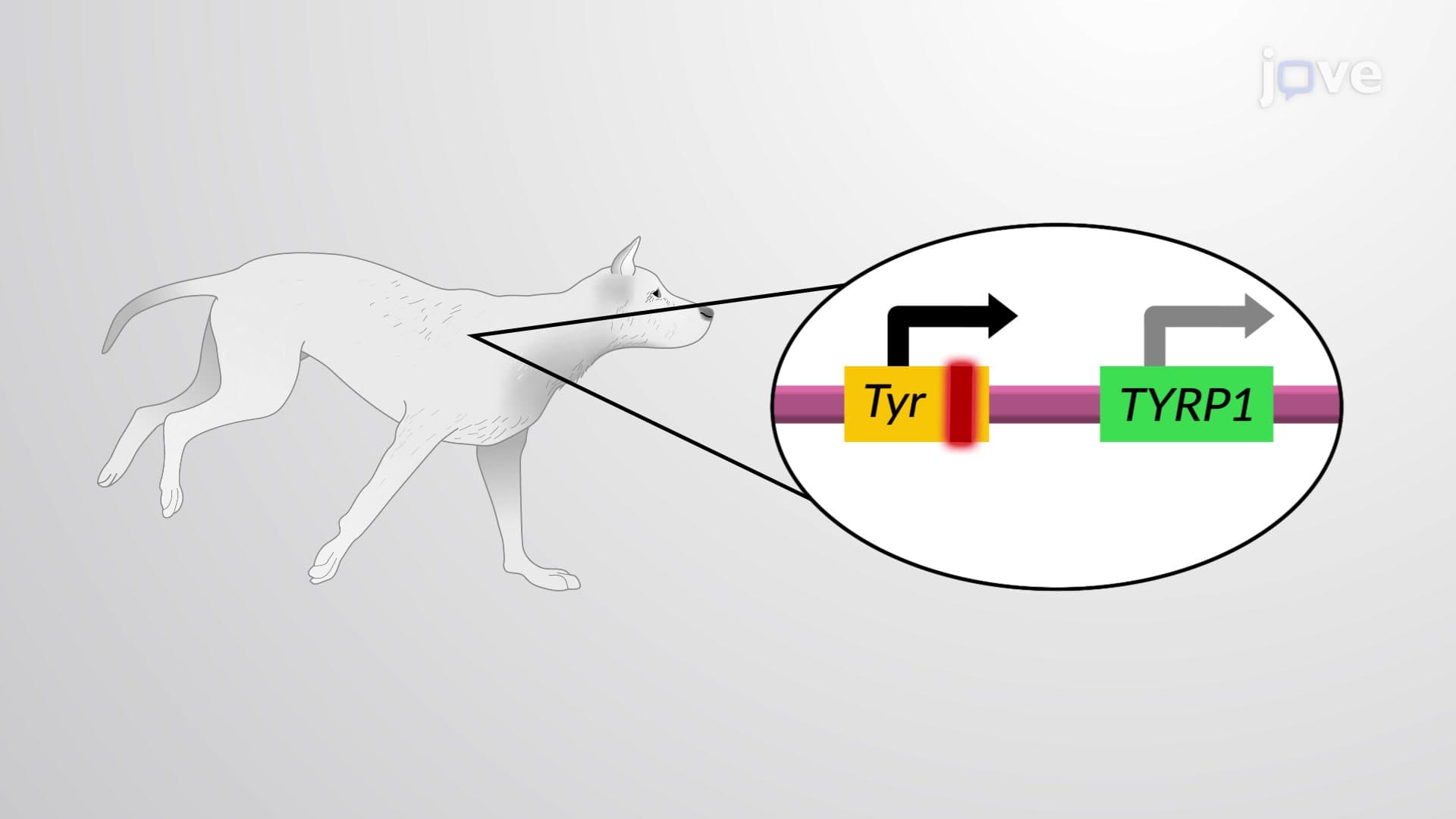
Genome-wide Association Studies-GWAS


00:00
01:11
Video Summary: Genome Wide Association Studies Gwas Explained
Did you know that researchers can scan millions of genetic markers across entire populations to find disease-causing genes? Genome wide association studies gwas revolutionize how scientists identify genetic variations linked to conditions like diabetes and heart disease. These powerful studies compare DNA from thousands of patients at institutions like Johns Hopkins and Harvard Medical School to healthy individuals, searching for genetic clues. Watch the full video on JoVE Coach to master this concept with expert-led visuals and step-by-step explanations.
- Understand how Genome Wide Association Studies Gwas Explained methodology compares diseased and healthy populations to identify genetic risk factors
- Identify the role of single nucleotide polymorphisms (SNPs) as genetic markers in large-scale population studies
- Analyze the statistical significance of genetic associations found between specific DNA variations and disease phenotypes
- Compare the frequency of genetic variants between case groups and control groups in research populations
- Evaluate the limitations of GWAS findings, including the distinction between correlation and causation in genetic studies
- Apply knowledge of haplotype blocks to understand why associated SNPs may not be the actual disease-causing variants
- Recognize how GWAS discoveries contribute to personalized medicine and pharmaceutical drug development
- Explore the ethical considerations surrounding genetic screening and population-based genomic research
Understanding Genome Wide Association Studies Gwas Explained
Genome wide association studies gwas represent one of the most powerful tools in modern genetics for uncovering the genetic basis of human diseases. These comprehensive studies scan the entire human genome-all 3 billion base pairs-looking for genetic variations that occur more frequently in people with specific diseases compared to healthy individuals. Unlike traditional genetic studies that focus on single genes or small genomic regions, GWAS takes a broad, unbiased approach to genetic discovery.
The Scientific Foundation of GWAS Methodology
The cornerstone of genome wide association studies gwas lies in comparing large populations. Researchers typically recruit thousands of participants-often 10,000 to 100,000 or more-dividing them into cases (individuals with the disease) and controls (healthy individuals). For example, the Framingham Heart Study, conducted in Massachusetts since 1948, has provided crucial GWAS data for cardiovascular diseases affecting American populations.
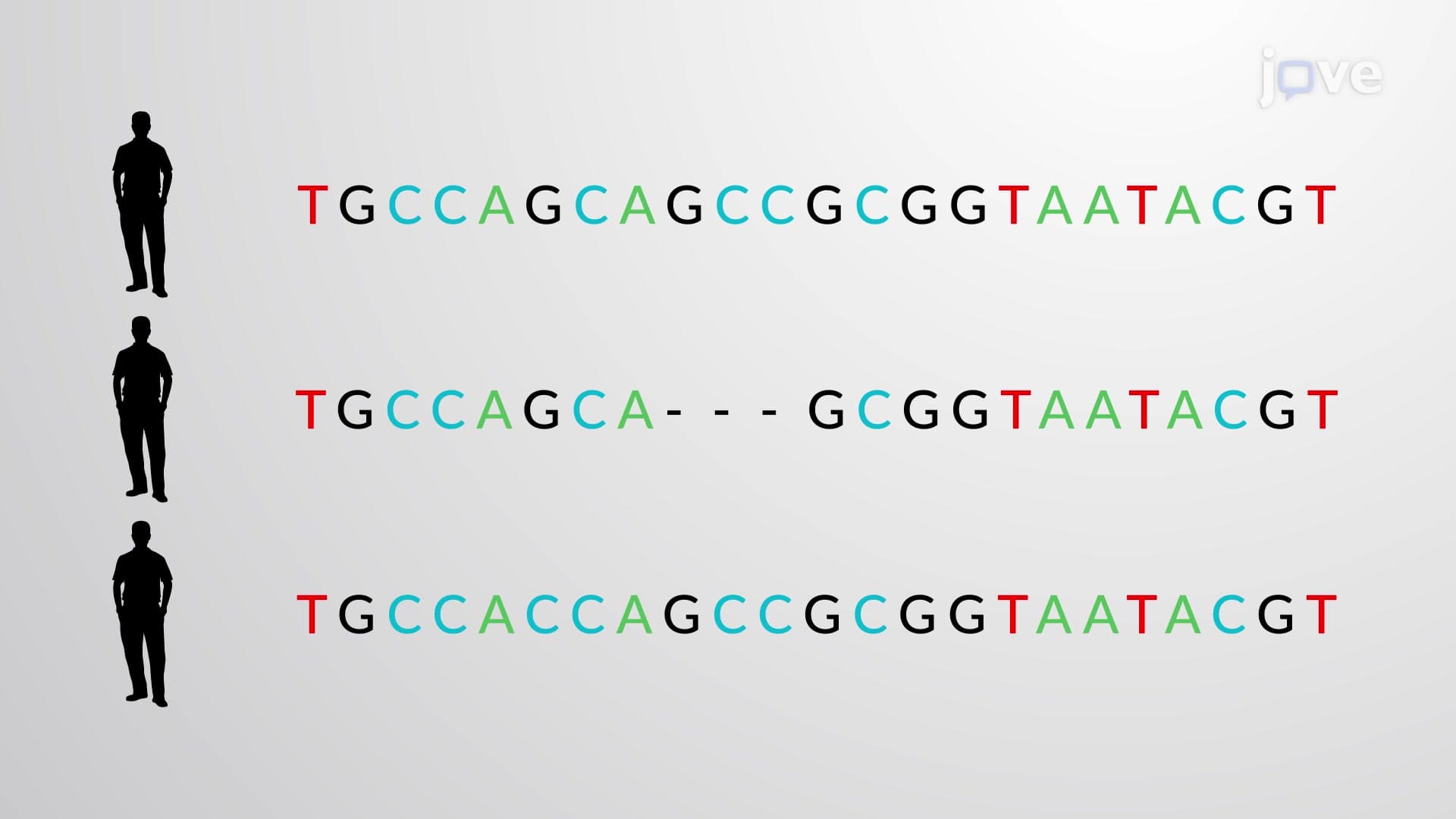
Each participant provides a DNA sample, usually through blood or saliva collection. Advanced sequencing technologies then scan for single nucleotide polymorphisms (SNPs)-locations where individual DNA letters differ between people. The human genome contains approximately 4-5 million common SNPs, and modern GWAS platforms can analyze 500,000 to several million of these variations simultaneously.
Statistical Analysis and Haplotype Considerations
When genome wide association studies gwas identify significant associations, researchers use rigorous statistical methods to ensure findings aren't due to chance. The gold standard requires p-values less than 5 × 10^-8, accounting for the multiple comparisons made across millions of genetic variants. This stringent threshold helps prevent false discoveries that could mislead medical research.
However, identified SNPs rarely represent the actual disease-causing mutations. Instead, they typically serve as genetic "flags" within haplotype blocks-stretches of DNA inherited together through generations. The truly causal variant often lies nearby within the same block, linked through genetic inheritance patterns. This concept proves crucial for AP Biology students studying genetic linkage and for pre-med students preparing for MCAT genetics sections.
Real-World Applications in American Healthcare
GWAS discoveries have transformed medical practice across American healthcare systems. The identification of BRCA1 and BRCA2 gene variants through population studies led to genetic testing programs at major medical centers like Mayo Clinic and Cleveland Clinic. Similarly, GWAS findings for Type 2 diabetes have influenced screening protocols at community health centers nationwide, particularly in populations with higher genetic risk factors.
These studies also drive pharmaceutical development, with companies like Pfizer and Johnson & Johnson using GWAS data to identify new drug targets. Understanding genetic associations helps predict which patients will respond best to specific medications, advancing the field of personalized medicine that's increasingly important in American clinical practice.
Frequently Asked Questions
GWAS are large-scale research studies that compare genetic variations across entire genomes between people with diseases and healthy individuals. Researchers analyze DNA samples from thousands of participants, scanning millions of genetic markers called SNPs to identify variations associated with specific conditions. The goal is finding genetic clues that could lead to better treatments, prevention strategies, or understanding of disease mechanisms.
The MCAT frequently includes GWAS concepts in genetics passages, testing your understanding of study design, statistical significance, and genetic variation analysis. AP Biology covers GWAS in the context of population genetics and evolution, often asking students to interpret data about allele frequencies and genetic associations. College genetics courses typically include GWAS methodology in midterm and final exams, focusing on experimental design and data interpretation skills.
GWAS identify genetic variations statistically associated with diseases, but these associations don't prove causation. Most significant SNPs are simply genetic "markers" that travel together with actual disease-causing variants through inheritance patterns called haplotype blocks. This distinction is crucial for understanding why additional functional studies are needed to confirm which genetic changes actually cause diseases rather than just correlating with them.
Major US research universities use GWAS findings to develop targeted therapies and improve disease prevention strategies. For example, researchers at Stanford Medicine have used GWAS data to create genetic risk scores for heart disease prevention in diverse American populations. Harvard's Broad Institute applies GWAS discoveries to identify new drug targets, while institutions like Johns Hopkins translate findings into clinical genetic testing protocols for patient care.
Basic understanding of GWAS requires only fundamental statistics concepts like correlation, sample size, and statistical significance that high school students learn in AP courses. While professional GWAS analysis involves complex statistical methods, grasping the core concepts-comparing genetic frequencies between groups-relies on straightforward mathematical reasoning. Most introductory genetics and biology courses present GWAS at an accessible level for college undergraduates.
Focus on understanding the experimental design: large sample sizes, case-control comparisons, and genome-wide scanning approach. Practice interpreting GWAS data plots and Manhattan plots showing statistical significance across chromosomes. Create concept maps connecting GWAS to related topics like genetic linkage, population genetics, and personalized medicine. Review real examples from American health studies to cement practical applications in your memory.
Building on GWAS knowledge, explore polygenic risk scores used in clinical practice, epigenome-wide association studies (EWAS), and pharmacogenomics applications in drug development. Advanced students should investigate GWAS limitations like population stratification and missing heritability problems. These concepts prepare you for graduate-level genetics courses and provide foundation knowledge for careers in genetic counseling, biomedical research, or personalized medicine.
Genetic counselors at US medical centers use GWAS discoveries to assess disease risks and guide patient decisions about genetic testing and prevention strategies. GWAS-based polygenic risk scores help counselors communicate complex genetic information to patients, particularly for conditions like heart disease and diabetes common in American populations. These tools enhance precision medicine approaches increasingly adopted across American healthcare systems from community clinics to major medical centers.
Related Micro-courses


