Loading subject page…

- Molecular Biology
- Analyzing Gene Expression and Function
- Reporter Genes
Micro-course: Analyzing Gene Expression and Function
152,901 views
Learn key concepts and earn your certificate.












Reporter Genes

00:00
02:11
Video Summary: What are Reporter Genes
Ever wonder how scientists at Johns Hopkins track specific genes turning on and off inside living cells? Reporter genes act like molecular lighthouses, allowing researchers to visualize when and where genes express in real-time. These special DNA sequences code for easily detectable proteins-like the famous green fluorescent protein (GFP) that makes cells glow green under UV light. From studying cancer progression at Memorial Sloan Kettering to understanding developmental biology at Stanford University, what are reporter genes applications have revolutionized biomedical research across American laboratories. Watch the full video on JoVE Coach to master this concept with expert-led visuals and step-by-step explanations.
- Understand what are reporter genes and their fundamental role in tracking gene expression patterns in living organisms
- Identify the key components of reporter gene systems, including cis-regulatory sequences and detectable protein products
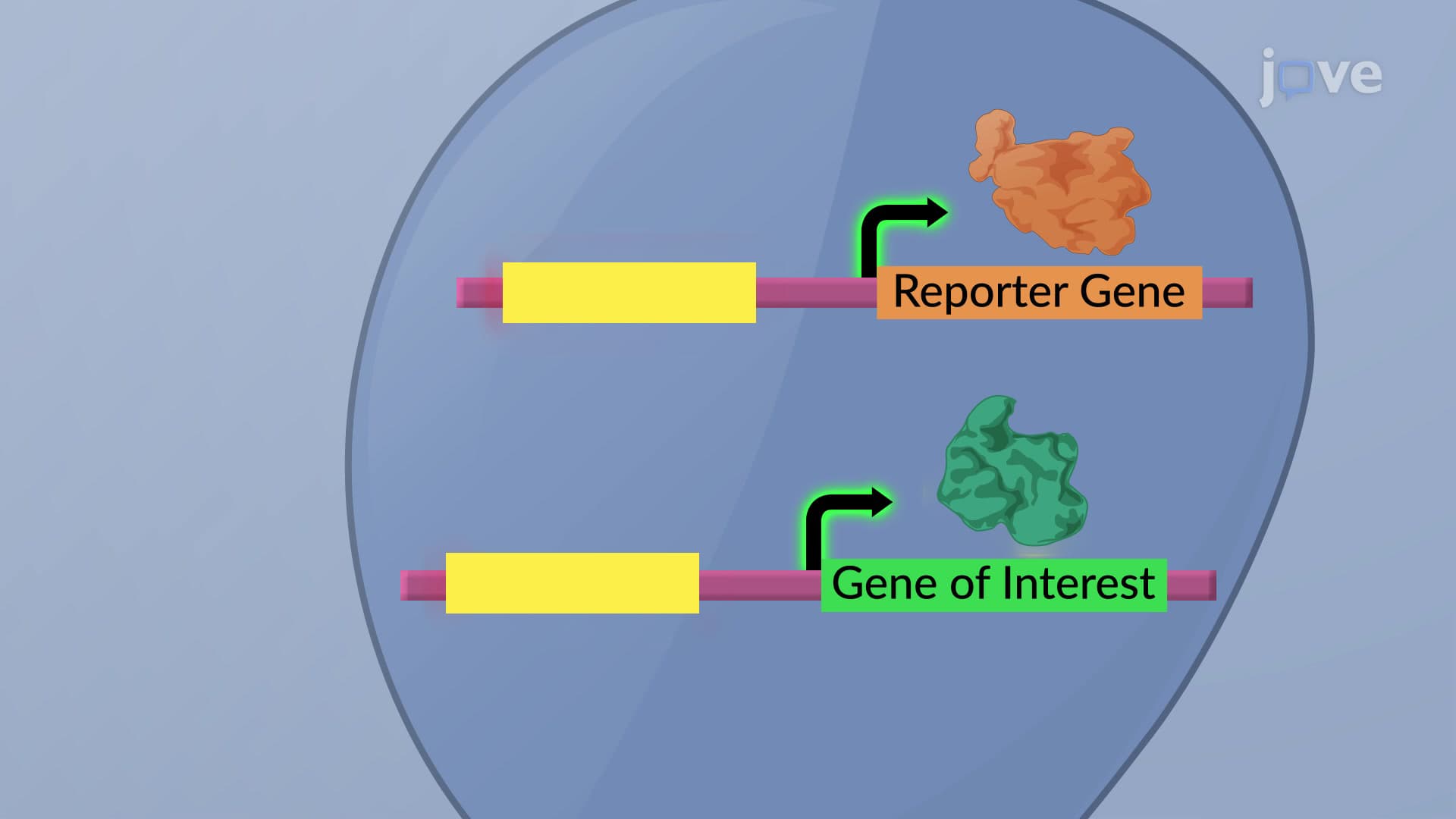
- Analyze how recombinant DNA technology combines reporter genes with regulatory sequences from genes of interest
- Compare different types of reporter genes, from enzymatic markers to fluorescent proteins like GFP
- Evaluate experimental design strategies using reporter genes in cell biology and developmental studies
- Apply reporter gene concepts to interpret research data and laboratory results
- Recognize real-world applications in medical research, drug development, and genetic engineering
- Explore the relationship between gene regulation, protein expression, and cellular function
Understanding What are Reporter Genes: The Foundation
Reporter genes serve as molecular tracking devices that allow scientists to monitor gene activity in living systems. Think of them as biological GPS units-they don't change the destination (the cell's normal function), but they tell researchers exactly where and when specific genetic programs are active. This technology has become indispensable in American research institutions, from Harvard Medical School's cancer studies to UC Berkeley's developmental biology programs.
Types of Reporter Genes and Detection Methods
The most recognizable types of reporter genes include several categories based on their detection methods. Green Fluorescent Protein (GFP) remains the gold standard, discovered in the jellyfish *Aequorea victoria* and later refined by American researchers who won the 2008 Nobel Prize in Chemistry. Other common reporter systems include β-galactosidase (produces blue color), luciferase (generates light), and newer variants like mCherry (red fluorescence) and CFP (cyan fluorescence).
Each reporter type offers distinct advantages. GFP requires no additional substrates-cells simply glow green under UV illumination. Luciferase, used extensively at institutions like the NIH, produces quantifiable light output perfect for measuring gene expression levels. These tools have transformed how American students learn molecular biology in AP Biology courses and college biochemistry labs.
Experimental Design and Regulatory Control
The power of reporter genes lies in their regulatory control mechanisms. Scientists create recombinant DNA constructs where the reporter gene sits downstream of regulatory sequences (promoters, enhancers) from genes of interest. When introduced into cells through techniques like microinjection or transfection, both the original gene and reporter gene respond identically to cellular signals.
This principle appears frequently on MCAT passages and college molecular biology exams. Students must understand that successful reporter gene experiments require identical regulatory contexts-if the β-tubulin promoter controls GFP expression, then GFP fluorescence accurately reflects where β-tubulin would normally be active.
Real-World Applications in American Research
Reporter genes drive cutting-edge research across American universities and pharmaceutical companies. At the Mayo Clinic, researchers use reporter systems to track cancer stem cells during treatment. Pharmaceutical companies like Pfizer employ reporter genes in drug screening, identifying compounds that activate specific genetic pathways. Even undergraduate research programs at schools like MIT regularly use GFP-tagged proteins to study cellular processes, giving students hands-on experience with these powerful molecular tools.
Frequently Asked Questions
Reporter genes are special DNA sequences that code for easily detectable proteins, allowing scientists to track when and where specific genes are active in living cells. They work by being placed under the same regulatory control as the gene of interest, so when the target gene turns on, the reporter protein is produced simultaneously. This creates a visible or measurable signal that researchers can monitor using techniques like fluorescence microscopy or enzymatic assays.
The most popular types include Green Fluorescent Protein (GFP) which glows green under UV light, β-galactosidase which produces blue color when exposed to X-gal substrate, and luciferase which generates measurable light. Newer variants include red fluorescent proteins (mCherry), cyan fluorescent protein (CFP), and yellow fluorescent protein (YFP). Each offers specific advantages depending on the experimental requirements and detection methods available.
MCAT passages frequently test understanding of experimental design using reporter genes, especially analyzing data from GFP expression studies. Students must interpret fluorescence patterns and connect them to gene regulation concepts. AP Biology exams may include questions about recombinant DNA technology and how reporter genes demonstrate gene expression patterns. Both exams emphasize understanding the relationship between regulatory sequences and protein expression.
Reporter genes are extensively covered in college molecular biology, cell biology, and biochemistry courses. Many genetics and developmental biology classes use reporter gene experiments as key examples of modern research techniques. Laboratory courses often include hands-on experience with GFP-expressing bacteria or cell cultures, giving students practical exposure to these molecular tools.
Leading medical centers like Johns Hopkins and Memorial Sloan Kettering use reporter genes to track cancer progression, monitor stem cell differentiation, and test new therapeutic approaches. Pharmaceutical companies employ these tools in drug discovery, identifying compounds that activate beneficial gene pathways or suppress disease-related genes. Clinical research often uses reporter gene data to understand how treatments affect cellular function at the molecular level.
Basic high school biology and chemistry provide sufficient background to understand reporter gene concepts. The key prerequisites include knowledge of DNA structure, protein synthesis, and basic genetics principles typically covered in AP Biology or introductory college biology. While advanced applications require more specialized knowledge, the fundamental concepts are accessible to motivated high school students.
Focus on understanding the experimental logic rather than memorizing specific protein names. Practice interpreting fluorescence microscopy images and connecting them to gene expression patterns. Create concept maps linking reporter genes to broader topics like gene regulation, recombinant DNA, and protein function. Work through practice problems involving experimental design and data interpretation, as these commonly appear on standardized tests.
Consider studying optogenetics (light-controlled gene expression), CRISPR gene editing applications, and advanced microscopy techniques used in reporter gene research. Exploring how reporter genes contribute to understanding developmental biology, cancer research, and neuroscience provides excellent preparation for advanced coursework. Many students find connections to bioengineering and synthetic biology particularly engaging for future study.
Related Micro-courses


