Loading subject page…

- Molecular Biology
- Analyzing Gene Expression and Function
- Experimental RNAi
Micro-course: Analyzing Gene Expression and Function
152,901 views
Learn key concepts and earn your certificate.



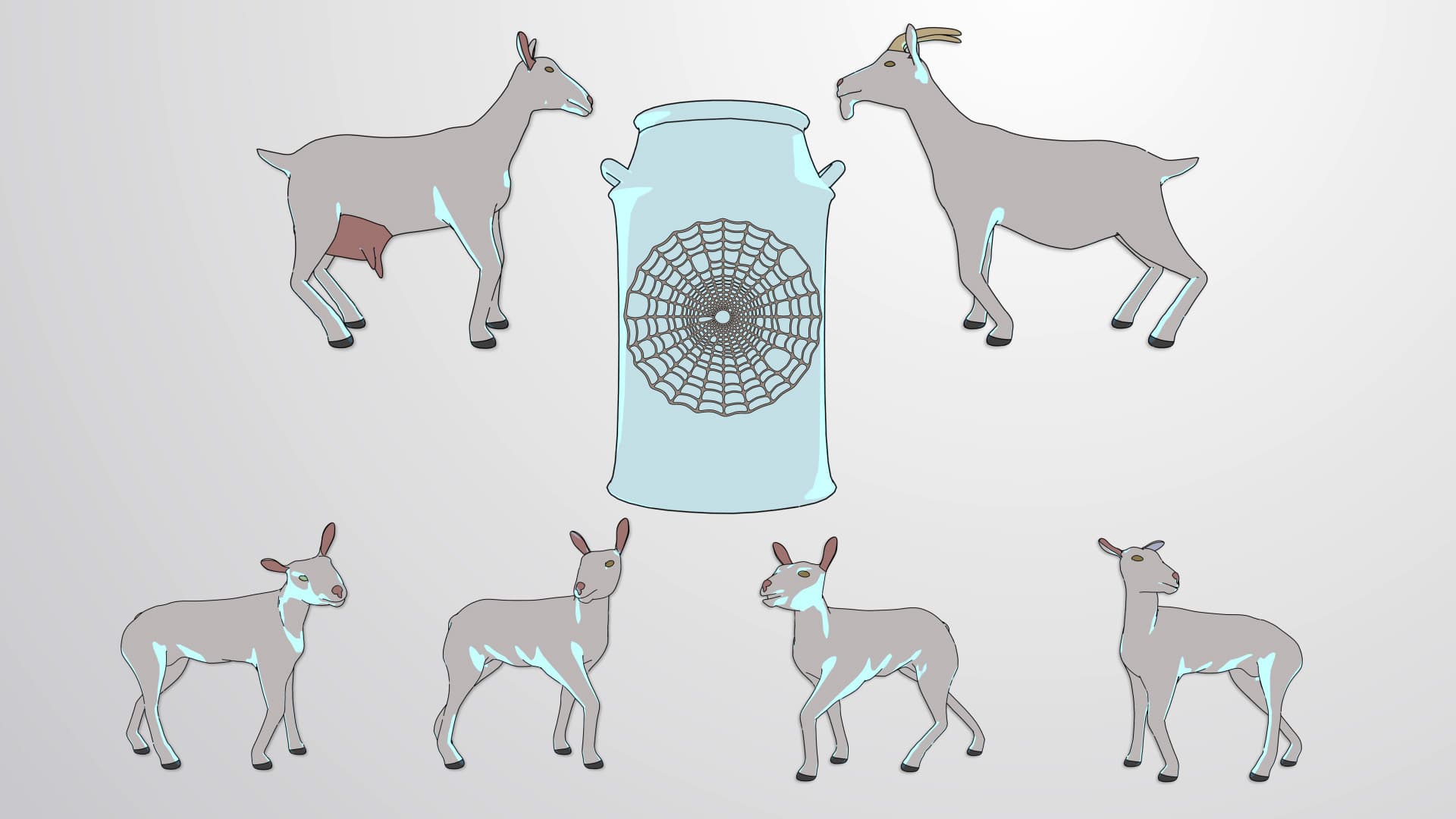

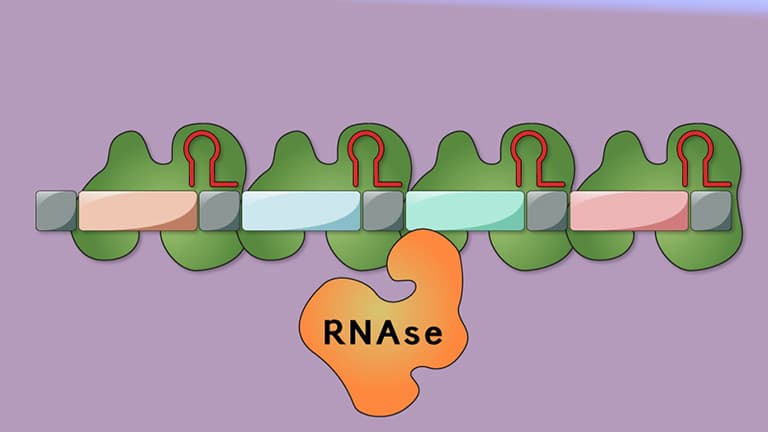
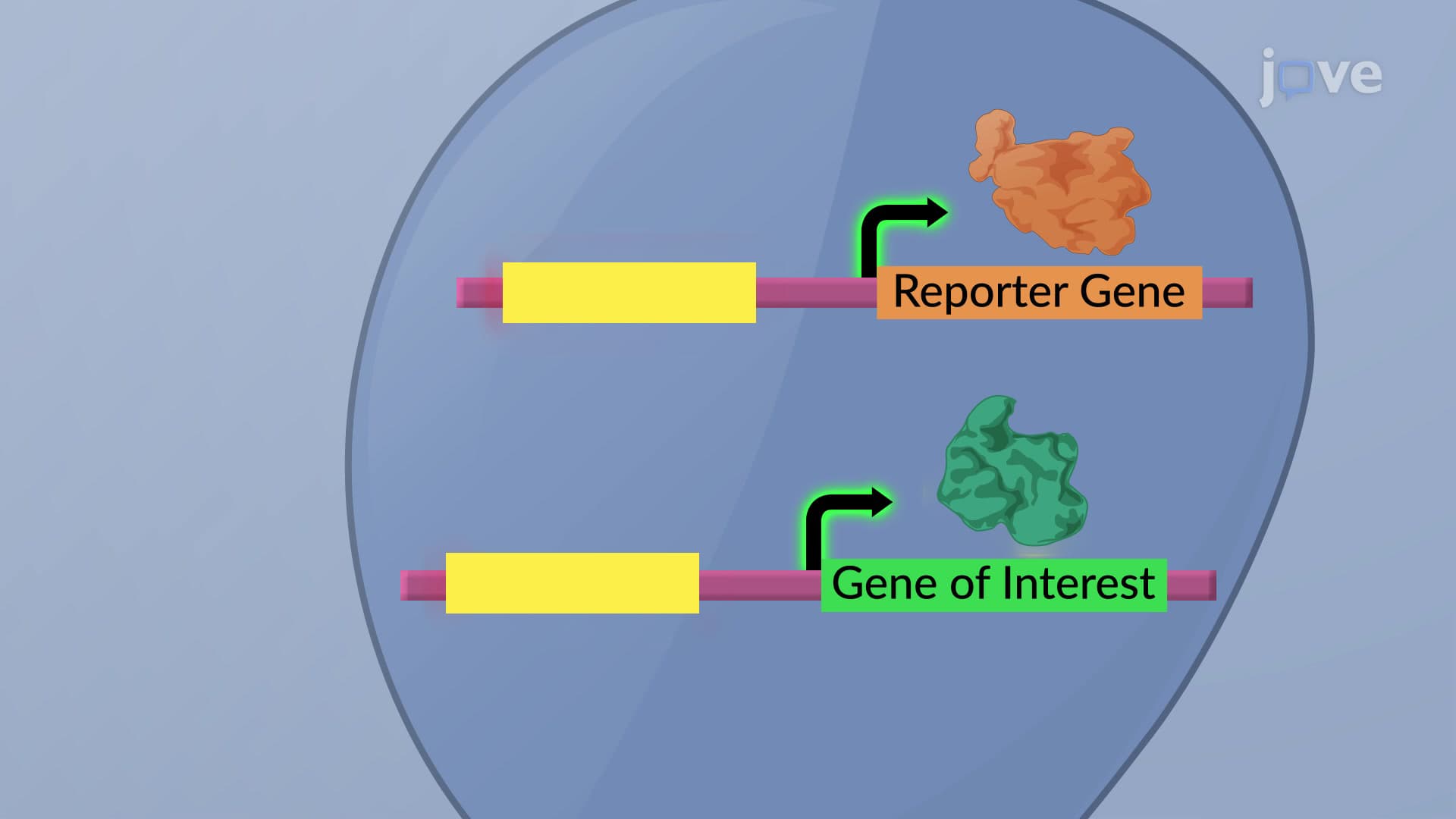

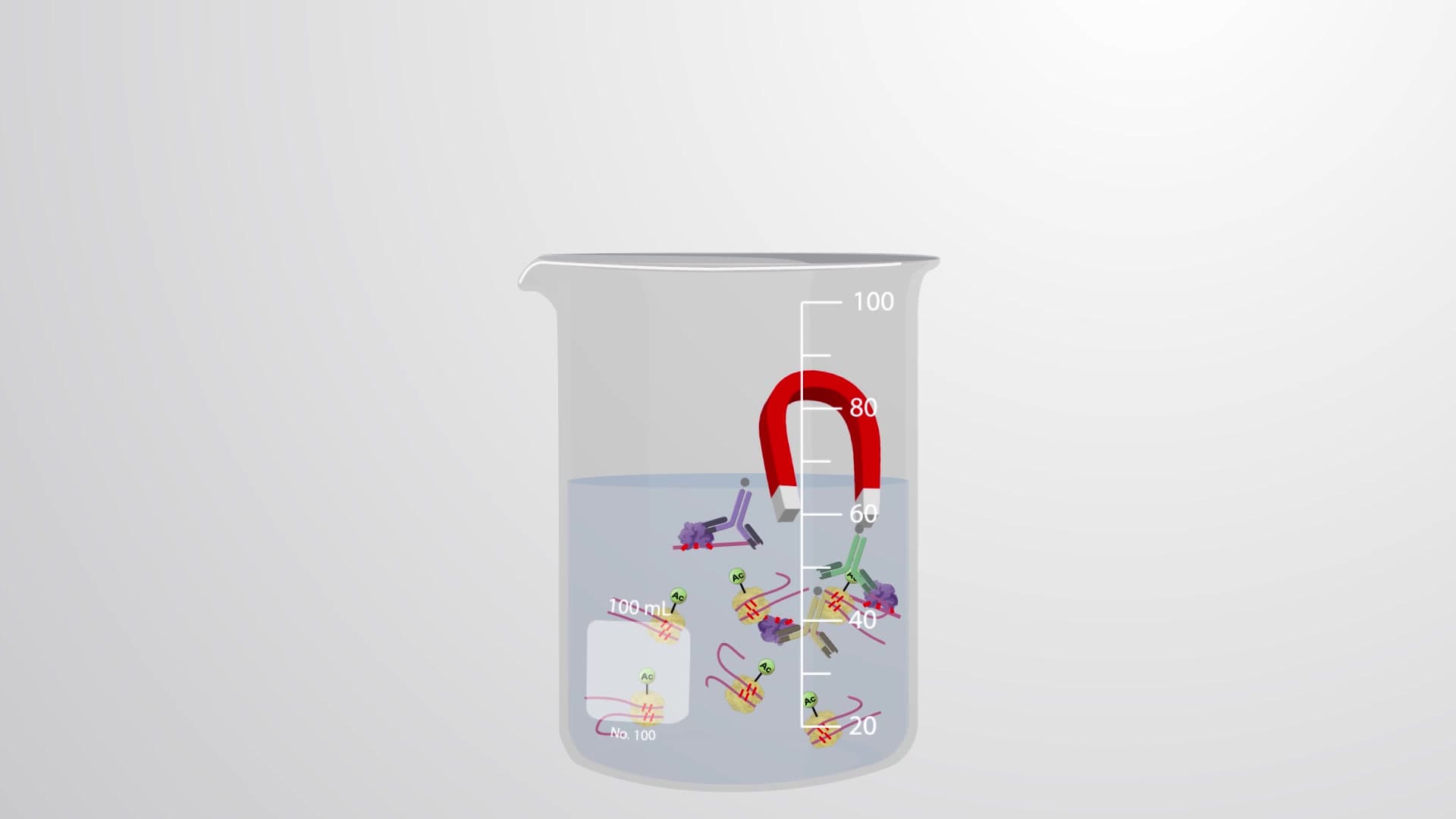



Experimental RNAi

00:00
02:15
Video Summary: What Is Experimental Rnai
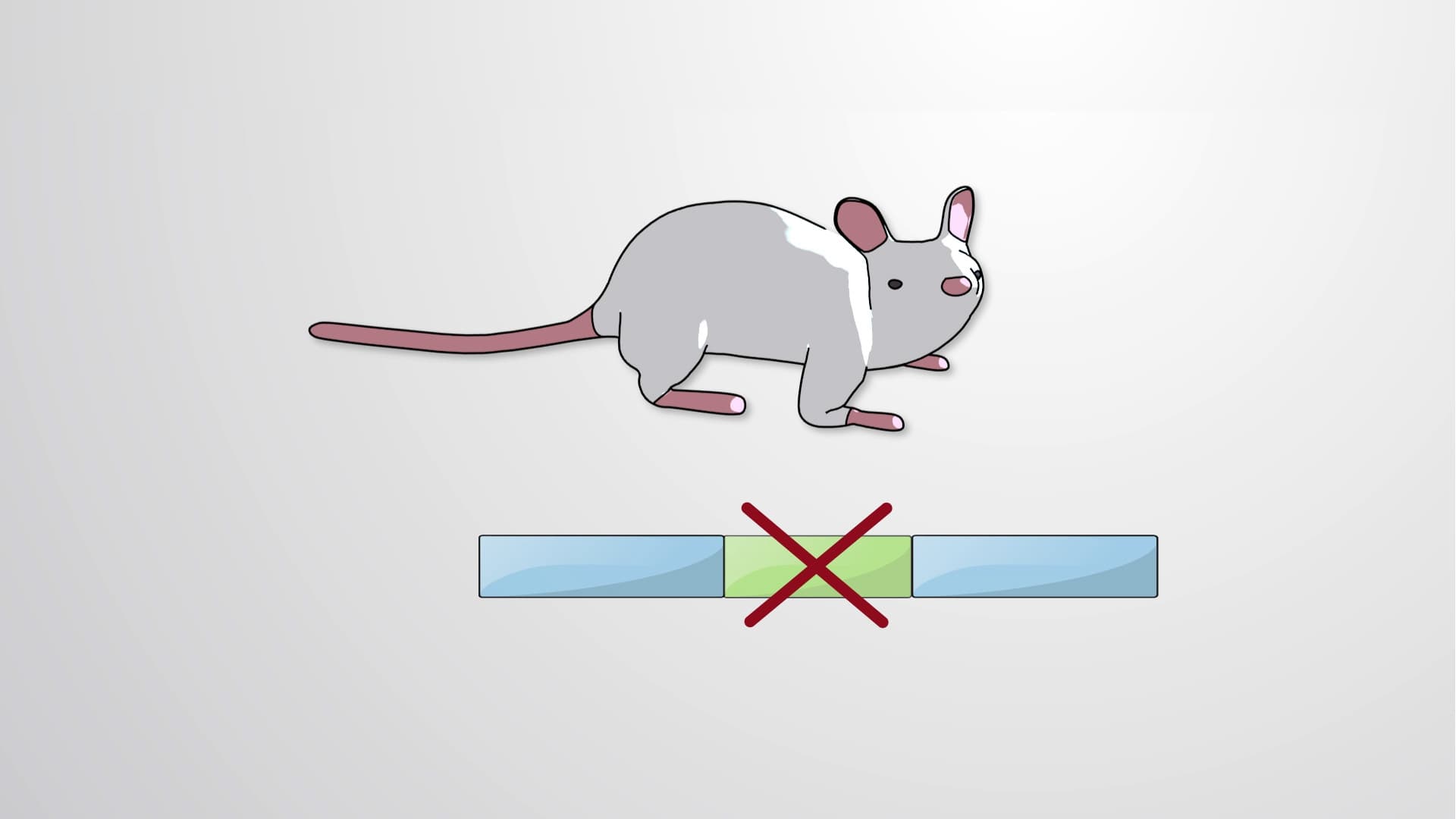
Did you know that scientists can essentially "turn off" specific genes in living organisms to study diseases like cancer? Experimental RNAi is a powerful molecular biology technique that allows researchers to silence gene expression by introducing small RNA molecules that degrade target mRNA transcripts. For example, researchers at Johns Hopkins University have used experimental RNAi to study the APC gene's role in colon cancer development by creating transgenic mice with silenced APC expression. This revolutionary approach has transformed how we understand gene function and develop potential therapies. Watch the full video on JoVE Coach to master this concept with expert-led visuals and step-by-step explanations.
- Understand what is experimental RNAi and how it differs from natural RNA interference mechanisms in cellular biology
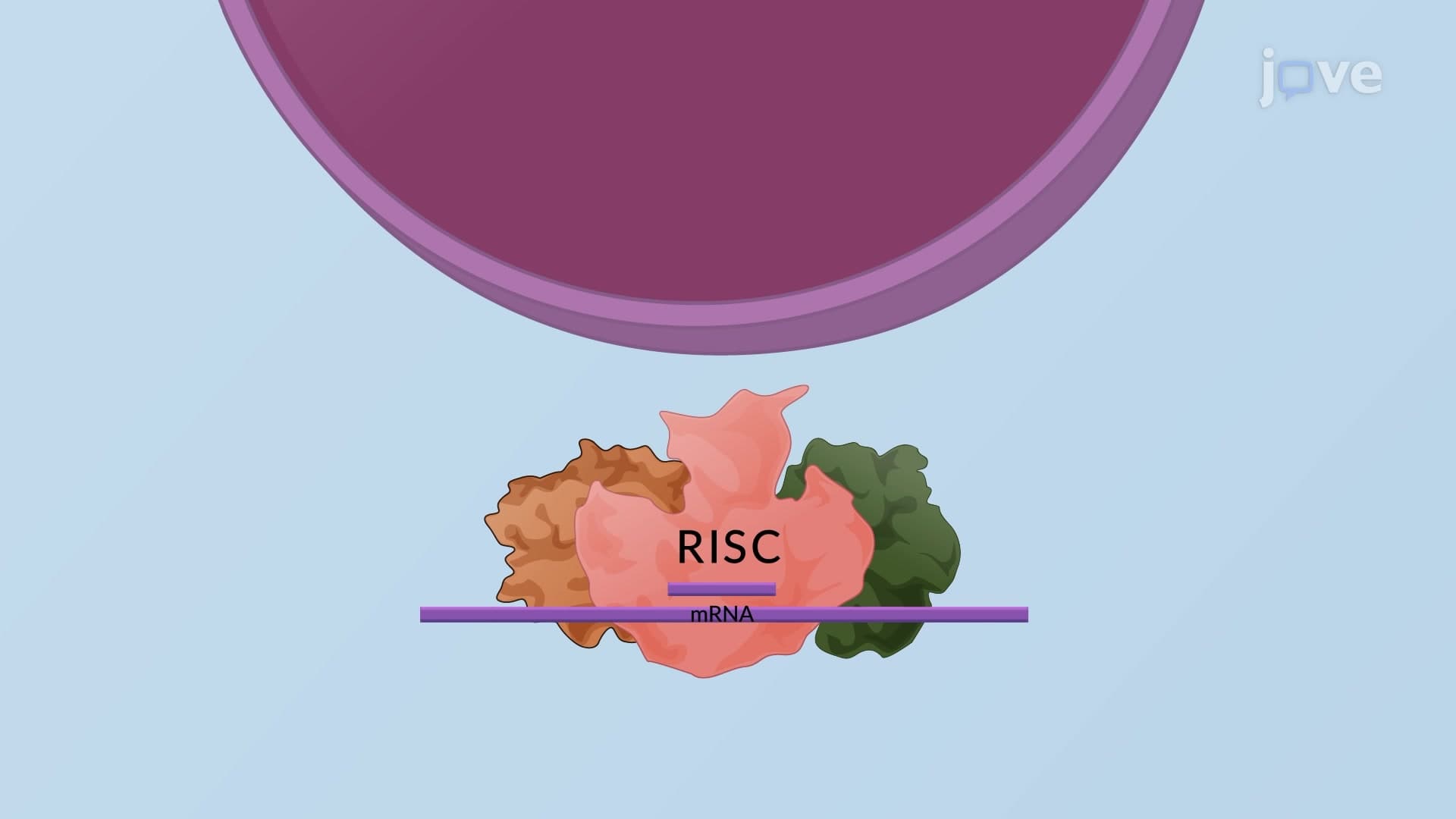
- Identify the key molecular components involved in RNAi pathways, including Dicer, RISC complex, and Argonaute enzymes
- Analyze the step-by-step process of mRNA degradation through siRNA-mediated gene silencing
- Compare experimental RNAi applications in cell culture versus whole organism studies using transgenic models
- Evaluate the effectiveness of RNAi techniques in functional genomics research and disease modeling
- Apply knowledge of vector construction and delivery methods for targeted gene silencing experiments
- Recognize real-world applications of experimental RNAi in cancer research and therapeutic development
- Explore the relationship between gene silencing outcomes and phenotypic changes in model organisms
Understanding Experimental RNAi Fundamentals
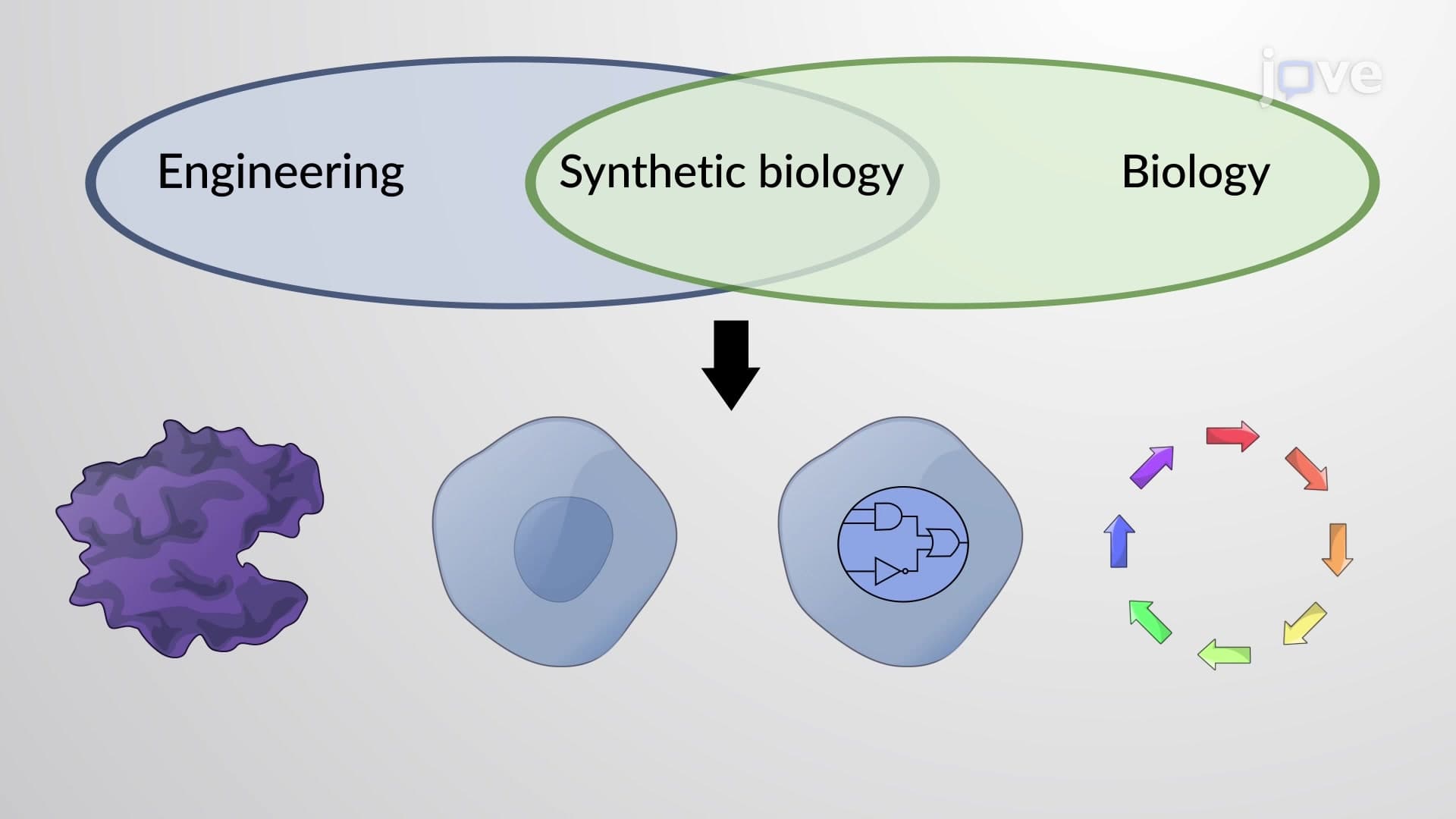
What is experimental RNAi represents one of the most significant breakthroughs in molecular biology research over the past two decades. Unlike naturally occurring RNA interference that cells use for gene regulation, experimental RNAi involves the deliberate introduction of synthetic or engineered RNA molecules to silence specific genes for research purposes. This technique has become indispensable in laboratories across major US research institutions, from Stanford University's genetics departments to pharmaceutical companies developing new treatments.
The experimental approach builds upon the cell's natural RNAi machinery but harnesses it for scientific investigation. Researchers design short hairpin RNA (shRNA) sequences that target specific mRNA transcripts, effectively creating a molecular "off switch" for genes of interest. This precision makes experimental RNAi invaluable for studying gene function, disease mechanisms, and potential therapeutic targets.
Molecular Mechanisms and Laboratory Applications
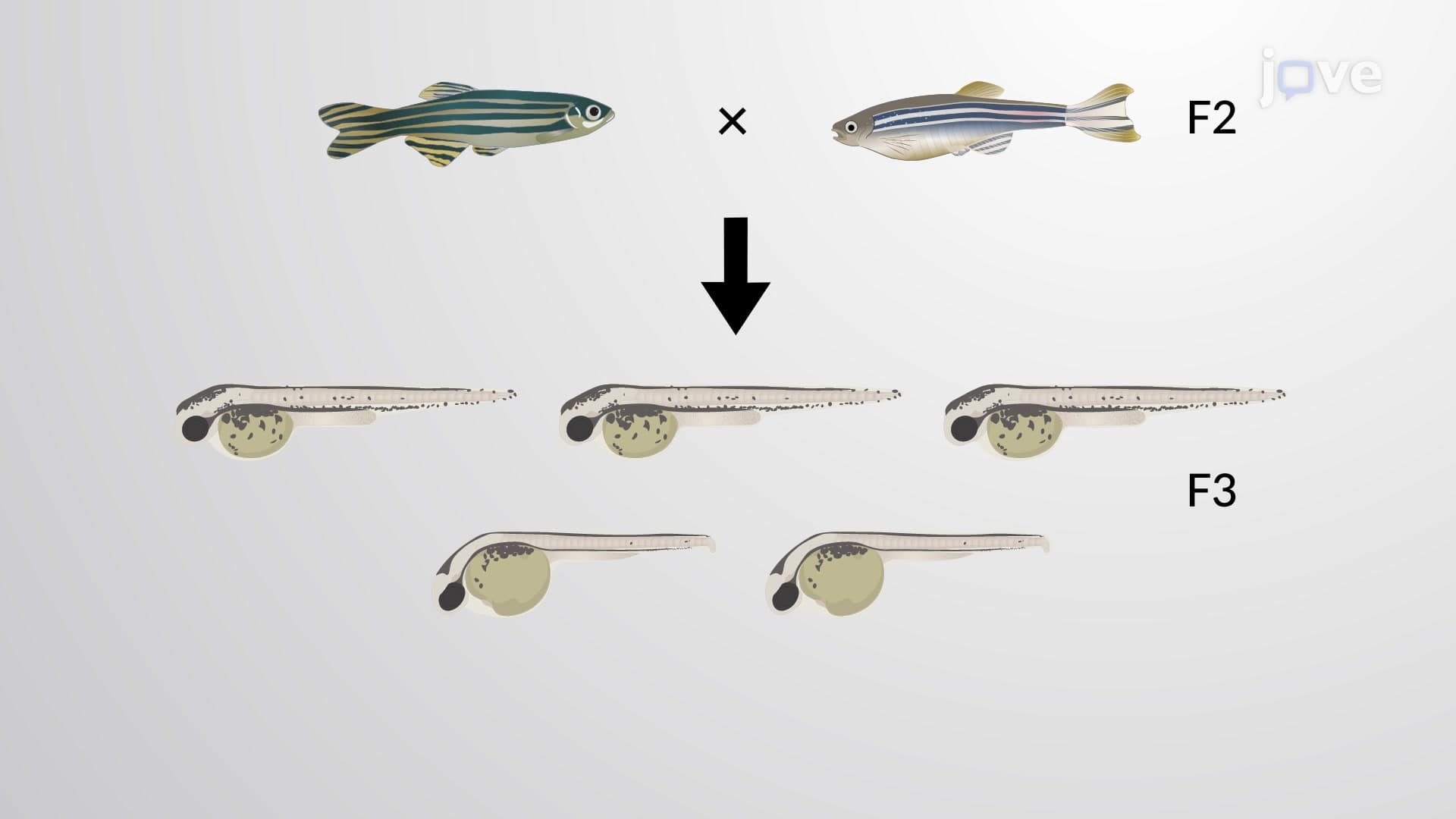
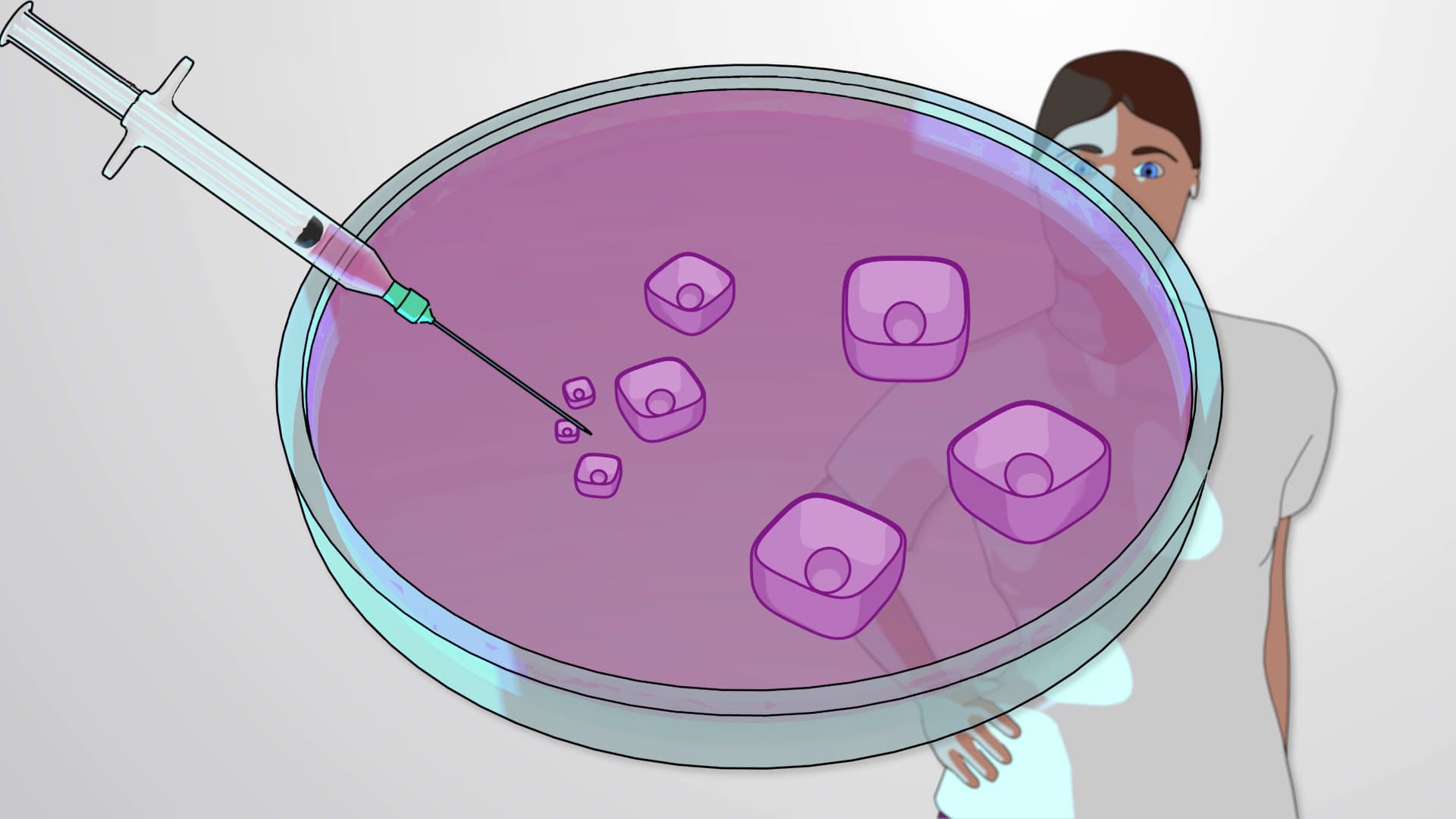
The experimental RNAi process begins with careful vector design and construction. Scientists create DNA constructs encoding shRNA sequences that, when transcribed, form hairpin structures recognized by the cellular Dicer enzyme. These constructs can be delivered to cells through various methods, including transfection, viral vectors, or microinjection into embryos for creating transgenic organisms.
In practice, researchers at institutions like the National Institutes of Health use experimental RNAi to investigate everything from developmental biology to cancer progression. The technique's versatility allows for both temporary gene silencing in cell culture experiments and permanent silencing in transgenic animal models, providing researchers with flexible tools for hypothesis testing.
Real-World Applications in Disease Research
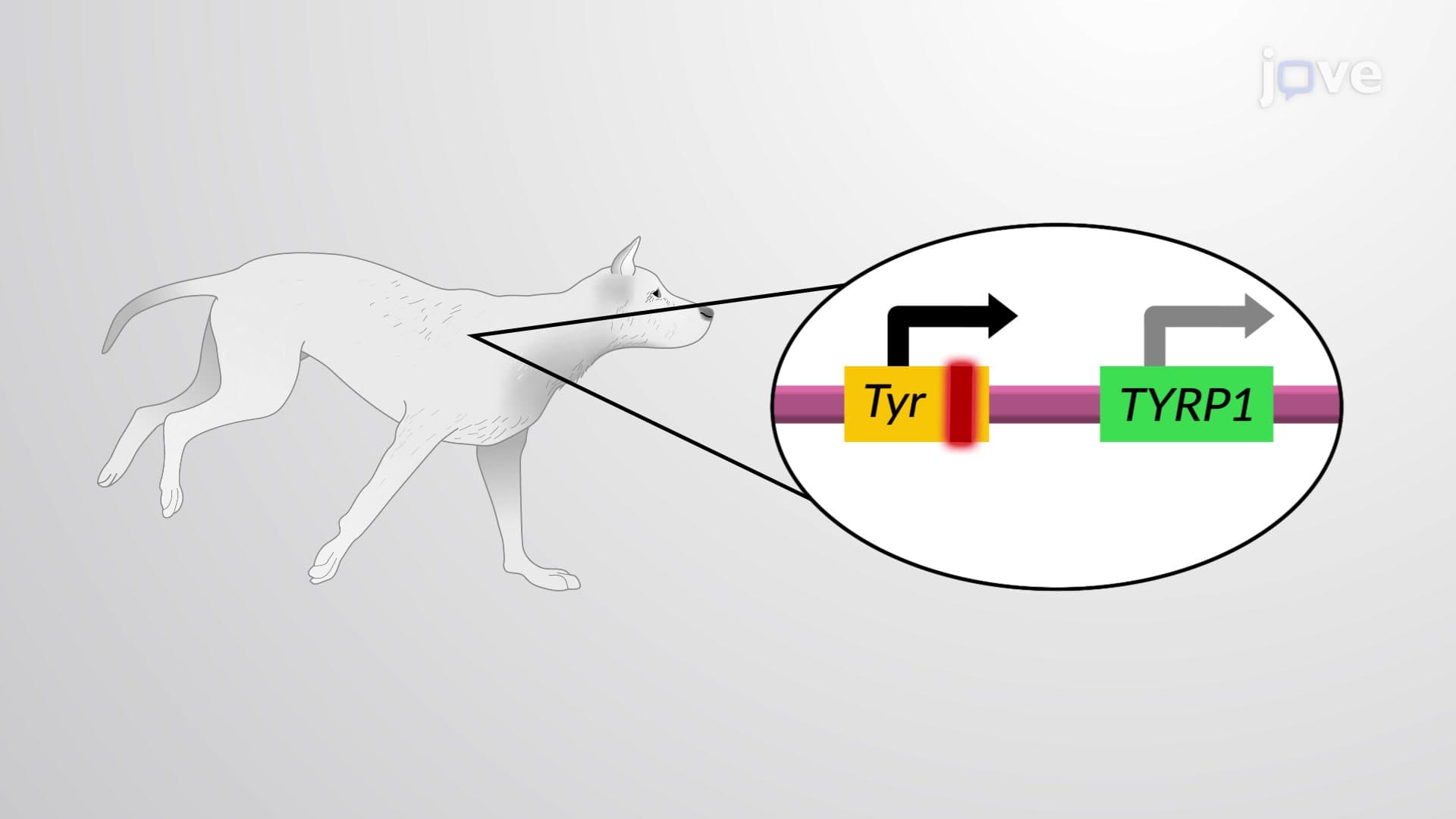
Major US medical centers, including the Mayo Clinic and Cleveland Clinic, have leveraged experimental RNAi techniques to advance our understanding of human diseases. The APC gene silencing example demonstrates how researchers can model cancer development by observing phenotypic changes when specific tumor suppressor genes are silenced. This approach has contributed to breakthroughs in understanding colorectal cancer mechanisms and identifying potential therapeutic targets.
Academic and Exam Relevance
Students preparing for advanced placement (AP) Biology exams, MCAT sections on molecular biology, or college genetics courses will encounter experimental RNAi concepts frequently. Understanding the distinction between natural and experimental RNAi applications helps students tackle complex questions about gene regulation, research methodology, and biotechnology applications. Many college molecular biology courses at universities like UC Berkeley and MIT include hands-on RNAi experiments, making this knowledge essential for laboratory success.
Frequently Asked Questions
Experimental RNAi is a laboratory technique where scientists deliberately introduce synthetic RNA molecules to silence specific genes for research purposes. Unlike natural RNAi that cells use for normal gene regulation, experimental RNAi involves engineered vectors and targeted delivery systems to study gene function, model diseases, or develop potential therapies.
Yes, experimental RNAi is frequently tested on both MCAT molecular biology sections and AP Biology exams under gene regulation and biotechnology topics. Students should understand the mechanism, applications in research, and ability to interpret experimental results showing gene silencing effects on cellular or organismal phenotypes.
Researchers create vectors encoding shRNA that targets specific cancer-related genes, then introduce these into cells or animal models. For APC studies, scientists observe increased tumor formation in mice with silenced APC genes compared to controls, demonstrating the gene's tumor suppressor function and providing insights for cancer treatment development.
Not at all! While the molecular details can seem complex, the basic concept is straightforward: scientists use small RNA molecules like molecular scissors to cut up specific mRNA, preventing protein production. Focus on understanding the overall process and research applications rather than memorizing every enzyme name.
Create flowcharts showing the step-by-step process from vector design to gene silencing, practice interpreting experimental data comparing treated versus control groups, and understand real research applications. Many professors test students' ability to design hypothetical RNAi experiments or predict outcomes.
Pharmaceutical companies are developing RNAi-based therapies for diseases like macular degeneration and certain cancers. The FDA has approved several RNAi drugs, including treatments for rare genetic disorders, showing how laboratory techniques translate into clinical applications that benefit patients.
Explore CRISPR gene editing, epigenetic modifications, and advanced gene therapy vectors. Understanding experimental RNAi provides an excellent foundation for studying these cutting-edge biotechnology approaches that are revolutionizing medicine and biological research.
Basic high school chemistry and biology knowledge is sufficient to grasp experimental RNAi concepts. Understanding DNA/RNA structure, protein synthesis, and enzyme function provides the foundation needed to comprehend how RNAi works and why it's such a powerful research tool.
Related Micro-courses


