Loading subject page…

- Molecular Biology
- Analyzing Gene Expression and Function
- Genetic Screens
Micro-course: Analyzing Gene Expression and Function
152,901 views
Learn key concepts and earn your certificate.



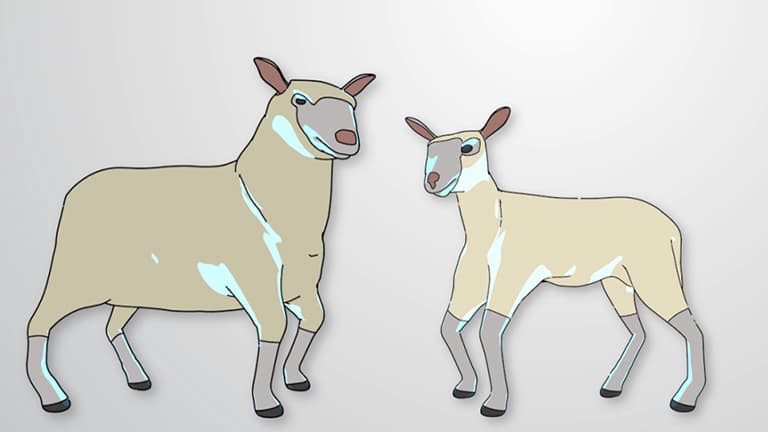
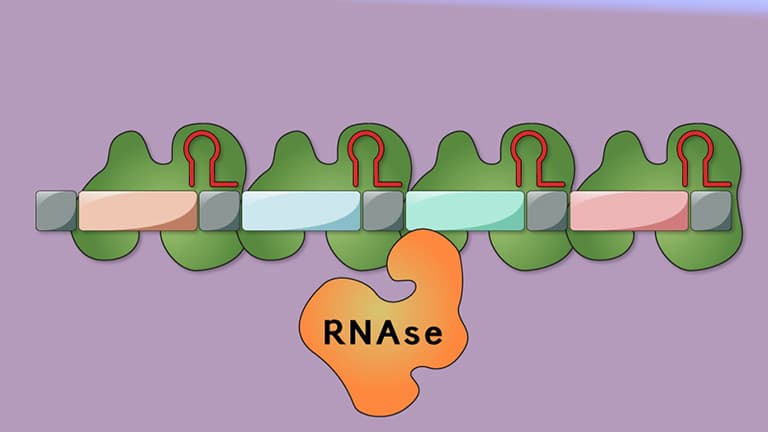
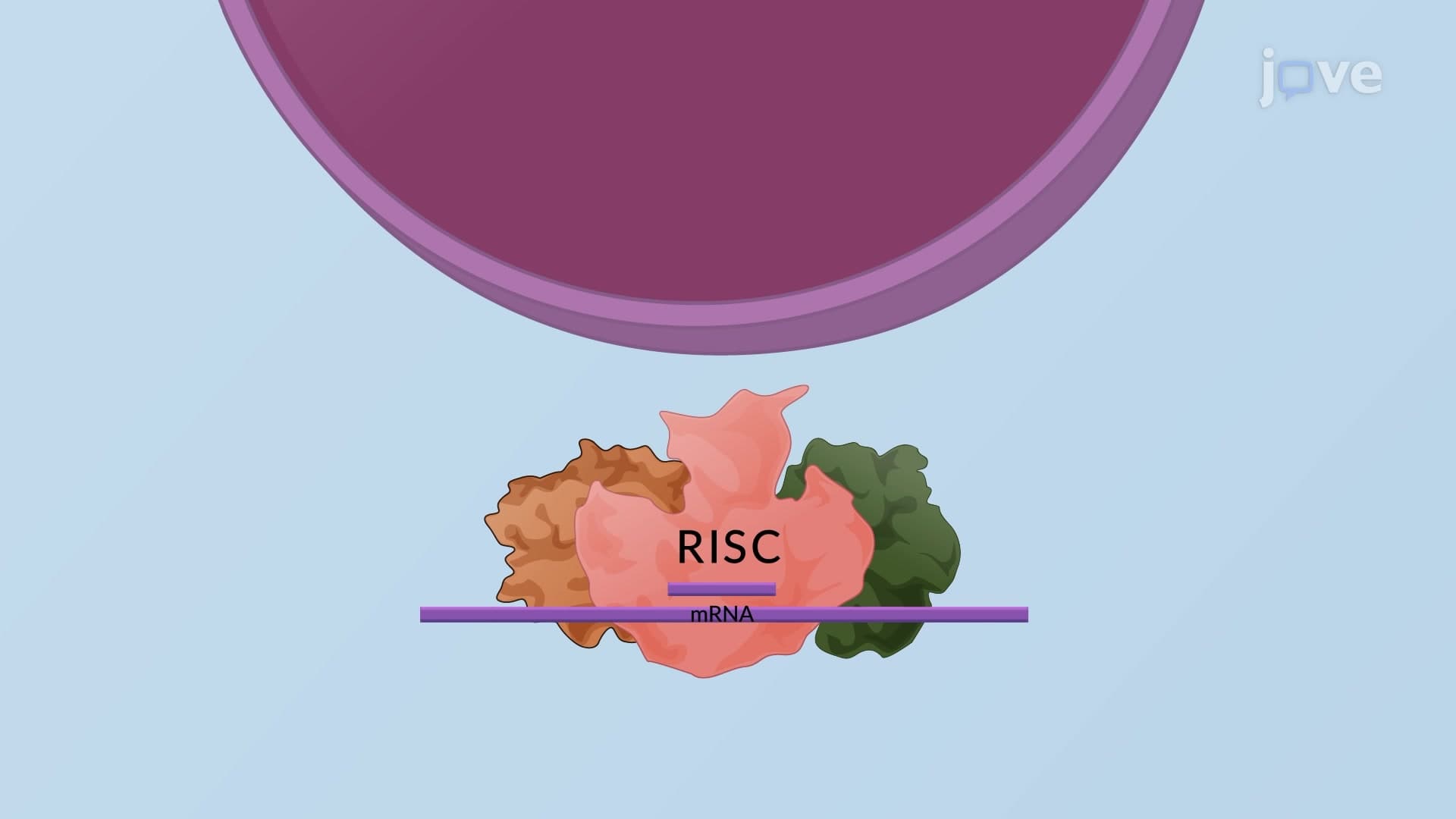
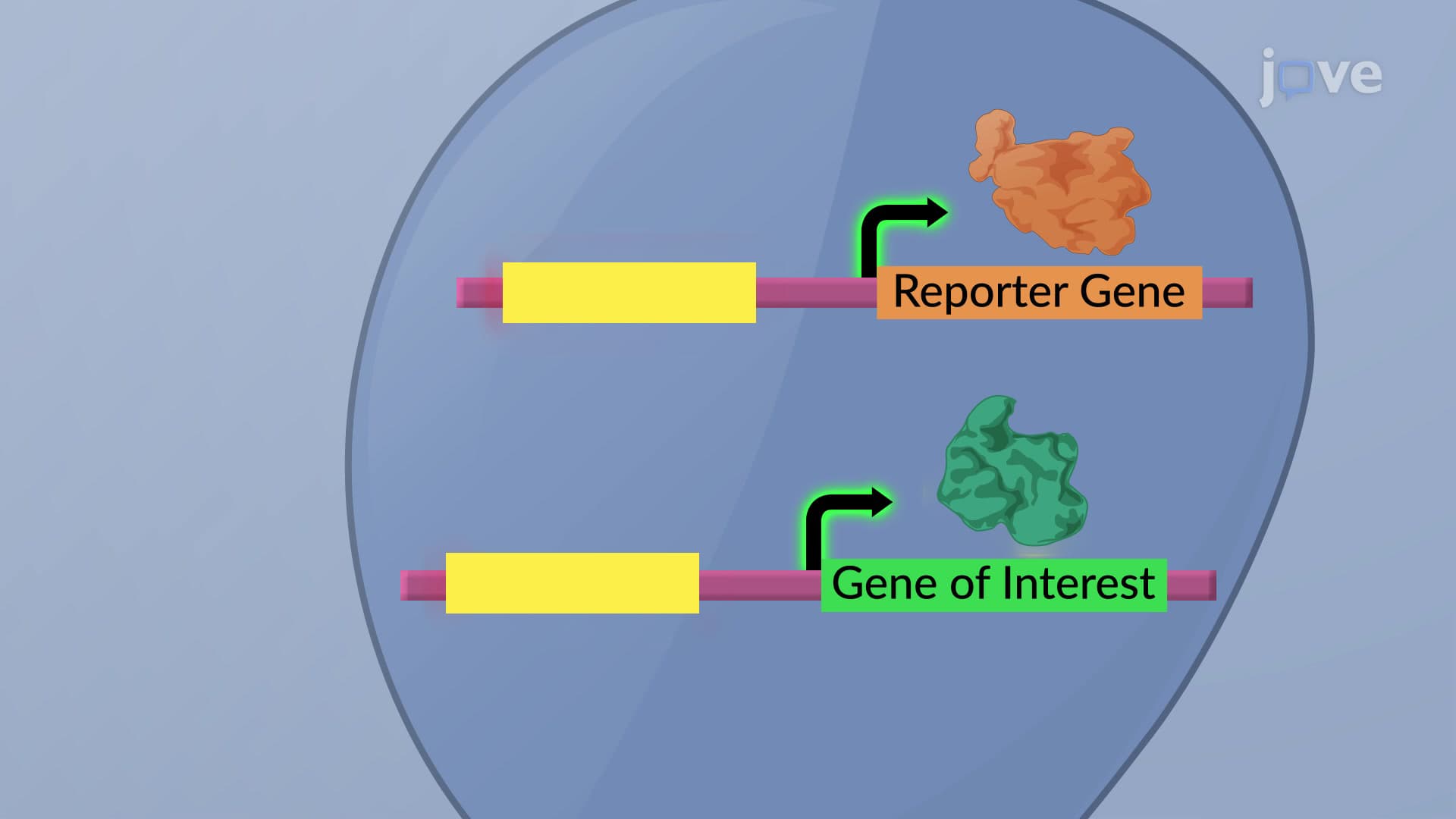

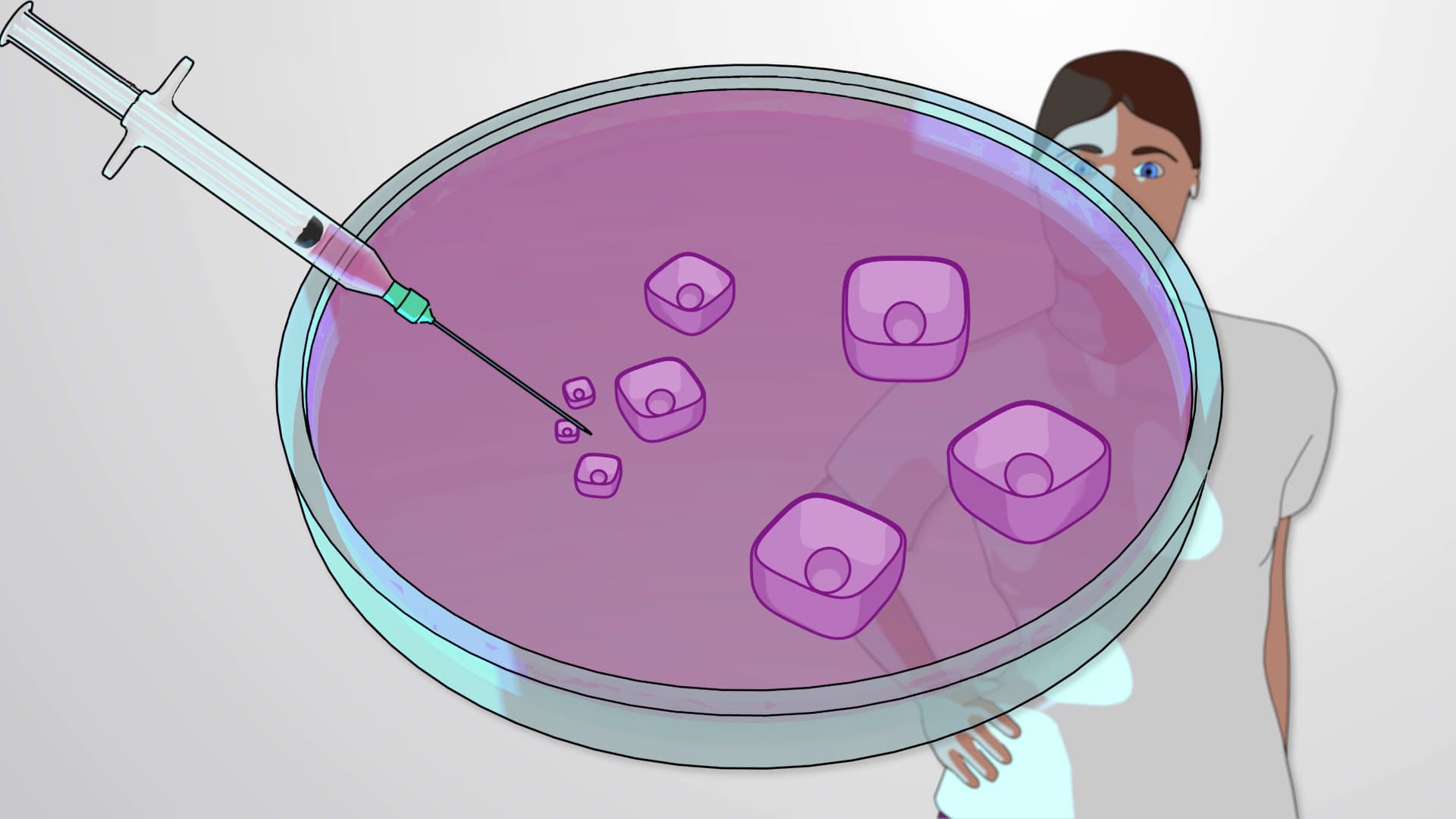
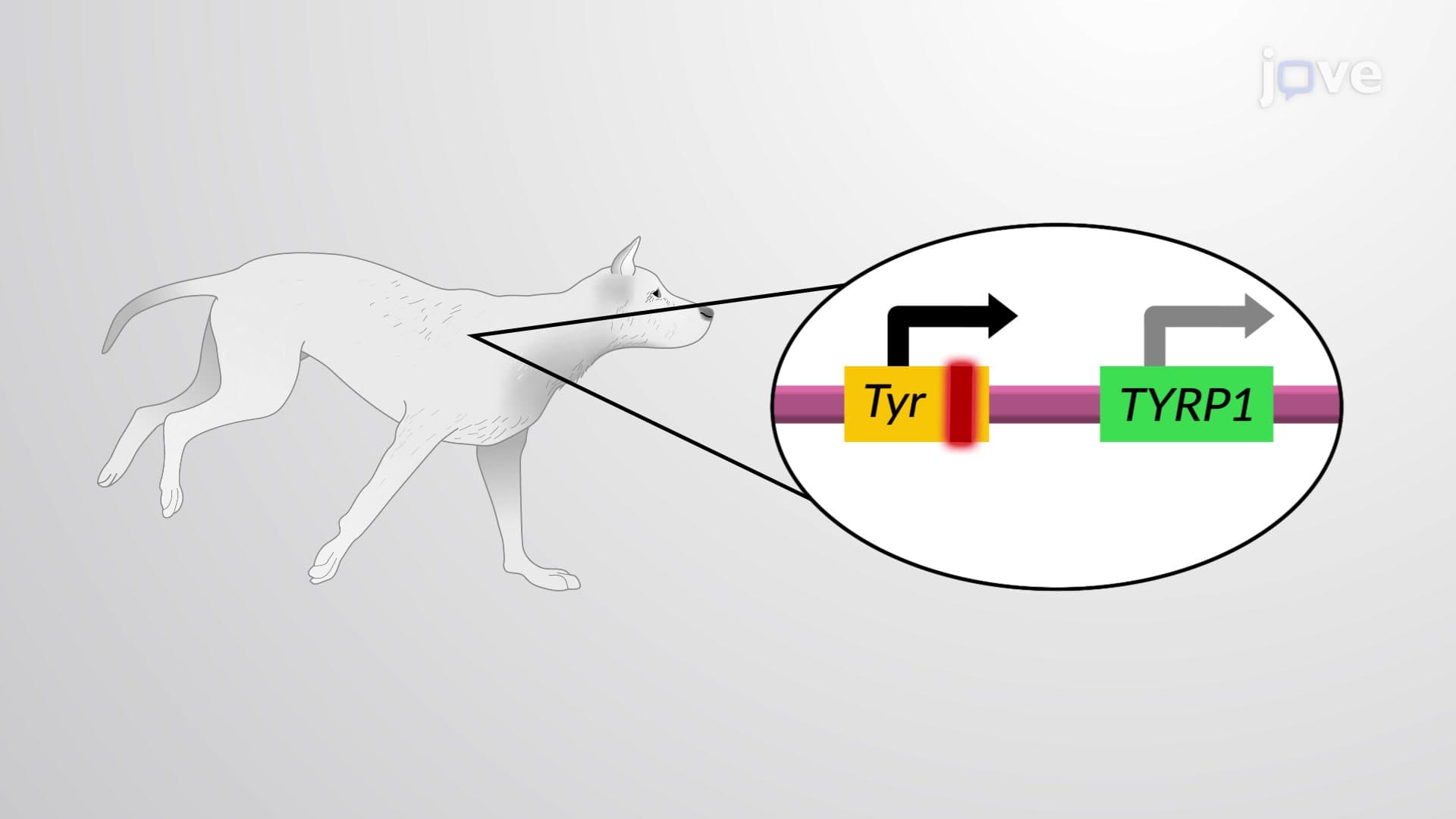

Genetic Screens

00:00
02:46
Video Summary: What are Genetic Screens
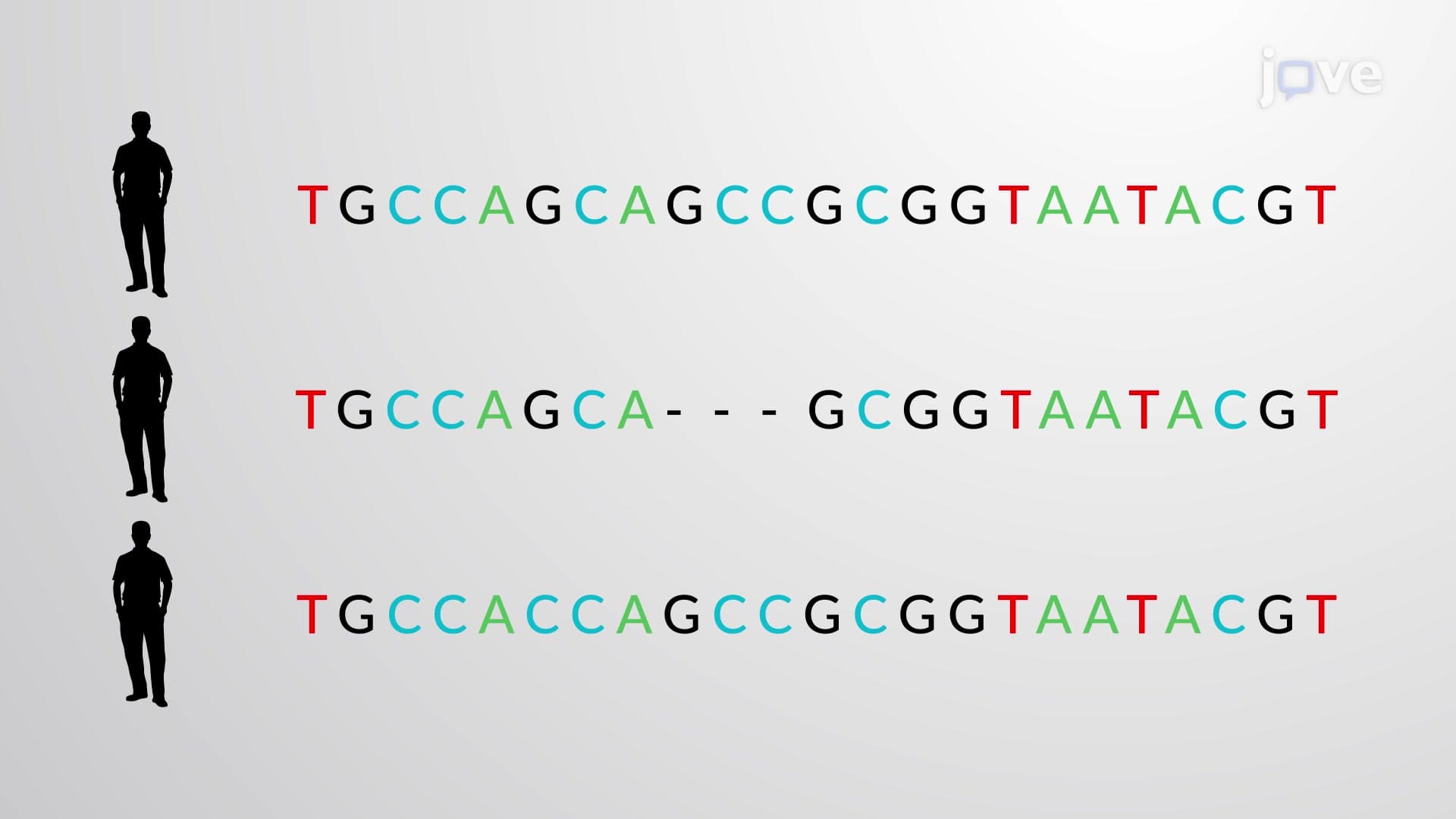
Ever wonder how scientists discovered which genes cause color blindness or cystic fibrosis? Genetic screens are powerful analytical tools that reveal the fascinating connections between an organism's genetic makeup and its observable traits. These techniques helped researchers at Johns Hopkins University identify the CFTR gene mutations responsible for cystic fibrosis in American patients. What are genetic screens? They're the detective work of biology, systematically uncovering which genes control everything from eye color to disease susceptibility. Watch the full video on JoVE Coach to master this concept with expert-led visuals and step-by-step explanations.
- Understand what are genetic screens and how they serve as essential tools for connecting genotype to phenotype relationships in biological research
- Identify the two main types of genetic screens: forward genetic screens (phenotype to genotype) and reverse genetic screens (genotype to phenotype)
- Compare the methodologies used in forward versus reverse genetic screening approaches and their specific applications
- Analyze how forward genetic screens use random mutagenesis to identify genes responsible for observable characteristics
- Evaluate the role of modifier screens in understanding how genetic interactions enhance or suppress phenotypic effects
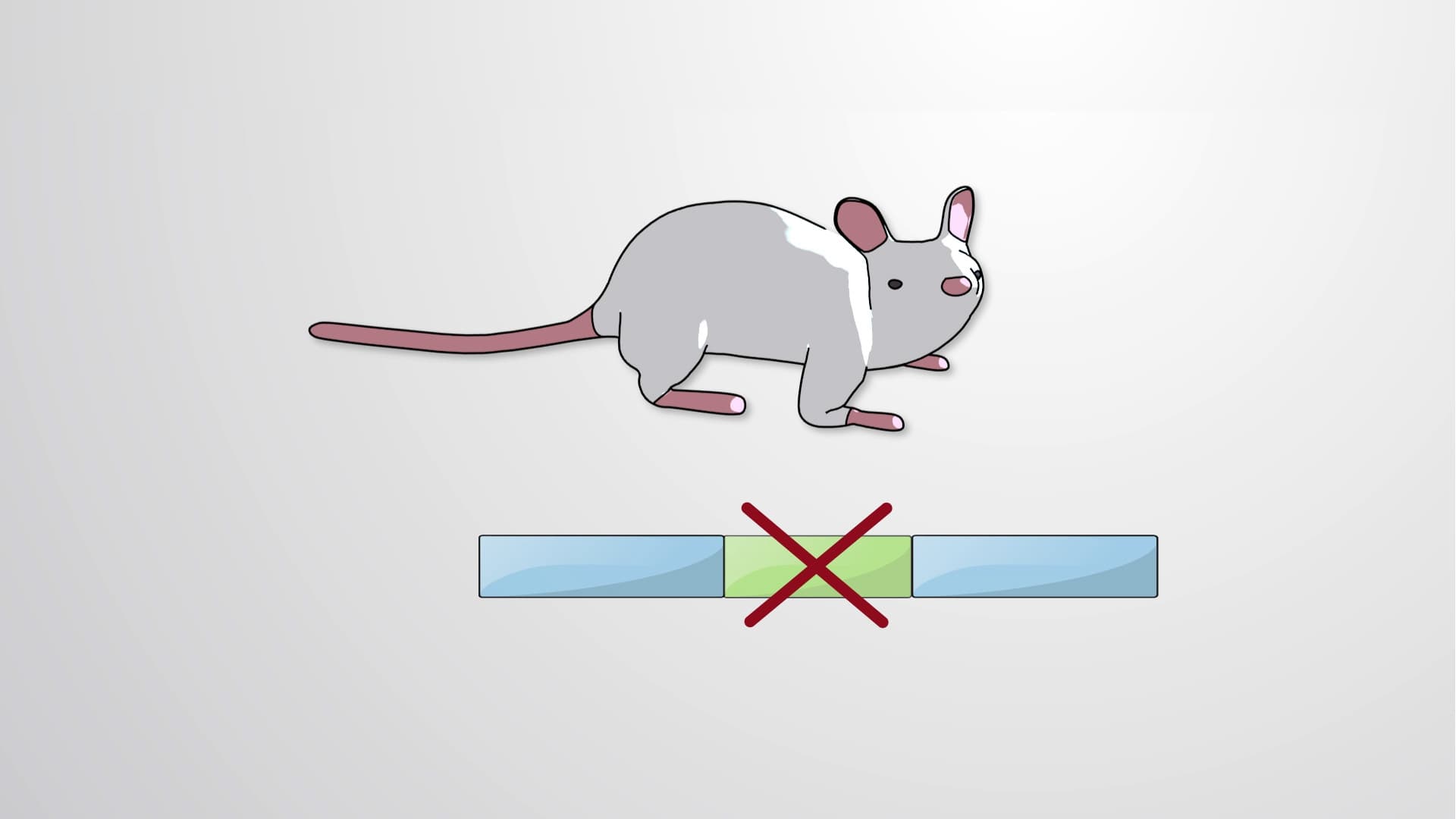
- Apply knowledge of reverse genetic screening techniques, including targeted knockdown and expression screening methods
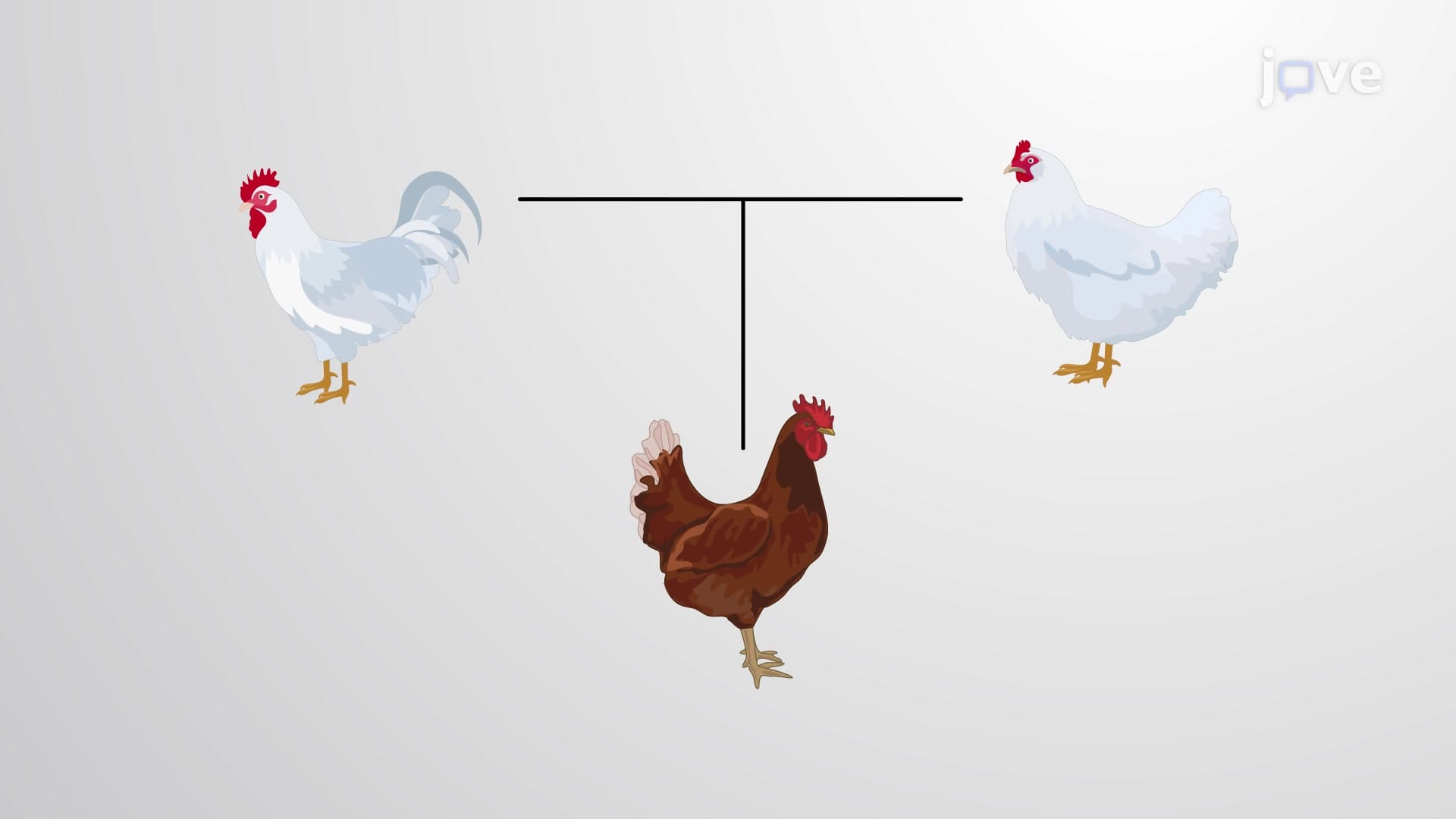
- Recognize the importance of breeding strategies and homozygous mutations in genetic screen protocols
- Explore real-world applications of genetic screens in model organisms like zebrafish and Drosophila
Understanding What are Genetic Screens: The Foundation of Modern Genetics
Genetic screens represent one of the most fundamental approaches in modern biological research, serving as the bridge between an organism's DNA blueprint and its physical characteristics. These systematic investigations have revolutionized our understanding of heredity and continue to drive breakthrough discoveries in fields ranging from developmental biology to medical genetics.
At their core, genetic screens operate on a simple yet powerful principle: by systematically altering genes and observing the resulting changes, scientists can map the complex relationships between genetic information and biological function. This approach has proven invaluable for students preparing for Advanced Placement Biology exams and college-level genetics courses, as it demonstrates the practical application of Mendelian inheritance patterns and molecular biology concepts.
Forward Genetic Screens: From Observable Traits to Hidden Genes
Forward genetic screens follow a "phenotype-first" approach, beginning with an interesting observable characteristic and working backward to identify the responsible genes. This methodology mirrors the historical development of genetics, from Gregor Mendel's pea plant experiments to modern disease gene discovery.
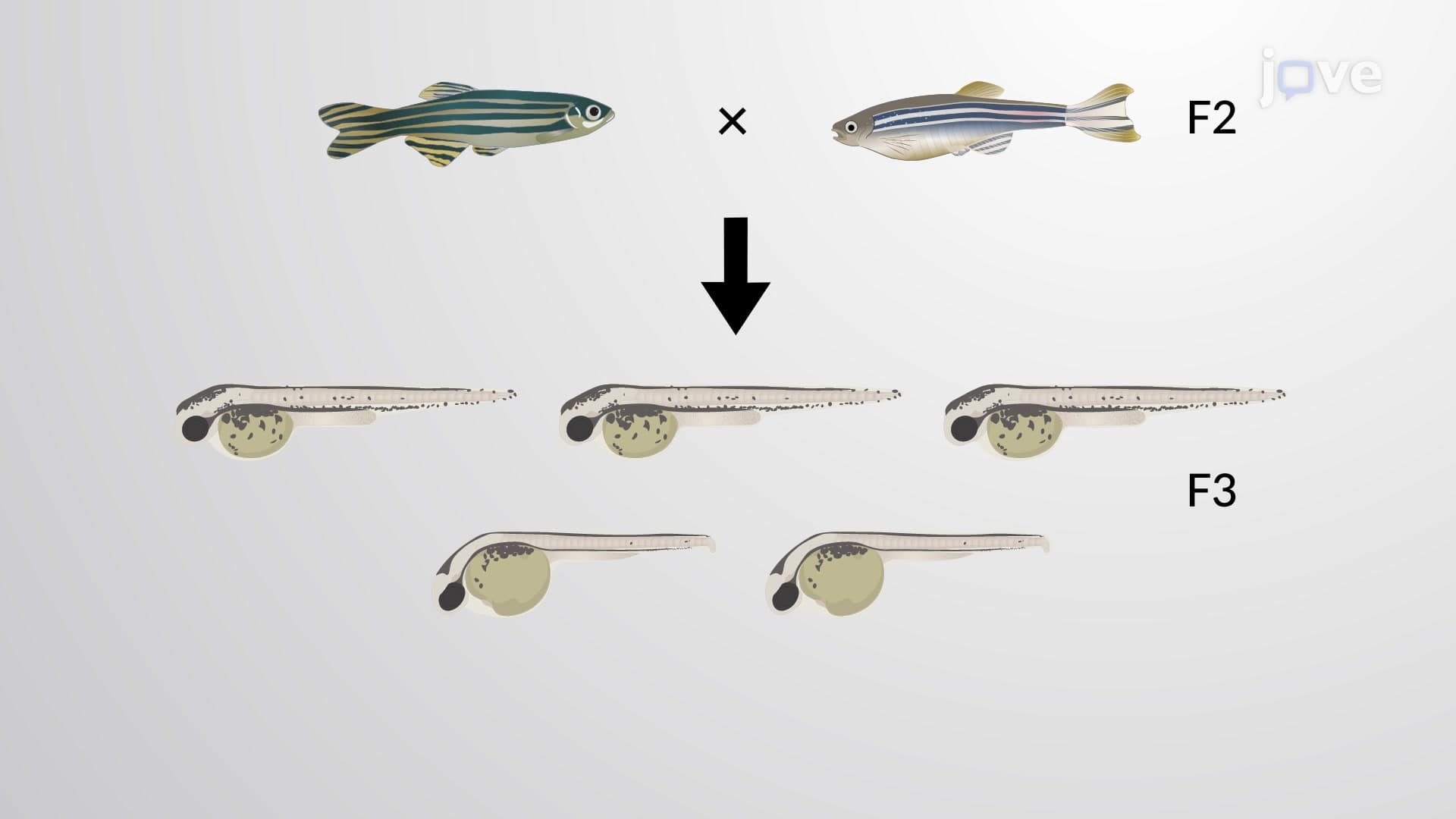
The process typically involves inducing random mutations throughout an organism's genome using chemical mutagens like ethylnitrosourea (ENU) or radiation. Researchers then systematically breed these organisms through multiple generations, creating homozygous mutations that reveal recessive traits. This approach proved crucial in identifying genes responsible for human genetic disorders, including the discovery of mutations causing Huntington's disease and sickle cell anemia in American populations.
Students encountering this concept in SAT Subject Tests or MCAT preparation should note how forward screens demonstrate the relationship between dominant and recessive alleles, a fundamental principle tested across multiple standardized exams.
Reverse Genetic Screens: Targeted Gene Investigation
Reverse genetic screens take the opposite approach, starting with a specific gene of known sequence but unknown function. This "gene-first" methodology has become increasingly important with the completion of genome sequencing projects, including the Human Genome Project led by American institutions like the National Institutes of Health.
Modern reverse screening techniques include targeted gene knockdown using RNA interference (RNAi) or CRISPR-Cas9 technology. These approaches allow researchers to systematically "turn off" specific genes and observe the resulting phenotypic changes. For example, studies at Stanford University have used reverse genetic screens to identify genes essential for stem cell maintenance, providing insights relevant to regenerative medicine applications.
Applications in Model Organisms and Clinical Research
Both types of genetic screens rely heavily on model organisms that share fundamental biological processes with humans. Zebrafish, commonly used in forward genetic screens, provide an excellent system for studying vertebrate development due to their transparent embryos and rapid development. The fruit fly Drosophila melanogaster serves as a powerful model for reverse genetic screens, particularly in neurobiological research conducted at institutions like Caltech and MIT.
These model organism studies directly translate to human health applications. Genetic screens have identified therapeutic targets for conditions affecting millions of Americans, from cancer to neurological disorders, making this topic particularly relevant for pre-med students preparing for the MCAT.
Frequently Asked Questions
Genetic screens are systematic experimental approaches that investigate relationships between genes and observable traits in organisms. They're crucial because they help scientists identify which genes control specific characteristics, from development to disease susceptibility. This knowledge drives medical breakthroughs and our understanding of heredity, making genetic screens fundamental tools in modern biological research and biotechnology applications.
AP Biology frequently tests genetic screens through free-response questions involving experimental design and data interpretation. Focus on understanding the differences between forward and reverse screens, the role of model organisms like fruit flies and zebrafish, and how breeding strategies reveal gene function. Practice analyzing genetic screen data and explaining how mutations lead to observable phenotypes.
MCAT Biological and Biochemical Foundations sections often feature genetic screens in passage-based questions testing experimental analysis skills. Expect questions about interpreting mutagenesis results, understanding complementation tests, and analyzing breeding schemes. Review how forward screens identify disease genes and how reverse screens determine gene function, as these concepts integrate genetics with research methodology.
Yes, college genetics courses typically cover forward genetic screens (phenotype to genotype), reverse genetic screens (genotype to phenotype), and modifier screens that identify gene interactions. You'll also encounter specialized techniques like suppressor screens, enhancer screens, and synthetic lethal screens. Each type serves different research purposes and uses distinct experimental approaches.
American research institutions use genetic screens extensively for drug discovery and disease research. For example, researchers at Harvard Medical School use genetic screens to identify targets for cancer therapy, while teams at the University of California system employ these techniques to study neurological disorders like Alzheimer's disease. These screens have led to FDA-approved treatments for conditions affecting millions of Americans.
No, genetic screens concepts are accessible with basic high school biology and chemistry background. While understanding DNA structure and protein synthesis helps, the fundamental principles focus on inheritance patterns and experimental logic rather than complex molecular mechanisms. Most genetics courses introduce screens using clear examples and visual aids that build on familiar concepts like dominant and recessive traits.
Create comparison charts distinguishing forward versus reverse screens, including their starting points, methods, and applications. Practice with real experimental examples, such as zebrafish developmental studies or Drosophila behavioral mutations. Draw breeding schemes showing how mutations are isolated and characterized. Focus on understanding the logic behind each screen type rather than memorizing specific protocols.
After understanding fundamental screen types, explore modern techniques like CRISPR-based screens, genome-wide association studies (GWAS), and chemical genetic screens. These advanced methods represent current research frontiers and are increasingly relevant for students planning careers in biotechnology, medicine, or research. Consider how these techniques apply to personalized medicine and drug development.
Related Micro-courses


