Loading subject page…

- Molecular Biology
- DNA Replication
- Lagging Strand Synthesis
Micro-course: DNA Replication
424,105 views
Learn key concepts and earn your certificate.
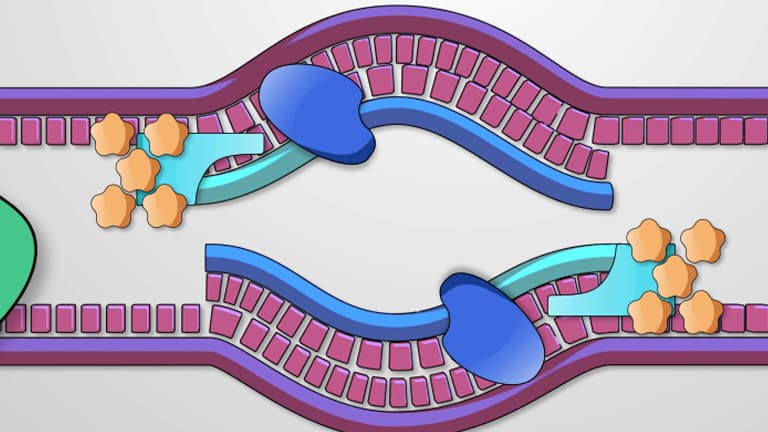

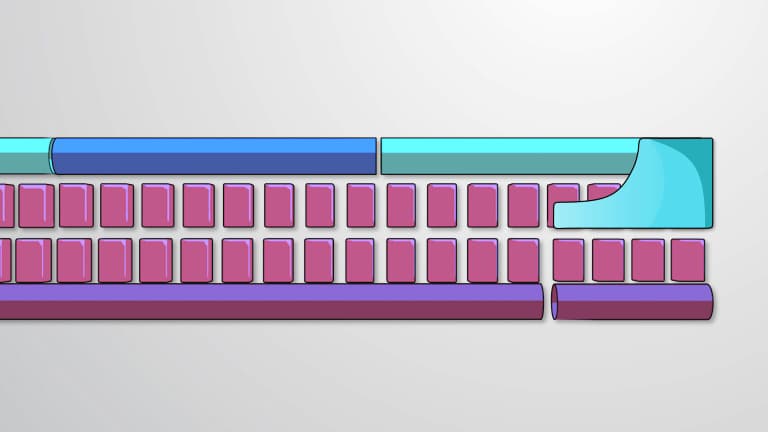
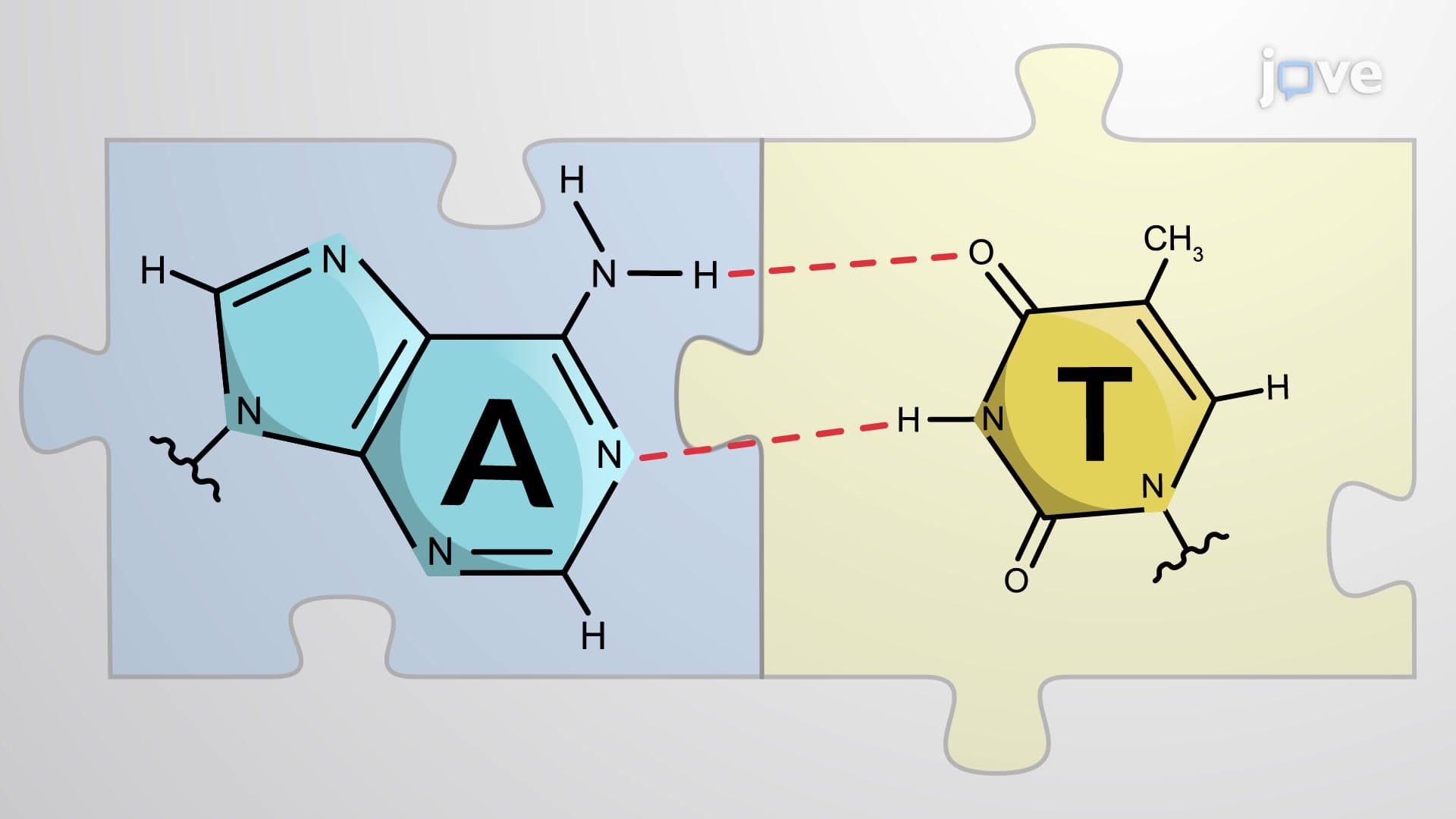
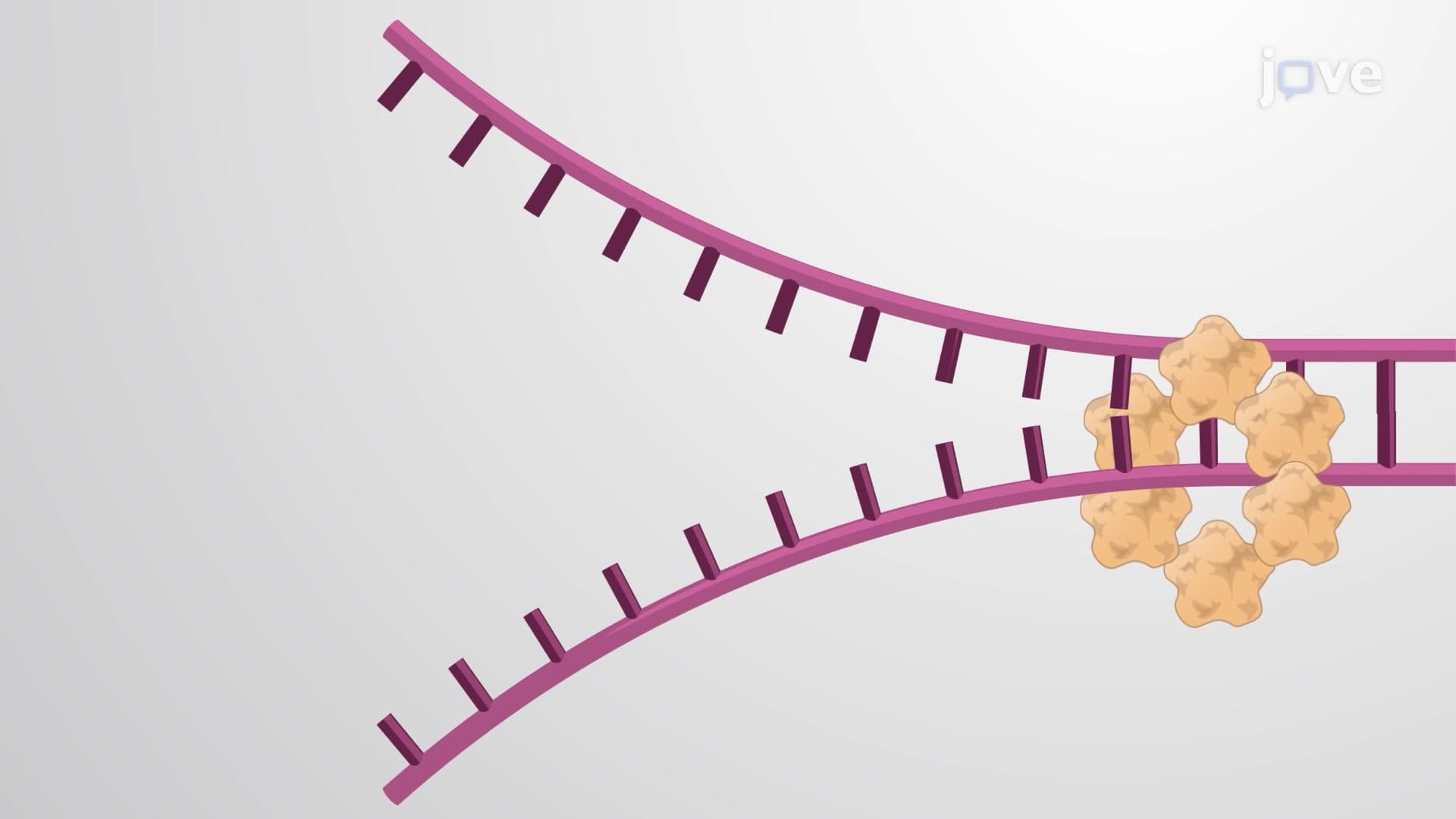
Lagging Strand Synthesis

00:00
01:59
Video Summary: What Is Lagging Strand Synthesis
Every second, your cells replicate over 50 DNA base pairs to keep you alive, but lagging strand synthesis creates a fascinating molecular puzzle. Unlike the smooth, continuous process on the leading strand, lagging strand synthesis proceeds in choppy, backwards steps-imagine trying to zip a jacket while walking backwards! This discontinuous process creates DNA fragments named after Japanese scientist Reiji Okazaki, who discovered them at Stanford University in the 1960s. Understanding what is lagging strand synthesis reveals how cells overcome the directional constraints of DNA polymerase through ingenious molecular choreography. Watch the full video on JoVE Coach to master this concept with expert-led visuals and step-by-step explanations.
- Understand what is lagging strand synthesis and why it differs fundamentally from leading strand replication due to DNA polymerase directionality constraints
- Identify the key enzymes involved in lagging strand synthesis: DNA primase, DNA polymerase, RNase H, and DNA ligase
- Analyze the step-by-step process of Okazaki fragment formation and how RNA primers initiate discontinuous DNA synthesis
- Compare the molecular mechanisms between continuous leading strand synthesis and discontinuous lagging strand synthesis
- Recognize the 5' to 3' directional requirement of DNA polymerase and its impact on replication fork dynamics
- Evaluate the role of DNA ligase in joining Okazaki fragments to create a continuous DNA strand
- Apply knowledge of lagging strand synthesis to predict outcomes when specific enzymes are inhibited or mutated
- Explore how understanding lagging strand synthesis connects to broader topics like DNA repair mechanisms and cancer research
Understanding What is Lagging Strand Synthesis
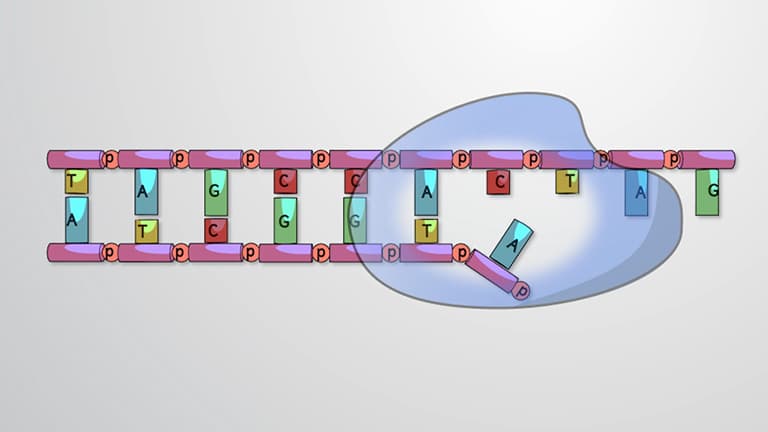
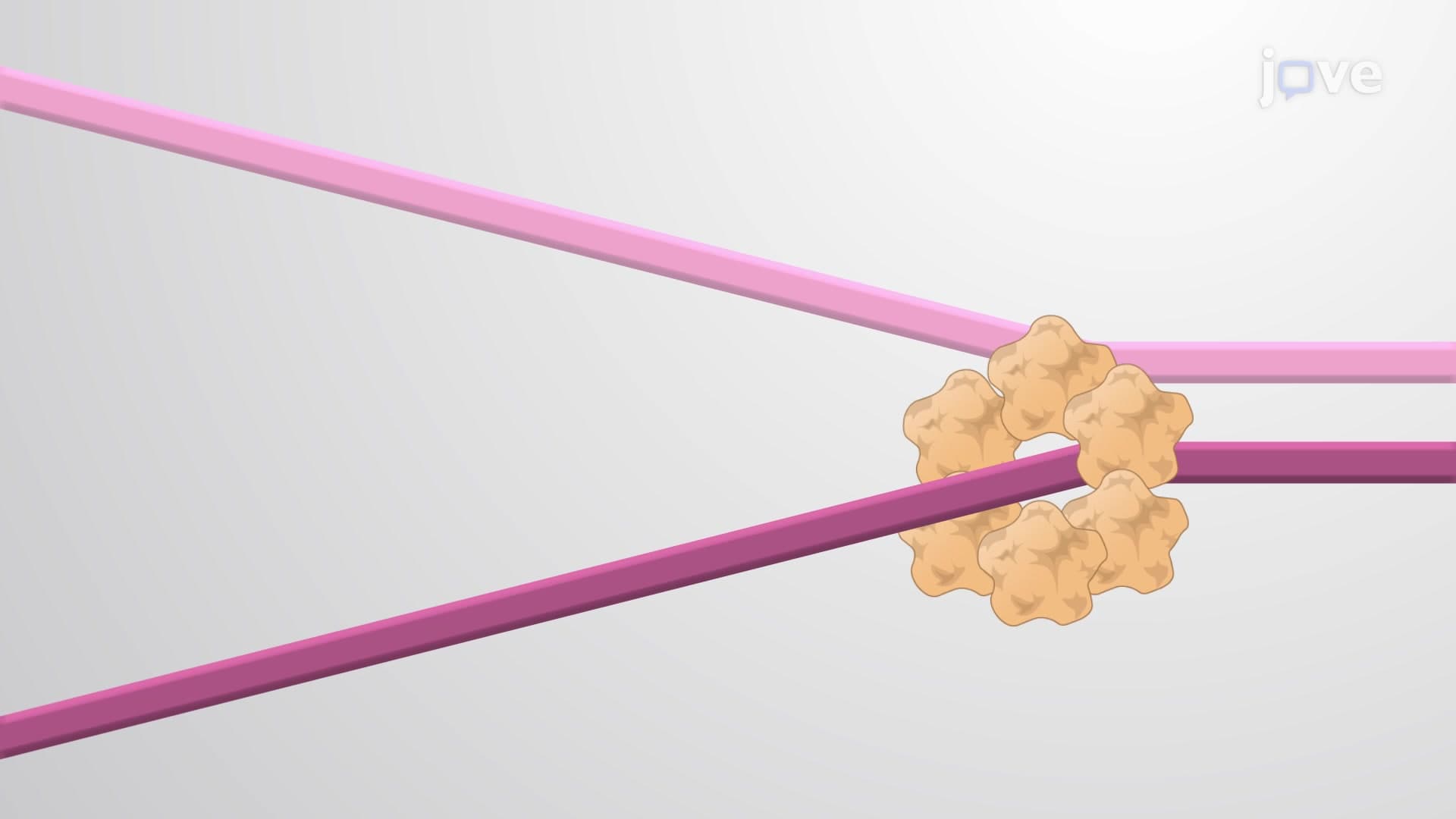
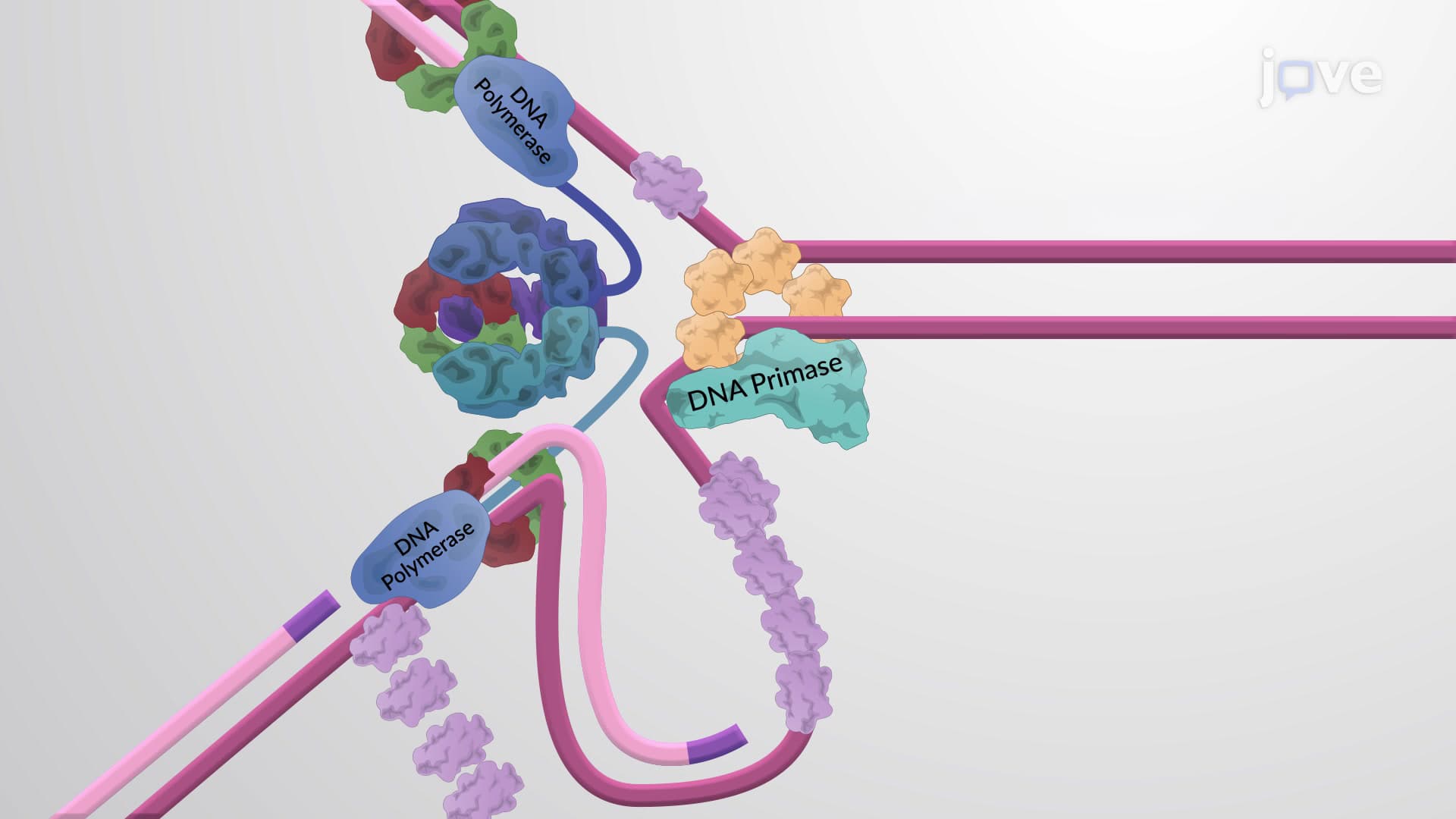
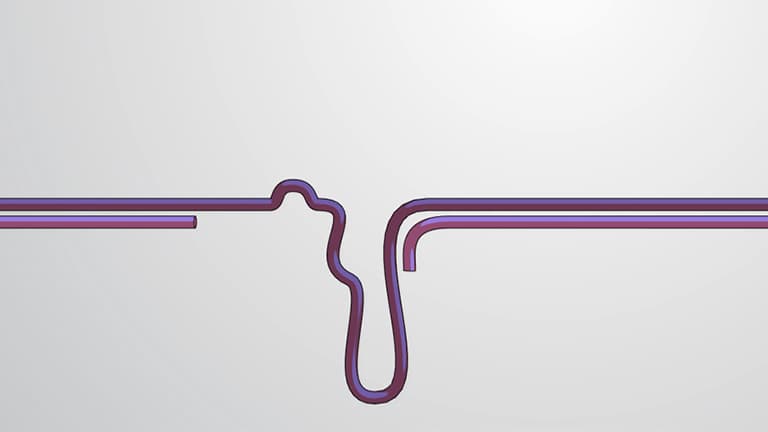
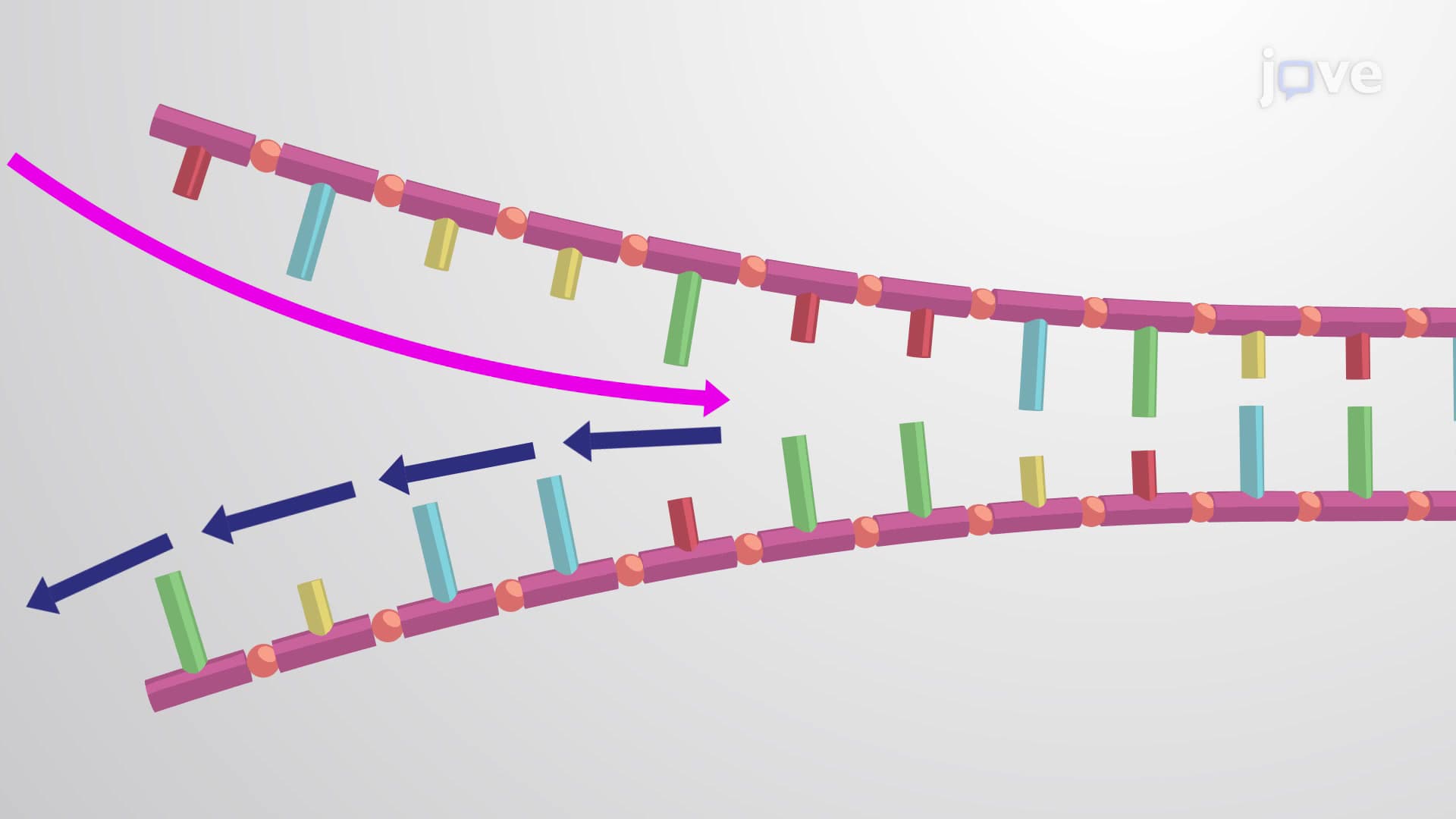
Lagging strand synthesis represents one of molecular biology's most elegant solutions to a fundamental directional problem. While DNA polymerase can only add nucleotides in the 5' to 3' direction, the antiparallel nature of DNA's double helix creates a directional challenge during replication. On the leading strand, synthesis proceeds smoothly toward the replication fork. However, on the lagging strand, synthesis must occur away from the fork, creating the need for a discontinuous, backwards approach.
The Molecular Players in Lagging Strand Synthesis
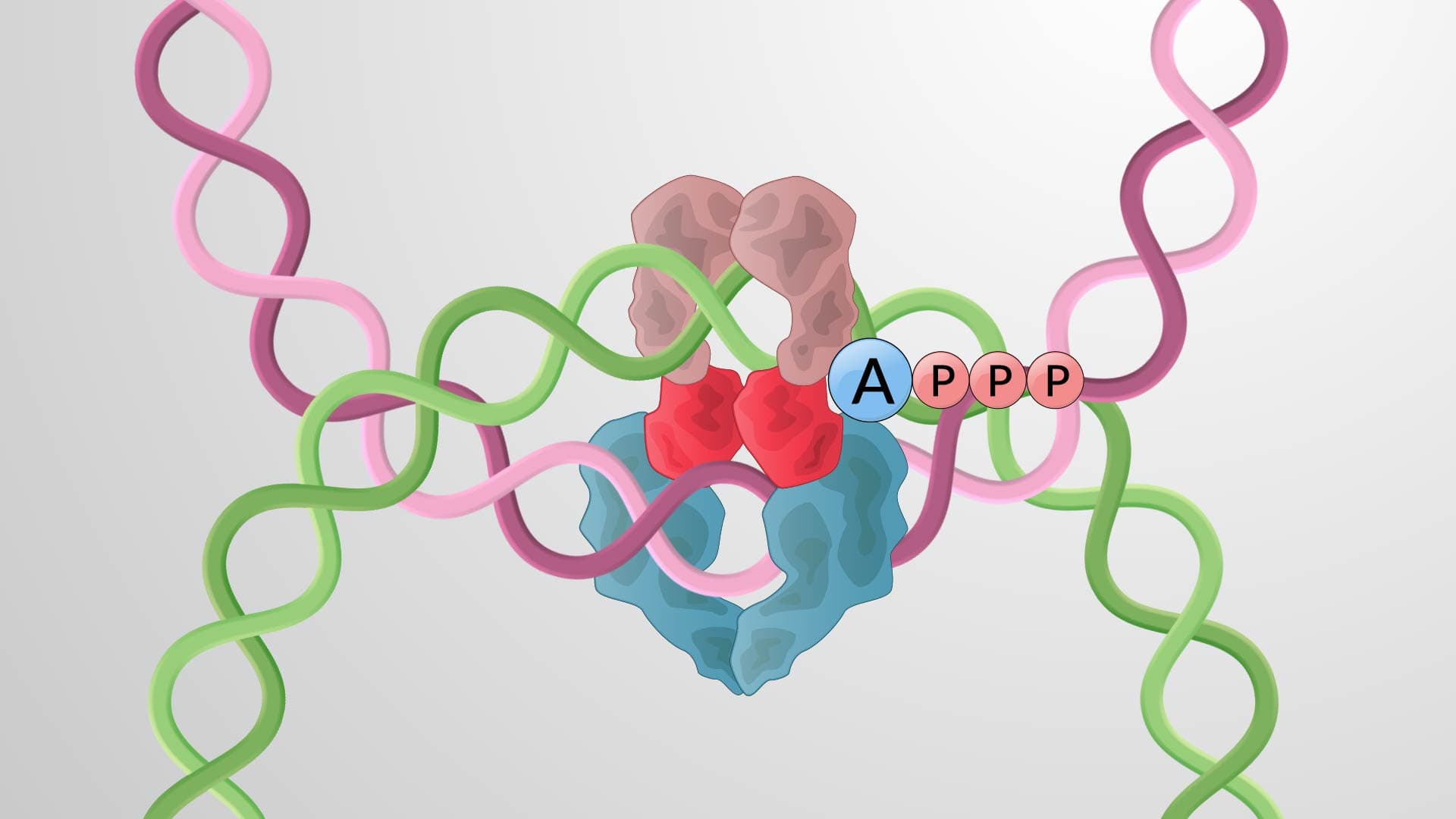
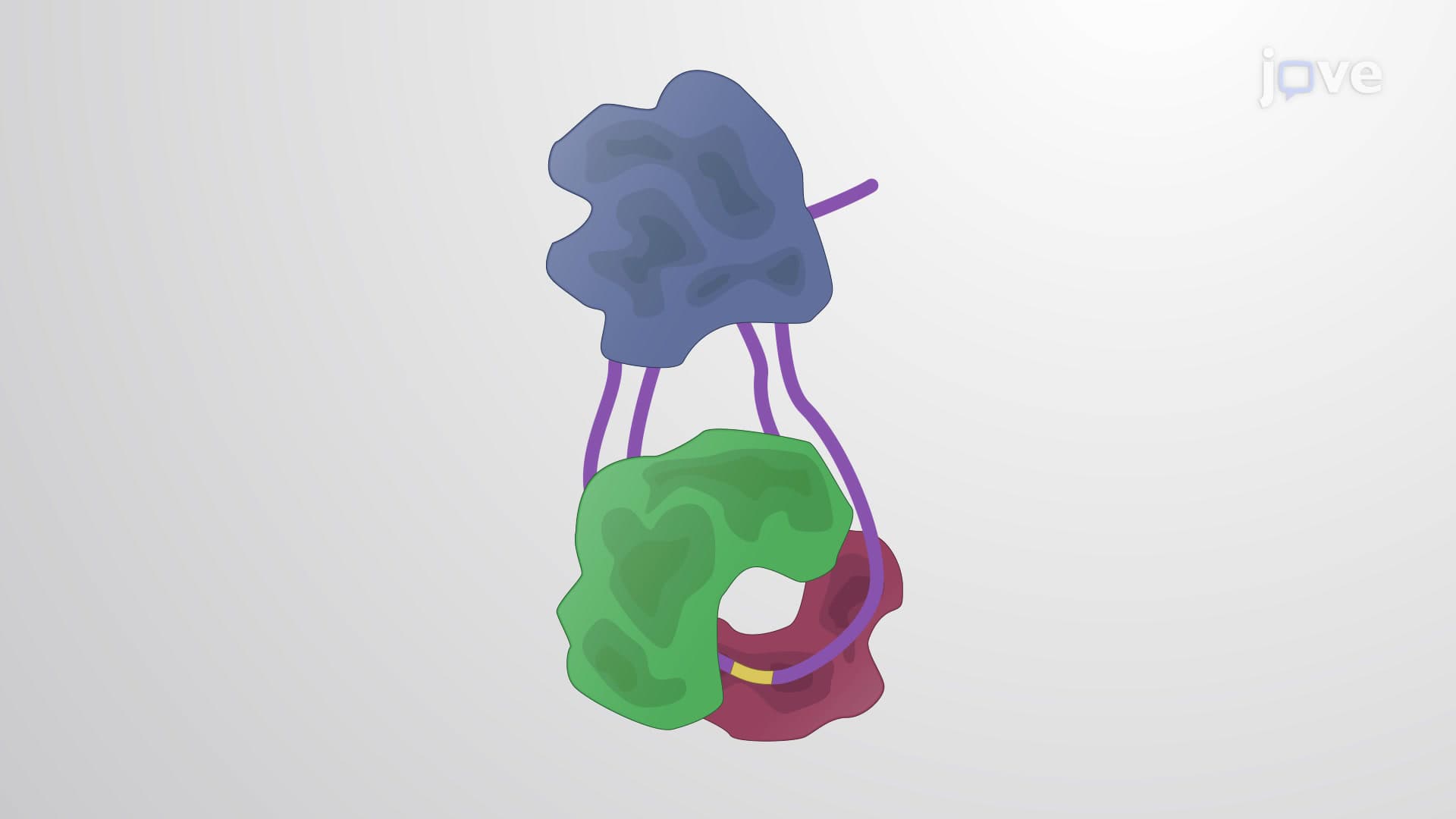
The lagging strand synthesis definition encompasses a coordinated dance of multiple enzymes. DNA primase initiates the process by laying down short RNA primers approximately every 100-200 nucleotides as the replication fork opens. These primers serve as essential starting points because DNA polymerase cannot begin synthesis de novo. DNA polymerase III then extends each primer, creating short DNA segments called Okazaki fragments-typically 1,000-2,000 nucleotides long in eukaryotes.
This discontinuous synthesis creates a unique challenge that students often encounter on the MCAT and AP Biology exams. The process requires precise timing and coordination, as new primers must be synthesized before the polymerase completes the previous fragment.
Processing and Joining Okazaki Fragments
The lagging strand synthesis concept explained becomes particularly fascinating during the fragment processing phase. RNase H selectively removes RNA primers, leaving gaps between newly synthesized DNA fragments. DNA polymerase I then fills these gaps with DNA, but cannot seal the final connections. DNA ligase performs this crucial final step, using ATP energy to form phosphodiester bonds between the 3'-OH of one fragment and the 5'-phosphate of the next.
This process occurs thousands of times per replication cycle in human cells. Consider that during S phase of cell division, each of your cells must complete lagging strand synthesis across all 46 chromosomes-representing billions of Okazaki fragment formations and ligations.
Clinical and Research Applications
Understanding lagging strand synthesis notes proves essential for medical applications. Many cancer chemotherapy drugs, including fluorouracil used in colorectal cancer treatment, specifically target DNA synthesis machinery. Additionally, genetic disorders like Okazaki fragment maturation defects can lead to immunodeficiency syndromes, highlighting the critical importance of proper lagging strand synthesis in human health.
Students preparing for healthcare careers through programs at institutions like Johns Hopkins or UCLA will encounter lagging strand synthesis concepts in biochemistry, genetics, and pathology courses, making this fundamental knowledge essential for MCAT success and clinical understanding.
Frequently Asked Questions
Lagging strand synthesis is the discontinuous process of DNA replication that occurs on one strand due to DNA polymerase's inability to synthesize DNA in the 3' to 5' direction. This process creates short DNA fragments called Okazaki fragments that are later joined together. It's essential because the antiparallel structure of DNA and enzyme directionality constraints make continuous synthesis impossible on both strands simultaneously.
MCAT questions frequently test understanding of Okazaki fragment formation as the hallmark of lagging strand synthesis. You'll need to know that these fragments form due to discontinuous synthesis, require RNA primers, and are joined by DNA ligase. Focus on the enzyme sequence: primase → DNA polymerase → RNase H → DNA polymerase I → ligase for optimal exam performance.
Five key enzymes drive lagging strand synthesis: DNA primase (synthesizes RNA primers), DNA polymerase III (extends primers), RNase H (removes primers), DNA polymerase I (fills gaps), and DNA ligase (joins fragments). AP Biology commonly tests the specific function of each enzyme and the consequences of their inhibition or mutation.
Cancer researchers at institutions like MD Anderson and Memorial Sloan Kettering study how rapidly dividing cancer cells depend on efficient DNA replication machinery. Many chemotherapy drugs specifically target lagging strand synthesis enzymes, and understanding this process helps develop more effective treatments. This knowledge is foundational for oncology, pharmaceutical research, and biomedical engineering careers.
Absolutely not! While lagging strand synthesis involves multiple steps, breaking it down into primer formation, DNA synthesis, and fragment joining makes it very manageable. Students successfully master this concept in AP Biology, and it builds naturally on basic DNA structure knowledge. The key is visualizing the process step-by-step rather than memorizing isolated facts.
Create a detailed flowchart showing each enzyme's role and timing, practice drawing the replication fork with both leading and lagging strands, and work through practice problems involving enzyme inhibition scenarios. Focus on understanding WHY discontinuous synthesis is necessary rather than just memorizing the steps-this deeper comprehension helps with complex exam questions and clinical applications.
Lagging strand synthesis connects to DNA repair mechanisms, telomere biology, and cellular aging processes studied in advanced cell biology and genetics courses. Understanding this foundation prepares you for topics like homologous recombination, mismatch repair, and how telomerase solves the end-replication problem-all crucial for graduate studies in molecular biology and medicine.
Related Micro-courses

16 Concepts

21 Concepts

11 Concepts