Loading video…


 16 Concepts
 424.1K views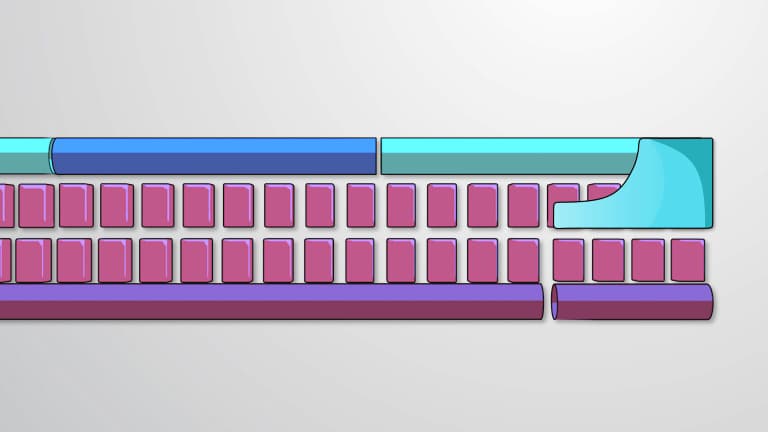

Video Summary: What Is Replication in Eukaryotes
Every time your skin cells regenerate or your muscles grow, billions of DNA strands must be perfectly copied, a process far more complex than you might imagine. DNA replication eukaryotes involves sophisticated molecular machinery that coordinates multiple replication sites simultaneously across 46 human chromosomes. Consider how cancer researchers at Johns Hopkins University study eukaryotic replication errors to develop targeted therapies for brain tumors. Understanding what is replication in eukaryotes reveals the intricate cellular choreography that maintains genetic integrity in complex organisms like humans, plants, and fungi. Watch the full video on JoVE Coach to master this concept with expert-led visuals and step-by-step explanations.
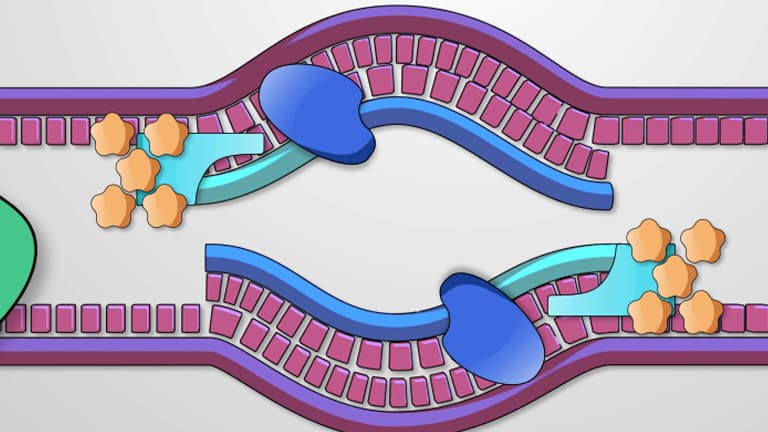
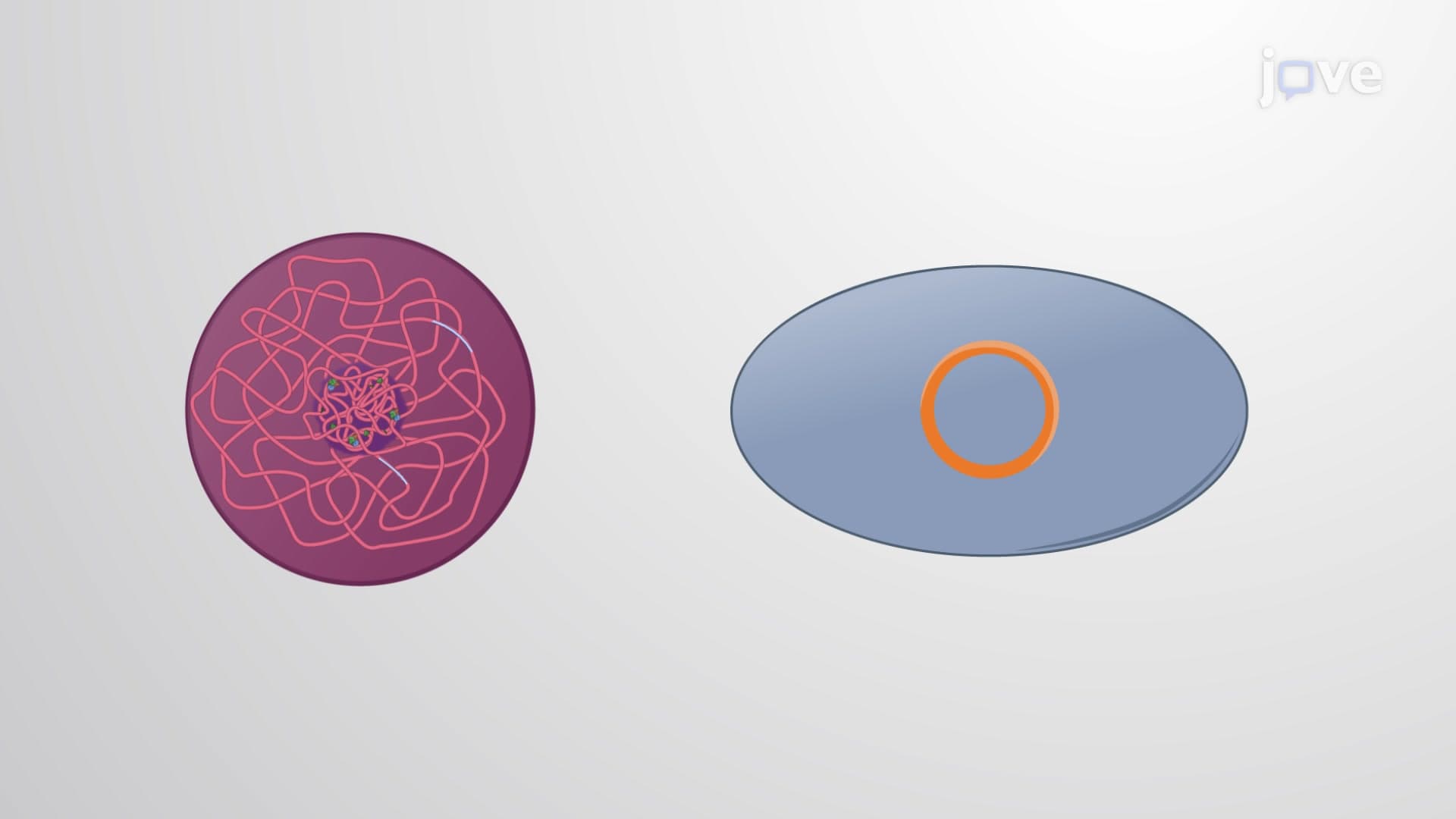
What is replication in eukaryotes represents one of biology's most sophisticated molecular processes. Unlike bacterial cells with single circular chromosomes, human cells must replicate 6 billion base pairs across 46 linear chromosomes within a precise timeframe. This enormous task requires thousands of eukaryotic replication origins, specialized DNA sequences where replication machinery assembles. The complexity becomes apparent when considering that Harvard Medical School researchers have identified over 50,000 potential origins in human cells, though only 10-20% activate during each S phase.
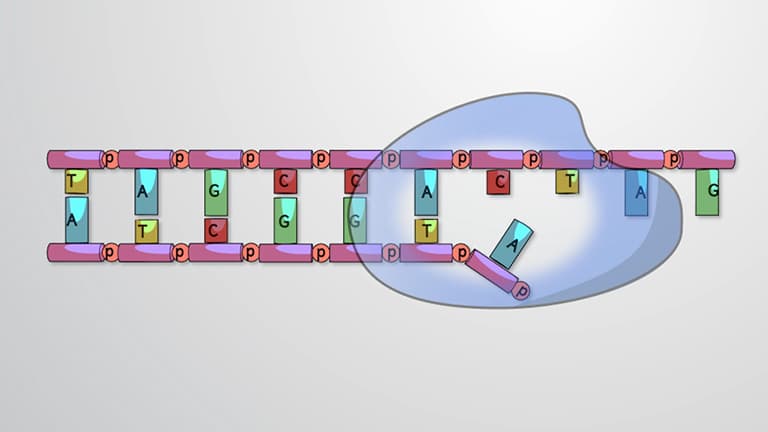
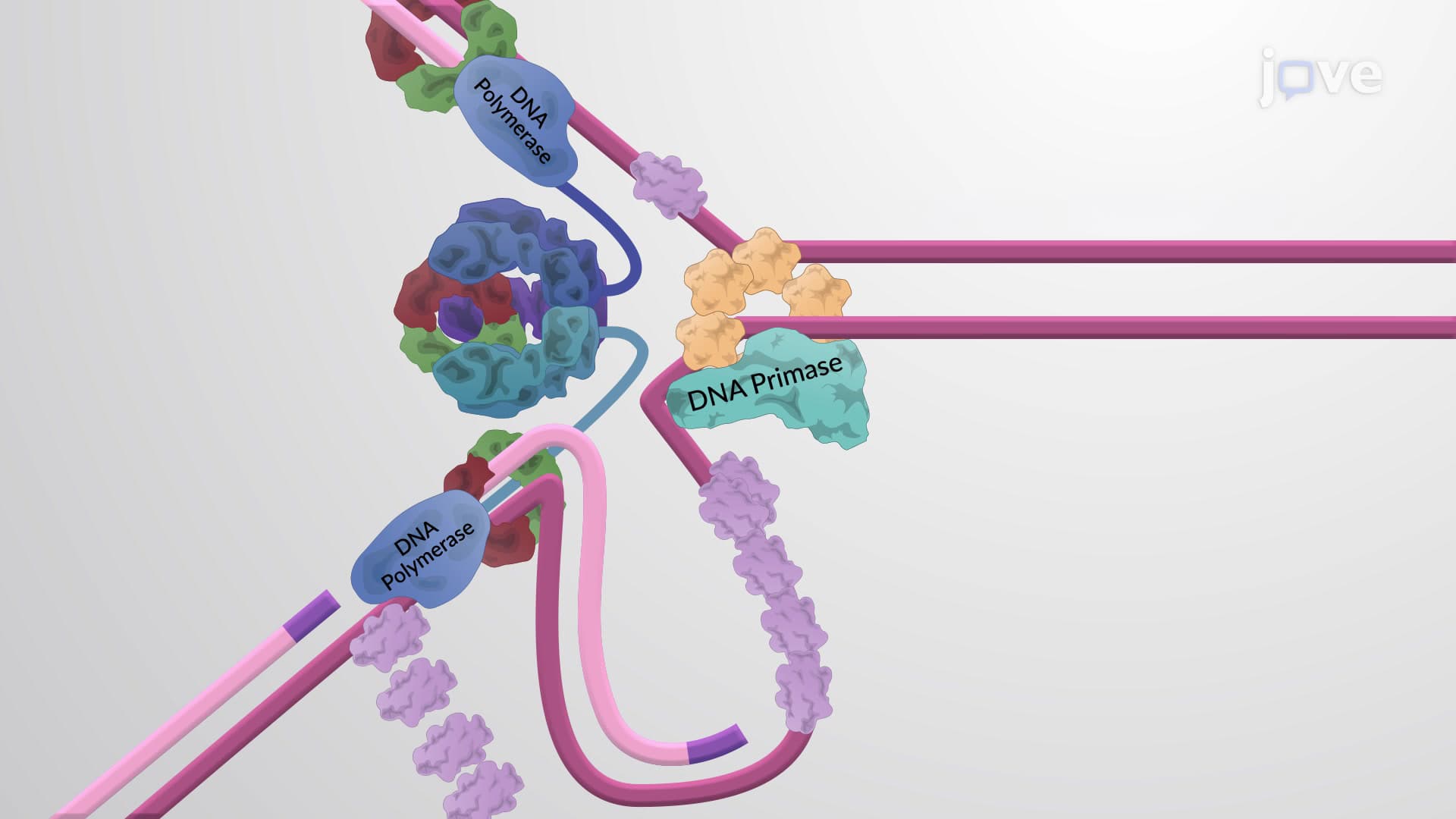
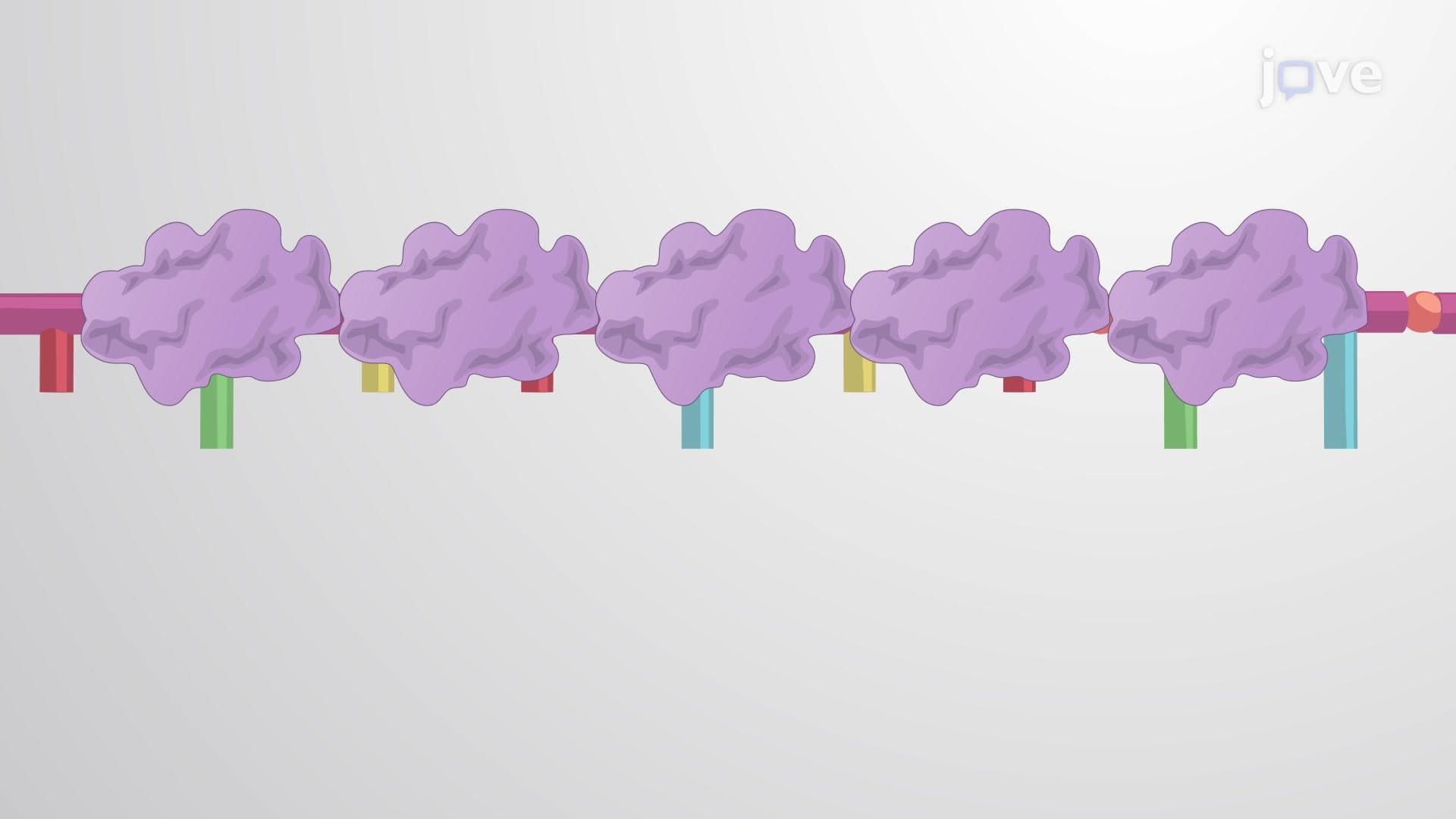
DNA polymerase eukaryote systems involve three main enzymes working in concert. DNA polymerase alpha initiates synthesis by creating short RNA-DNA primers, while polymerase delta handles most lagging strand synthesis and polymerase epsilon manages leading strand replication. This division of labor ensures high fidelity, crucial for preventing the ~3 mutations per cell division that would otherwise accumulate. Students preparing for the MCAT should focus on how these polymerases' 3' to 5' exonuclease activity provides proofreading capabilities that prokaryotic systems lack.
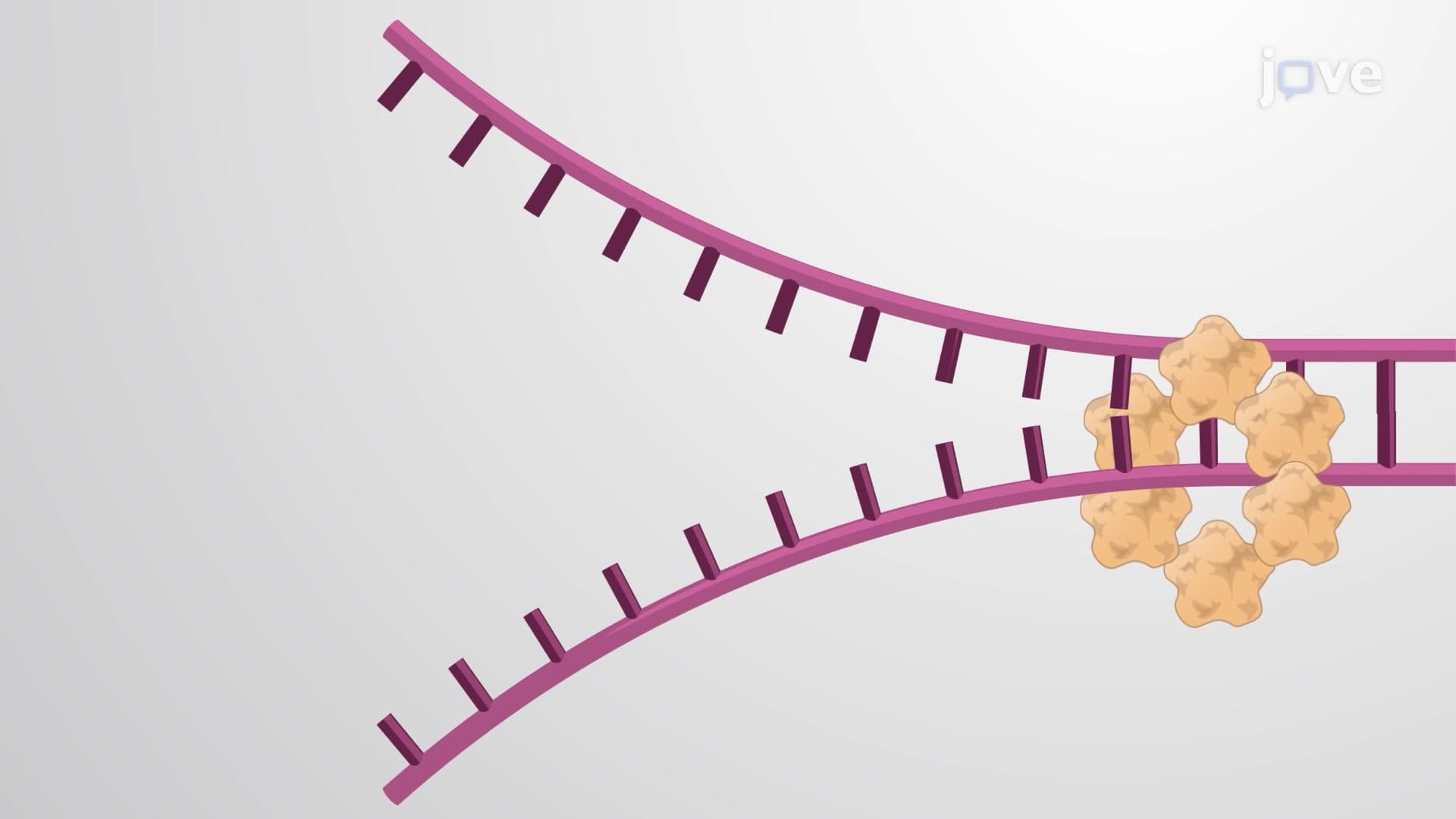
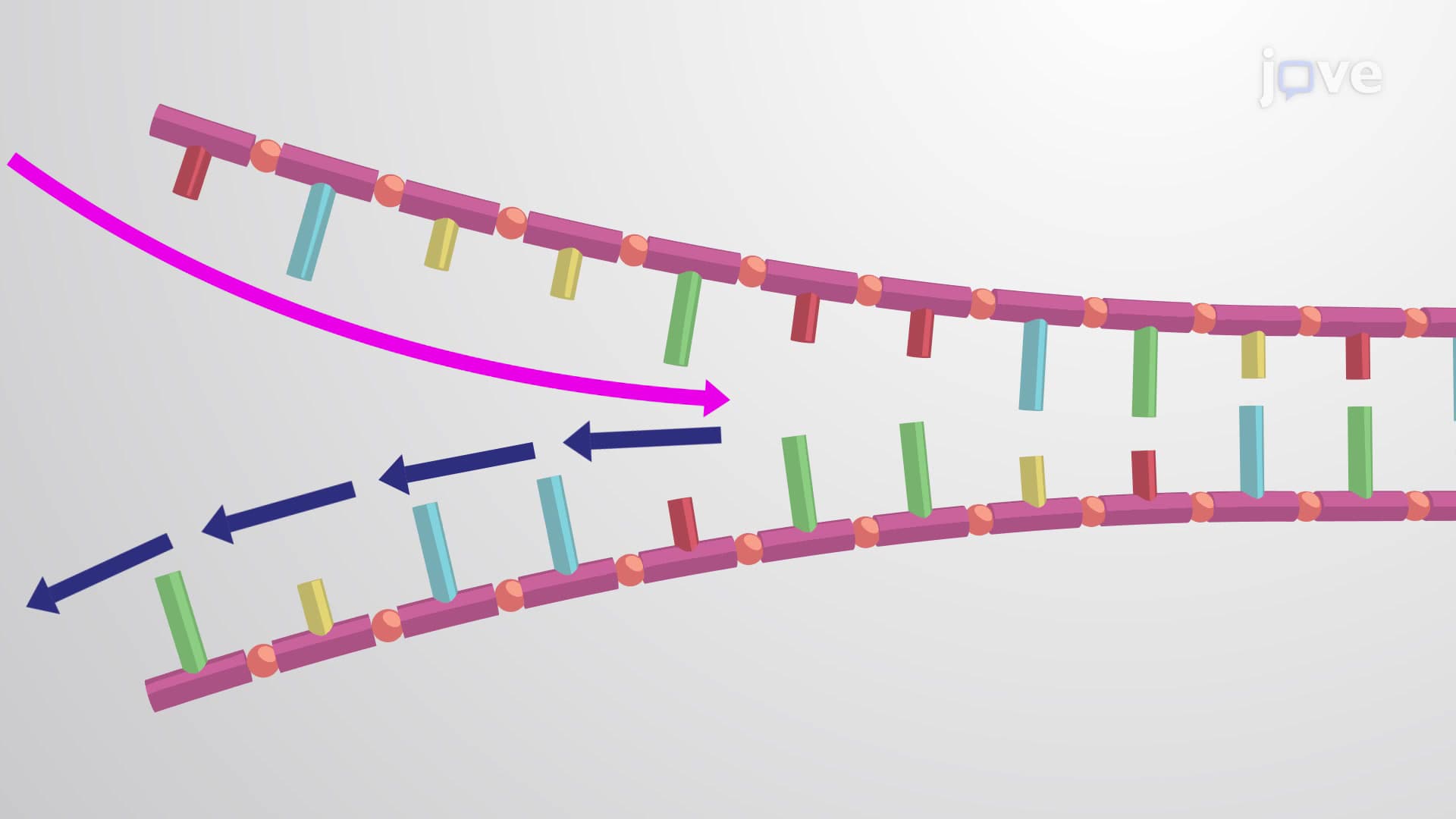
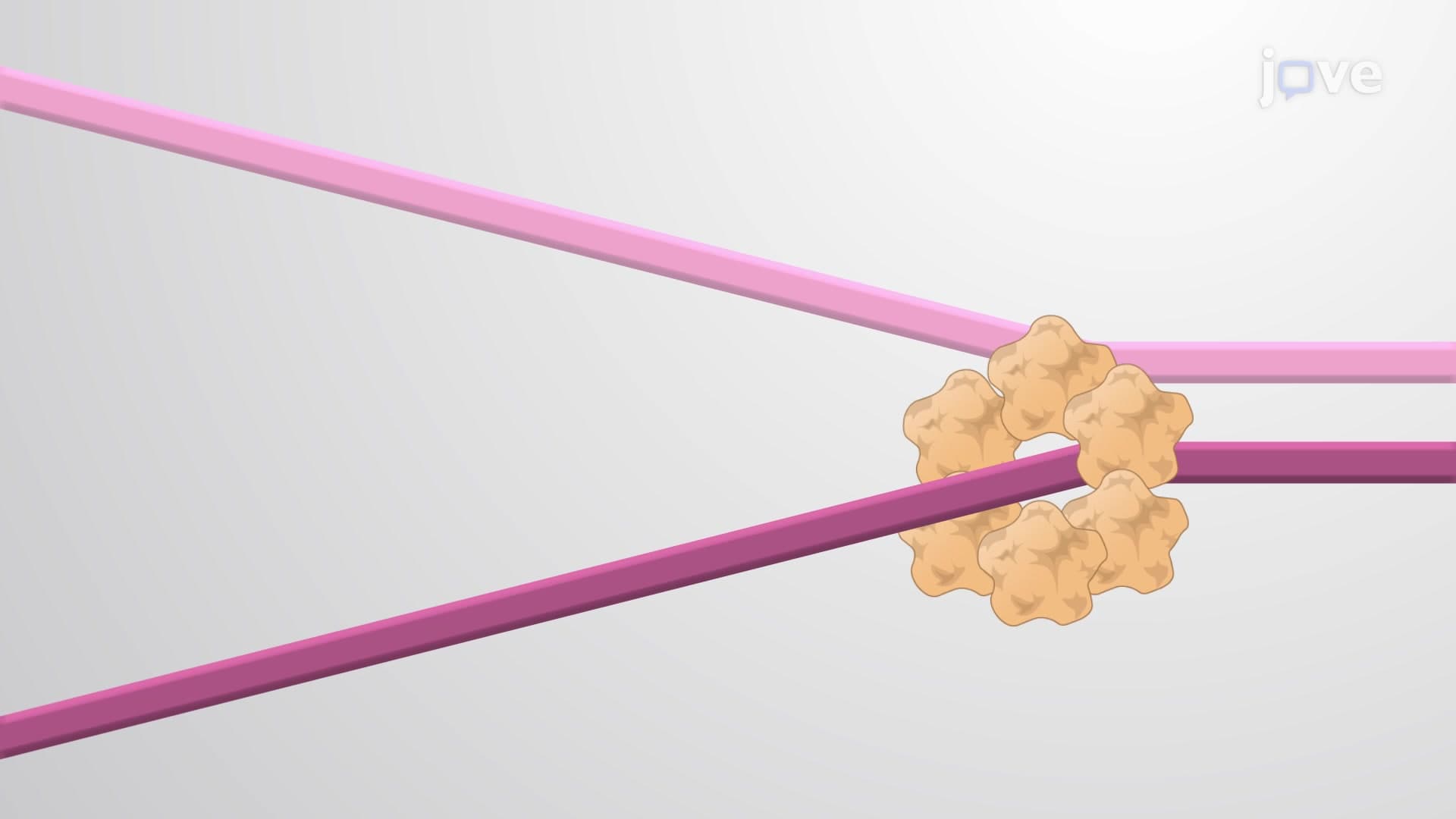
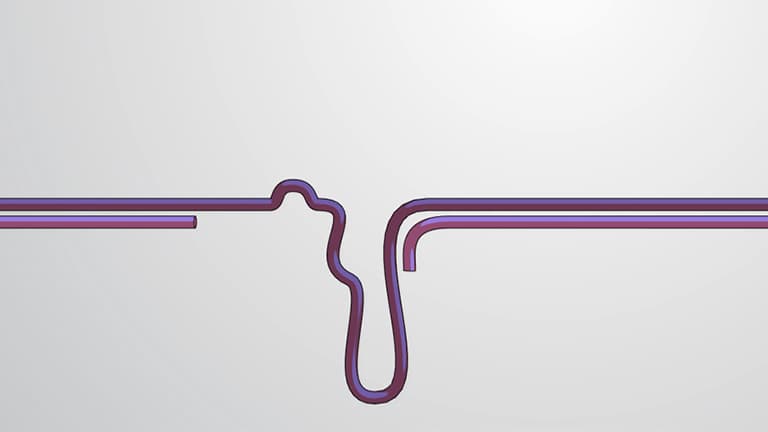
Leading lagging strand replication in eukaryotes involves continuous synthesis of the leading strand toward the replication fork eukaryote, while the lagging strand requires discontinuous Okazaki fragment synthesis. Each fragment spans 100-200 nucleotides, much shorter than prokaryotic fragments. This difference reflects the tighter regulation of eukaryotic replication. Students tackling AP Biology should understand how helicase enzymes unwind DNA ahead of each fork while single-strand binding proteins prevent re-annealing.
Semi-conservative replication eukaryote follows the same fundamental principle Meselson and Stahl demonstrated, but with added complexity. Each new DNA molecule contains one original and one newly synthesized strand. This mechanism proves crucial for genetic stability, disruptions lead to diseases like Bloom syndrome, studied extensively at Mount Sinai Hospital. Cancer researchers target replication machinery because rapidly dividing tumor cells depend heavily on efficient DNA synthesis. Understanding these connections helps pre-med students appreciate how basic molecular biology directly impacts clinical medicine and therapeutic development.
Related Micro-courses