Loading subject page…


424,107 views
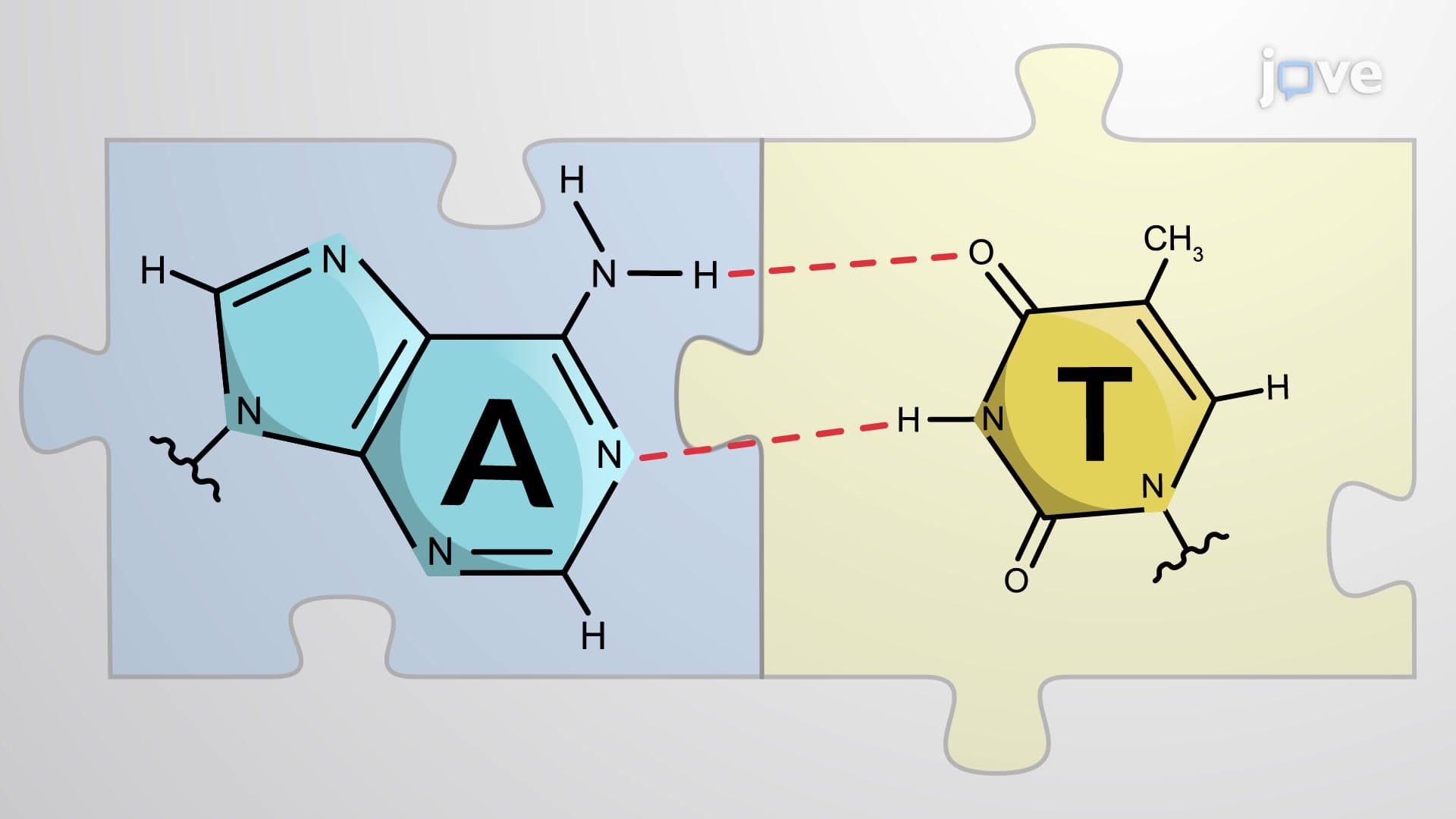

Video Summary: What Is DNA Base Pairing
Did you know that your DNA contains approximately 3 billion base pairs, and each one follows precise pairing rules that prevent genetic chaos? DNA base pairing is the fundamental mechanism where adenine pairs with thymine and cytosine pairs with guanine through hydrogen bonds, creating the stable double helix structure. This process is essential for DNA replication and is used in forensic labs across the US to solve criminal cases through DNA fingerprinting. Understanding what is DNA base pairing reveals how genetic information is accurately copied and transmitted from cell to cell. Watch the full video on JoVE Coach to master this concept with expert-led visuals and step-by-step explanations.
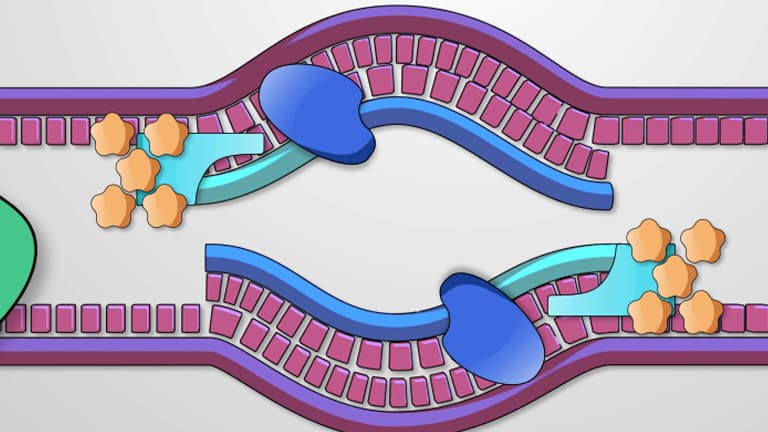
DNA base pairing represents one of biology's most elegant solutions to information storage and transmission. This process involves specific hydrogen bonding between complementary nitrogenous bases, creating the iconic double helix structure that houses our genetic code. The precision of this system ensures that genetic information remains stable across billions of cell divisions while allowing for accurate replication when needed.
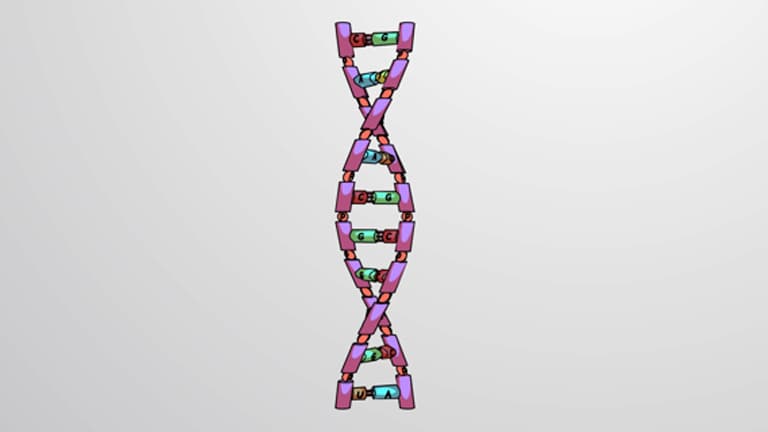
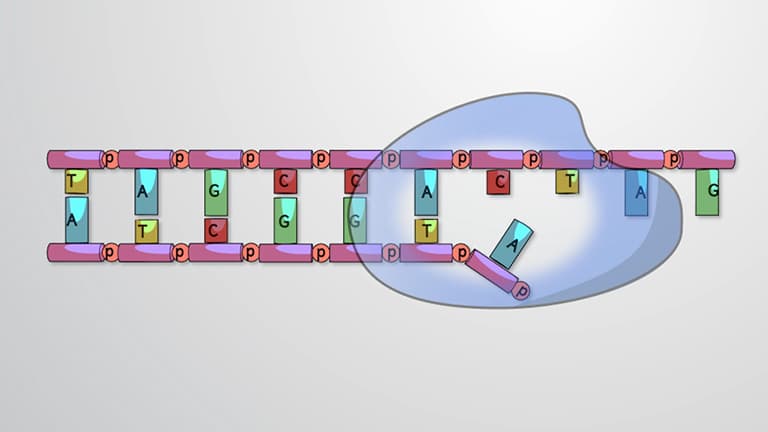
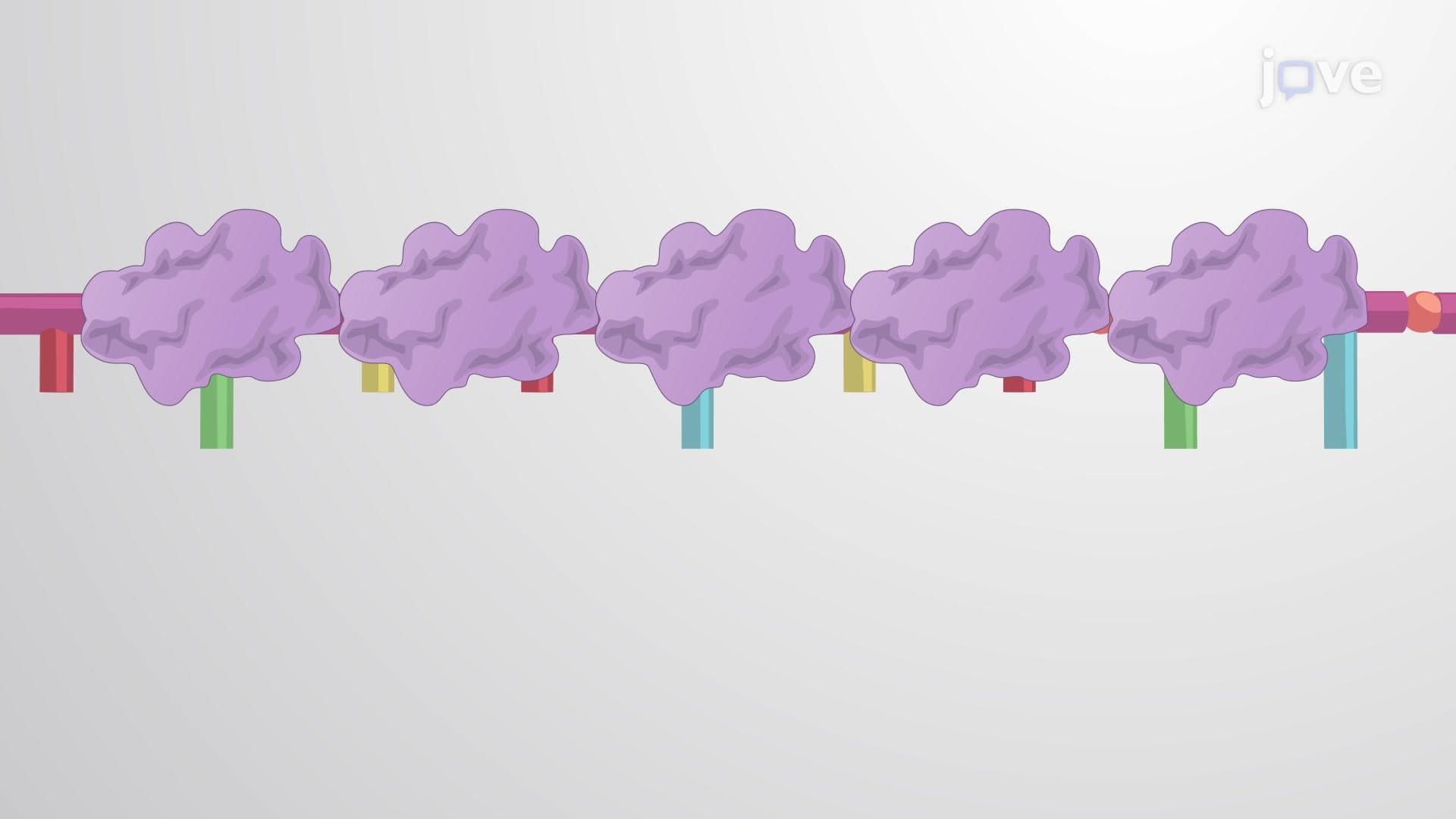
The foundation of DNA base pairing rests on Chargaff's rules, discovered in the early 1950s, which revealed that adenine (A) always pairs with thymine (T), and cytosine (C) always pairs with guanine (G). These aren't random associations but result from the specific chemical structures of each base. A-T pairs form through two hydrogen bonds, while C-G pairs establish three hydrogen bonds, making C-G pairs stronger and more thermally stable.
The strength of DNA base pairing extends beyond simple hydrogen bonding. Base stacking interactions between adjacent base pairs contribute significantly to double helix stability. These π-π interactions between aromatic rings create a hydrophobic core that protects the genetic information from environmental damage. This dual stabilization system-hydrogen bonding for specificity and base stacking for structural integrity-makes DNA remarkably durable yet accessible for cellular processes.
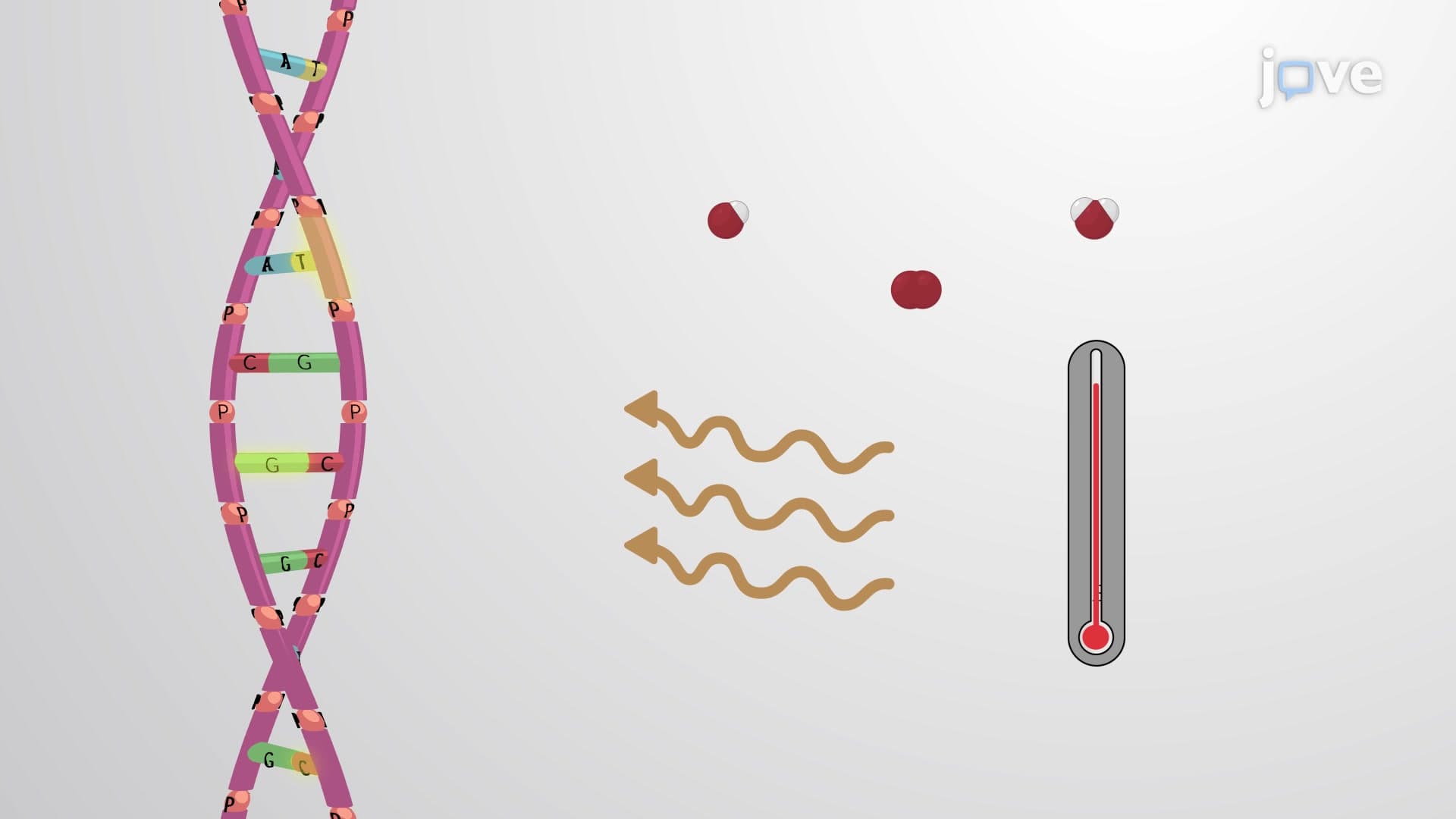
Temperature affects base pairing stability dramatically. DNA with higher G-C content requires more energy to separate (higher melting temperature) due to the additional hydrogen bond in each C-G pair. This principle is crucial in molecular biology techniques like PCR, where researchers design primers based on melting temperatures to ensure proper DNA amplification.
DNA base pairing principles drive numerous medical and forensic applications across the United States. In clinical diagnostics, DNA hybridization assays detect specific genetic sequences associated with diseases like cystic fibrosis or sickle cell anemia. The FBI's Combined DNA Index System (CODIS) relies on base pairing specificity to match DNA samples in criminal investigations.
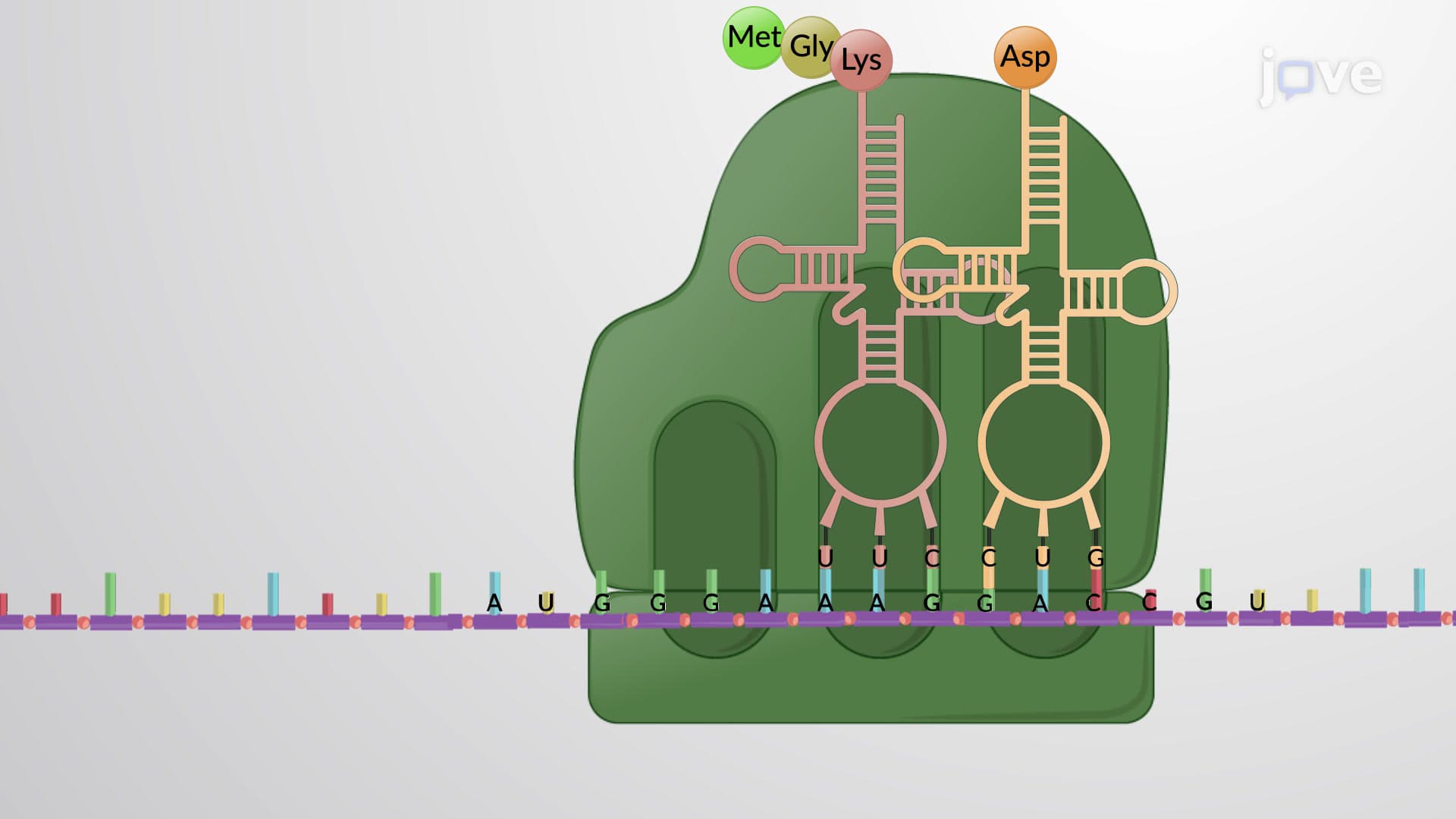
Gene therapy approaches leverage base pairing to design therapeutic oligonucleotides that can bind to specific mRNA sequences, potentially treating genetic disorders. Companies like Moderna and Pfizer utilized these principles in developing COVID-19 vaccines, where mRNA sequences were designed with specific base pairing requirements for stability and translation efficiency.
For students preparing for AP Biology, the MCAT, or college-level molecular biology courses, DNA base pairing appears frequently in multiple contexts. AP Biology exam questions often test understanding of how base pairing enables DNA replication fidelity and how mutations arise from pairing errors. MCAT passages frequently integrate base pairing concepts with thermodynamics, asking students to predict DNA stability based on base composition or explain how certain drugs disrupt base pairing to treat cancer.
Understanding base pairing also provides the foundation for more advanced topics like DNA repair mechanisms, genetic recombination, and epigenetic modifications that students will encounter in upper-level biochemistry and genetics courses.
Related Micro-courses