Loading video…


 16 Concepts
 424.1K views

Video Summary: Single Strand DNA Binding Proteins Explained
Did you know that your DNA unzips millions of times daily during cell division, yet rarely gets permanently damaged? Single strand DNA binding proteins act like molecular bodyguards, protecting vulnerable DNA strands during replication in every human cell. Similar to how the FBI's DNA analysis labs rely on pristine genetic material for criminal investigations, these proteins ensure DNA integrity by preventing harmful structural changes and nuclease attacks. Single Strand DNA Binding Proteins Explained demonstrates how these essential molecules cooperatively bind to straighten and shield exposed DNA strands. Watch the full video on JoVE Coach to master this concept with expert-led visuals and step-by-step explanations.
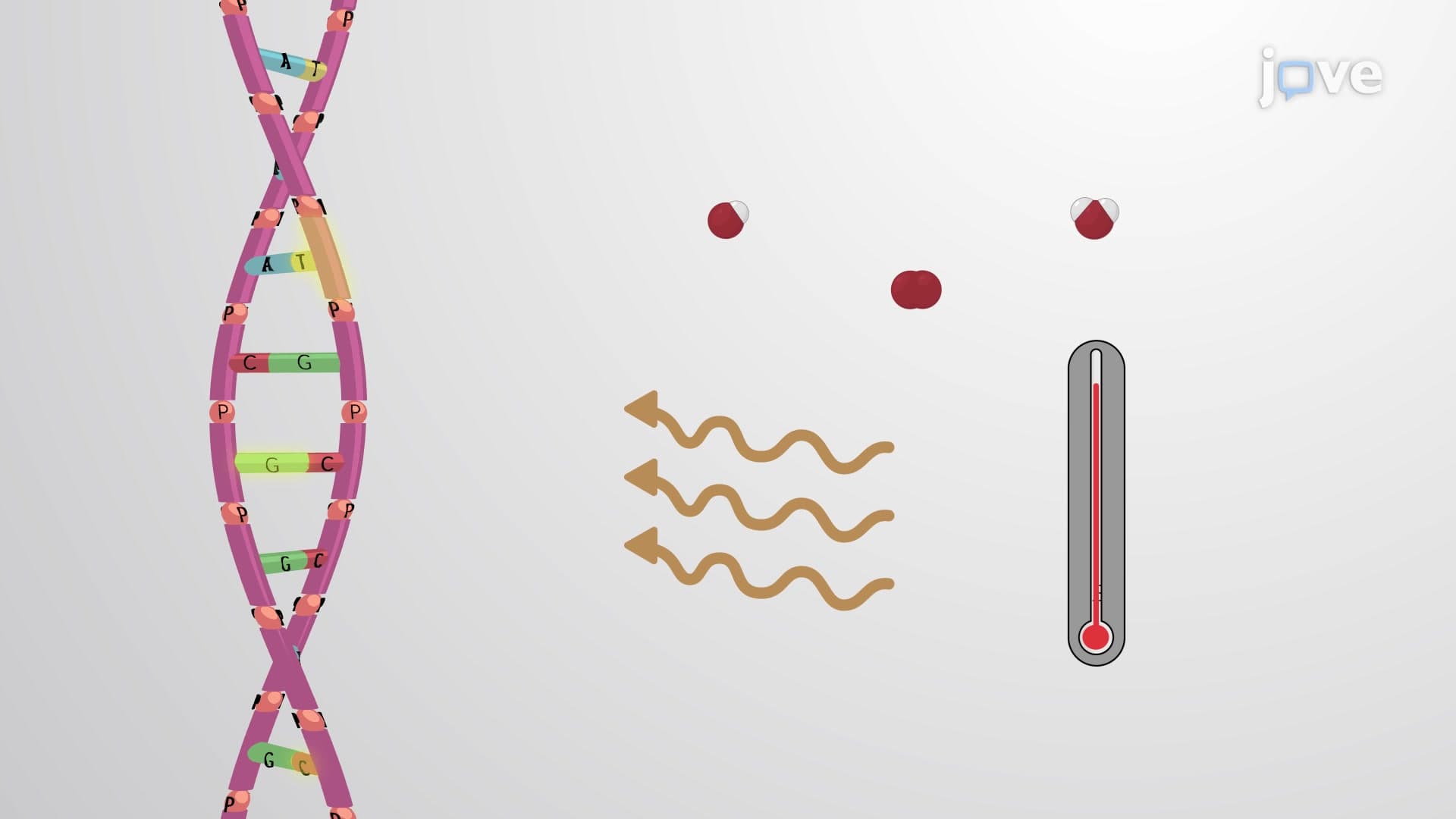
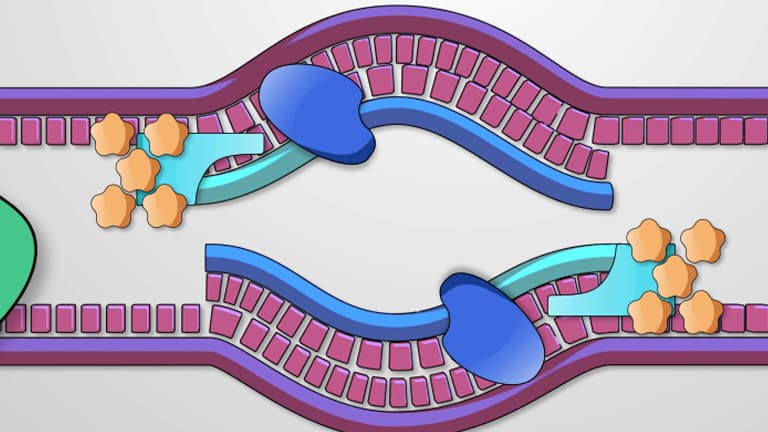
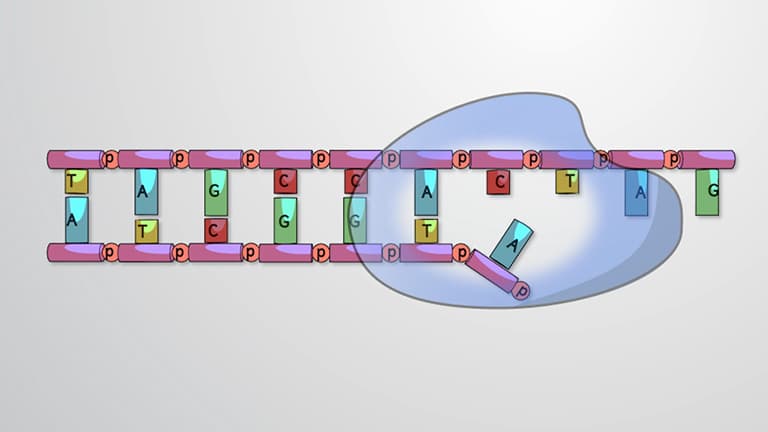
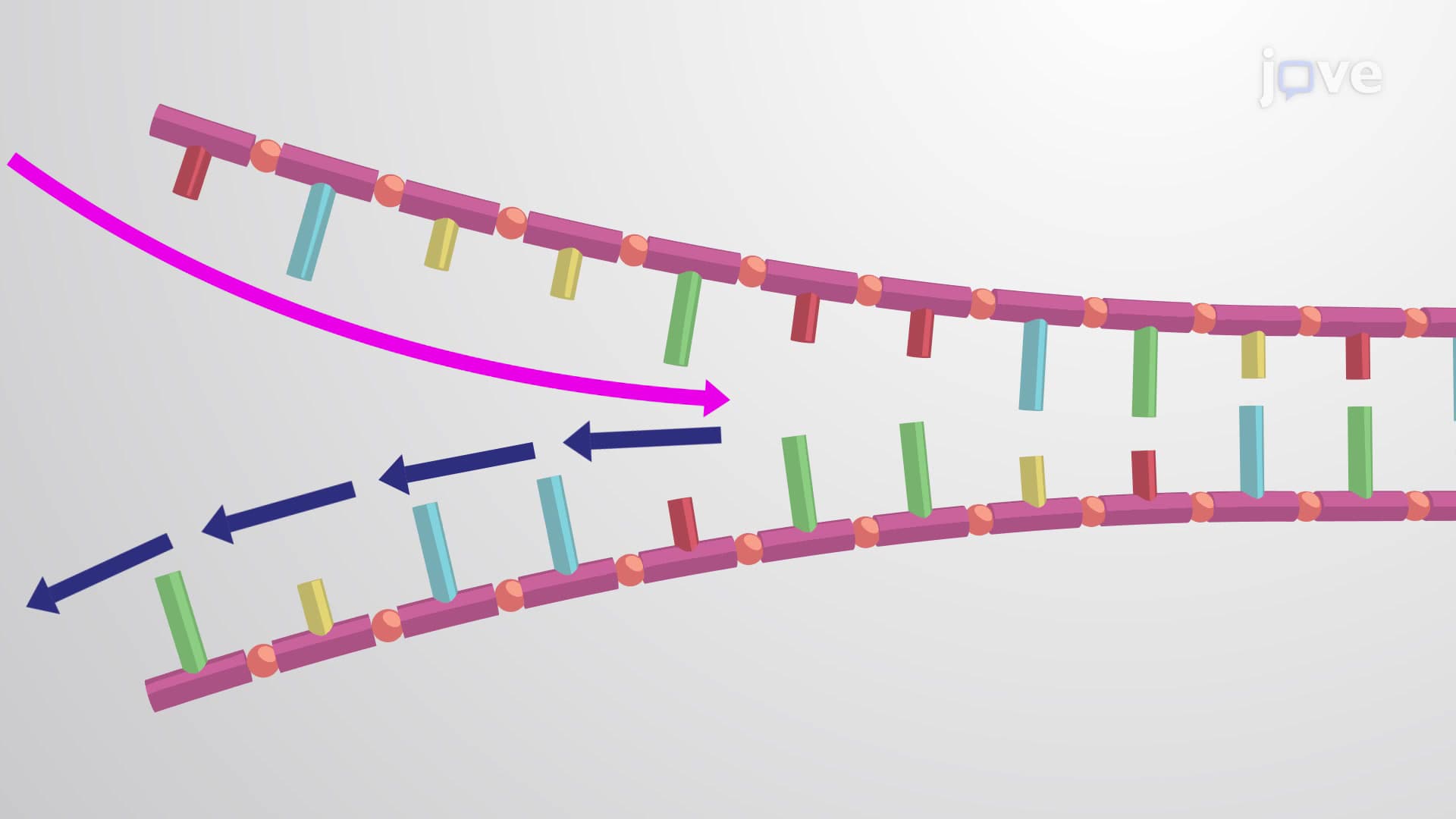
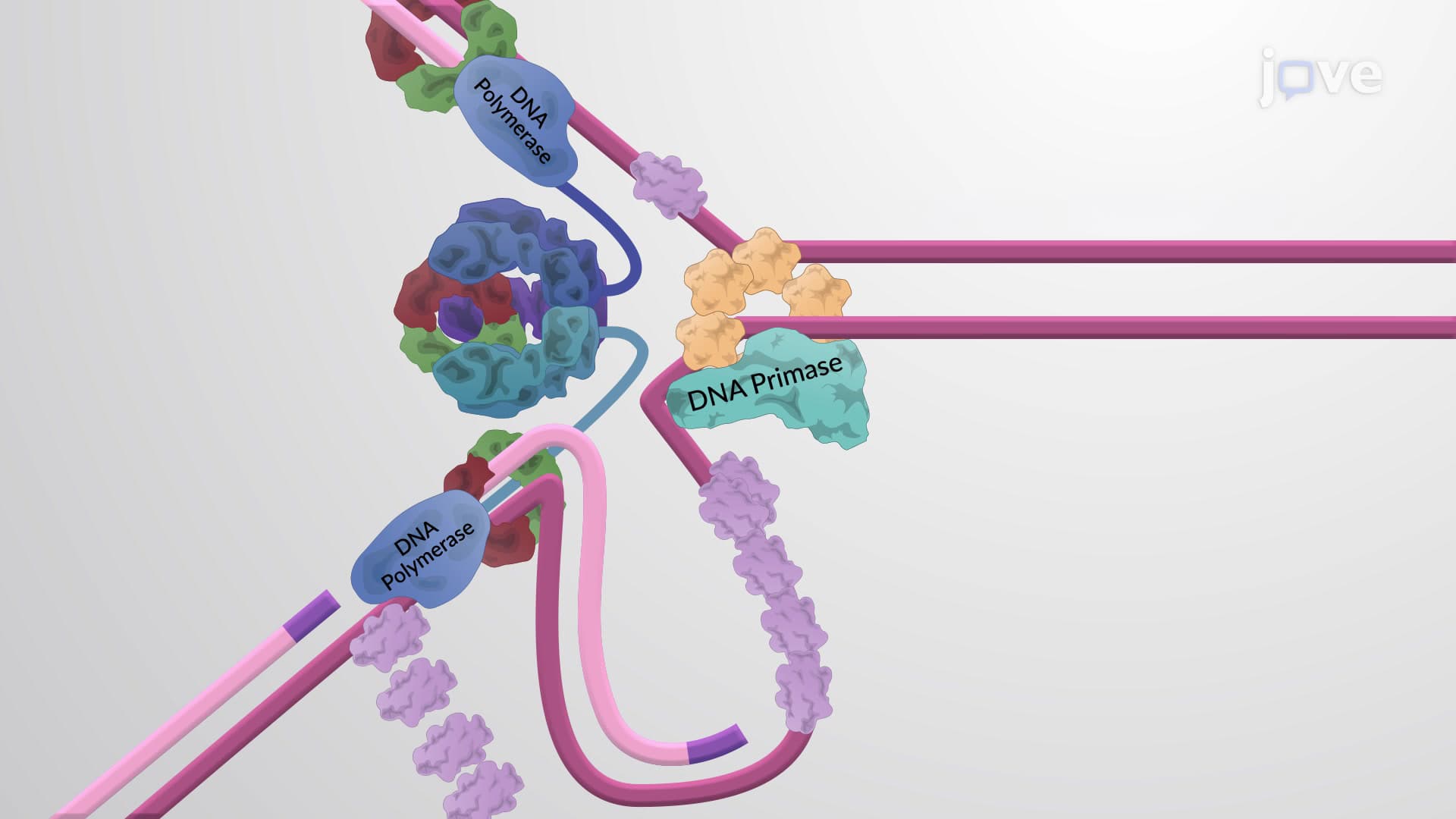
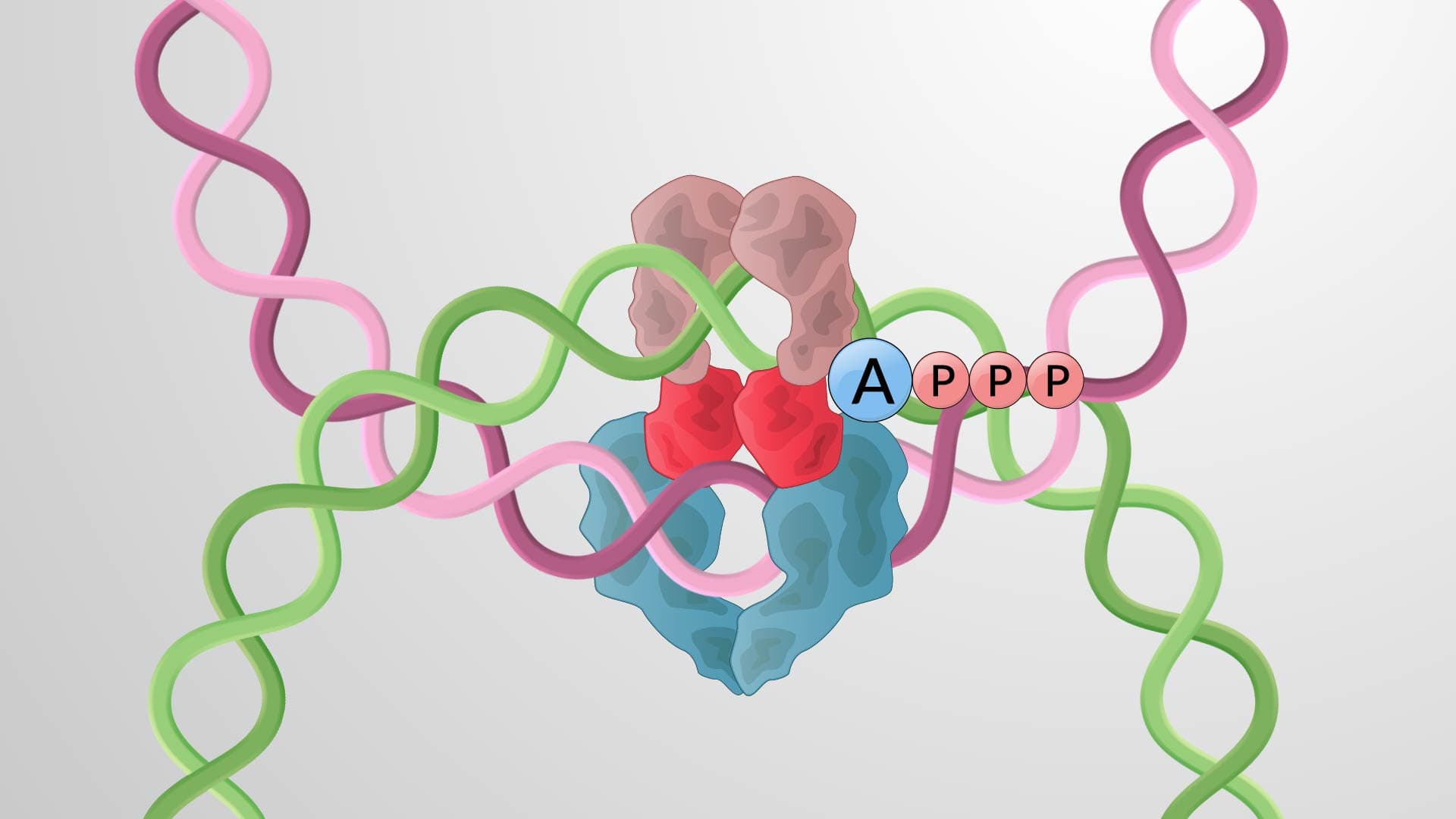
Single strand DNA binding proteins represent one of molecular biology's most elegant protective mechanisms. When DNA helicase unwinds the double helix during replication, it creates temporary single-stranded regions that face immediate threats. Without protection, these exposed strands would spontaneously form secondary structures like hairpin loops through intramolecular base pairing, or worse, suffer degradation by cellular nucleases that constantly patrol for damaged DNA.
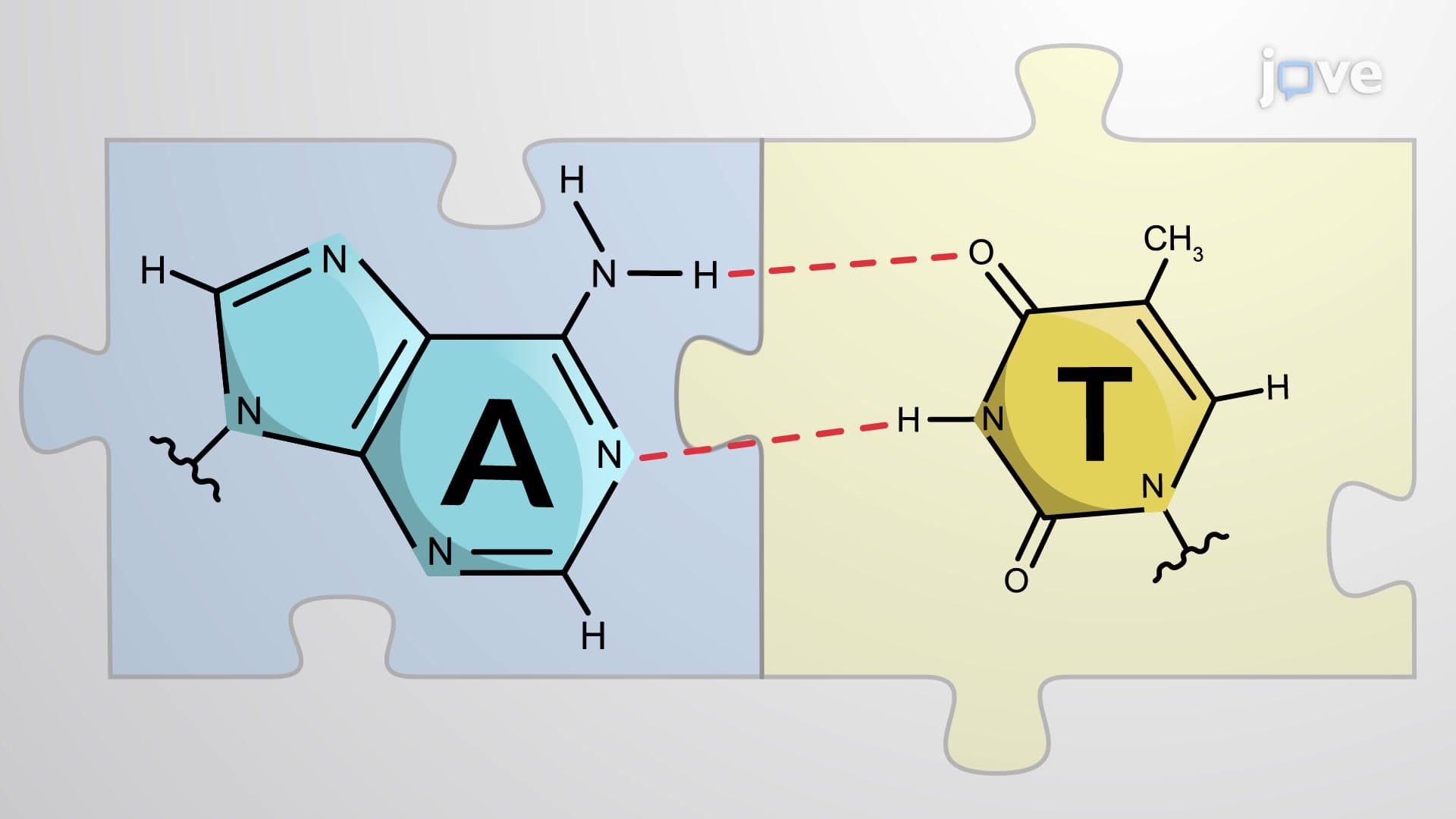
The single strand DNA binding proteins tutorial reveals how these molecules employ cooperative binding-a sophisticated process where each new SSB protein attaches adjacent to existing ones, creating a continuous protective coating. This sequential attachment pattern differs markedly from random binding, ensuring complete strand coverage without gaps. The proteins specifically target the sugar-phosphate backbone, leaving nitrogenous bases (A, T, G, C) completely accessible for incoming complementary nucleotides during synthesis.
Understanding how single strand DNA binding proteins works proves crucial for students pursuing healthcare careers. In clinical laboratories across major US medical centers like Johns Hopkins and Mayo Clinic, PCR (polymerase chain reaction) techniques rely on controlled DNA denaturation and protection. Defective SSB proteins contribute to genetic disorders, making this knowledge essential for MCAT preparation and medical school coursework.
This single strand DNA binding proteins study guide material frequently appears on AP Biology exams, particularly in cellular processes sections worth 25% of the total score. College biochemistry courses at institutions like University of California and Harvard dedicate substantial time to DNA-binding proteins, often featuring detailed exam questions about cooperative binding kinetics. Students should focus on understanding the thermodynamic principles governing SSB protein-DNA interactions, as these concepts bridge molecular biology and physical chemistry coursework.
The single strand DNA binding proteins concept also connects to cancer biology, where mutations affecting DNA replication machinery can lead to genomic instability-a hallmark of malignant transformation studied extensively in US research institutions.
Related Micro-courses