Loading video…


 16 Concepts
 424.1K views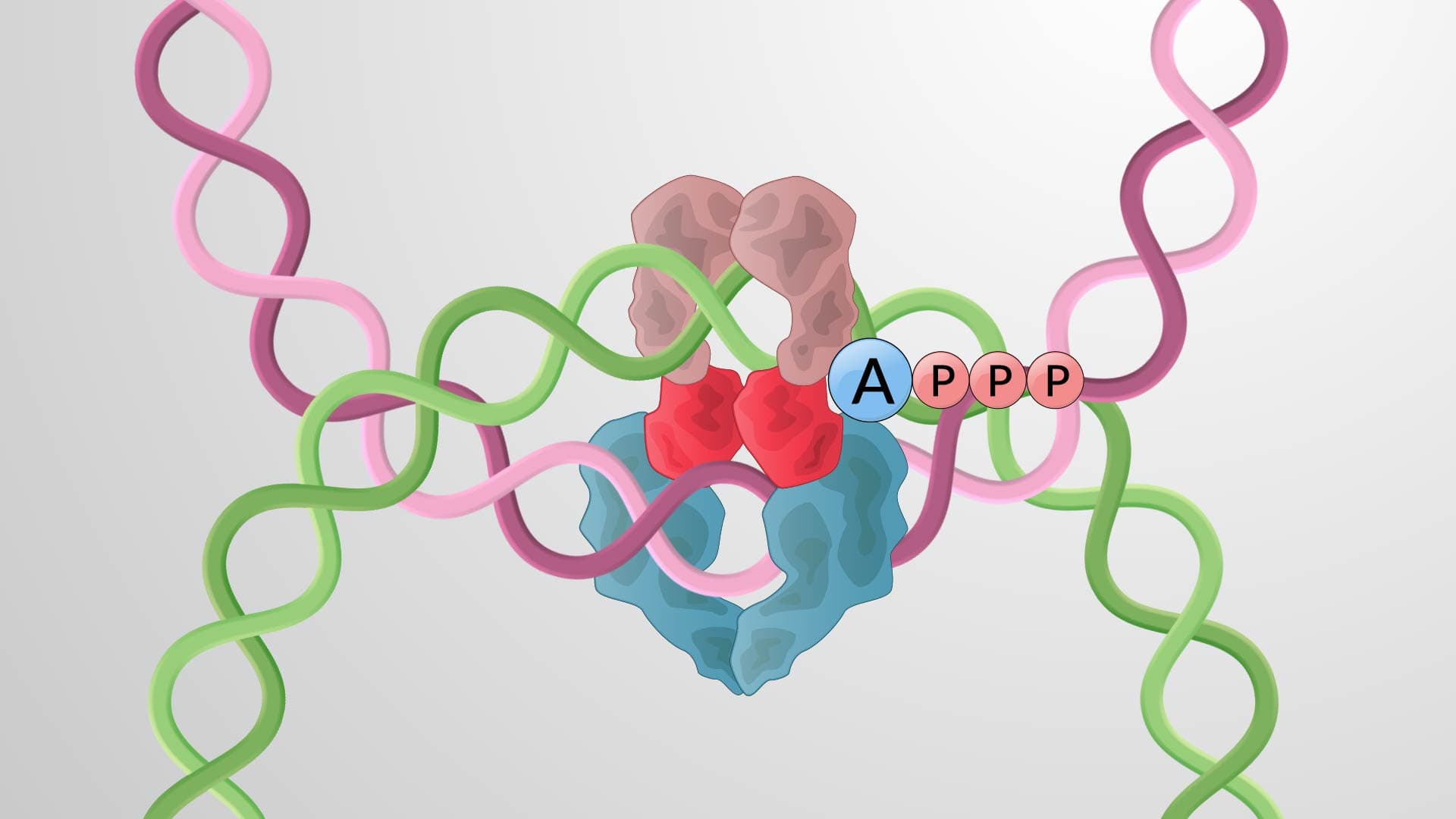

Video Summary: What are DNA Topoisomerases
Ever wonder how your cells copy 3 billion DNA base pairs without the molecule becoming hopelessly tangled? DNA topoisomerases are molecular "scissors and glue" enzymes that solve this critical problem by temporarily cutting DNA strands to relieve tension during replication. Without these enzymes, DNA replication would stall in every cell division, making processes like wound healing at Boston Children's Hospital impossible. Understanding what are DNA topoisomerases reveals how cells manage one of biology's most complex mechanical challenges. Watch the full video on JoVE Coach to master this concept with expert-led visuals and step-by-step explanations.
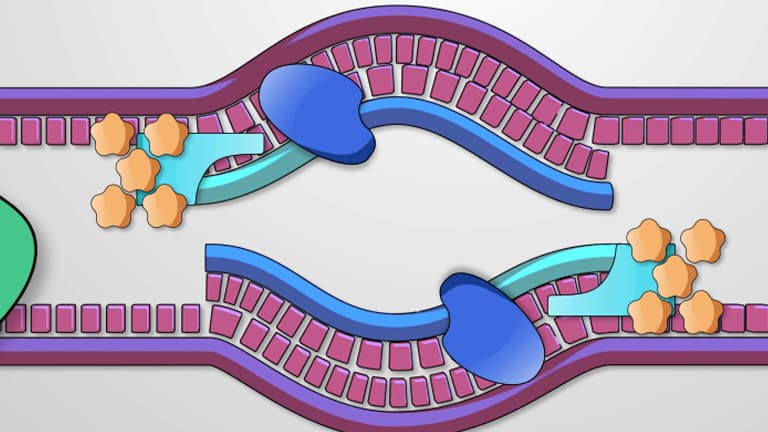
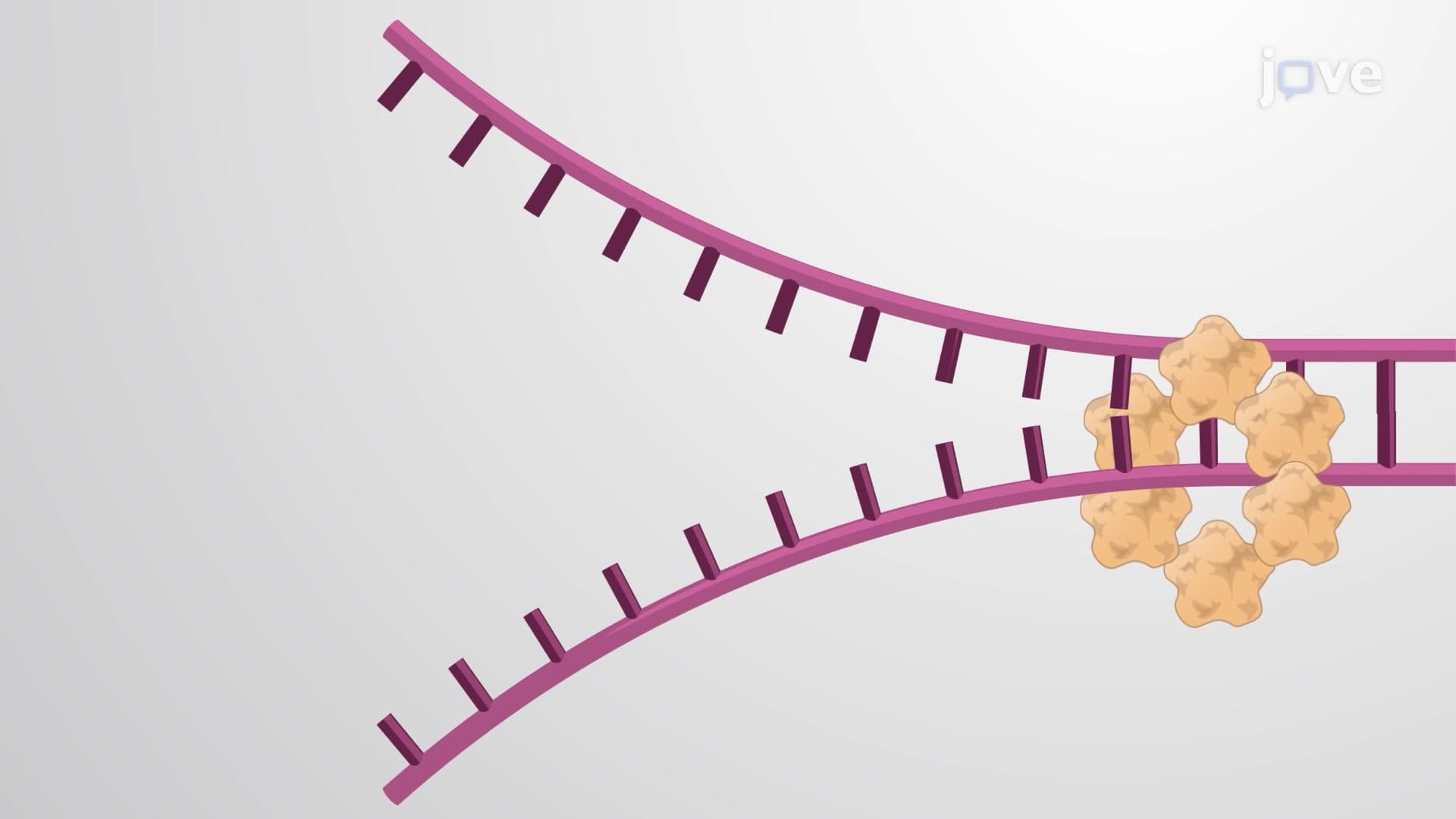
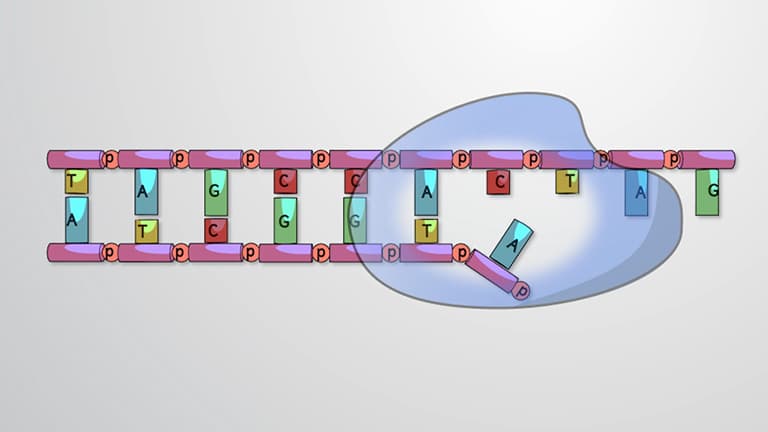
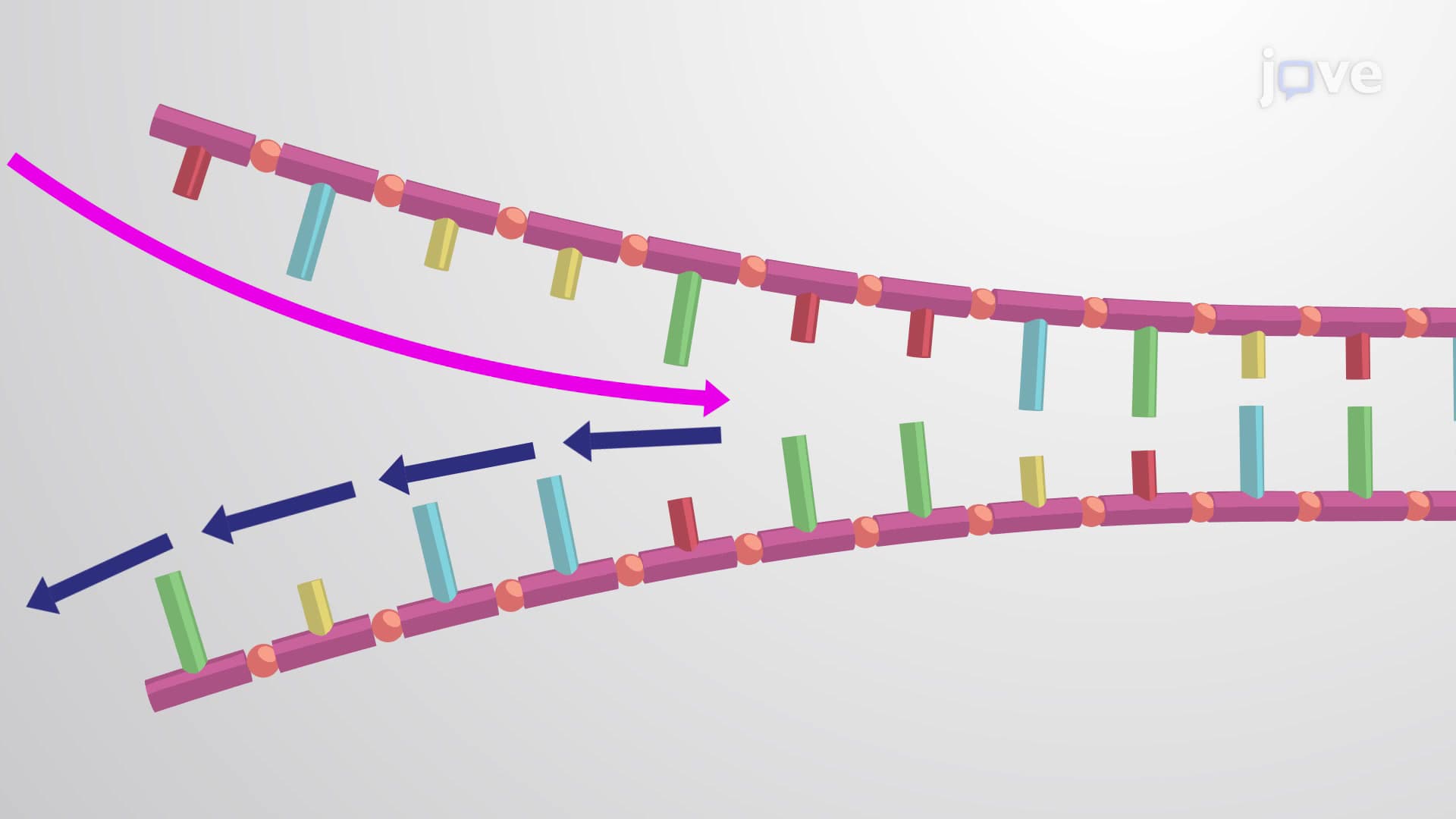
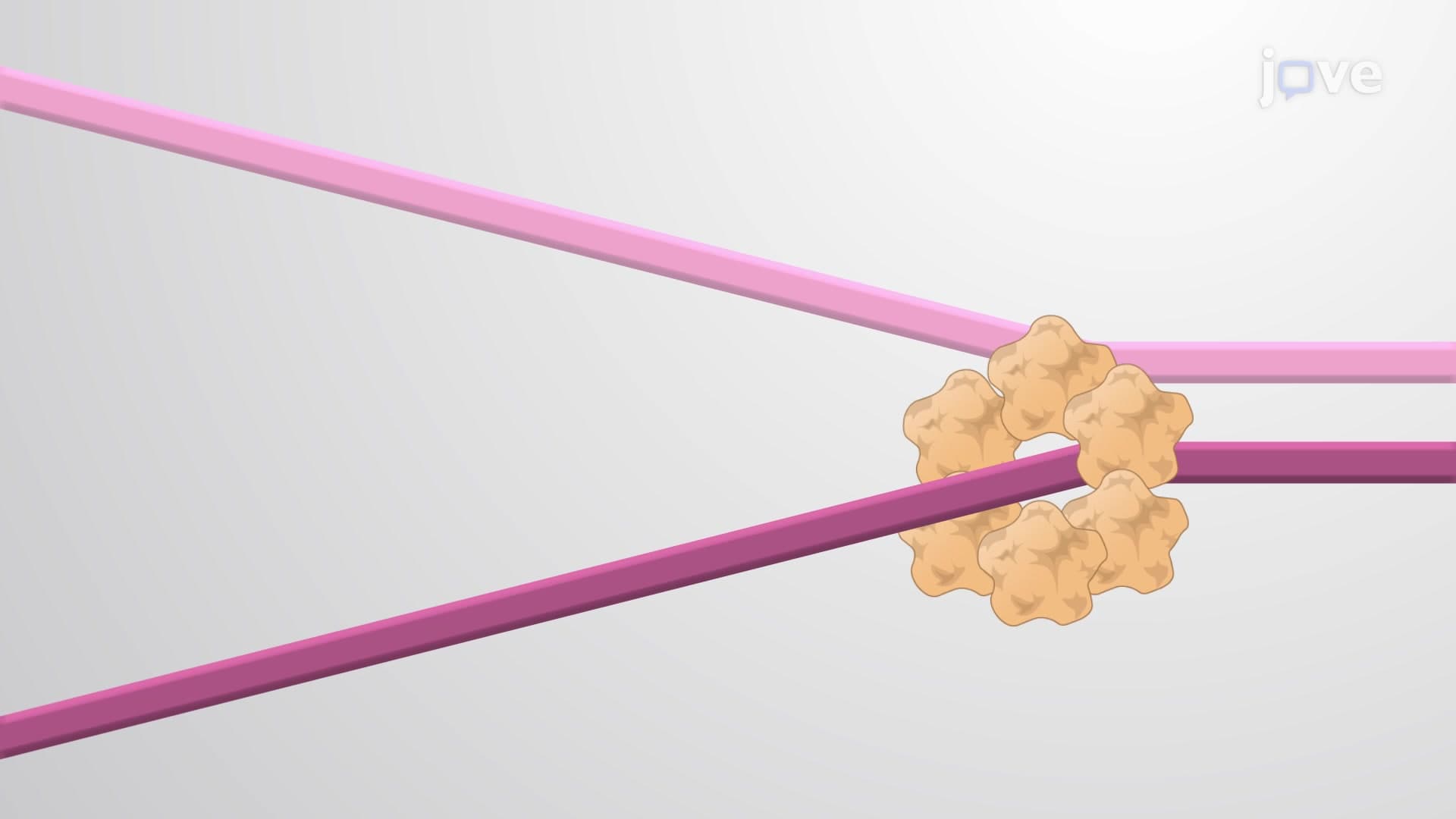
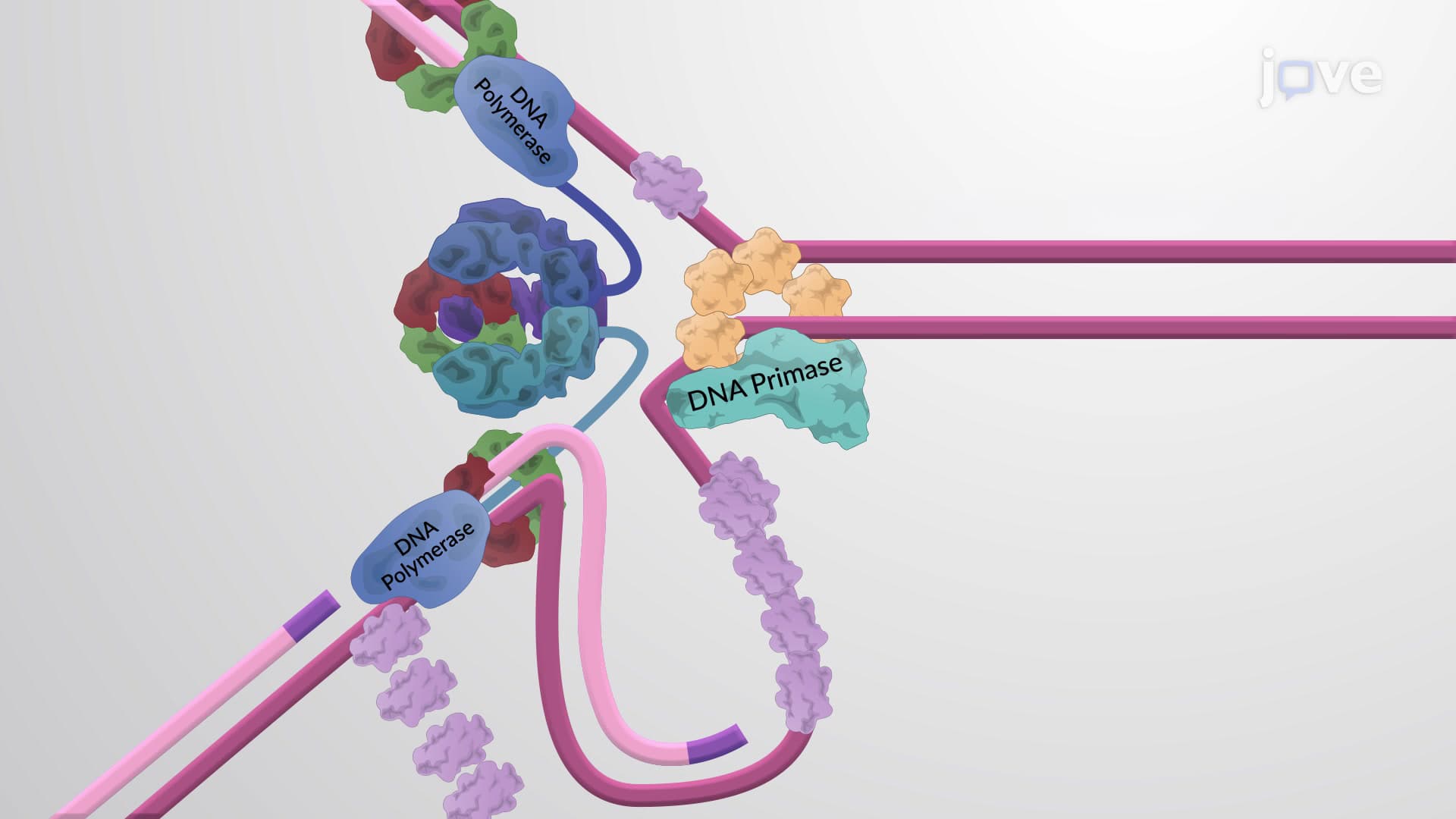
DNA topoisomerases represent one of biology's most elegant solutions to a mechanical problem. During DNA replication, the double helix must unwind to allow DNA polymerase access to template strands. However, this unwinding creates severe overwinding ahead of the replication fork-imagine trying to untwist a rope while holding both ends fixed. Without relief mechanisms, this tension would halt replication entirely.
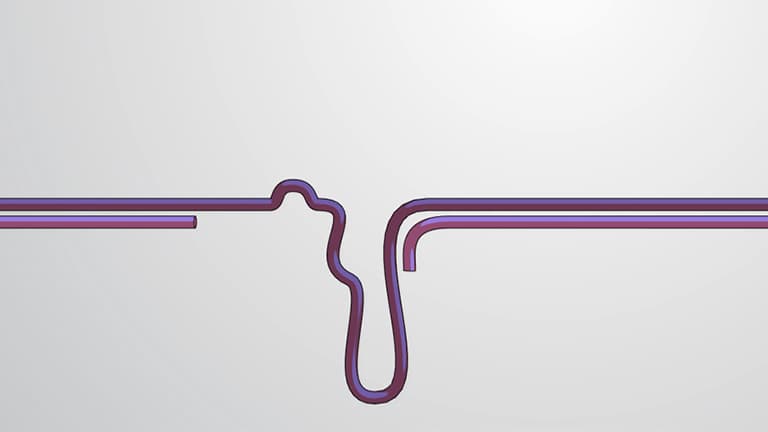
DNA supercoiling occurs when the double helix twists back on itself, similar to what happens when you overwind a telephone cord. This supercoiling creates topological stress that can completely block essential processes like transcription and replication. Topoisomerases act as molecular "traffic controllers," temporarily breaking DNA strands to allow passage and tension relief.
The significance extends beyond basic biology-topoisomerase inhibitors like camptothecin are used in cancer chemotherapy at major US cancer centers including MD Anderson and Memorial Sloan Kettering. These drugs deliberately block topoisomerase function in rapidly dividing cancer cells, causing DNA damage and cell death.
Type I topoisomerases operate through a "gate-and-pass" mechanism without requiring ATP energy. These enzymes create temporary single-strand breaks, allowing the intact strand to pass through before religating the cut strand. Think of it like opening a gate in a fence to let traffic through. Human topoisomerase I is crucial for transcription, making it a target for anticancer drugs like irinotecan.
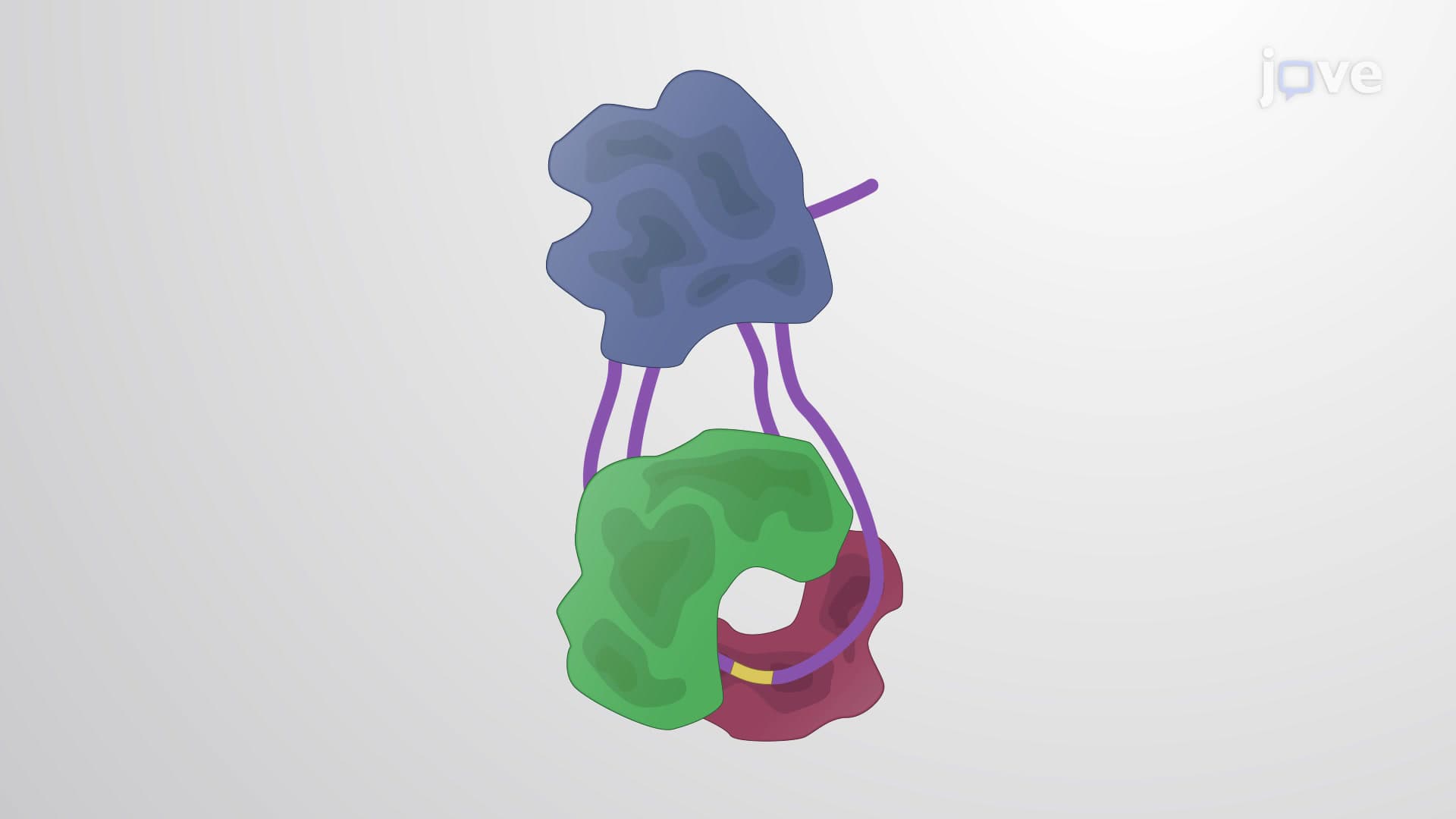
Type II topoisomerases tackle more complex supercoiling problems by creating temporary double-strand breaks. These ATP-dependent enzymes form a protein clamp that captures one DNA segment, cuts another, and facilitates passage between them. The process requires two ATP molecules-one for the conformational changes needed for strand passage, and another for the religating step.
Understanding topoisomerases is essential for students preparing for the MCAT, AP Biology exam, and college biochemistry courses. Questions often focus on enzyme classification, energy requirements, and the consequences of topoisomerase inhibition. Many pre-med students encounter these concepts again in pharmacology when studying chemotherapy mechanisms.
The enzymes also play crucial roles in chromosome segregation during mitosis, making them relevant to cell biology courses and genetics discussions. Students at universities like Harvard Medical School and Johns Hopkins study topoisomerase mutations in cancer development, as defective topoisomerases can lead to genomic instability.
Related Micro-courses