Loading subject page…


424,107 views

Video Summary: What Is Non Nuclear Inheritance
Did you know that some genetic diseases, like Leber hereditary optic neuropathy affecting thousands of Americans, bypass traditional Mendelian inheritance patterns entirely? Non nuclear inheritance explains how genetic material from mitochondria and chloroplasts passes from generation to generation outside the cell nucleus. This unique inheritance pattern affects everything from muscle disorders in humans to leaf coloration in corn plants studied at universities like UC Davis. Understanding what is non nuclear inheritance reveals why maternal lineages often carry specific genetic traits while paternal contributions remain absent. Watch the full video on JoVE Coach to master this concept with expert-led visuals and step-by-step explanations.
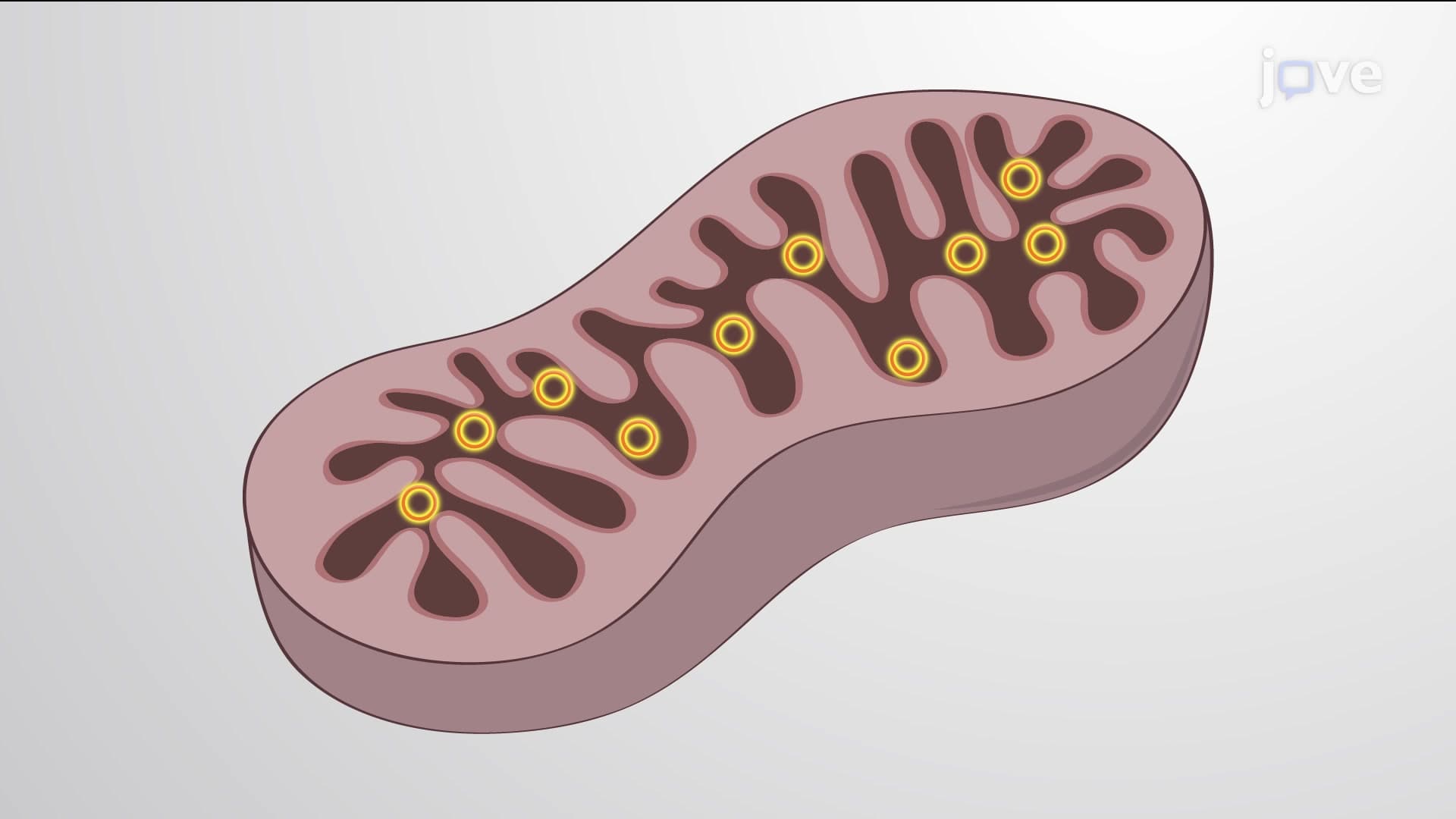
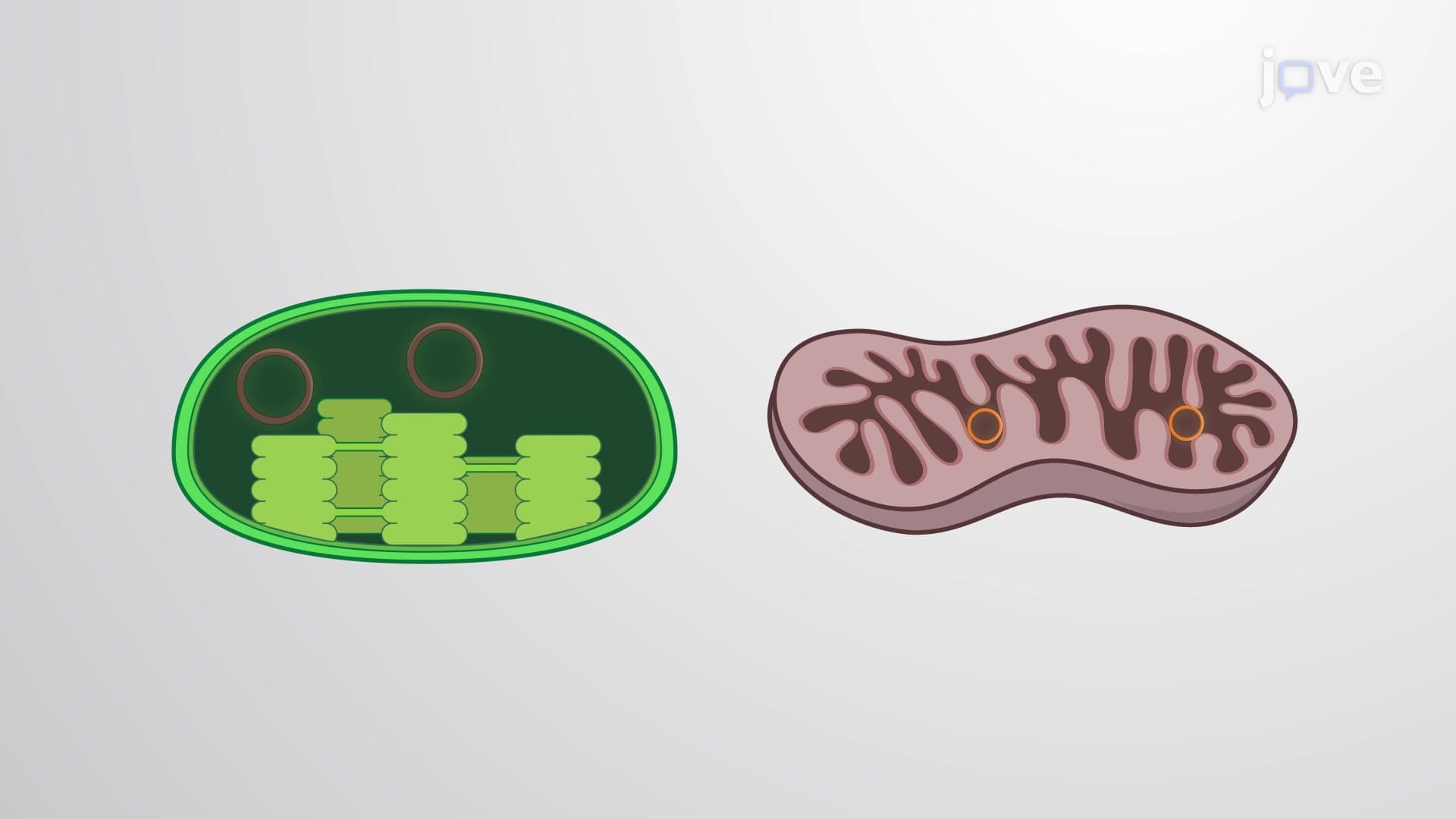
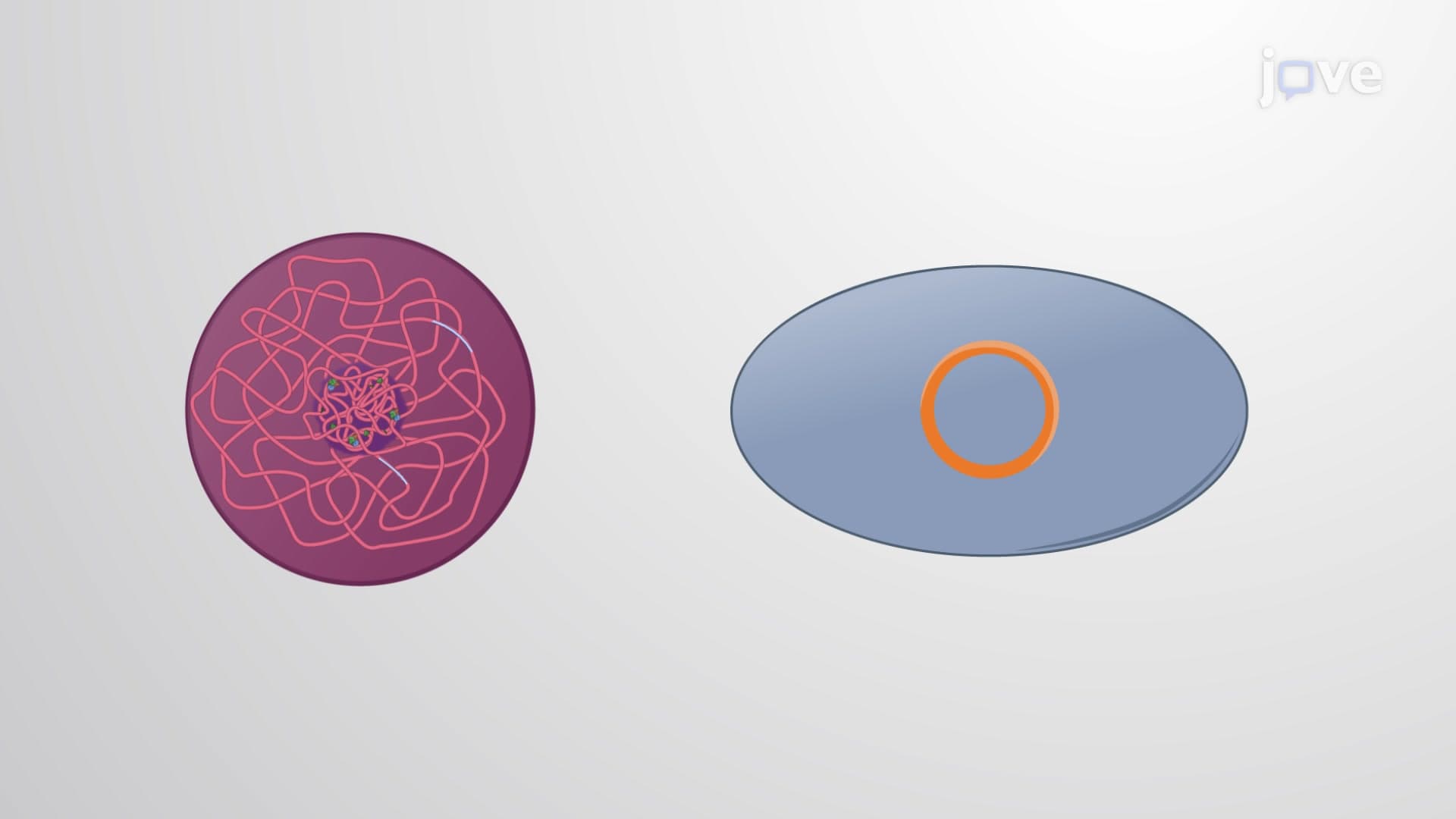
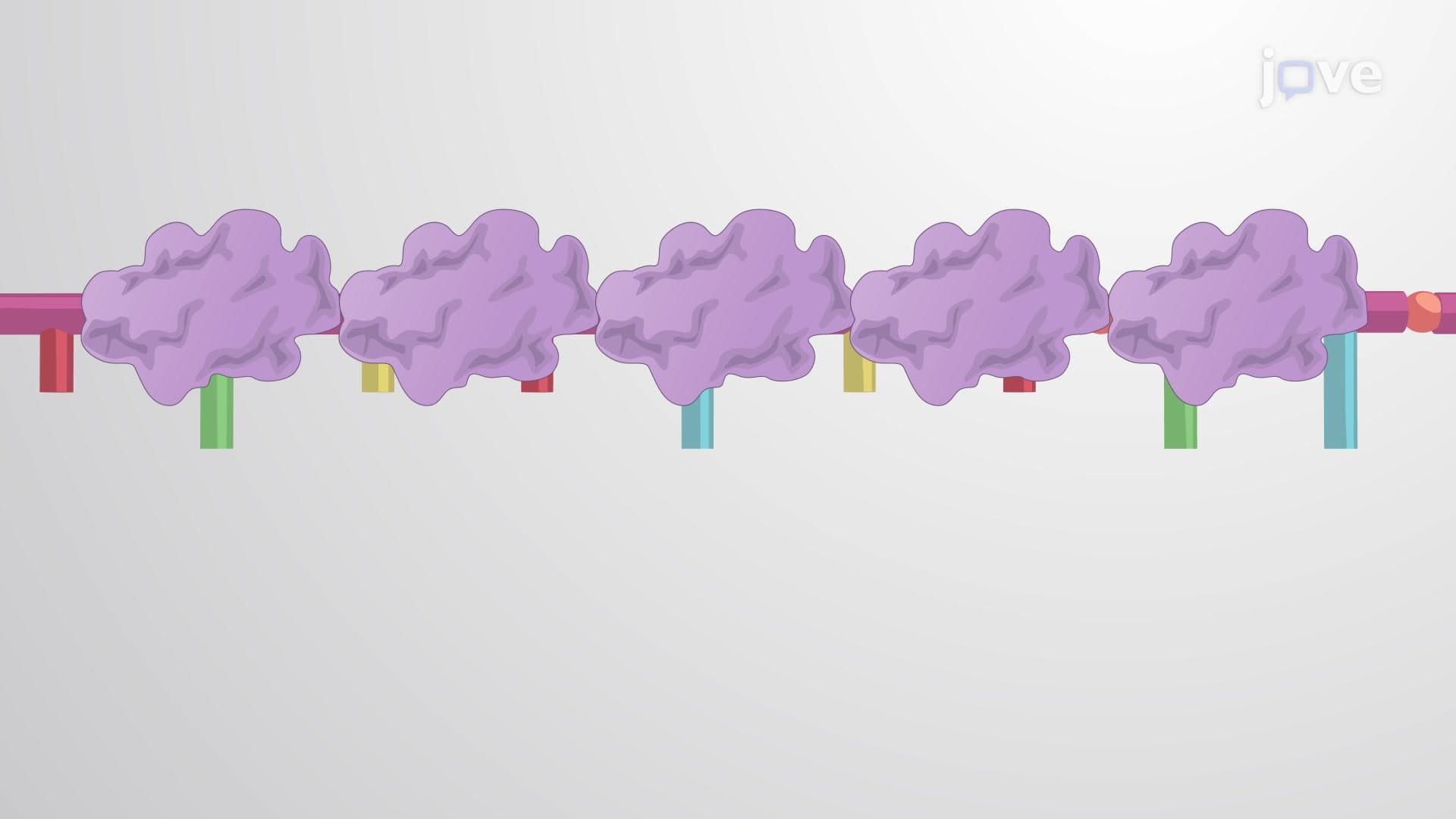
What is non nuclear inheritance represents a paradigm shift from classical genetics, focusing on DNA located outside the cell nucleus within organelles like mitochondria and chloroplasts. Unlike nuclear genes that follow Mendel's laws, organellar genomes exhibit unique transmission patterns that bypass traditional dominant-recessive relationships. This non nuclear inheritance definition explained reveals how thousands of copies of organellar DNA per cell create complex inheritance scenarios absent in nuclear genetics.
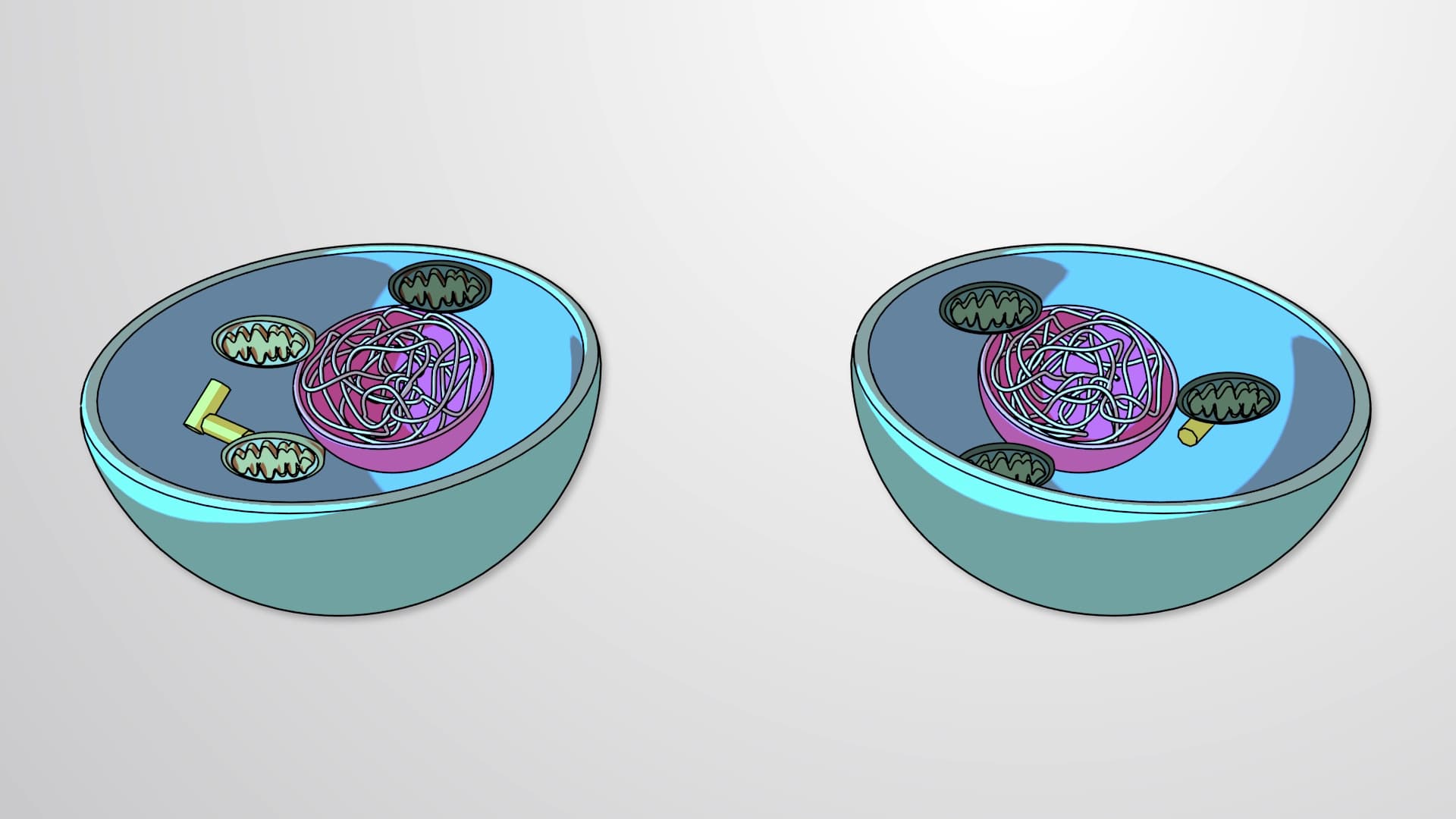
The non nuclear inheritance concept explained centers on cytoplasmic inheritance, where genetic material passes through the egg cytoplasm rather than nuclear DNA recombination. Mitochondria, often called cellular powerhouses, contain their own circular DNA encoding essential respiratory chain proteins. In plants, chloroplasts harbor photosynthesis-related genes crucial for energy conversion. Both organelles originated from ancient bacterial endosymbionts, explaining their independent genetic systems.
Non nuclear inheritance overview demonstrates predominantly maternal transmission because eggs contribute significantly more cytoplasm than sperm during fertilization. Sperm mitochondria typically undergo degradation after fertilization, ensuring maternal organellar genomes dominate offspring. This pattern explains why mitochondrial diseases like MELAS (Mitochondrial Encephalomyopathy, Lactic Acidosis, and Stroke-like episodes) trace through maternal lineages in families treated at medical centers like Johns Hopkins Hospital.
Heteroplasmy, where cells contain multiple organellar DNA variants, adds complexity to non nuclear inheritance study guide materials. During female gametogenesis, bottleneck effects randomly sample organellar genomes, creating variable inheritance patterns among siblings. This phenomenon explains why identical twins can exhibit different severities of mitochondrial disorders despite sharing nuclear DNA.
Understanding non nuclear inheritance proves essential for genetic counseling and medical diagnosis. Mitochondrial disorders affect approximately 1 in 4,000 Americans, requiring specialized inheritance pattern analysis. Medical geneticists at institutions like Stanford University use maternal pedigree analysis to assess mitochondrial disease risk, departing from traditional Mendelian approaches.
Agricultural applications demonstrate non nuclear inheritance practical importance through cytoplasmic male sterility (CMS) systems. Corn hybrids developed by companies in Iowa utilize CMS to prevent self-pollination, enabling controlled cross-breeding. Plant breeders manipulate organellar genomes to create sterile pollen production while maintaining female fertility, revolutionizing hybrid seed production. These applications appear frequently in AP Biology exams and college genetics courses, emphasizing real-world genetic applications beyond theoretical frameworks.
Related Micro-courses