Loading video…


 16 Concepts
 424.1K views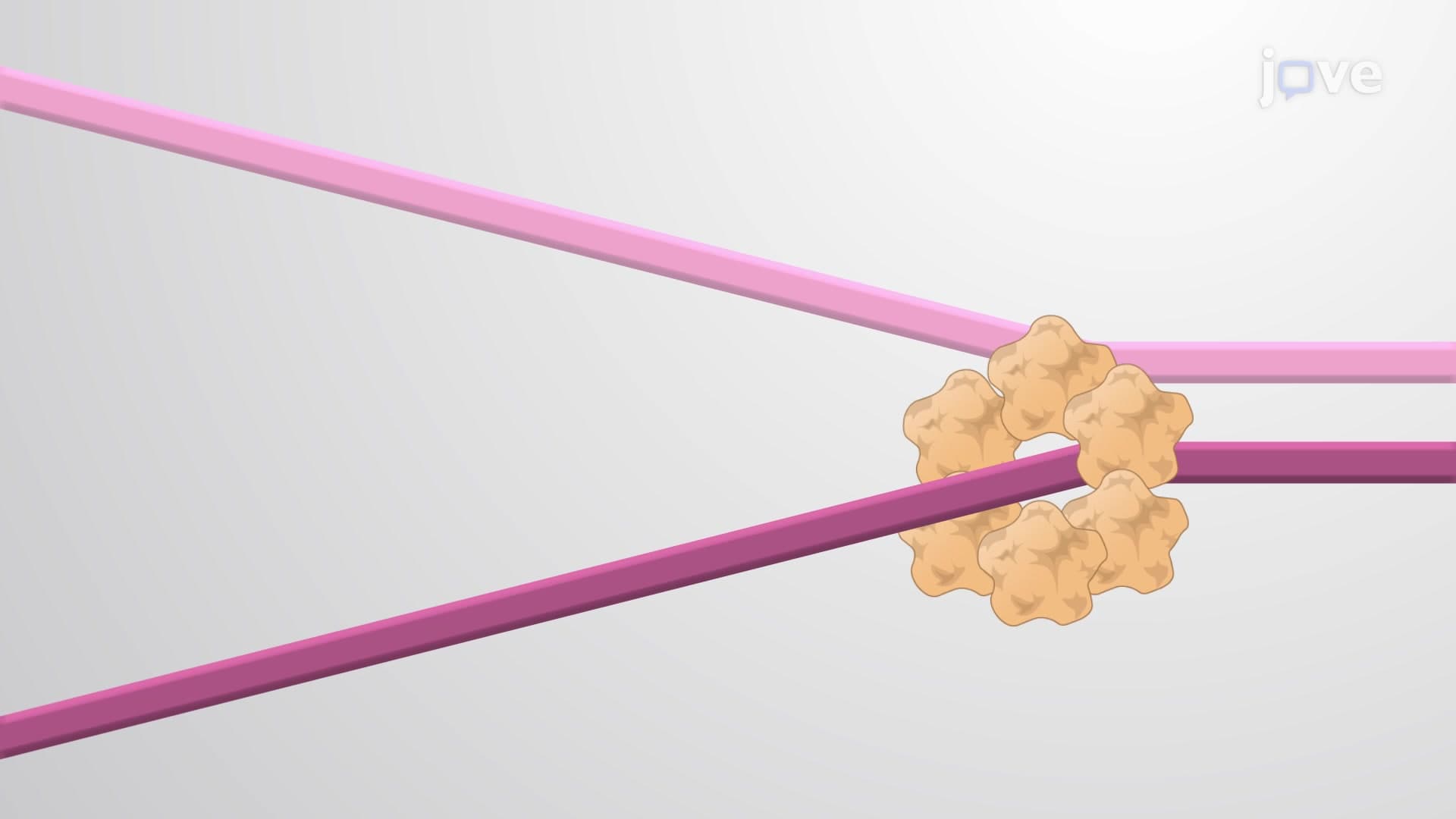

Video Summary: What are DNA Helicases
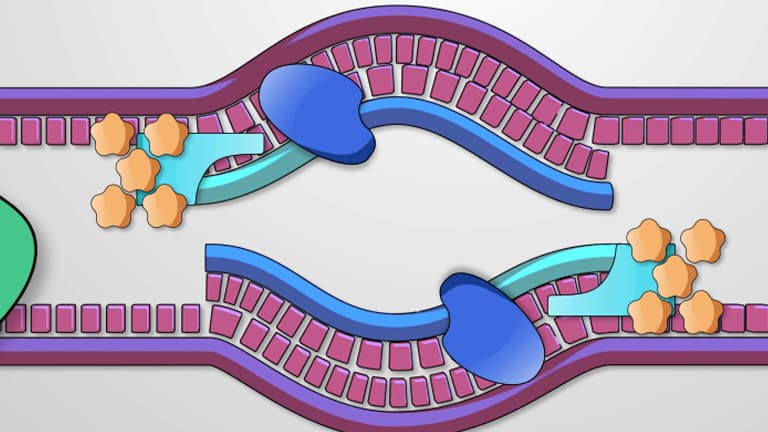
Every time your cells divide, specialized molecular machines called DNA helicases must unwind the tightly coiled double helix at speeds of up to 1,000 base pairs per second. DNA helicases are essential enzymes that use ATP energy to separate DNA strands during replication, much like how researchers at Johns Hopkins University study these enzymes to develop new cancer treatments. What are DNA helicases, and how do these remarkable molecular motors power one of life's most critical processes? Watch the full video on JoVE Coach to master this concept with expert-led visuals and step-by-step explanations.
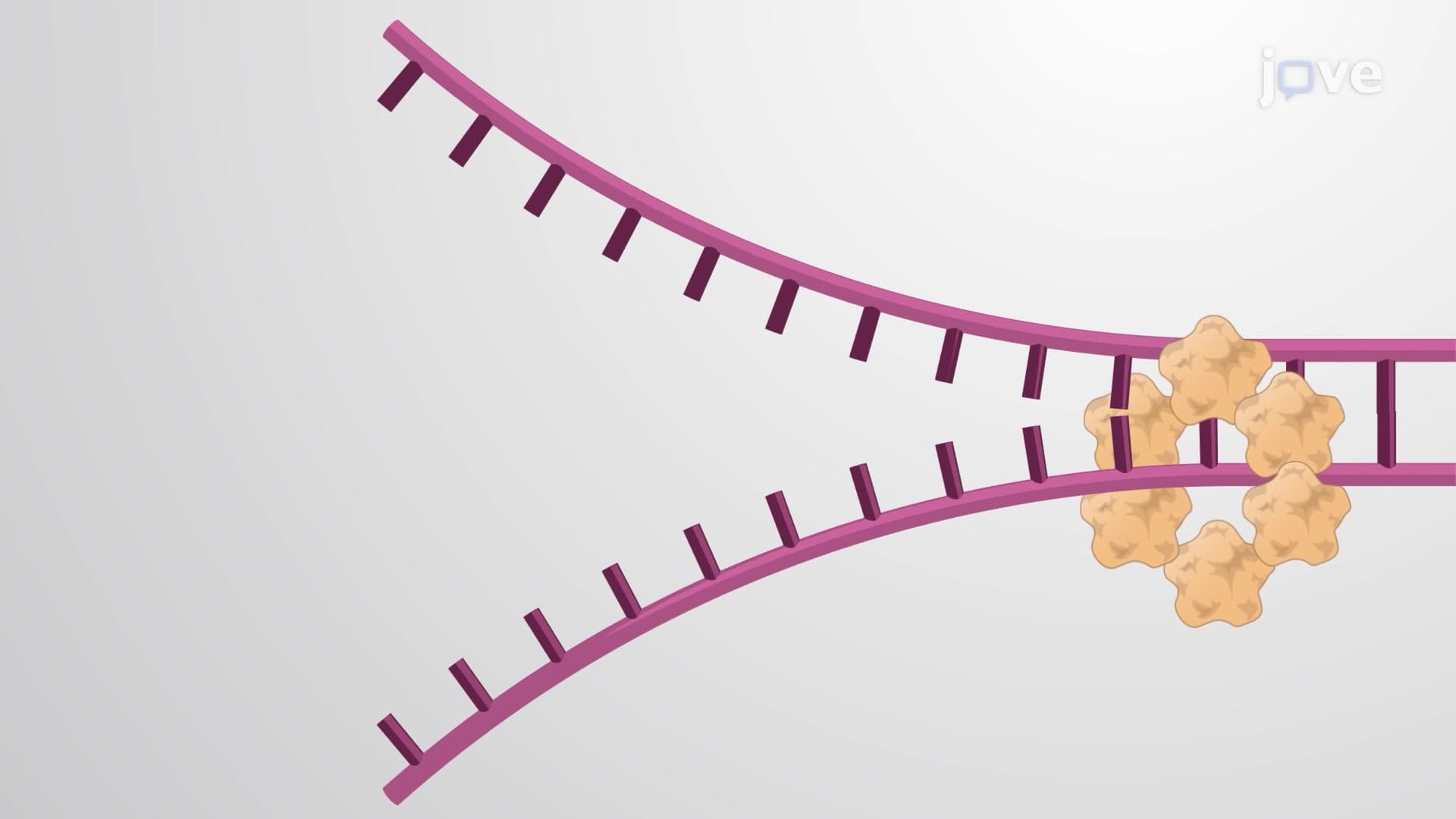
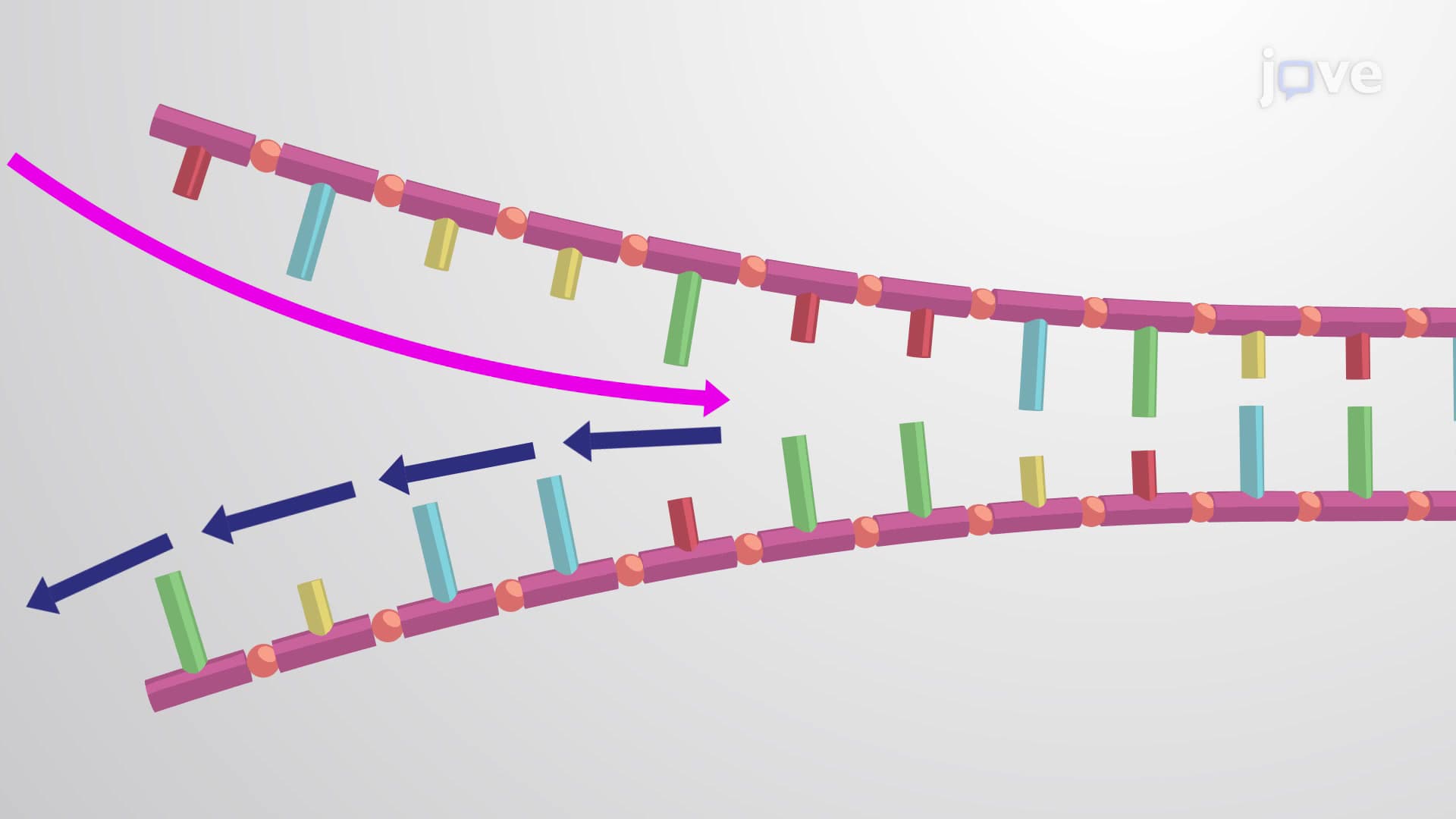
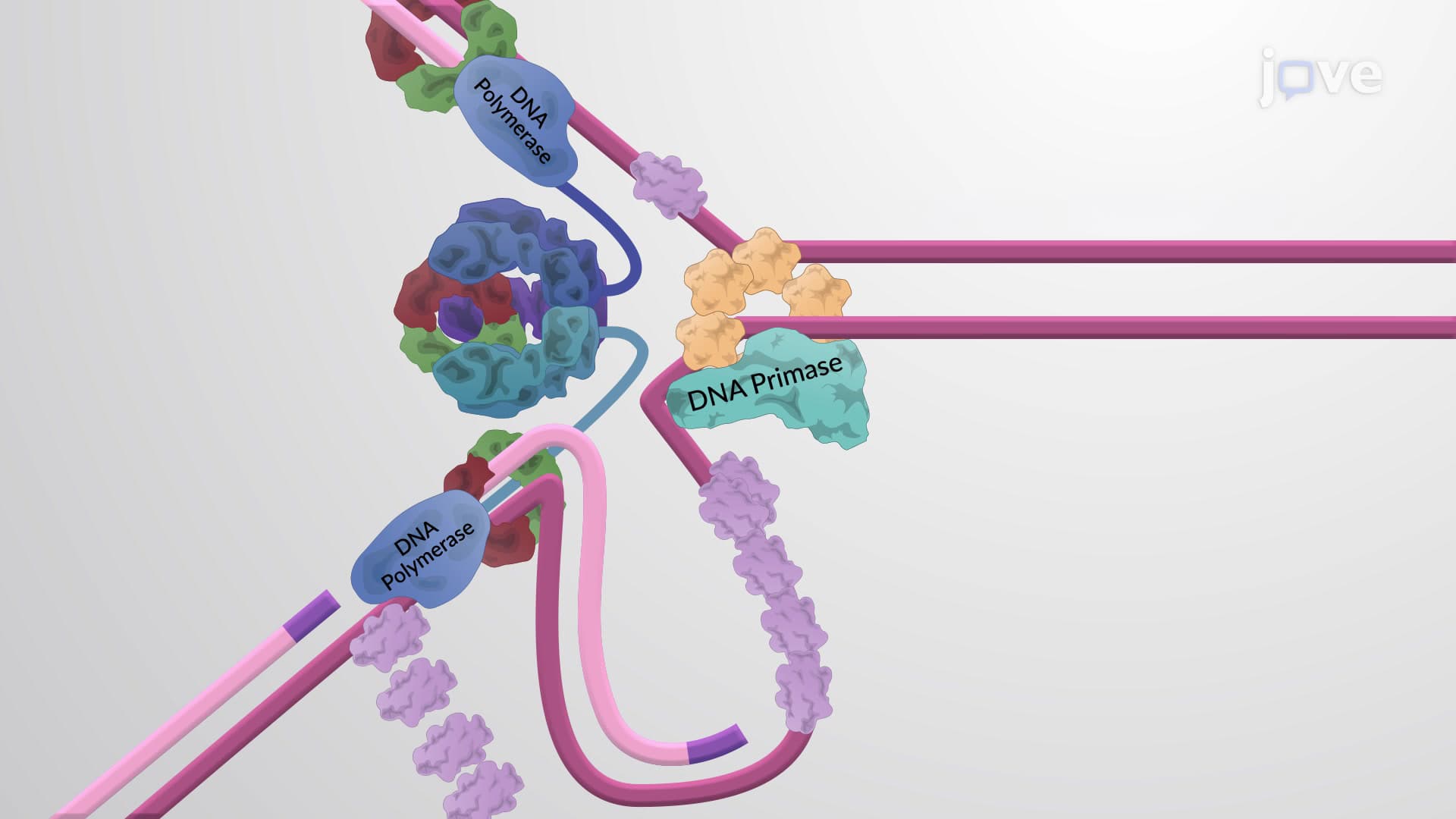
DNA helicases represent one of biology's most sophisticated molecular machines, serving as the essential "unzippers" that separate complementary DNA strands during replication. These enzymes belong to a larger family of motor proteins that harness chemical energy to perform mechanical work at the molecular level. In the context of DNA replication, helicases face the enormous challenge of unwinding the stable double helix structure while maintaining the integrity of genetic information.
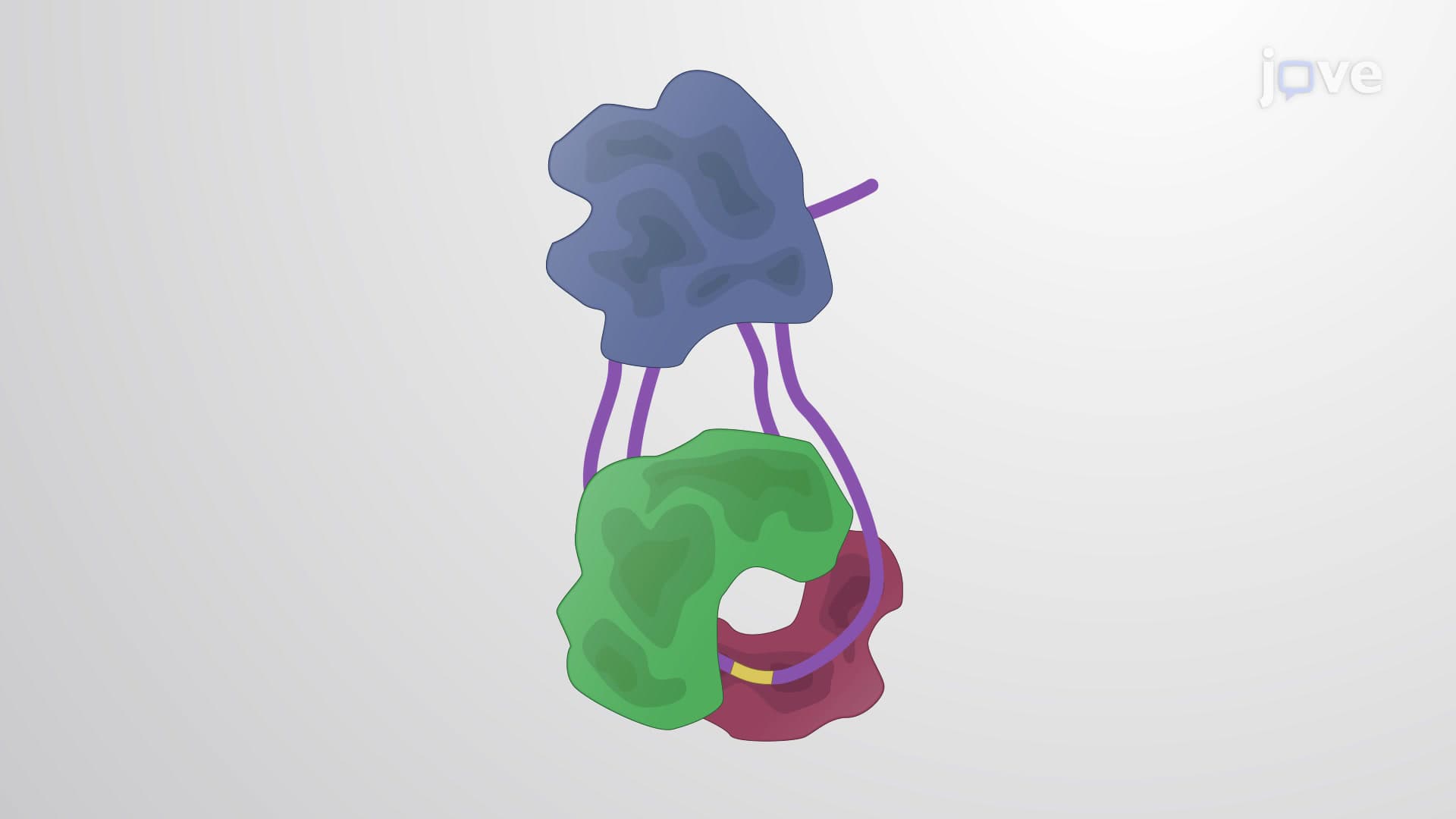
Replicative helicases, the primary focus of cellular DNA synthesis, exhibit a distinctive hexameric structure comprising six protein subunits arranged in a ring-like formation. This architectural design creates a central pore approximately 2-3 nanometers in diameter-precisely sized to accommodate single-stranded DNA while excluding double-stranded regions. The hexameric organization differs significantly from other helicase families, such as the superfamily 1 (SF1) and superfamily 2 (SF2) helicases found in DNA repair processes.
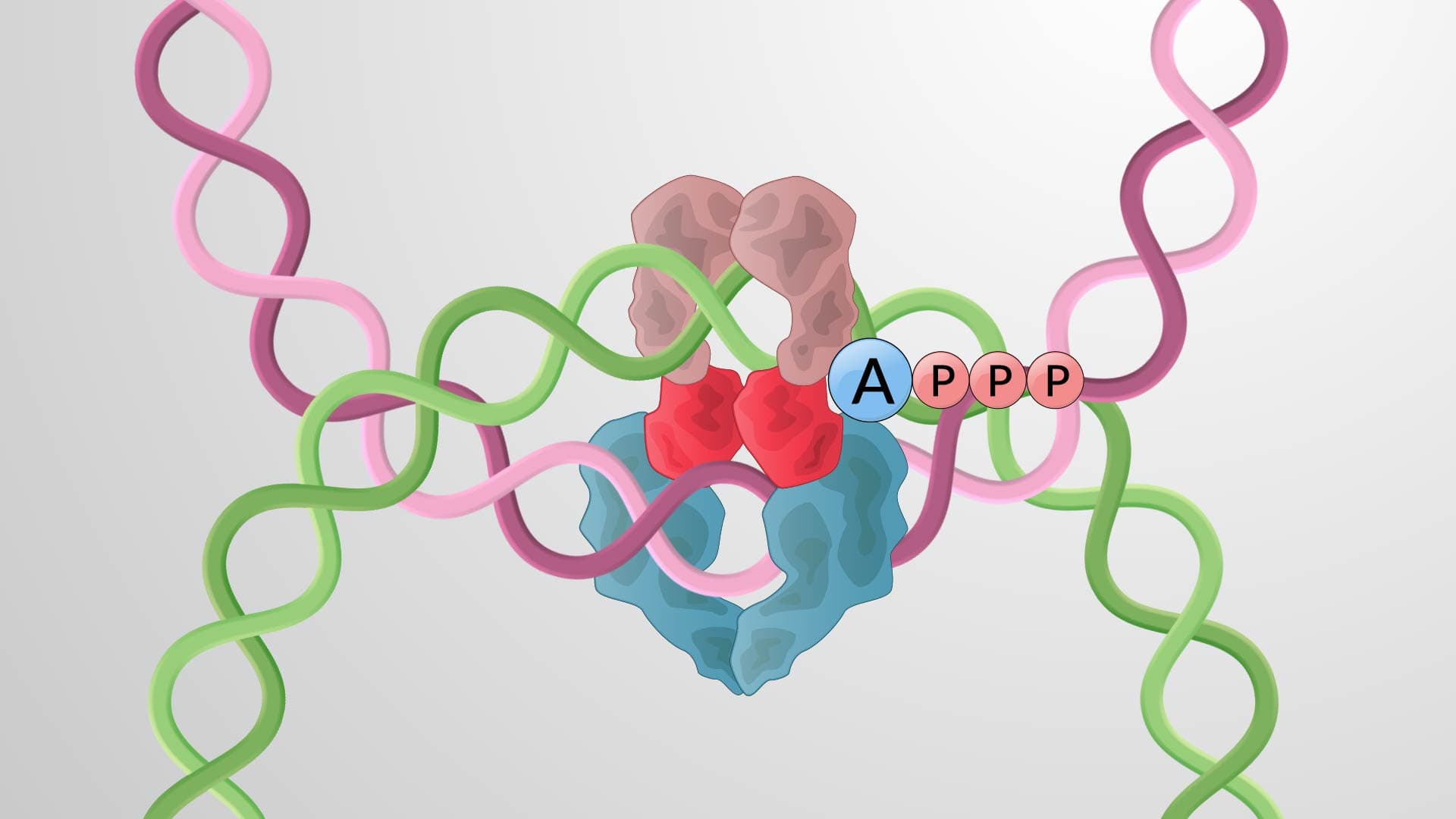
Each subunit within the helicase ring contains a conserved ATP-binding domain equipped with intrinsic ATPase activity. This enzymatic capability enables the conversion of ATP (adenosine triphosphate) to ADP (adenosine diphosphate) and inorganic phosphate, releasing approximately 7.3 kcal/mol of energy per hydrolysis event. Students preparing for the MCAT or AP Biology exams should understand that this energy conversion drives the conformational changes necessary for helicase function.
The operational mechanism of DNA helicases involves a sophisticated coupling between ATP hydrolysis and mechanical motion. As ATP binds to individual subunits, it induces conformational changes that alter the subunit's interaction with DNA. The coordinated hydrolysis of ATP across multiple subunits creates a wave-like motion around the helicase ring, effectively "pulling" the enzyme along the DNA strand.
This process, known as translocation, occurs with remarkable processivity-the ability to remain attached to DNA while moving continuously along its length. Research conducted at institutions like MIT and Stanford University has revealed that replicative helicases can unwind thousands of base pairs without dissociating from their substrate. The directional movement is typically 5' to 3' on the strand threading through the central pore, a detail frequently tested in college-level molecular biology courses.
Understanding DNA helicases has profound implications for medical research and therapeutic development. Defects in helicase function are associated with several human genetic disorders, including Werner syndrome and Bloom syndrome, both characterized by premature aging and increased cancer susceptibility. Pharmaceutical companies across the United States are developing helicase inhibitors as potential cancer treatments, recognizing that rapidly dividing tumor cells depend heavily on efficient DNA replication machinery.
Related Micro-courses