Loading subject page…


424,107 views

Video Summary: What Is the Replisome
Ever wonder how your cells copy 3 billion DNA base pairs with near-perfect accuracy in just hours? The replisome is a sophisticated molecular machine that orchestrates this remarkable feat, working like a high-tech assembly line to duplicate genetic material. At Stanford University's research labs, scientists study replisome function to understand diseases like cancer, where DNA replication goes awry. What is the replisome becomes clearer when you see it as nature's most efficient copying machine, coordinating multiple enzymes simultaneously. Watch the full video on JoVE Coach to master this concept with expert-led visuals and step-by-step explanations.
The replisome represents one of biology's most sophisticated molecular machines, coordinating the precise duplication of genetic material in every cell division. Unlike simple copying mechanisms, this multi-protein assembly ensures both speed and accuracy during DNA replication, making life as we know it possible.
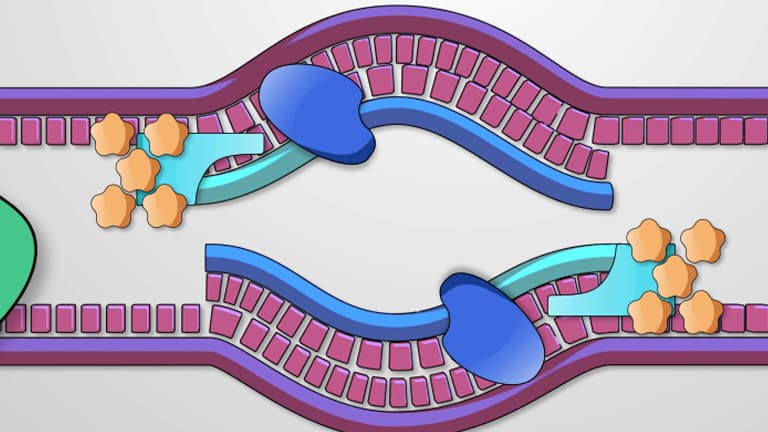
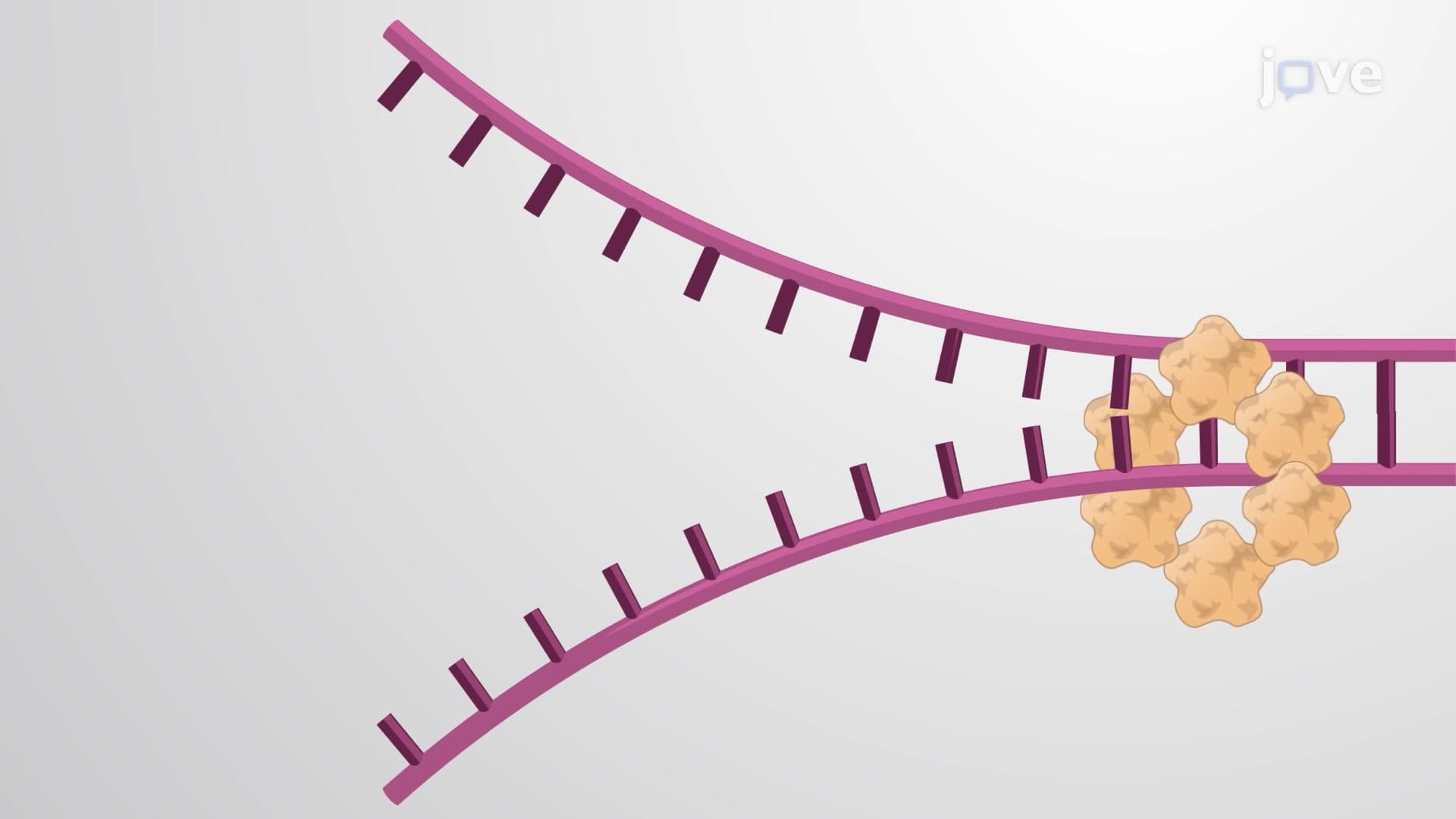
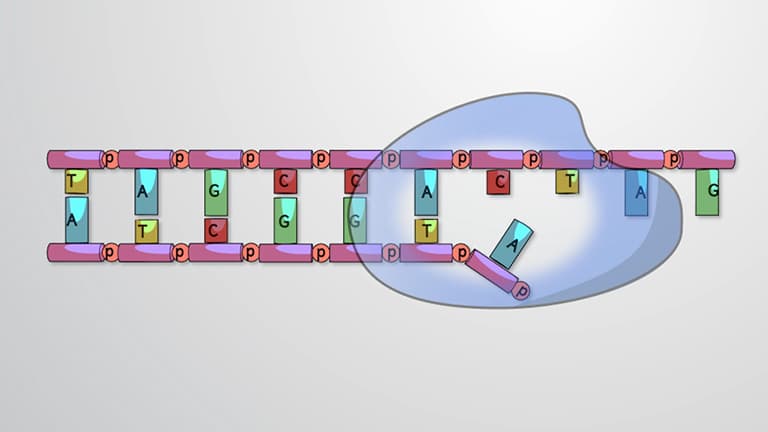
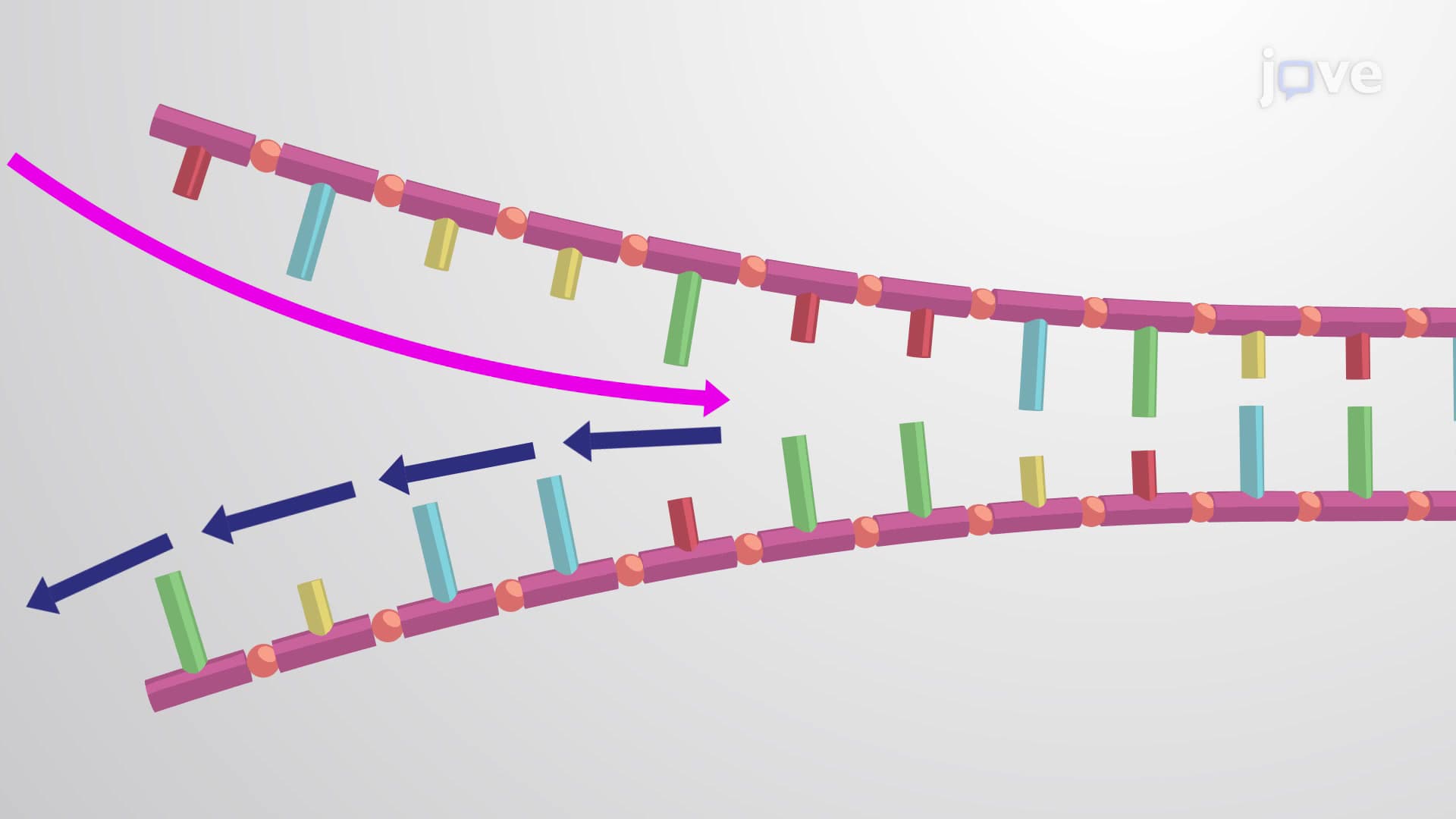
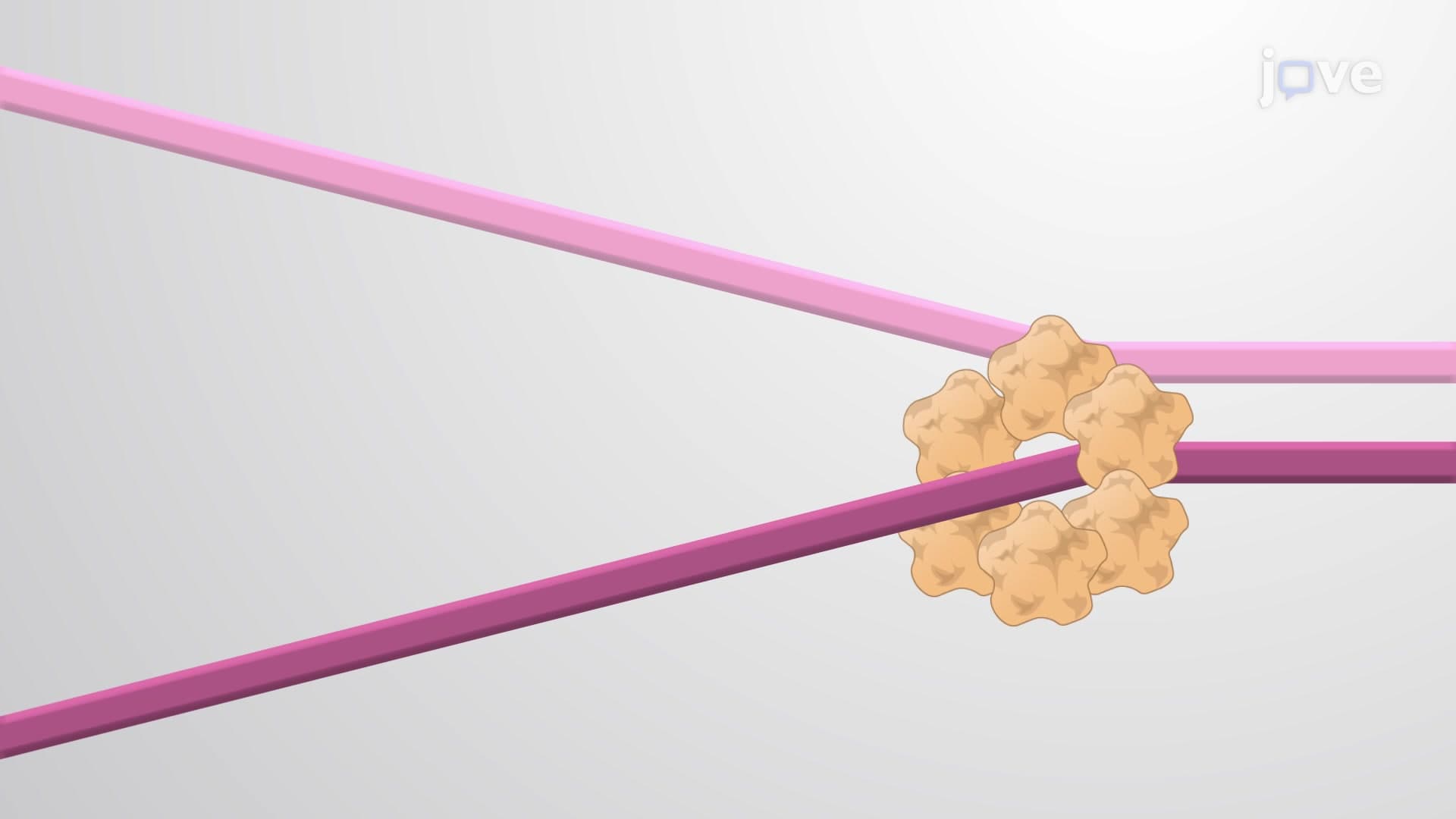
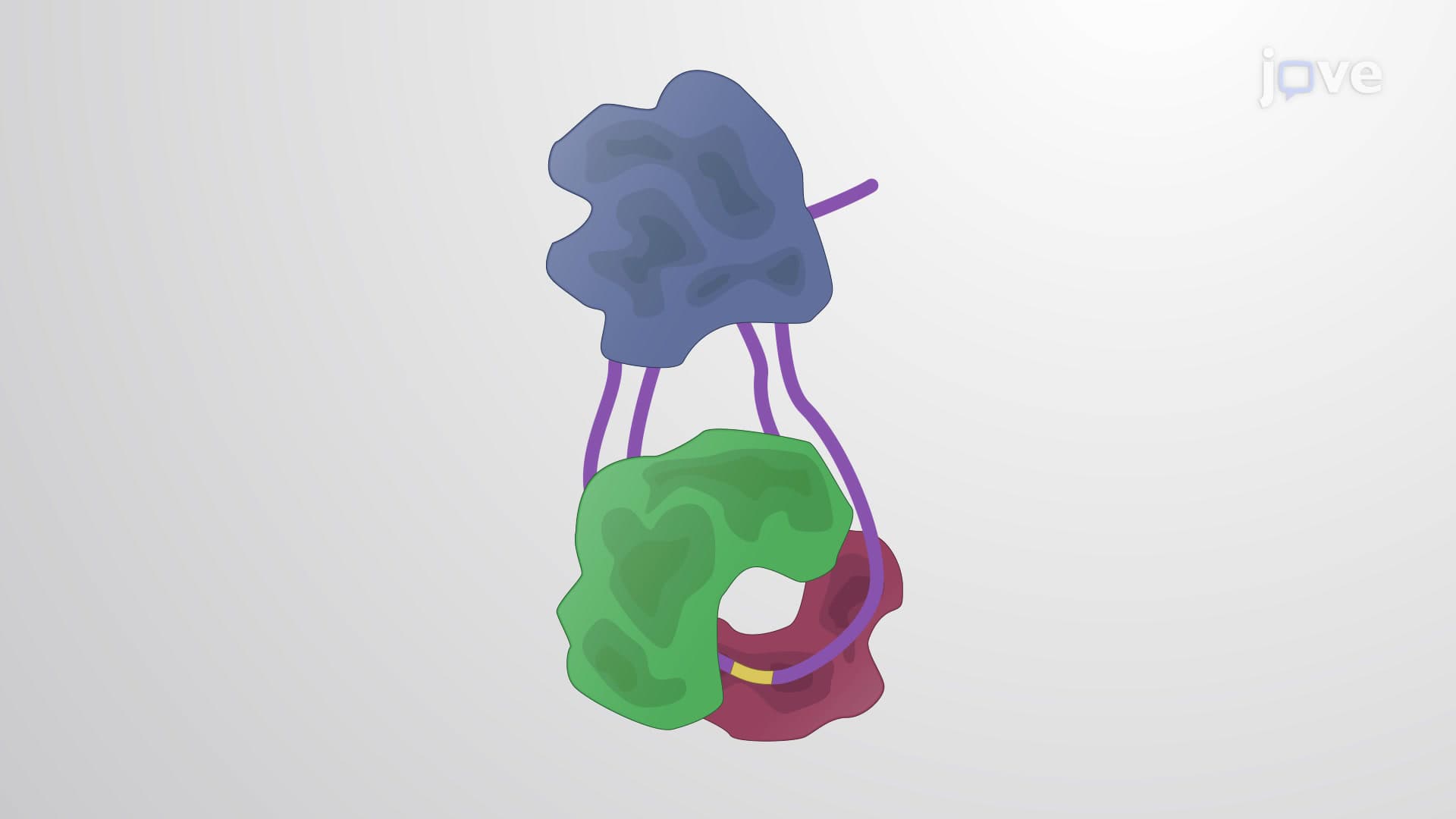
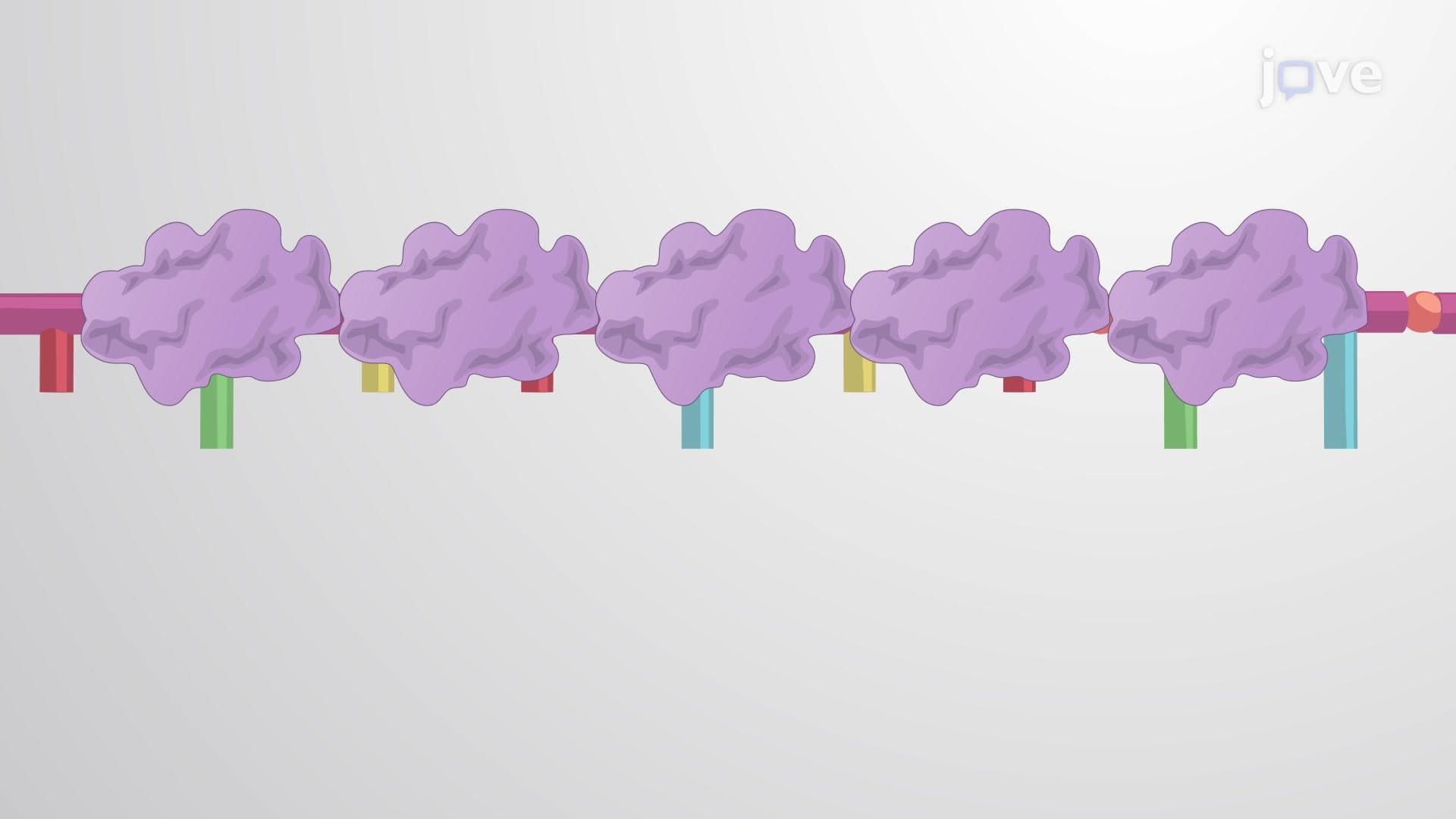
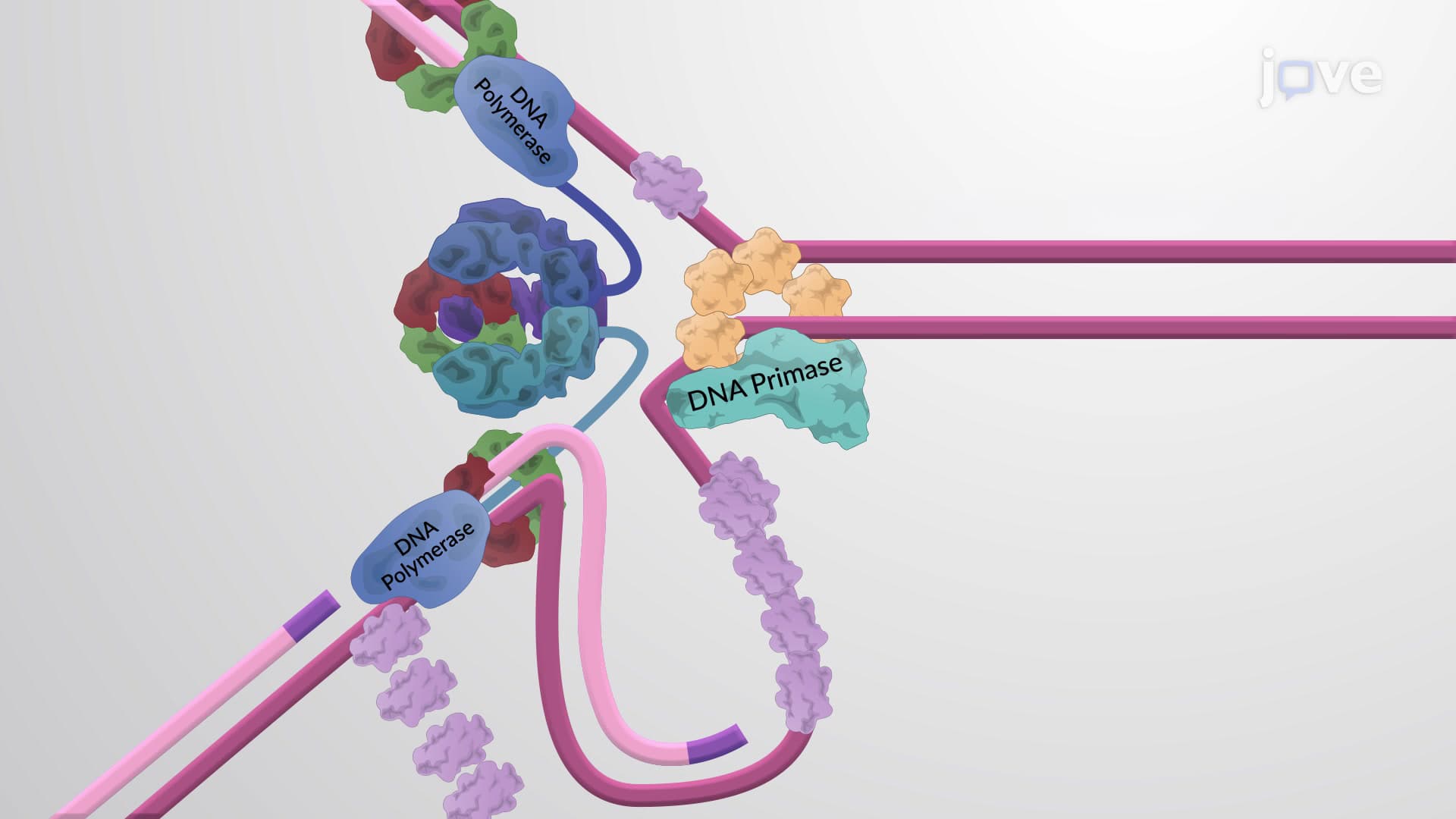
The replisome's efficiency stems from its integrated components working in perfect harmony. Helicase enzymes unwind the double helix, creating the replication fork where copying occurs. Single-strand DNA binding proteins immediately stabilize these unwound regions, preventing secondary structure formation that could halt replication. DNA primase synthesizes short RNA primers, providing the essential 3'-OH groups that DNA polymerases require to begin synthesis.
The sliding clamp system represents a brilliant evolutionary solution to a fundamental problem. DNA polymerases alone can only add about 10 nucleotides before dissociating-far too inefficient for copying entire chromosomes. However, when tethered by sliding clamps, processivity increases 100-fold to over 1000 nucleotides per binding event. This dramatic improvement transforms sluggish, intermittent synthesis into rapid, continuous replication.
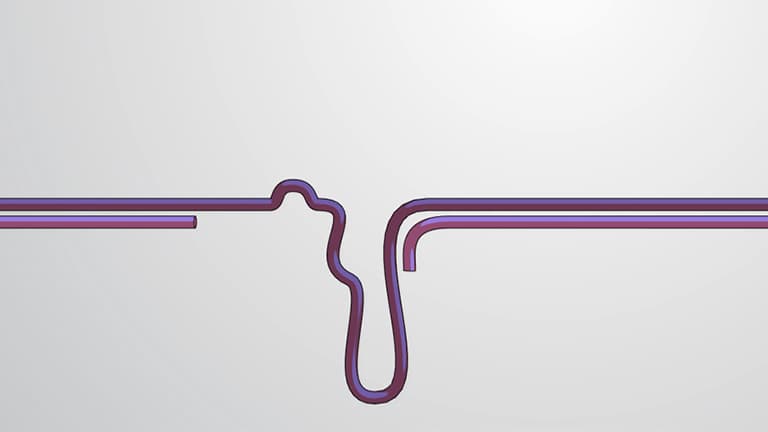
Perhaps the most elegant aspect of replisome function is how it handles the inherent directionality problem of DNA synthesis. Since DNA polymerases can only synthesize in the 5' to 3' direction, but the two template strands run antiparallel, the replisome employs the ingenious trombone model. The lagging strand forms temporary loops, allowing its DNA polymerase to work in the same physical direction as the leading strand polymerase while maintaining proper chemical directionality.
This coordination enables simultaneous synthesis of both strands within a single replisome complex, dramatically increasing replication efficiency. As each Okazaki fragment completes, the loop collapses and reforms for the next fragment, creating a rhythmic cycle that resembles a trombone's slide motion.
Understanding replisome function is crucial for AP Biology students, pre-med coursework, and MCAT preparation. Major universities like Harvard Medical School and Johns Hopkins emphasize replisome mechanisms when teaching about cancer biology, since many oncogenes and tumor suppressors directly regulate DNA replication machinery. Additionally, many antibiotics target bacterial replisome components, making this knowledge essential for understanding antimicrobial therapy in clinical settings.
Related Micro-courses