Loading video…


 16 Concepts
 424.1K views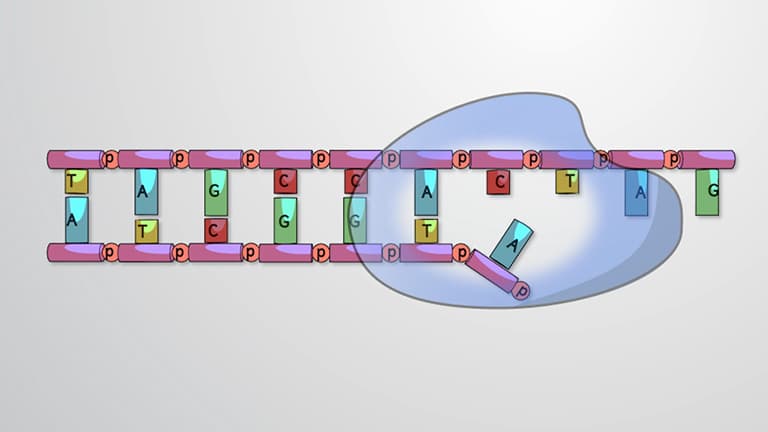

Video Summary: What Is Proofreading
Did you know that without proofreading, your DNA would accumulate errors 1,000 times faster than it actually does? Proofreading is the remarkable cellular quality control mechanism that enables DNA polymerases to detect and correct replication errors in real-time, reducing mutation rates from 1 in 10,000 to just 1 in 10 million nucleotides. This process is crucial for biotechnology applications like the high-fidelity PCR used in COVID-19 testing at labs across the United States. Watch the full video on JoVE Coach to master this concept with expert-led visuals and step-by-step explanations.
Proofreading represents one of nature's most sophisticated quality control systems, operating at the molecular level during every round of DNA replication in your cells. This mechanism is fundamental to maintaining genetic stability and preventing the accumulation of harmful mutations that could lead to cancer or genetic disorders.
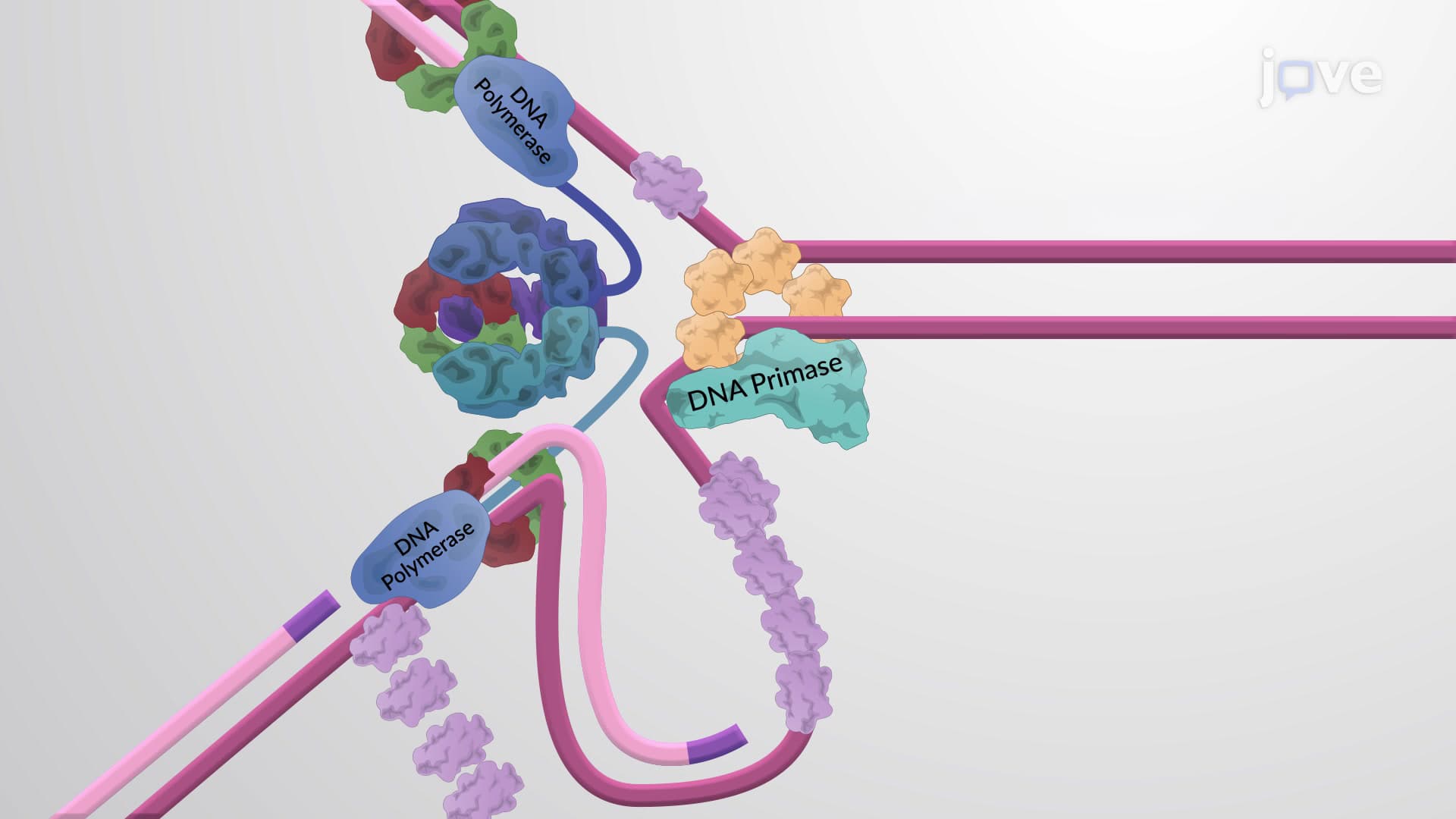
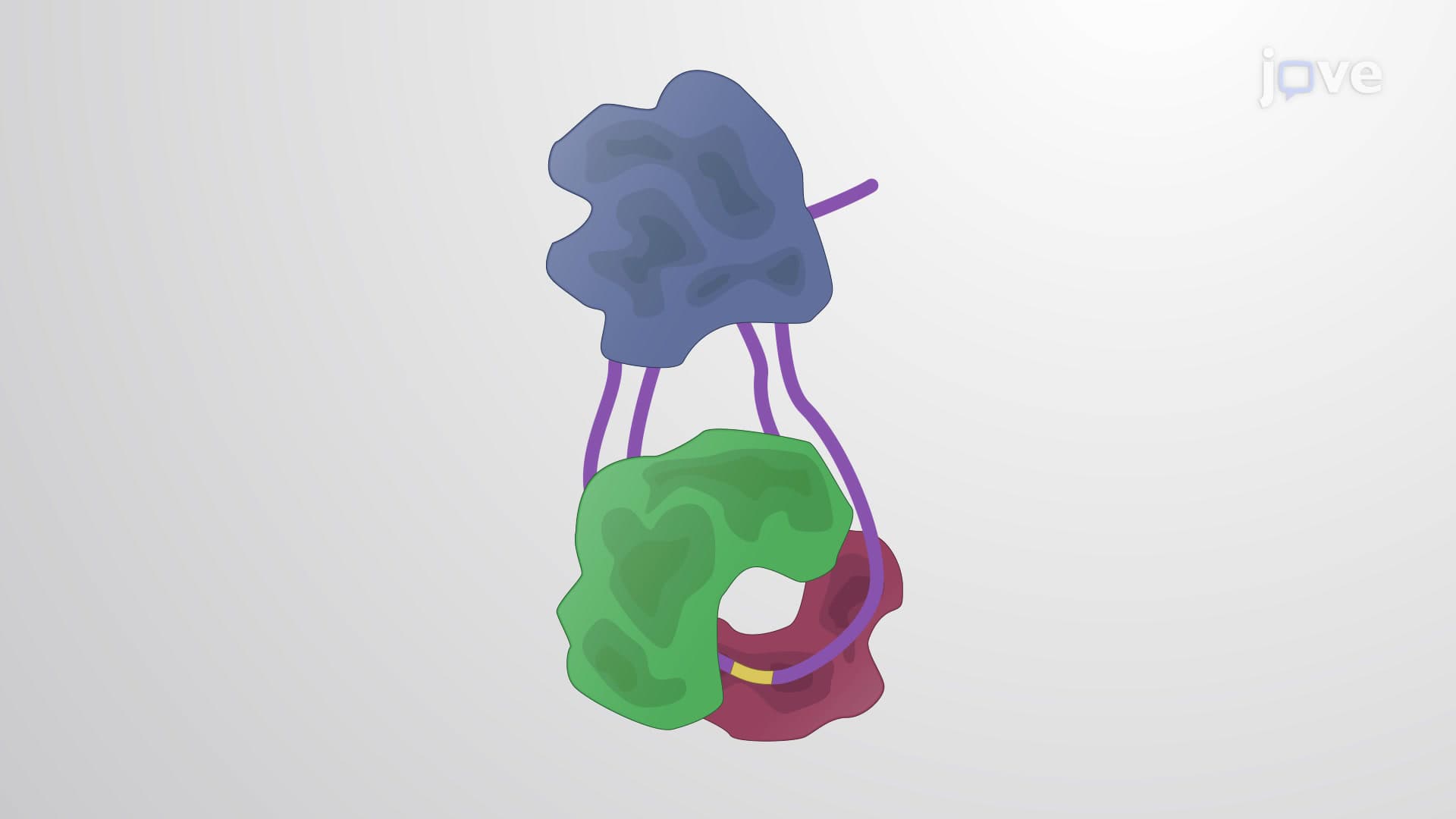
The proofreading process relies on the intrinsic 3' to 5' exonuclease activity present in replicative DNA polymerases like Pol δ and Pol ε in humans. When DNA polymerase incorporates an incorrect nucleotide, the resulting mismatch creates subtle structural distortions in the DNA double helix. These distortions are immediately recognized by the polymerase, which pauses synthesis and switches from its polymerization mode to its exonuclease mode. The enzyme then removes the incorrectly paired nucleotide before resuming accurate DNA synthesis.
This process occurs with remarkable speed and precision. For students preparing for the MCAT or AP Biology exams, it's crucial to understand that proofreading happens during replication (not after), distinguishing it from post-replicative repair mechanisms like mismatch repair that operate after the replication fork has passed.
The numerical impact of proofreading is staggering. Without this mechanism, DNA polymerases would make errors at a rate of approximately 1 in 10,000 nucleotides incorporated. Proofreading reduces this error rate to about 1 in 10 million-a 1,000-fold improvement in accuracy. This enhancement is critical for human health, as defective proofreading in polymerases has been linked to colorectal cancers and other malignancies studied extensively at institutions like the National Cancer Institute.
The principles of proofreading have revolutionized modern biotechnology. High-fidelity DNA polymerases used in research laboratories across the United States, from Stanford University to the CDC, are engineered versions of naturally occurring proofreading polymerases. These enzymes are essential for techniques like long-range PCR, site-directed mutagenesis, and next-generation DNA sequencing platforms used by companies like Illumina and Applied Biosystems. Understanding proofreading mechanisms helps explain why certain polymerases are chosen for specific applications-Taq polymerase lacks proofreading activity and is suitable for routine PCR, while Pfu polymerase possesses strong proofreading activity for high-fidelity applications.
Related Micro-courses