Loading subject page…


424,105 views

Video Summary: What Is Telomeres and Telomerase
Did you know that your chromosomes have protective "caps" that shrink every time your cells divide? Telomeres telomerase work together like a molecular maintenance crew-telomeres act as protective DNA end-caps while telomerase rebuilds them to prevent cellular aging. This process is crucial in cancer research at institutions like Johns Hopkins, where scientists study how telomerase activity affects tumor growth. Understanding What is Telomeres And Telomerase reveals the fundamental mechanisms behind cellular aging and immortality. Watch the full video on JoVE Coach to master this concept with expert-led visuals and step-by-step explanations.
Telomeres telomerase represent one of biology's most elegant solutions to a fundamental DNA replication problem. Telomeres function as molecular timekeepers, consisting of repetitive TTAGGG sequences that cap chromosome ends like plastic tips on shoelaces. In humans, these protective structures contain 1,300-2,500 repeats, significantly fewer than the 8,300 found in mice-a difference that correlates with species lifespan and metabolic rates.
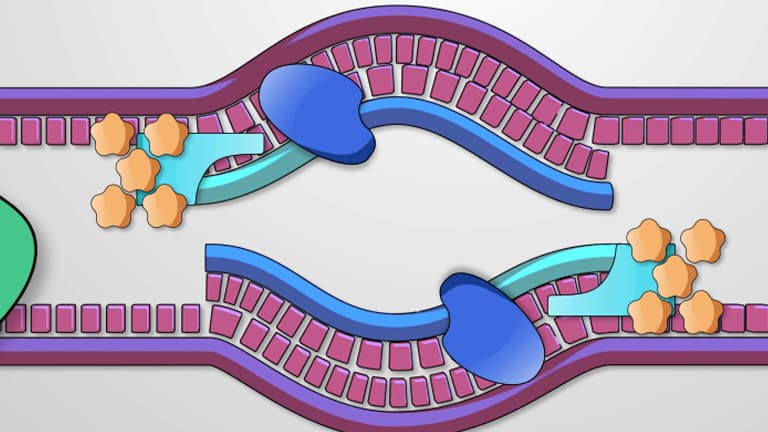
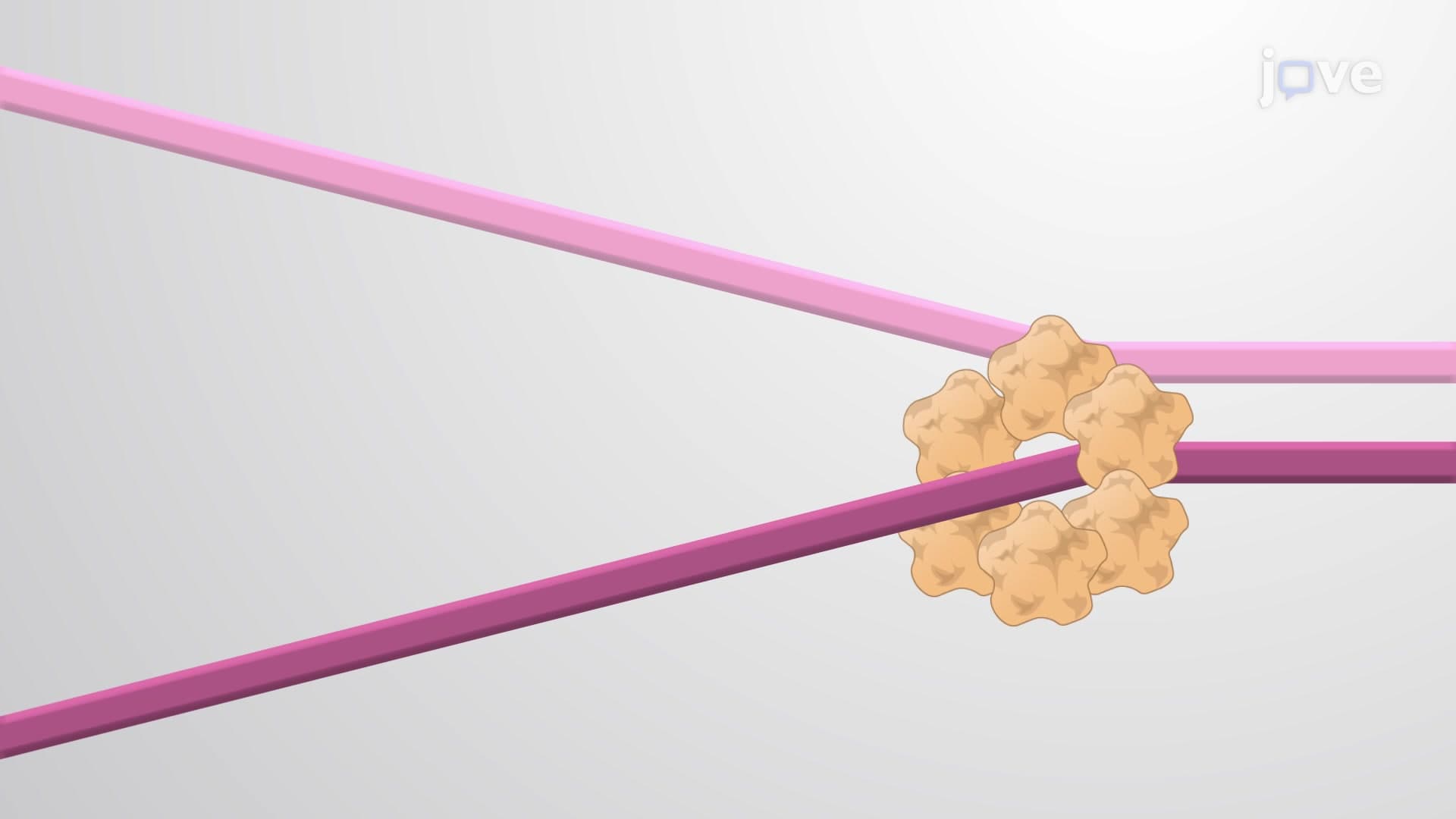
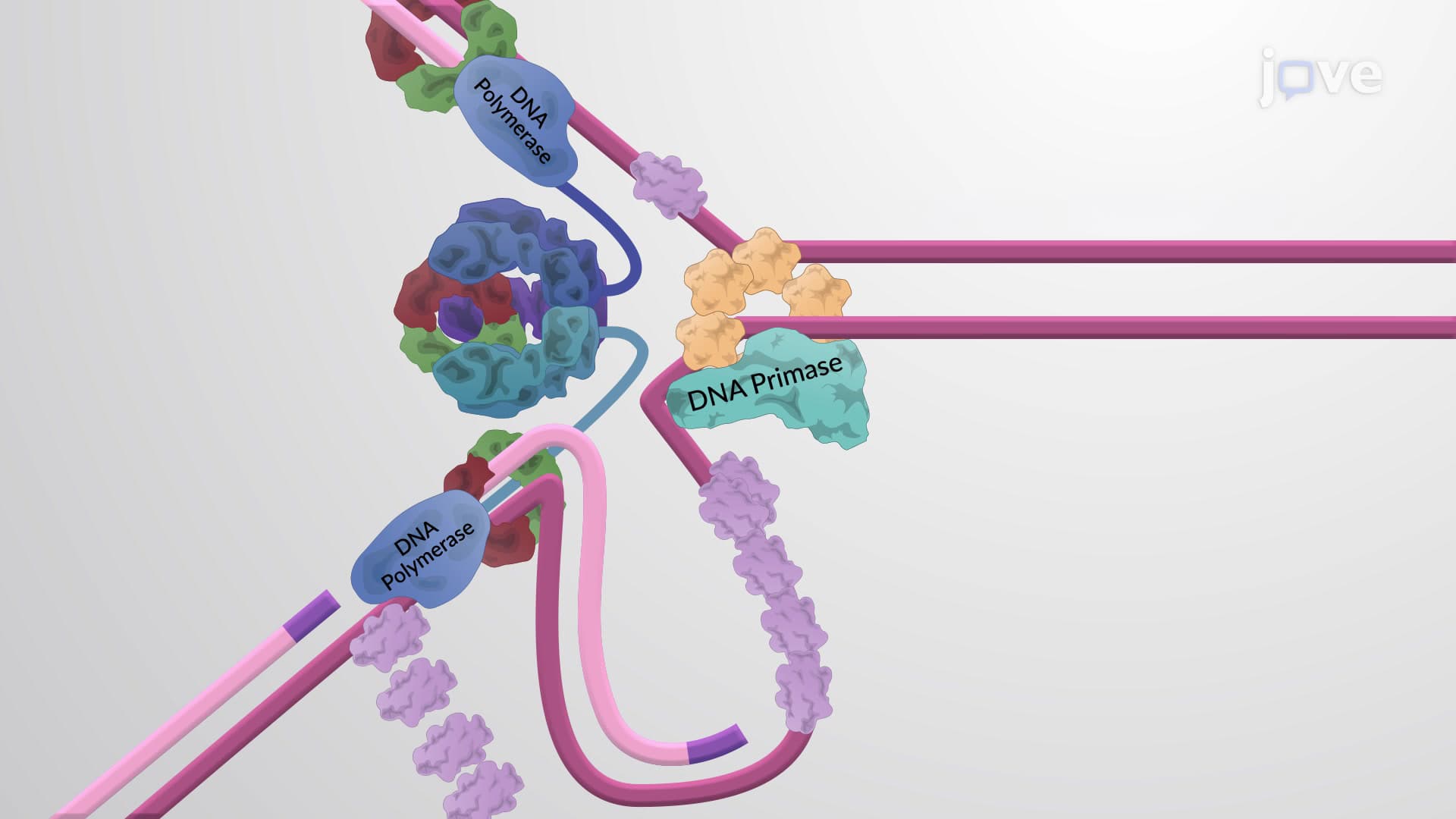
The telomeres and telomerase definition explained centers on solving DNA polymerase's inability to fully replicate chromosome ends. During replication, DNA polymerase requires RNA primers to initiate synthesis, but removing the final primer creates an unreplicable 3' overhang. This end-replication problem causes progressive telomere shortening with each cell division, ultimately triggering replicative senescence-a state where cells stop dividing to prevent genomic instability.
This mechanism is particularly relevant for AP Biology students studying cellular reproduction and aging. The concept frequently appears on college midterms and MCAT questions, especially regarding cancer biology and stem cell research.
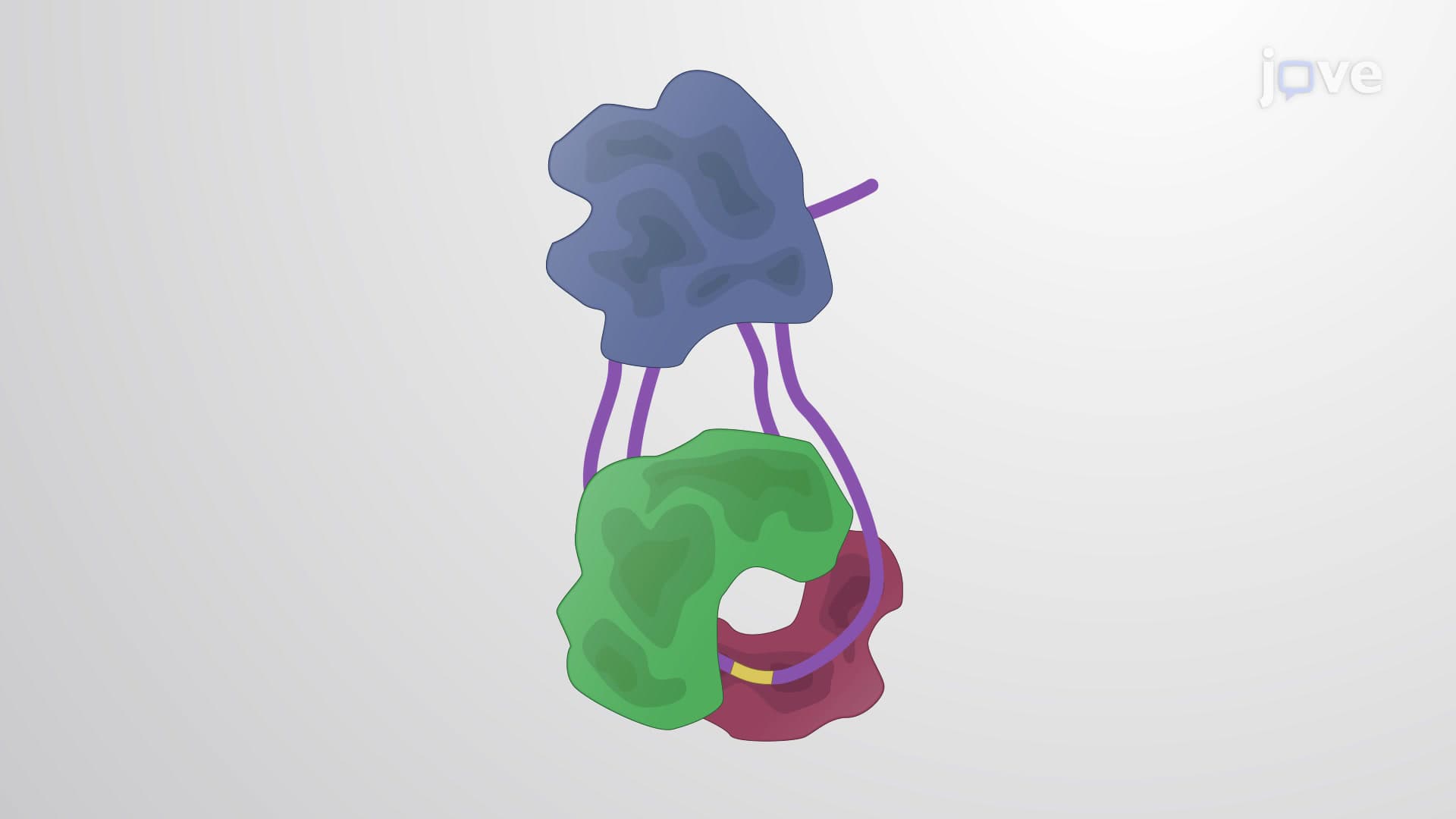
What is telomeres and telomerase becomes clearer when examining telomerase enzyme function. This ribonucleoprotein complex contains an RNA component (TERC) providing the template for telomere synthesis and a protein component (TERT) with reverse transcriptase activity. Unlike normal DNA polymerase, telomerase adds nucleotides without requiring a DNA template, extending telomeres six bases at a time using its internal RNA template.
Research at Stanford University and other leading US institutions has revealed that telomerase activity varies dramatically across cell types. Most somatic cells have minimal telomerase, leading to progressive shortening, while stem cells and unfortunately, 85-90% of cancer cells, maintain high telomerase activity for unlimited replication potential.
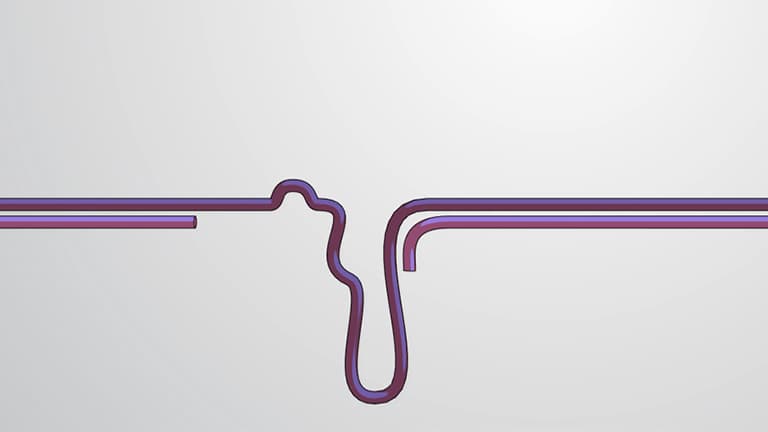
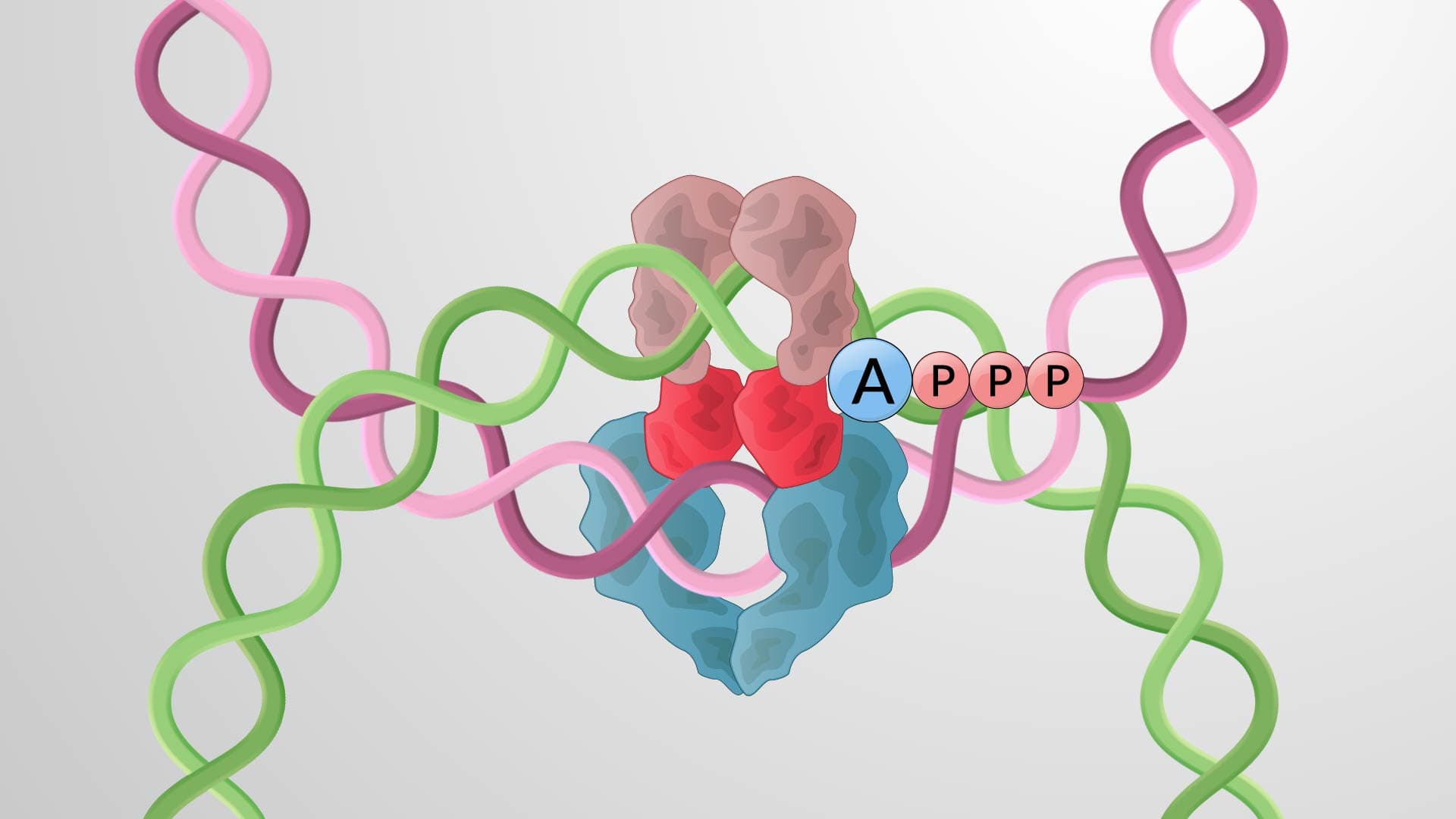
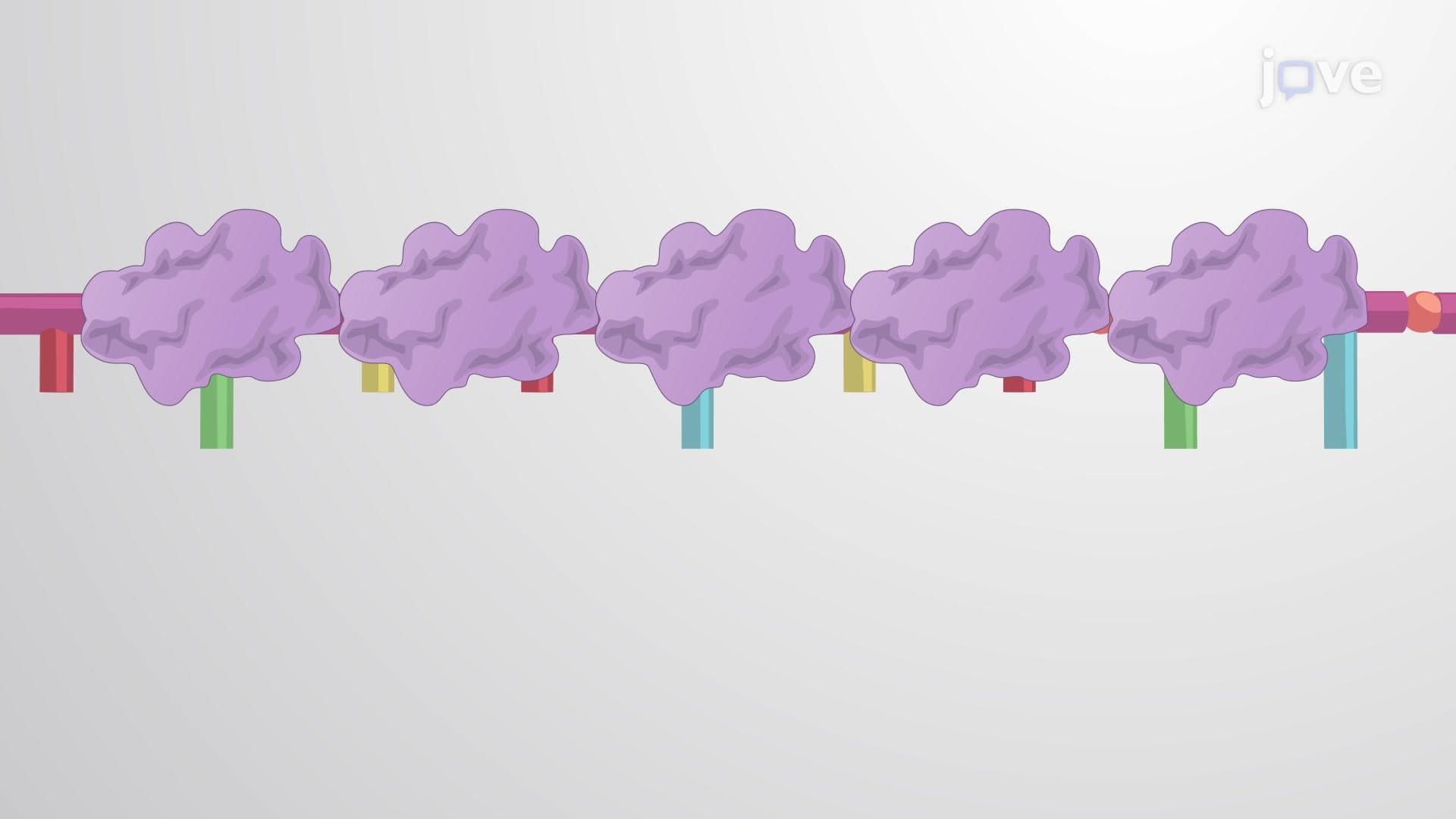
The formation of T-loops through shelterin protein complexes represents a sophisticated protective mechanism. This structure prevents chromosomes from appearing as double-strand breaks to DNA repair machinery, avoiding inappropriate end-joining events that could cause genomic instability. Understanding this process is crucial for students preparing for medical school entrance exams, as telomere biology directly impacts cancer treatment strategies and regenerative medicine approaches currently being developed at institutions like MD Anderson Cancer Center and Mayo Clinic.
Related Micro-courses