Loading subject page…

- Molecular Biology
- DNA Replication
- Animal Mitochondrial Genetics
Micro-course: DNA Replication
424,105 views
Learn key concepts and earn your certificate.


Animal Mitochondrial Genetics

00:00
02:59
Video Summary: What Is Animal Mitochondrial Genetics
Ever wondered why you inherited your mother's eye color through a completely different genetic pathway than your father's? Animal mitochondrial genetics reveals this fascinating maternal-only inheritance system that operates independently of nuclear DNA. Unlike the billions of base pairs in human nuclear DNA, mitochondrial DNA contains just 16,000-37,000 base pairs yet plays a crucial role in cellular energy production. In genetic counseling at Johns Hopkins Hospital, doctors routinely analyze mitochondrial inheritance patterns to diagnose rare metabolic disorders. What is Animal Mitochondrial Genetics encompasses this unique genetic system that follows entirely different rules than traditional Mendelian genetics. Watch the full video on JoVE Coach to master this concept with expert-led visuals and step-by-step explanations.
- Understand what is Animal Mitochondrial Genetics and how it differs fundamentally from nuclear genetic systems
- Identify the unique structural features of mitochondrial DNA, including its circular structure and compact gene organization
- Analyze why mitochondrial DNA evolves 10 times faster than nuclear DNA due to oxidative damage and limited repair mechanisms
- Compare the genetic code differences between mitochondrial and nuclear DNA, such as UGA coding for tryptophan versus stop codons
- Evaluate the significance of maternal inheritance patterns in mitochondrial genetics and their clinical implications
- Apply knowledge of mitochondrial gene expression to understand cellular energy production in different tissue types
- Recognize the evolutionary origin of mitochondria through endosymbiotic theory and gene transfer to nuclear DNA
- Explore how mitochondrial genetics impacts medical diagnosis and genetic counseling practices
Understanding Animal Mitochondrial Genetics Fundamentals
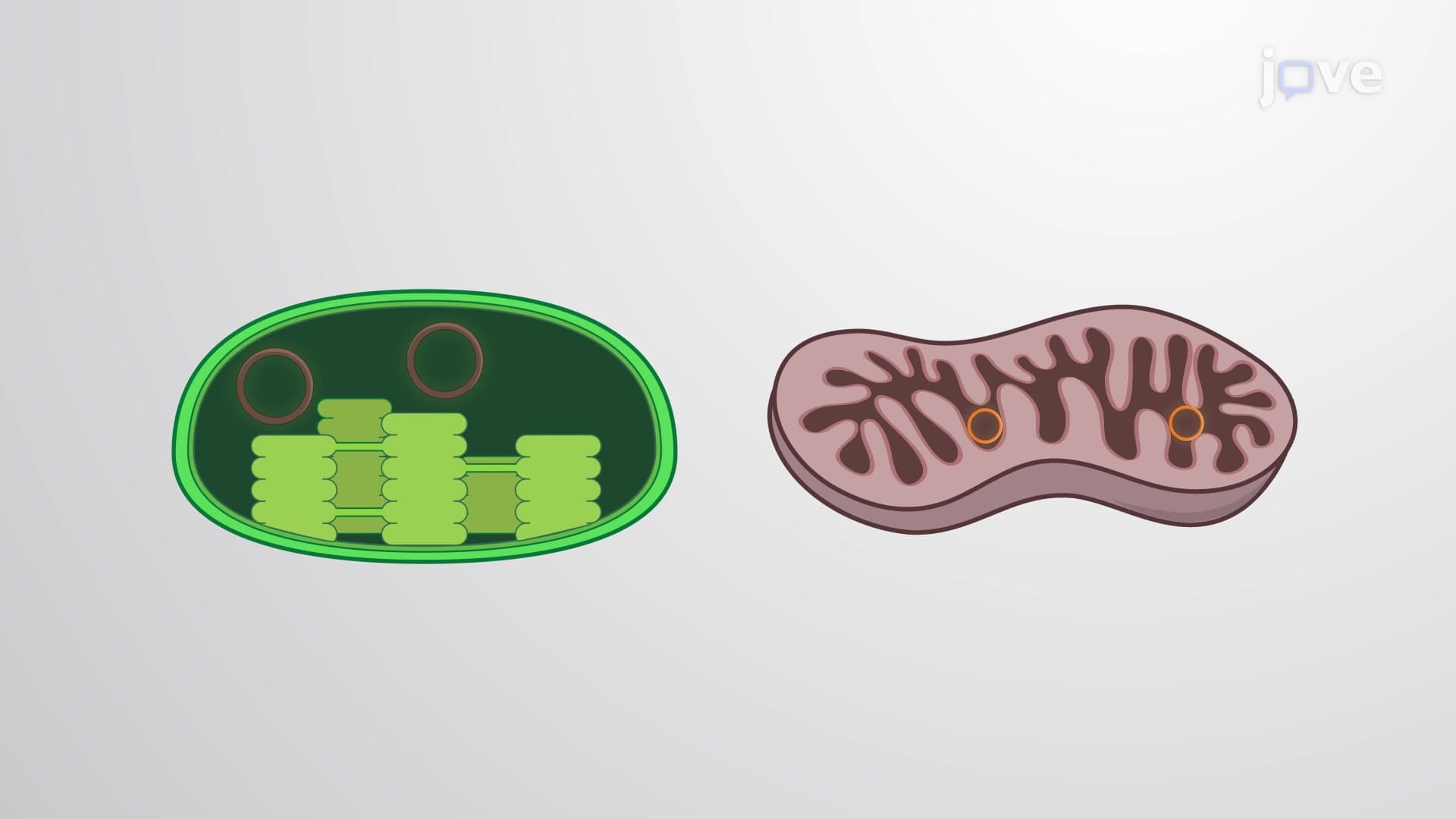
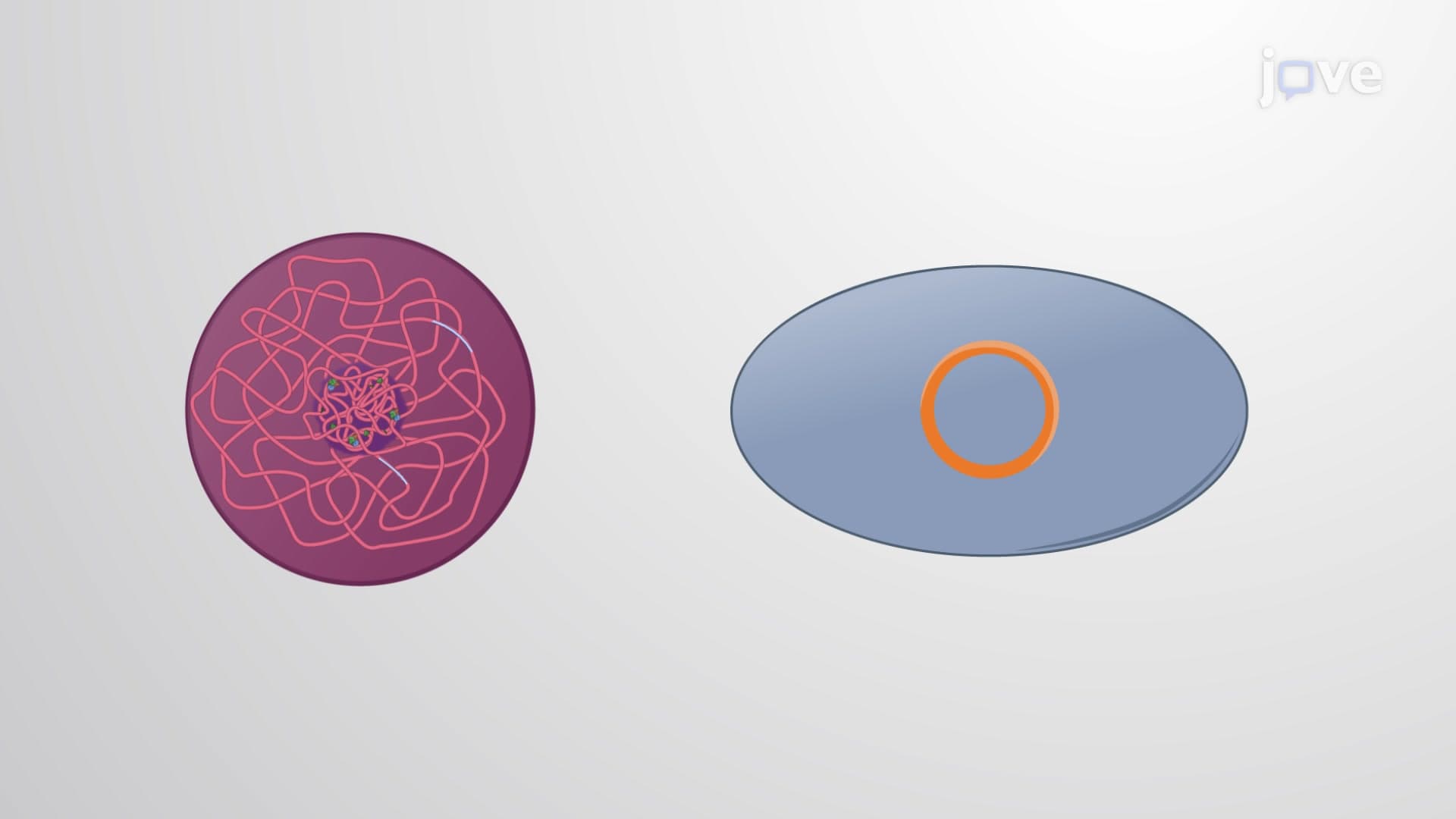
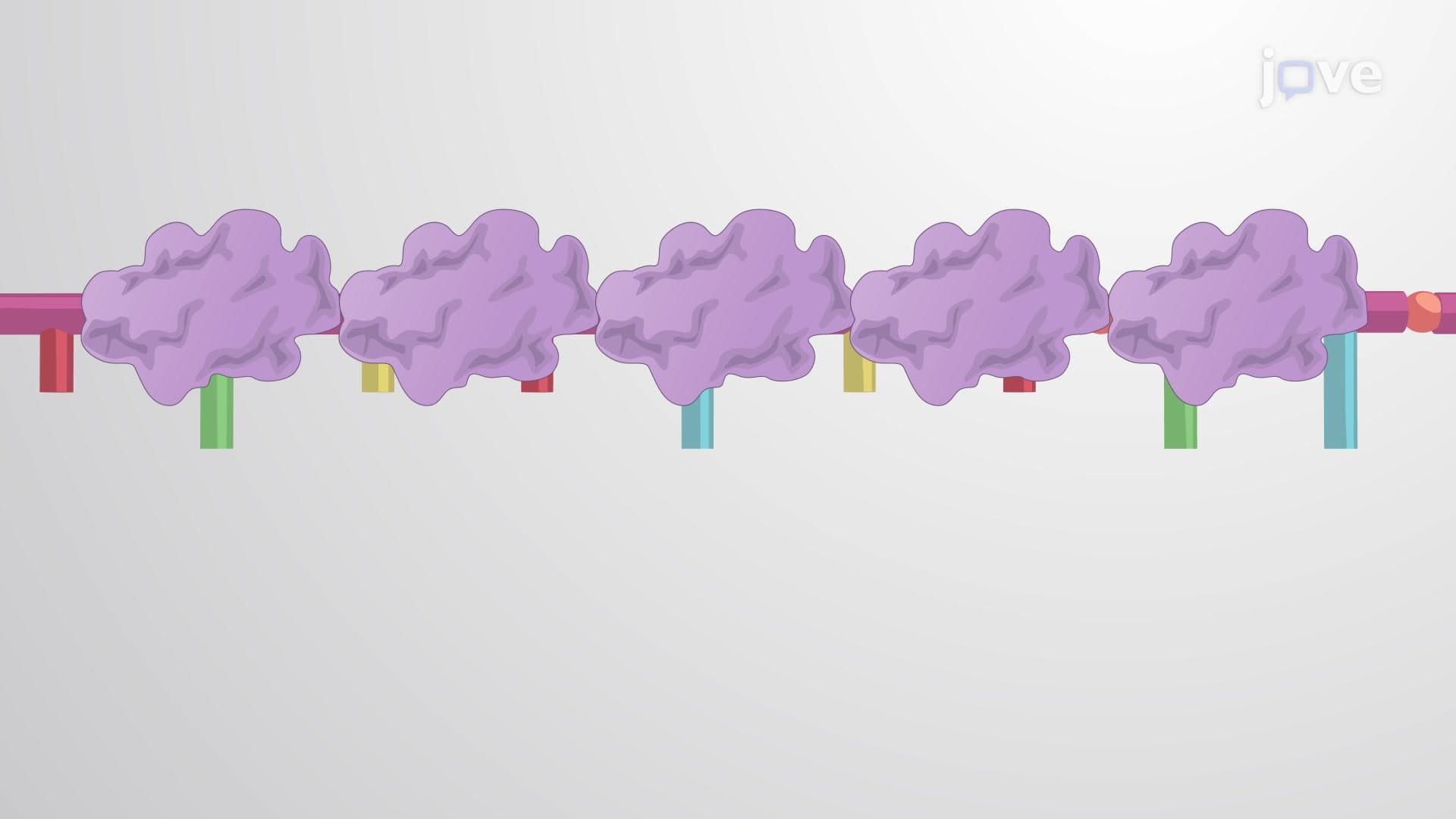
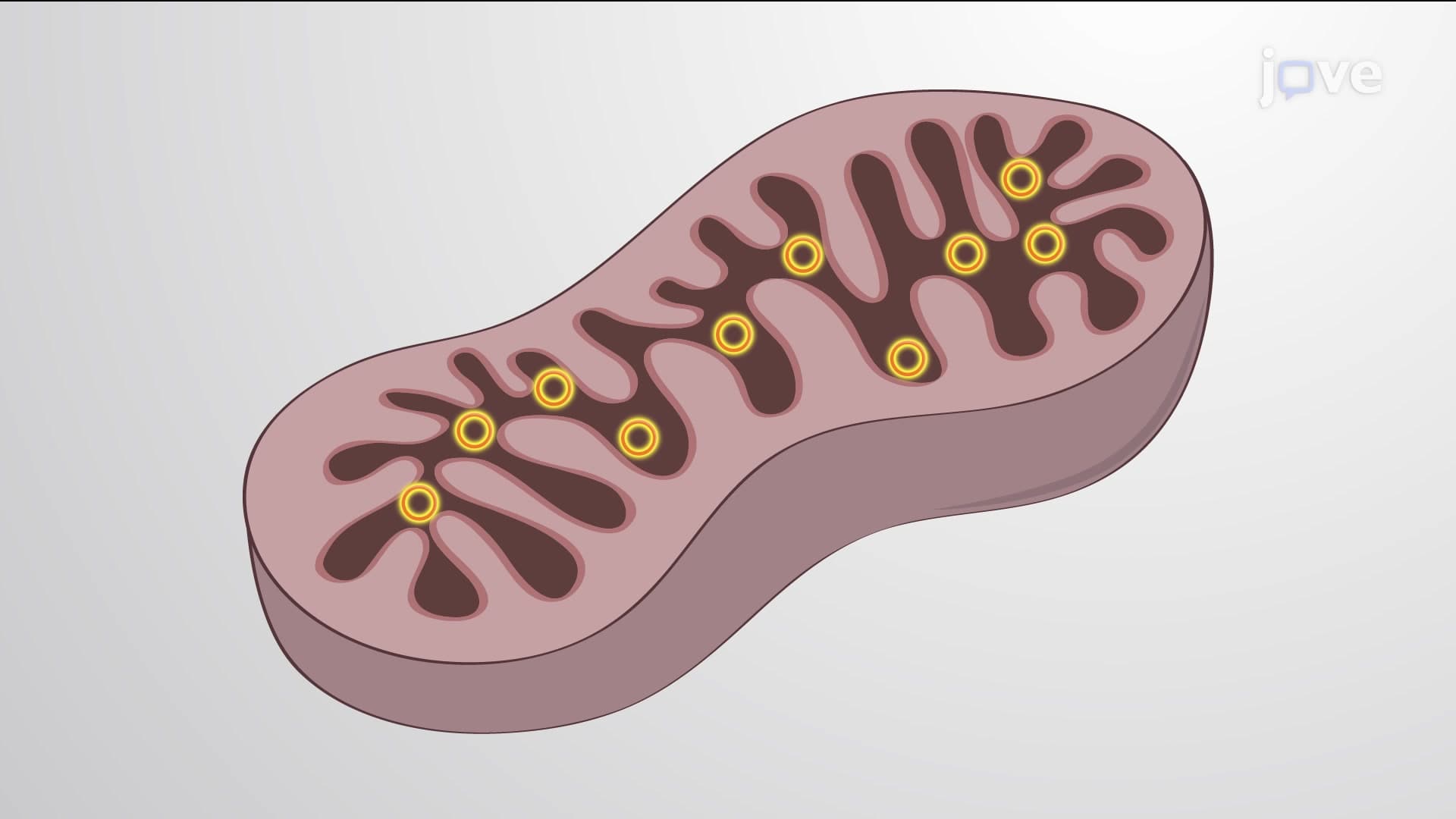
Animal mitochondrial genetics represents one of biology's most fascinating examples of cellular independence within interdependence. This specialized field examines how mitochondria maintain their own genetic systems while residing within eukaryotic cells. Unlike nuclear DNA's double-helix structure protected by histones, mitochondrial DNA exists as a naked, circular molecule resembling bacterial genetic material-a clue to its evolutionary origins.
The compact nature of mitochondrial genomes is remarkable: while human nuclear DNA contains over 3 billion base pairs with vast non-coding regions, mitochondrial DNA packs essential genetic information into just 16,569 base pairs. This efficiency means 93% of mitochondrial DNA codes for proteins, compared to merely 1% in nuclear DNA. Students preparing for the AP Biology exam frequently encounter questions about this stark contrast in genetic organization.
Evolutionary Origins and Endosymbiotic Theory
The endosymbiotic theory explains mitochondrial genetics' bacterial characteristics. Approximately 1.5 billion years ago, an ancestral eukaryotic cell engulfed an aerobic bacterium, establishing a mutually beneficial relationship. Over evolutionary time, most bacterial genes transferred to nuclear DNA or were lost entirely, leaving behind the streamlined mitochondrial genome we observe today.
This evolutionary history explains why mitochondrial ribosomes resemble bacterial ribosomes more than eukaryotic ones, and why certain antibiotics that target bacterial protein synthesis also affect mitochondrial function. Medical students studying for the MCAT often analyze these evolutionary connections when examining antibiotic mechanisms and mitochondrial diseases.
Unique Genetic Code and Molecular Features
Mitochondrial genetics operates under slightly modified genetic code rules compared to universal nuclear DNA translation. The codon UGA, universally recognized as a stop codon in nuclear systems, codes for tryptophan in mitochondrial DNA. Similarly, AGA and AGG serve as stop codons in mitochondrial systems while coding for arginine in nuclear DNA.
These differences have profound implications for genetic engineering and gene therapy research. Scientists at institutions like the National Institutes of Health must account for these code variations when developing mitochondria-targeted treatments. College biochemistry courses emphasize these distinctions because they demonstrate how evolutionary pressure can modify even fundamental biological processes.
Maternal Inheritance and Clinical Significance
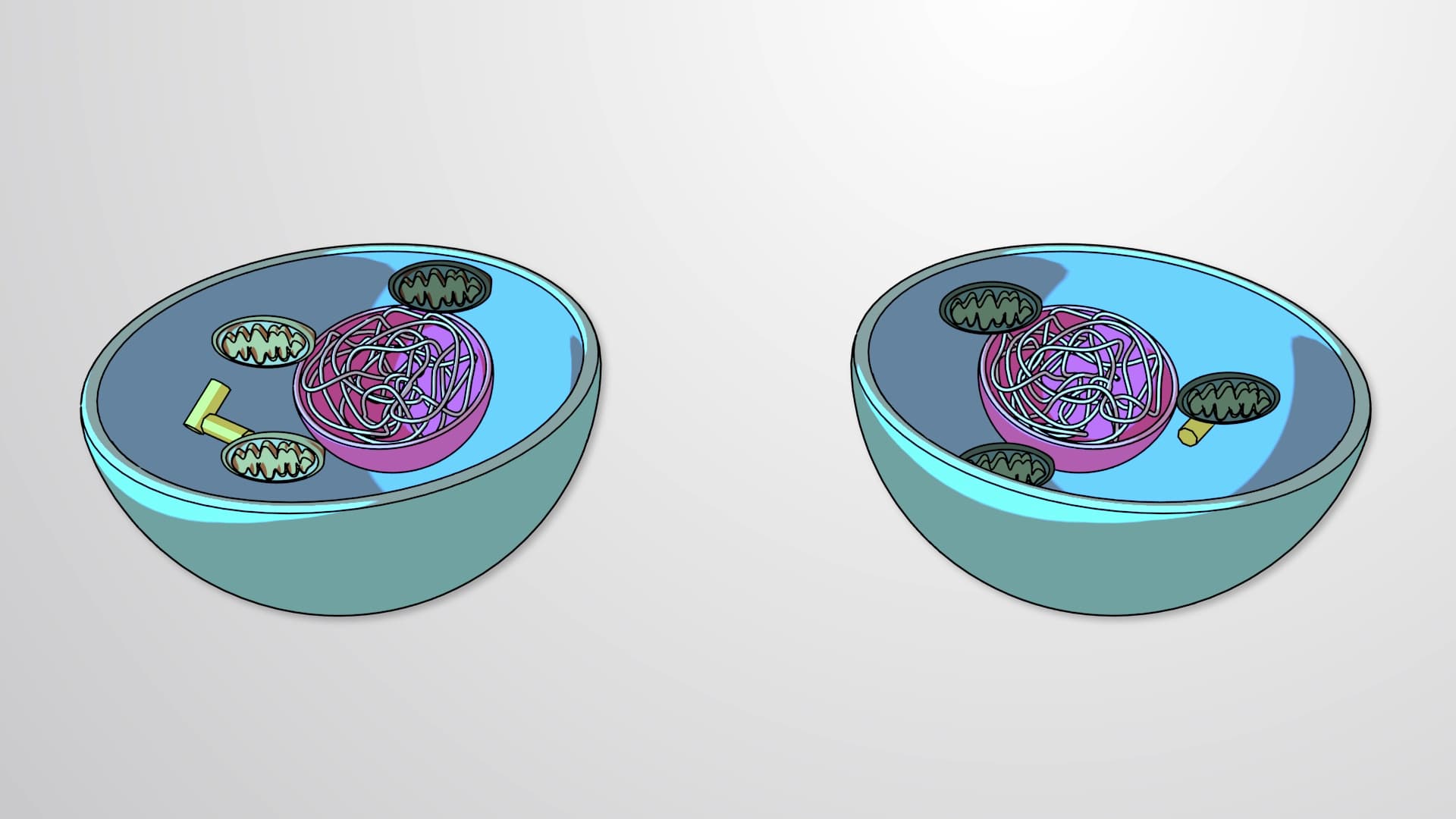
Perhaps the most distinctive feature of animal mitochondrial genetics is strict maternal inheritance. During fertilization, sperm contribute virtually no mitochondria to developing embryos, while egg cells contain thousands of these organelles. This inheritance pattern creates unique genetic counseling scenarios at medical centers like Mayo Clinic, where families with mitochondrial disorders can predict inheritance risks with unusual certainty.
Maternal inheritance also makes mitochondrial DNA valuable for evolutionary studies and forensic investigations. The FBI Laboratory uses mitochondrial DNA analysis when nuclear DNA is degraded, particularly in missing persons cases involving hair shafts or severely decomposed remains. This application demonstrates how understanding basic mitochondrial genetics principles extends far beyond academic study into practical forensic science applications.
Frequently Asked Questions
Animal mitochondrial genetics studies the unique genetic system within mitochondria, which operates independently of nuclear DNA. Unlike nuclear genetics, mitochondrial genes follow maternal inheritance, use a slightly modified genetic code, and exist in circular DNA molecules resembling bacterial genomes rather than linear chromosomes.
For AP Biology, animal mitochondrial genetics is defined as the study of genetic material within mitochondria that encodes essential respiratory proteins, ribosomal RNAs, and transfer RNAs. This system demonstrates endosymbiotic evolution and provides examples of non-Mendelian inheritance patterns that frequently appear on AP exams.
The MCAT tests mitochondrial genetics through questions about maternal inheritance, endosymbiotic theory, and metabolic disorders. Students should understand how mitochondrial DNA mutations affect cellular respiration and why certain genetic diseases show maternal-only transmission patterns. These concepts frequently appear in biochemistry and biology sections.
Most introductory college biology courses include mitochondrial genetics in their cell biology units. Expect questions comparing nuclear and mitochondrial DNA organization, explaining maternal inheritance patterns, and analyzing the evolutionary significance of endosymbiotic relationships. These topics commonly appear on exams covering cellular structure and function.
Mitochondrial genetics knowledge is crucial for diagnosing inherited metabolic disorders like MELAS syndrome and Leber hereditary optic neuropathy. Genetic counselors at hospitals like Cleveland Clinic use this information to help families understand inheritance risks and plan for affected children, since these conditions pass exclusively through maternal lines.
Not at all! While mitochondrial genetics involves complex molecular details, the basic concepts build naturally on fundamental cell biology knowledge. High school students already familiar with DNA structure and protein synthesis can easily grasp mitochondrial inheritance patterns and evolutionary origins through visual models and clear explanations.
Focus on creating comparison charts between nuclear and mitochondrial genetic systems, including DNA structure, inheritance patterns, and genetic code differences. Practice drawing mitochondrial inheritance pedigrees and memorize key statistics like DNA size differences. Use mnemonic devices to remember which codons differ between nuclear and mitochondrial translation.
Build on mitochondrial genetics by exploring chloroplast genetics in plants, which shows similar endosymbiotic origins. Study mitochondrial diseases in more detail, examine population genetics applications using mitochondrial DNA, and investigate current gene therapy research targeting mitochondrial disorders.
Scientists trace human migration patterns using mitochondrial DNA because of its maternal inheritance and rapid mutation rate. Research teams at institutions like Stanford University analyze mitochondrial sequences to understand how populations moved across continents, making it invaluable for anthropological research and species conservation efforts.
Related Micro-courses

16 Concepts

21 Concepts

11 Concepts