Loading subject page…

- Molecular Biology
- DNA Replication
- Replication in Prokaryotes
Micro-course: DNA Replication
424,105 views
Learn key concepts and earn your certificate.

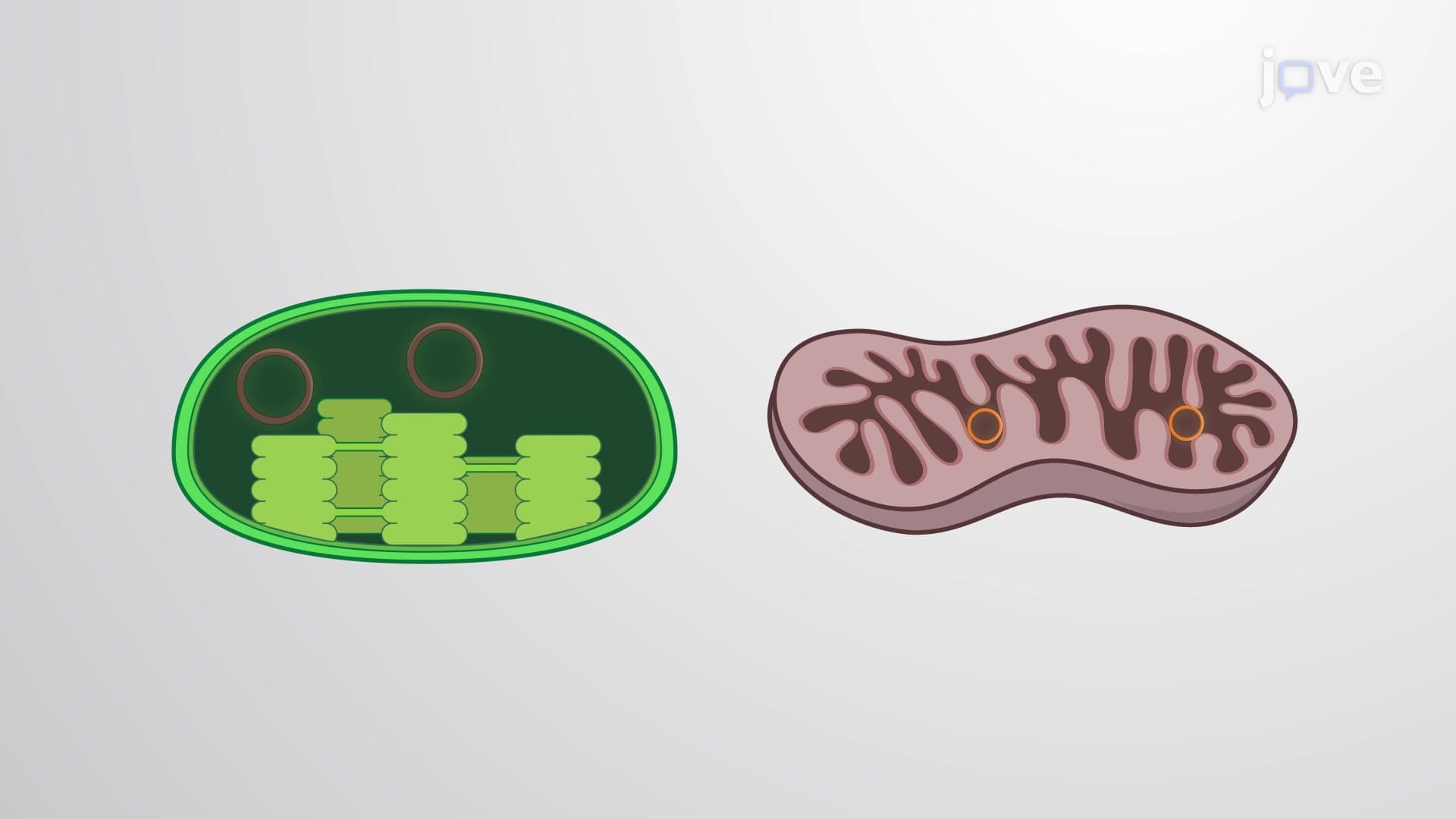
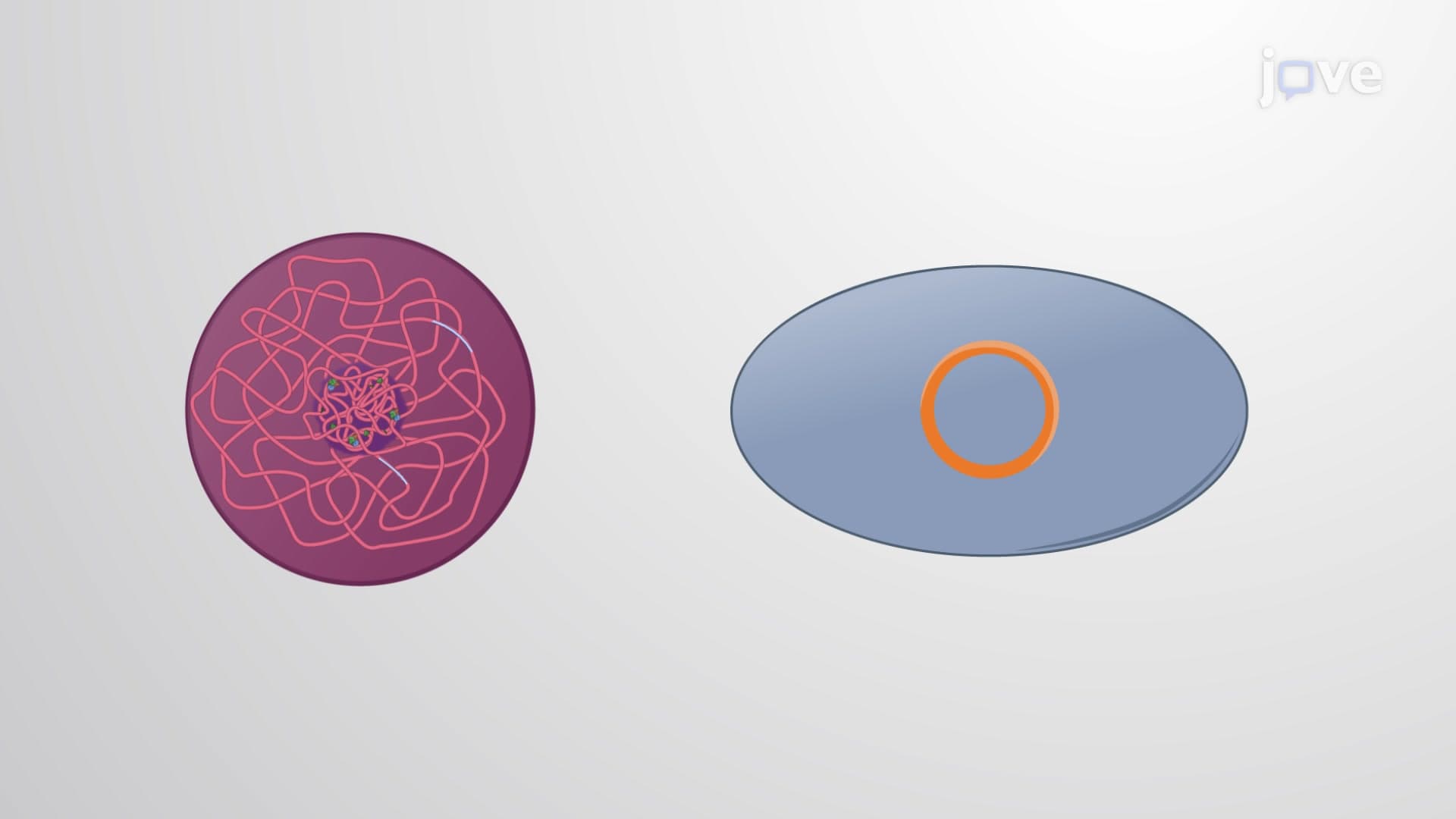
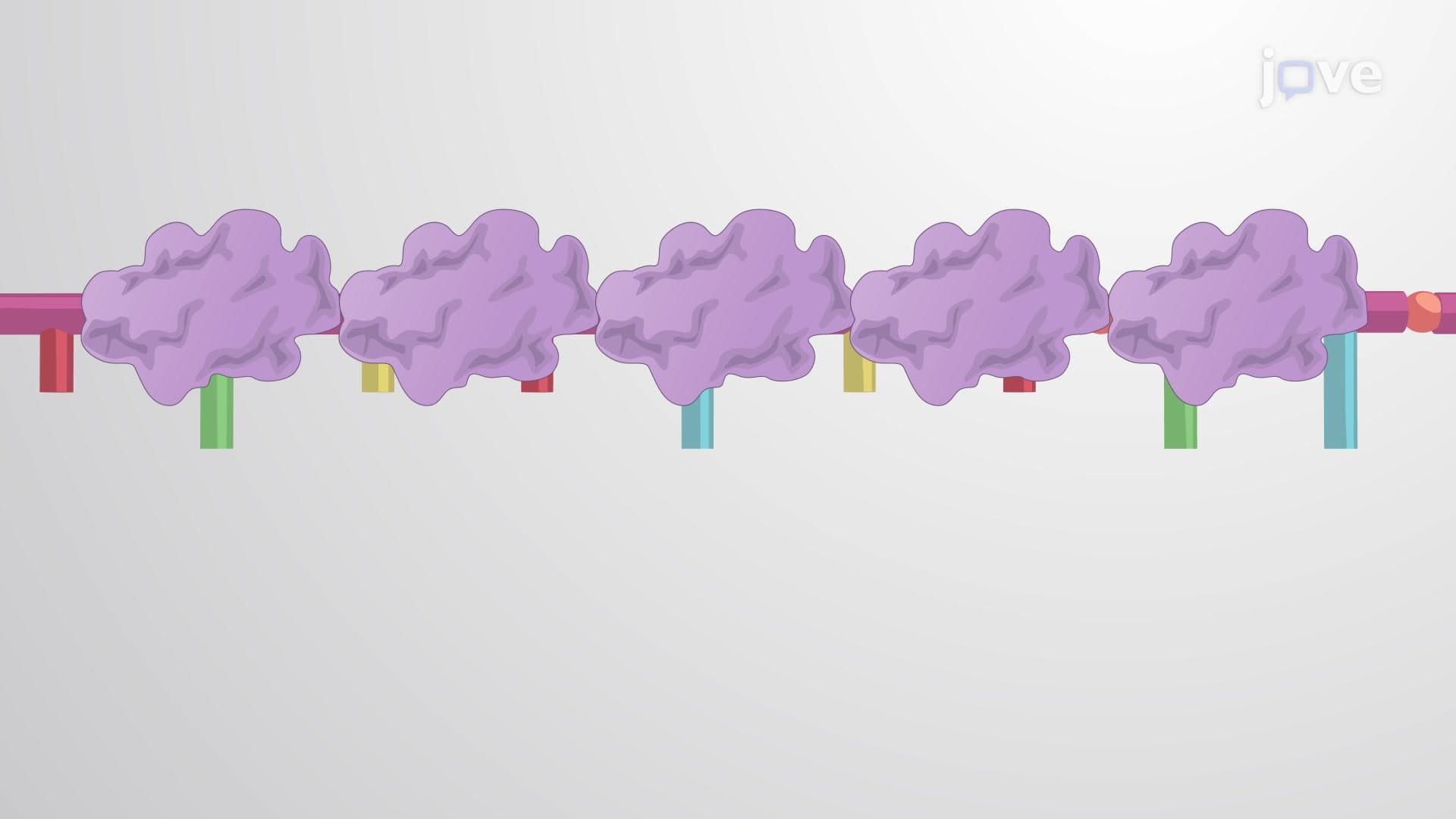
Replication in Prokaryotes

00:00
02:35
Video Summary: What Is Replication in Prokaryotes
Every second, millions of bacteria in your gut are copying their entire genetic code with stunning precision-a process called replication in prokaryotes that occurs 1,000 times faster than human DNA replication. Unlike complex human cells, bacterial cells like E. coli complete this remarkable feat using a streamlined molecular machine at a single starting point called the origin of replication. From developing life-saving antibiotics at pharmaceutical companies like Pfizer to engineering bacteria for insulin production, understanding what is replication in prokaryotes drives countless medical breakthroughs. Watch the full video on JoVE Coach to master this concept with expert-led visuals and step-by-step explanations.
- Understand what is replication in prokaryotes and how it differs from eukaryotic DNA replication in terms of speed, location, and complexity
- Identify the key molecular players including DnaA initiator proteins, DnaB helicase, primase, and DNA polymerase III that drive bacterial DNA synthesis
- Analyze the step-by-step process from origin recognition at oriC through replisome assembly to bidirectional replication fork progression
- Compare leading strand continuous synthesis versus lagging strand discontinuous synthesis through Okazaki fragment formation
- Evaluate how topoisomerases relieve supercoiling stress and how termination occurs when replication forks meet
- Apply knowledge of prokaryotic replication mechanisms to understand PCR technology, molecular cloning, and antibiotic drug development
- Recognize the clinical significance of targeting bacterial replication machinery for treating infectious diseases
- Explore how E. coli research established fundamental principles that advanced our understanding of all DNA replication processes
Understanding What is Replication in Prokaryotes: The Bacterial Blueprint Copying System
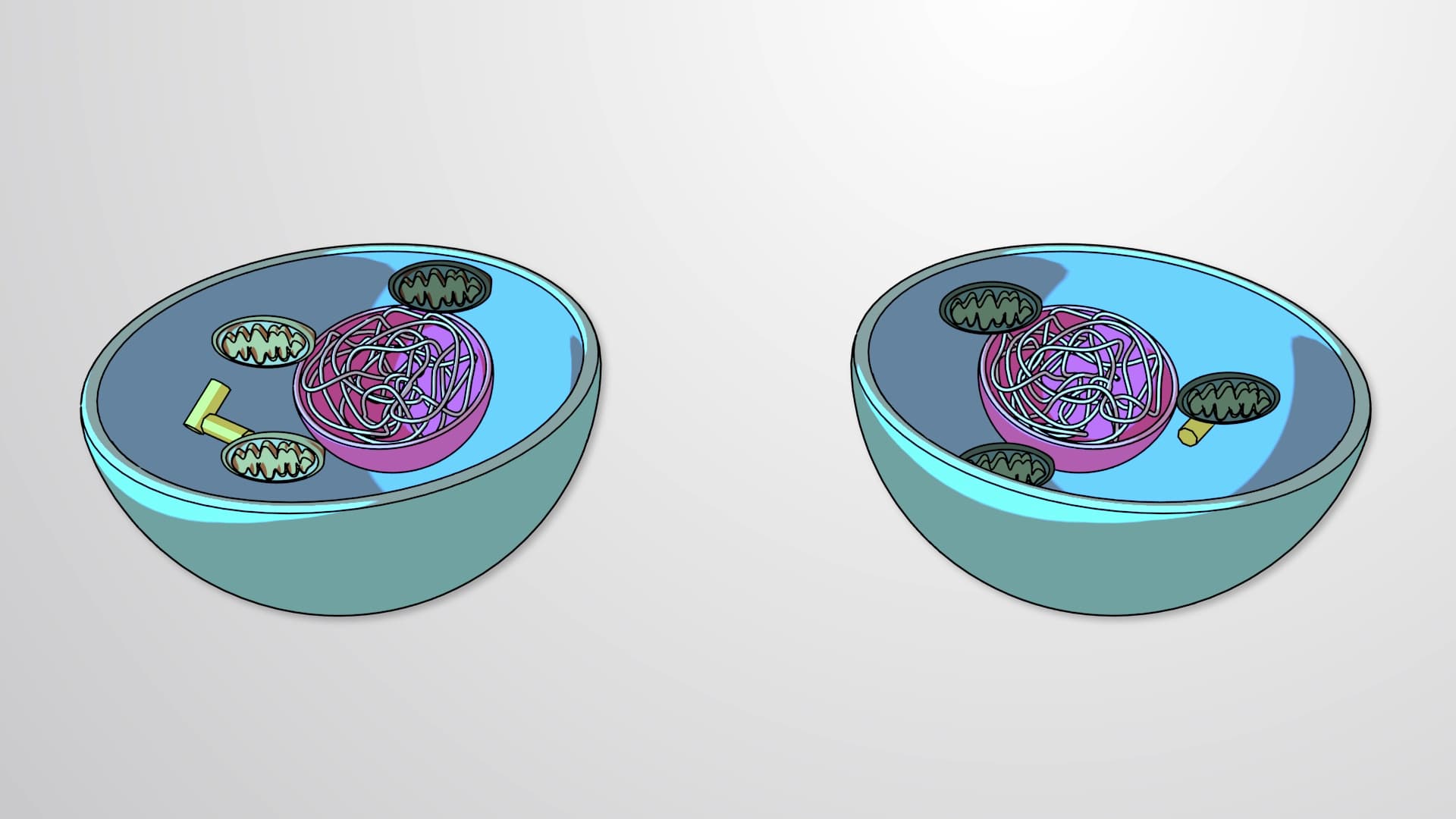
Replication in prokaryotes represents one of nature's most efficient molecular processes, where bacterial cells duplicate their circular chromosomes with remarkable speed and accuracy. Unlike the complex, multi-origin replication system found in human cells, prokaryotic replication begins at a single, well-defined starting point called the origin of replication (oriC). This streamlined approach allows bacteria like E. coli to complete genome duplication in just 40 minutes under optimal laboratory conditions.
The Molecular Orchestra: Key Players in Prokaryotic DNA Replication
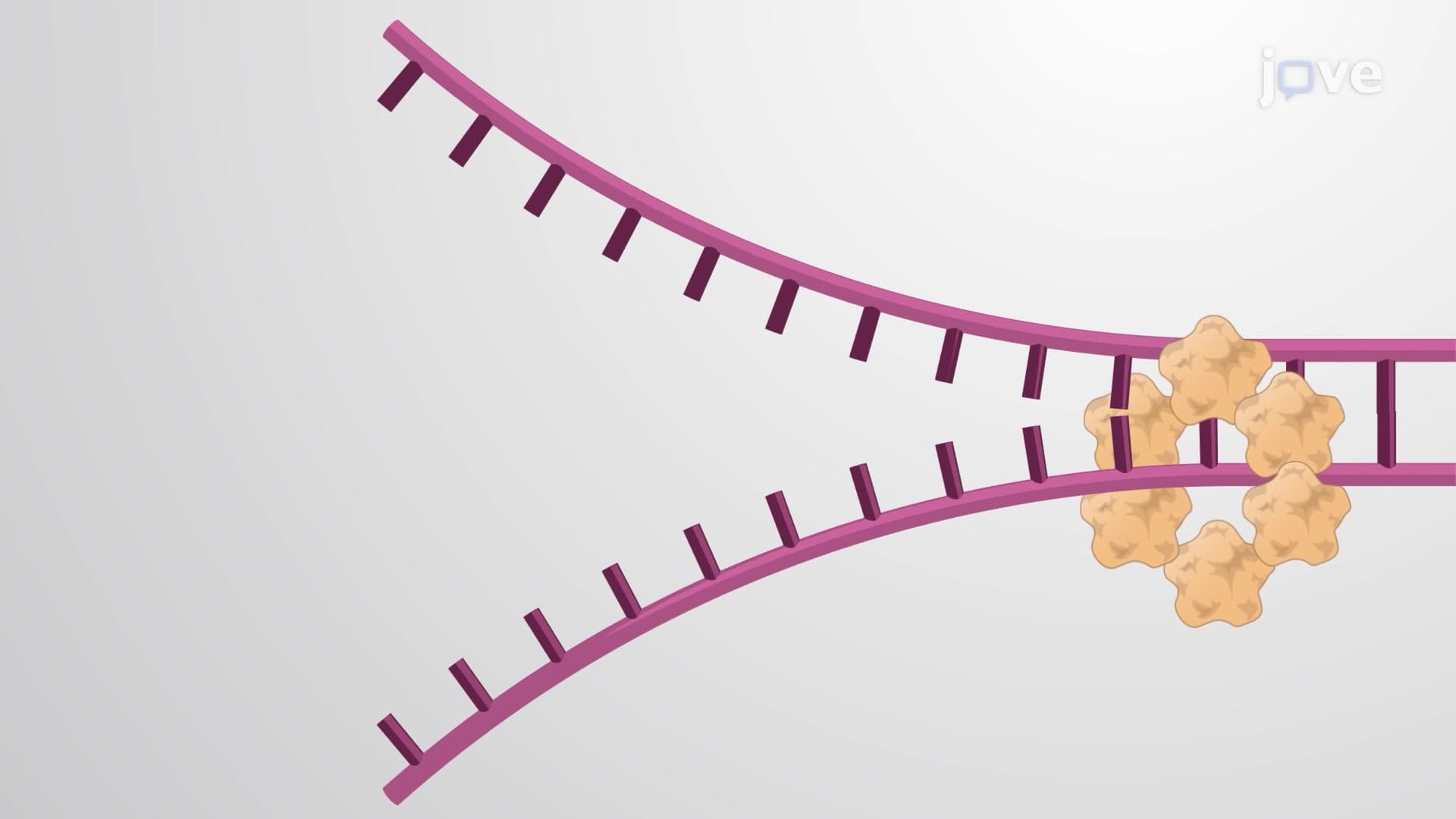
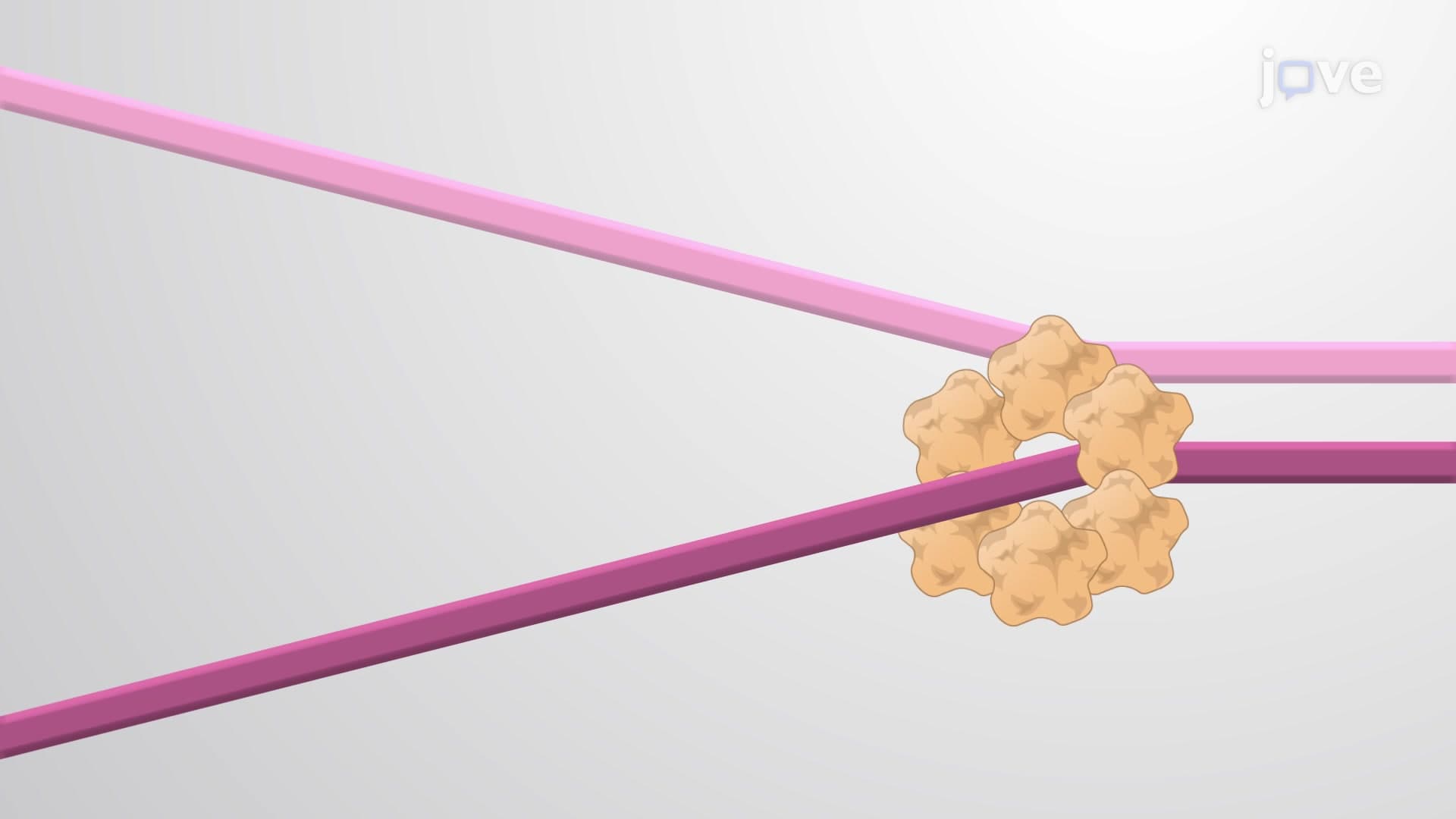
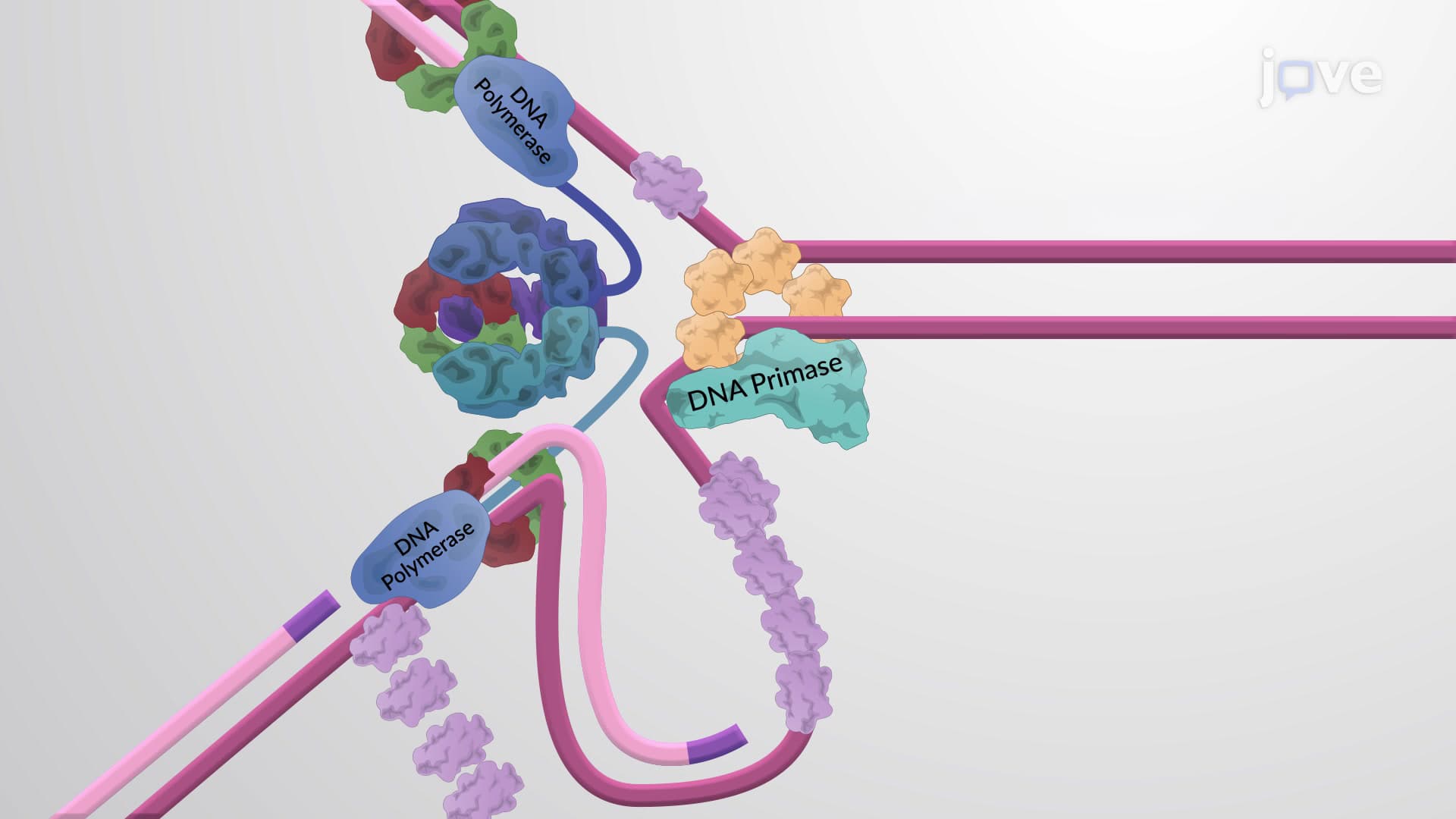
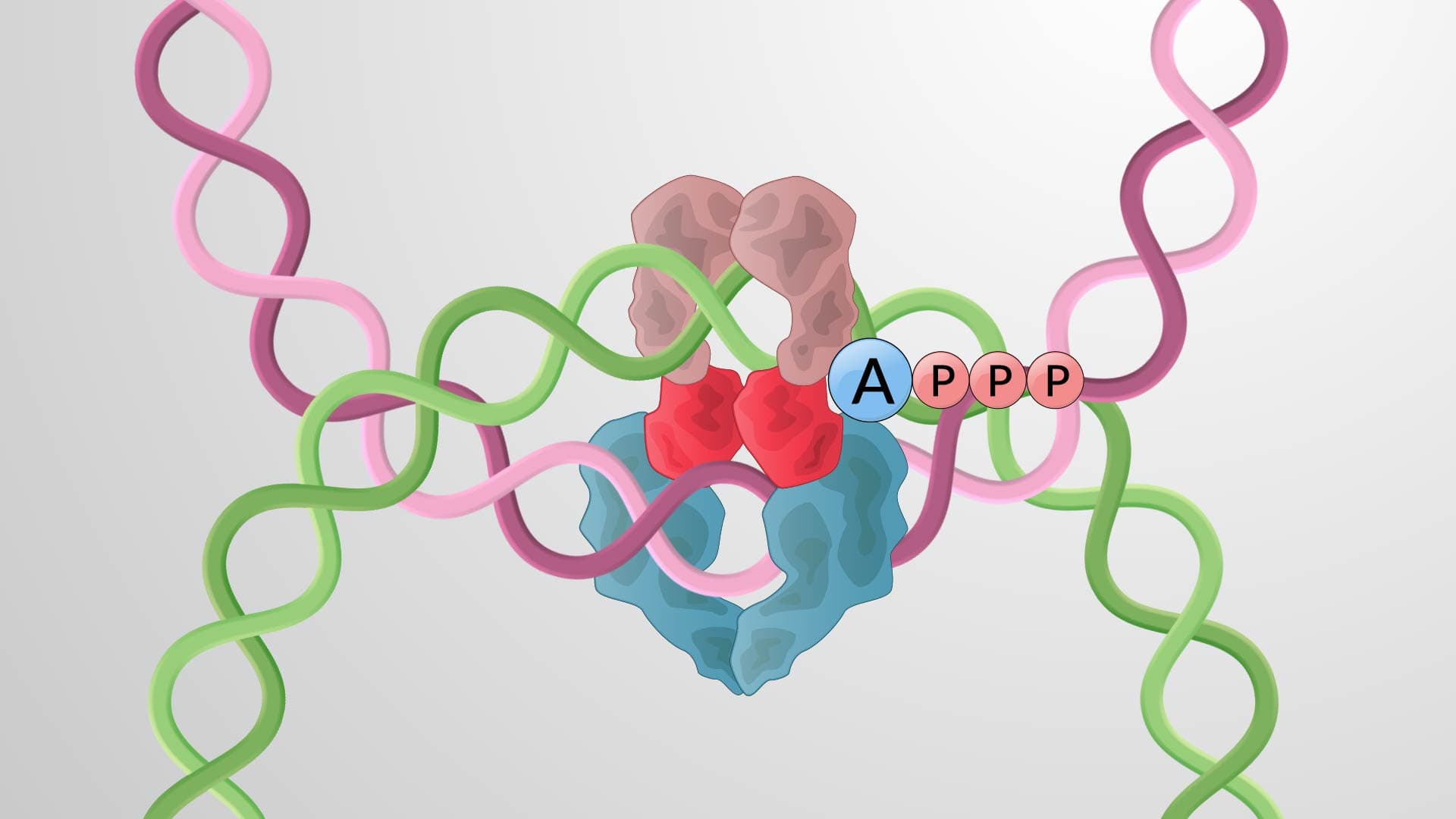
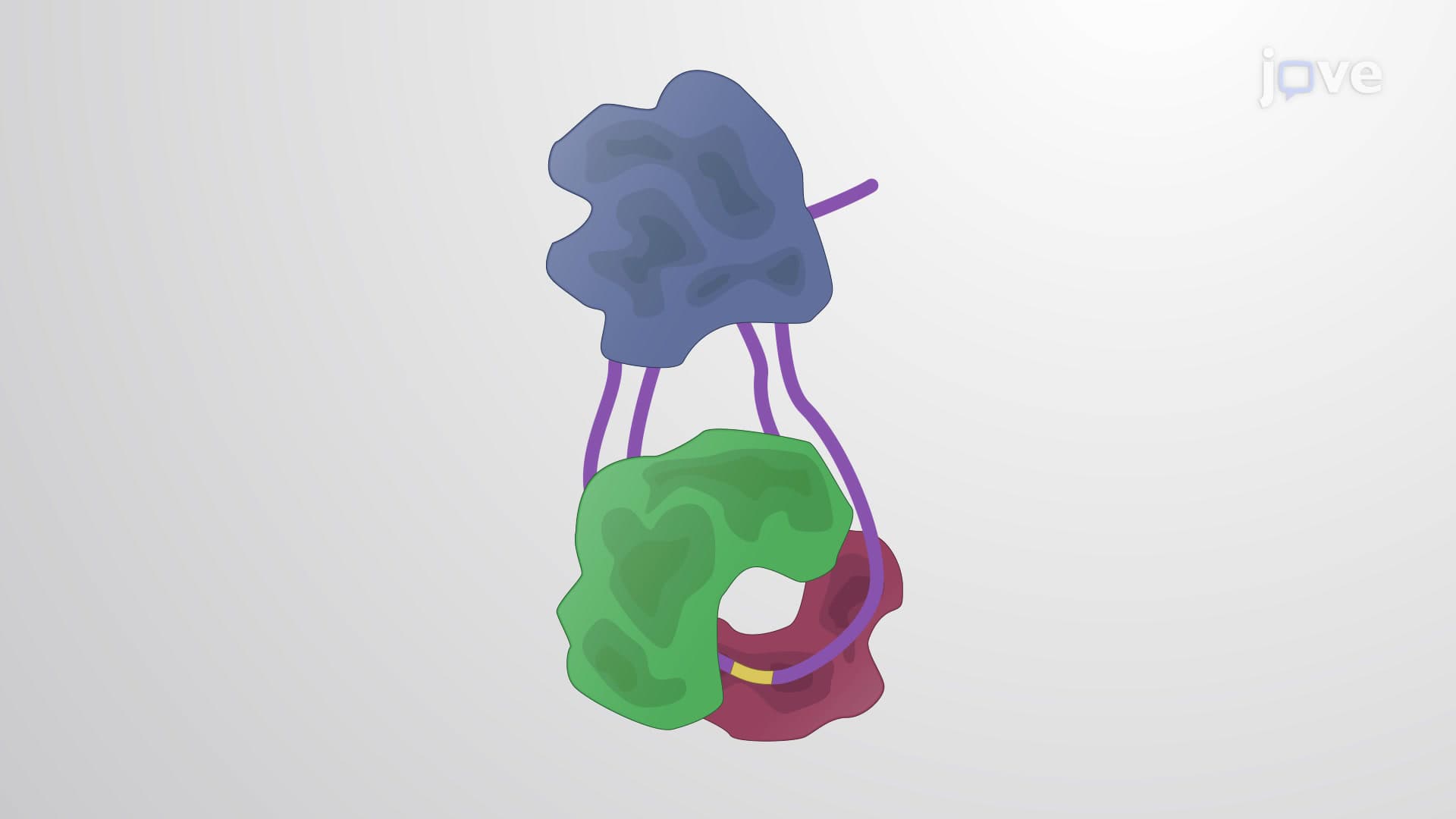
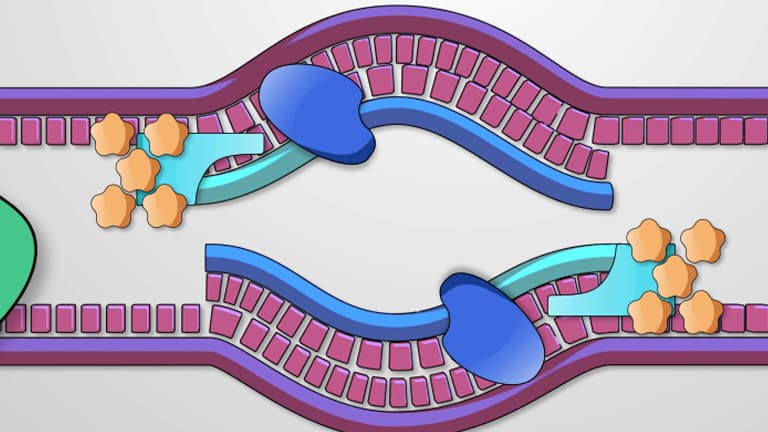
The bacterial replication machinery operates like a precisely coordinated molecular assembly line. DnaA initiator proteins recognize and bind to specific sequences at oriC, causing local DNA unwinding that creates an entry point for the replication machinery. DnaB helicase then unwinds the double helix, creating the characteristic Y-shaped replication fork that progresses bidirectionally around the circular chromosome. This process is fundamental to understanding replication prokaryotes mechanisms tested on exams like the MCAT and AP Biology.
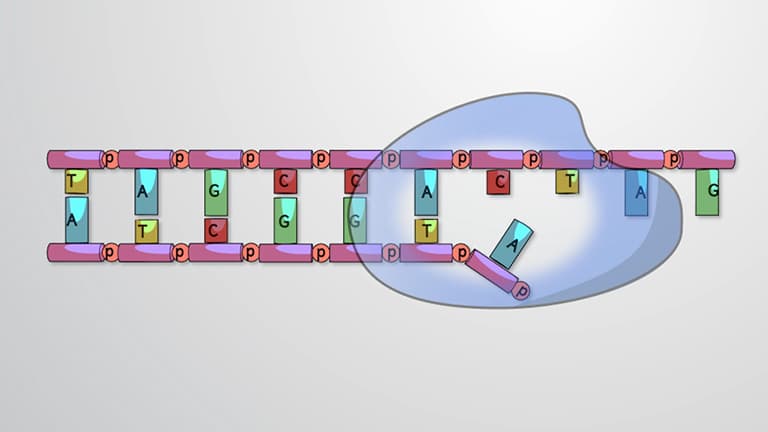
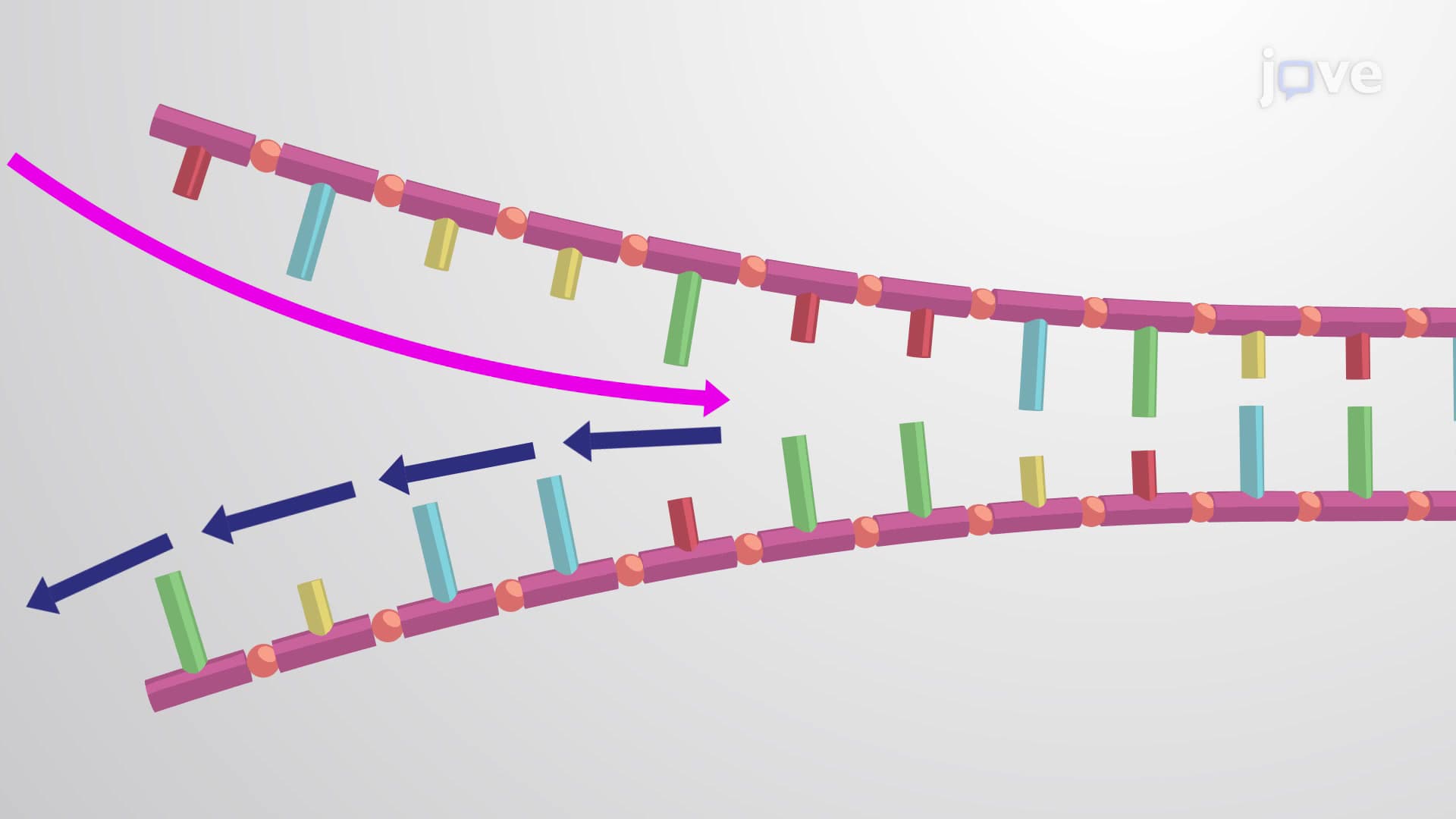
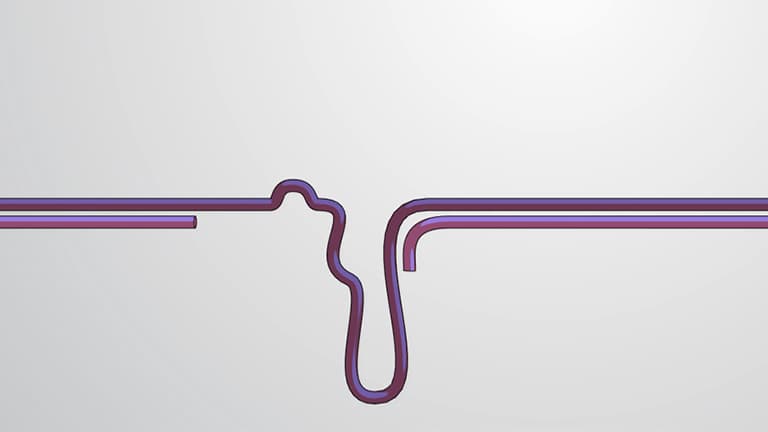
DNA polymerase III, the primary replicative enzyme, synthesizes new DNA strands with extraordinary fidelity. However, it faces a directional challenge: it can only synthesize DNA in the 5' to 3' direction. This constraint leads to asymmetric replication, where the leading strand synthesizes continuously while the lagging strand forms discontinuous segments called Okazaki fragments. DNA ligase subsequently joins these fragments, creating two complete daughter chromosomes.
Clinical Applications and Real-World Impact
Understanding replication in prokaryotes definition and mechanisms has revolutionized medicine and biotechnology. Major pharmaceutical companies like Johnson & Johnson develop antibiotics such as ciprofloxacin that specifically target bacterial DNA gyrase, an essential topoisomerase that relieves supercoiling during replication. This targeted approach allows doctors to treat serious infections like pneumonia and urinary tract infections while minimizing effects on human cells.
In biotechnology, companies like Genentech harness prokaryotic replication machinery for producing therapeutic proteins. By inserting human insulin genes into E. coli, researchers exploit the rapid bacterial replication system to mass-produce insulin for diabetic patients across the United States.
Academic and Exam Applications
Students preparing for standardized tests like the MCAT, AP Biology, or college biochemistry courses must master the sequential steps of prokaryotic replication. Common exam questions focus on enzyme functions, the differences between leading and lagging strand synthesis, and how replication termination occurs. Understanding these concepts also provides the foundation for advanced topics in molecular biology and genetics courses at universities like Stanford and MIT.
Frequently Asked Questions
Replication in prokaryotes is the process by which bacterial cells duplicate their circular chromosomes, starting from a single origin point called oriC. Unlike eukaryotic cells that have multiple origins and complex nuclear organization, prokaryotic replication is simpler, faster, and occurs in the cytoplasm. Bacterial replication completes in about 40 minutes compared to several hours in human cells, making it highly efficient for rapid bacterial growth.
For MCAT success, focus on DNA polymerase III (primary synthesis enzyme), DnaB helicase (unwinds DNA), primase (creates RNA primers), and DNA ligase (joins Okazaki fragments). Understanding their specific functions and the coordination between leading and lagging strand synthesis frequently appears in MCAT biochemistry passages. These enzymes work together in the replisome complex, a concept that often appears in passage-based questions.
AP Biology exams frequently test the molecular mechanisms of DNA replication, particularly the differences between prokaryotic and eukaryotic processes. Students must explain why bacterial replication is bidirectional, how Okazaki fragments form on the lagging strand, and the role of topoisomerases in relieving supercoiling. Free response questions often ask students to analyze experimental data related to bacterial growth and DNA synthesis rates.
Antibiotic development heavily relies on targeting bacterial replication machinery, with drugs like fluoroquinolones inhibiting DNA gyrase and topoisomerase IV enzymes essential for bacterial chromosome replication. Hospitals across the United States use these antibiotics to treat serious infections, while pharmaceutical companies continue developing new drugs that specifically disrupt bacterial replication without affecting human DNA synthesis. This targeted approach minimizes side effects while effectively treating bacterial diseases.
Absolutely not-prokaryotic replication is actually more straightforward than eukaryotic replication due to its simpler organization and single origin of replication. High school students can easily grasp the basic concepts by focusing on the key enzymes and the directional synthesis problem that creates leading and lagging strands. Starting with the overall process before diving into molecular details helps build confidence and understanding.
Create a step-by-step flowchart showing initiation at oriC, helicase unwinding, primer synthesis, and DNA polymerase action on both strands. Practice drawing the replication fork and labeling all major enzymes, then work through past exam problems focusing on experimental scenarios. Many students find success using active recall by explaining the process aloud or teaching it to study partners, which reveals gaps in understanding before exam day.
Build on this foundation by exploring eukaryotic DNA replication, particularly the differences in telomere maintenance and multiple origins of replication. Then advance to DNA repair mechanisms, recombination processes, and gene expression regulation. Understanding bacterial replication also prepares you for studying plasmid biology, genetic engineering techniques, and advanced molecular biology applications in biotechnology and medicine.
Related Micro-courses

16 Concepts

21 Concepts

11 Concepts