Loading subject page…

- Molecular Biology
- DNA Replication
- Mismatch Repair
Micro-course: DNA Replication
424,105 views
Learn key concepts and earn your certificate.
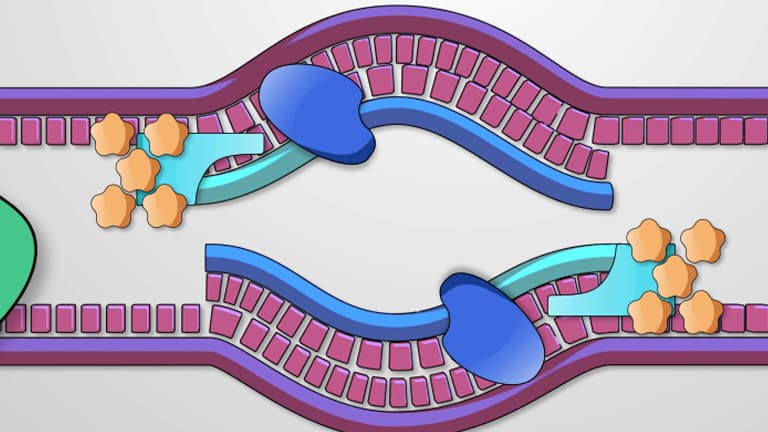


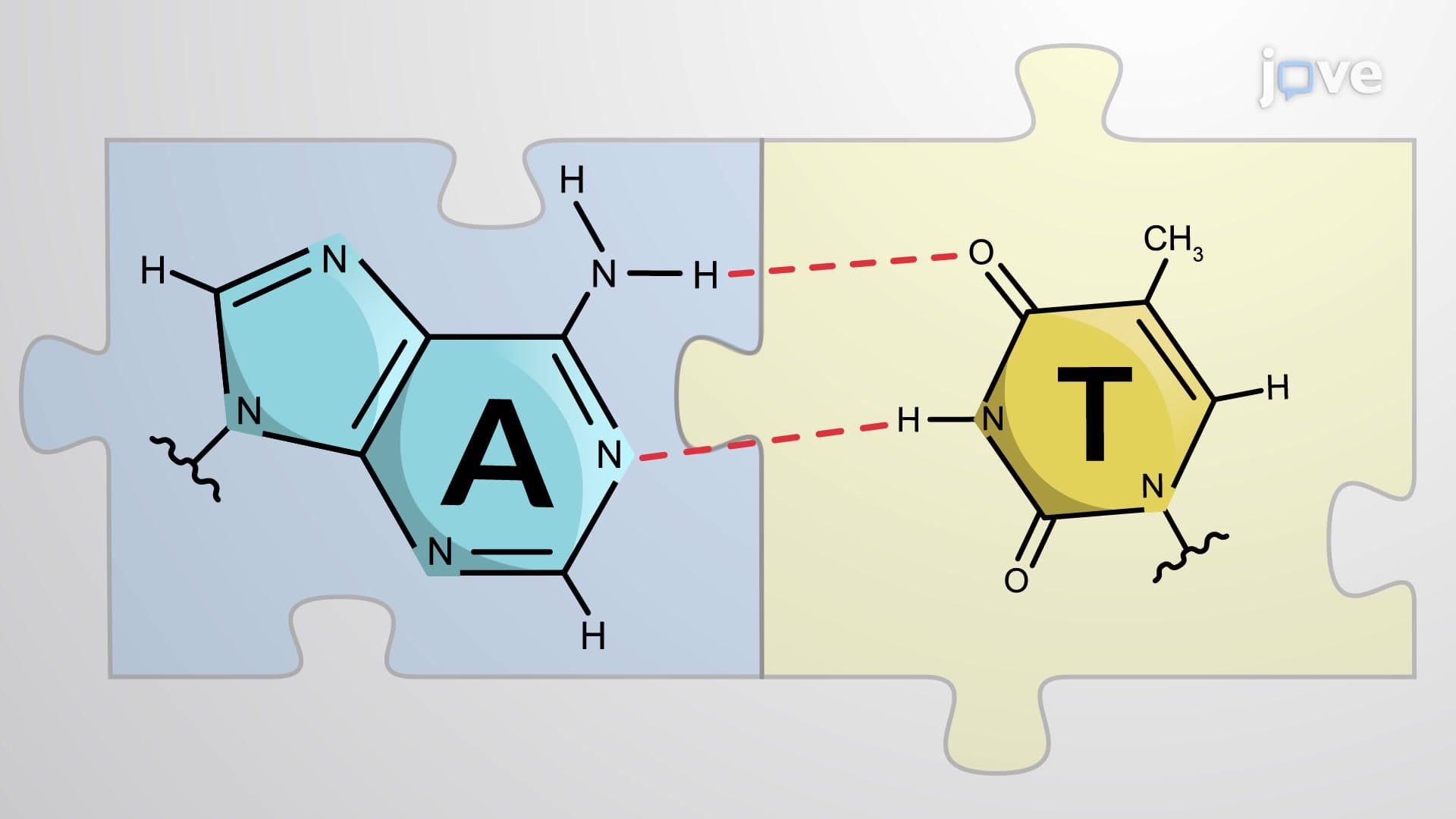

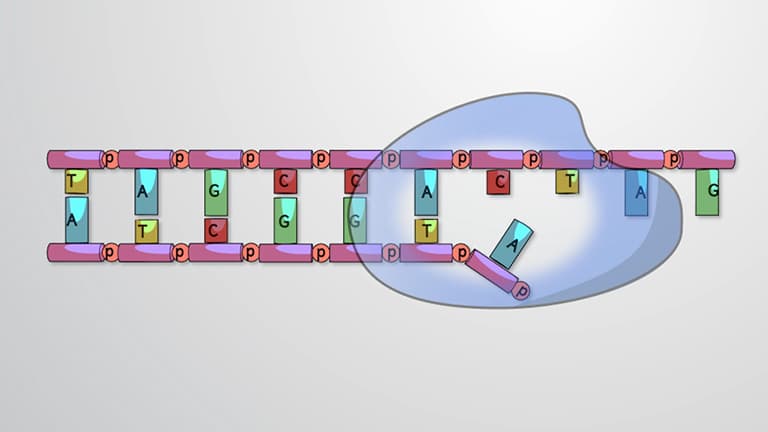
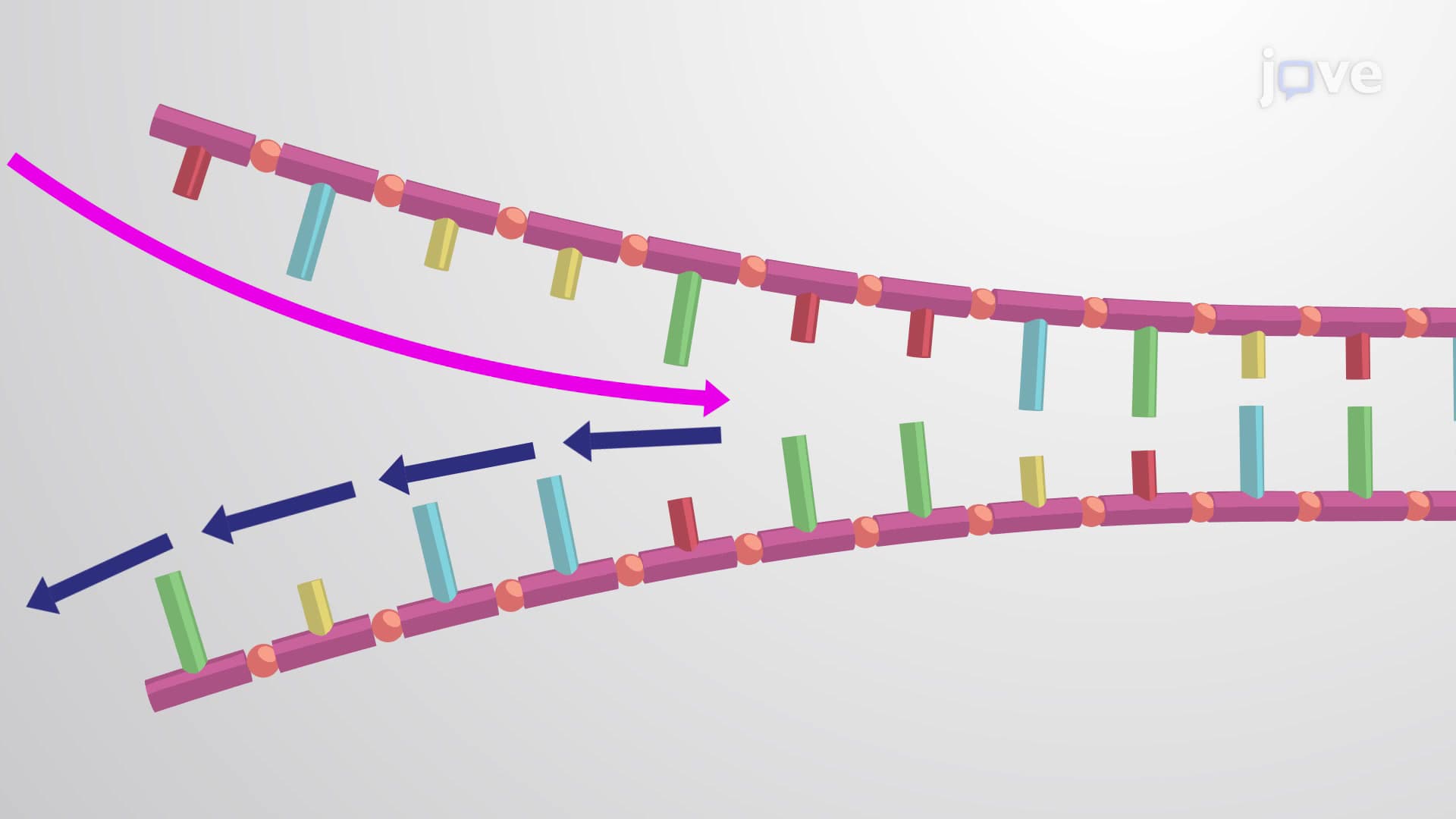

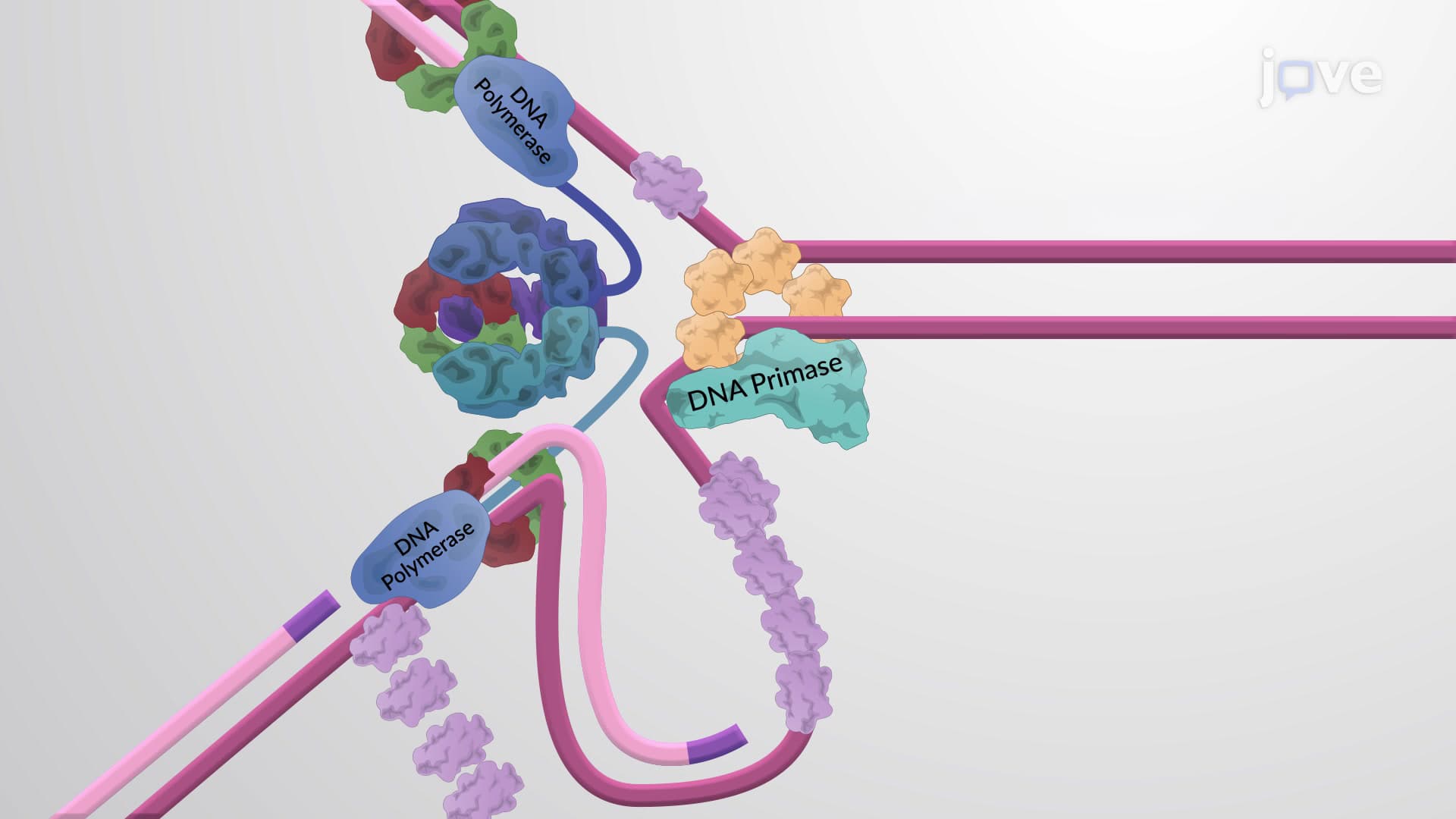
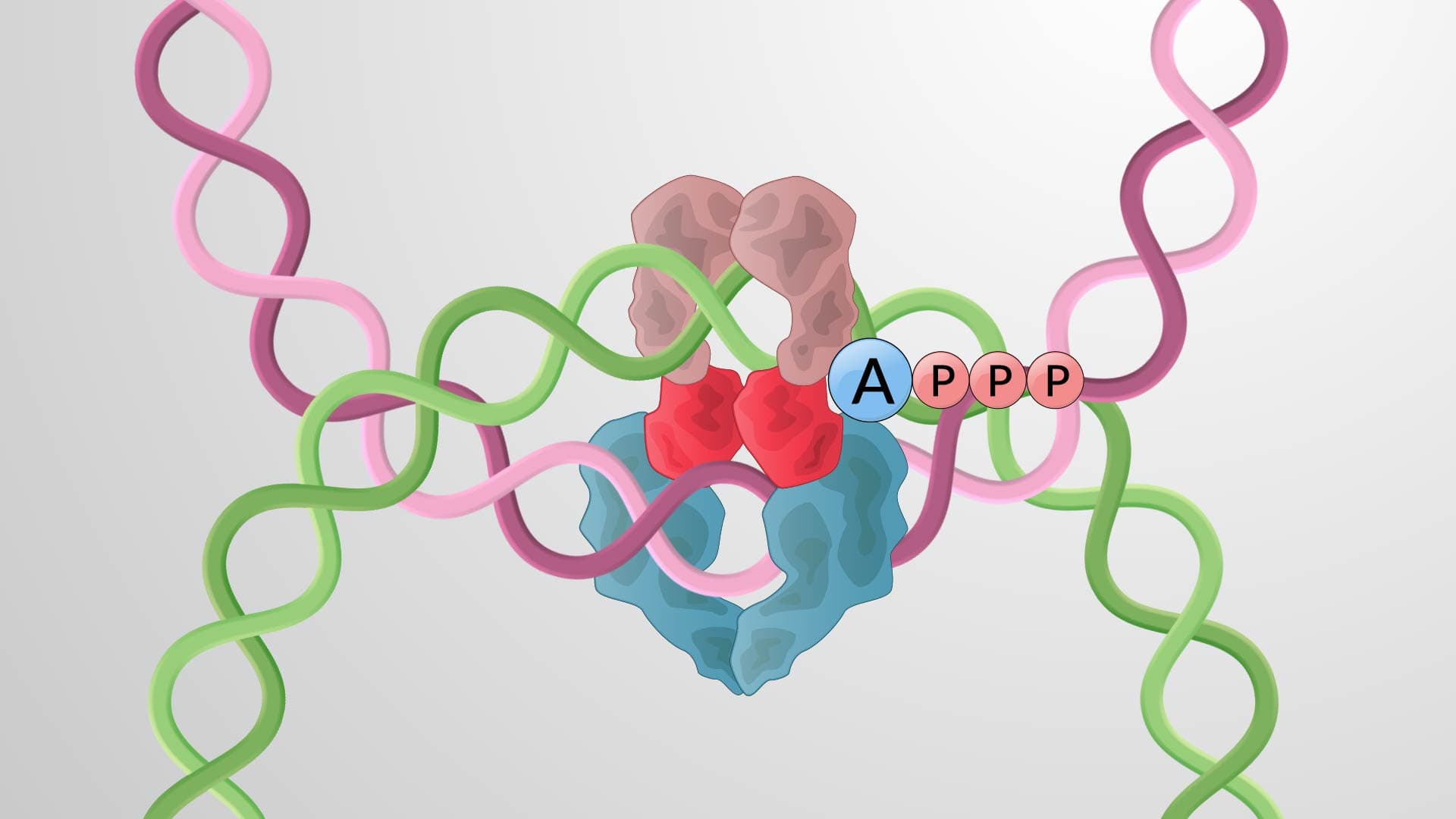
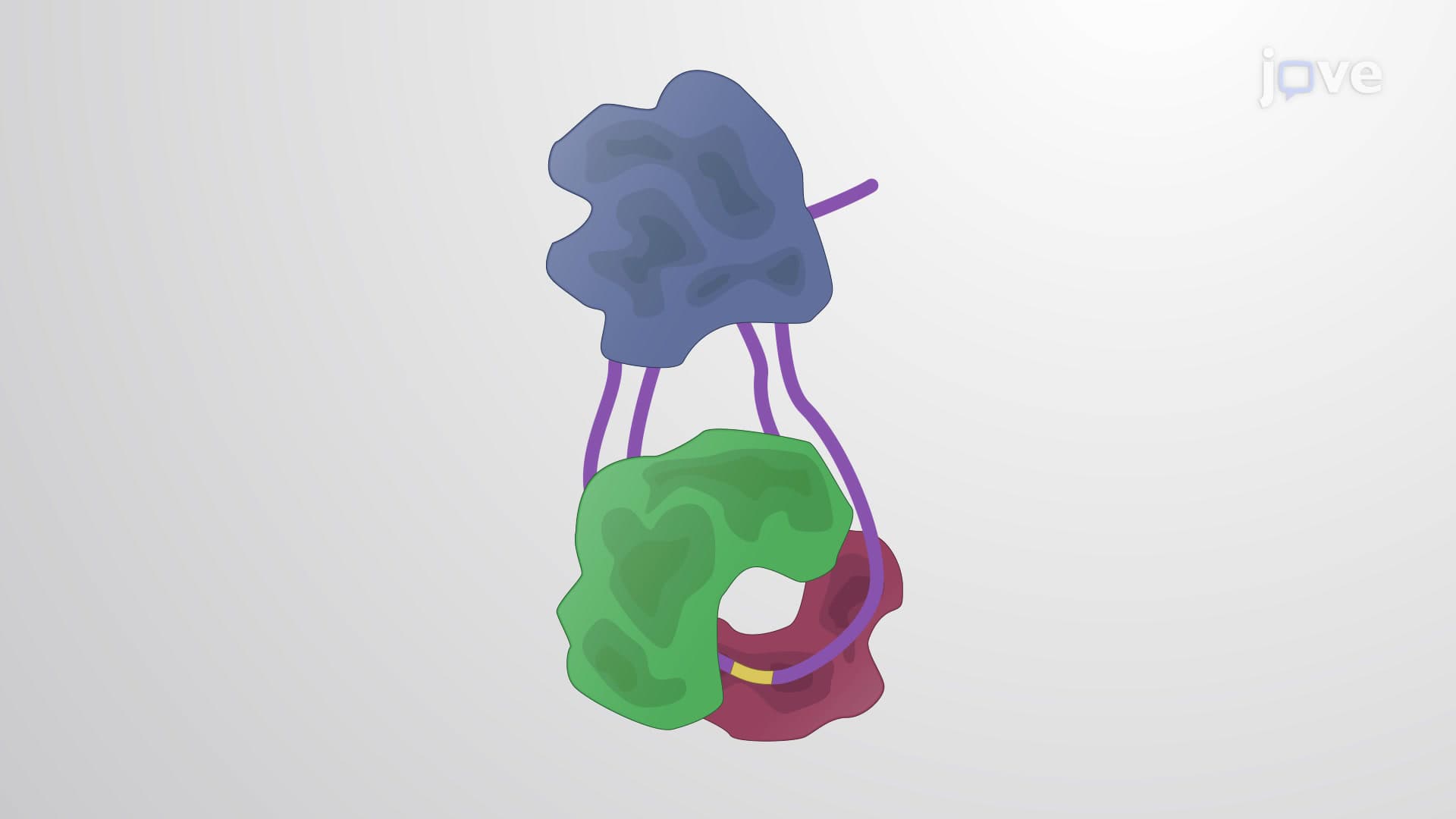
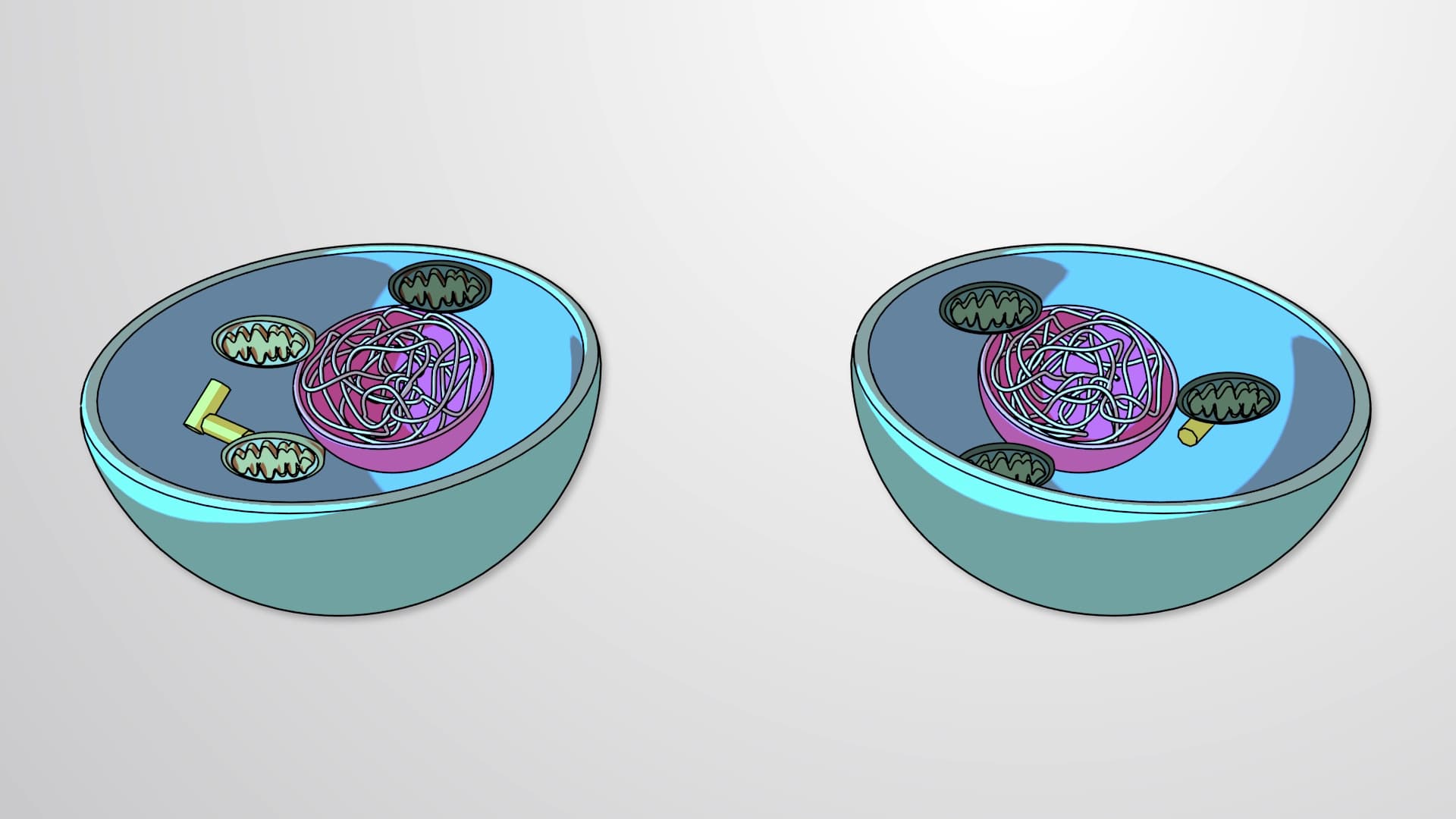


Mismatch Repair

00:00
01:36
Video Summary: What Is Mismatch Repair
Did you know that without mismatch repair, your cells would accumulate over 1,000 times more mutations during DNA replication? Mismatch repair is a sophisticated cellular quality control system that catches and fixes copying errors when DNA duplicates itself. This process is so critical that defects in mismatch repair genes cause Lynch syndrome, affecting 1 in 300 Americans and leading to hereditary colorectal cancer. Watch the full video on JoVE Coach to master this concept with expert-led visuals and step-by-step explanations.
- Understand what is mismatch repair and its essential role in maintaining genomic stability during DNA replication
- Identify the key proteins involved in the mismatch repair pathway, including MutS and MutL homologs
- Analyze how mismatch repair distinguishes between the original DNA strand and the newly synthesized strand containing errors
- Compare the mutation rates in cells with functional versus defective mismatch repair systems
- Evaluate the clinical significance of mismatch repair defects in hereditary cancer syndromes like Lynch syndrome
- Apply knowledge of mismatch repair mechanisms to understand microsatellite instability in cancer diagnosis
- Recognize how mismatch repair status serves as a biomarker for cancer prognosis and treatment decisions
- Explore the connection between molecular genetics research and clinical oncology applications
What is Mismatch Repair: The Cell's Proofreading System
Mismatch repair represents one of the most sophisticated quality control mechanisms in cellular biology. While DNA polymerases are remarkably accurate during replication, they still make approximately one error per 10,000 to 100,000 nucleotides incorporated. Without correction, these errors would accumulate rapidly, leading to genetic instability and disease. The mismatch repair system serves as a critical backup proofreading mechanism that reduces mutation rates by an additional 100- to 1000-fold.
Molecular Mechanism and Key Players
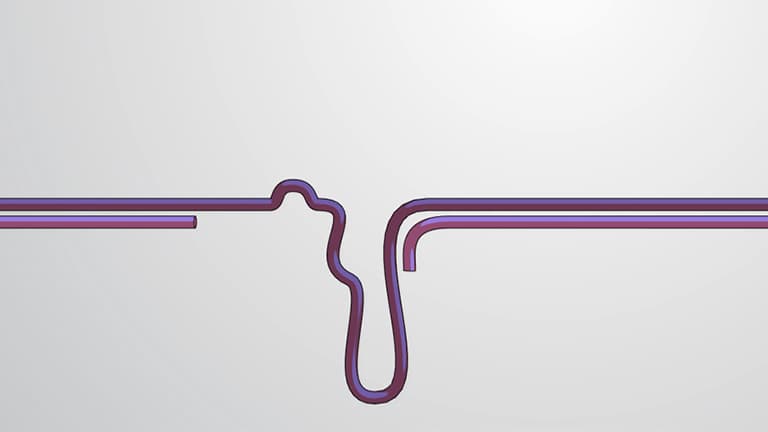
The mismatch repair process involves several coordinated steps orchestrated by specific protein complexes. In humans, the primary recognition proteins are MSH2-MSH6 (MutSα) for base-pair mismatches and small insertion-deletion loops, and MSH2-MSH3 (MutSβ) for larger insertion-deletion loops. These complexes scan newly replicated DNA, identifying distortions in the double helix caused by improper base pairing.
Once a mismatch is detected, the MLH1-PMS2 complex (MutLα) is recruited to coordinate the repair process. The system must solve a critical problem: determining which strand contains the error. In prokaryotes like E. coli, DNA methylation patterns help distinguish the parental strand from the newly synthesized strand. In eukaryotes, the mechanism is more complex and may involve the 3' ends of Okazaki fragments and other replication machinery components.
Clinical Significance in American Healthcare
Mismatch repair deficiency has profound clinical implications, particularly in cancer development. Lynch syndrome, also known as hereditary nonpolyposis colorectal cancer (HNPCC), affects approximately 1 in 300 Americans and accounts for 2-4% of all colorectal cancers. Patients with Lynch syndrome have germline mutations in mismatch repair genes (primarily MLH1, MSH2, MSH6, or PMS2), leading to a 70-80% lifetime risk of colorectal cancer and increased risks for endometrial, ovarian, and other cancers.
Major cancer centers across the United States, including MD Anderson Cancer Center in Texas and Memorial Sloan Kettering in New York, routinely test tumors for mismatch repair status. This testing, known as microsatellite instability (MSI) analysis or immunohistochemistry for mismatch repair proteins, helps guide treatment decisions. Tumors with mismatch repair deficiency often respond well to immune checkpoint inhibitors like pembrolizumab, making this knowledge crucial for personalized cancer therapy.
Exam Relevance and Study Applications
Understanding mismatch repair is essential for success in advanced biology courses and standardized exams. The MCAT frequently includes questions about DNA repair mechanisms, requiring students to analyze scenarios involving mutation rates and cancer predisposition. AP Biology students should focus on the relationship between mismatch repair and genetic stability, while college genetics courses often explore the molecular details of protein interactions and repair pathway coordination.
Frequently Asked Questions
Mismatch repair is a DNA quality control system that fixes copying errors made during DNA replication, reducing mutation rates by 100-1000 times. It's crucial because without this system, cells would accumulate dangerous mutations that could lead to cancer and other genetic diseases. The process involves specialized proteins that recognize, remove, and replace incorrectly paired DNA bases.
The MCAT frequently tests mismatch repair concepts in both biology and biochemistry sections, often connecting DNA repair to cancer biology and genetic inheritance patterns. Students should understand the molecular mechanism, key proteins involved (like MSH2, MLH1), and clinical applications including Lynch syndrome. Practice questions often involve calculating mutation rates and analyzing pedigrees showing hereditary cancer syndromes.
While AP Biology focuses more on general concepts than specific protein names, understanding that mismatch repair involves recognition proteins (like MutS homologs) and repair coordination proteins (like MutL homologs) can help with free-response questions. The exam emphasizes the process's importance for genetic stability rather than memorizing detailed protein interactions.
In American hospitals, patients with Lynch syndrome (caused by mismatch repair gene mutations) develop colorectal cancer at much higher rates because their cells can't fix DNA copying errors effectively. For example, a patient at Johns Hopkins might have hundreds of mutations accumulating in their colon cells over time, eventually leading to cancerous growth when critical genes controlling cell division become damaged.
Not at all! While the molecular details are complex, the basic concept is like having a spell-checker for DNA copying. High school students can easily grasp that cells need proofreading systems to catch and fix mistakes, just like editing a paper. Focus first on understanding why this process is necessary, then gradually learn about the proteins and mechanisms involved.
Create a step-by-step flowchart showing: 1) DNA polymerase makes an error, 2) recognition proteins detect the mismatch, 3) the system identifies which strand to fix, 4) incorrect DNA is removed and replaced. Then connect this to real examples like Lynch syndrome patients, and practice calculating how much mismatch repair reduces mutation rates in different scenarios.
Genetic counselors working with families affected by Lynch syndrome must explain how mismatch repair gene mutations increase cancer risk and influence screening recommendations. Understanding this mechanism helps counselors communicate why family members need earlier and more frequent colonoscopies, and how genetic testing can identify at-risk relatives who haven't yet developed symptoms.
Once comfortable with mismatch repair, explore other DNA repair pathways like base excision repair and nucleotide excision repair to understand how cells handle different types of DNA damage. Then investigate how cancer treatments like chemotherapy exploit repair pathway differences between normal and cancer cells, leading to targeted therapeutic strategies.
Related Micro-courses

16 Concepts

21 Concepts

11 Concepts