Loading subject page…

- Molecular Biology
- Protein Function
- Mechanical Protein Functions
Micro-course: Protein Function
169,800 views
Learn key concepts and earn your certificate.

Mechanical Protein Functions

00:00
01:58
Video Summary: What are Mechanical Protein Functions
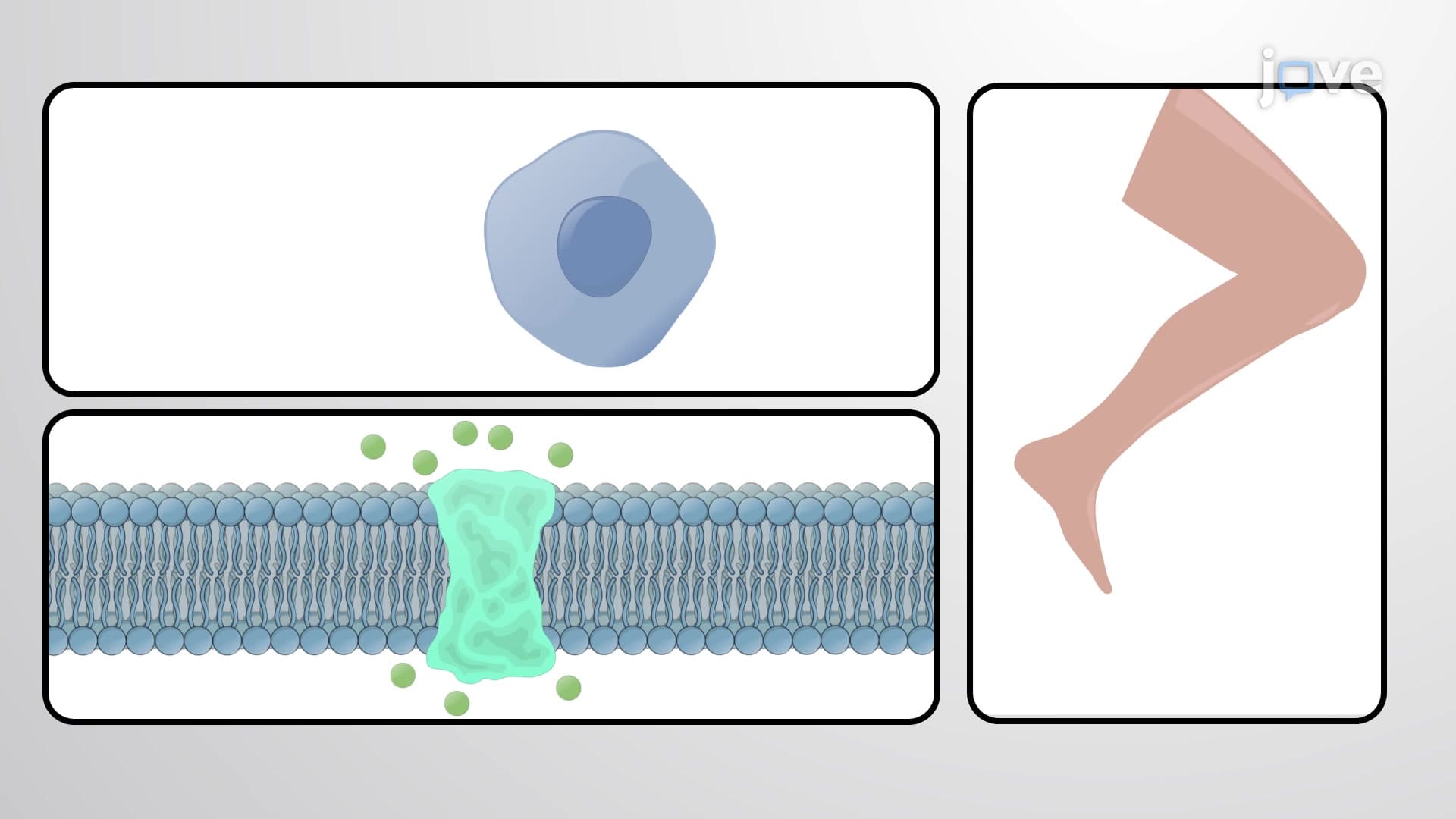
Ever wonder how your bicep muscle can lift 50 pounds using molecular machines smaller than a virus? Mechanical protein functions power everything from the heartbeat of a marathon runner in Boston to the DNA replication happening in your cells right now. These remarkable proteins convert chemical energy into physical movement through structural changes, enabling muscle contraction, cellular transport, and molecular machinery operations. What are Mechanical Protein Functions becomes clear when examining how ATP powers myosin motors in skeletal muscle or how helicases unwind DNA during cell division. Watch the full video on JoVE Coach to master this concept with expert-led visuals and step-by-step explanations.
- Understand what are mechanical protein functions and how they convert chemical energy into mechanical work through conformational changes
- Identify the major types of mechanical protein functions, including motor proteins, transport mechanisms, and molecular machines
- Analyze how ATP and GTP hydrolysis drives protein conformational changes that produce large-scale mechanical movements
- Compare different motor proteins like myosin in muscle contraction versus helicases in DNA replication
- Evaluate the role of mechanical proteins in ribosomal protein synthesis and tRNA transport mechanisms
- Apply knowledge of mechanical protein functions to explain cellular processes like muscle contraction and DNA unwinding
- Recognize the relationship between protein domain structure and mechanical function in biological systems
- Explore how small chemical changes at binding sites amplify into significant mechanical work output
Understanding What are Mechanical Protein Functions
Mechanical protein functions represent one of biology's most elegant engineering solutions-converting chemical energy stored in molecules like ATP and GTP into directed physical movement. Unlike static structural proteins that simply provide support, mechanical proteins actively change shape to perform work, making them the molecular motors that power life itself.
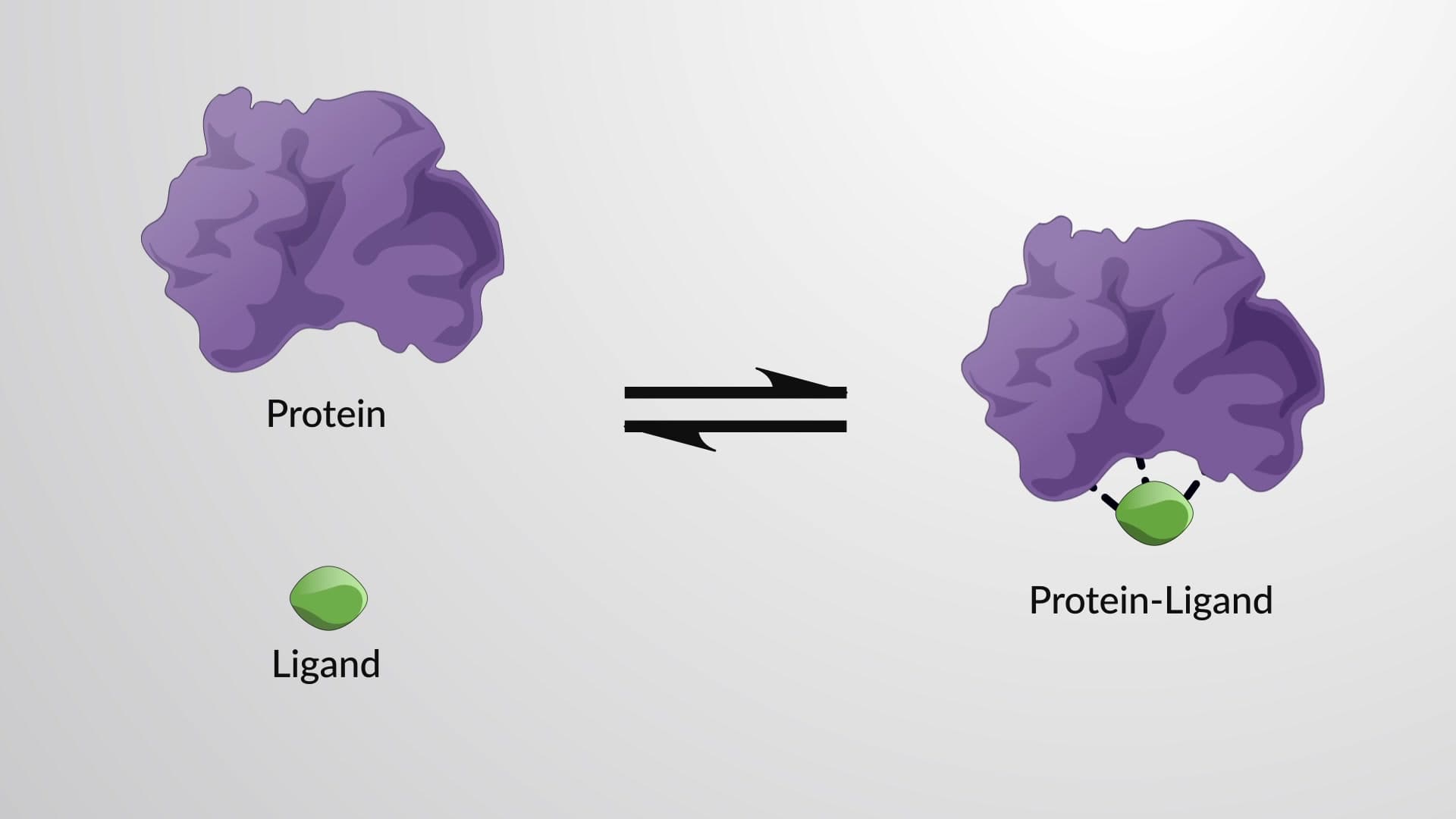
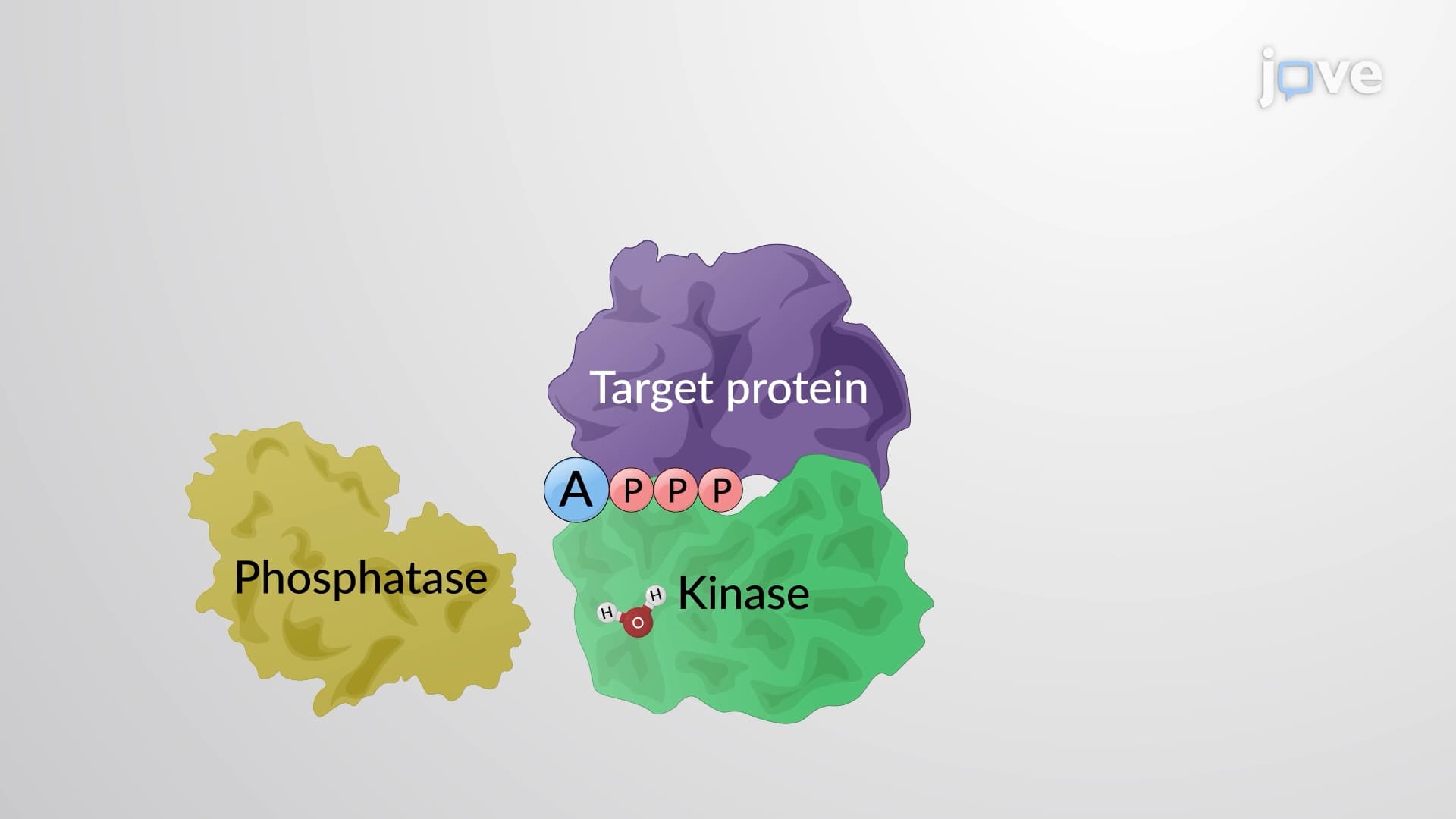
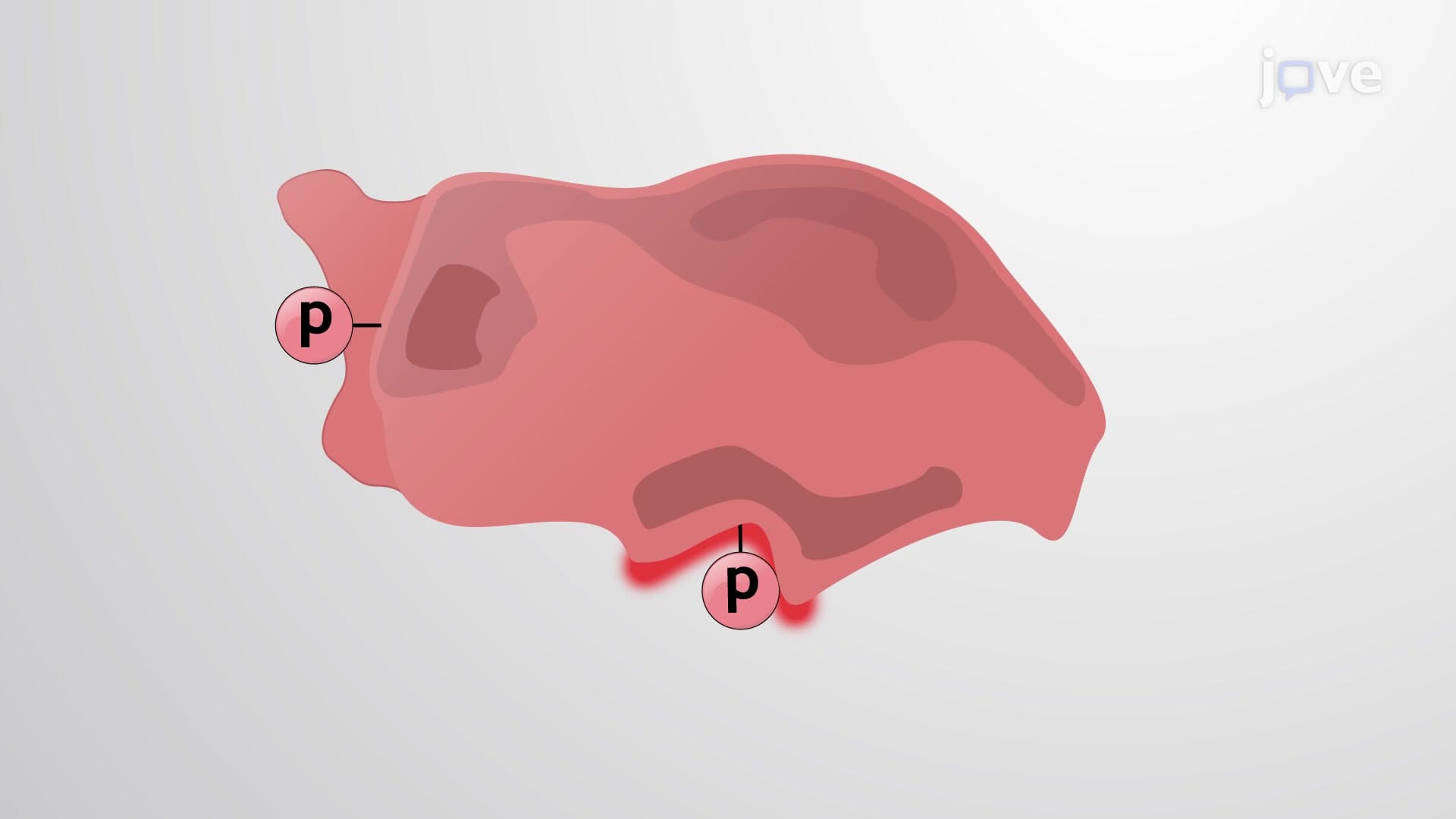
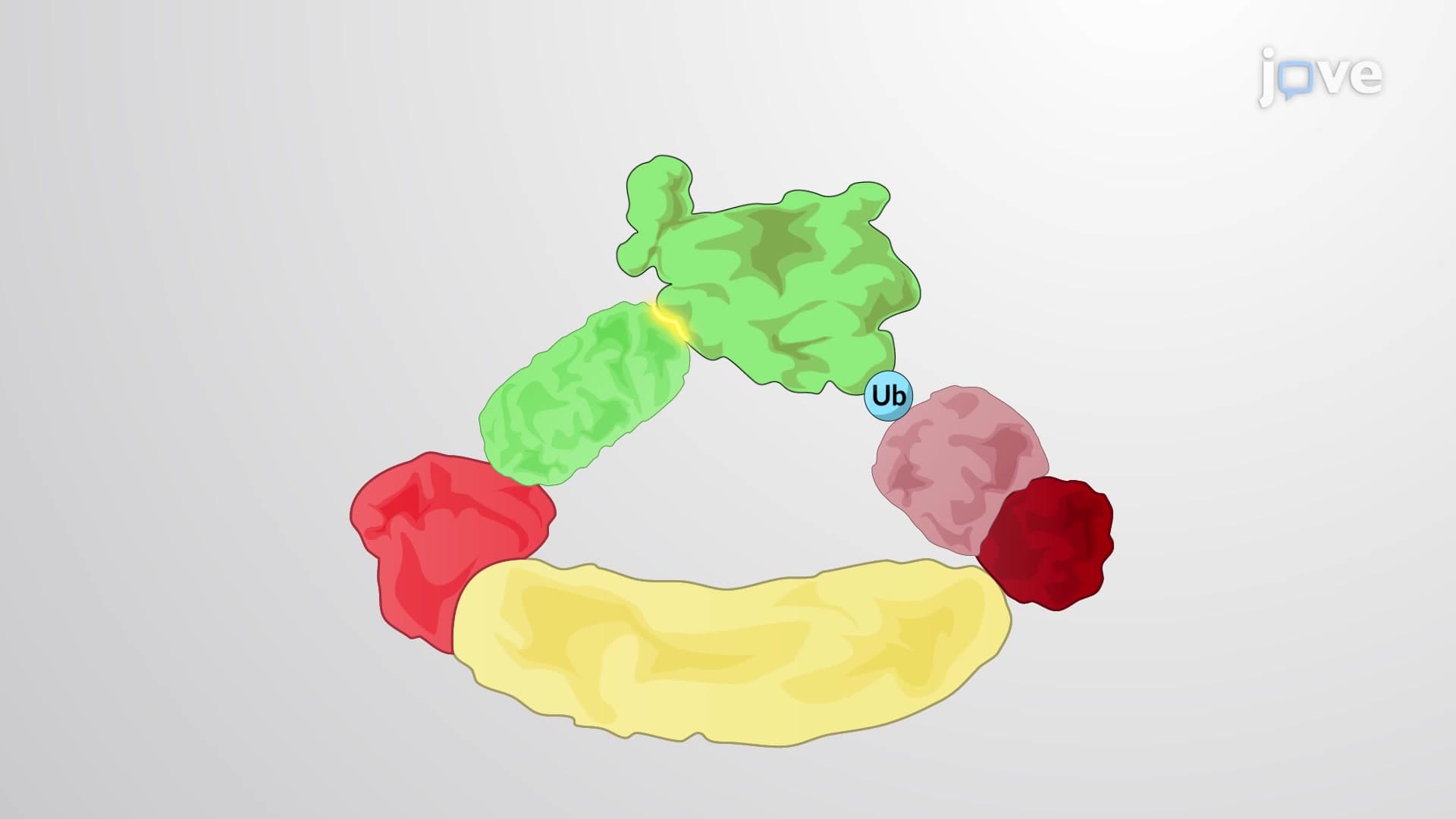
The fundamental principle underlying types of mechanical protein functions involves conformational changes triggered by chemical reactions. When ATP binds to a motor protein and subsequently hydrolyzes, the release of energy causes specific protein domains to shift position. These seemingly small structural changes amplify into large-scale movements through lever-like mechanisms, similar to how a small movement at a crowbar's fulcrum generates significant force at its tip.
Motor Proteins and Muscle Contraction
The most familiar example of mechanical protein functions occurs in human skeletal muscle, where myosin proteins act as molecular motors. During muscle contraction, myosin heads bind to actin filaments, hydrolyze ATP, and undergo a power stroke that pulls the actin filament toward the center of the muscle fiber. This process, repeated millions of times across a muscle, generates the force needed for everything from a pitcher throwing a 95-mph fastball to a surgeon performing delicate microsurgery.
Understanding this mechanism proves crucial for AP Biology students and pre-med students preparing for the MCAT, as questions frequently test the relationship between ATP hydrolysis and muscle function. The myosin-actin interaction also illustrates key biochemistry principles tested in college-level courses like organic chemistry and cell biology.
DNA Processing and Molecular Machines
Beyond muscle function, mechanical protein functions overview must include the sophisticated machinery involved in DNA replication and transcription. Helicases exemplify how mechanical proteins overcome molecular obstacles-these enzymes use ATP energy to break hydrogen bonds between DNA base pairs, literally unwinding the double helix as they move along the strand.
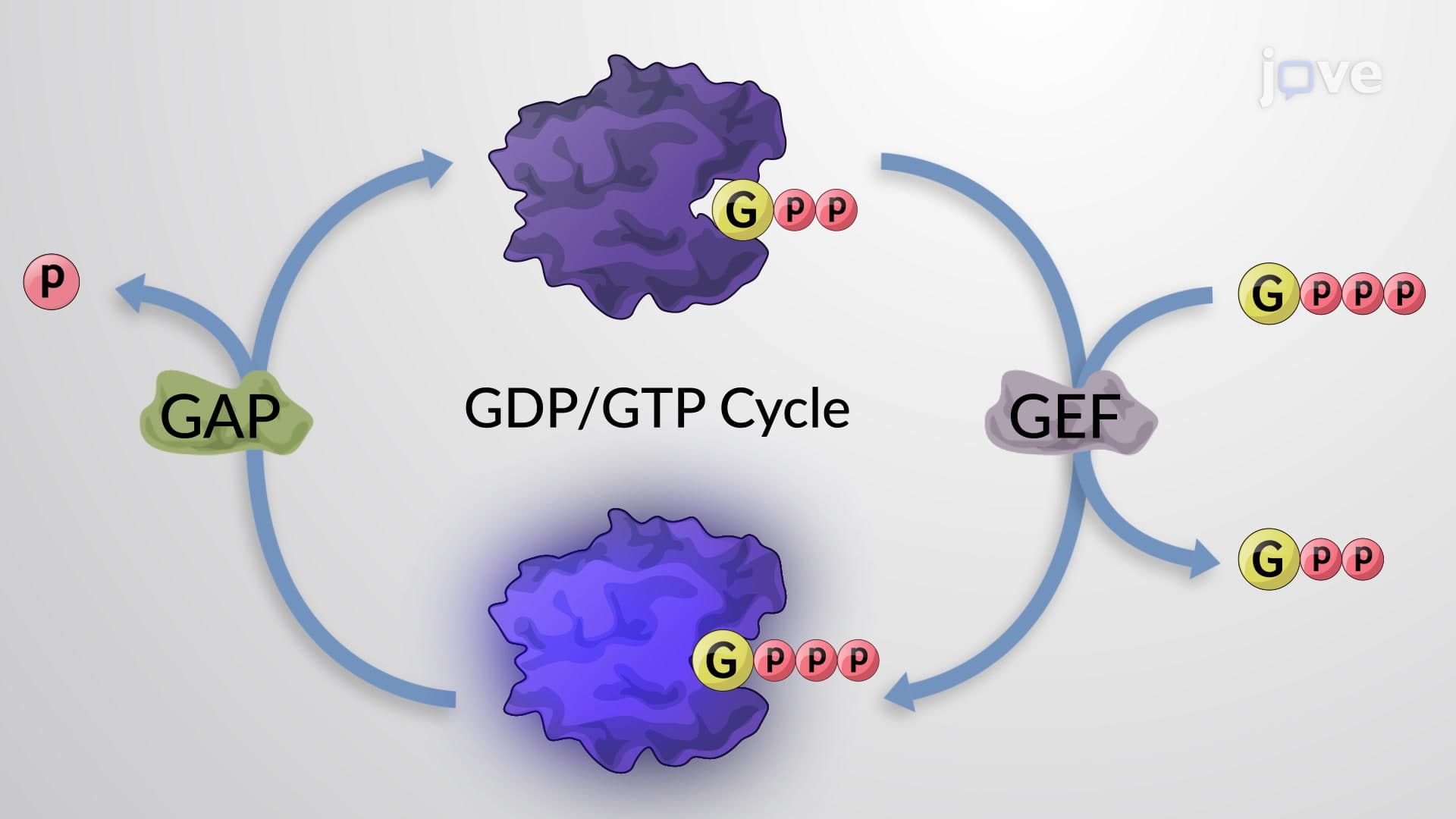
The ribosome represents perhaps the most complex example of mechanical proteins working in concert. During protein synthesis, elongation factor EF-Tu uses GTP hydrolysis to deliver tRNA molecules to the ribosome. The conformational change following GTP hydrolysis causes EF-Tu to release its tRNA cargo, allowing the ribosome to incorporate the correct amino acid into the growing protein chain. This process, essential for all protein production, demonstrates how mechanical protein functions enable the central dogma of molecular biology.
Clinical and Research Applications
Medical professionals regularly encounter mechanical protein functions in clinical practice. Cardiac medications like digitalis work by affecting the mechanical function of heart muscle proteins, while understanding motor protein dysfunction helps explain neurodegenerative diseases like ALS, where motor neurons controlling skeletal muscle gradually fail.
Frequently Asked Questions
Mechanical protein functions are the ways proteins convert chemical energy into physical movement and work. These proteins change their shape when chemical reactions occur (like ATP breaking down), and these shape changes create movement that powers muscle contraction, moves molecules around cells, and drives essential biological processes like DNA replication.
The primary types include motor proteins (like myosin in muscles), transport proteins that move molecules across cell membranes, helicases that unwind DNA, and protein synthesis machinery like ribosomes. Each type uses chemical energy to create specific movements that accomplish different cellular tasks.
AP Biology frequently tests muscle contraction mechanisms, ATP's role in powering protein movement, and how motor proteins function during cell division. Expect questions about myosin-actin interactions, the role of ATP in active transport, and how mechanical proteins enable DNA replication during mitosis.
Absolutely-MCAT biology and biochemistry sections heavily emphasize protein structure-function relationships, muscle physiology, and cellular processes. Understanding how ATP powers conformational changes in proteins is fundamental for questions about metabolism, muscle contraction, and molecular biology mechanisms.
Many diseases involve mechanical protein dysfunction-muscular dystrophy affects muscle motor proteins, heart failure can involve cardiac muscle protein problems, and some cancers involve errors in the mechanical proteins that control cell division. Understanding these mechanisms helps explain both normal physiology and disease processes.
Not at all-while the underlying biochemistry is complex, the basic concepts are accessible to high school students. Focus on understanding that proteins change shape when they interact with energy molecules like ATP, and these shape changes create movement and force.
Create visual diagrams showing before-and-after protein shapes during ATP hydrolysis, practice drawing muscle contraction cycles, and connect each mechanical function to its energy source. Focus on understanding the cause-and-effect relationship between chemical energy input and mechanical work output.
Explore enzyme kinetics to understand how proteins control reaction rates, study cell signaling to see how mechanical proteins respond to cellular signals, and investigate metabolism to understand how cells generate the ATP that powers mechanical proteins.
Related Micro-courses

20 Concepts

16 Concepts

16 Concepts