Loading subject page…


234,000 views

Video Summary: What are Amyloid Fibrils
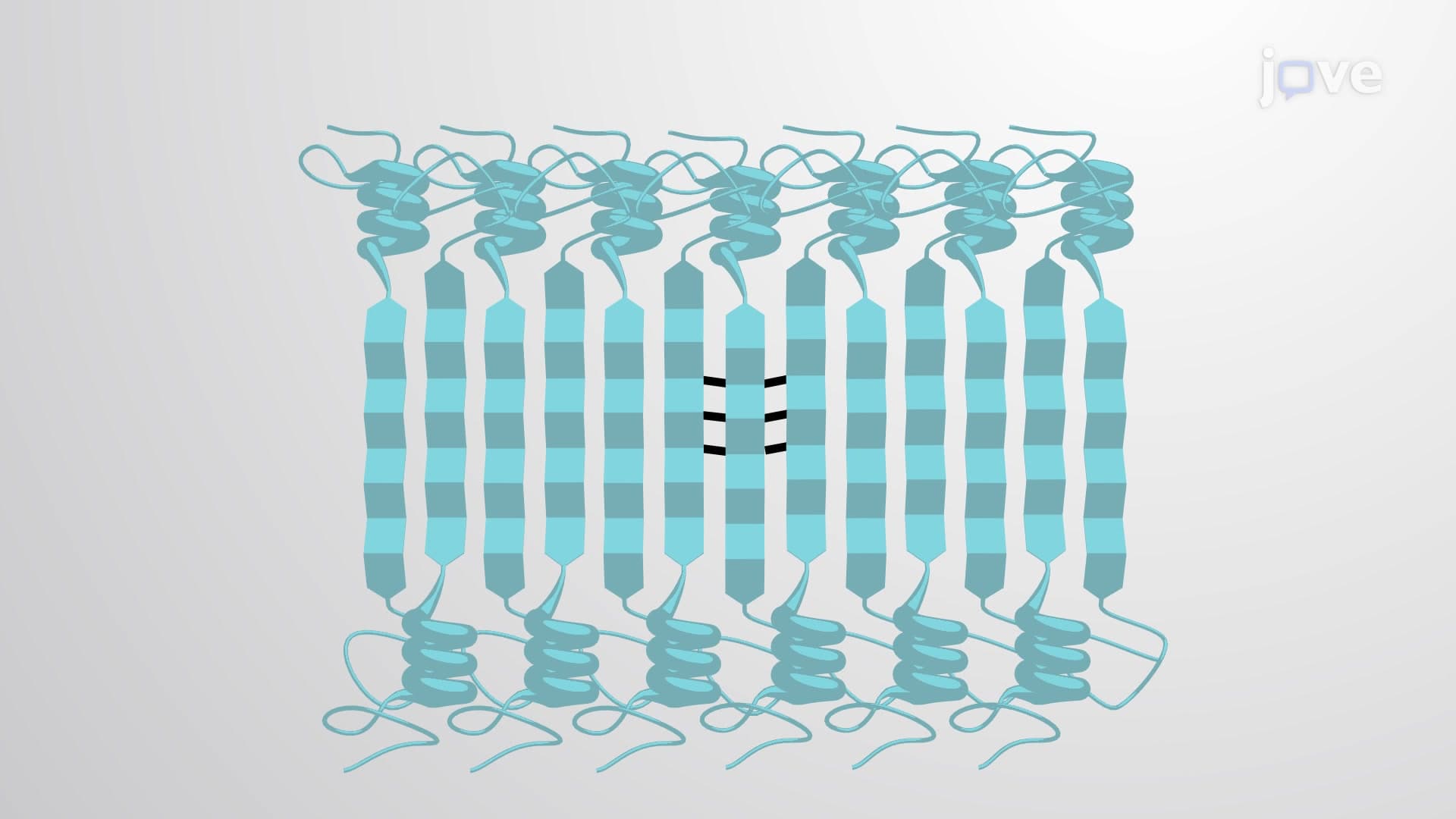
Did you know that the protein plaques found in Alzheimer's disease patients' brains are made of the same basic structure as protective films used by bacteria? Amyloid fibrils are protein aggregates formed when normally folded proteins misfold and stack together in cross-beta sheet formations. These structures play crucial roles in neurodegenerative diseases affecting millions of Americans, including Alzheimer's and Parkinson's disease. Watch the full video on JoVE Coach to master this concept with expert-led visuals and step-by-step explanations.
Amyloid fibrils represent one of biology's most fascinating examples of how protein structure determines function-and dysfunction. These elongated protein aggregates form when cellular quality control mechanisms fail, leading to devastating consequences in human health. For students preparing for AP Biology or college biochemistry courses, mastering amyloid fibril concepts provides essential insight into protein folding diseases that affect millions of Americans.
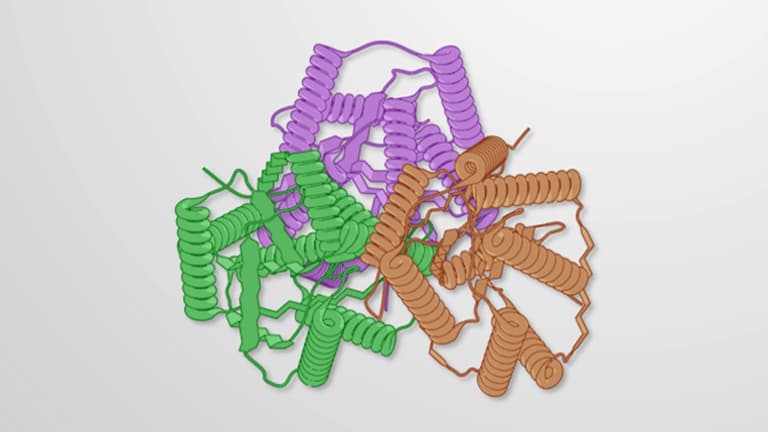
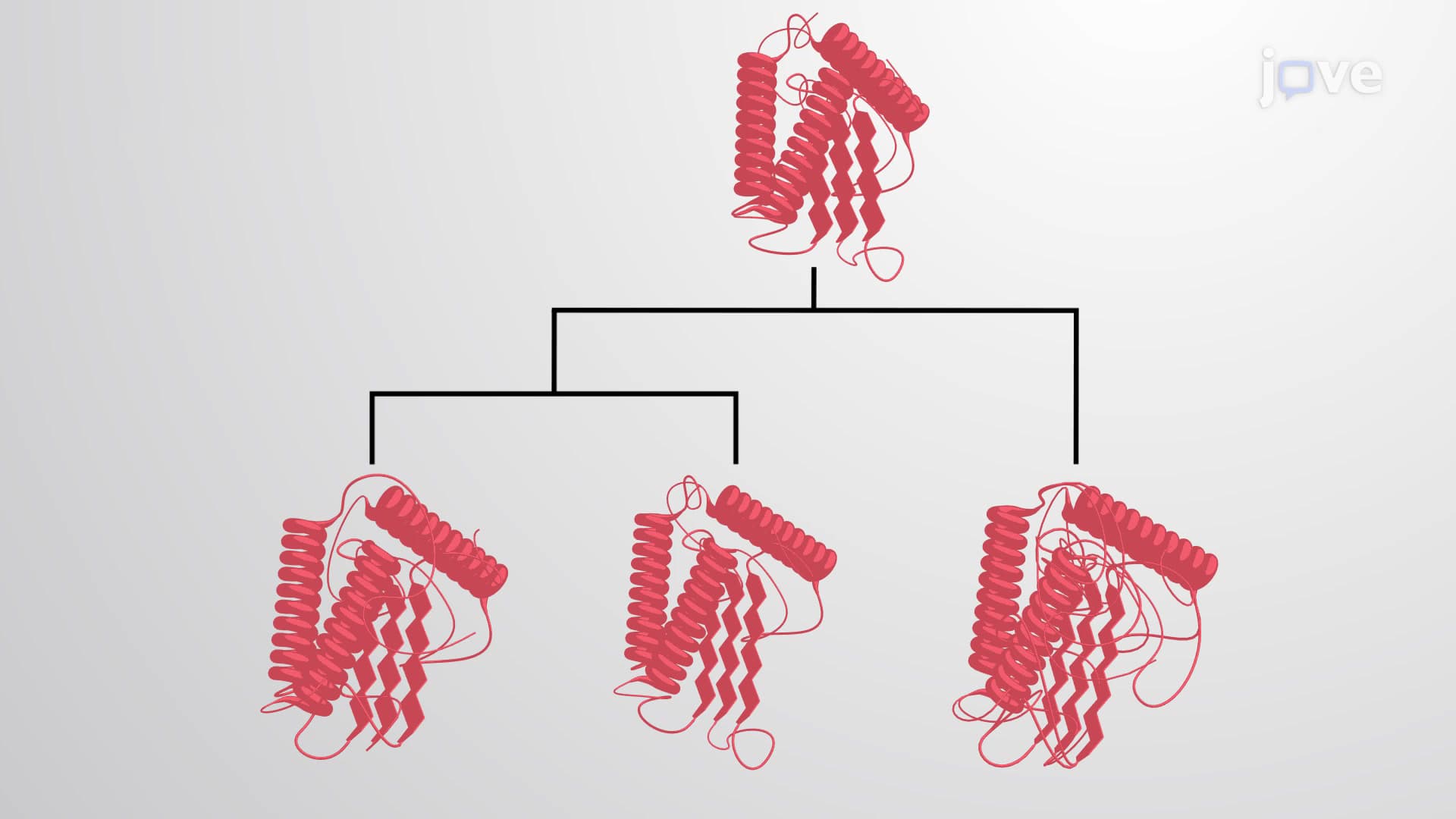
The journey from normal protein to amyloid fibril begins with misfolding events. Under normal conditions, proteins fold into thermodynamically stable structures with hydrophobic residues buried inside and hydrophilic amino acids exposed to the aqueous environment. However, when cellular chaperones malfunction due to aging or genetic mutations, proteins can adopt alternative conformations that expose normally buried hydrophobic segments.
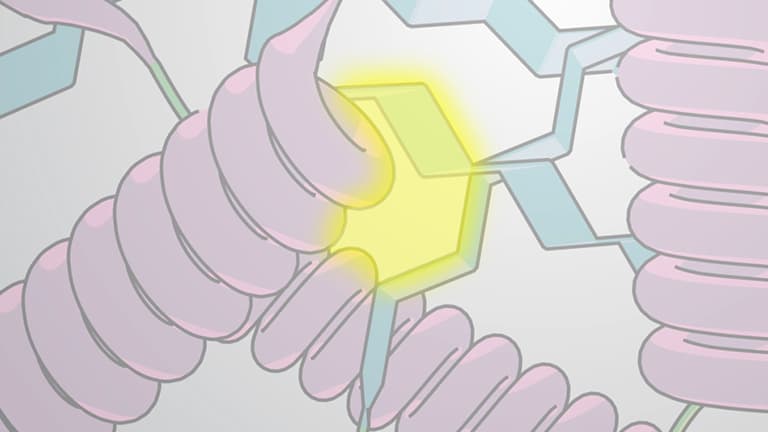
These exposed regions become nucleation sites for aggregation. Critical to amyloid formation is the conversion of alpha-helical regions into beta-sheet structures. Multiple misfolded proteins align their beta-sheets through hydrogen bonding, creating stacked arrangements perpendicular to the fibril axis. This cross-beta structure, detectable through X-ray crystallography techniques taught in advanced chemistry courses, represents the hallmark of all amyloid fibrils regardless of their originating protein.
Amyloid fibril accumulation underlies several major health challenges in the United States. Alzheimer's disease, affecting over 6 million Americans, involves amyloid-beta peptide aggregation in brain tissue. Students preparing for the MCAT will encounter these concepts when studying neurodegenerative pathology. Similarly, Parkinson's disease involves alpha-synuclein protein aggregation, while type 2 diabetes features islet amyloid polypeptide deposits in pancreatic cells.
Prion diseases represent particularly striking examples of amyloid pathology. The prion protein (PrP) demonstrates how conformational changes can become infectious-misfolded PrP converts normal PrP molecules into the pathogenic form through direct protein-protein interactions. This mechanism explains cases like Creutzfeldt-Jakob disease in humans and bovine spongiform encephalopathy (mad cow disease), which impacted US beef production in the 1990s.
Understanding amyloid fibril formation has revolutionized drug development strategies. Pharmaceutical companies are developing compounds that either prevent initial misfolding events or disrupt existing fibril structures. The discovery that some organisms use amyloid-like structures beneficially-such as bacterial biofilm formation or protein storage in secretory vesicles-suggests that targeted therapies might selectively eliminate pathogenic while preserving functional amyloid structures.
Related Micro-courses