Loading subject page…

- Molecular Biology
- Protein Structure
- Intrinsically Disordered Proteins
Micro-course: Protein Structure
234,000 views
Learn key concepts and earn your certificate.

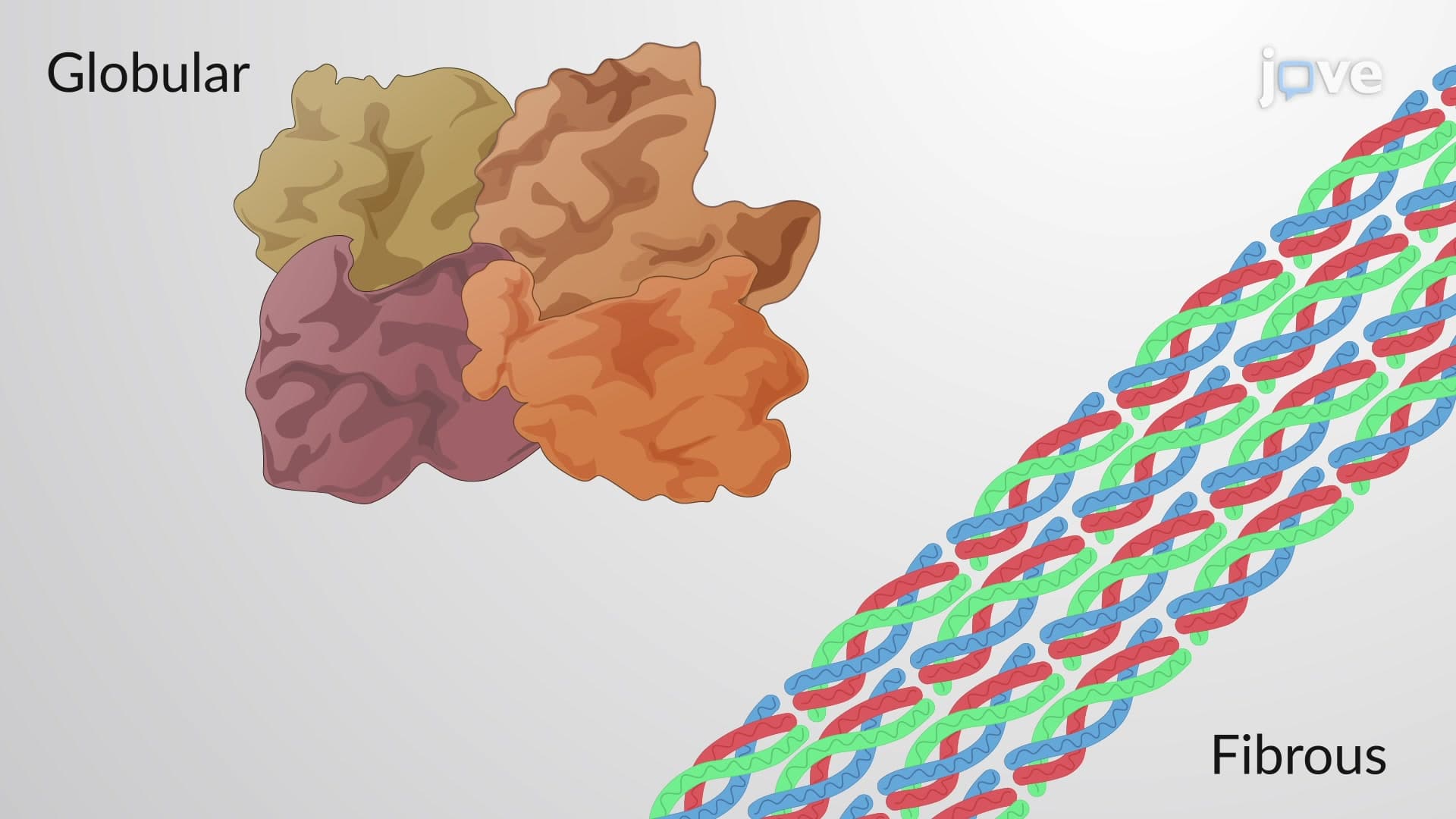
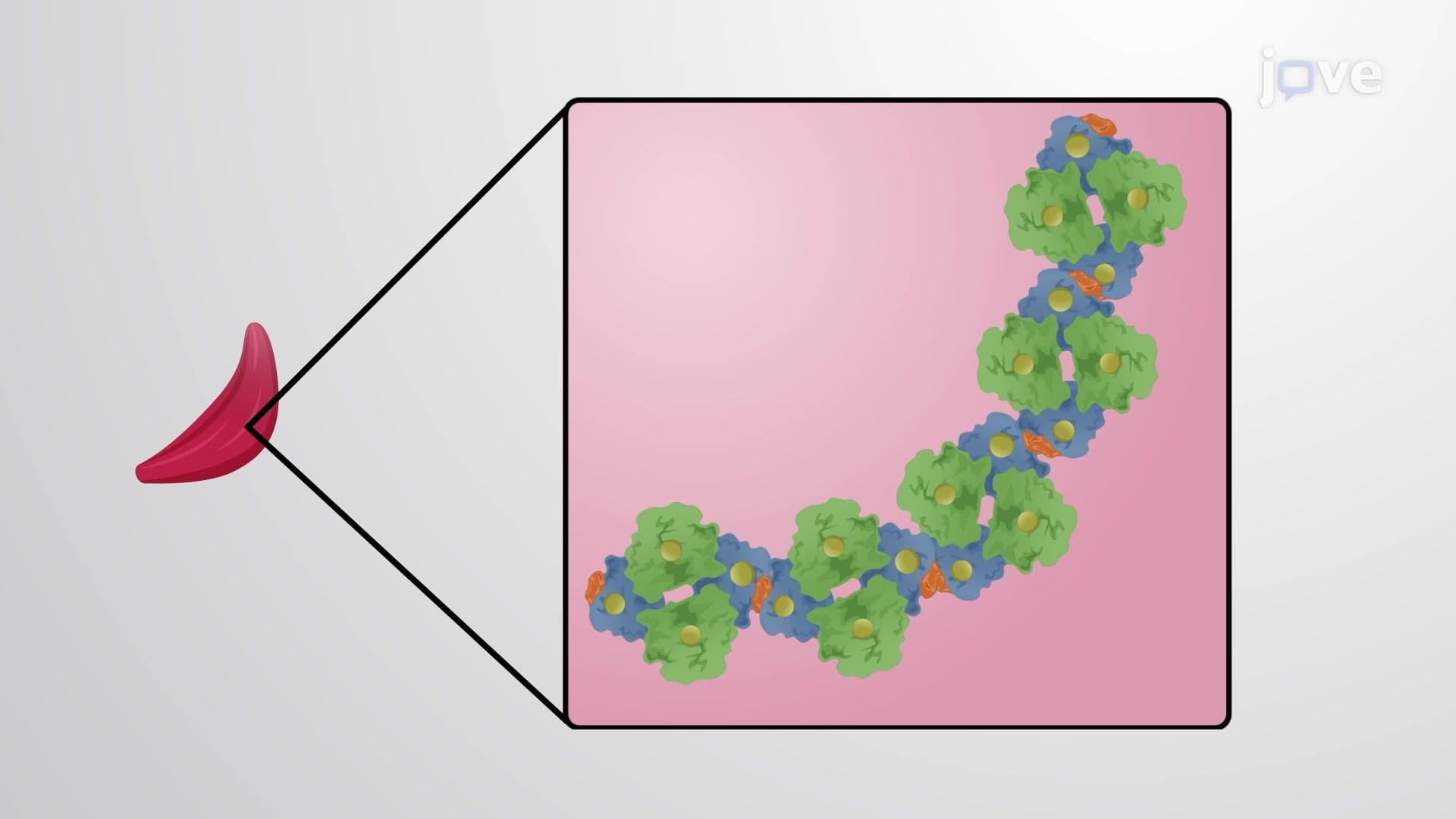
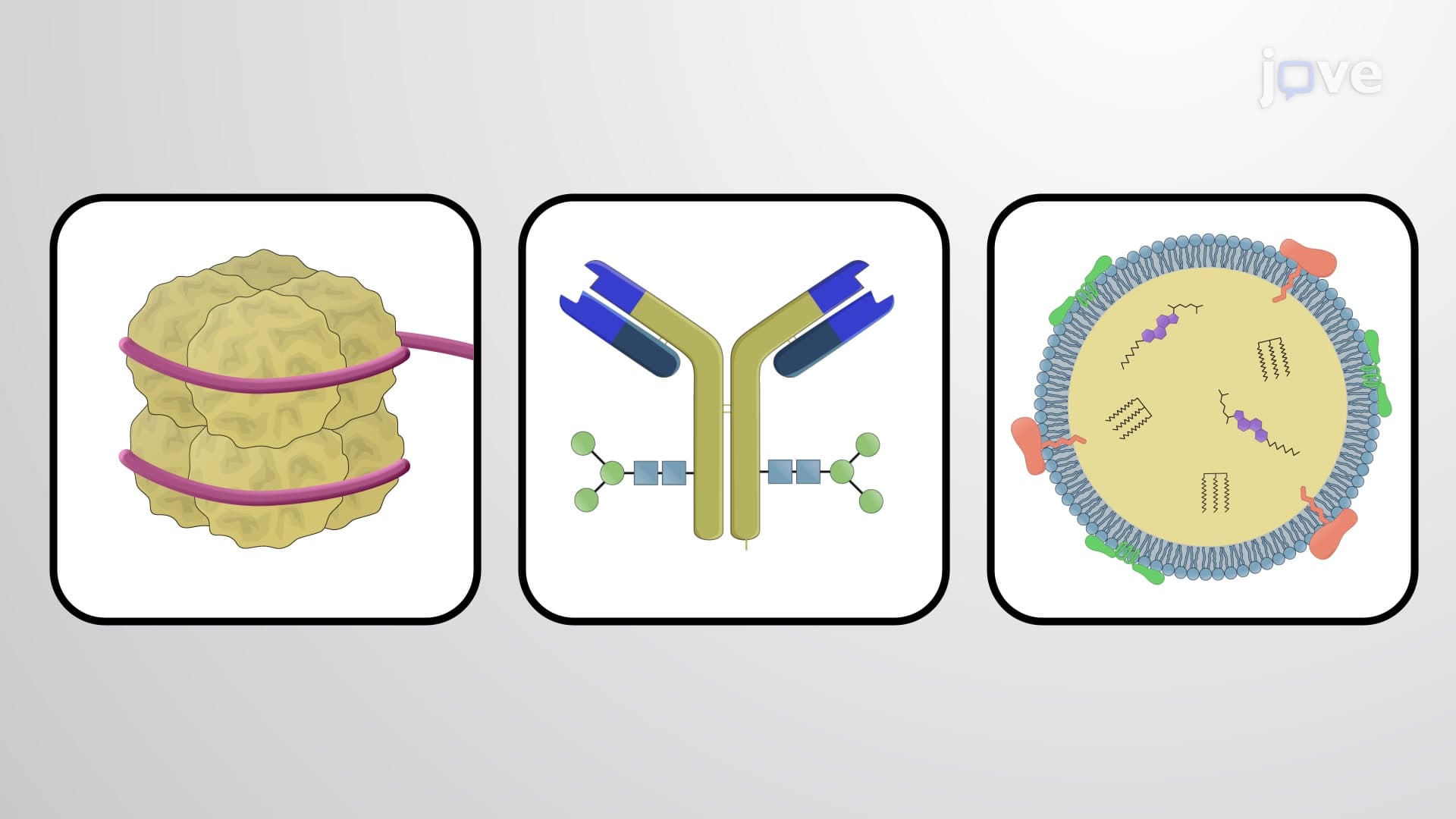
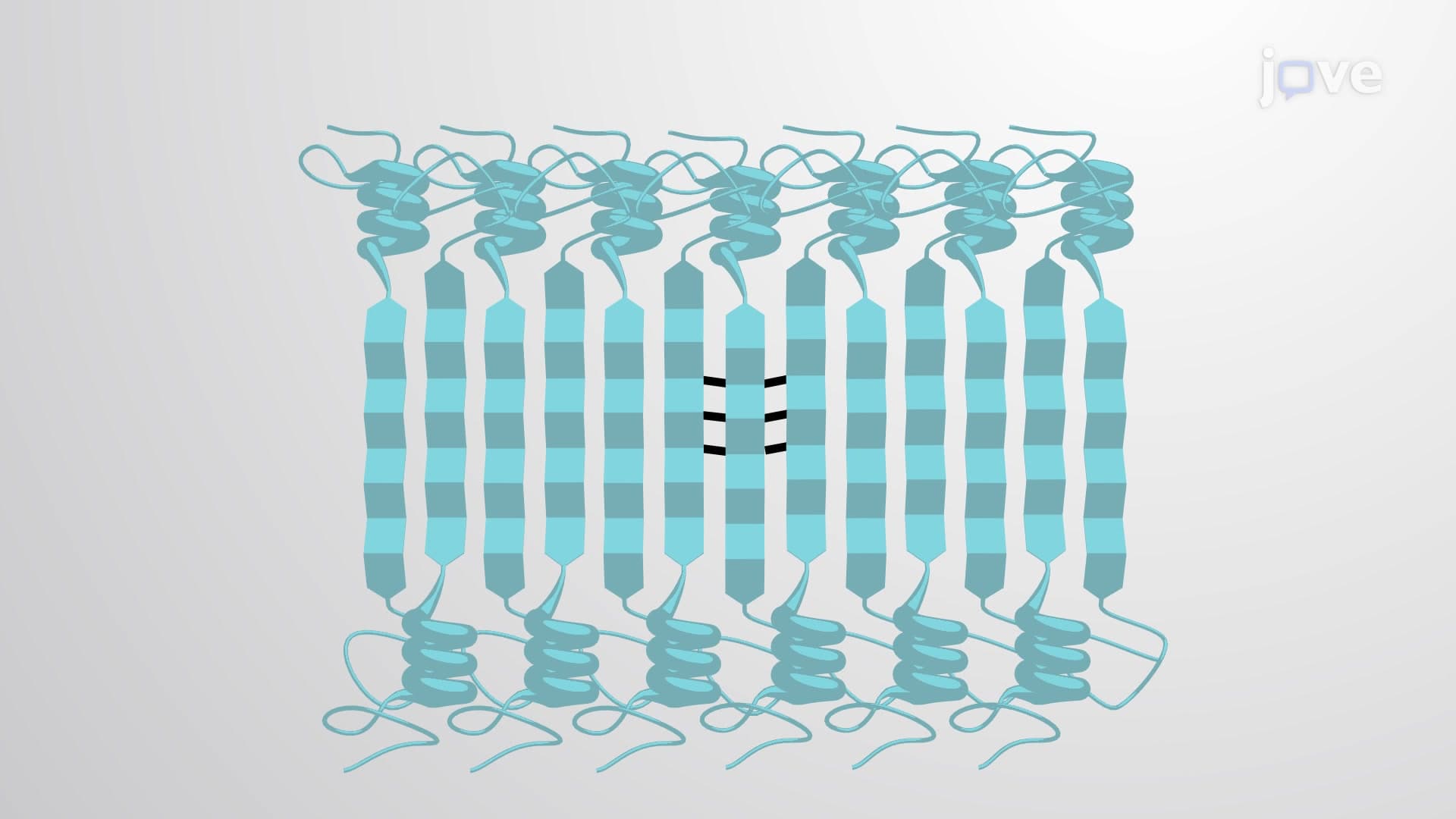
Intrinsically Disordered Proteins

00:00
02:18
Video Summary: What are Intrinsically Disordered Proteins
Did you know that some proteins in your body function precisely because they *don't* have a fixed shape? Intrinsically disordered proteins challenge the traditional "lock-and-key" model by remaining flexible and shapeless until they need to work. These shape-shifting molecules are crucial for processes like DNA repair and cancer development, including the p53 tumor suppressor protein studied extensively at institutions like Johns Hopkins University. Watch the full video on JoVE Coach to master this concept with expert-led visuals and step-by-step explanations.
- Understand what are intrinsically disordered proteins and how they differ from traditionally structured proteins
- Identify the amino acid composition that allows IDPs to remain flexible and soluble in cellular environments
- Analyze the disorder-to-order transition mechanism that enables IDPs to adopt specific conformations when needed
- Compare the functional advantages of flexible protein segments versus rigid globular protein domains
- Recognize how IDPs serve as molecular switches and binding platforms for multiple protein partners
- Evaluate the role of hydrophilic amino acids in maintaining protein disorder and cytoplasmic solubility
- Apply knowledge of IDP flexibility to understand their unique binding mechanisms and cellular functions
- Explore how covalent modifications and molecular interactions trigger conformational changes in disordered proteins
Understanding Intrinsically Disordered Proteins: Beyond Traditional Protein Structure
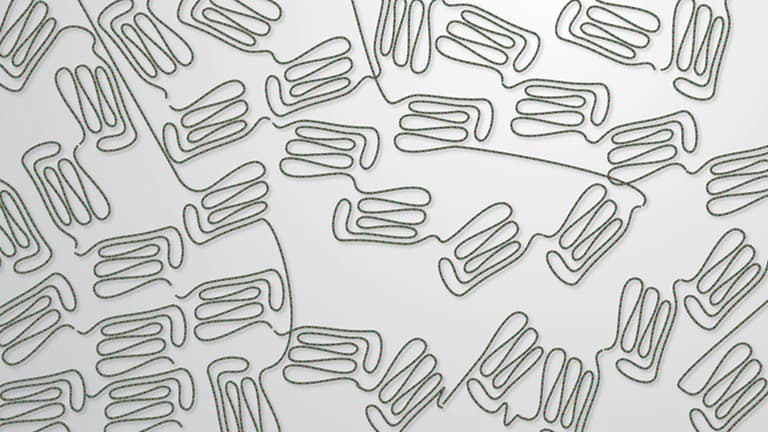
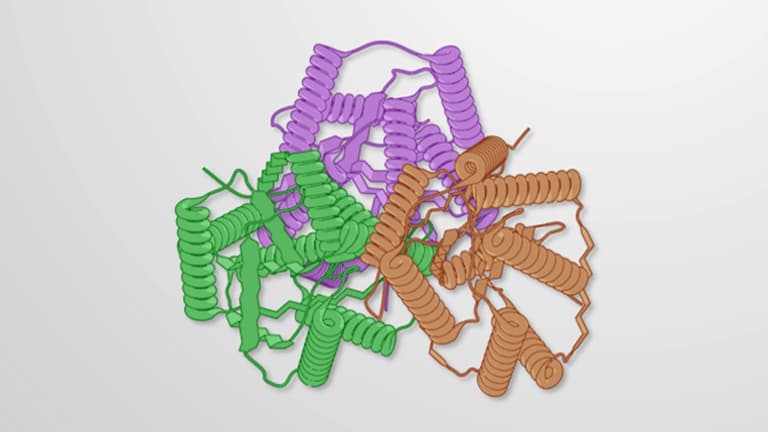
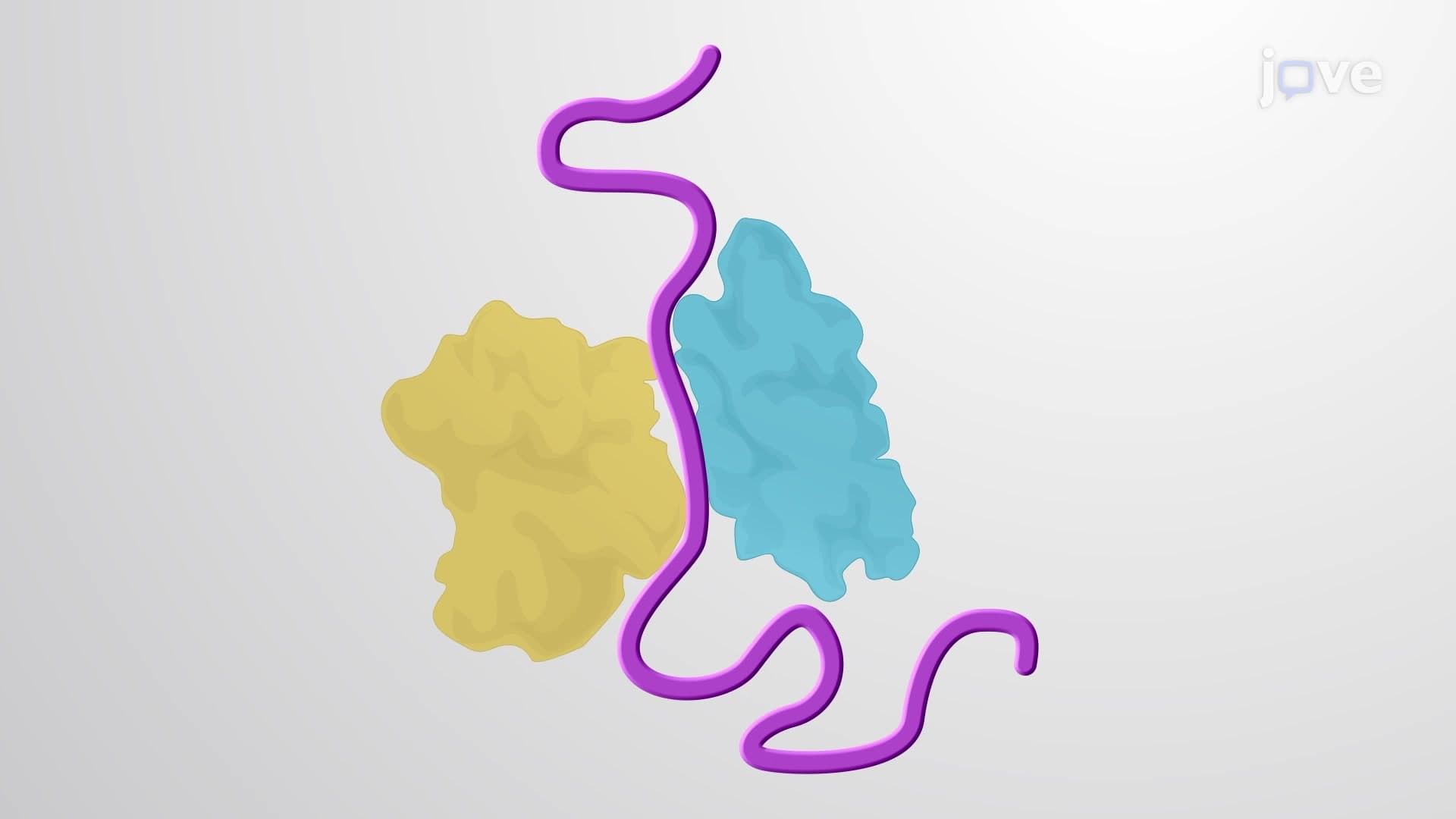
Intrinsically disordered proteins represent a paradigm shift in our understanding of protein function. Unlike the classical structure-function relationship where proteins fold into specific three-dimensional shapes, IDPs remain flexible and dynamic, existing as extended chains in solution. This flexibility isn't a defect-it's their superpower.
Amino Acid Composition: The Chemistry Behind Disorder
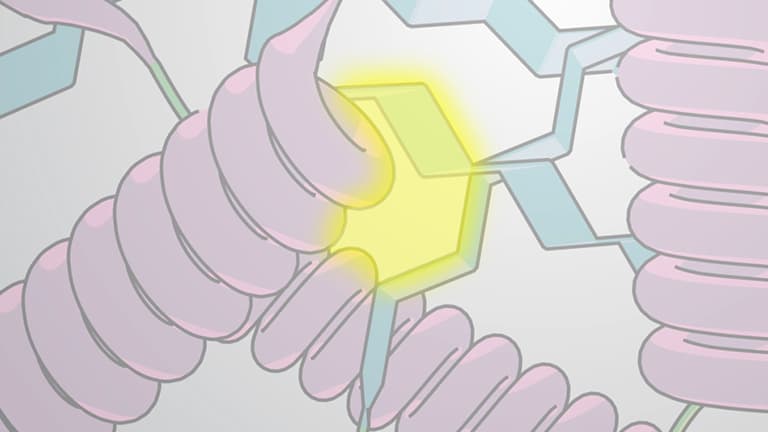
IDPs contain predominantly hydrophilic (water-loving) amino acids such as serine, threonine, glycine, and proline. This composition is crucial because these proteins must remain soluble in the aqueous cytoplasm without aggregating. Traditional globular proteins can hide their hydrophobic amino acids in their core, but IDPs lack this luxury. The abundance of charged and polar residues creates electrostatic repulsion, preventing the protein from collapsing into a compact structure. Students preparing for the MCAT will recognize this as a key distinction when analyzing protein stability and folding patterns.
Disorder-to-Order Transitions: Molecular Shape-Shifting
The most fascinating aspect of IDPs is their ability to undergo disorder-to-order transitions. When an IDP encounters its binding partner or experiences a covalent modification like phosphorylation, it can rapidly adopt a structured conformation. This process is thermodynamically favorable because the newly formed interactions compensate for the entropy loss. For AP Biology students, this concept illustrates how cellular signaling can directly alter protein structure and function in real-time.
Functional Advantages: Why Disorder Works
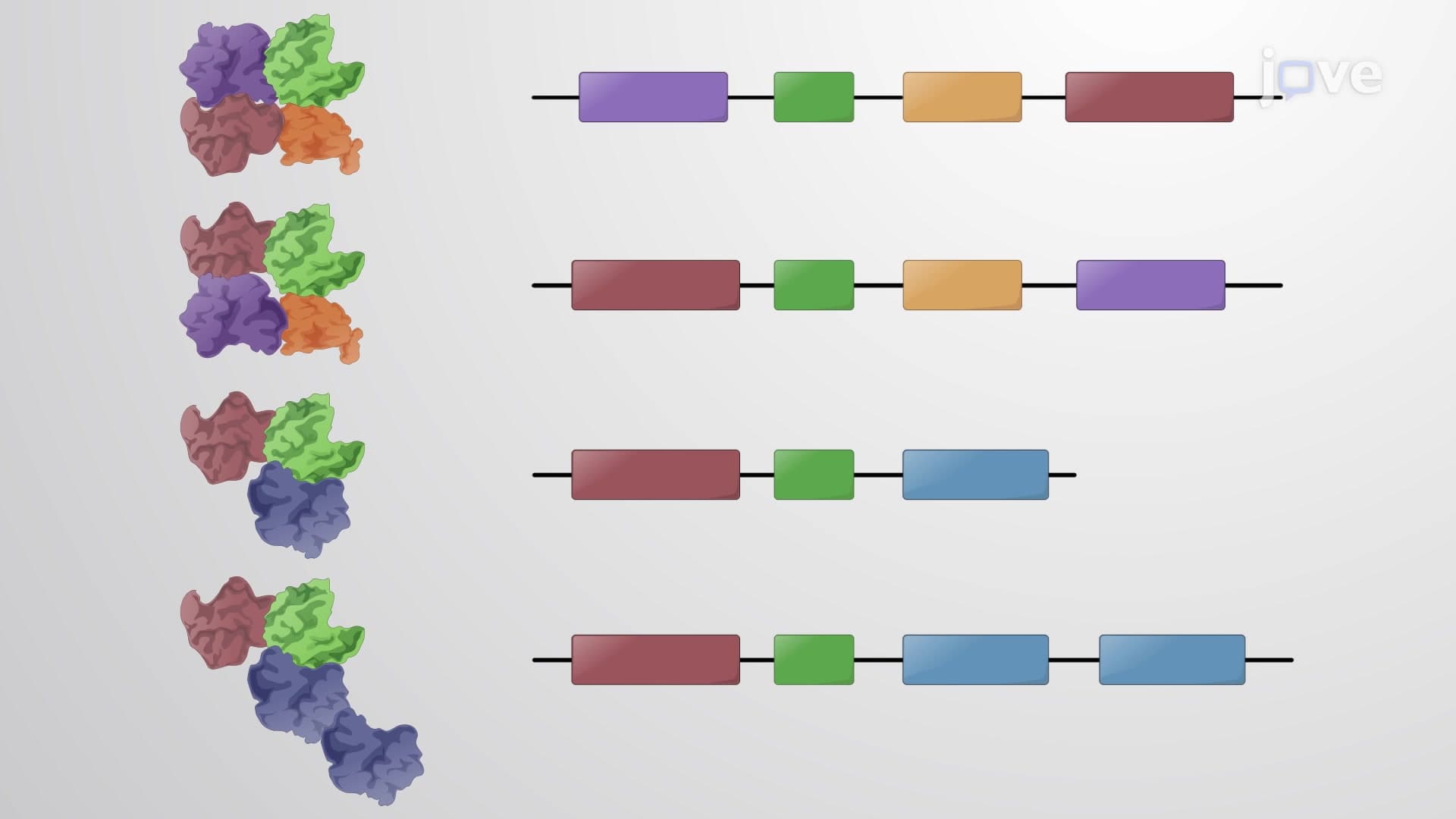
IDPs excel at several cellular functions that rigid proteins cannot perform efficiently. They act as molecular scaffolds, bringing multiple proteins together in signaling complexes. Their flexibility allows them to wrap around binding partners with high specificity but low affinity, enabling rapid association and dissociation. The p53 protein, often called the "guardian of the genome," contains large disordered regions that allow it to interact with numerous different DNA sequences and protein partners. This versatility explains why mutations in IDPs are frequently associated with diseases like cancer and neurodegeneration, topics commonly explored in college biochemistry and cell biology courses.
Frequently Asked Questions
Intrinsically disordered proteins are flexible, shape-shifting proteins that lack a fixed three-dimensional structure under normal cellular conditions. Unlike typical proteins that fold into specific shapes, IDPs remain extended and dynamic, changing their conformation only when they interact with specific binding partners or undergo chemical modifications.
On the MCAT, IDPs often appear in biochemistry passages discussing protein-protein interactions, cellular signaling, or disease mechanisms. AP Biology questions typically focus on their role in gene regulation and cellular responses. Expect to analyze scenarios where protein flexibility is advantageous over rigid structures, particularly in multi-protein complex formation.
The main challenge is abandoning the traditional structure-function paradigm taught in introductory courses. Students must understand that lack of structure is the structure, and that flexibility enables function. Practice visualizing these proteins as dynamic, constantly moving chains rather than static shapes, and focus on their amino acid composition to understand their behavior.
IDPs contain high percentages of hydrophilic amino acids and low percentages of hydrophobic residues, preventing the formation of a stable hydrophobic core that drives traditional protein folding. Their amino acid sequence essentially "programs" them to remain extended and soluble rather than compact and structured.
Many disease-associated proteins contain disordered regions, including the p53 tumor suppressor, tau protein in Alzheimer's disease, and α-synuclein in Parkinson's disease. Their flexibility makes them prone to misfolding and aggregation, while their multiple binding partners mean that mutations can disrupt numerous cellular pathways simultaneously.
Create concept maps linking IDP properties (high hydrophilic content, flexibility) to their functions (multiple binding partners, molecular switches). Practice drawing disorder-to-order transitions and explaining why flexibility is advantageous in specific cellular contexts. Use active recall to connect amino acid composition to protein behavior.
Not at all! While some biochemistry background helps, the core concepts are accessible with basic knowledge of amino acids and protein structure from AP Biology or introductory chemistry. Focus on understanding the relationship between amino acid properties and protein behavior rather than memorizing complex structural details.
Dive deeper into protein-protein interaction networks, study specific examples like transcription factors with disordered activation domains, and explore how post-translational modifications regulate IDP function. Advanced students should investigate computational approaches used to predict and study disordered regions in protein sequences.
Related Micro-courses


