Loading subject page…


234,001 views

Video Summary: What are Protein Families
Did you know that human hemoglobin shares ancestry with the oxygen-carrying protein in your muscles? Protein families are groups of related proteins that evolved from common genetic ancestors, sharing similar structures and functions despite potentially having only 30% identical amino acid sequences. These evolutionary relationships help scientists at institutions like the National Institutes of Health predict how newly discovered proteins might function by comparing them to well-studied family members. Watch the full video on JoVE Coach to master this concept with expert-led visuals and step-by-step explanations.
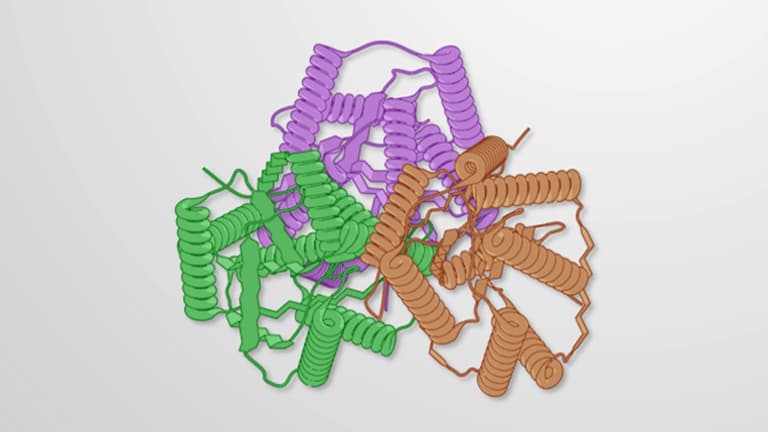
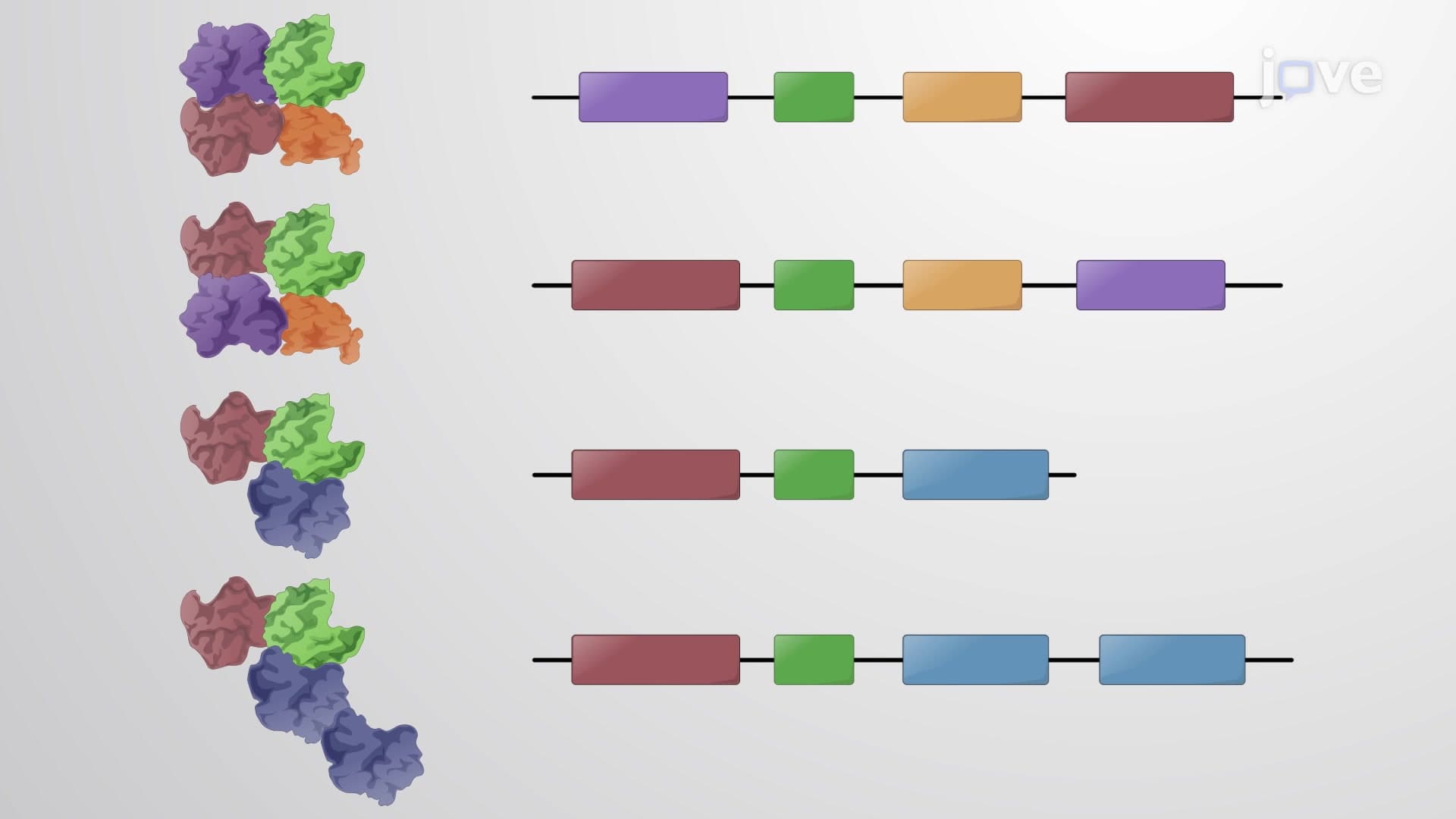
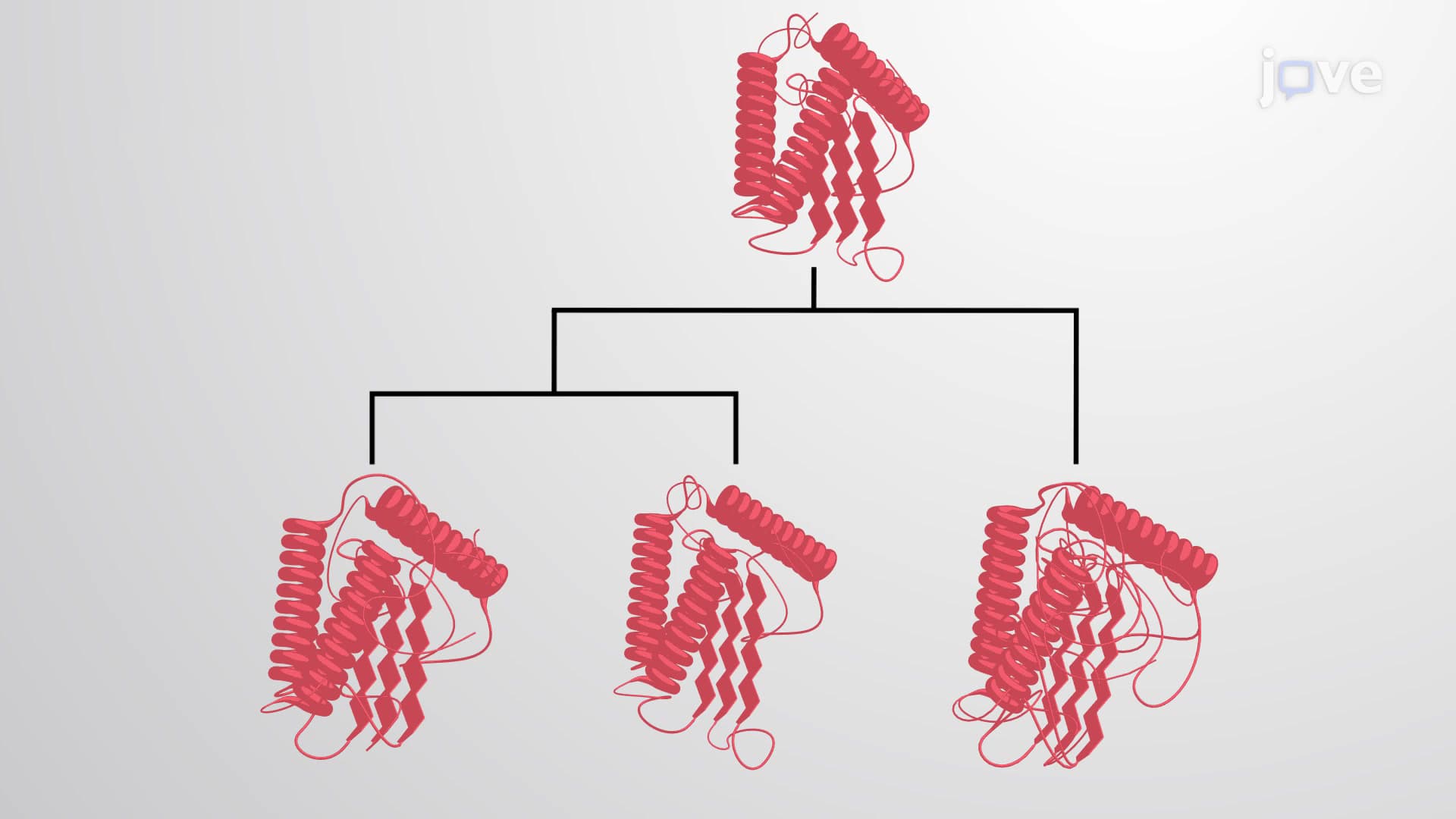
Protein families represent one of biology's most elegant demonstrations of evolutionary relationships. These groups consist of proteins that share a common genetic ancestor, maintaining similar three-dimensional structures and often related functions despite millions of years of evolutionary divergence. The concept becomes particularly powerful when you realize that proteins with as little as 30% amino acid sequence identity can still belong to the same family, united by their structural similarities and functional domains.
Within protein families, scientists distinguish between two key relationship types. Orthologs are homologous proteins found in different species that evolved from the same ancestral protein-like human alpha-hemoglobin and mouse alpha-hemoglobin, which perform identical oxygen-transport functions in their respective organisms. This orthologous relationship explains why medical researchers at universities like Johns Hopkins can study mouse models to understand human diseases.
Paralogs, conversely, arise through gene duplication within the same lineage. Human alpha and beta hemoglobin subunits exemplify this relationship-both originated from a common ancestral oxygen-binding protein but have specialized for different roles within the same hemoglobin complex. This specialization through gene duplication drives much of protein evolution's creative power.
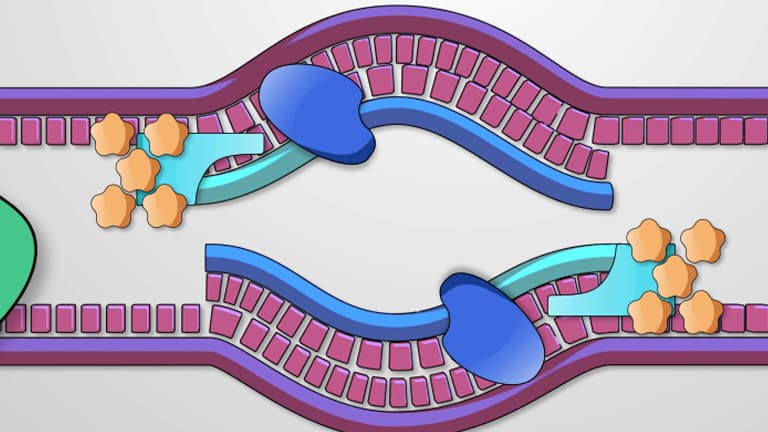
Gene duplication serves as evolution's primary mechanism for creating protein families. When cellular machinery accidentally duplicates a gene, one copy maintains the original function while the duplicate can accumulate mutations without immediately harming the organism. Over time, these mutations may confer new functions, creating protein variants that expand the family's functional repertoire.
The hemoglobin-myoglobin family perfectly illustrates this process. Despite sharing only 26% sequence identity, hemoglobin's alpha subunit and myoglobin maintain remarkably similar secondary and tertiary structures, including their characteristic alpha-helical domains and heme-binding sites. This structural conservation enables both proteins to bind oxygen, though hemoglobin specializes in transport while myoglobin focuses on storage.
Understanding protein families proves invaluable for students preparing for the MCAT or pursuing biochemistry coursework. When researchers discover proteins with unknown functions, family analysis provides immediate insights into potential roles and structures. Pharmaceutical companies leverage this knowledge for drug design-if a protein belongs to a well-studied family, researchers can predict binding sites and develop targeted therapeutics more efficiently.
For AP Biology students, protein families demonstrate key evolutionary principles while providing concrete examples of structure-function relationships. College biochemistry courses frequently test students' ability to classify proteins as orthologs or paralogs and predict functional similarities based on family membership.
Related Micro-courses