Loading subject page…


234,000 views

Video Summary: What are Proteins Structure Types and Biological Functions
Did you know that your hair, muscles, and the insulin that regulates blood sugar are all made of the same basic building blocks? Proteins structure types functions represent one of biology's most fascinating topics, as these versatile molecules perform countless roles in living organisms. From the collagen strengthening your bones to the hemoglobin carrying oxygen in your blood, understanding What Are Proteins? Structure, Types, and Biological Functions is essential for grasping how life works at the molecular level. Watch the full video on JoVE Coach to master this concept with expert-led visuals and step-by-step explanations.
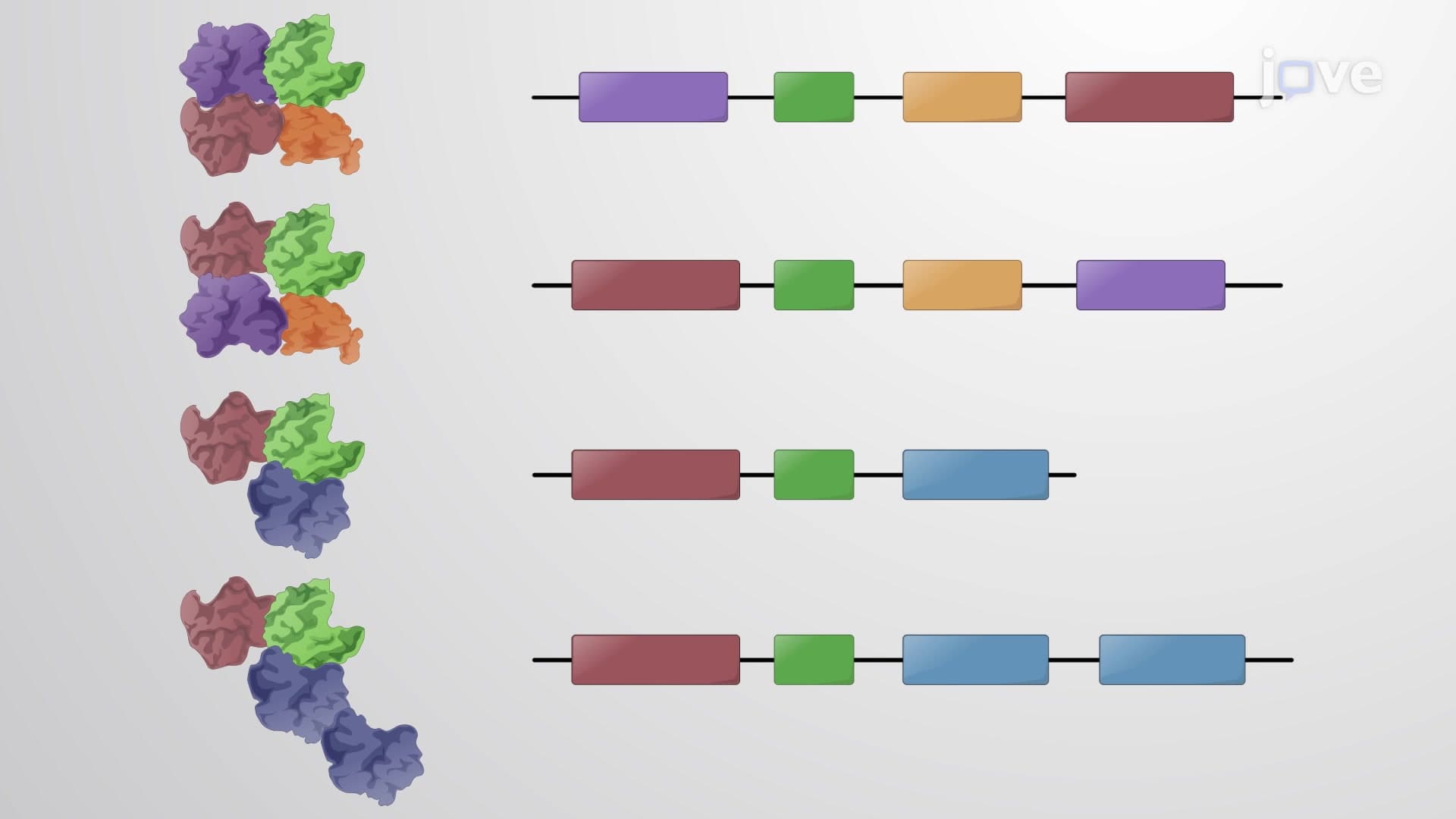
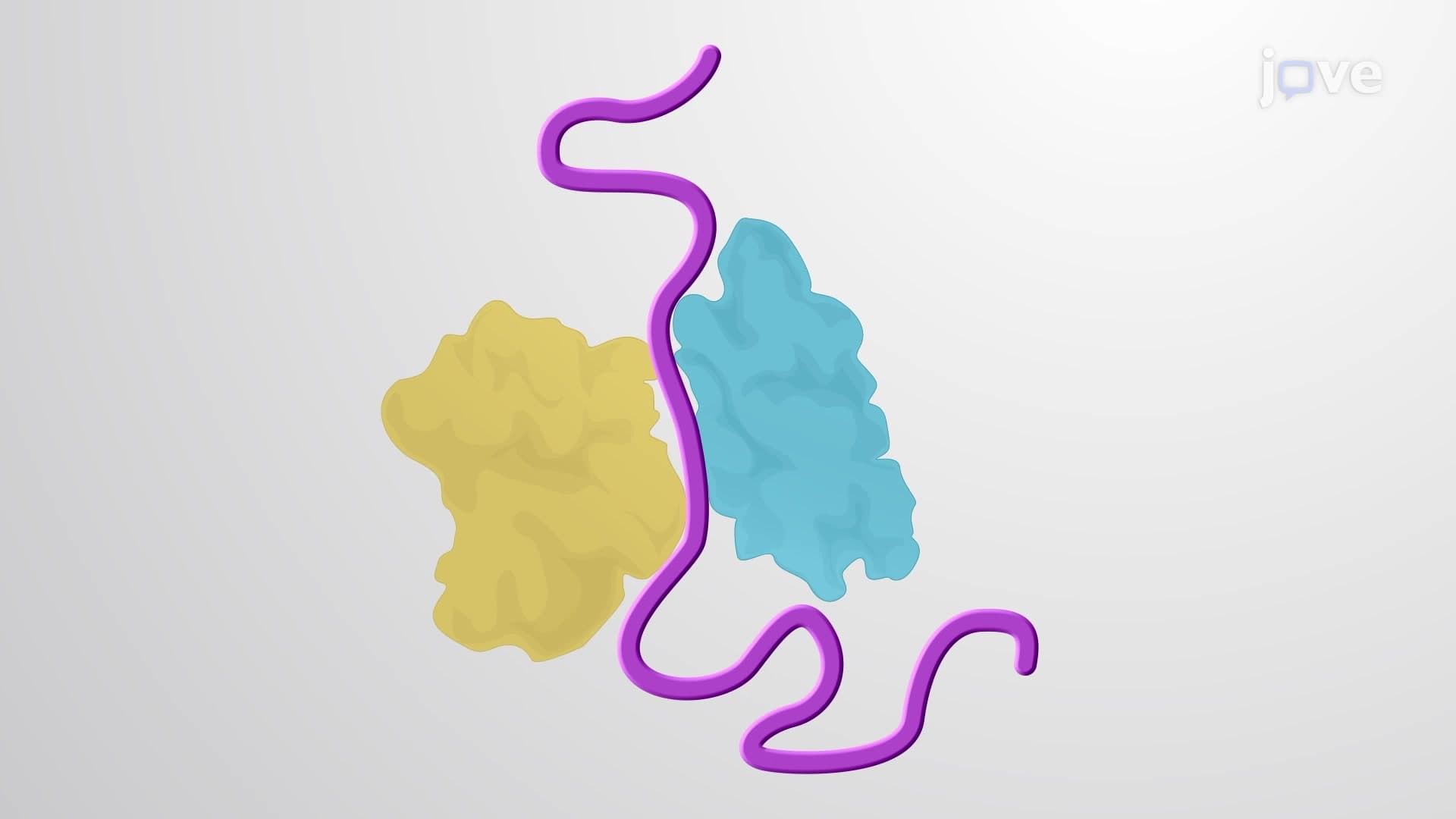
Proteins represent life's most versatile workforce, functioning as everything from molecular machines to structural scaffolds. These complex macromolecules consist of amino acid monomers connected through peptide bonds, creating polypeptide chains that fold into intricate three-dimensional shapes. The relationship between protein structure levels and function exemplifies one of biology's central principles: structure determines function.
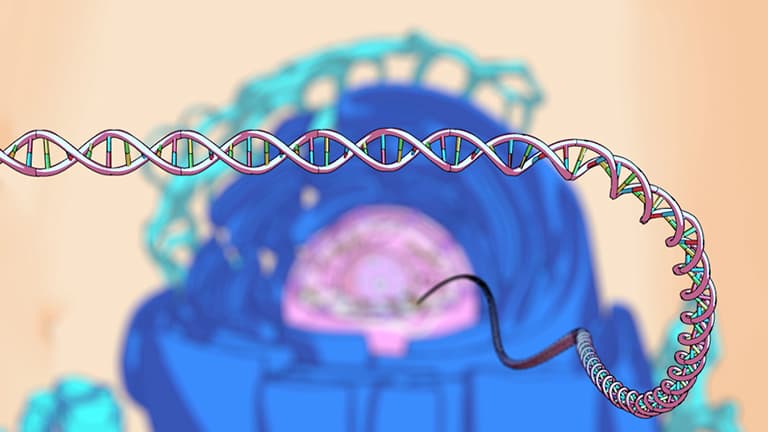
The foundation of amino acid protein structure lies in 20 standard amino acids, each containing an amino group, carboxyl group, and unique side chain. These side chains determine chemical properties-hydrophobic (like leucine), hydrophilic (like serine), acidic (like glutamate), or basic (like lysine). During protein synthesis, ribosomes link amino acids through dehydration reactions, forming peptide bonds that create the primary structure. This process, guided by mRNA templates transcribed from DNA, demonstrates the central dogma's practical application in cellular biology.
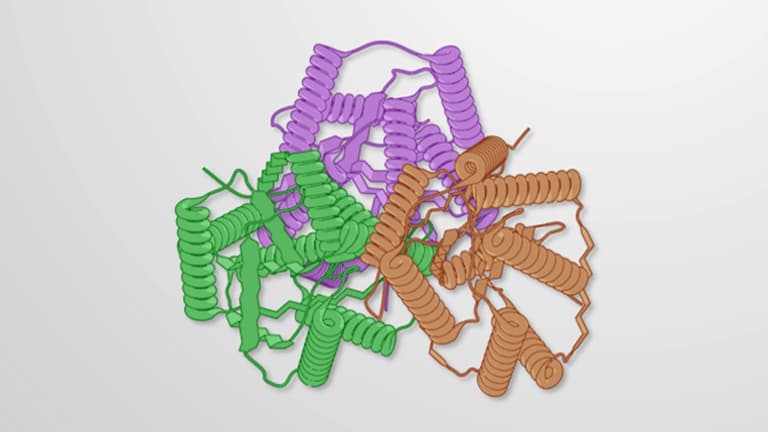
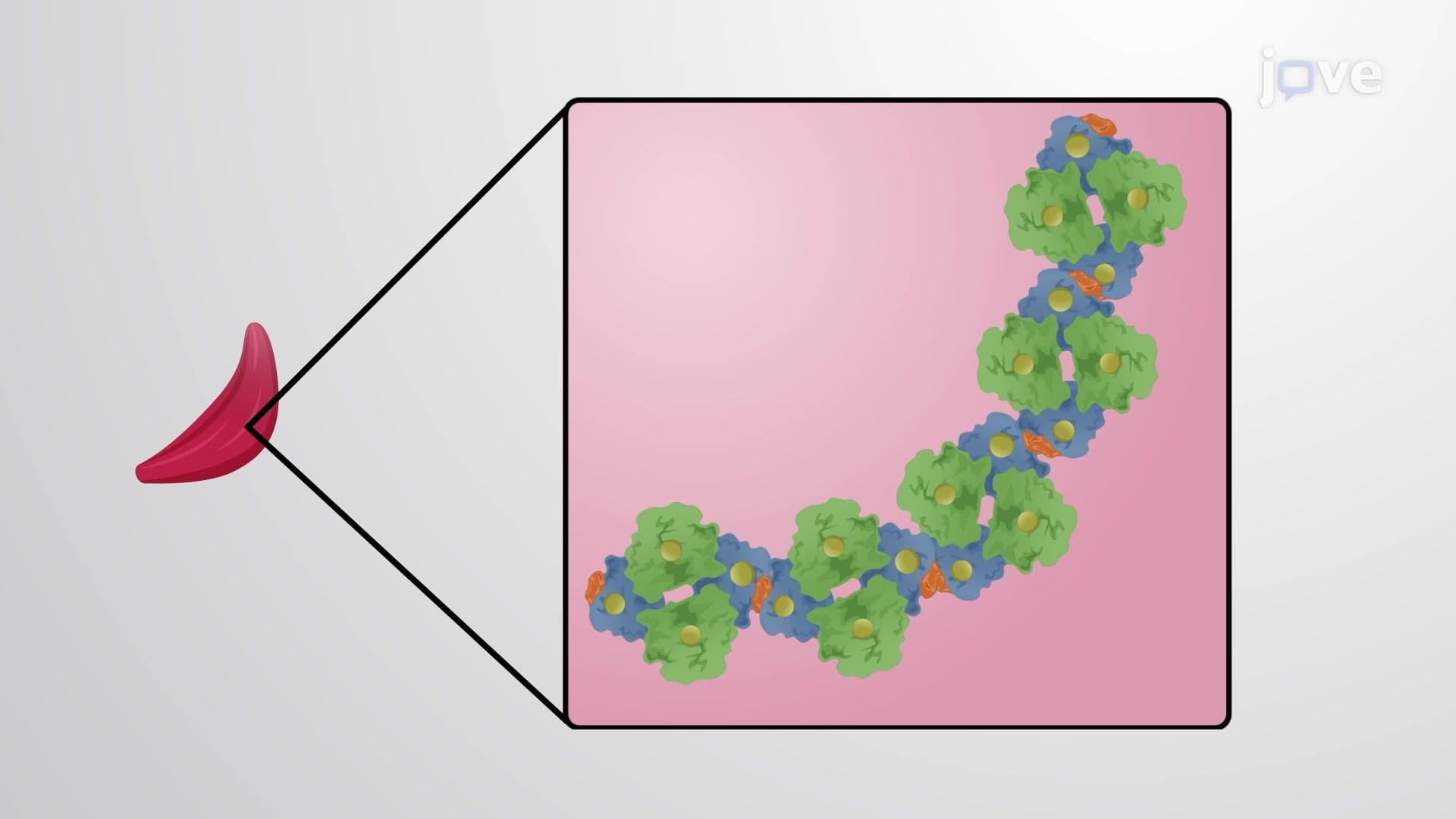
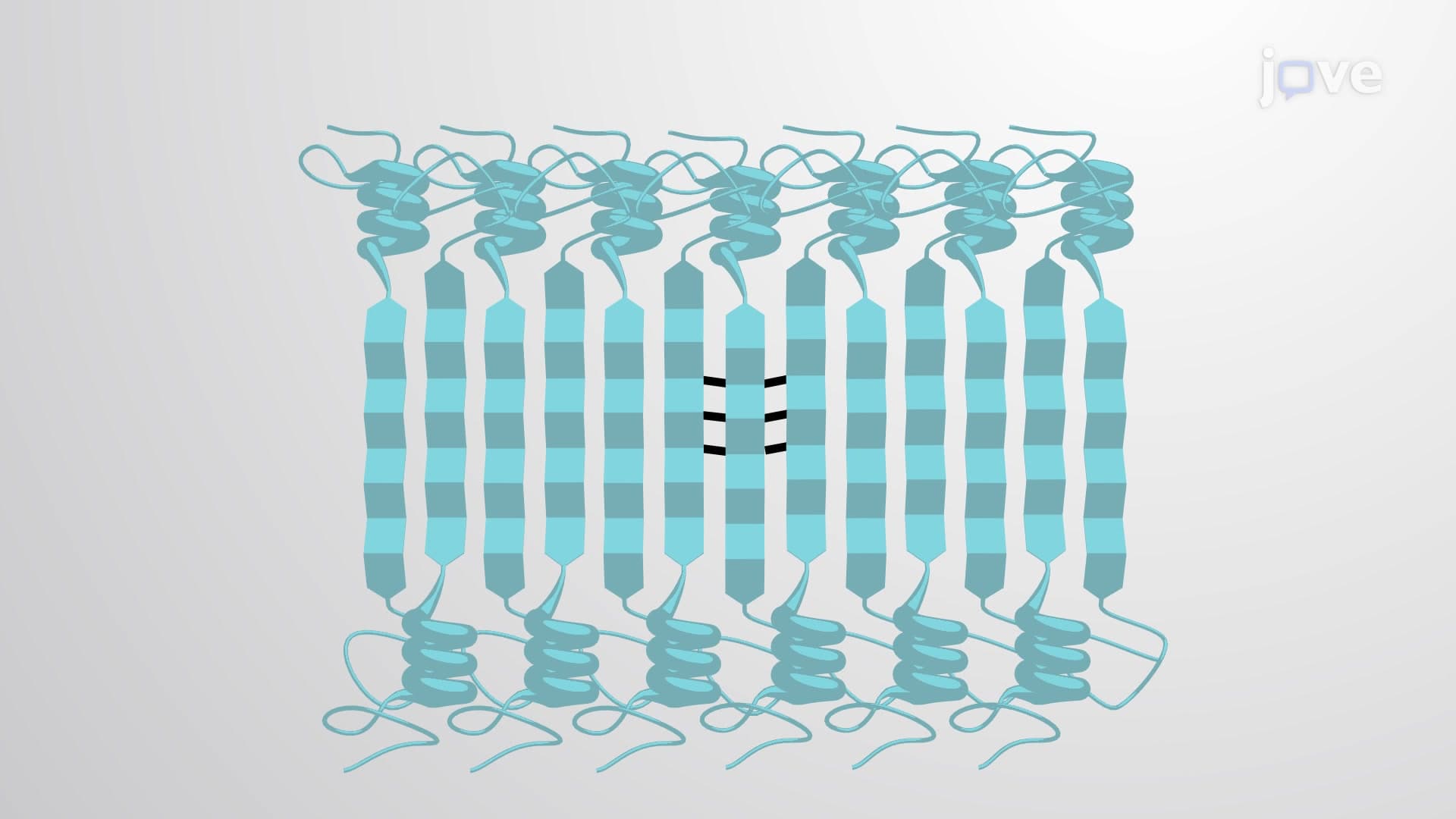
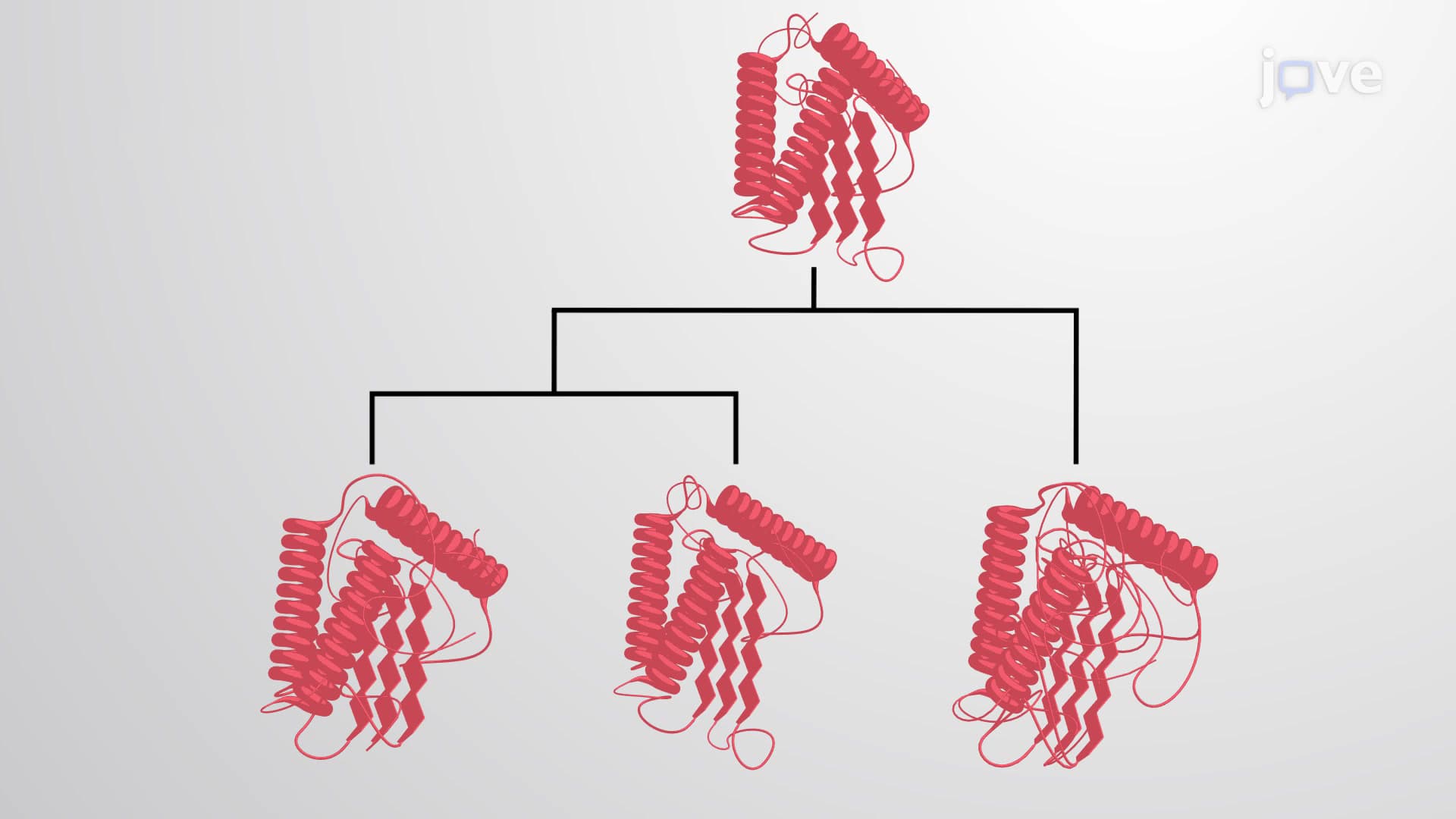
Protein structure levels progress from primary (amino acid sequence) through secondary (alpha helices and beta sheets), tertiary (overall 3D folding), to quaternary (multi-subunit assembly). Secondary structures form through hydrogen bonding between backbone atoms, while tertiary structure results from interactions between side chains. Hemoglobin exemplifies quaternary structure with four polypeptide subunits working cooperatively. Understanding these levels proves crucial for AP Biology exams and college biochemistry courses, where students analyze structure-function relationships.
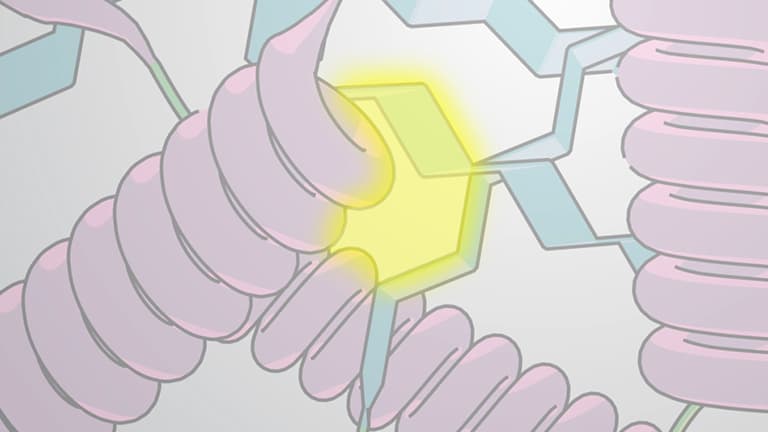
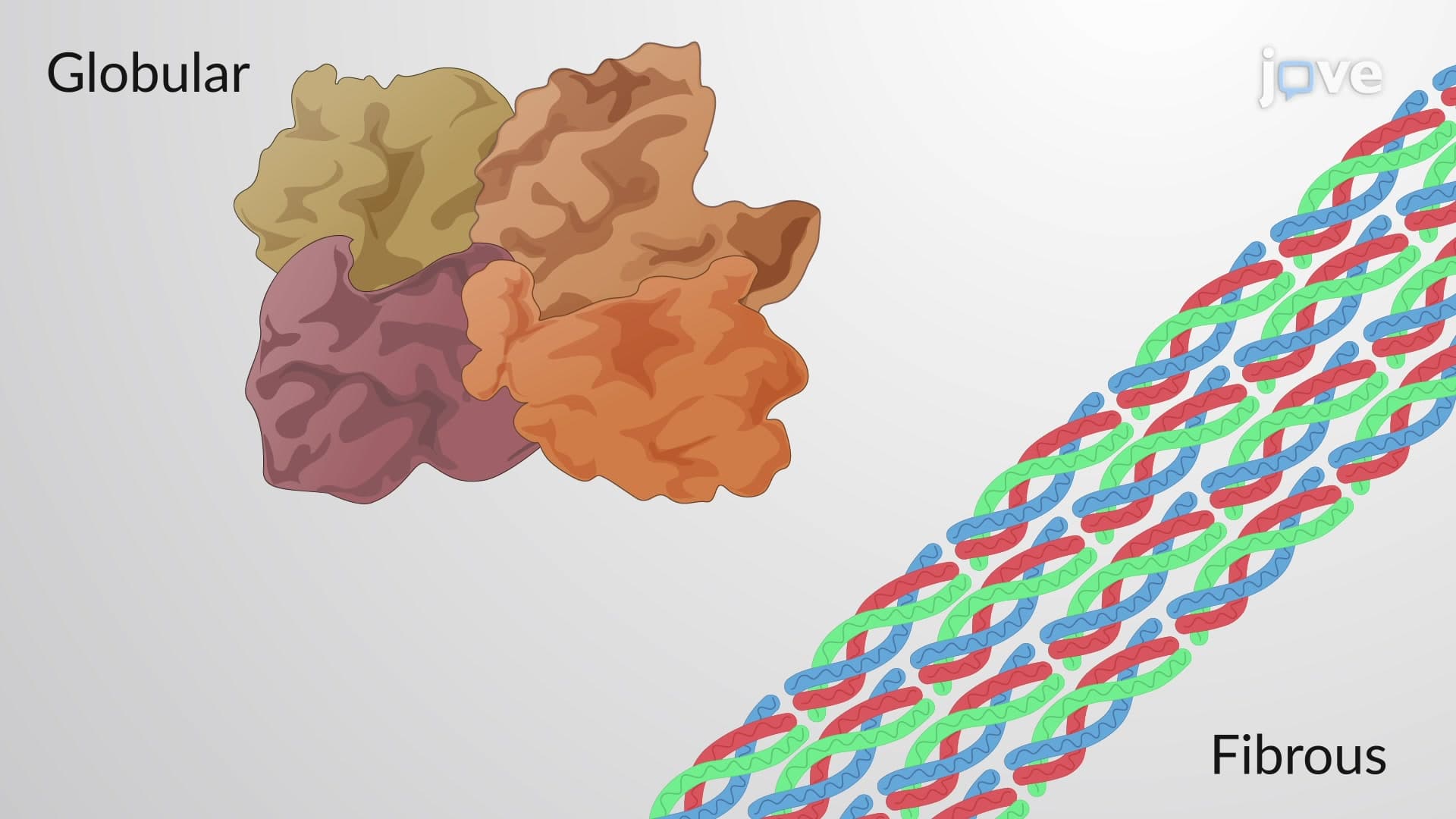
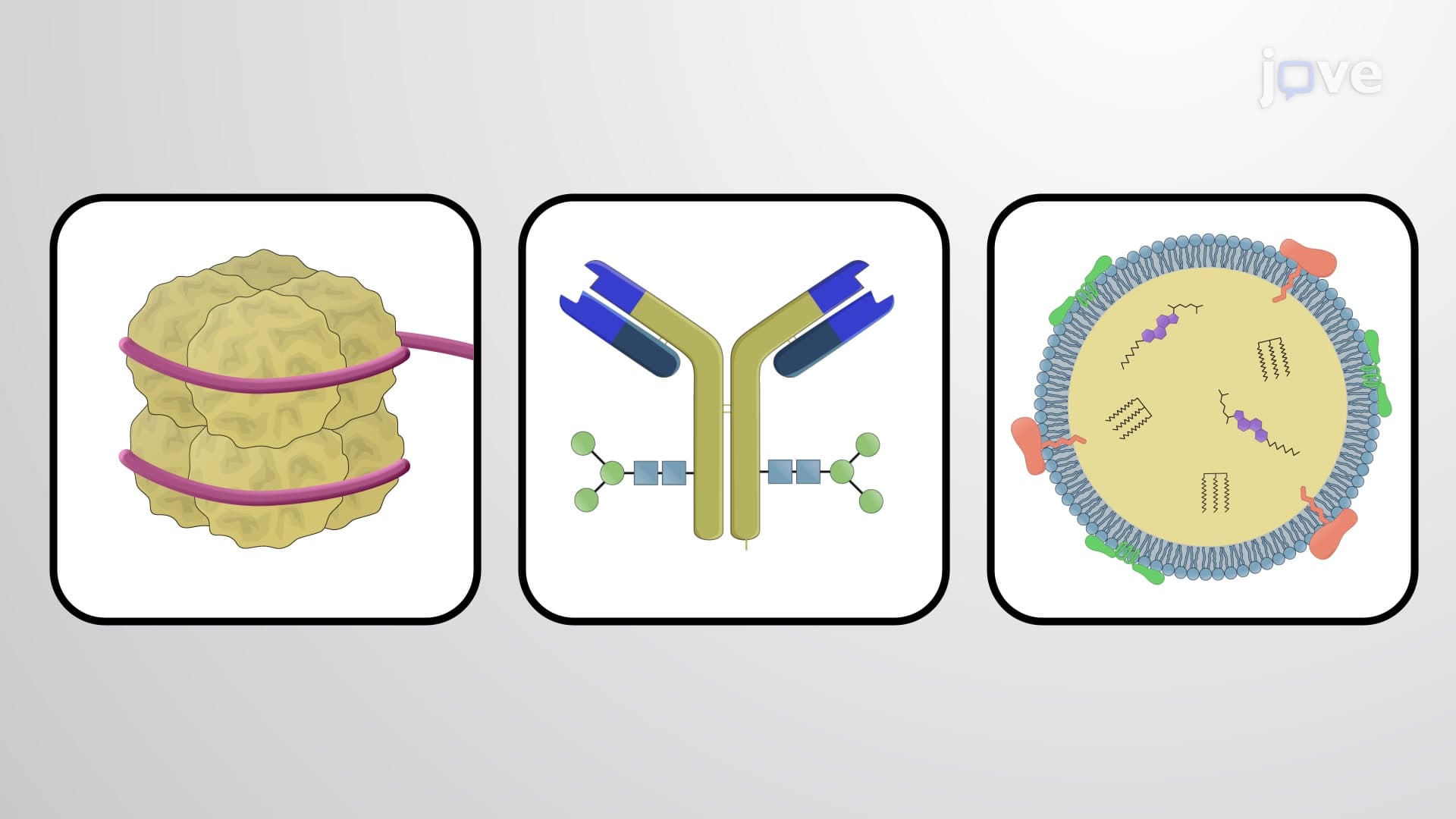
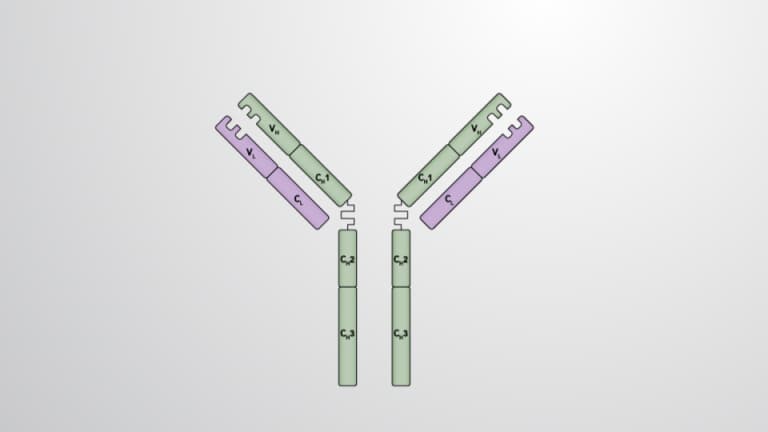
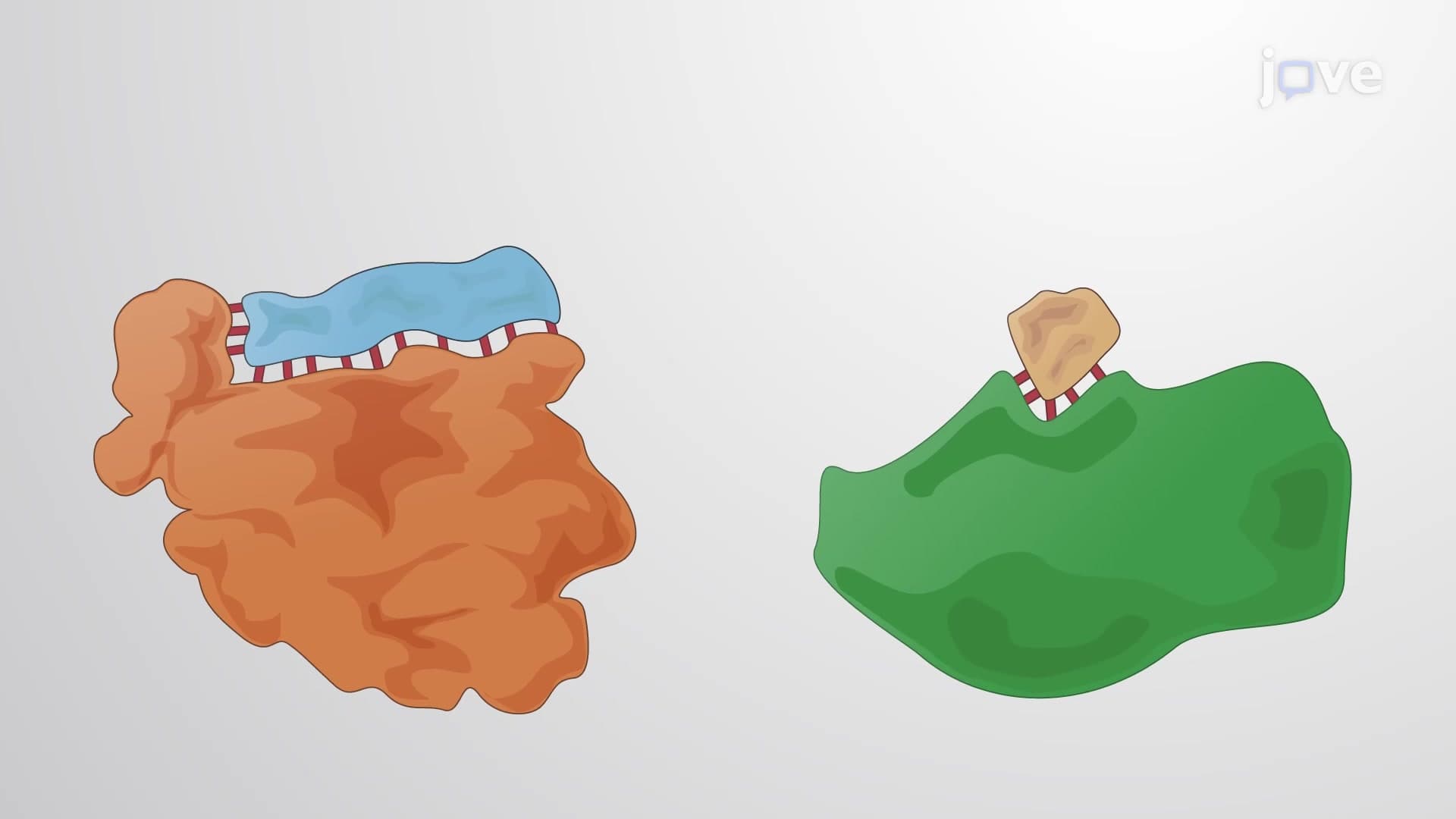
Protein biological function encompasses six major categories. Enzymes like pepsin catalyze biochemical reactions by lowering activation energy. Structural proteins such as keratin provide mechanical support in hair and nails. Transport proteins including hemoglobin carry substances throughout organisms. Regulatory proteins like insulin coordinate physiological processes. Defense proteins such as immunoglobulins protect against pathogens. Storage proteins like albumin maintain amino acid reserves. Each enzyme receptor protein demonstrates how specific binding sites enable precise molecular recognition, a concept frequently tested on MCAT examinations.
Related Micro-courses