Loading subject page…

- Molecular Biology
- Protein Structure
- Protein Folding
Micro-course: Protein Structure
234,000 views
Learn key concepts and earn your certificate.

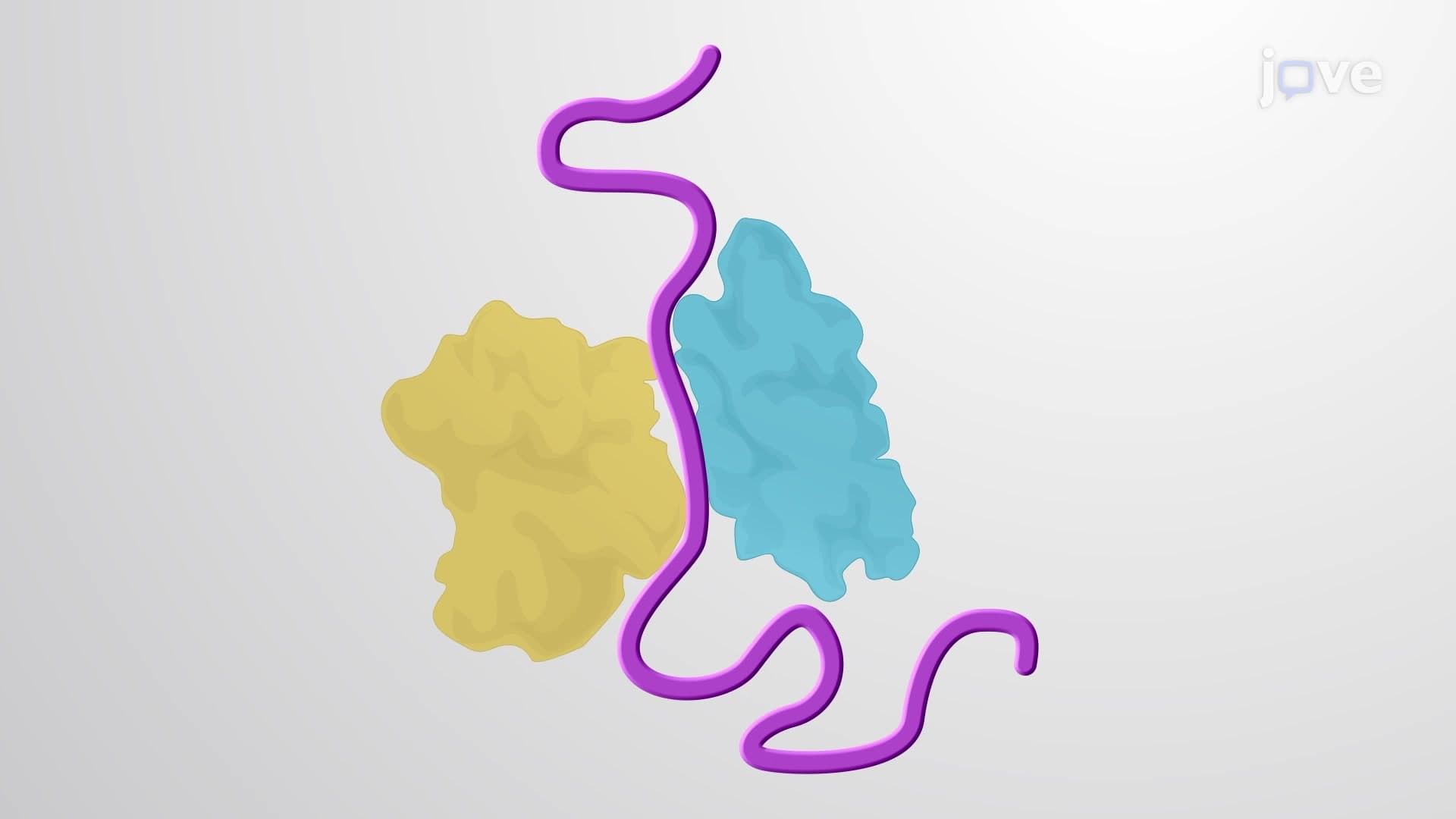
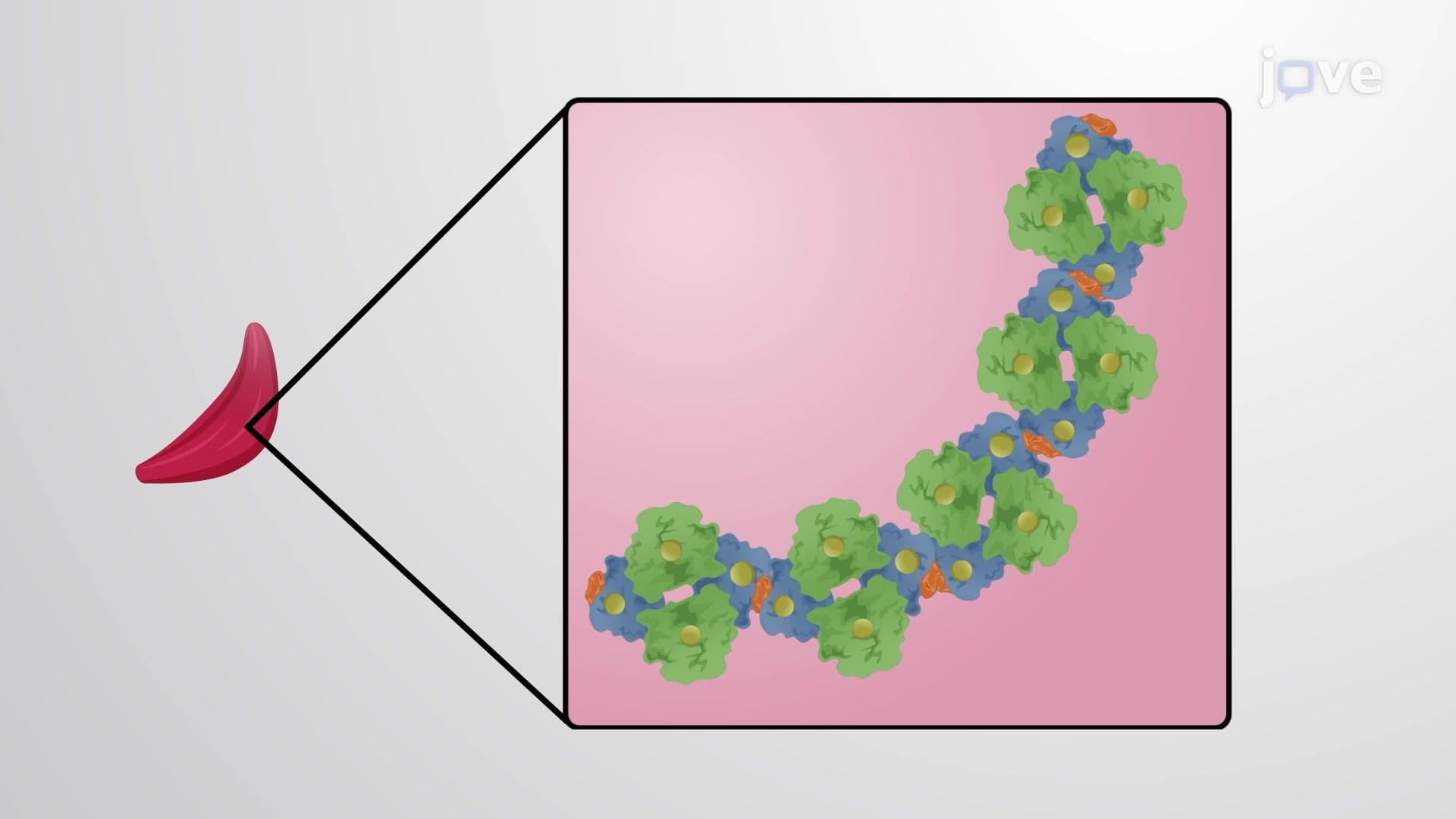
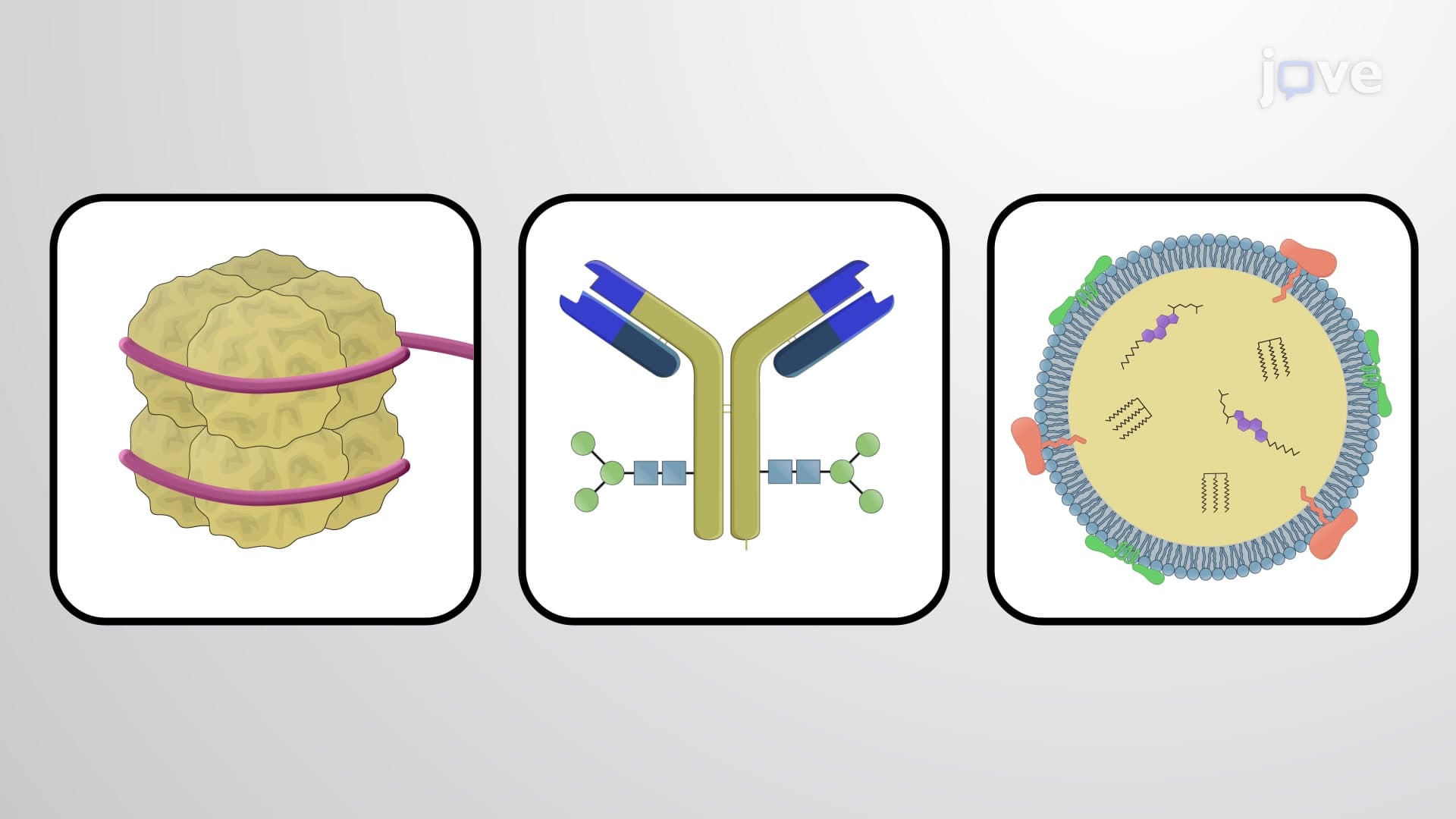
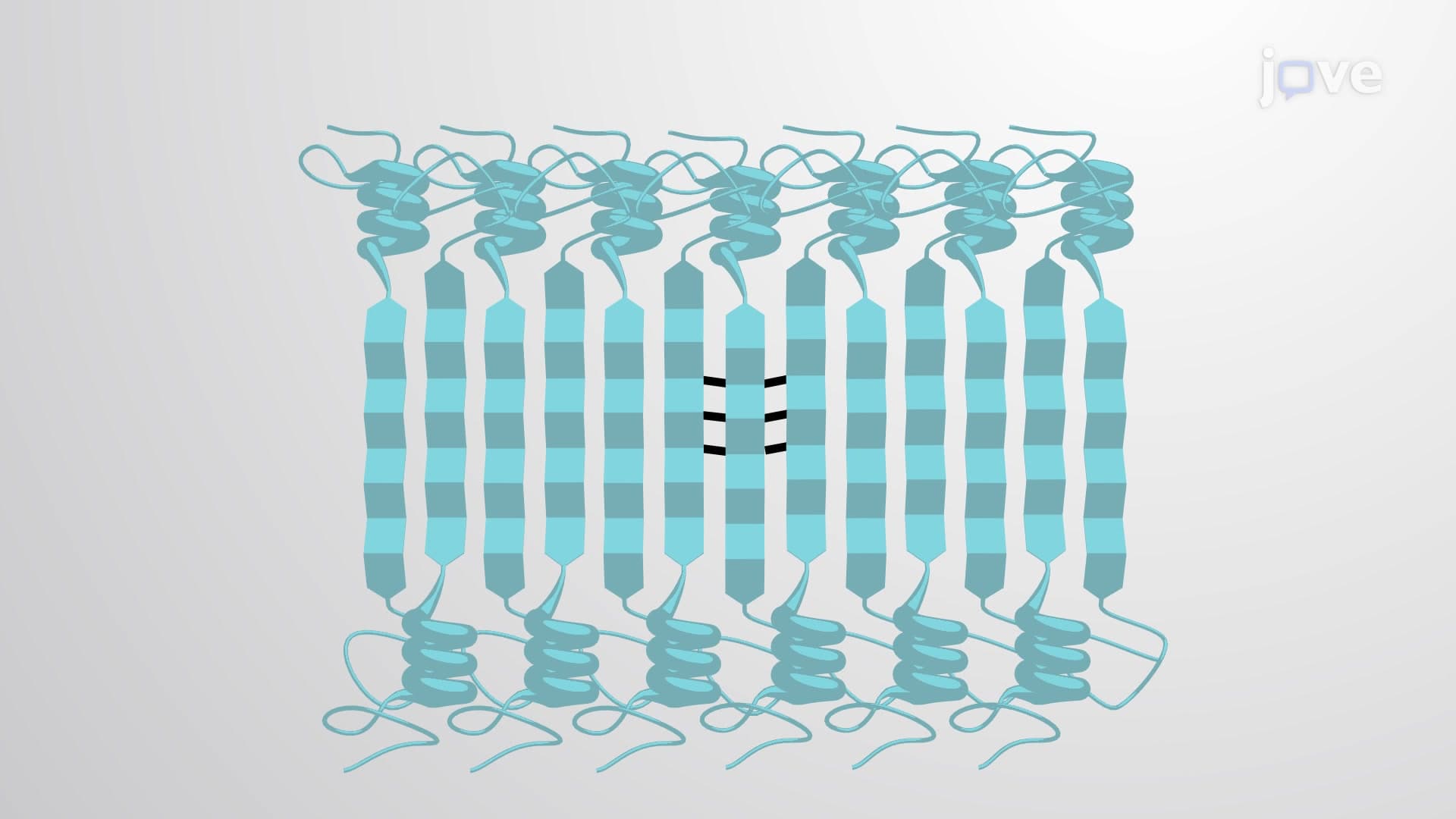
Protein Folding

00:00
01:22
Video Summary: What Is Protein Folding
Ever wondered why heating an egg makes it white and solid? Protein folding biology explained through this dramatic transformation reveals how temperature disrupts the precise three-dimensional shapes that proteins need to function. Just like how cystic fibrosis patients at Johns Hopkins Hospital receive treatments targeting misfolded proteins, understanding what is protein folding becomes crucial for developing life-saving therapies. Watch the full video on JoVE Coach to master this concept with expert-led visuals and step-by-step explanations.
- Understand what is protein folding and how amino acid sequences determine final three-dimensional structures through Anfinsen's dogma
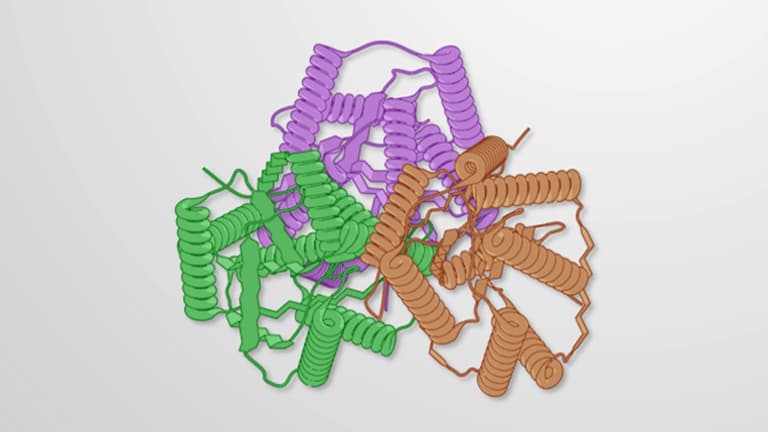
- Identify the four levels of protein structure and recognize how secondary structures like alpha-helices and beta-sheets contribute to tertiary organization
- Analyze the molecular forces driving folding, including hydrophobic interactions, hydrogen bonds, van der Waals forces, and disulfide bridges
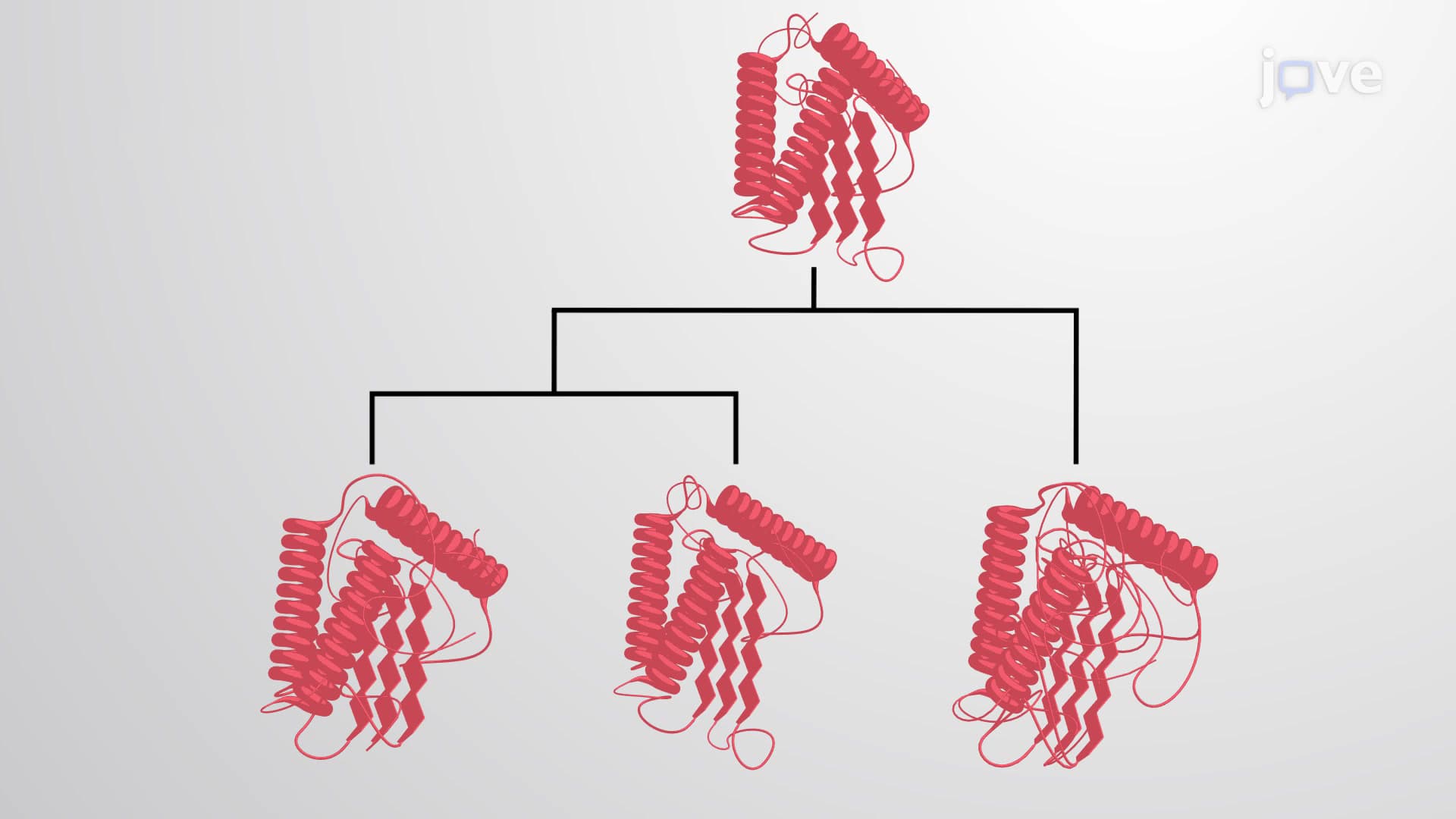
- Compare properly folded proteins with misfolded variants and their roles in diseases like Alzheimer's and Huntington's disease
- Evaluate the function of molecular chaperones in preventing protein aggregation and assisting correct folding pathways
- Apply thermodynamic principles to understand why proteins fold into their most stable, lowest-energy conformations
- Recognize real-world applications in pharmaceutical development, from drug design to recombinant protein production
- Explore computational approaches like AlphaFold that predict protein structures from amino acid sequences
Understanding What is Protein Folding: From Linear Chain to Functional Machine
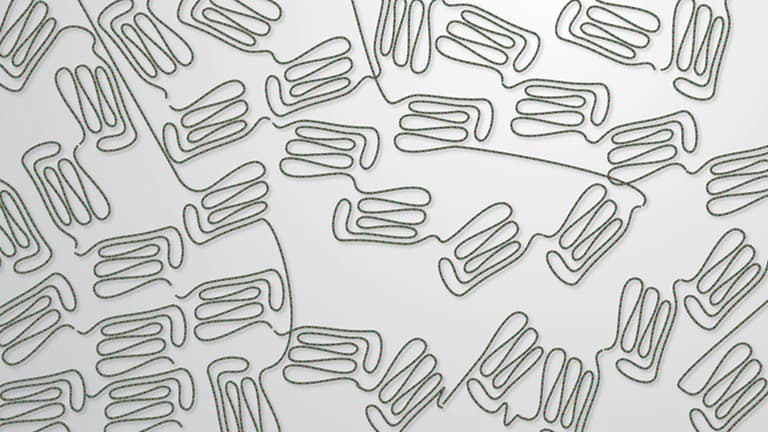
How proteins fold explained begins with recognizing that every protein starts as a linear string of amino acids emerging from cellular ribosomes. This seemingly simple chain must spontaneously organize into a complex three-dimensional architecture that enables biological function. The process represents one of biology's most elegant examples of self-assembly, where molecular information encoded in the sequence guides structural formation.
The Molecular Forces Behind Protein Folding Mechanisms
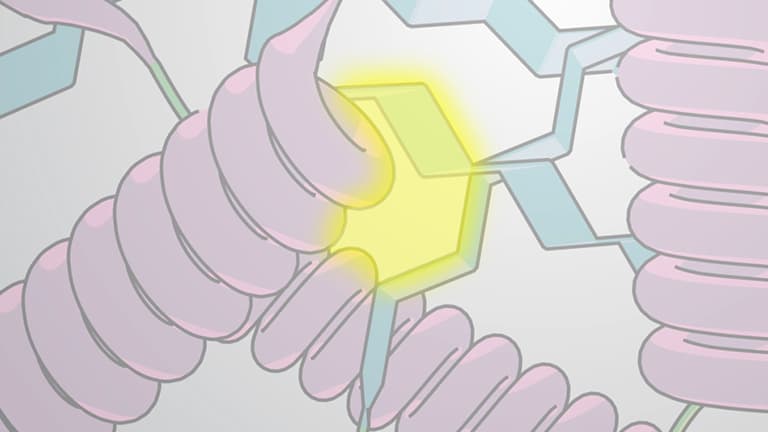
Protein folding mechanism relies on four primary molecular interactions working in concert. Hydrophobic amino acids cluster together to exclude water, creating the protein's core structure. Hydrogen bonds form between polar residues and backbone atoms, stabilizing secondary structures like alpha-helices and beta-sheets. Van der Waals forces provide additional stabilization through weak attractions between atoms in close proximity. Finally, disulfide bridges create covalent cross-links between cysteine residues, particularly important in extracellular proteins.
For students preparing for the MCAT or AP Biology exams, understanding these forces helps explain why proteins denature under extreme conditions. When you cook an egg, heat disrupts these carefully balanced interactions, causing proteins to unfold and aggregate irreversibly.
Chaperone Proteins and Quality Control Systems
Chaperone protein folding represents cells' sophisticated quality control mechanism. Heat shock proteins like Hsp70 and Hsp60 assist newly synthesized proteins in achieving their correct conformations while preventing dangerous aggregation. The GroEL-GroES chaperonin system, discovered at Yale University, provides an isolated folding chamber where proteins can fold without interference.
This concept frequently appears on college biochemistry exams, particularly regarding protein diseases. Students should understand how chaperone dysfunction contributes to neurodegenerative disorders affecting millions of Americans.
Misfolding and Human Disease
Misfolding prion disease exemplifies the devastating consequences when protein folding goes wrong. Diseases like Creutzfeldt-Jakob disease, Alzheimer's, and Parkinson's all involve proteins adopting abnormal conformations that become toxic to cells. The native conformation folding process becomes corrupted, leading to protein aggregates that damage tissues.
Understanding these mechanisms proves crucial for pre-med students, as therapeutic strategies increasingly target protein folding pathways. Companies like Biogen and Genentech develop drugs that either stabilize proper protein conformations or clear misfolded aggregates.
Frequently Asked Questions
Protein folding is the process by which a linear amino acid chain adopts its functional three-dimensional structure. This process is essential because protein function directly depends on structure - misfolded proteins lose their biological activity and can cause serious diseases like cystic fibrosis and Alzheimer's disease.
MCAT questions often focus on thermodynamic principles, chaperone functions, and disease mechanisms related to misfolding. AP Biology emphasizes the relationship between amino acid sequence and final structure, plus the molecular forces involved. Practice identifying different folding levels and their disruption under various conditions.
Hydrophobic interactions drive initial folding by clustering water-avoiding amino acids together. Hydrogen bonds stabilize secondary structures like alpha-helices and beta-sheets. Van der Waals forces and disulfide bridges provide additional stability, particularly in harsh extracellular environments.
Scientists use X-ray crystallography to determine static structures, NMR spectroscopy to observe folding dynamics, and computational methods like molecular dynamics simulations. Recent breakthroughs include AI systems like AlphaFold, developed by DeepMind, which can predict protein structures from amino acid sequences with remarkable accuracy.
Basic understanding of chemical bonds and thermodynamics is helpful but not essential for introductory learning. Most high school students can grasp the fundamental concepts by focusing on the relationship between structure and function. Start with simple examples like enzyme activity changes upon heating.
Create concept maps linking amino acid properties to folding outcomes, practice drawing protein structure levels, and work through disease examples. Focus on understanding why specific mutations cause folding defects and how environmental factors affect protein stability.
Companies like Pfizer and Johnson & Johnson design drugs that either correct misfolded proteins or prevent their aggregation. Understanding folding mechanisms helps researchers develop treatments for Alzheimer's, Parkinson's, and genetic disorders caused by protein mutations.
Consider studying protein design principles, computational folding prediction methods, and the role of intrinsically disordered proteins. Advanced courses might cover folding kinetics, energy landscapes, and emerging therapeutic approaches targeting protein conformation diseases.
Related Micro-courses


