Loading subject page…

- Molecular Biology
- Protein Structure
- Protein Organization
Micro-course: Protein Structure
234,000 views
Learn key concepts and earn your certificate.

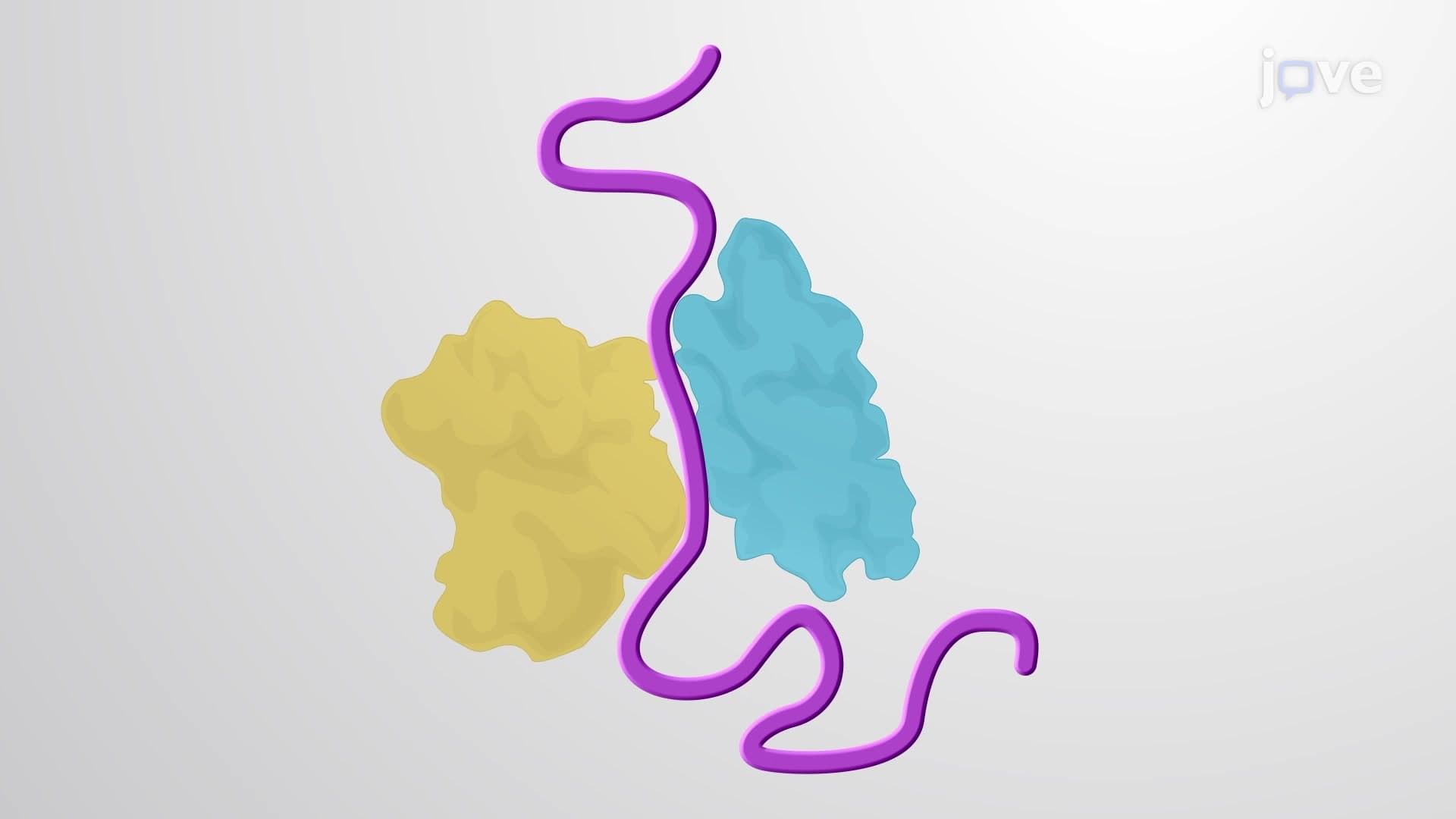
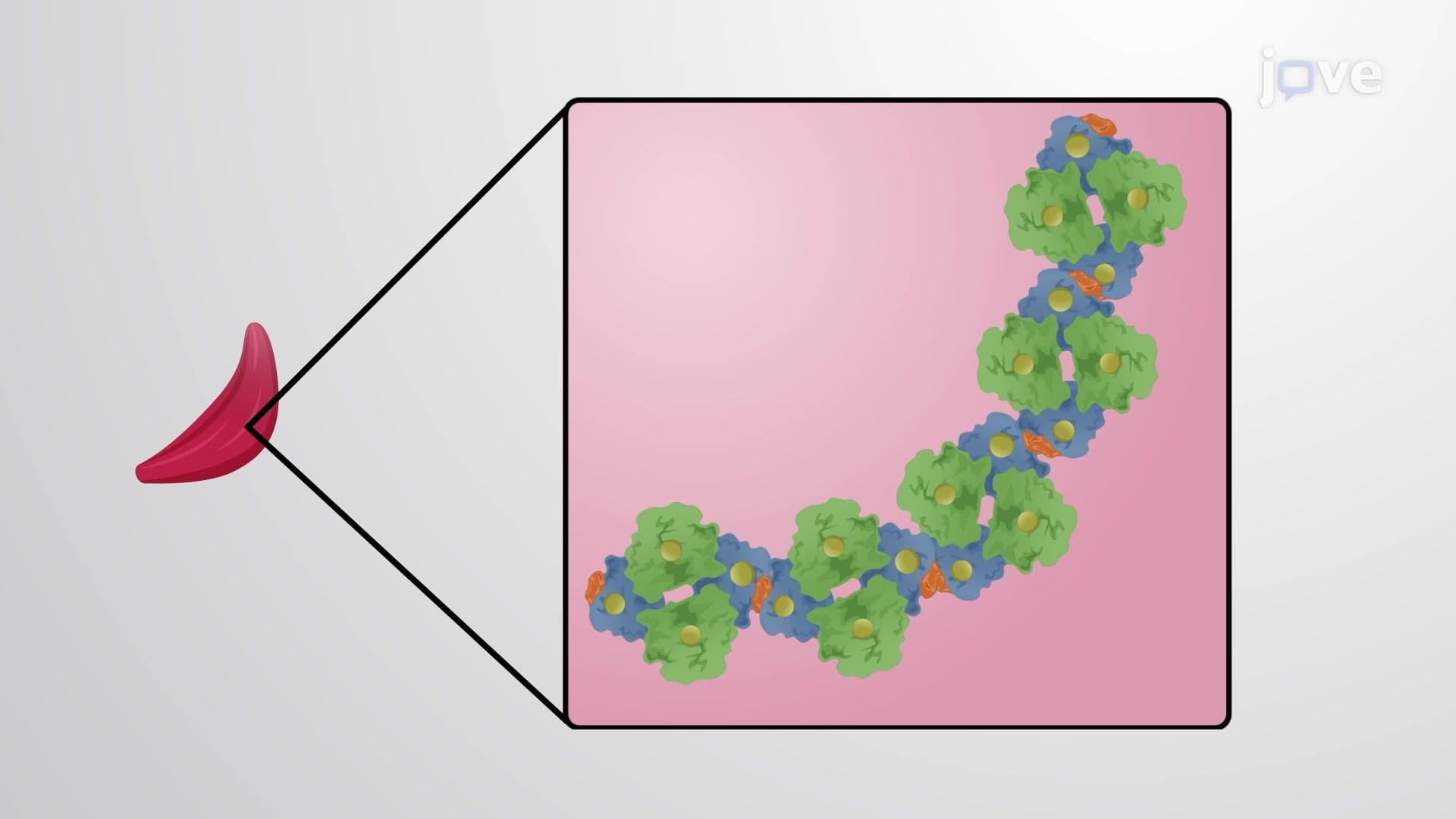
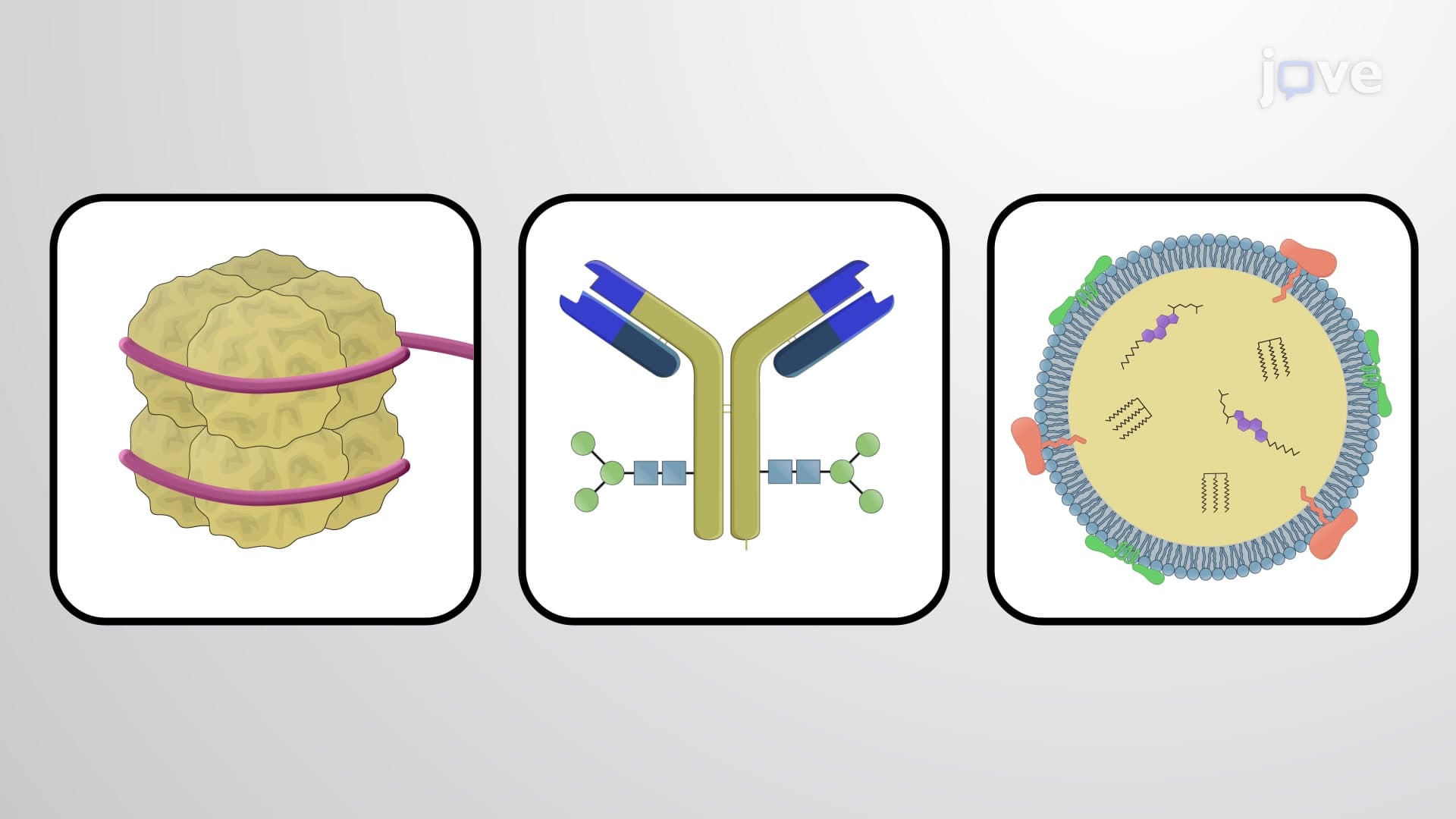
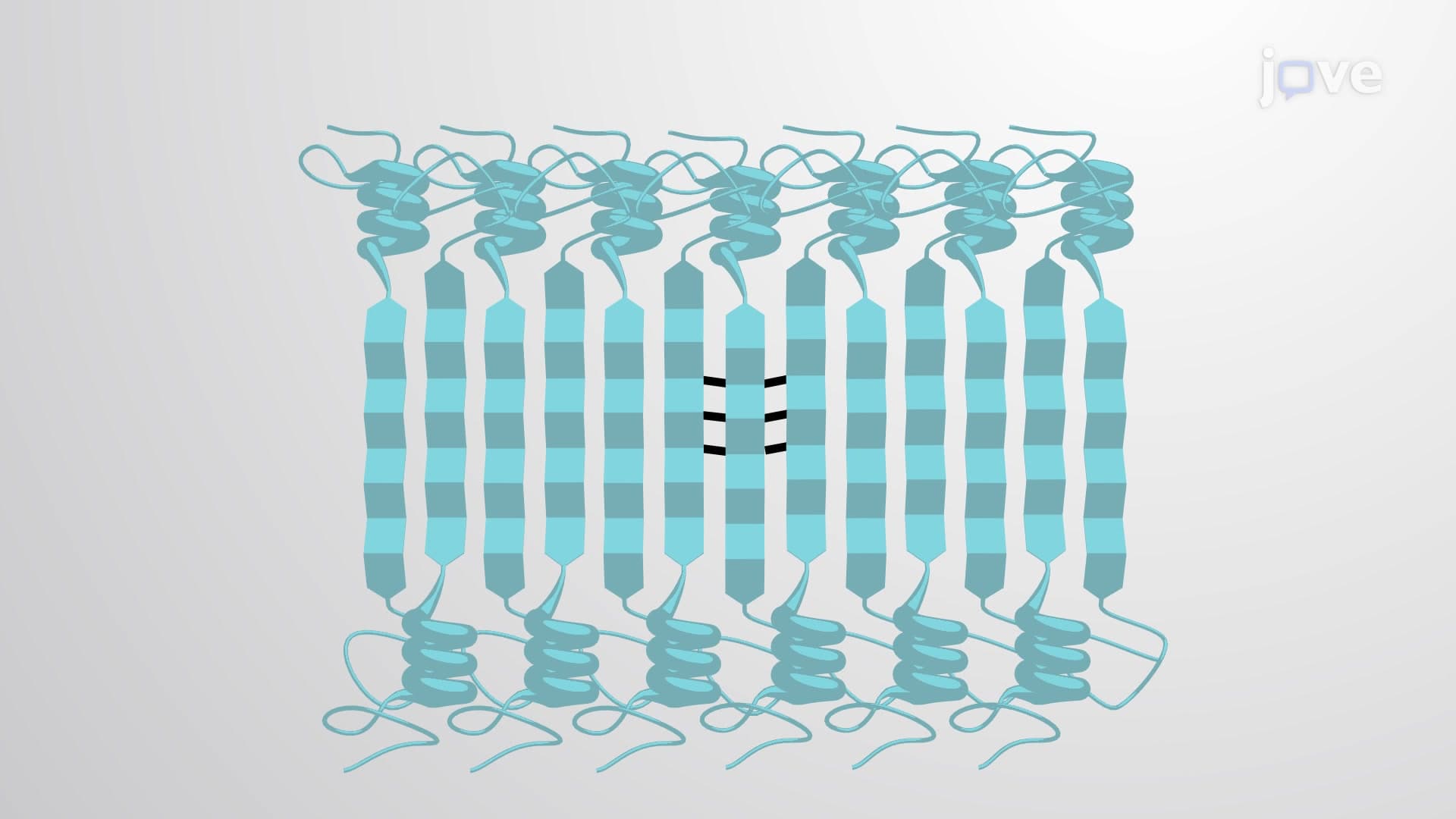
Protein Organization

00:00
01:13
Video Summary: What Is Protein Organization
Did you know that a single protein in your muscles contains over 26,000 amino acids folded into a precise three-dimensional shape? Protein organization levels represent the hierarchical structural arrangement that transforms a simple chain of amino acids into functional biological machines. From the linear sequence of amino acids to complex multi-subunit assemblies like hemoglobin in your red blood cells, what is protein organization encompasses four distinct structural levels that determine how proteins perform their vital cellular functions. Watch the full video on JoVE Coach to master this concept with expert-led visuals and step-by-step explanations.
- Understand what is protein organization and identify the four hierarchical levels of protein structure that govern biological function
- Recognize the primary structure as the linear amino acid sequence connected by peptide bonds in polypeptides
- Analyze secondary structure formations including alpha-helices and beta-sheets stabilized by hydrogen bonding patterns
- Compare tertiary structure three-dimensional folding with quaternary structure multi-subunit assemblies
- Evaluate how different molecular interactions like hydrophobic forces, ionic bonds, and disulfide bridges maintain protein stability
- Apply knowledge of protein conformation changes to understand enzyme function and drug binding mechanisms
- Identify structural motifs and domains that facilitate specific protein functions in cellular processes
- Explore connections between protein misfolding diseases and disrupted organizational hierarchy in human health
Understanding What is Protein Organization
Protein organization levels represent one of biochemistry's most elegant examples of structure-function relationships. This hierarchical system explains how 20 simple amino acids can create the extraordinary diversity of proteins that power all biological processes. Students encounter this concept extensively in AP Biology, college biochemistry courses, and pre-medical studies, making it essential for MCAT preparation and advanced coursework.
Primary Structure: The Foundation of Protein Organization Explained Biochemistry
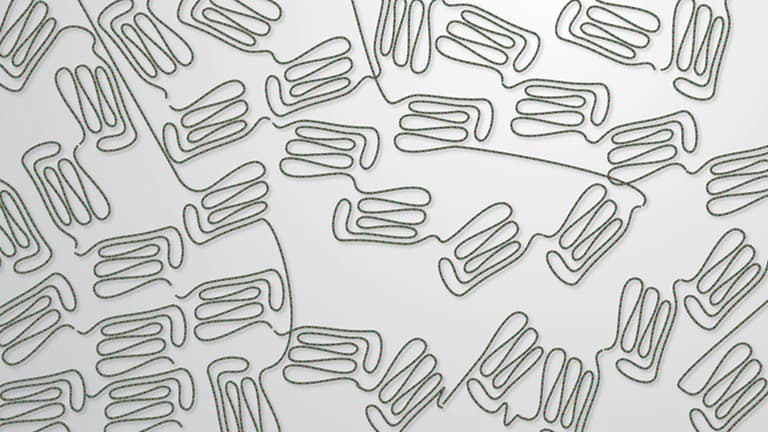
The primary structure forms the foundation of protein organization explained biochemistry through its linear amino acid sequence. Connected by peptide bonds formed during ribosomal translation, this sequence contains all the information necessary for proper protein folding. Consider insulin, the hormone that regulates blood sugar levels-its primary structure consists of 51 amino acids arranged in two chains. A single amino acid change in this sequence can cause diabetes, demonstrating how primary structure directly impacts human health.
Secondary and Tertiary Structure: Building Three-Dimensional Architecture
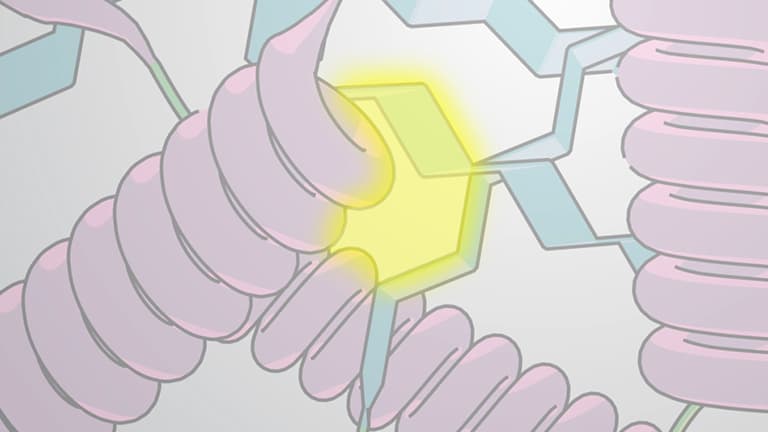
Secondary structure emerges when local regions of the polypeptide chain adopt regular conformations like alpha-helices and beta-sheets. These structures are stabilized by hydrogen bonds between backbone atoms, creating the scaffolding for more complex folding. Tertiary structure represents the complete three-dimensional arrangement of a single polypeptide chain, driven by interactions between amino acid side chains including hydrophobic packing, electrostatic interactions, and covalent disulfide bonds.
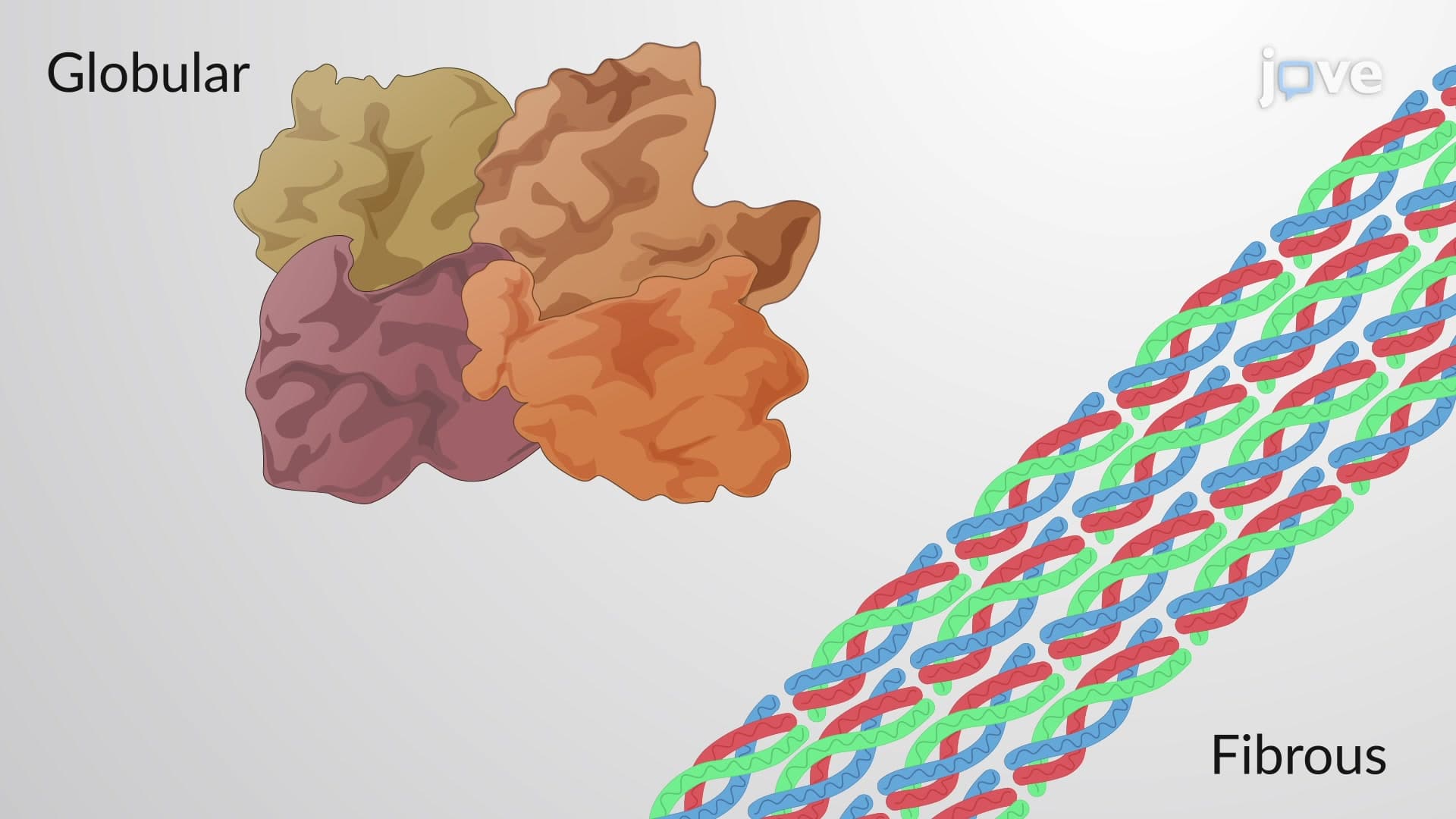
The enzyme lysozyme, found in human tears and saliva, exemplifies tertiary structure complexity. Its 129 amino acids fold into a compact globular shape with a precisely positioned active site that cleaves bacterial cell walls. This three-dimensional organization is so crucial that even minor structural changes can eliminate the enzyme's protective function.
Quaternary Structure and Functional Protein Complexes
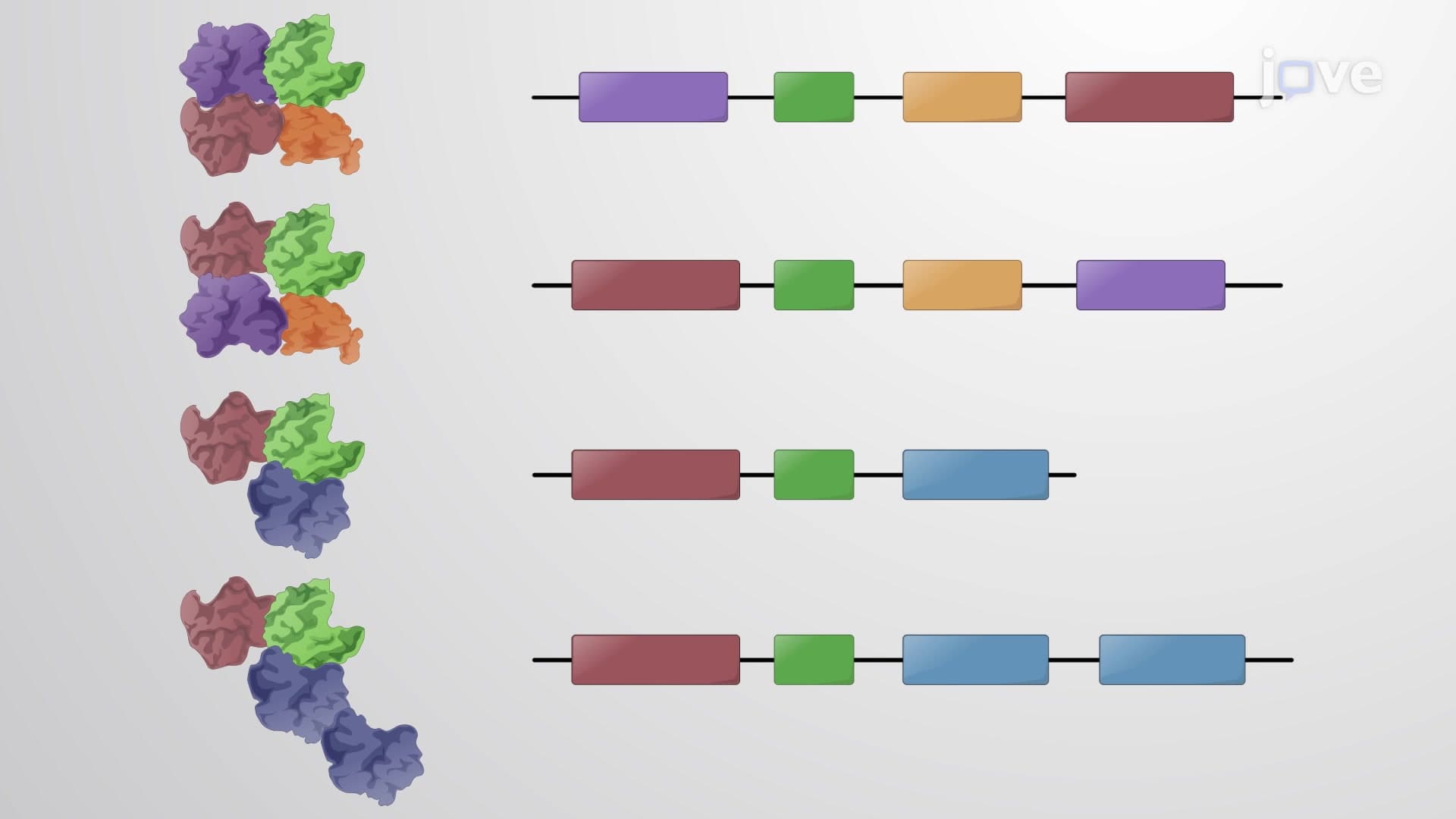
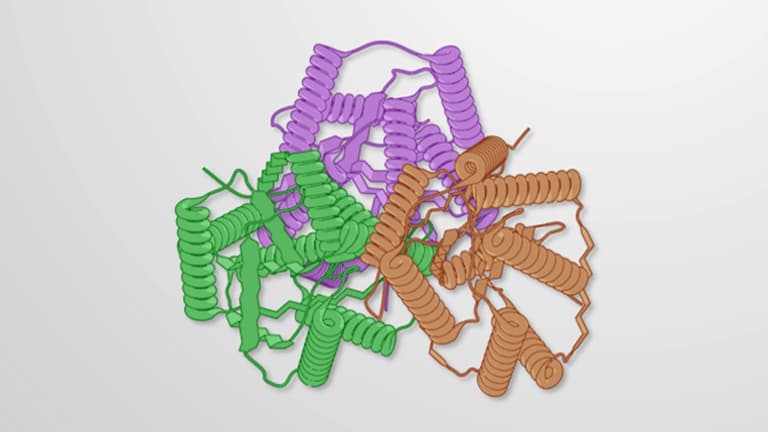
Quaternary structure describes how multiple polypeptide subunits assemble into functional protein complexes. Hemoglobin provides the classic example, consisting of four subunits that work cooperatively to transport oxygen throughout your body. This protein structure hierarchy allows for sophisticated regulatory mechanisms-when one subunit binds oxygen, it induces conformational changes that enhance oxygen binding by the remaining subunits.
Understanding polypeptide protein organization proves essential for careers in medicine, biotechnology, and pharmaceutical research. Structural biologists at institutions like the NIH and major pharmaceutical companies use this knowledge to design new drugs that target specific protein conformations, while medical professionals recognize how protein misfolding contributes to diseases like Alzheimer's and Huntington's disease.
Frequently Asked Questions
Protein organization refers to the hierarchical structural levels-primary, secondary, tertiary, and quaternary-that determine how proteins fold and function in living cells. This organization is crucial because it directly controls protein activity, enzyme efficiency, and cellular processes. Understanding these levels helps explain everything from muscle contraction to immune system function.
For AP Biology, focus on all four levels: primary (amino acid sequence), secondary (alpha-helices and beta-sheets), tertiary (3D folding of single chains), and quaternary (multiple subunit assembly). Know specific examples like hemoglobin for quaternary structure and understand how each level contributes to protein function. Practice drawing and labeling these structures for free-response questions.
MCAT questions often test your ability to predict how structural changes affect protein function, identify stabilizing forces at each organizational level, and analyze experimental data from protein studies. Expect passage-based questions about protein folding diseases, enzyme kinetics, and structural biology techniques like X-ray crystallography. Review cooperative binding and allosteric regulation thoroughly.
Many genetic diseases result from mutations that disrupt protein organization levels, particularly primary structure changes that cascade into folding problems. Sickle cell disease exemplifies this-a single amino acid change in hemoglobin's primary structure alters its tertiary and quaternary organization, causing the characteristic sickling of red blood cells and subsequent health complications.
Not at all! While protein organization involves sophisticated molecular interactions, the hierarchical concept builds logically from simple to complex structures. Start with understanding amino acids and peptide bonds, then gradually work through each organizational level. Visual models and analogies make these abstract concepts much more accessible to high school learners.
Create visual diagrams showing all four organizational levels using the same protein example throughout your study materials. Practice identifying structural features in real protein structures using online databases like the Protein Data Bank. Focus on understanding the chemical interactions that stabilize each level rather than memorizing isolated facts.
Enzyme active sites depend on precise tertiary structure organization to catalyze specific reactions efficiently. Drug designers exploit this by creating molecules that fit into enzyme active sites or binding pockets, either inhibiting harmful enzymes or replacing deficient proteins. Understanding protein organization helps predict how drugs will interact with their protein targets.
Explore protein folding kinetics, chaperone-assisted folding, and post-translational modifications that affect protein structure. Investigate techniques like NMR spectroscopy and cryo-electron microscopy used to determine protein structures. Advanced topics include protein evolution, computational protein design, and the role of intrinsically disordered proteins in cellular function.
Related Micro-courses


