Loading subject page…

2,733 views
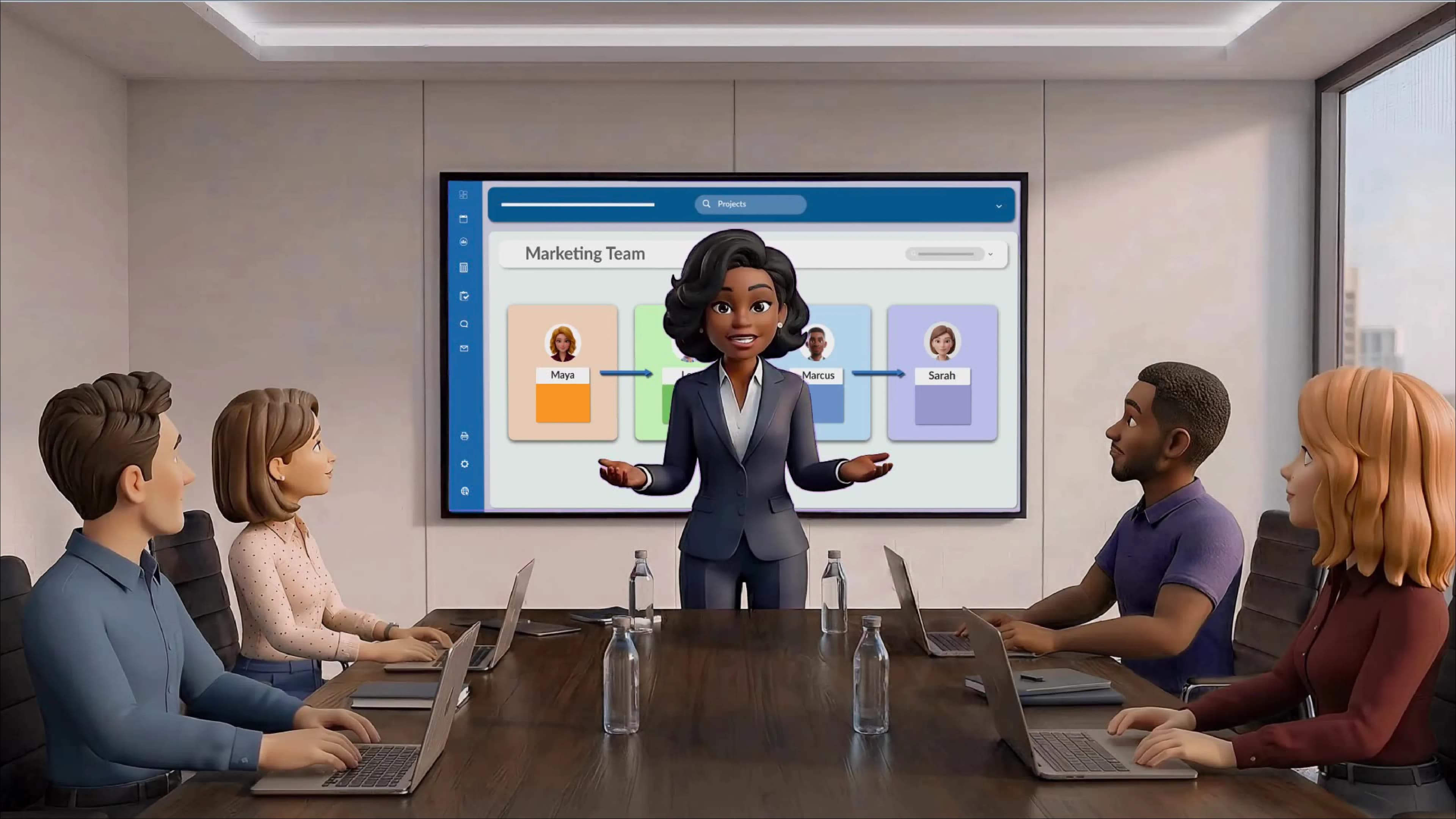

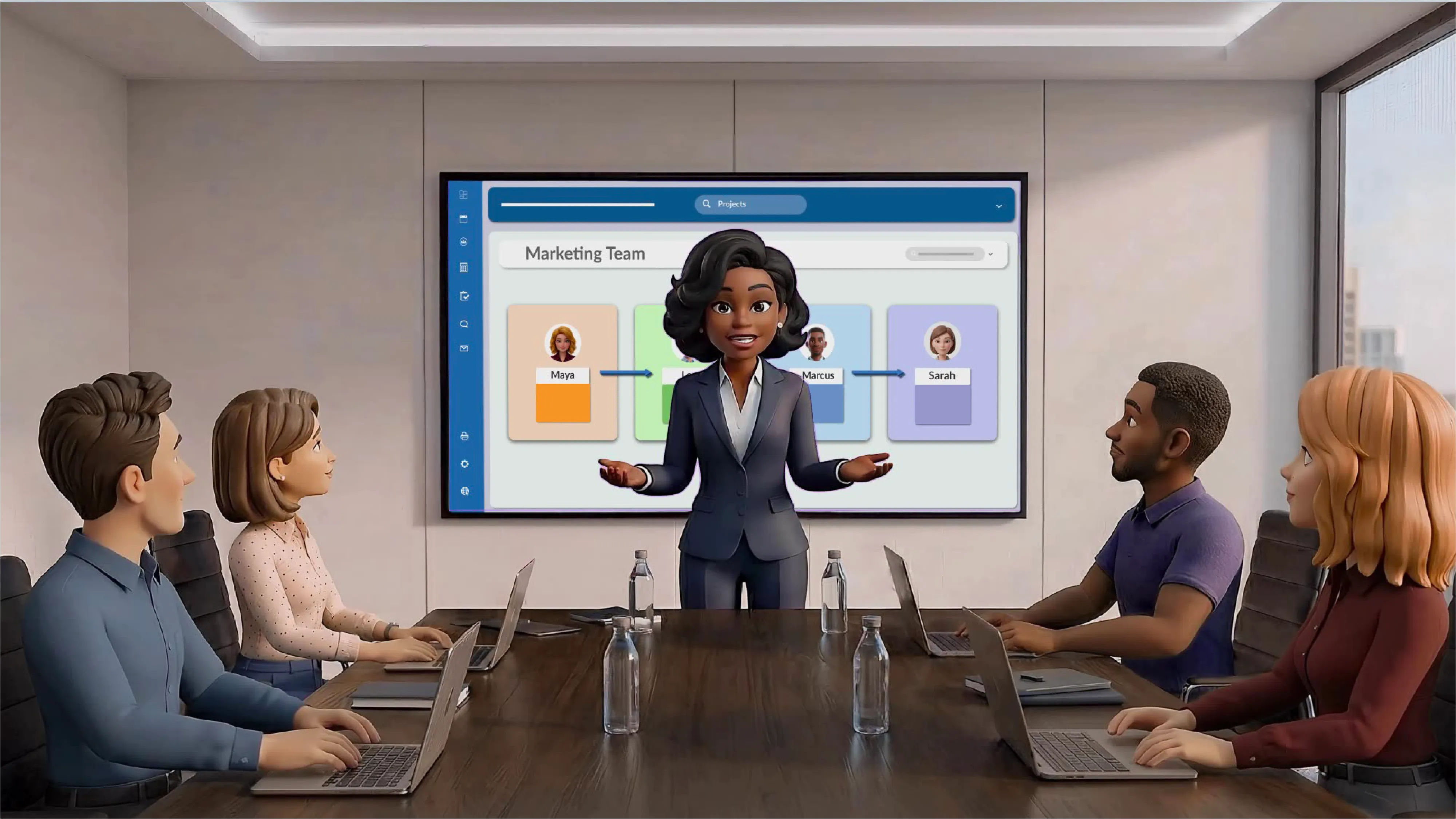
Video Summary: Strengthening Collaboration Across Roles
Many managers struggle with cross-role team collaboration when team members work in silos, miss handoffs, or duplicate efforts across functions. This breakdown creates delays, confusion, and frustration that impacts both deliverables and morale. The systematic approach covered here shows how to build stronger cross-functional teamwork through clear goal alignment, defined role boundaries, explicit task ownership, and proactive dependency management. Watch the full video on JoVE Coach to master this concept with expert-led visuals and step-by-step explanations.
Picture this: Your product launch is delayed because the design team didn't realize marketing needed assets two weeks earlier, while your developers are blocked waiting for requirements that the business analyst thought someone else was handling. Sound familiar? These coordination breakdowns happen when managers assume collaboration will emerge naturally without intentional structure.
Cross-role team collaboration requires deliberate orchestration. Unlike traditional hierarchical management where information flows up and down, modern teams need lateral coordination across functions, specialties, and expertise areas. The most effective managers treat collaboration as a system to be designed, not a soft skill to be hoped for.
The root cause isn't personality conflicts or communication styles-it's structural ambiguity. When team members don't understand how their work connects to others', they optimize for individual productivity rather than collective outcomes. This creates three predictable problems: duplicated effort, missed handoffs, and competing priorities that pull the team in different directions.
Traditional org charts show reporting relationships but rarely illustrate workflow dependencies. A marketing manager might report to the CMO while collaborating daily with product, sales, and customer success teams. Without explicit coordination frameworks, these lateral relationships become friction points rather than value multipliers.
Start with the RACI matrix to clarify who is Responsible, Accountable, Consulted, and Informed for each major deliverable. This simple tool eliminates the "I thought you were handling that" conversations that derail projects. Map it during your next team planning session, focusing on cross-role touchpoints where handoffs typically occur.
Next, implement dependency mapping using a visual workflow tool. Have each team member identify what inputs they need from others and what outputs they provide downstream. This reveals hidden bottlenecks and helps the team sequence work more effectively. Update these maps quarterly as projects and priorities evolve.
Establish recurring coordination rhythms beyond standard team meetings. Weekly 15-minute stand-ups focused specifically on cross-role dependencies can prevent most coordination failures. Use a simple format: What did you complete that others are waiting for? What are you blocked on? What do you need from teammates this week?
The biggest error is assuming that defining roles once is sufficient. Team dynamics shift as projects progress, new members join, and priorities change. Build role clarity into your regular management cadence-revisit responsibilities during monthly one-on-ones and adjust as needed.
Another frequent pitfall is over-communicating process while under-communicating purpose. Team members need to understand not just what they're doing, but why their specific contribution matters to the larger objective. Connect individual tasks to team outcomes explicitly and repeatedly.
Finally, don't confuse coordination with consensus. Cross-role collaboration requires clear decision rights and escalation paths. When teams try to achieve buy-in from everyone on everything, they slow down decision-making and dilute accountability.
Related Micro-courses