Loading subject page…


2,253 views


Video Summary: From Individual Contributor to Manager
When high-performing individual contributors get promoted, most struggle because their individual contributor to manager transition requires fundamentally different skills. Success shifts from personal output to team performance-a mindset change that derails many new managers. The key lies in mastering delegation, setting clear expectations, and empowering others rather than doing the work yourself. This transition demands learning to direct rather than do, building trust through accountability, and creating environments where teams thrive. Watch the full video on JoVE Coach to master this concept with expert-led visuals and step-by-step explanations.
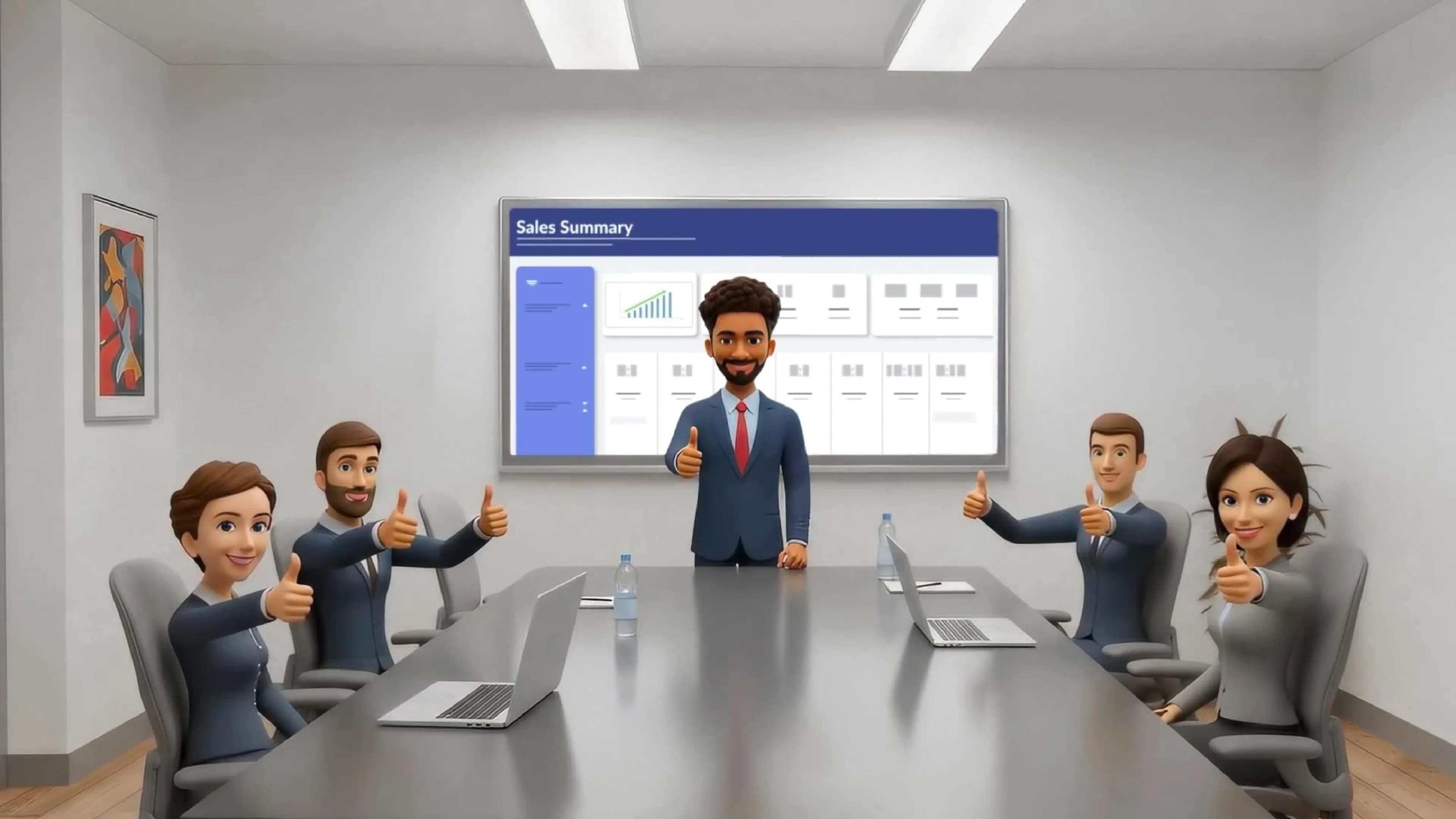
Picture this: You've just been promoted to team lead after crushing your sales targets for three consecutive quarters. Your first instinct? Keep doing what made you successful-working late, perfecting every detail, being the go-to problem solver. Within two months, you're burned out, your team feels disconnected, and performance is declining. This scenario plays out across organizations worldwide because the IC to manager transition fundamentally changes what success looks like.
The transition from individual contributor to manager fails because success metrics completely flip. As an IC, your value came from personal productivity, technical expertise, and individual output. As a manager, your value comes from multiplying others' capabilities, removing obstacles, and orchestrating team performance. This shift requires developing an entirely new skill set while often managing former peers-a complex dynamic that demands both authority and humility.
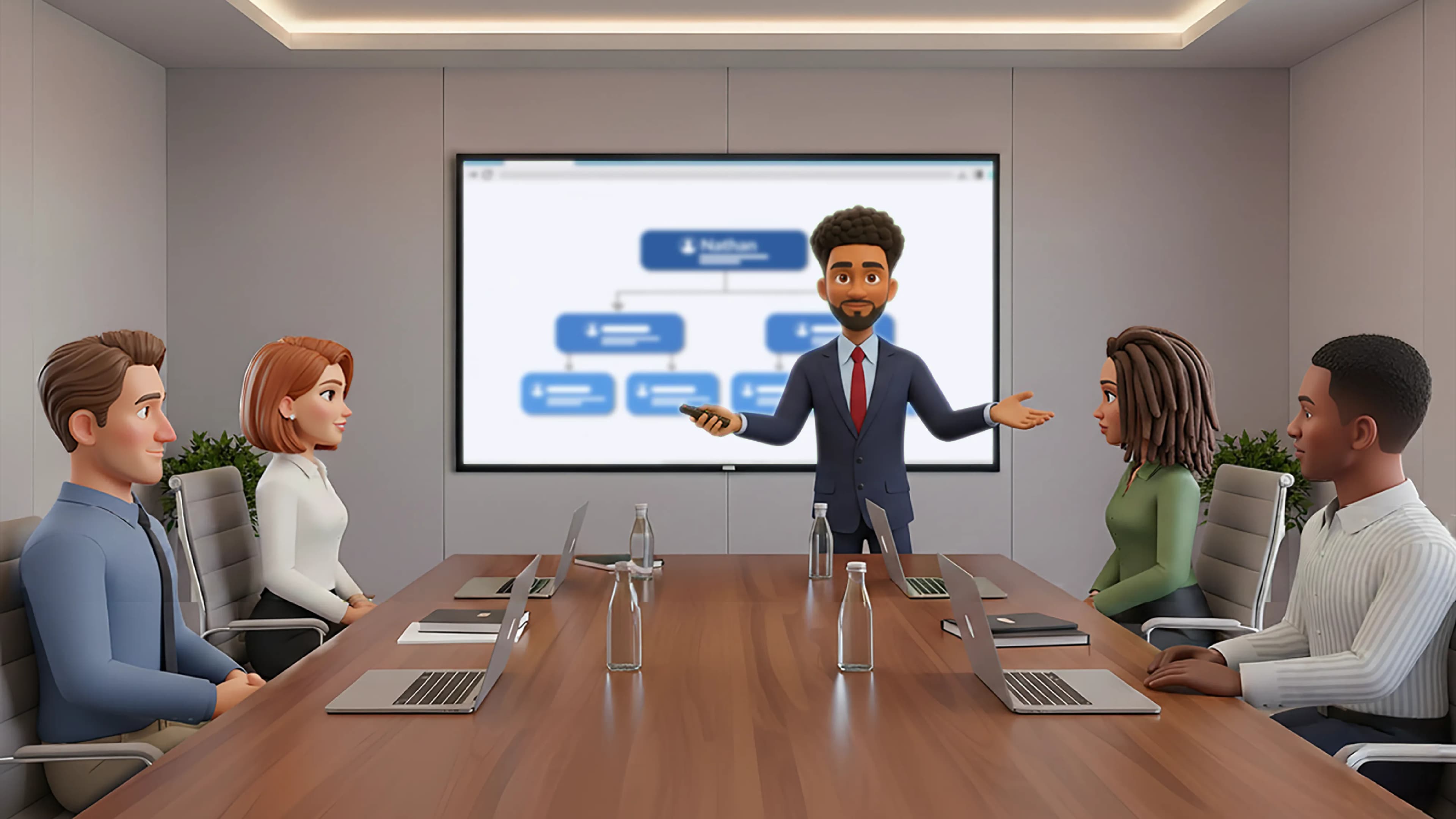
The most effective approach follows the "Direct-Don't-Do" principle. First, establish clear role boundaries using the RACI matrix (Responsible, Accountable, Consulted, Informed) to define who owns what outcomes. Second, implement structured delegation using the "What-When-Why" method: clearly communicate what needs to be accomplished, when it's due, and why it matters to team and organizational goals. Third, create feedback loops through weekly 1:1s using the SBI model (Situation-Behavior-Impact) to address performance gaps without reverting to doing the work yourself.
New managers typically make three critical errors. They delegate tasks but not authority, creating bottlenecks and frustration. They fail to establish clear success criteria, leading to rework and confusion. Most importantly, they don't build accountability mechanisms, resulting in missed deadlines and quality issues. Effective delegation requires giving team members both the responsibility and the autonomy to complete work, while establishing checkpoints that ensure progress without micromanaging.
Successful managers focus on creating systems, not solving problems. Use the 70-20-10 framework: spend 70% of your time on strategic planning and team development, 20% on coaching and removing obstacles, and only 10% on individual tasks that truly require your expertise. This allocation forces you to think systematically about team capability building while avoiding the trap of reverting to individual contributor work when pressure mounts.
Related Micro-courses