Loading subject page…


117,401 views

Video Summary: What are Lewis Acids and Bases
Why do aluminum compounds in deodorants bind so effectively to skin proteins? The answer lies in Lewis acids and bases, a fundamental concept that explains electron-pair interactions beyond traditional acid-base definitions. Lewis acids like aluminum chloride (found in antiperspirants) accept electron pairs from Lewis bases, forming stable complexes that make these products so effective. This concept revolutionizes how chemists understand bonding in everything from industrial catalysts to biological systems. Watch the full video on JoVE Coach to master this concept with expert-led visuals and step-by-explanations.
What are Lewis Acids and Bases represents one of chemistry's most versatile frameworks for understanding chemical reactivity. Unlike Brønsted-Lowry theory, which focuses solely on proton transfer, Lewis theory examines electron-pair interactions. This broader definition explains countless reactions in organic synthesis, coordination chemistry, and biochemical processes that traditional acid-base theories cannot address.
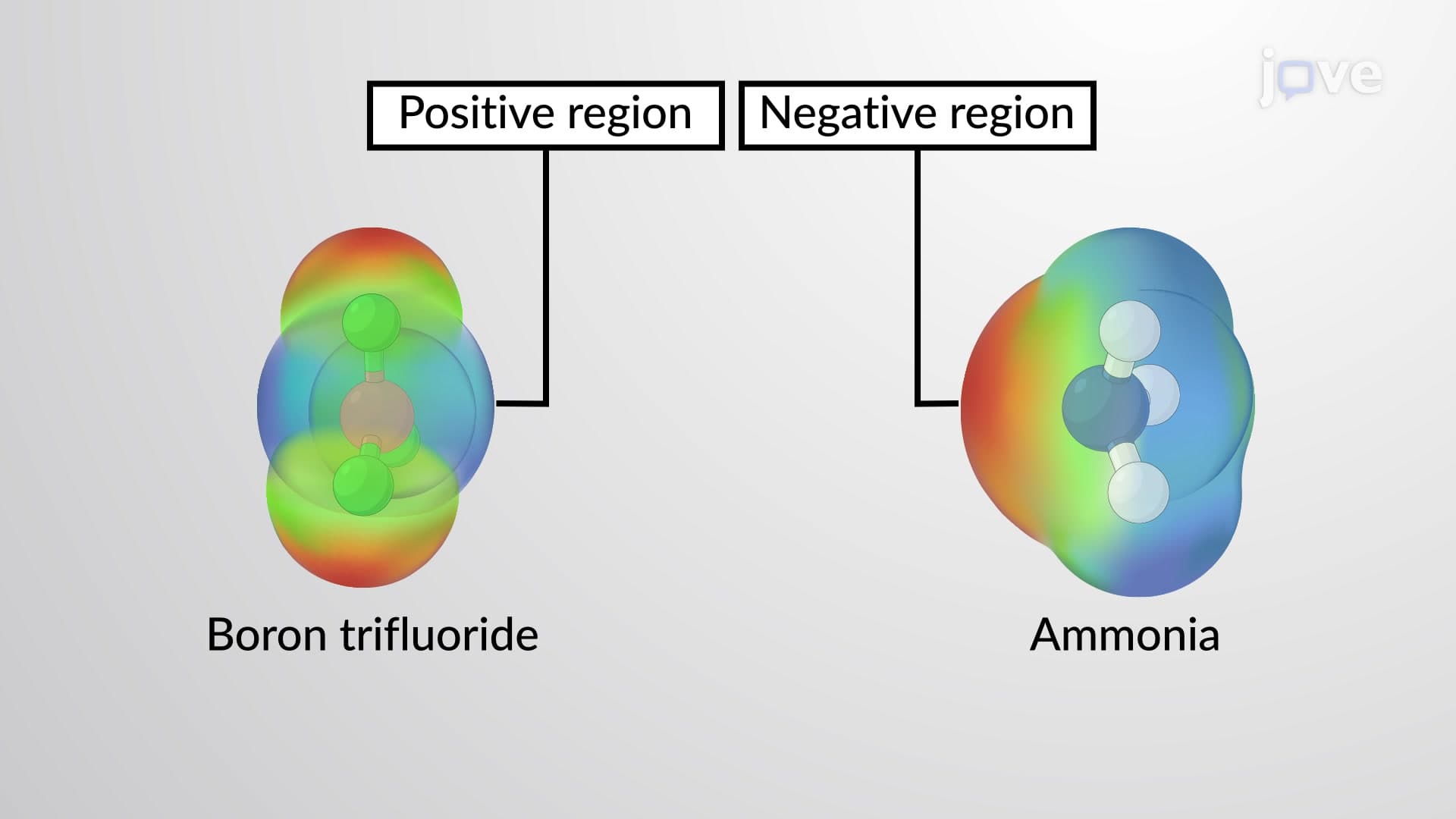
Lewis acids typically fall into several categories. Types of lewis acids and bases include electron-deficient compounds (like BF₃ and AlCl₃), metal cations (Fe³⁺, Mg²⁺), and molecules with expandable octets. Group 13 elements exemplify classic Lewis acids because their three valence electrons create compounds with only six electrons around the central atom, leaving vacant orbitals available for electron-pair acceptance.
Lewis bases, conversely, possess lone electron pairs available for donation. Common examples include ammonia (NH₃), water (H₂O), and halide ions (Cl⁻, F⁻). The strength of Lewis bases depends on electron pair availability and the atom's electronegativity, less electronegative atoms hold electrons more loosely, making them better donors.
This lewis acids and bases concept appears frequently on AP Chemistry exams, particularly in coordination compound questions and organic reaction mechanisms. The MCAT extensively tests Lewis theory in biochemistry contexts, where enzyme-substrate interactions often involve Lewis acid-base mechanisms. For instance, zinc ions in carbonic anhydrase act as Lewis acids, accepting electron pairs from water molecules during CO₂ hydration.
Industrial applications abound: Lewis acid catalysts like aluminum chloride enable Friedel-Crafts reactions in petroleum refining, while Lewis bases like pyridine serve as nucleophiles in pharmaceutical synthesis. Understanding these electron-pair interactions helps predict reaction outcomes and design synthetic pathways.
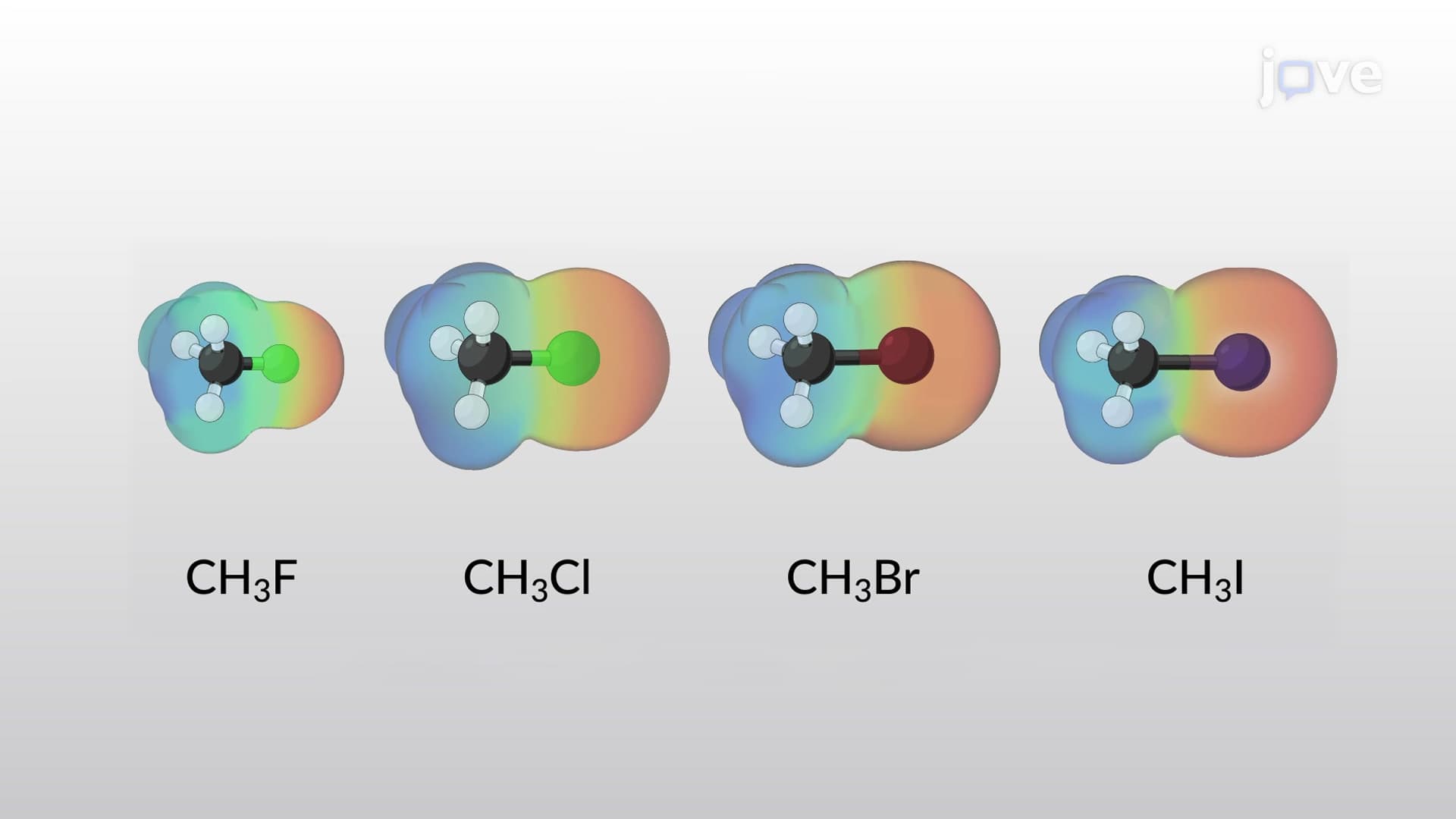
When studying this lewis acids and bases overview, focus on electron counting and orbital availability. Practice identifying electron-deficient species and lone pair locations using Lewis structures. Electrostatic potential maps provide visual confirmation, blue regions (positive) indicate Lewis acid sites, while red regions (negative) suggest Lewis base behavior. This visual approach proves invaluable for complex molecules where simple electron counting becomes challenging.
Related Micro-courses