Loading subject page…

- Organic Chemistry
- Acids and Bases
- Molecular Structure and Acidity
Micro-course: Acids and Bases
117,401 views
Learn key concepts and earn your certificate.

Molecular Structure and Acidity

00:00
02:34
Video Summary: What Is Molecular Structure and Acidity
Ever wonder why lemon juice (citric acid) can dissolve mineral deposits while pure water cannot? The answer lies in molecular structure acidity, the fascinating relationship between a molecule's atomic arrangement and its ability to donate protons. Consider how aspirin's molecular structure makes it both an effective pain reliever and a mild acid that can irritate your stomach lining. Understanding what is molecular structure and acidity reveals why certain compounds behave as strong acids while others remain neutral. Watch the full video on JoVE Coach to master this concept with expert-led visuals and step-by-step explanations.
- Understand what is molecular structure and acidity by analyzing how atomic arrangement affects acid strength through conjugate base stability
- Identify the key factors that determine acid strength: atomic size, electronegativity, resonance structures, and inductive effects
- Analyze how atomic size influences acidity when comparing elements in the same periodic table column (larger atoms create more stable anions)
- Compare the role of electronegativity in acid strength when examining atoms in the same periodic table row
- Evaluate how resonance structures stabilize conjugate bases and strengthen corresponding acids
- Apply inductive effect principles to predict relative acid strengths based on electronegative substituent positions
- Recognize the relationship between carbon hybridization (sp, sp2, sp3) and relative acidity in hydrocarbons
- Explore real-world applications of molecular structure-acidity relationships in pharmaceuticals and industrial processes
Understanding Molecular Structure and Acidity Fundamentals
What is molecular structure and acidity represents one of chemistry's most practical concepts, directly connecting atomic arrangements to chemical behavior. Acid strength fundamentally depends on conjugate base stability, the more stable the anion formed after proton donation, the stronger the original acid. This principle governs everything from drug design at pharmaceutical companies like Pfizer to environmental remediation processes used by the EPA.
Atomic Properties and Acid Strength Relationships
When comparing acids containing atoms from the same periodic table column, atomic size becomes the determining factor. Larger atoms distribute negative charge over greater volumes, creating more stable anions. This explains why hydrogen sulfide (H2S) acts as a stronger acid than water (H2O), sulfur's larger atomic radius better accommodates the negative charge than oxygen's smaller radius.
For atoms in the same row, electronegativity dominates acidity trends. Highly electronegative atoms attract electrons more strongly, stabilizing negative charges on conjugate bases. This principle appears frequently on AP Chemistry exams and explains why hydrogen fluoride (HF) demonstrates greater acidity than hydrogen chloride (HCl) despite chlorine's larger size.
Resonance and Inductive Effects in Molecular Acidity
Resonance structures dramatically impact acid strength by delocalizing negative charge across multiple atoms. Pharmaceutical companies exploit this principle when designing drug molecules. For instance, acetylsalicylic acid (aspirin) contains a carboxylic acid group whose conjugate base benefits from resonance stabilization, contributing to the drug's effectiveness and side effect profile.
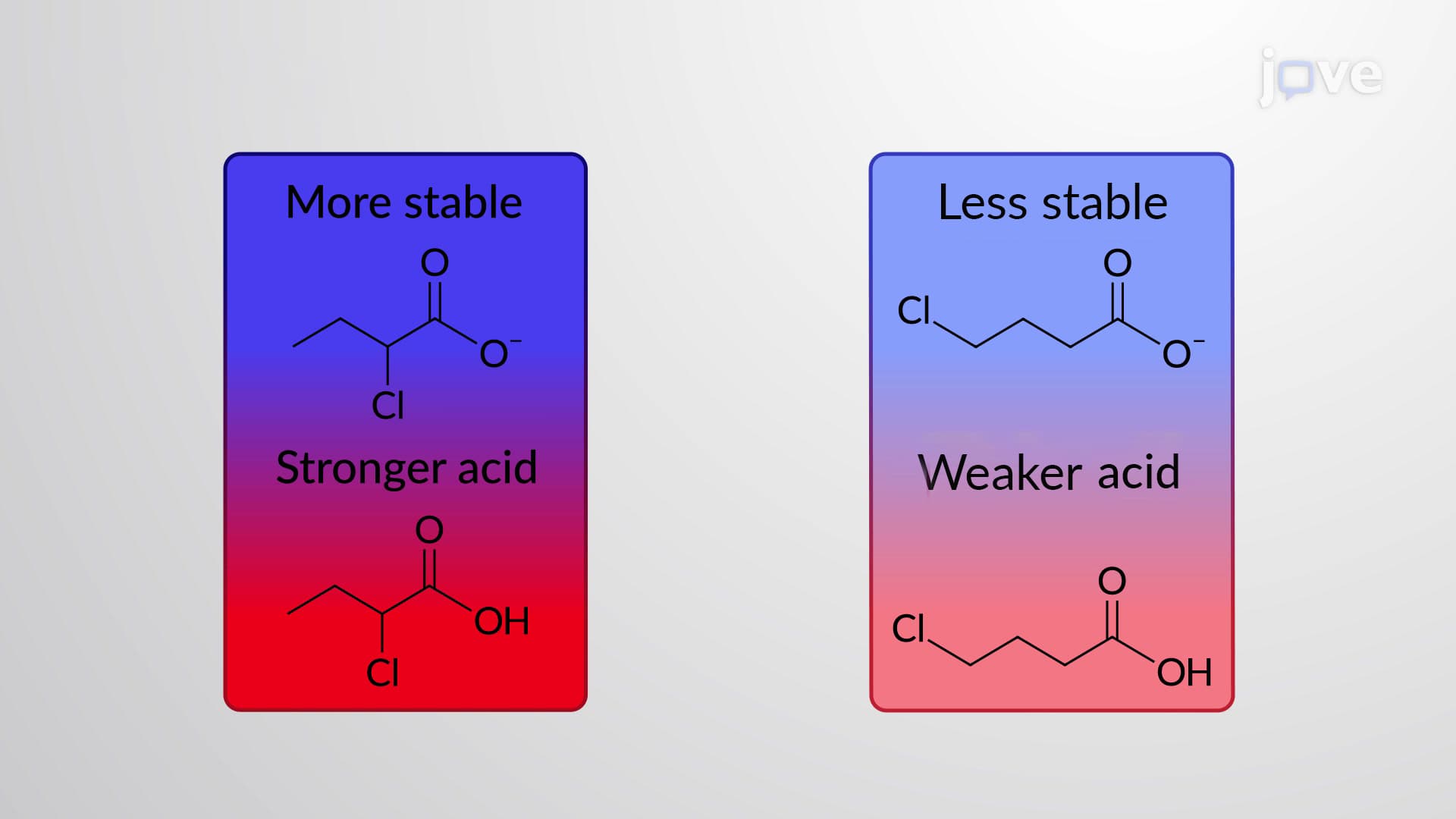
Inductive effects provide another crucial mechanism for acid strength modulation. Electronegative substituents positioned near acidic groups withdraw electron density, stabilizing conjugate bases. The closer the electronegative atom to the acidic site, the stronger the effect. This concept frequently appears in organic chemistry courses at universities like MIT and Stanford, where students learn to predict relative acid strengths based on molecular structure.
Hybridization and Hydrocarbon Acidity
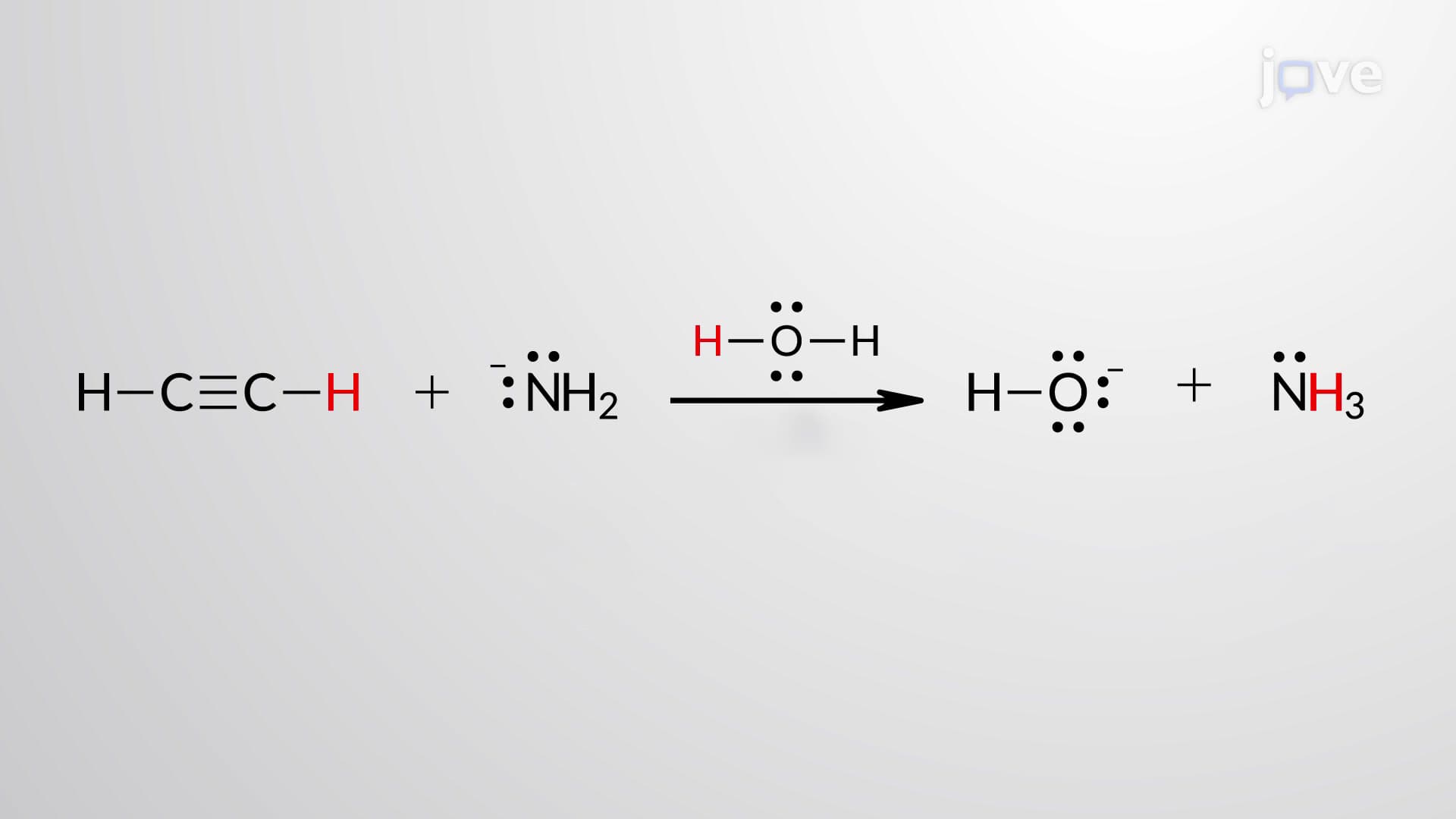
Carbon hybridization significantly affects acidity in hydrocarbon compounds. Electrons in sp-hybridized carbons exist closer to the nucleus than those in sp2 or sp3 orbitals, making sp carbons better at stabilizing negative charges. Consequently, terminal alkynes (sp carbons) exhibit greater acidity than alkenes (sp2) or alkanes (sp3). This trend appears regularly in MCAT organic chemistry sections and college-level courses, helping students understand why acetylene can participate in acid-base reactions while methane cannot.
Frequently Asked Questions
Molecular structure and acidity describes how a molecule's atomic arrangement determines its ability to donate hydrogen ions (protons) in solution. The more stable the resulting anion after proton donation, the stronger the acid. This relationship governs everything from stomach acid function to industrial chemical processes.
AP Chemistry frequently tests molecular structure-acidity relationships through comparative acid strength problems, asking students to rank compounds based on structural features. Expect questions about electronegativity effects, resonance stabilization, and inductive influences on acid strength. Practice identifying conjugate base stability patterns for exam success.
The MCAT emphasizes understanding how molecular structure affects biological acid-base processes, including enzyme function and drug metabolism. Focus on resonance effects in carboxylic acids, amino acid side chain acidity, and how pharmaceutical modifications alter drug properties. These concepts bridge organic chemistry and biochemistry sections.
Common medications demonstrate molecular structure-acidity principles in action. Aspirin's carboxylic acid group (stabilized by resonance) makes it acidic enough to irritate stomach lining, while antacids like calcium carbonate neutralize excess stomach acid through basic properties. Understanding these relationships helps explain drug actions and side effects.
Absolutely not! While the concept involves multiple factors, breaking it down into periodic trends, resonance patterns, and inductive effects makes it manageable. Start with simple comparisons like HF versus HCl, then progress to more complex organic molecules. Visual models and practice problems build confidence effectively.
Create comparison charts organizing acids by structural features, then practice predicting relative strengths. Use periodic table trends for atomic property effects, draw resonance structures for stabilization assessment, and map out inductive effect distances. Regular practice with diverse molecular structures builds pattern recognition skills essential for exam success.
Molecular structure-acidity understanding forms the foundation for enzyme kinetics, drug design principles, and advanced organic synthesis mechanisms. Students can explore biochemical pH regulation, pharmaceutical chemistry courses, or environmental chemistry applications. These connections make the concept particularly valuable for pre-med and chemistry major students.
Related Micro-courses


7 Concepts
15 Concepts