Loading subject page…


117,401 views

Video Summary: What Is Position of Equilibrium
Ever wonder why antacid tablets neutralize stomach acid so effectively? The position equilibrium determines which direction chemical reactions favor, making some reactions nearly complete while others barely proceed. In pharmaceutical manufacturing across the United States, chemists use position of equilibrium principles to optimize drug synthesis and ensure maximum product yield. This fundamental concept explains why certain acid-base reactions, like those in common medications, proceed almost entirely to completion while others reach a balanced state. What is Position of Equilibrium becomes clearer when you understand how molecular stability drives reaction outcomes. Watch the full video on JoVE Coach to master this concept with expert-led visuals and step-by-step explanations.
The position of equilibrium represents where a reversible reaction "settles" when forward and reverse reaction rates become equal. In acid-base chemistry, this concept determines whether reactants or products predominate in the final mixture. Unlike static systems, chemical equilibria are dynamic-molecules continuously react in both directions, but the net concentrations remain constant.
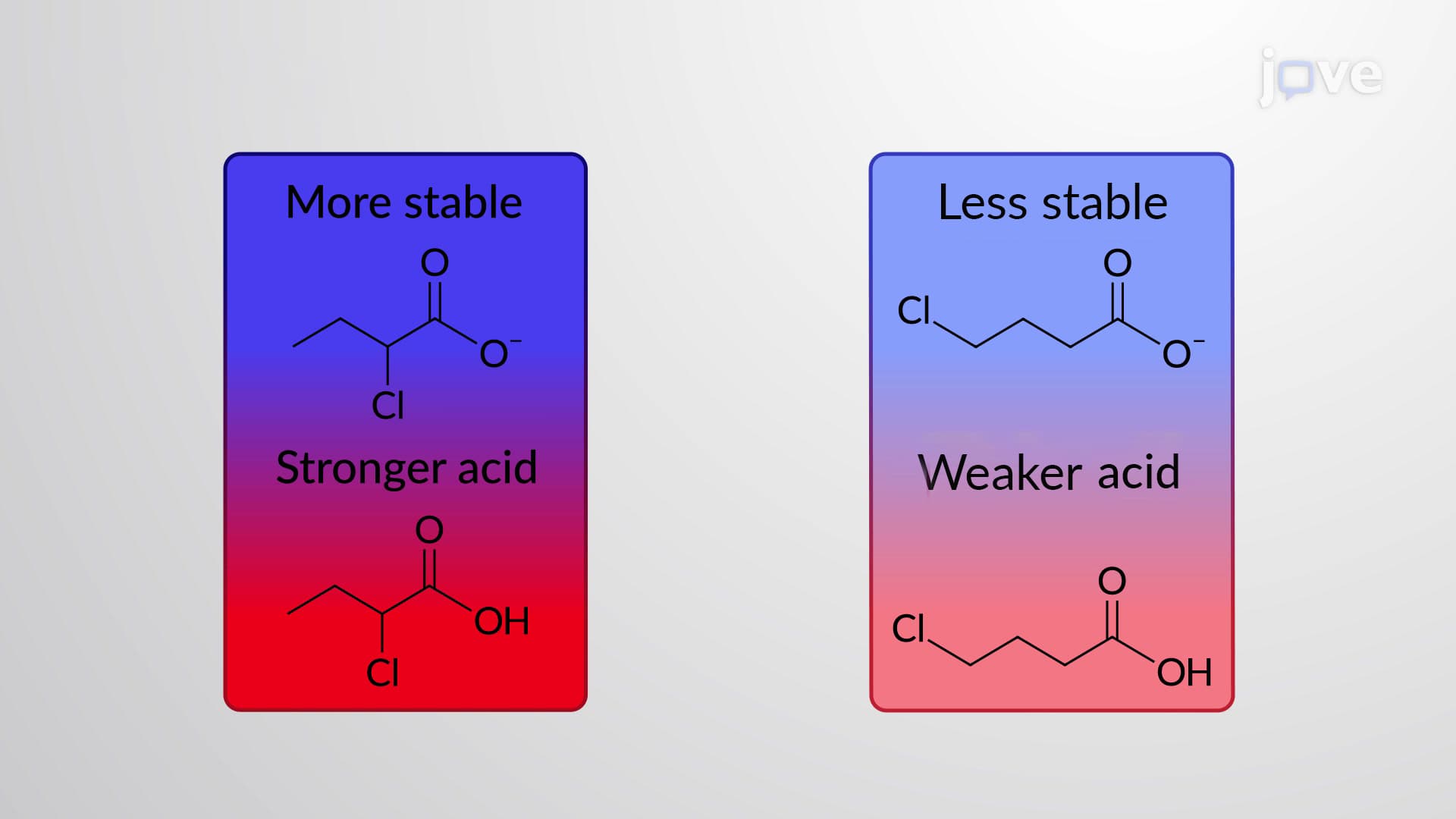
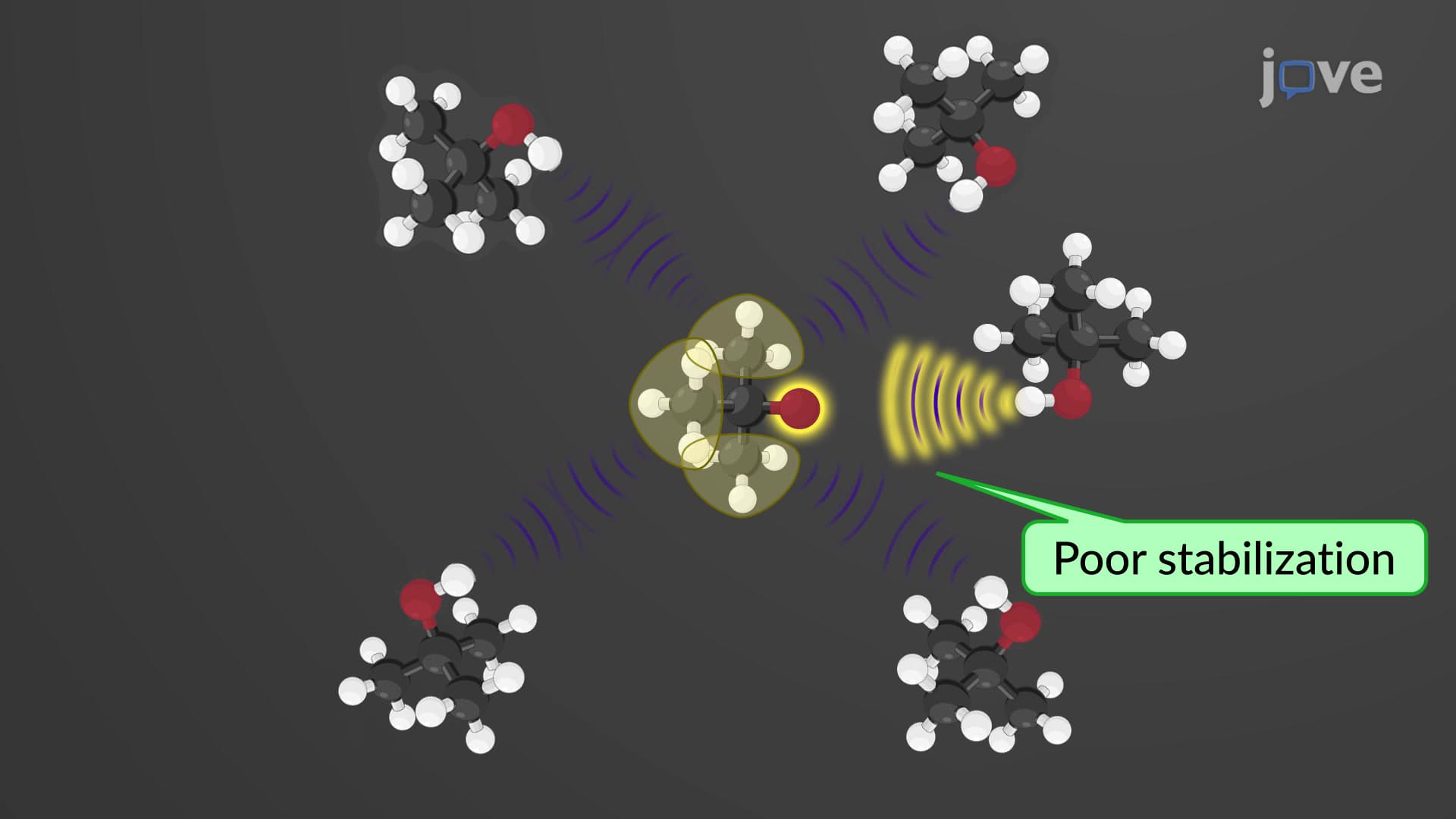
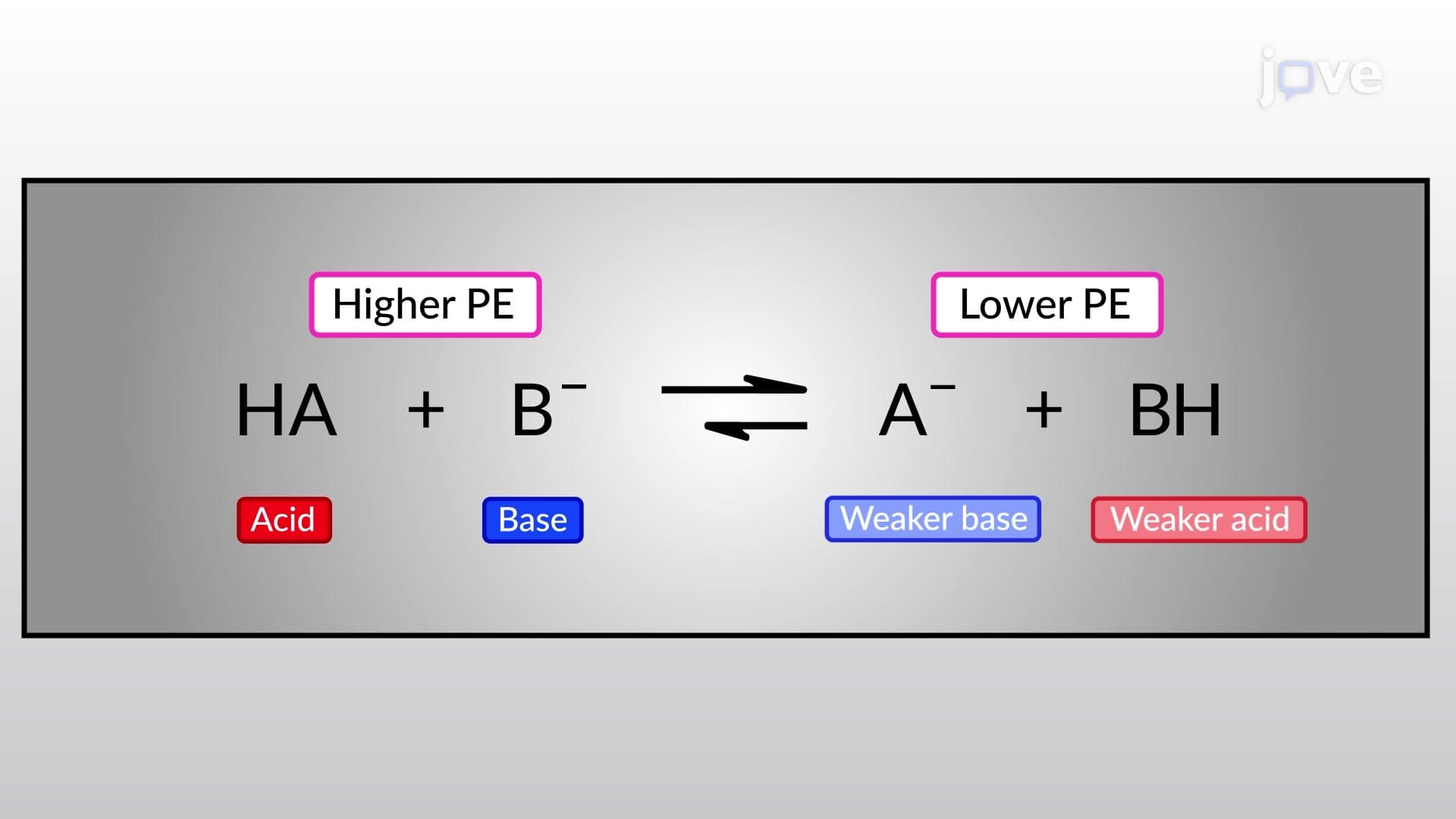
The position equilibrium depends fundamentally on thermodynamic stability. Nature favors the formation of more stable, lower-energy species. In acid-base reactions, this translates to favoring weaker acids and weaker conjugate bases, which possess lower potential energy than their stronger counterparts.
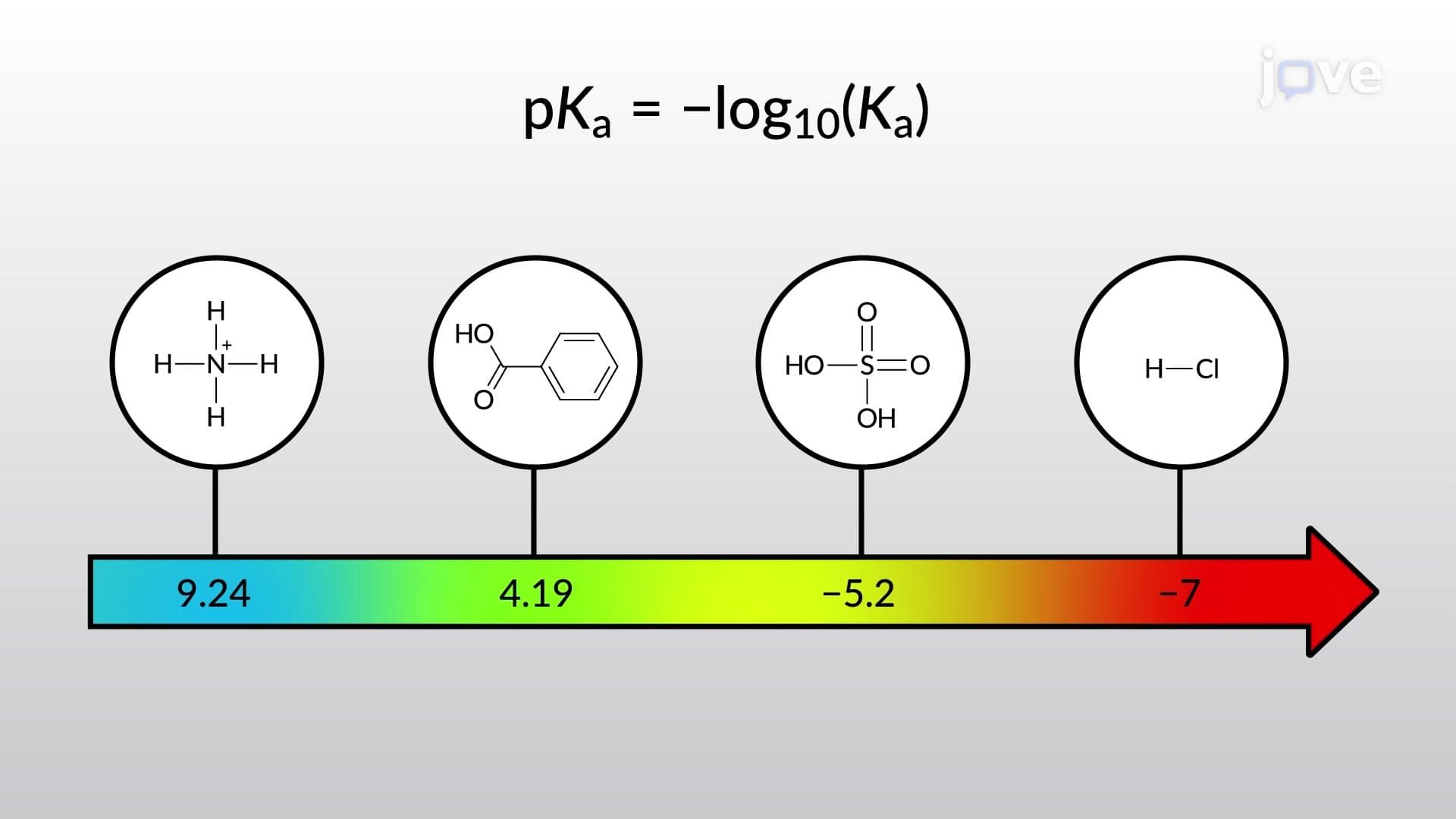
The pKa value serves as a quantitative measure of acid strength-lower pKa indicates stronger acid. When comparing two acids in an equilibrium system, the equilibrium position always favors the side containing the weaker acid (higher pKa). This principle allows chemists to predict reaction outcomes before conducting experiments.
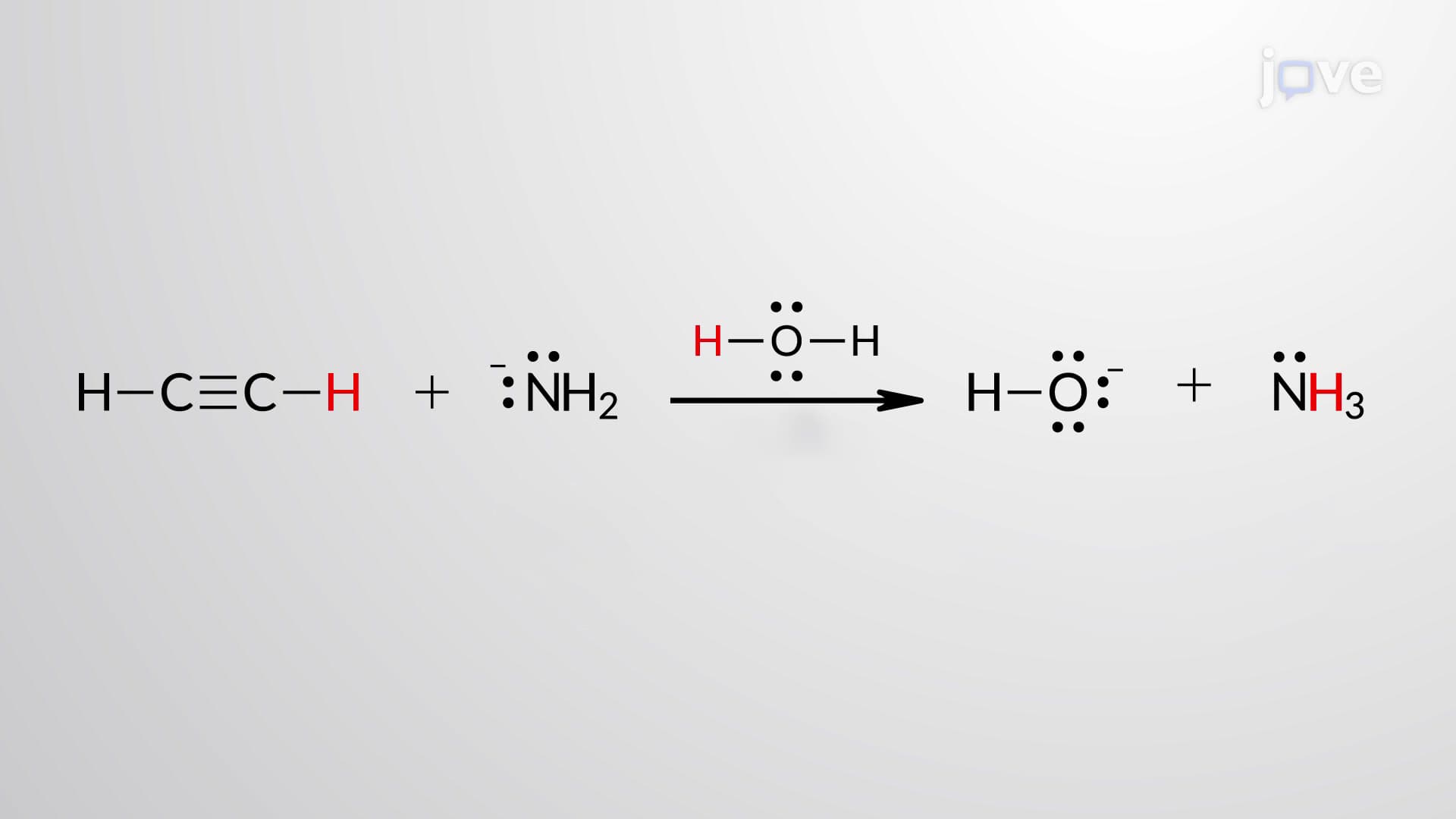
For example, in pharmaceutical manufacturing facilities across states like New Jersey and California, chemists regularly apply this principle when synthesizing active pharmaceutical ingredients. If acetic acid (pKa = 4.8) reacts with ammonia (pKa = 38), the equilibrium heavily favors acetate ion and ammonium ion formation because ammonia is the much weaker acid.
The quantitative relationship between pKa values and equilibrium position can be expressed through the equilibrium constant. The formula: K(eq) = 10^(pKa(weaker acid) - pKa(stronger acid)) provides a numerical measure of how far the equilibrium lies toward products.
When pKa differences exceed 3-4 units, the equilibrium constant becomes so large (>1000) that the reaction effectively goes to completion. This concept appears frequently on AP Chemistry exams and college organic chemistry courses, where students must determine whether to use equilibrium arrows (⇌) or irreversible arrows (→) in reaction mechanisms.
Understanding position equilibrium proves essential for pre-med students taking the MCAT, where acid-base equilibria questions regularly appear in the Chemical and Physical Foundations section. The concept also underlies buffer system calculations in clinical chemistry, helping explain how blood pH remains stable despite metabolic acid production.
Industrial applications include optimizing reaction conditions in pharmaceutical synthesis, environmental remediation processes, and quality control in chemical manufacturing. Companies like Pfizer and Johnson & Johnson rely on these principles when developing new medications and scaling up production processes.
Related Micro-courses