Loading video…


 7 Concepts
 94.4K views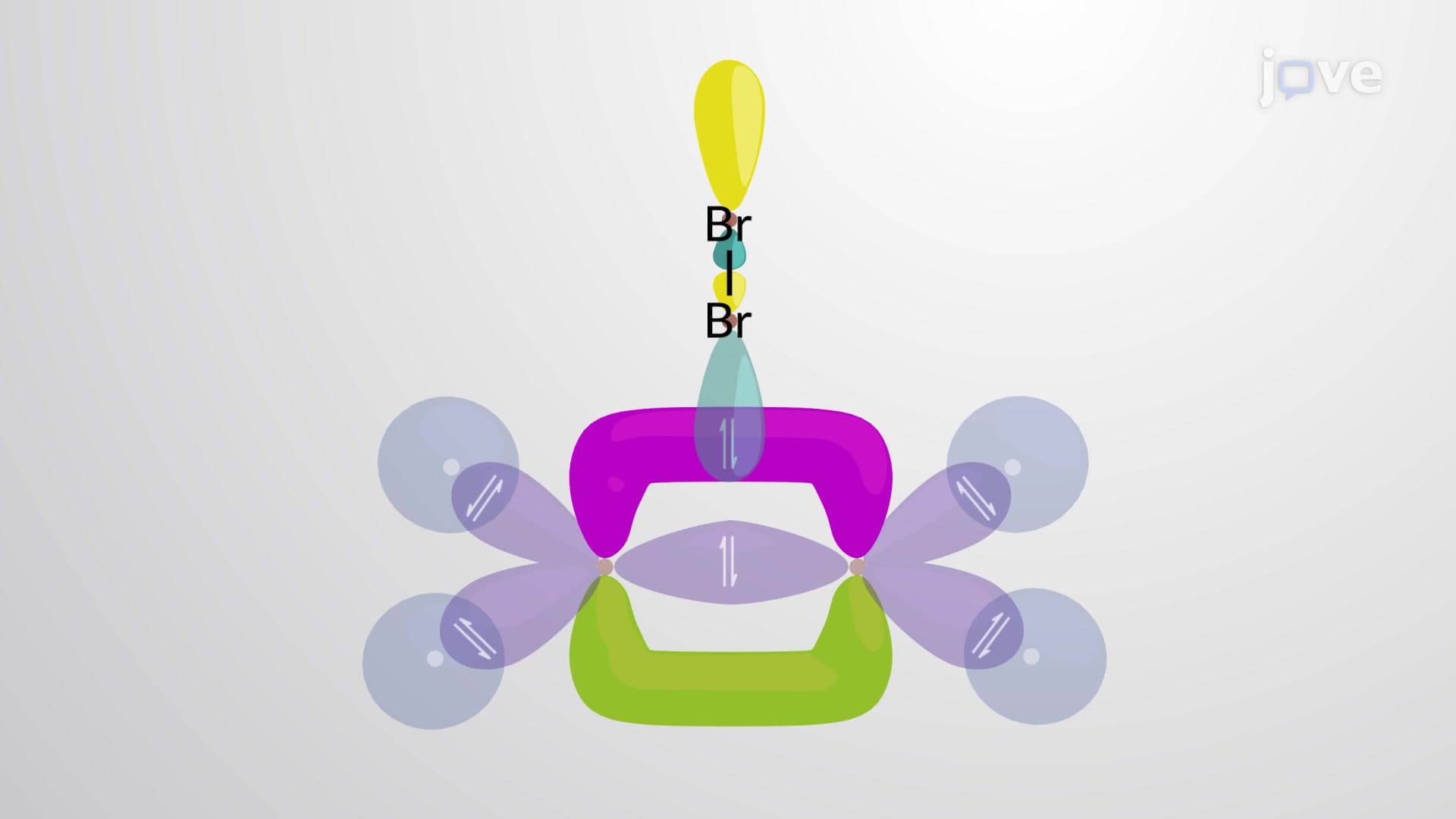

Video Summary: Electrophilic Addition Reactions of Alkenes Explained
Ever wonder why gasoline additives like bromine compounds can transform simple hydrocarbons? Electrophilic addition reactions of alkenes are fundamental transformations where electron-rich double bonds attack electron-deficient species, creating new single bonds. These reactions power everything from pharmaceutical synthesis at Pfizer to polymer production in Texas refineries. Electrophilic Addition Reactions of Alkenes Explained reveals how these mechanisms work through electron movement, thermodynamic principles, and stereochemical outcomes. Watch the full video on JoVE Coach to master this concept with expert-led visuals and step-by-step explanations.
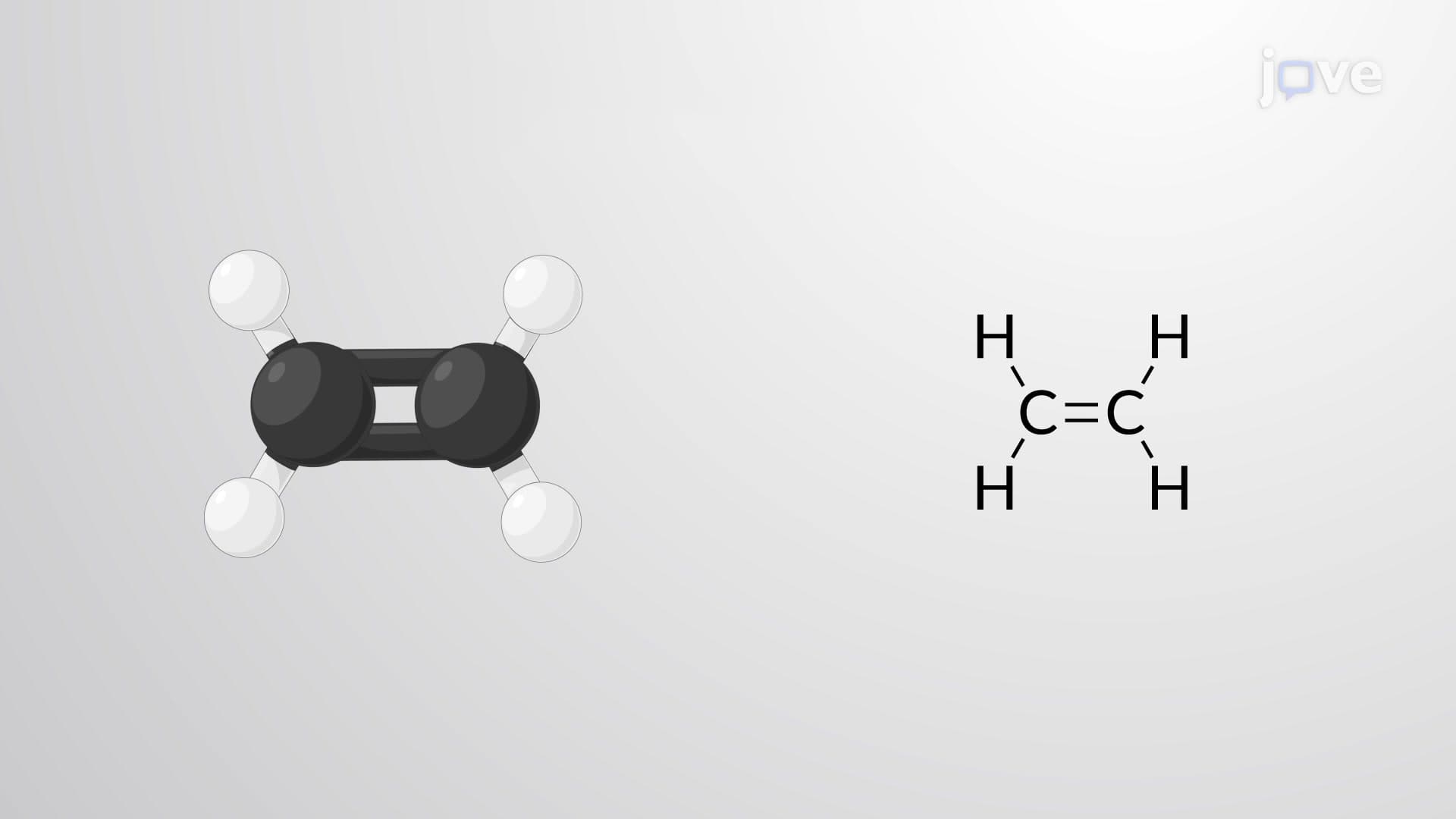
Electrophilic addition reactions represent one of the most important transformation classes in organic chemistry, converting alkenes into saturated compounds through stepwise bond formation. These reactions occur when electron-rich pi bonds in alkenes donate electrons to electron-deficient electrophiles, initiating a cascade that forms two new sigma bonds while breaking one pi bond.
The fundamental driving force involves frontier molecular orbital theory. The alkene's highest occupied molecular orbital (HOMO) contains the pi electrons, while the electrophile's lowest unoccupied molecular orbital (LUMO) accepts these electrons. This HOMO-LUMO interaction creates the initial bond formation and generates a carbocation intermediate that subsequently reacts with nucleophiles.
Addition reactions typically favor low temperatures due to competing enthalpy and entropy effects. The enthalpy change (ΔH) is negative because sigma bonds formed are stronger than the pi bond broken, making reactions exothermic. However, entropy change (ΔS) is negative since two molecules combine into one, reducing system disorder.
Using the Gibbs free energy equation ΔG = ΔH - TΔS, low temperatures minimize the unfavorable entropy term, making ΔG negative and reactions thermodynamically favorable. This explains why industrial alkene processing often occurs at controlled low temperatures in facilities across Louisiana's petrochemical corridor.
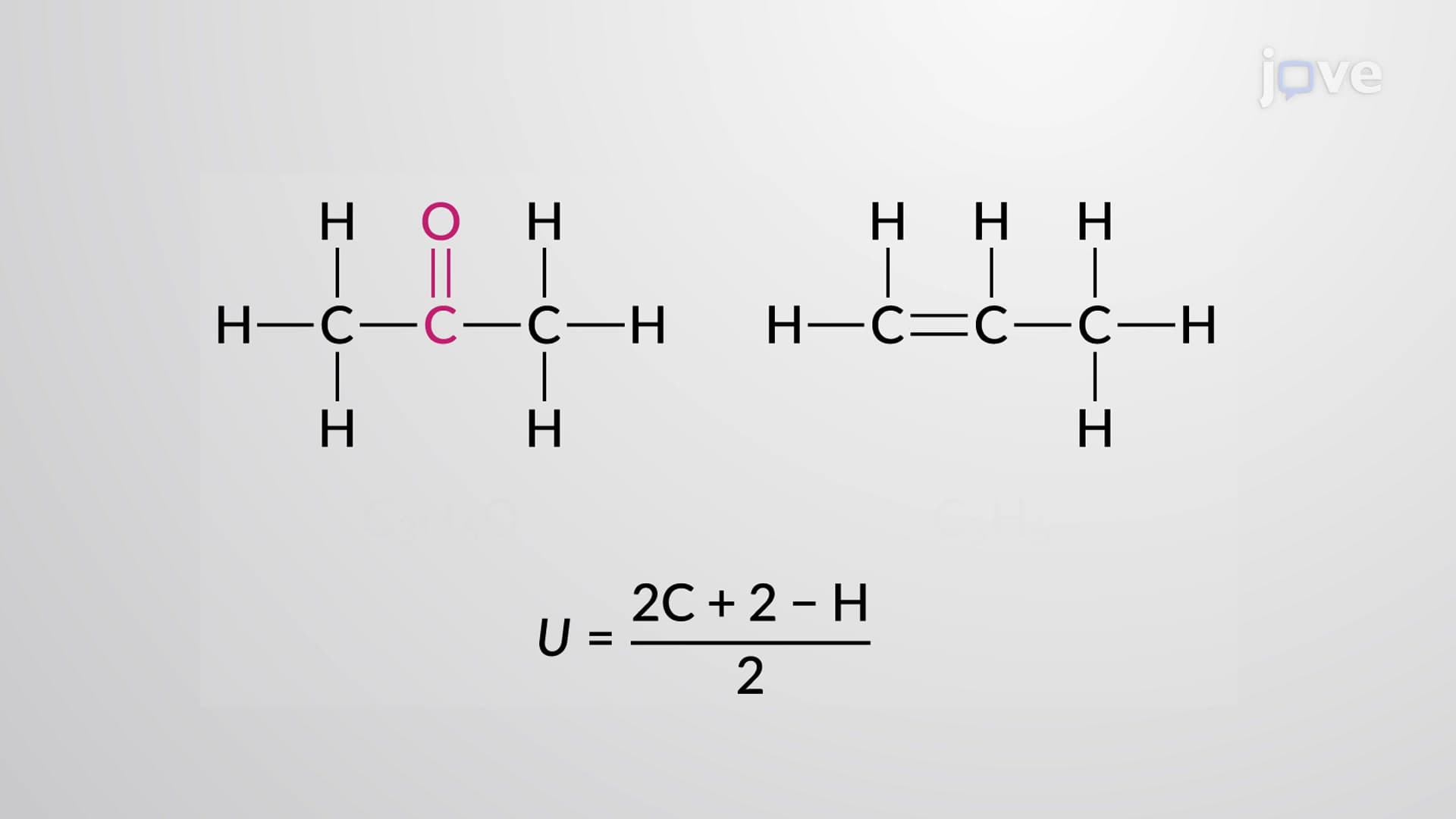
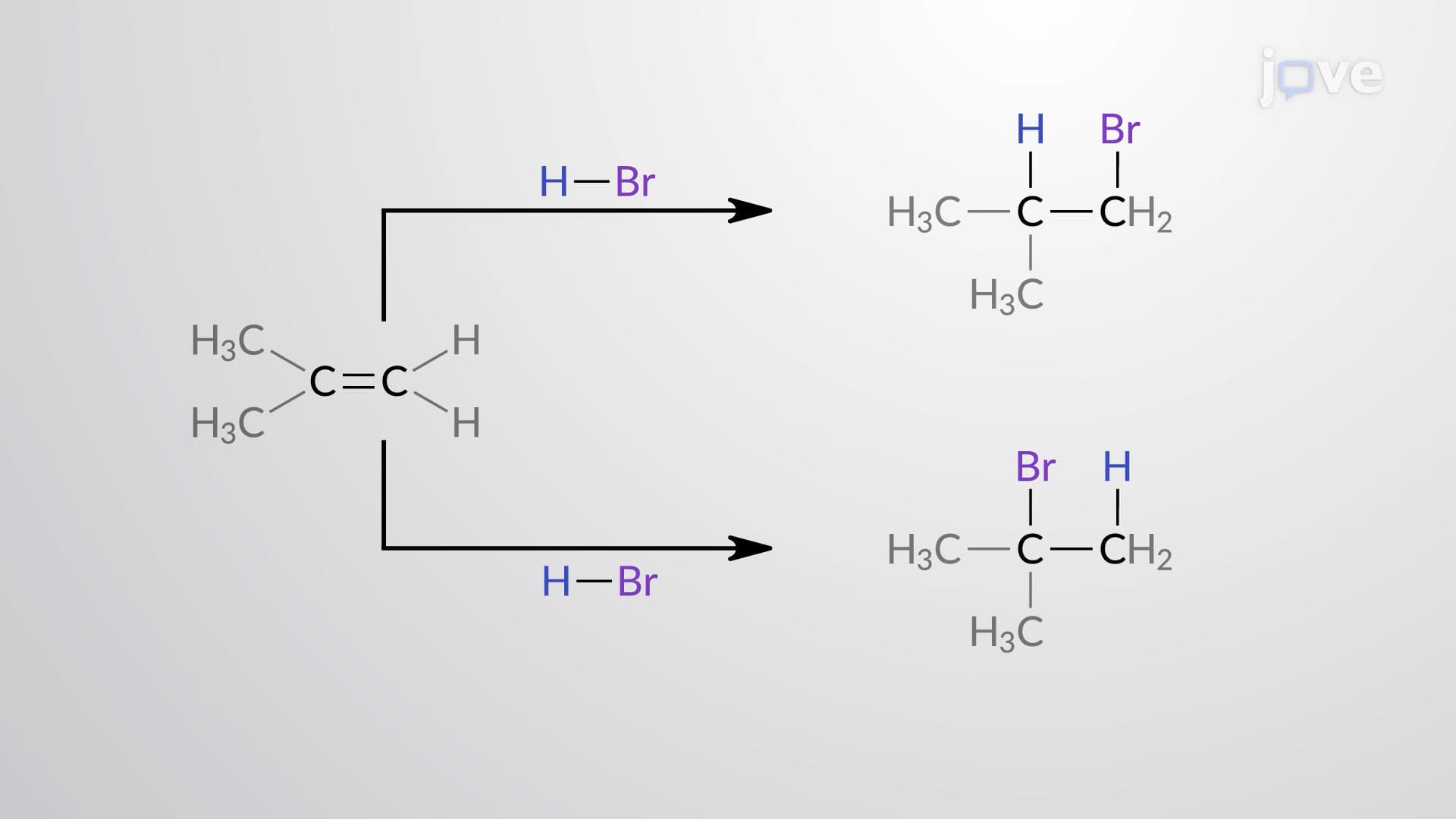
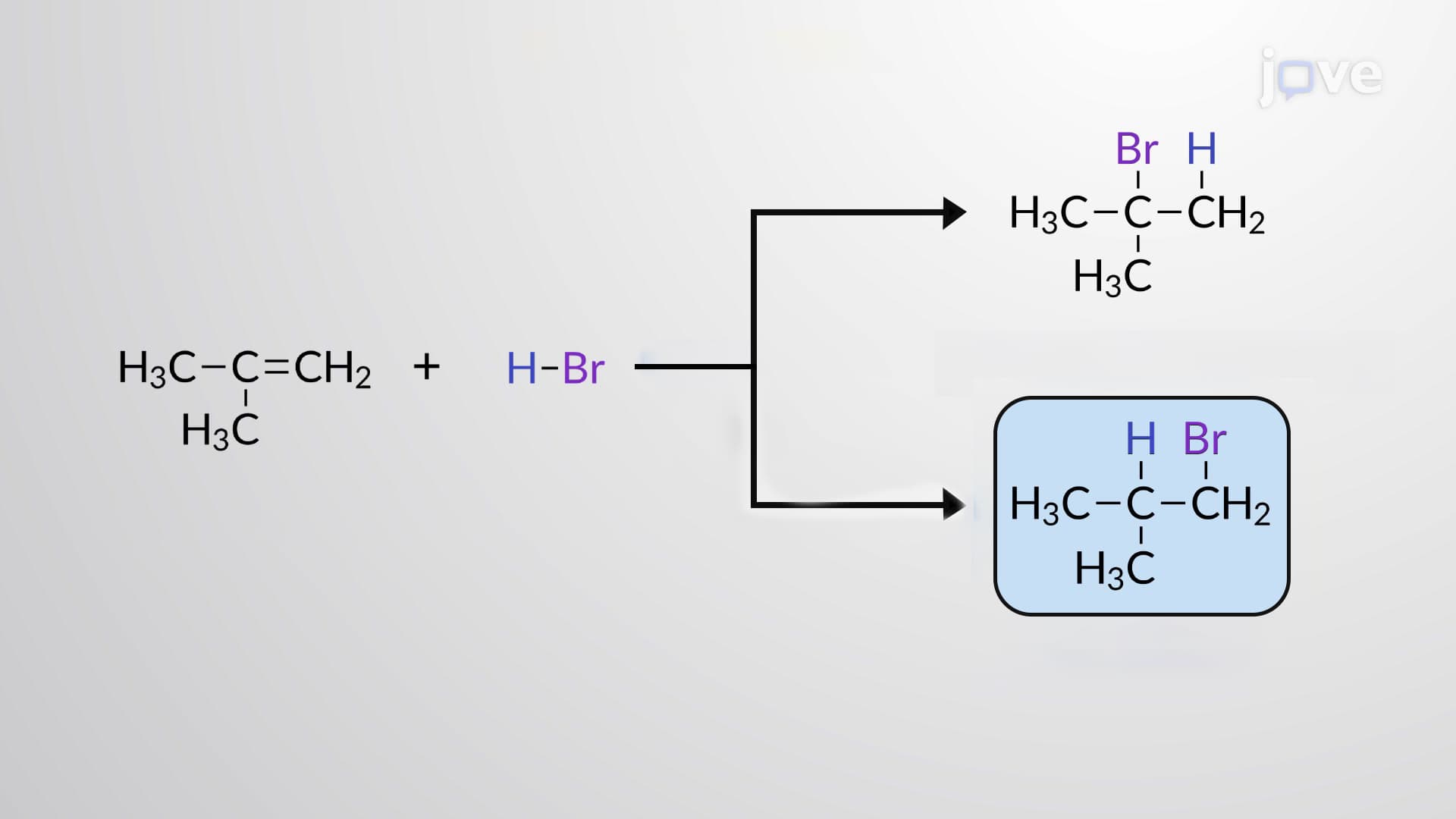
Halogenation reactions like bromination change carbon oxidation states from -2 to -1, classifying them as oxidation processes. Hydrogenation represents the opposite-a reduction converting alkenes to alkanes with oxidation state changes from -2 to -3. Mixed reactions like hydration and hydrohalogenation involve simultaneous oxidation of one carbon and reduction of another.
These concepts frequently appear on AP Chemistry exams, MCAT organic chemistry sections, and college organic chemistry midterms. Students should practice identifying oxidation state changes and predicting major products based on carbocation stability and Markovnikov selectivity rules.
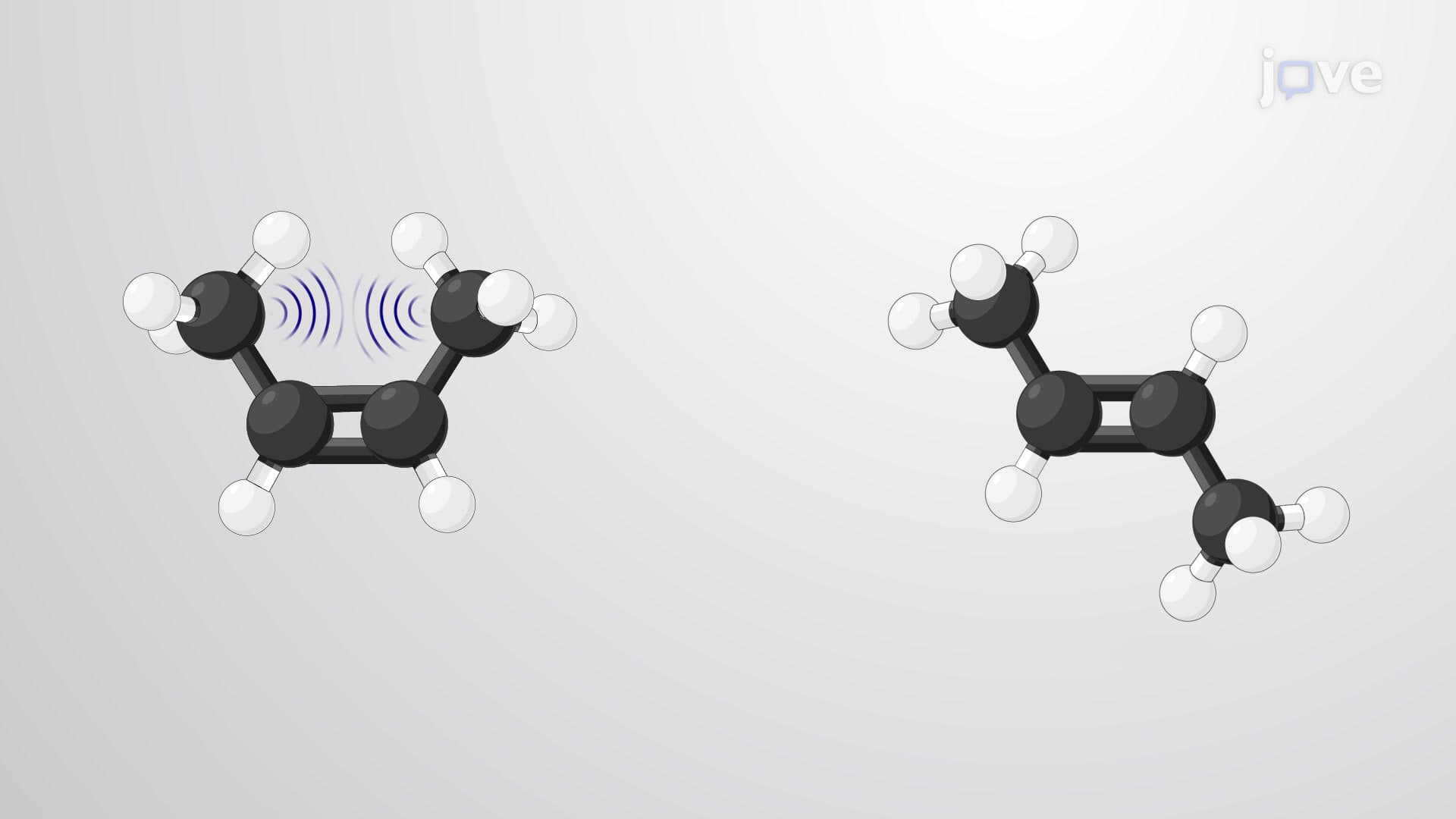
Many addition reactions produce stereoisomer mixtures. For example, HBr addition to but-2-ene generates a racemic mixture of 2-bromobutane because the planar carbocation intermediate can be attacked from either face. This stereocontrol becomes crucial in pharmaceutical synthesis, where companies like Merck must control stereochemistry to ensure drug efficacy and safety.
Related Micro-courses