Loading video…


 7 Concepts
 94.4K views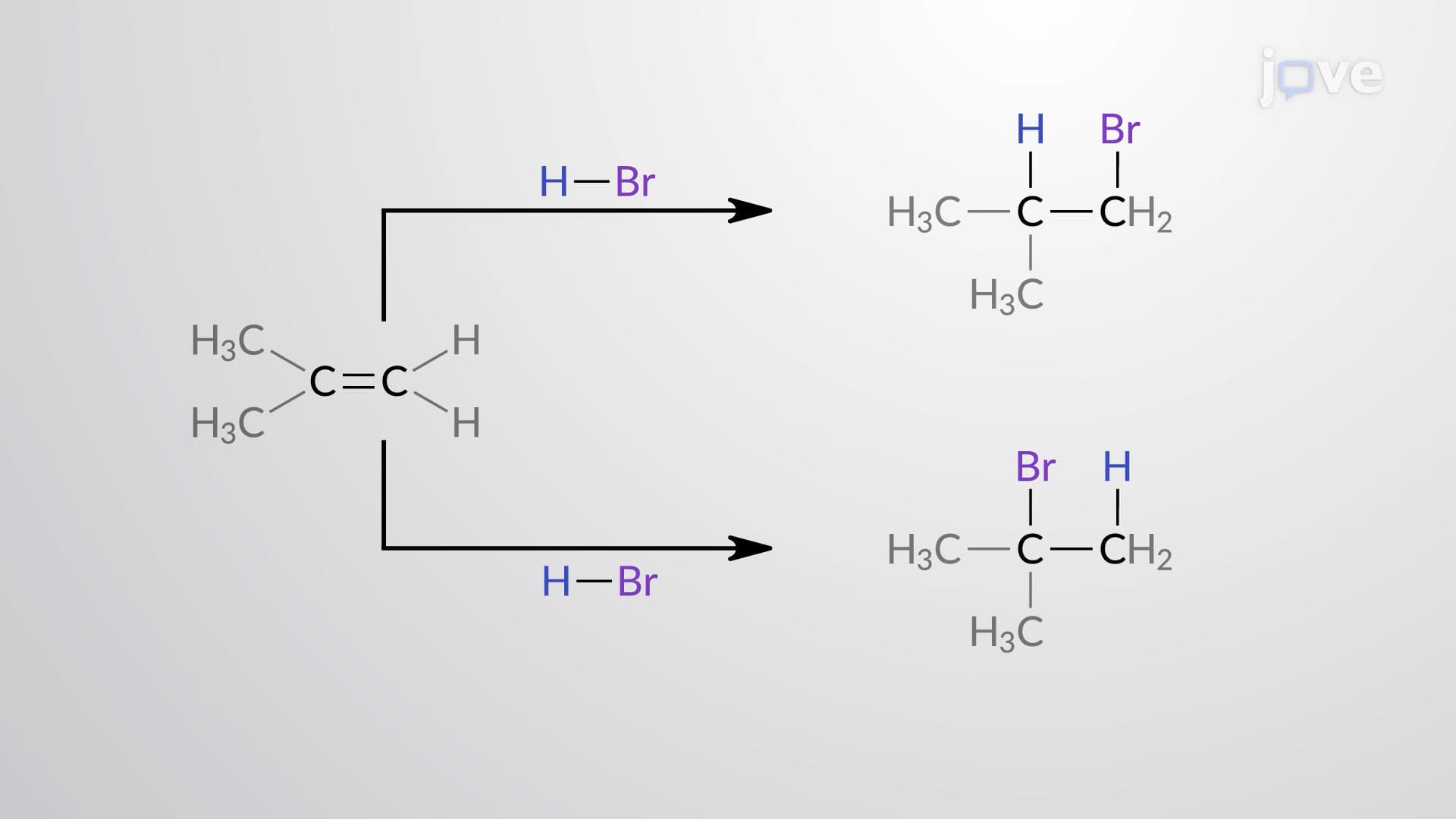

Video Summary: Regioselectivity of Electrophilic Additions to Explained
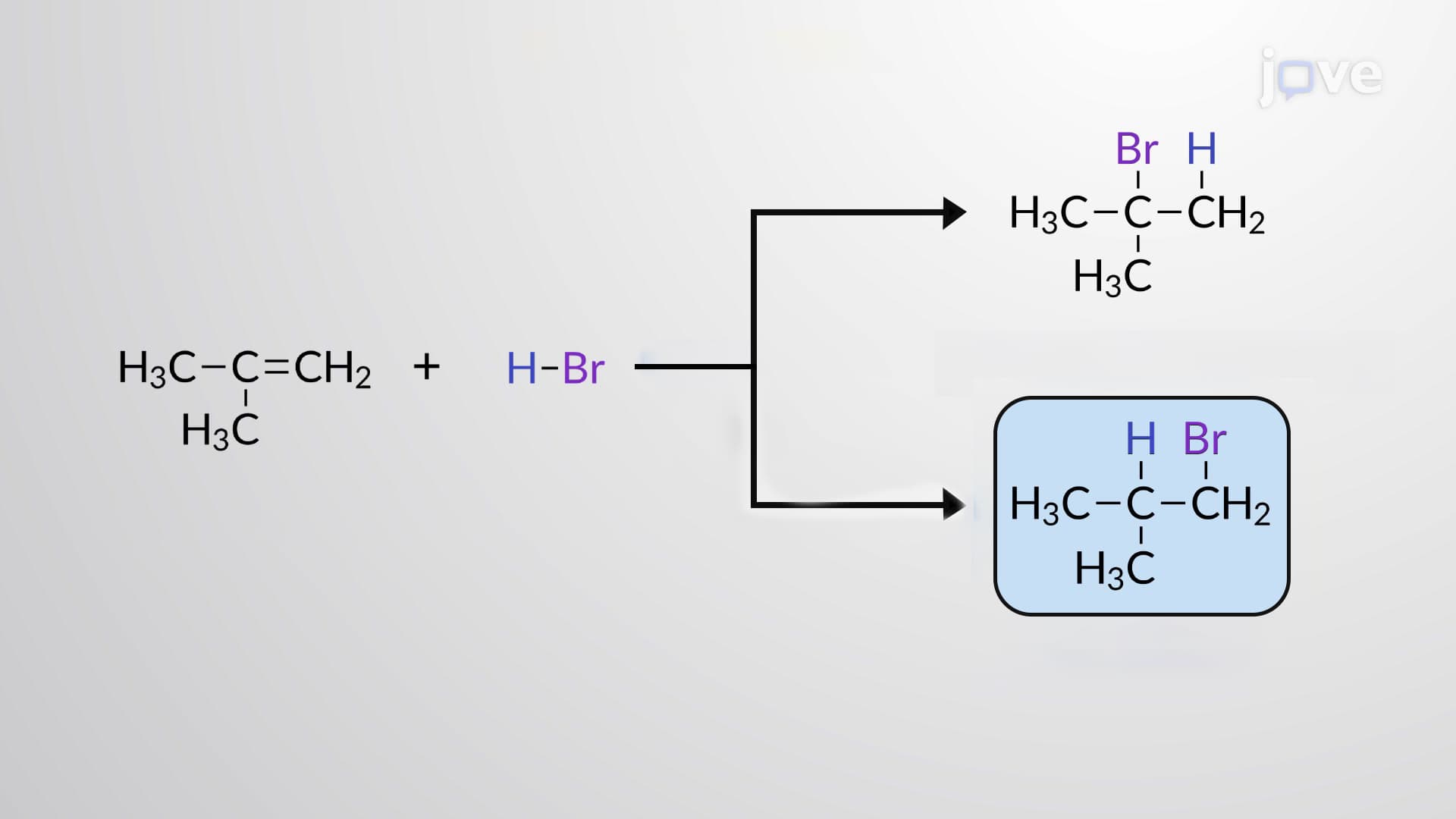
Why do pharmaceutical companies spend millions ensuring drug molecules attach to specific sites in the body? The answer lies in regioselectivity of electrophilic additions, a fundamental principle governing how molecules react with predictable precision. When 2-methylpropene reacts with hydrogen bromide in industrial polymer production, only one major product forms despite multiple possibilities-demonstrating how regioselectivity of electrophilic additions to explained mechanisms control chemical outcomes. Watch the full video on JoVE Coach to master this concept with expert-led visuals and step-by-step explanations.
Regioselectivity represents one of organic chemistry's most powerful predictive tools, determining which constitutional isomer predominates when multiple products could theoretically form. In electrophilic addition reactions, this selectivity arises from fundamental energy differences between competing reaction pathways, making it essential knowledge for students preparing for AP Chemistry, MCAT organic chemistry sections, and college-level coursework.
Markovnikov's rule provides the primary framework for predicting regioselective outcomes: "In the addition of HX to an alkene, hydrogen adds to the carbon with the greater number of hydrogen substituents." This seemingly simple rule reflects deeper thermodynamic principles governing carbocation stability. When propene (commonly used in polypropylene production for American plastic manufacturers) reacts with HBr, the hydrogen preferentially adds to the terminal carbon, directing bromide addition to the more substituted position.
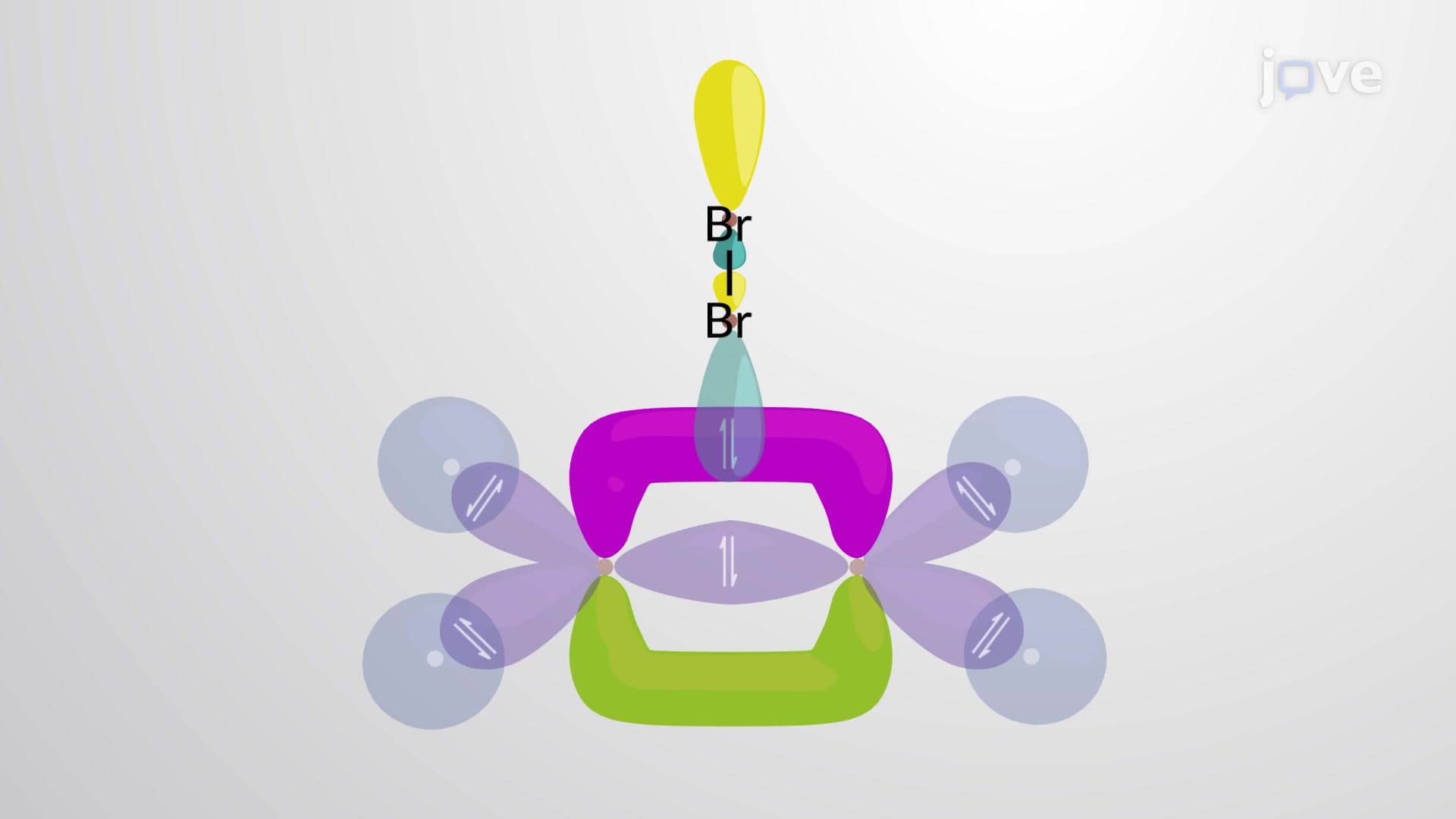
The mechanistic basis involves two-step addition processes where alkenes donate electron density to electrophilic hydrogen, generating carbocation intermediates. Primary carbocations form through higher-energy pathways than their tertiary counterparts, making the more substituted carbocation pathway kinetically and thermodynamically favored. This principle directly applies to pharmaceutical synthesis, where regioselective control determines drug efficacy and reduces unwanted byproducts.
Hammond's postulate provides crucial insight into regioselective outcomes by relating transition state structures to intermediate stability. For endergonic protonation steps (the rate-determining phase), transition states more closely resemble carbocation products than alkene starting materials. This relationship explains why tertiary carbocation formation proceeds through lower activation energy barriers-their transition states benefit from partial stabilization through hyperconjugation and inductive effects.
Students encountering this concept in college organic chemistry courses should recognize that Hammond's postulate applications extend beyond simple additions to complex synthetic transformations, making it fundamental for MCAT preparation and advanced coursework.
When electrophilic additions generate new stereocenters, the planar geometry of carbocation intermediates allows nucleophilic attack from either face, producing racemic mixtures. This stereochemical consequence impacts pharmaceutical development, where enantiomeric purity determines therapeutic effectiveness. The arthritis medication ibuprofen, manufactured by American companies like Pfizer, demonstrates how stereochemical control in synthetic routes affects drug properties and regulatory approval processes.
Related Micro-courses