Loading subject page…


94,400 views

Video Summary: What are Isomerism in Alkenes
Ever wonder why pharmaceuticals like Adderall require precise molecular configurations to work effectively? Isomerism in alkenes creates molecules with identical formulas but dramatically different properties-a phenomenon crucial in drug design and industrial chemistry. Constitutional isomers differ in double bond placement, while stereoisomers vary in spatial arrangement across the double bond, following cis-trans or E-Z naming conventions that prevent confusion in chemical identification. Watch the full video on JoVE Coach to master this concept with expert-led visuals and step-by-step explanations.
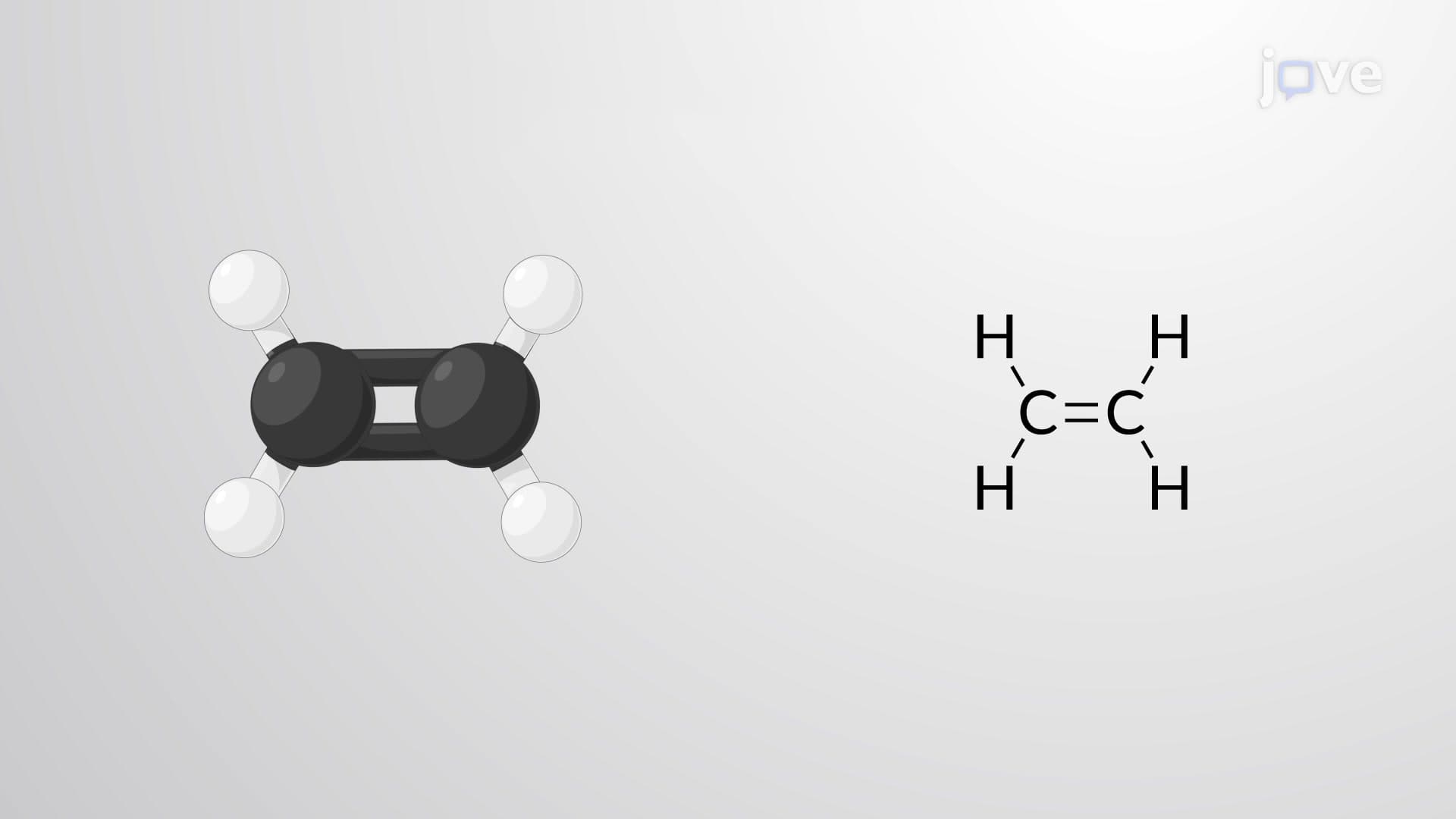
Isomerism in alkenes represents one of organic chemistry's most fascinating phenomena, where molecules sharing identical molecular formulas exhibit vastly different structures and properties. This concept forms the foundation for understanding molecular diversity in everything from petroleum refining to pharmaceutical development.
Constitutional isomers in alkenes differ in the actual position of their double bonds within the carbon chain. Consider 1-butene versus 2-butene-both have the molecular formula C4H8, but their double bonds occupy different positions, creating entirely different molecules with distinct boiling points and chemical reactivities.
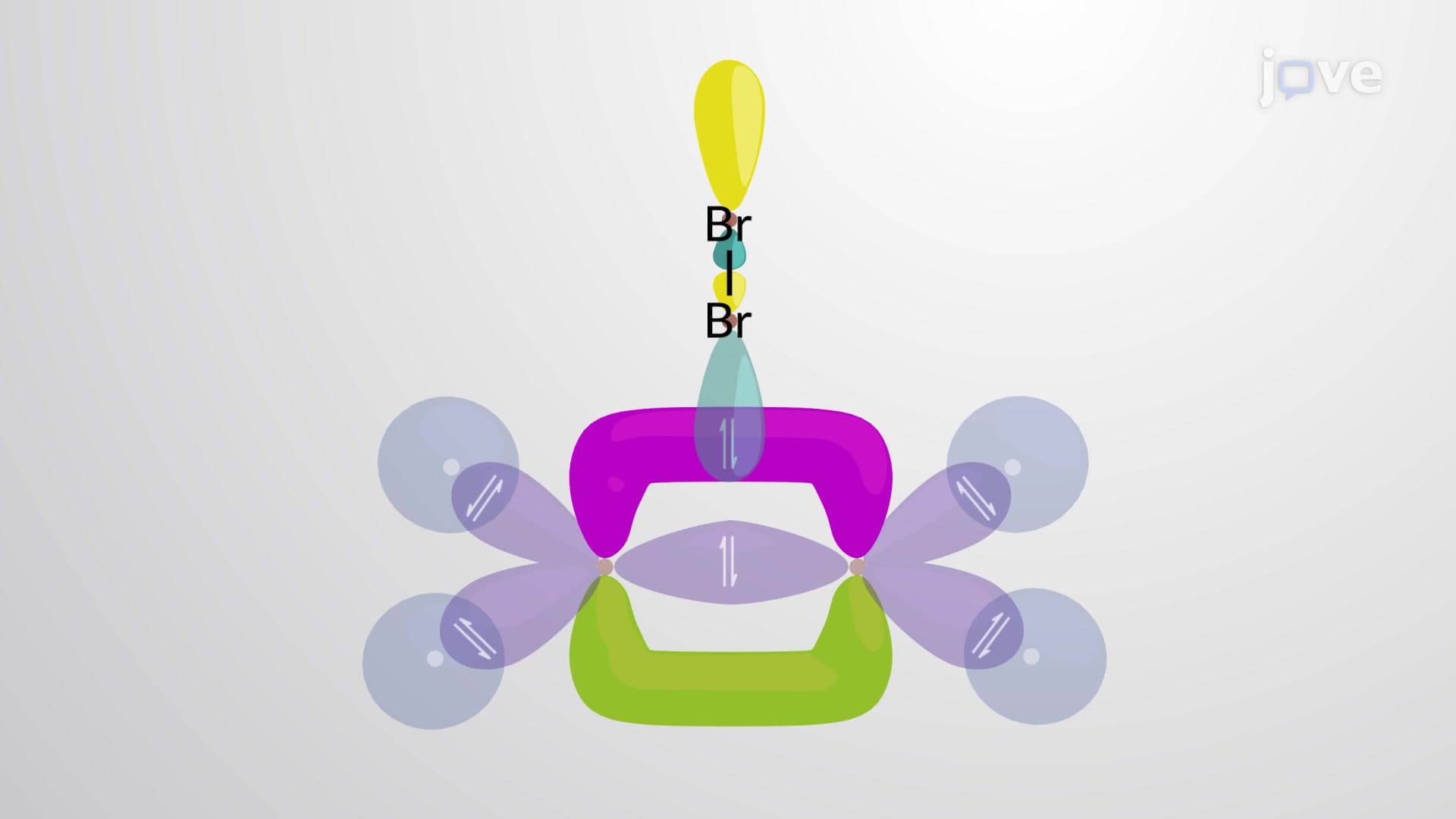
Stereoisomerism, however, involves molecules with identical connectivity but different spatial arrangements. This occurs when substituents around the double bond occupy different positions relative to each other. Unlike single bonds, double bonds cannot rotate freely due to the rigid pi orbital overlap, locking substituents in fixed positions and creating distinct isomers.
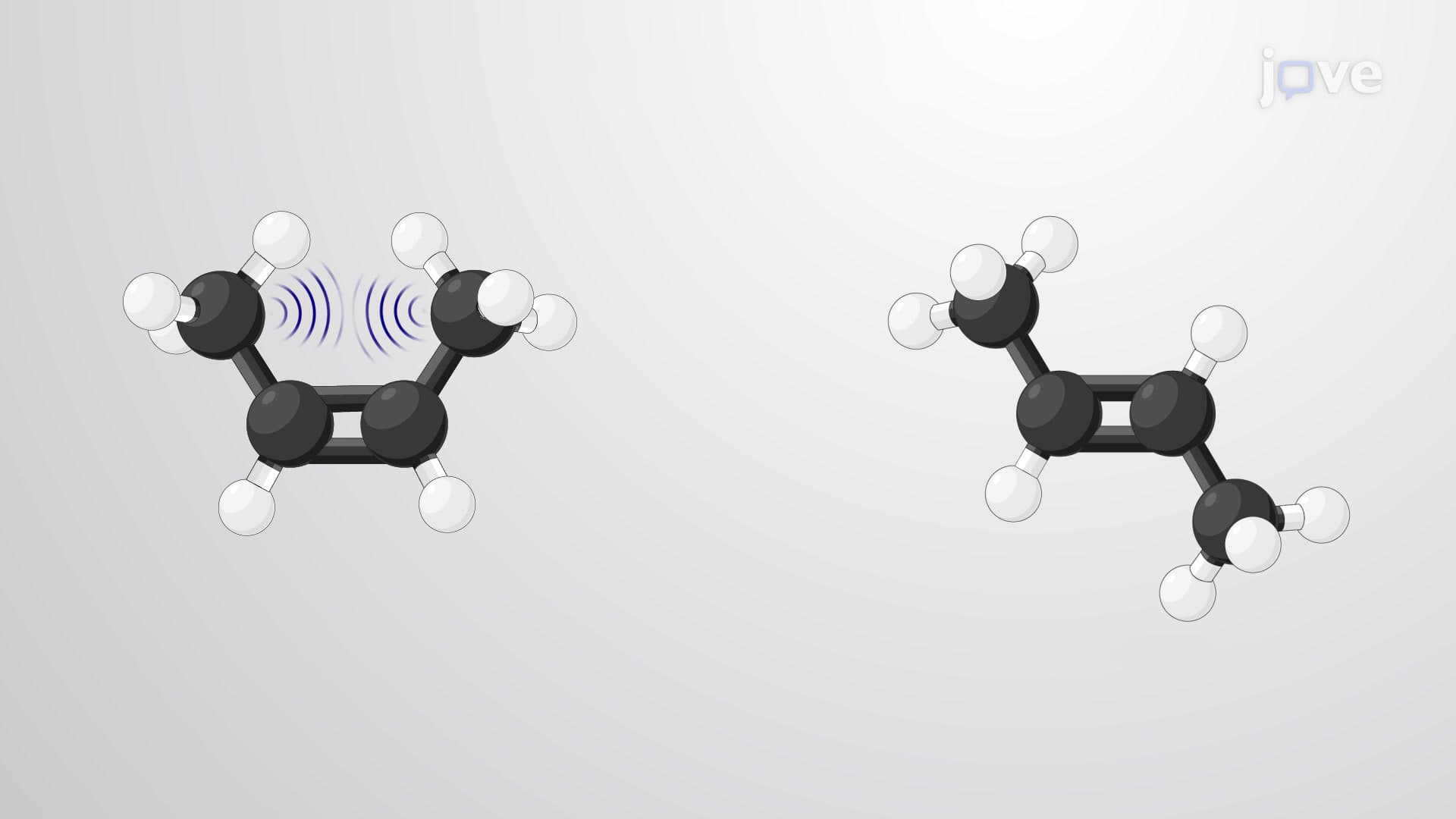
The cis-trans system provides the foundational method for naming alkene stereoisomers. In cis isomers, identical or similar substituents appear on the same side of the double bond, while trans isomers position these groups on opposite sides. This distinction proves crucial in applications like fatty acid chemistry, where cis fats (like olive oil) remain liquid at room temperature, while trans fats tend toward solid states.
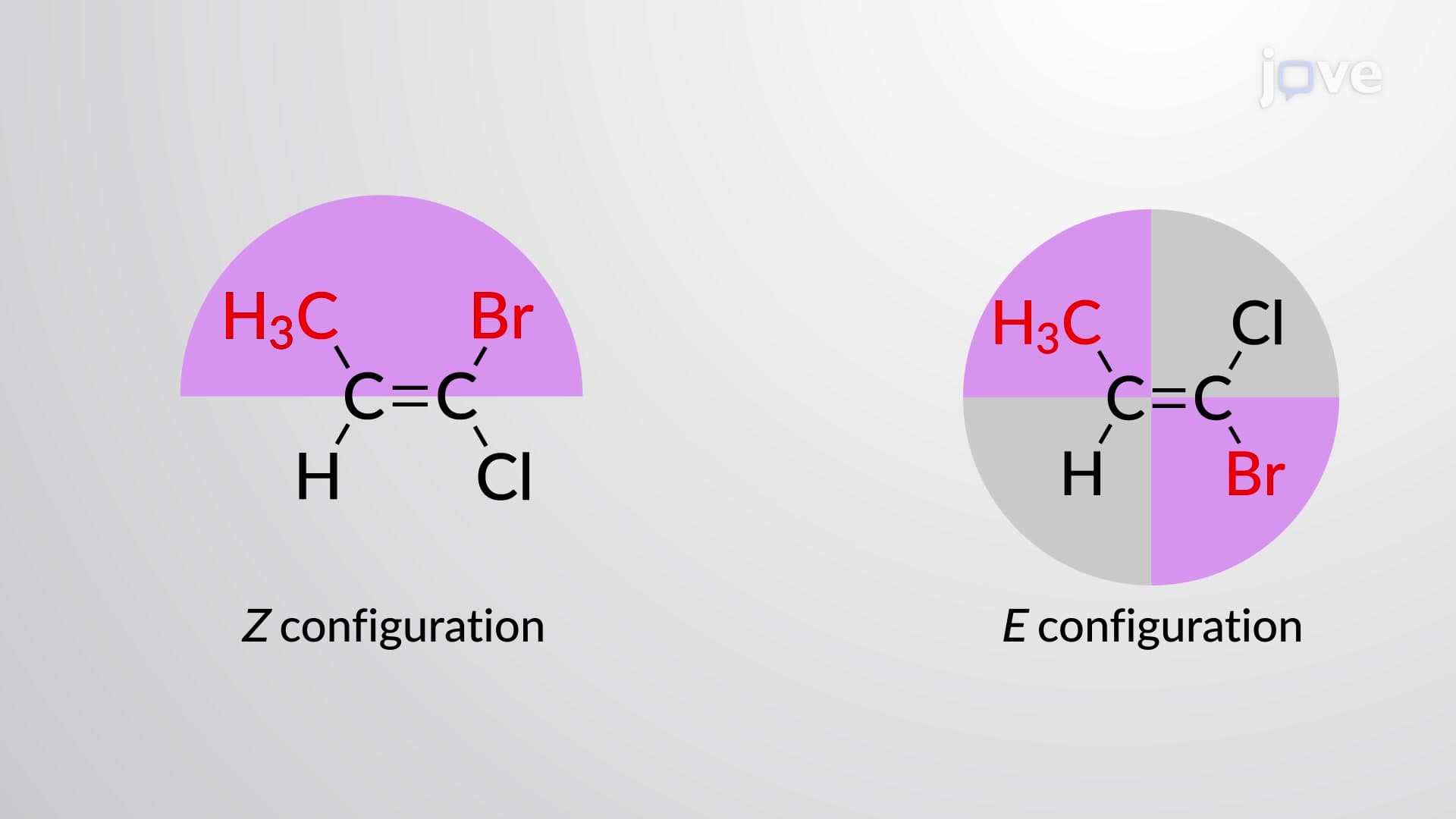
The Cahn-Ingold-Prelog priority system eliminates ambiguity in complex molecules where cis-trans notation becomes insufficient. By assigning priorities based on atomic numbers, the E-Z system provides unambiguous naming. Higher priority substituents on the same side create Z (zusammen) configuration, while opposite sides generate E (entgegen) configuration.
Priority determination follows specific rules: higher atomic numbers receive higher priority, and when first atoms are identical, the system examines the next point of difference. For example, a vinyl group outranks ethyl because the double-bonded carbon is considered attached to two carbons and one hydrogen, creating higher effective priority than ethyl's single carbon attachment.
This systematic approach proves essential for students preparing for AP Chemistry exams, MCAT sections on organic chemistry, and college-level organic chemistry courses, where precise molecular identification determines success in both theoretical problems and laboratory applications.
Related Micro-courses